How Georgia Gardeners Plant Paperwhites Outdoors For Holiday Blooms
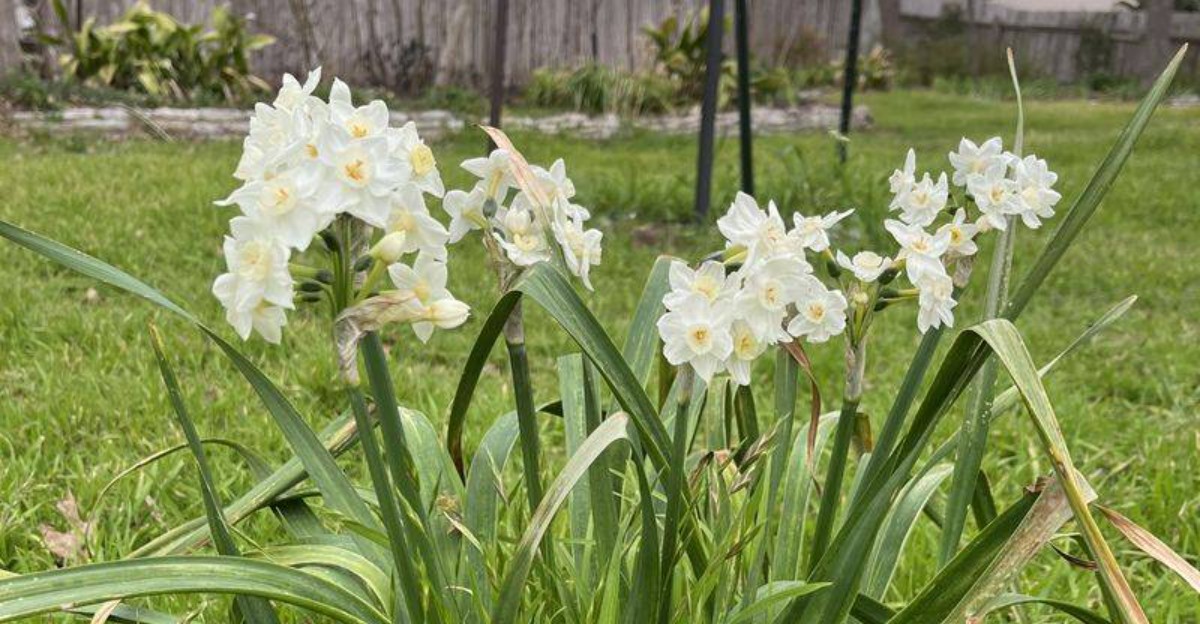
A bulb that needs zero winter chill can flower in about four to six weeks. Most spring bulbs demand months of cold first, so this one feels like a cheat code.
Its papery white blooms carry a scent so strong that some folks call it musky. People either adore it or wrinkle their noses, and I happily belong to the first group.
Most of us only see these flowers crowded into gravel bowls on kitchen counters. I like the idea of letting them stretch out under real Georgia sky, where cool air helps the stems stay sturdier and the fragrance drifts across the porch instead of filling one room.
You need the right timing, the right spot, and the right variety for the trick to work. I think that small effort is worth it.
With a little planning, those fragrant white flowers could be brightening your front walk just in time for Christmas.
1. Those Fragrant White Narcissus Clusters Feel Right At Home In Much Of The South
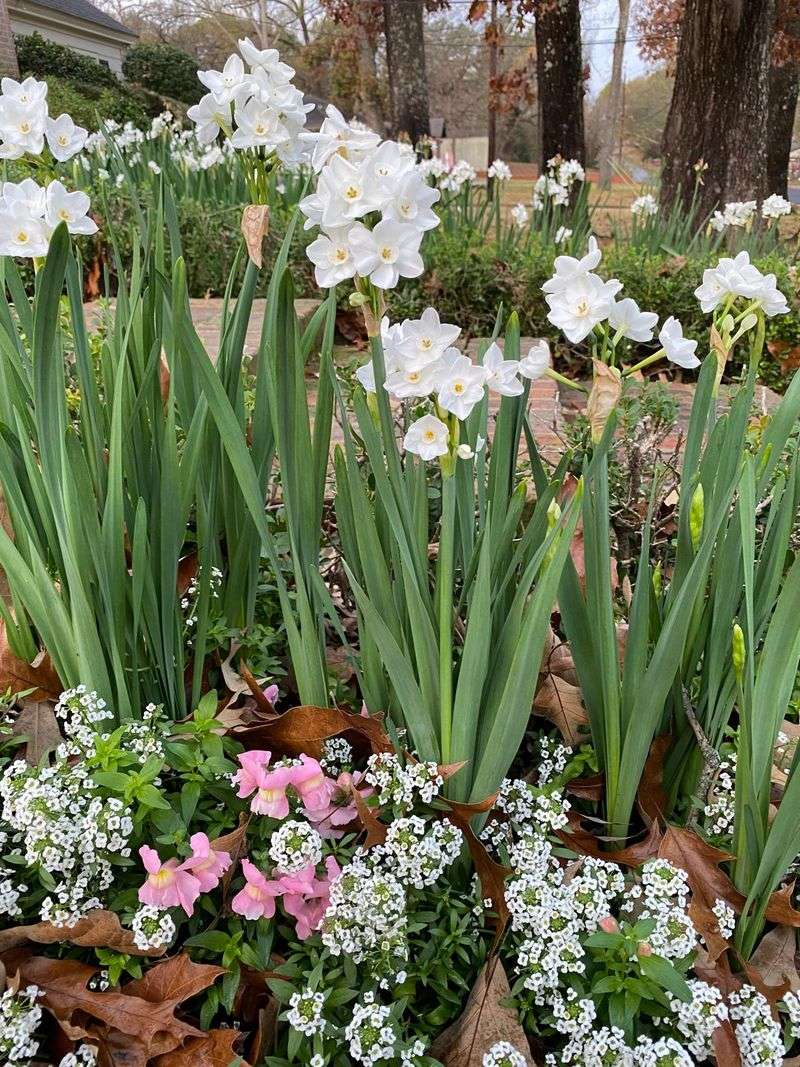
Paperwhites are a type of Narcissus tazetta, a daffodil cousin that grows wild around the Mediterranean. That home region has mild, wet winters and dry summers, which explains a lot about their habits.
Unlike tulips or classic daffodils, these bulbs skip the long cold nap. They sprout soon after planting and bloom fast, which is why they are famous for indoor forcing.
Outdoors, that same speed becomes your secret weapon for winter color.
Hardiness matters most. Paperwhites are generally rated for USDA zones 8 through 11, with some gardeners pushing them into zone 7b with good luck and shelter.
That means Central, South, and Coastal Georgia are the sweet spots.
Gardeners in the Atlanta area sit around zones 7b and 8a, so they often succeed in protected spots. North Georgia mountain areas run colder, and blooms there may get nipped by hard freezes.
Here is a fun bit of history. Tazetta daffodils have been grown for centuries, and some old varieties still pop up around abandoned Southern homesteads.
They come back year after year with no help at all. That tells you how well this flower can settle in when the climate suits it.
2. Plant Paperwhite Bulbs In Mid-October For A Christmas Flower Show
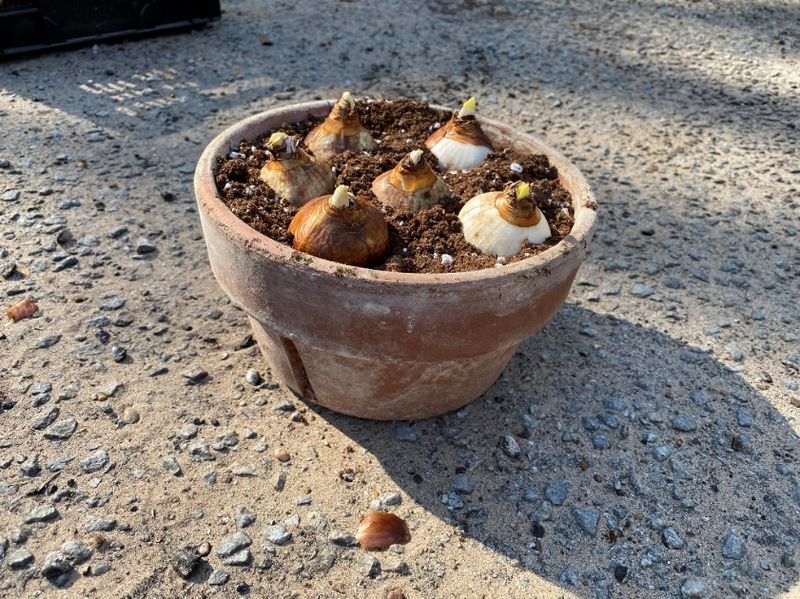
Timing is the whole game with these speedy bulbs. Most paperwhites bloom roughly four to six weeks after planting, though cool outdoor weather can stretch that a bit.
For Christmas flowers, indoor forcing offers more predictable timing. Paperwhites planted outdoors in Georgia may bloom in winter or early spring depending on the variety and weather, so planting between mid-October and mid-November does not guarantee holiday blooms.
Want a longer show? Try succession planting.
Put a new batch in the ground or in pots every two to three weeks from late fall into early winter. You could have fresh clusters opening from the holidays well into late winter.
Keep a little notebook or phone note with planting dates. After one season, you will know exactly how your yard behaves.
A sunny bed in Savannah might bloom days earlier than a shady corner in Macon.
One caution about planting too early. If you plant in warm September soil, the bulbs may bloom before the holidays or grow floppy leaves in the heat.
Waiting until temperatures cool down gives sturdier stems and better timing.
Buy bulbs as soon as stores stock them in early fall. Store them in a cool, dry, airy spot until planting day so they stay firm and healthy.
3. Sunny Beds With Fast-Draining Soil Keep Paperwhite Bulbs Happy
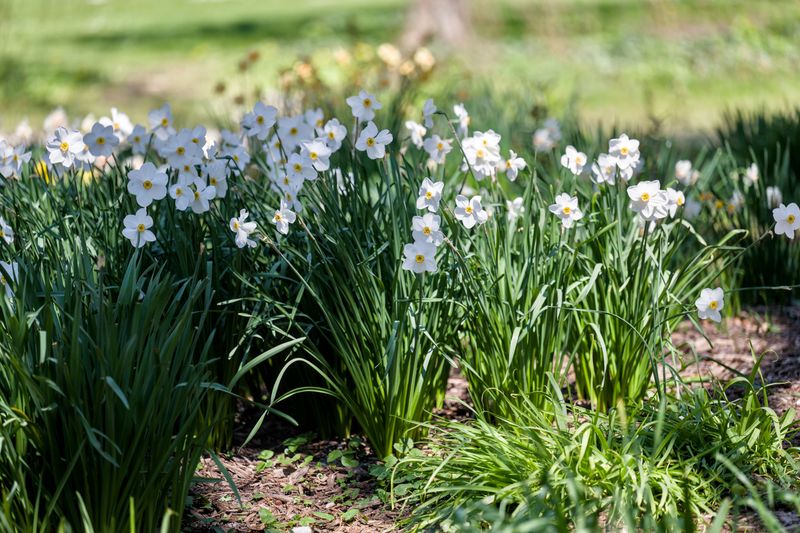
Soggy soil is the quickest way to ruin a bulb. Georgia red clay holds water like a sponge, and paperwhite bulbs sitting in that wet mush can rot by midwinter.
Choose a spot with full sun or at least six hours of light. Winter sun is weaker, so brighter is better.
Strong light also keeps stems shorter and less likely to flop over.
Improve heavy clay before planting. Mix in compost or finely shredded pine bark to loosen the soil and help water move through.
Raised beds and mounded rows work wonders if your yard tends to puddle after rain.
A south-facing wall or a spot near the house gives extra warmth. That little bit of shelter can protect buds during a surprise cold snap, which is handy for gardeners near Atlanta.
Try a quick drainage test. Dig a hole about a foot deep and fill it with water.
If it still holds water after several hours, choose another spot or build up the bed.
Containers are another smart choice. A large pot with drainage holes and quality potting mix lets you control moisture and move the flowers to your front steps right when they open.
4. Tuck Each Paperwhite Bulb A Few Inches Deep With The Pointy End Up
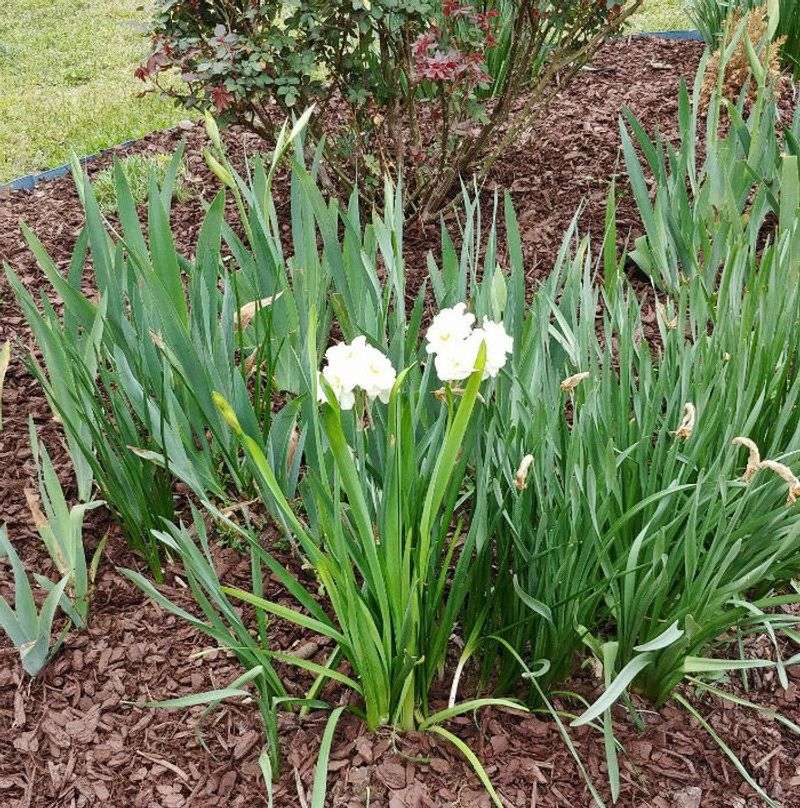
Planting day is quick and satisfying. Grab a trowel, your bulbs, and maybe a cup of hot cocoa, because this job takes minutes.
Set each bulb with the pointed tip facing up and the flat root plate down. A common guideline is to plant them about two to three times as deep as the bulb is tall.
For most paperwhites, that lands around five to six inches deep in garden beds.
Group them closely for a fuller look. Spacing of about three to four inches gives a lush cluster instead of a lonely dot here and there.
Odd-numbered groups of five or seven often look the most natural.
After planting, water well to settle the soil around the bulbs. Then keep the soil lightly moist but not wet.
Fall and winter rains often handle much of the work for you in Georgia.
Add a thin layer of pine straw or shredded leaves on top. Mulch keeps soil temperatures steadier and helps hold moisture.
Fertilizer is rarely needed in the first season. The bulb already holds food for this year’s flowers.
Save feeding for later if you plan to keep them growing for future winters.
5. Ziva, Inbal, And Wintersun Paperwhites Each Bring A Different Scent
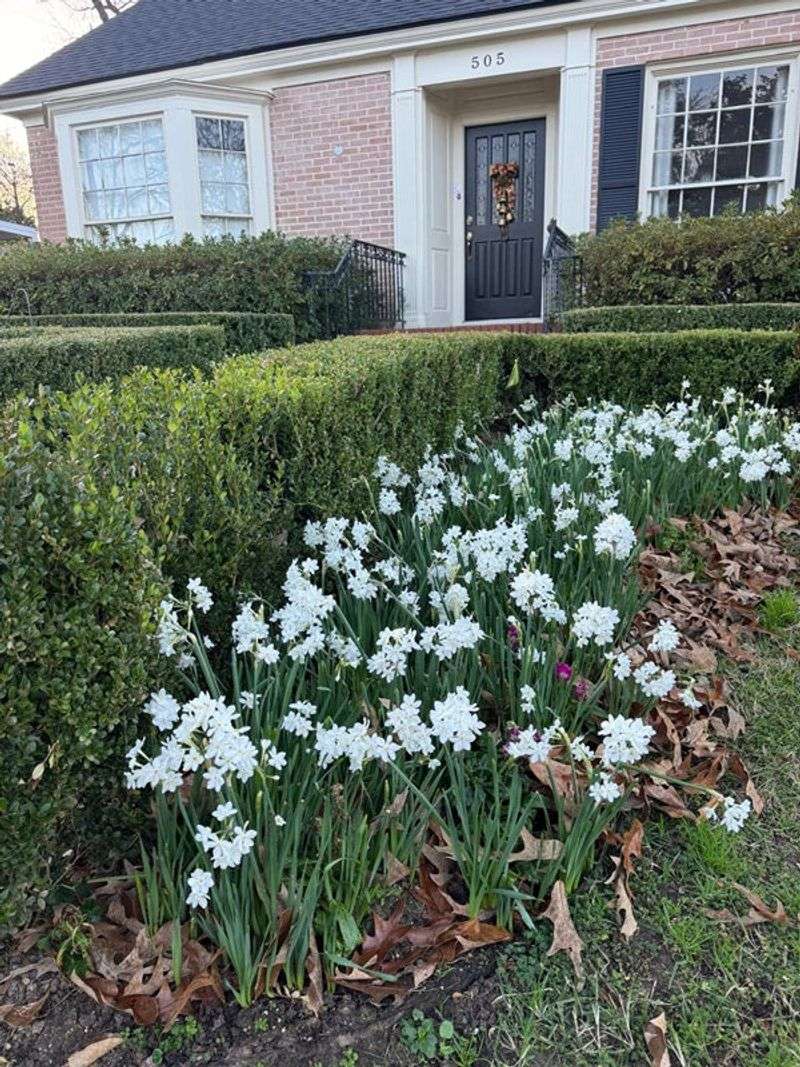
Scent is where paperwhites get personal. Some people love the bold perfume, while others find it overpowering, and that is fine.
Ziva is the classic choice found in most stores. It grows reliably, blooms fast, and has a strong, heady scent.
Outdoors, that bold fragrance drifts nicely in open air instead of building up in a closed room.
Prefer something milder? Varieties such as Nir and Ariel offer a lighter aroma, and Inbal is known for one of the softest scents in the group.
Inbal is a great pick near seating areas or front doors.
Wintersun adds a cheerful twist. Its white petals surround small yellow cups, and its fragrance is gentler than Ziva.
I like it mixed with pure white types for a little sparkle.
Fun fact for curious gardeners. Many modern paperwhite selections were developed by growers in Israel, which is why several have Hebrew names like Ziva and Inbal.
A safety note matters here. All parts of paperwhites, especially the bulbs, are toxic to dogs, cats, and people if eaten.
Plant them where curious pets and kids won’t dig, and wash your hands after handling bulbs.
6. A Hard Freeze Can Flatten Paperwhite Buds Without A Little Protection
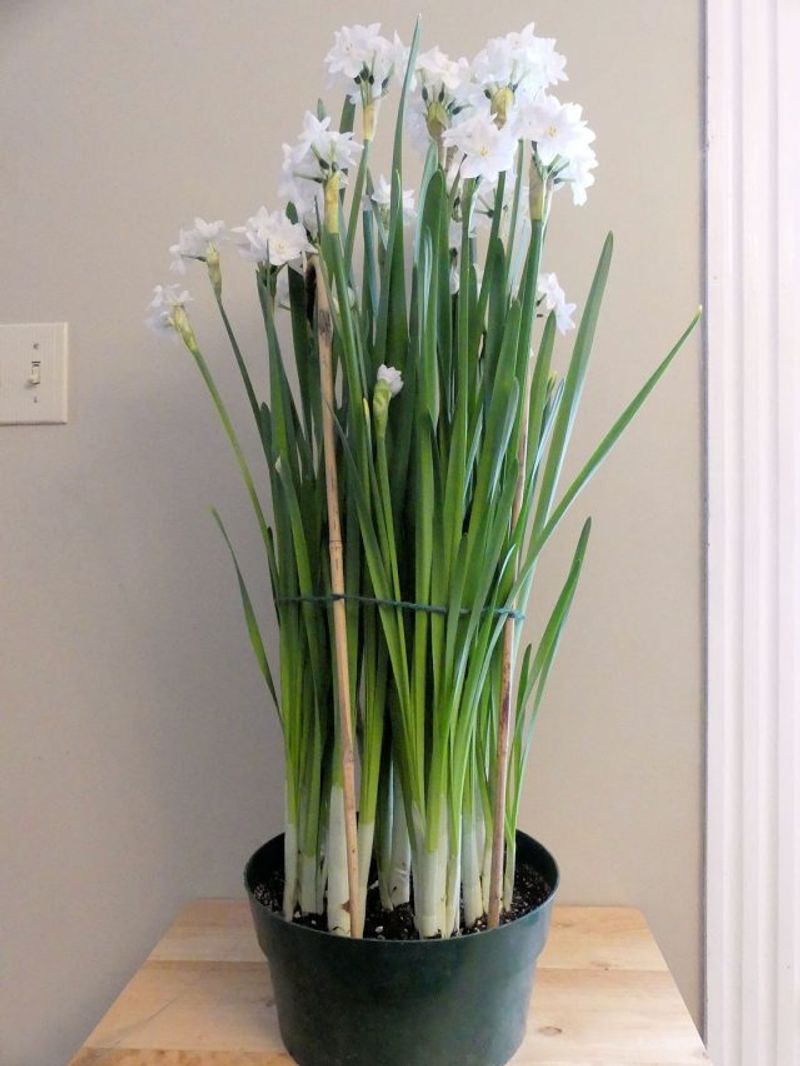
Cold snaps are the wild card in a Georgia winter. One night can dip into the low 20s, even after a stretch of mild weather.
Paperwhite foliage handles light frost fairly well. Open flowers and fat buds are more tender, though.
A hard freeze can turn those pretty blooms brown and mushy by morning.
Keep an eye on the forecast once buds appear. When temperatures are expected to drop below about 28 degrees, cover plants with frost cloth or an old bedsheet.
Remove the cover the next morning so plants get sunlight.
Potted paperwhites are even easier to protect. Simply roll them into a garage or onto a covered porch overnight.
Containers also cool faster than ground soil, so they need attention sooner.
Wind adds stress too. Tall stems can tip over after a gusty front blows through.
Small bamboo stakes and soft twine help keep clusters upright.
Gardeners in North Georgia face the biggest challenge. If your winters regularly bring hard freezes, consider containers or simply treat outdoor paperwhites as a one-season treat.
Coastal gardeners, on the other hand, may barely need covers at all.
7. Let Those Floppy Paperwhite Leaves Yellow Before You Cut Them Back
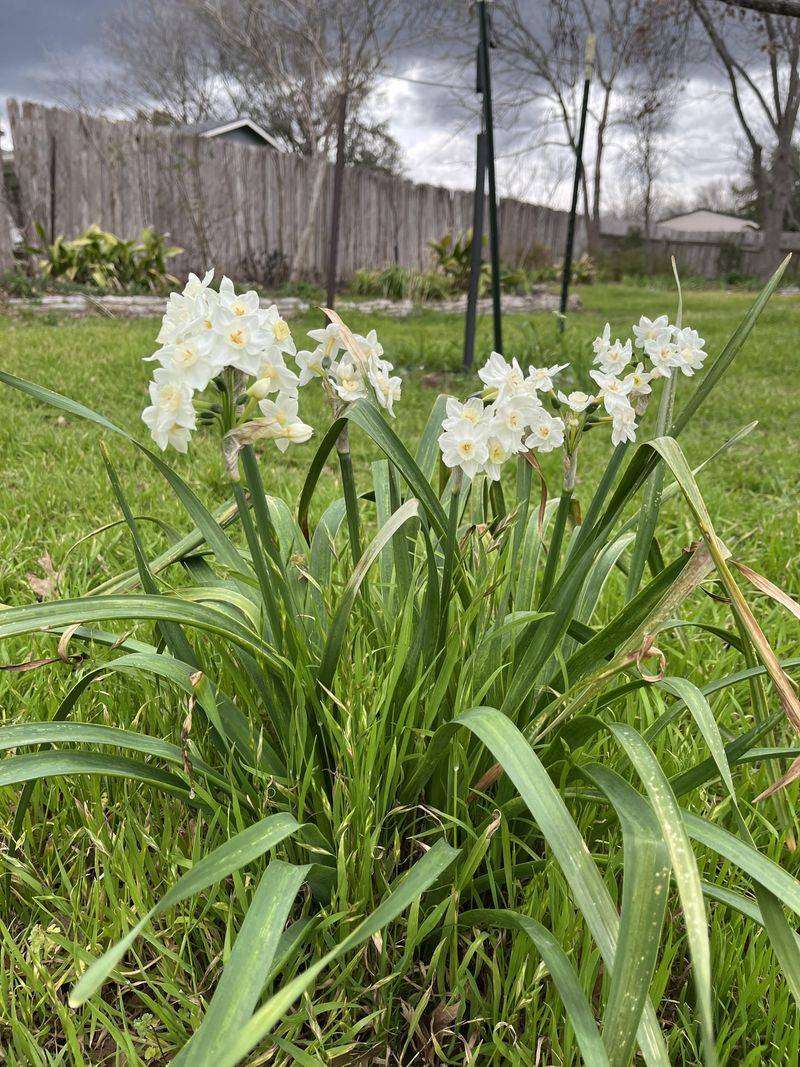
After the last bloom fades, resist the urge to tidy up too quickly. Those green leaves are busy making food for next year.
Snip off spent flower stems so the plant doesn’t waste energy making seeds. Leave the foliage alone, though.
Let it yellow and wither naturally, which usually takes several weeks in late winter or spring.
A light feeding helps bulbs you plan to keep. Sprinkle a balanced, slow-release fertilizer or a bit of compost around the plants after bloom.
Then let nature take over.
Paperwhites go dormant in summer, much like they would in their Mediterranean homeland. They actually prefer that hot, drier rest.
Avoid planting them where sprinklers soak the soil all summer long.
Not every bulb returns with gusto. Store-bought bulbs that were grown for forcing may take a year or two to rebuild strength.
Some will bloom again, and others may only send up leaves.
Here is a gentle reminder for indoor bulbs. Paperwhites forced in water usually exhaust themselves and rarely bloom well again.
Bulbs planted in garden soil from the start have much better odds of becoming a long-lasting part of your yard.
8. Naturalized Paperwhite Patches Can Return Every Winter For Years
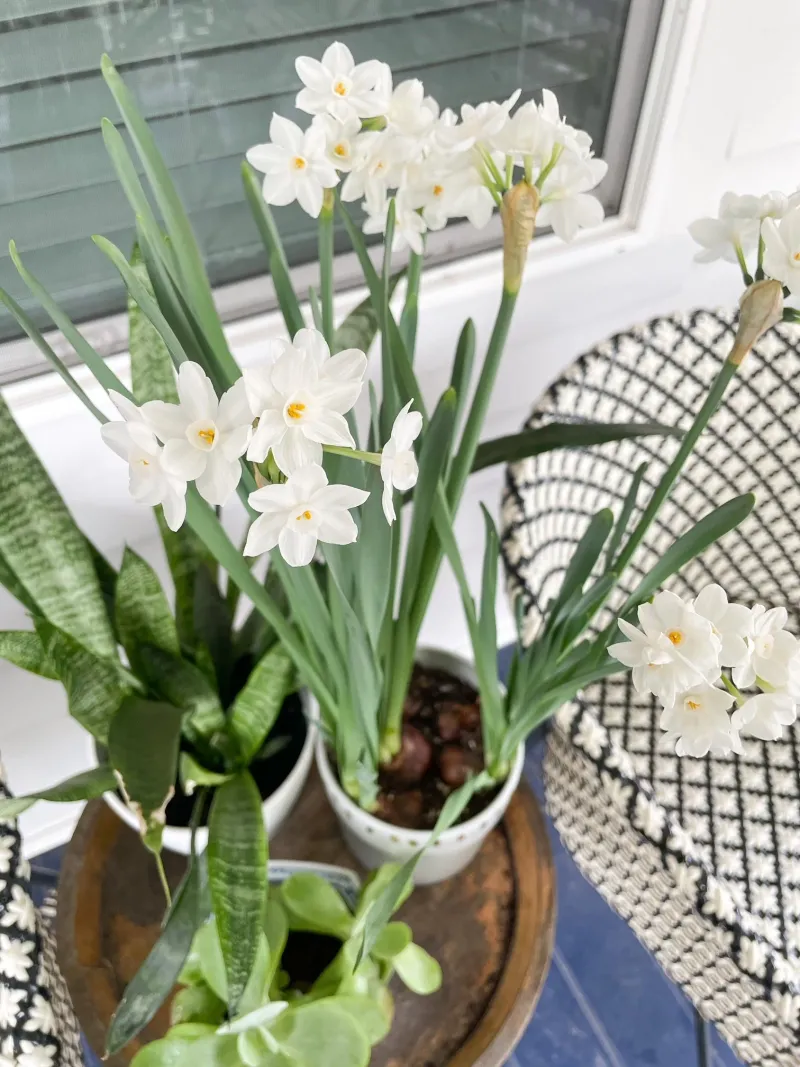
Some of my favorite winter sights are old paperwhite clumps blooming along forgotten fence lines. Nobody waters them, and still they show up each year.
Your garden can grow patches like that too. In milder parts of Georgia, well-placed bulbs often multiply over time, forming thicker clusters with more flowers each winter.
Every three to five years, crowded clumps may bloom less. Dig them up after the foliage fades in late spring, gently separate the bulbs, and replant them right away or in early fall.
Sharing extras with neighbors is a lovely bonus.
Pair paperwhites with other cool-season plants for a fuller look. Pansies, violas, and ornamental kale fill gaps nicely.
Evergreen shrubs like hollies make a deep green backdrop that makes white blooms glow.
Wildlife often leaves them alone. Deer, voles, and squirrels tend to avoid narcissus because of the plant’s bitter, toxic compounds.
So start small this fall with a dozen bulbs in your sunniest spot. Note your planting date, watch the forecast, and enjoy the scent at the door.
Next year, you may find yourself planting twice as many.