7 Pennsylvania Plants Gardeners Are Using Instead Of Japanese Barberry
A thorny red shrub that once filled countless garden centers is now illegal to sell anywhere in Pennsylvania. State officials list it as a noxious weed because birds carry its berries deep into local forests.
Its dense thickets also hold humid air, and researchers have found more black-legged ticks hiding inside them. Deer skip the prickly branches, so native shrubs get eaten while the invader quietly spreads across the woods.
I have to admit, I loved that burgundy foliage before I learned how much trouble it caused. You might be wondering what could possibly fill that bold, colorful gap along your front walk or fence.
Gardeners across Pennsylvania have found native shrubs with brighter fall color and berries that local birds genuinely crave. Here are the best ones.
1. Virginia Sweetspire
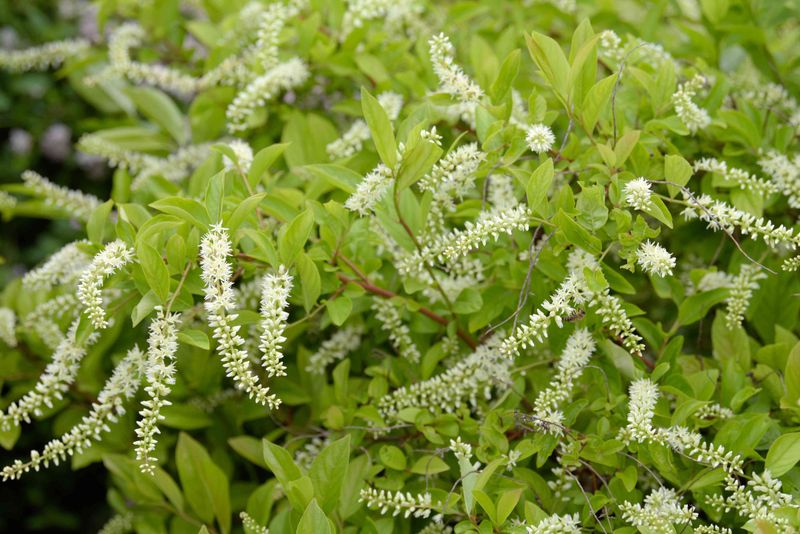
Every June, my sweetspire drips with fuzzy white flower spikes that smell faintly like honey on warm evenings.
Bees crowd those drooping clusters, which open slowly from base to tip and stretch the show for weeks.
Fall is when this native shrub truly shows off, turning deep red with flashes of orange and gold. That glowing foliage often hangs on into early winter, long after most neighboring shrubs have dropped their leaves.
Virginia sweetspire usually grows three to six feet tall, though it often spreads wider than its height.
Its arching branches create a soft mound that feels friendlier than the stiff, thorny barberry it replaces.
Soggy corners are no problem here, since this plant naturally grows in swamps and poorly drained spots. Once settled, it handles dry spells surprisingly well, but a deep drink during long droughts keeps it happy.
You will get the richest fall color in full sun, while heavier shade means fewer blooms and duller leaves. Part shade works fine if you mostly want a tidy green shrub for a woodland edge.
Left alone, sweetspire spreads by root suckers and can form a dense colony over several years. I simply trim it right after flowering, which keeps the shape neat without sacrificing next year’s blossoms.
Deer tend to leave it alone, which matters a lot in suburban neighborhoods full of hungry visitors. Birds also pick at the small seed capsules, giving your yard a little extra wildlife action through winter.
2. Inkberry Holly
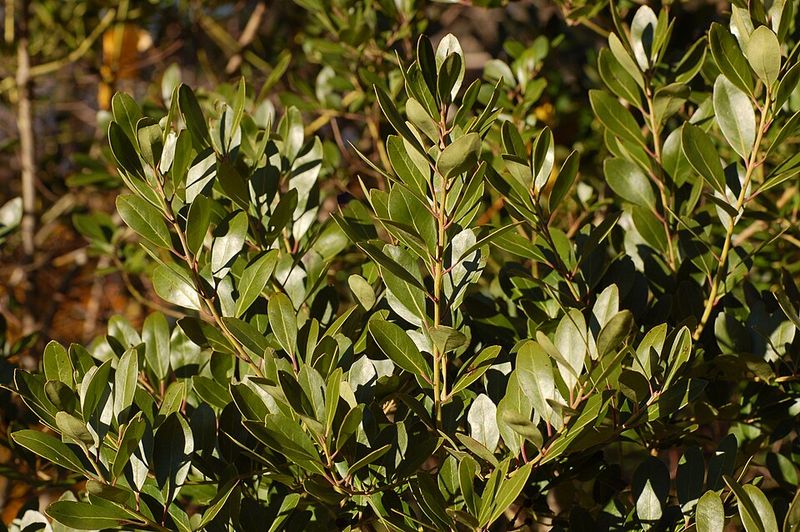
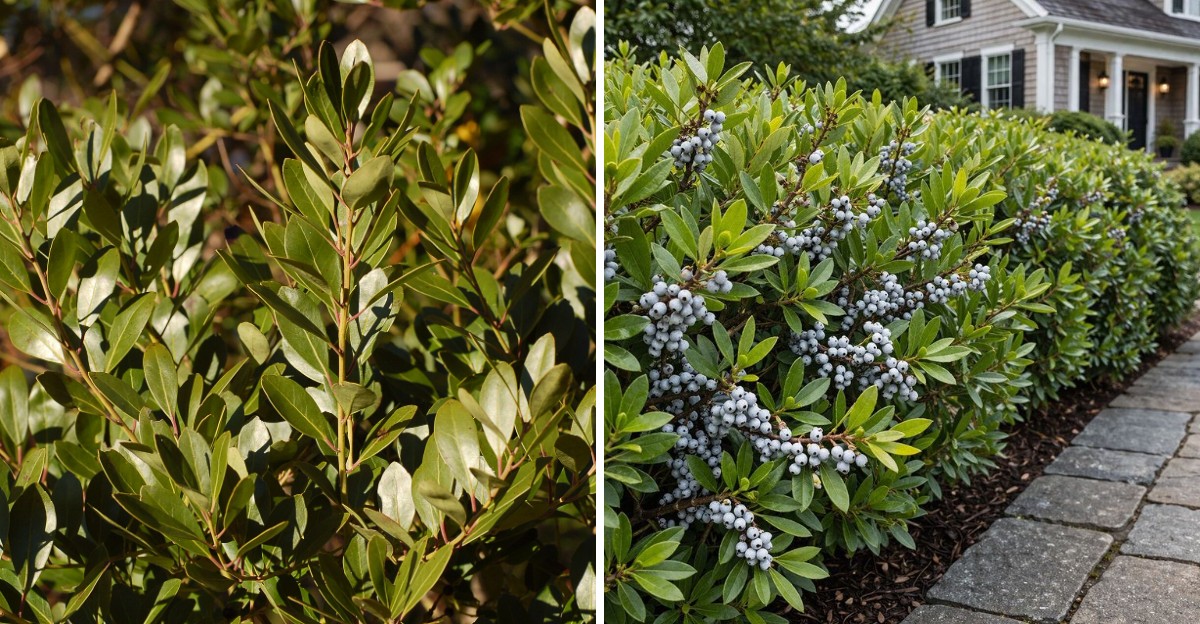
Boxwood lovers often fall hard for inkberry, a native holly that stays glossy and green through snowy winters.
Its leaves are smooth without prickles, so pruning it feels far kinder to your hands than wrestling barberry.
Most plants reach three to six feet tall and wide, forming a rounded mound with an airy, natural look. Older specimens can climb near ten feet, so check the tag for compact cultivars if space is tight.
Small greenish white flowers open in early summer, and honeybees happily visit them despite their modest size. Those blooms may look plain, yet they set the stage for the plant’s most charming feature later.
Female plants produce dark purple to black berries, but they need a male plant growing nearby for pollination.
Many growers place one male near several females, which keeps berries coming and feeds birds into winter.
Acidic, moist soil suits inkberry best, and it struggles noticeably in neutral or alkaline garden ground. A quick soil test from your county extension office can save you from yellowing leaves later on.
Full sun to part shade works, though plants grown in deeper shade often become thin and leggy. Occasional flooding and salty winter road spray rarely bother this tough shrub once its roots settle in.
Deer generally pass it by, and it even hosts caterpillars of the laurel sphinx and pawpaw sphinx moths.
That combination of evergreen structure and wildlife value makes it a favorite foundation plant in Pennsylvania yards.
3. New Jersey Tea
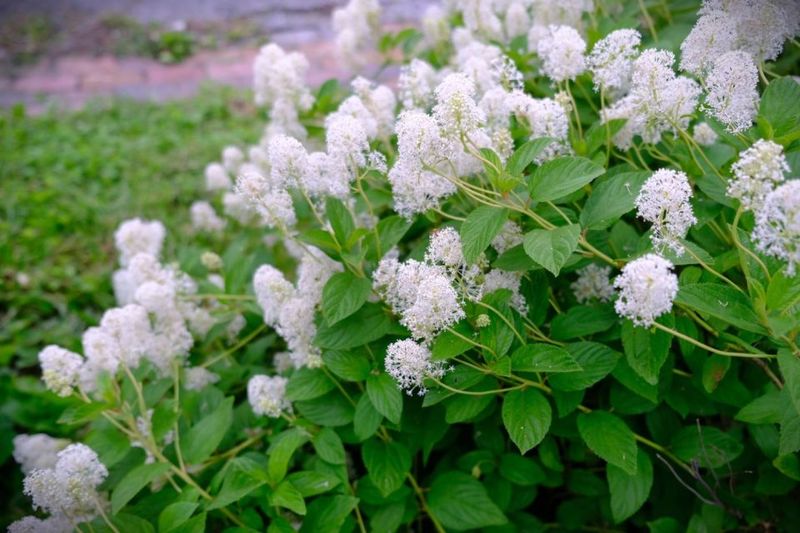
Colonial families once dried this shrub’s leaves and brewed them as a caffeine-free stand-in for imported tea. Today, gardeners love it more for the fluffy white flower clusters that cover it like summer snow.
Those creamy blooms smell sweet and attract a busy crowd of native bees and butterflies all season.
After flowering, three-lobed seed capsules form and eventually pop open, flinging seeds across the nearby ground.
New Jersey tea stays compact, usually growing two to four feet tall and roughly the same width. That small size makes it a natural fit for borders where barberry once sat beneath front windows.
Underground, a deep taproot anchors the plant and gives it impressive drought tolerance once it gets established.
Because of that root, you should plant young specimens where you want them, since moving them later is tough.
Full sun or light shade suits it, along with well-drained soil that leans dry rather than soggy. Rocky slopes and gritty banks can work nicely, and it even tolerates slightly alkaline soil without complaint.
Heavy shade is its weakness, and plants tucked under dense trees often decline over a few seasons. Give it plenty of bright light, and you will be rewarded with tidy foliage and generous blooms.
Some sources call it deer resistant, though young plants in heavily browsed areas may still need protection. I wrap new plantings with simple wire cages for their first winter, and they quickly outgrow the fuss.
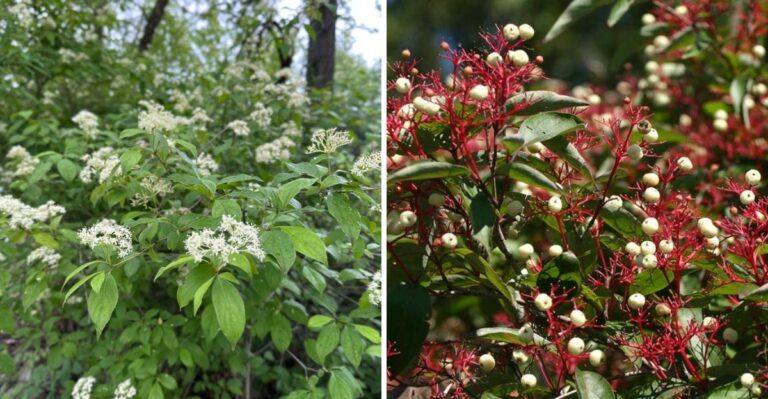
4. Red Chokeberry
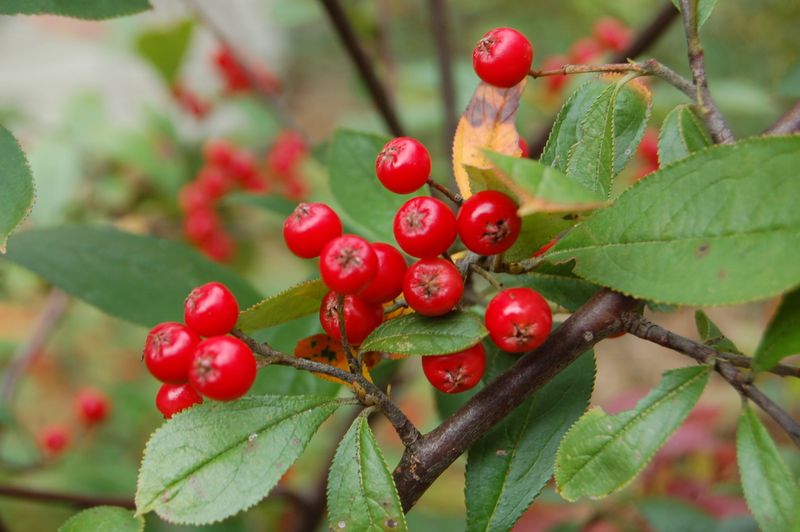
Glossy red berries cling to chokeberry branches into December or January, glowing against snow like tiny holiday ornaments.
That winter sparkle gives you the same cheerful red that barberry offered, minus the thorns and ecological headaches.
Spring brings clusters of white five-petaled flowers with striking red anthers that look almost hand-painted up close.
Pollinators show up quickly, and the sweet-scented blossoms brighten the garden through April and into May.
Autumn might be the best part, when the leaves turn fiery red and orange across the whole shrub. Full sun with at least six hours of direct light gives the brightest color and heaviest fruit.
Red chokeberry usually reaches six to twelve feet tall, so it works better as a hedge than an edging plant. It can sucker into small colonies over time, which makes it lovely for naturalizing a rain garden.
Wet soil and dry soil are both tolerable, and that flexibility is a lifesaver in tricky yards. I have to admit, I appreciate any shrub that shrugs off pests and diseases as well as this one.
The berries are edible but famously tart, which explains the funny name that makes people pucker before tasting.
A good frost sweetens them slightly, and hungry birds clean them up once other food sources run low.
Single plants produce fruit on their own, so you do not need a matching partner for berries. Each winter, prune out a few of the oldest stems to keep the shrub vigorous and productive.
5. Dwarf Fothergilla
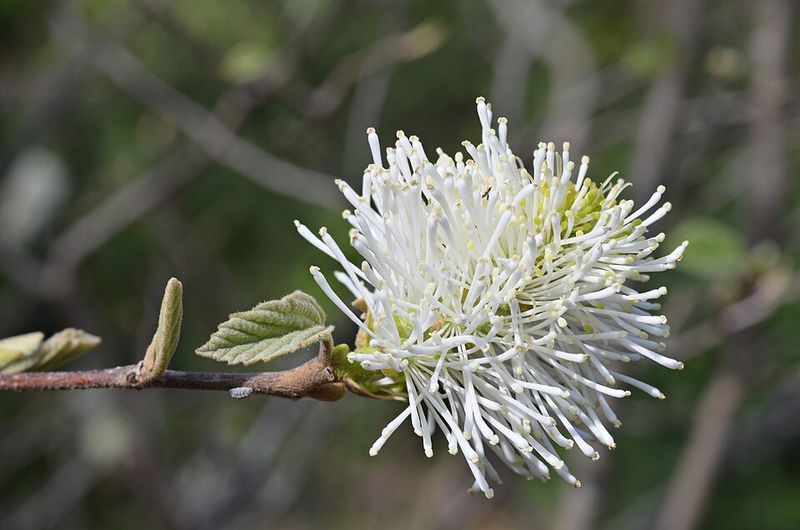
Fuzzy white bottlebrush flowers pop open on bare fothergilla stems in April, smelling faintly of honey on mild days. Early bees find them quickly, and the blooms usually last about two to three weeks before fading.
Personally, I think the autumn show steals the spotlight, with gold and scarlet leaves mixing on one branch.
Sunnier spots usually produce the most intense color, though weather during the season also plays a role.
Through summer, the leathery blue-green leaves give a calm backdrop for brighter perennials planted right in front.
Its compact form usually tops out between three and six feet, making it easy to fit into foundation beds.
Fothergilla is native to the southeastern United States rather than this region, yet it grows reliably in Pennsylvania gardens. It offers far more to local pollinators than barberry, and it shows no invasive tendencies here.
Acidic, moist, well-drained soil rich in organic matter suits it best, ideally with a fairly low pH. Long droughts in full sun can stress it, so a layer of mulch helps hold steady moisture.
Light shaping right after flowering is the safest approach, since buds for next spring form during summer. Honestly, it rarely needs much trimming because its natural rounded habit already looks neat and tidy.
Deer usually leave it alone, although they might sample a few flowers when other food is scarce. Pair it with native ferns or sedges, and you get a woodland edge that looks polished all year.
6. Gro Low Fragrant Sumac
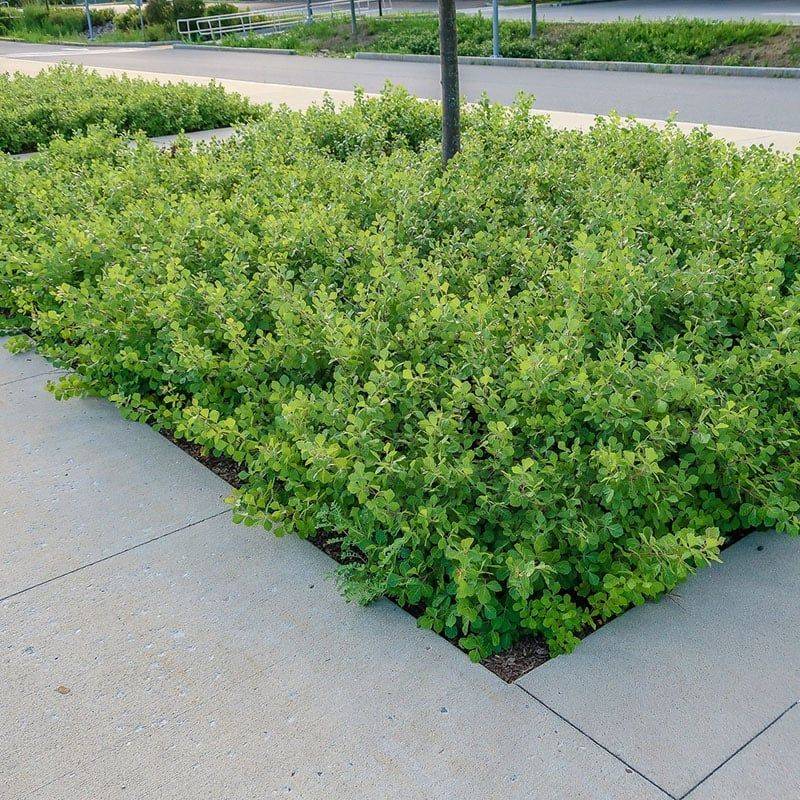
Crush a leaf of Gro-Low fragrant sumac, and your fingers will smell like a spicy citrus peel for minutes. That aromatic foliage is a big reason deer and rabbits usually skip this tough little groundcover shrub.
Unlike the tall wild sumacs along highways, this cultivar stays two to three feet tall but spreads wide. A single plant can stretch six to eight feet across, so give it plenty of elbow room.
Its branches root where they touch soil, creating a thick mat that crowds out weeds on sunny slopes. I love using it on banks too steep to mow, where it holds soil firmly in place.
Fragrant sumac is native to Pennsylvania, and Gro-Low is a popular selection of that wild species.
Tiny yellowish flowers appear in early spring, often before the leaves unfold, offering pollinators an early meal.
Small fuzzy red berries can follow, adding a bit of color and offering birds an extra snack. In autumn, the glossy leaves blaze red and orange, creating a low ribbon of color along walkways.
Clay and compacted soil rarely slow it down, and salt tolerance makes it handy near driveways too.
Full sun to part shade works, and established plants handle long dry stretches with impressive grit and patience.
You need to water deeply during the first growing season so its roots can spread and settle. After that, an occasional early spring trim keeps it in bounds if it creeps farther than you planned.
7. Northern Bayberry
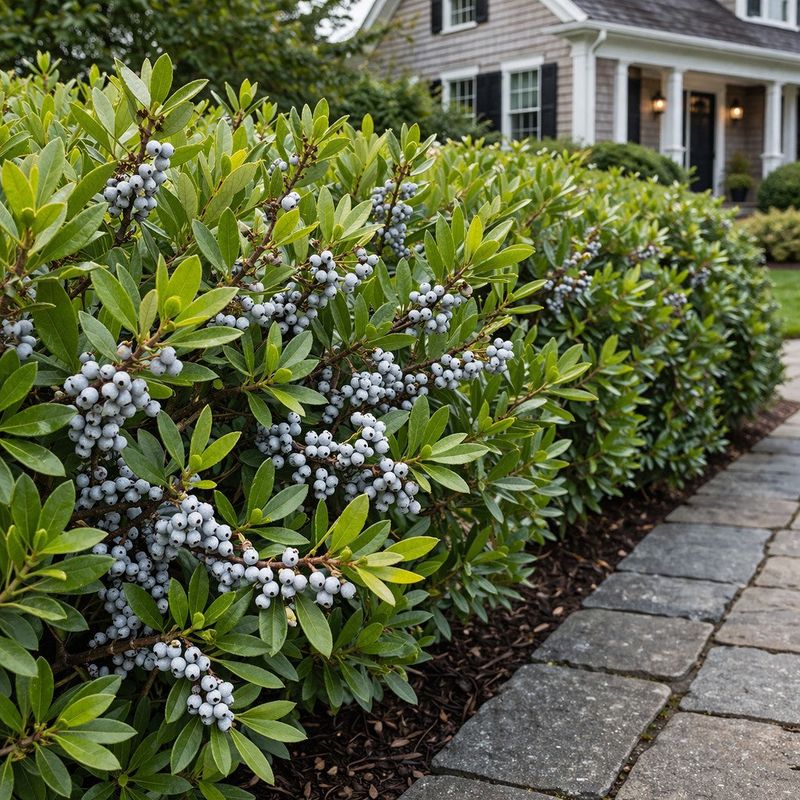
Colonial candlemakers once boiled bayberry fruit to collect its fragrant wax, and those berries still smell wonderful today.
Brushing past the leaves releases a similar clean, spicy scent that lingers pleasantly on your sleeves.
Many people link this shrub with sandy beaches, yet it is native to Pennsylvania and grows inland too. Depending on winter severity, it may drop its leaves or hold some tan foliage until spring arrives.
Female plants carry clusters of waxy gray-blue berries that often persist through winter, sometimes into April.
You will need a male plant nearby, since bayberry produces male and female flowers on separate shrubs.
Those fatty berries are a lifeline for yellow-rumped warblers and tree swallows when insects become hard to find. I can’t imagine a better shrub for anyone who loves watching hungry birds outside a winter window.
Northern bayberry typically grows five to ten feet tall and spreads by underground runners into broad clumps. That dense growth offers excellent shelter for small birds, making it useful for screens along property lines.
Poor sandy soil is fine because the roots partner with microbes that fix nitrogen from the air. Salt spray and strong wind rarely trouble it, so it handles roadside beds better than most shrubs.
Full sun to part shade suits it, and slow growth means you rarely need to prune heavily. Deer show only moderate interest, so it holds up well where barberry once filled hedges with prickly stems.