How To Propagate Roses From Cuttings Using Damp Paper Towels In Georgia This Fall
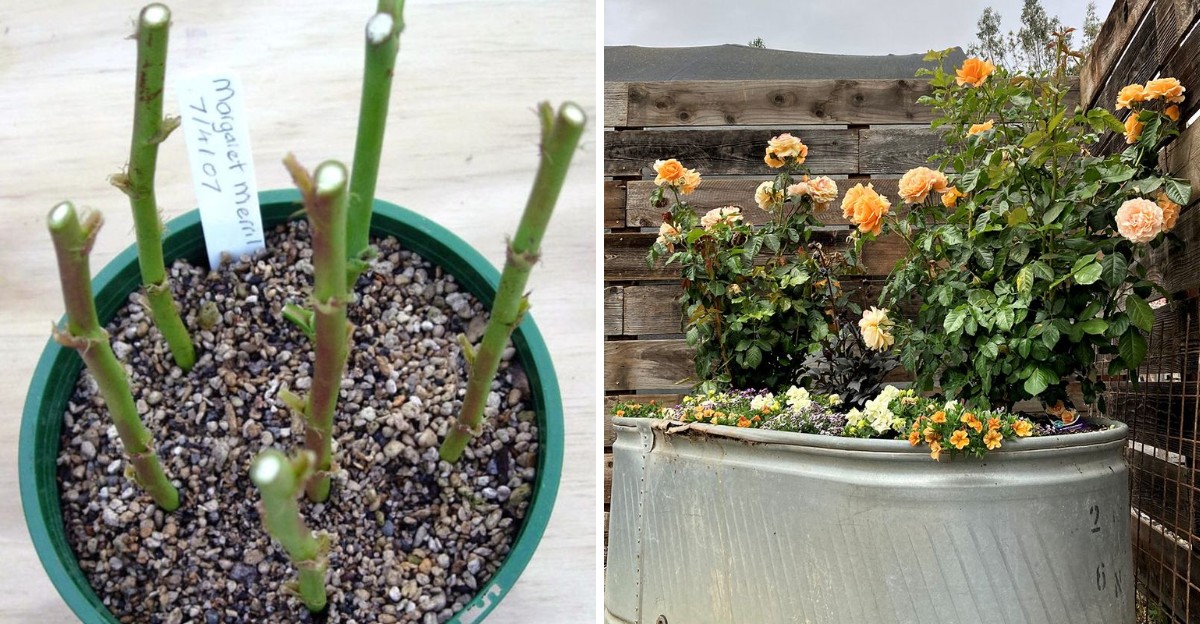
A single kitchen paper towel can coax bare green sticks into growing white roots. I laughed the first time I heard about it, then I tried it on my counter.
Gardeners call the result a plant burrito, and the nickname fits. A short stem gets wrapped, bagged, and tucked away like a packed lunch.
Within weeks, tiny root tips can poke out from the bottom.
Fall in Georgia gives this trick a real edge. Stems have firmed up after a long summer, and cooler nights ease the stress on fresh cuttings.
I love that it costs almost nothing beyond a sandwich bag and a little patience.
You need a few smart steps, though, or mold can win the race. Some stems root fast, while others sulk for a month.
The fun part is discovering which of your favorite shrubs might be ready to grow into a whole new plant.
1. A Wrapped Rose Stem Can Grow Roots Without Any Soil
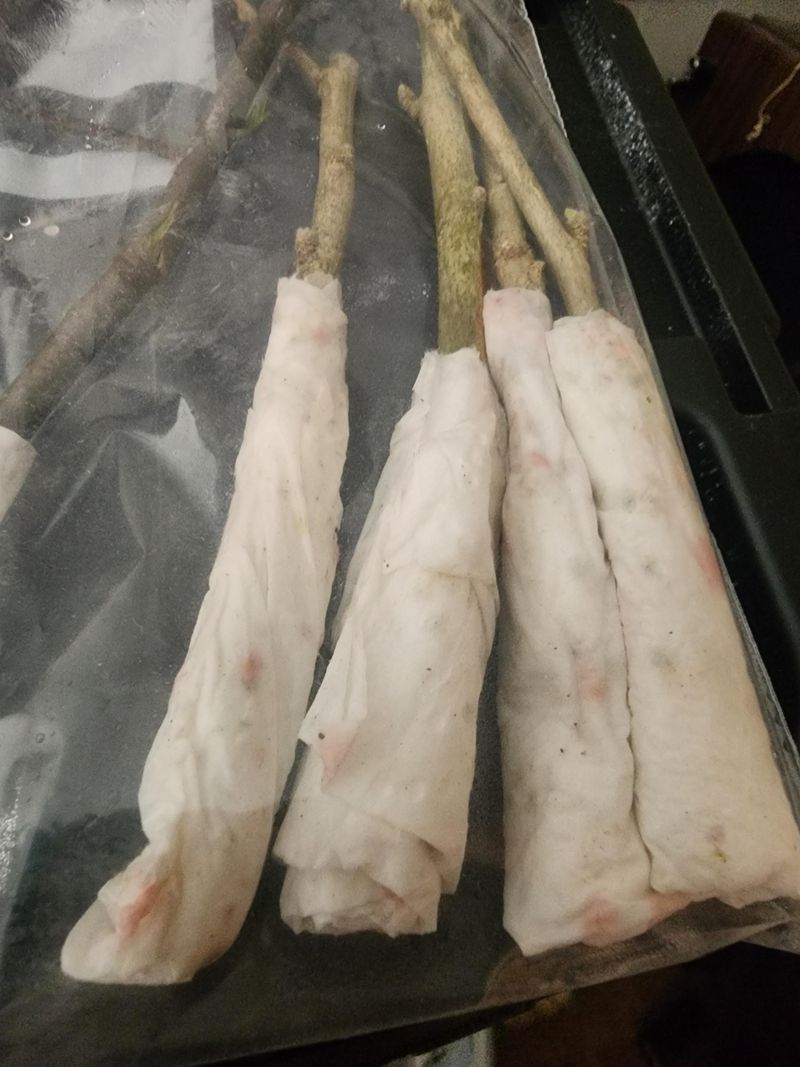
Roots do not actually need dirt to get started. They need steady moisture, air, warmth, and a stem with enough stored energy to push them out.
A damp paper towel handles the moisture part beautifully. Slipped inside a plastic bag, it builds a tiny humid pocket around the stem, so the cutting loses less water through its leaves and bark.
Many gardeners compare it to a pocket-sized greenhouse.
The trick is balance. A wet, dripping towel invites mold and rot, while a dry one leaves the cutting thirsty.
You want the feel of a wrung-out sponge, damp all over with no puddles.
I like that you can peek at progress without digging anything up. Unroll the towel, look for bumps or white tips, and roll it back.
That kind of easy check is hard to get with a pot of soil.
Results vary, and that is normal. University extension guides note that some roses root easily while many grafted hybrid teas are slower and less reliable.
Old garden roses, shrub roses, and climbers often respond better, so start with those if you want quick wins.
2. Pencil-Thick Rose Stems From This Year Make The Best Cuttings
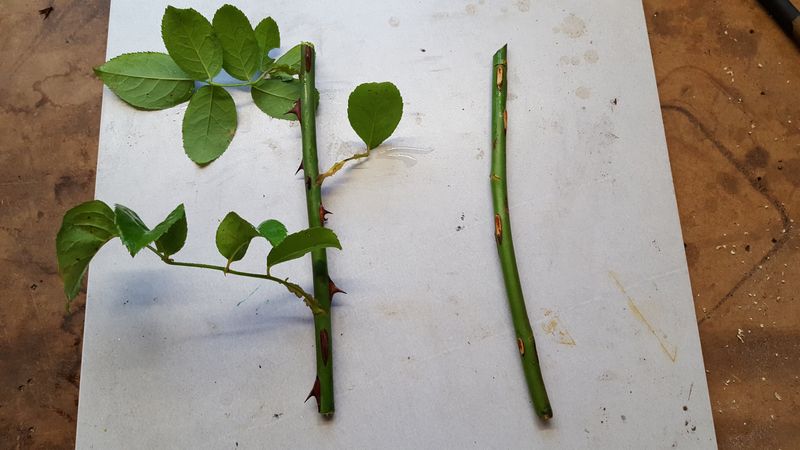
Picking the right stem matters more than any fancy product. A healthy cutting carries the food reserves that fuel new roots.
Look for growth from the current year that has firmed up, often called semi-hardwood. In Georgia, October and November stems usually fit that description, since summer growth has had months to mature.
Softer spring shoots tend to wilt fast, while very old woody canes root slowly.
Aim for a piece about the thickness of a pencil and roughly 6 to 8 inches long. Stems that just finished blooming are a classic choice.
The faded flower is a handy clue that the wood has reached a useful stage.
Count the nodes, those small bumps where leaves meet the stem. Three or four nodes give the cutting plenty of chances to sprout roots below and buds above.
Take cuttings in the cool morning when the shrub is well hydrated. Use clean, sharp pruners, and keep stems in a cup of water until you wrap them.
One quick legal note helps too. Roses protected by an active plant patent cannot be propagated without permission, even for personal use or gifts.
3. Rolling Your Rose Cutting Into A Paper Towel Burrito
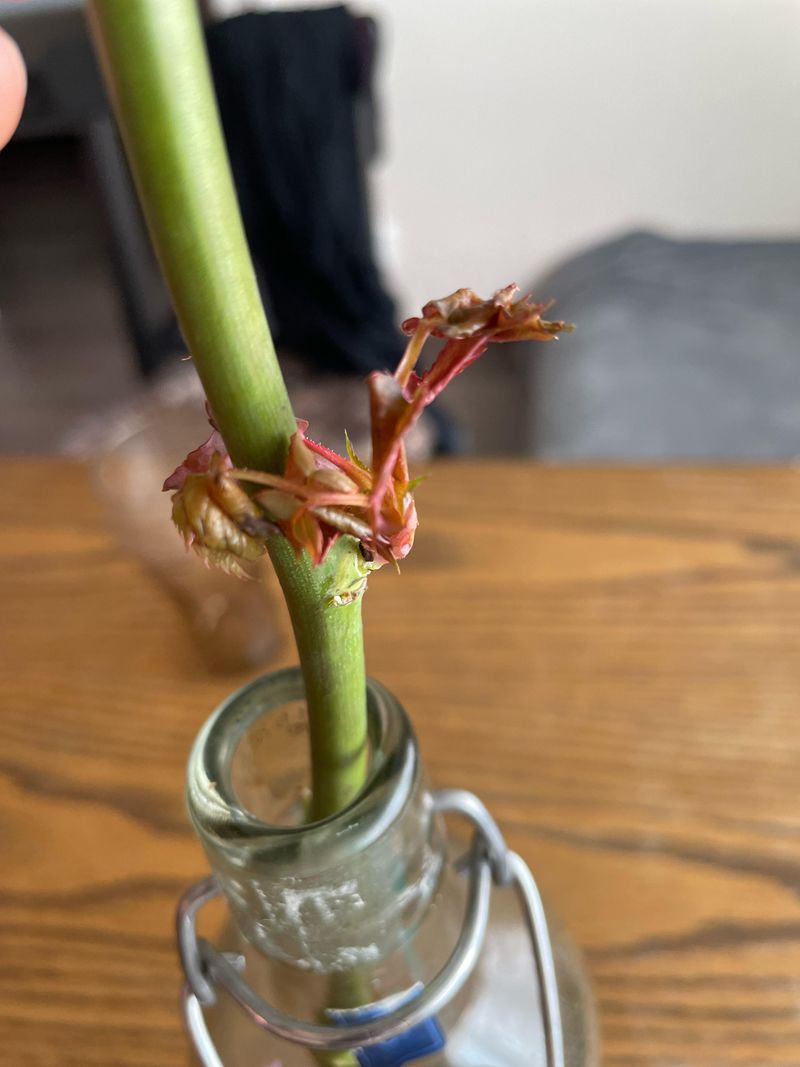
Once you have your stems, the prep goes quickly. I usually set up at the kitchen table with pruners, a spray bottle, and a few paper towels.
Snip off any flowers or buds first. Then strip away all but the top two or three leaves, since extra foliage drains moisture the cutting cannot spare.
Make a clean, angled cut about a quarter inch below the lowest node. Some growers lightly scrape a thin strip of bark from the bottom inch, which exposes the green layer where roots form.
Rooting hormone is optional but helpful. A light dip of the cut end in powder or gel can raise success, especially with stubborn varieties.
Tap off the extra so you do not coat the stem too heavily.
Now lay out two or three sheets of towel and mist them evenly. Squeeze out any excess water before you place the cutting.
Set the stem near one edge and roll it up so the towel covers the lower few inches. Leave the leafy top sticking out.
Label each bundle with the variety name, because every little stem looks alike after a week in the bag.
4. A Loosely Sealed Plastic Bag Becomes Your Rose Nursery
Bags turn a simple wrap into a humid little shelter. Slide each paper towel bundle into a zip-top bag and close it most of the way.
Leave a small gap at the top. That opening lets stale air escape while keeping humidity high, and it really helps keep fuzzy mold away.
Location comes next. Bright, indirect light works well, such as a spot near an east window or a few feet back from a sunny one.
Direct sun can cook the inside of a plastic bag in an afternoon.
Warmth speeds things along. Many propagation guides suggest air temperatures around 65 to 75°F, which most Georgia homes hold comfortably in fall.
A seedling heat mat under the bags can help in a chilly room.
Standing bags upright in a jar or box keeps the leafy tops pointed up. It also stops the towels from pooling water at one end.
You may read advice about storing bundles in the fridge until spring. That approach slows activity rather than speeding roots, so for fall rooting, a warm room is the better bet.
I keep mine on top of the bookshelf, safe from curious cats.
5. Checking Your Bagged Rose Cuttings Every Few Days
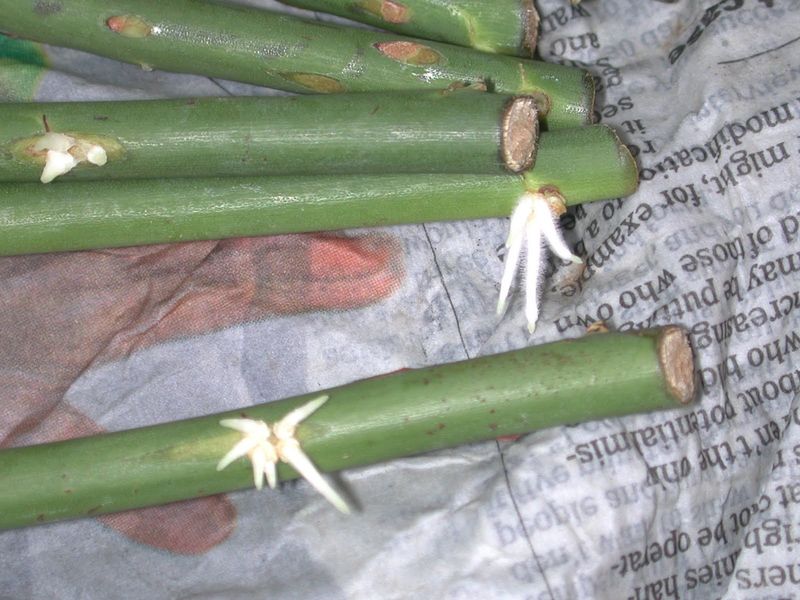
Patience is the hardest ingredient here. Still, a quick check every two or three days keeps small problems from growing.
Feel the towel through the bag. If it seems dry, mist it lightly and reseal.
If water beads up inside or the towel feels soggy, open the bag for a few hours.
Watch for callus first. That pale, bumpy tissue around the cut end is a promising sign, and roots often follow within a couple of weeks.
Leaves dropping off is not a disaster. A cutting can shed foliage and still root, as long as the stem stays firm and green.
Black, mushy stems are another story, so toss those to protect the rest.
Keep a simple notebook or phone note. Write the date you started, the variety, and whether you used hormone.
Over a season, you will learn which roses in your yard root like champs.
Gentle handling matters. New roots are brittle and snap easily, so unroll towels slowly.
Honestly, I treat each peek like opening a tiny present.
6. Fuzzy Mold On Paper Towels Means Your Roses Need More Air
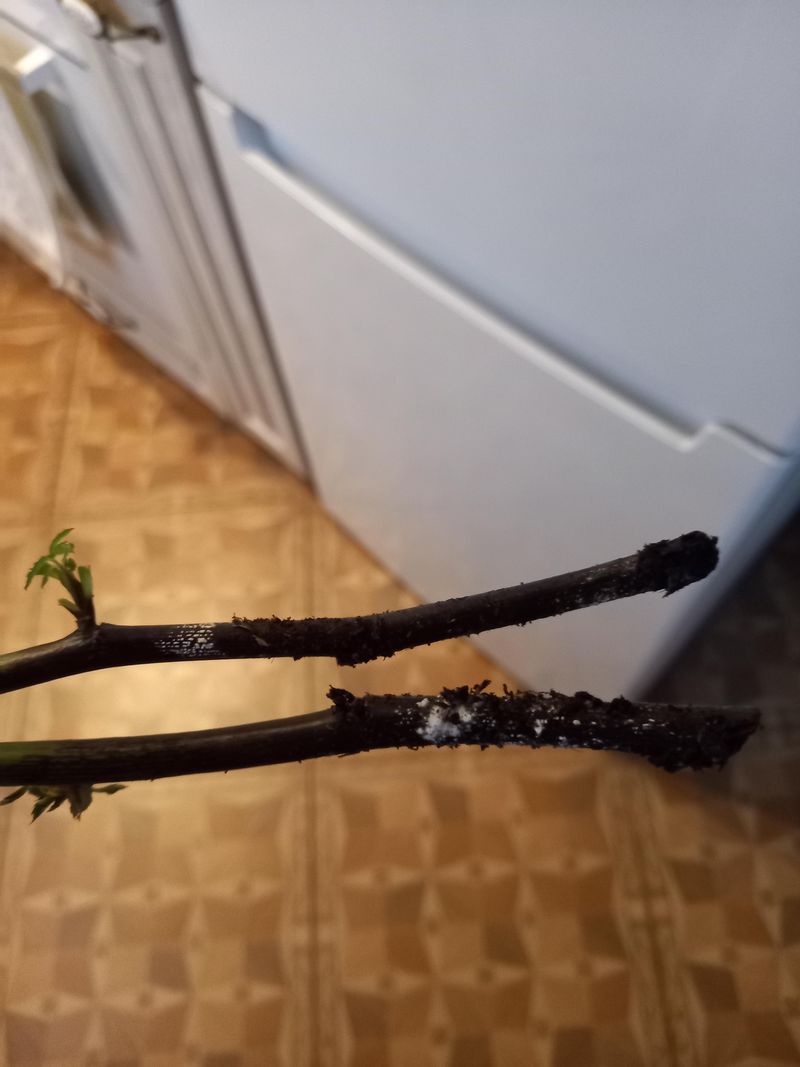
Mold is the most common hiccup with this method. Warm, moist, still air suits fungi just as much as it suits roots.
Small white or gray fuzz on the towel calls for quick action. Unwrap the cutting, wipe the stem gently, and rewrap it in a fresh damp towel.
Rinse the bag or swap in a new one.
Prevention beats rescue. Use clean pruners, start with healthy stems, and keep towels damp rather than wet.
Opening bags briefly during each check refreshes the air.
Some growers mist with plain water only, and that keeps things simple. Skip homemade sprays that can harm tender tissue.
Rot looks different from mold. A cutting that turns brown, soft, or smelly at the base has usually failed, so remove it before problems spread.
Expect some losses. Even experienced propagators rarely see every stem succeed, which is why starting several cuttings of each rose is smart.
Five cuttings for one hoped-for plant is a fair ratio.
Good airflow is the quiet hero here. A gap in the bag and steady checks make a bigger difference than most people expect.
7. Potting Up Rooted Rose Cuttings Before Georgia Winter Arrives
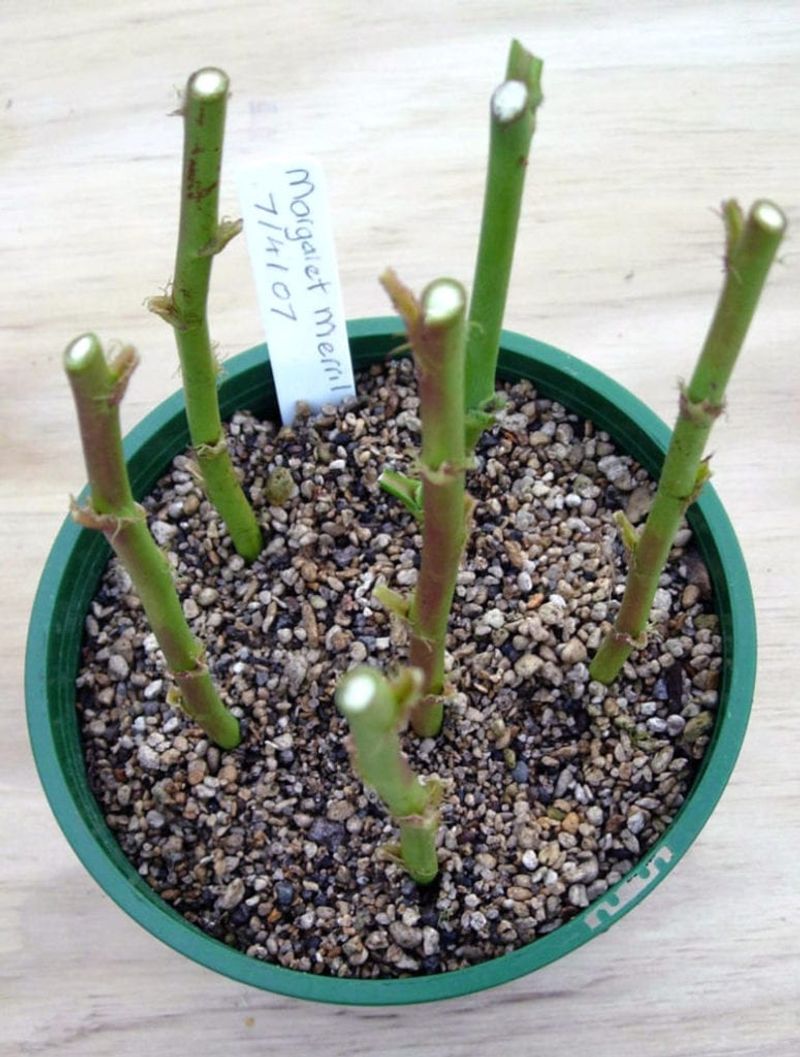
Little white roots usually appear after about four to eight weeks. Once they reach an inch or so, your cutting is ready for a pot.
Fill a 4-inch container with a light, well-draining mix. Blending potting soil with perlite gives fresh roots the air and drainage they crave.
Poke a hole with a pencil and lower the cutting in carefully. Firm the mix gently, then water until it drains from the bottom.
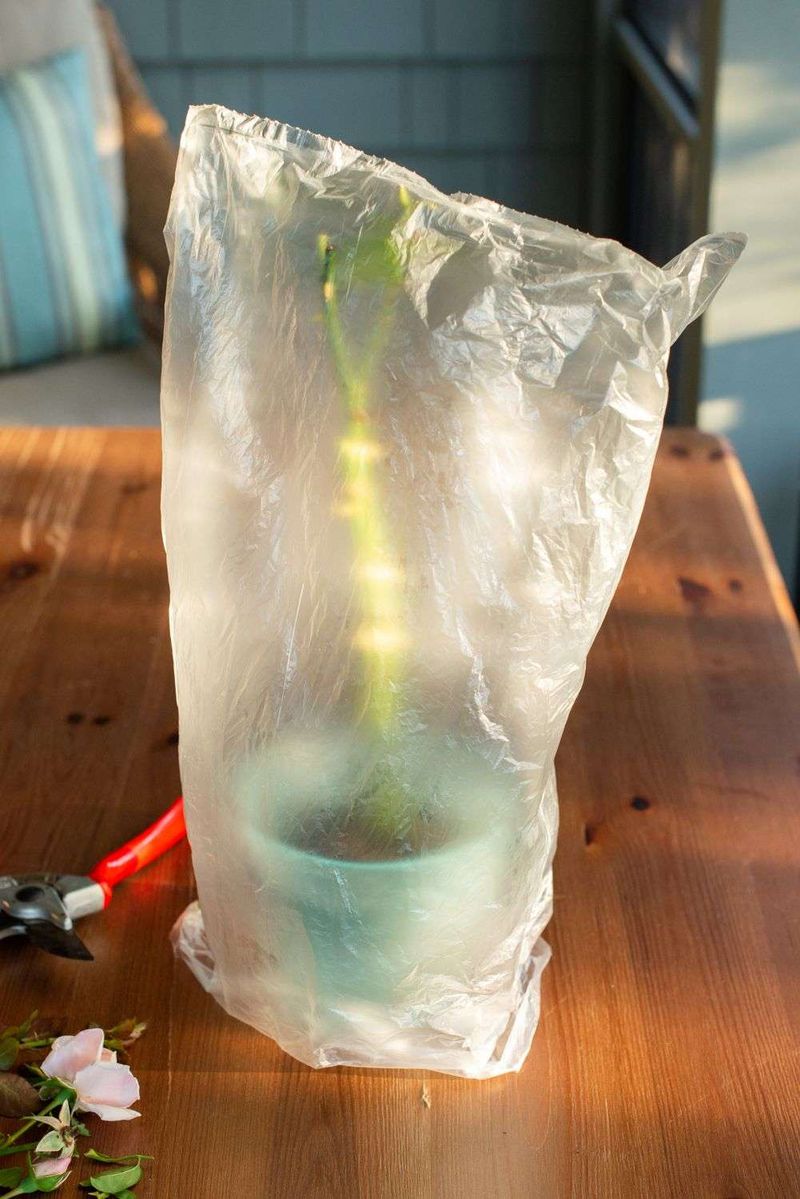
Transplant shock is real, so ease the change. Cover the pot with a clear bag for a week or two, then open it bit by bit.
This helps the plant adjust to drier room air.
Georgia winters vary a lot. North Georgia mountain areas in zone 7 can see hard freezes, while coastal and southern spots in zones 8 and 9 stay much milder.
Young potted roses are tender either way.
Keep them in a bright window, a cold frame, or an unheated garage with good light. Water when the top inch feels dry.
Hold off on fertilizer until new leaves appear. Tiny roots burn easily, and a weak dose in late winter is plenty.
8. Your Baby Roses Can Head Into The Garden Next Spring
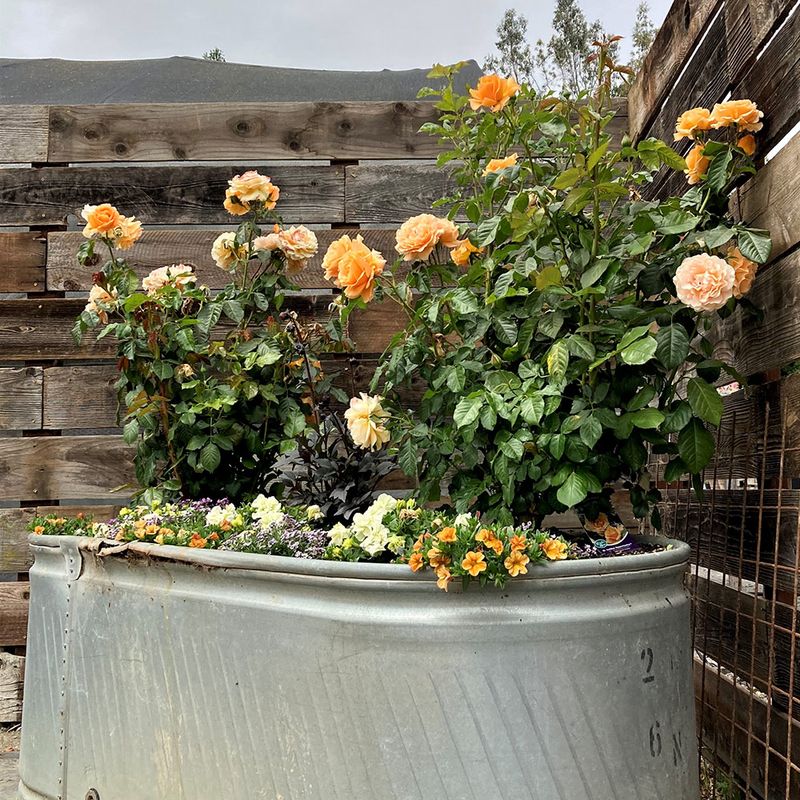
Spring is the payoff season. After the last frost date in your area, your little rose can move outdoors.
Frost dates shift across the state. Southern Georgia often warms by mid-March, while the northern mountains may wait until mid-April or later.
Your county Extension office can share local dates.
Harden the plant off first. Set it outside in shade for a few hours, then increase sun and time over about a week.
Pick a site with at least six hours of direct sun and good airflow. Roses grown from cuttings sit on their own roots, which means any regrowth after a cold snap comes back true to the original variety.
Plant at the same depth as in the pot. Water deeply, and add a couple inches of pine straw or mulch to hold moisture in summer heat.
Do not panic if first-year blooms are few. The plant is busy building roots, and stronger flowering usually follows in year two.
I find this part the most satisfying. A stem you wrapped in a paper towel last fall is now a real shrub, and you can share cuttings with friends next October.