Pennsylvania Plants That Look Excellent At The Nursery, But Outgrow Small Yards Faster Than Expected
Spring at a Pennsylvania nursery is genuinely one of the better experiences a homeowner can have.
Everything looks tidy. Everything looks manageable. The tags promise mature sizes that seem perfectly reasonable for the space you have in mind.
Then three years pass.
Some plants have a gap between how they present at the nursery and what they actually become once they get comfortable in your yard. A few on this list are not just large growers.
They spread underground, seed aggressively into neighboring properties, or climb structures with enough force to do real damage. Several have made official invasive species lists in Pennsylvania.
None of them are secrets. They are sold everywhere, recommended regularly, and planted constantly across the state. That is partly what makes them so worth knowing about before you buy.
Got a small yard and a cart full of optimism at the nursery? This list is for you.
1. Bamboo Runs Past Property Lines
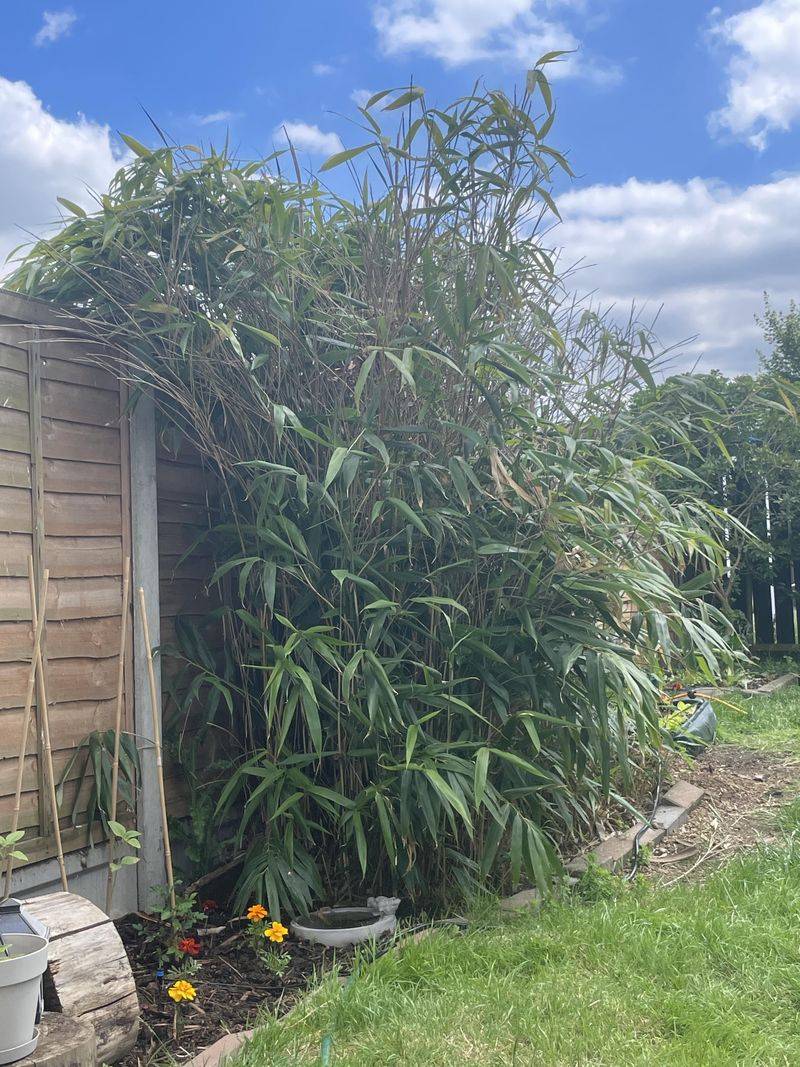
It starts innocently enough. One bamboo plant near the back fence for a privacy screen. It looks lush, exotic, and full at the nursery.
Two years later, a neighbor shows up at the door asking why bamboo is sprouting through their flower beds.
This is not a rare outcome. It is a predictable one for anyone who plants running bamboo in a small Pennsylvania yard.
Running bamboo sends out horizontal underground roots called rhizomes that can travel ten feet or more in a single season.
These rhizomes slip under driveways, push through lawn edges, and surface in places that seem impossible. Once running bamboo establishes itself, containment becomes a serious and ongoing commitment, not a one-time fix.
If bamboo is already in the ground, a solid rhizome barrier installed at least two feet deep can slow the spread. Regular root pruning around the perimeter is also necessary.
Skipping maintenance even one season can undo years of careful management, and the plant does not forgive gaps in attention.
Clumping bamboo varieties are a much safer choice for tight Pennsylvania spaces. They offer the same lush, tropical look without the underground invasion problem.
The nursery will have both. Reading the label before putting it in the cart is the entire solution here.
Running bamboo is not a bad plant in the right context. A large rural property with no nearby neighbors and a strong tolerance for yard projects is that context.
A small suburban yard in Pennsylvania is not. The rhizomes will make that point very clearly, usually around year two.
2. English Ivy Climbs Beyond Beds
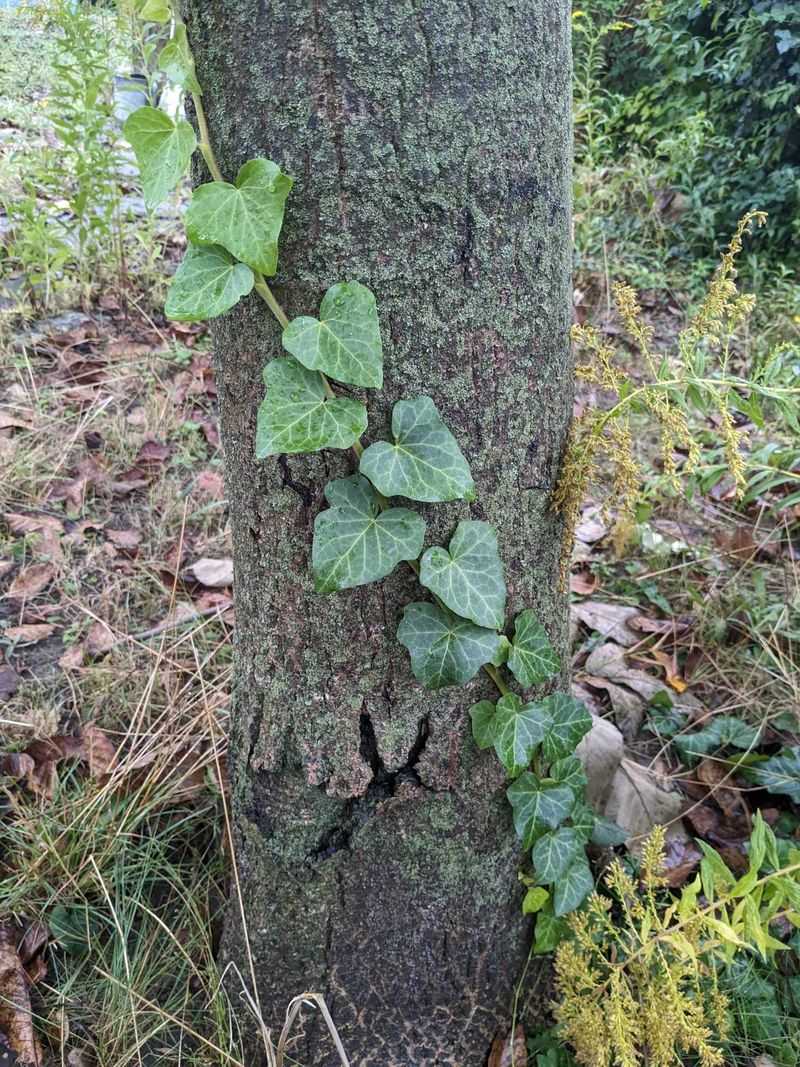
English ivy at the nursery looks like exactly what a shady slope or bare patch under a tree needs.
It stays green all year, covers ground fast, and arrives in a small, tidy pot that gives no indication of what it becomes once it gets going.
The label rarely mentions that English ivy spreads aggressively in two directions simultaneously and has made several state invasive species lists.
Along the ground, ivy forms thick mats that crowd out native wildflowers and block light from reaching the soil.
Your Pennsylvania Garden Changes Every Week. Your Plan Should Too.
Gardening in Pennsylvania changes quickly throughout the season. Every Friday you’ll receive a simple weekly plan showing exactly what to plant, prune, fertilize, harvest, and protect so you never miss the right timing.
It can escape cultivated areas and move into nearby woodlands, where it smothers native ground cover and climbs trees. Once it finds vertical surfaces, it becomes a different kind of problem entirely.
On fences, walls, and tree trunks, ivy grips with tiny rootlets that hold tight and do not let go easily.
The weight and moisture trapped by established ivy can weaken mortar, rot wood siding, and stress trees over time. Removing ivy from a tree or wall that has been colonized for several seasons is a significant, genuinely frustrating project.
Native groundcover alternatives like wild ginger or green-and-gold offer similar coverage for shady spots with far less aggressive behavior.
Both stay where you put them, support Pennsylvania ecosystems, and do not require annual containment sessions to keep them from climbing the fence.
English ivy is good at looking like a low-maintenance solution right up until it becomes one of the highest-maintenance plants in the yard.
The shady slope will get covered either way. The question is what you want to be doing with your weekends in year three.
3. Japanese Barberry Fills Tight Corners
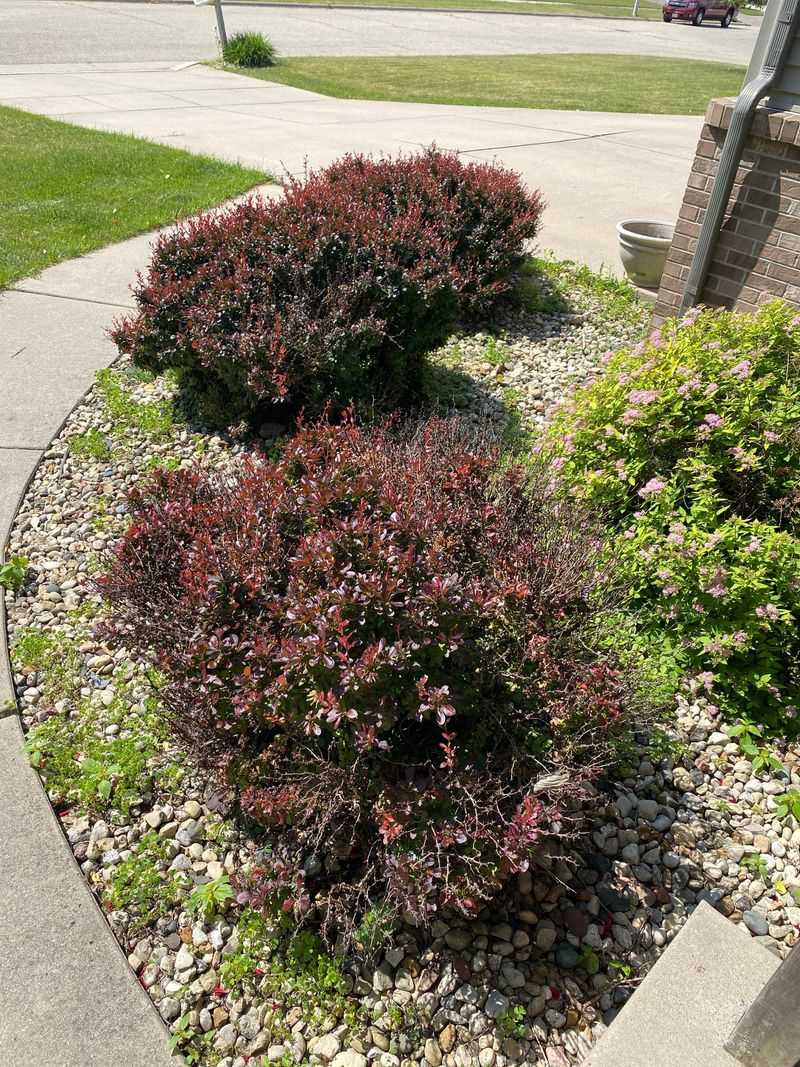
Japanese barberry is one of the most effective impulse buys at a Pennsylvania nursery.
The compact mounds of burgundy foliage, the bright red berries, the reasonable price. It fits neatly in a cart and looks perfect for a corner that needs something low and colorful.
The problem reveals itself gradually, then all at once.
Barberry grows into a dense, thorny thicket that is genuinely unpleasant to manage. The thorns make pruning a painful project, and the plant rebounds aggressively after cutting.
Birds eat the berries and scatter seeds into natural areas, which is how barberry spreads well beyond the original planting. It has been flagged as an invasive species in Pennsylvania for its ability to naturalize in forests and disturbed areas across the state.
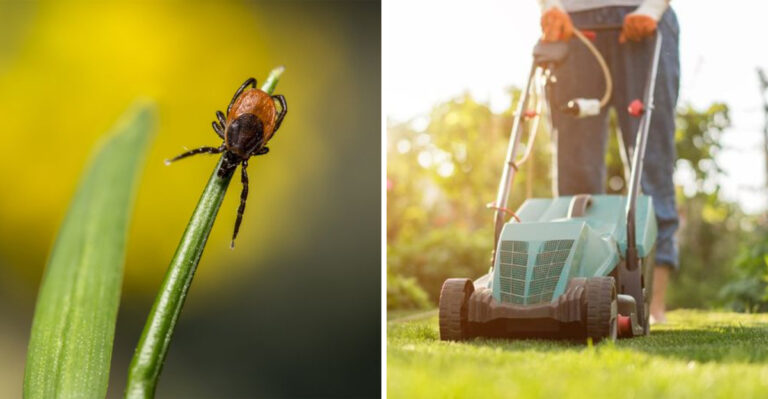
There is an additional concern that surprises many homeowners. The dense canopy of barberry raises soil humidity and creates ideal conditions for ticks, particularly the blacklegged tick associated with Lyme disease.
Native alternatives like inkberry holly or native spicebush offer better wildlife value, manageable growth habits, and none of the thorny maintenance demands.
Both work well in Pennsylvania corner plantings and stay appropriately sized without the invasive spread concerns barberry carries.
Colorful, low-priced, and in every garden center in the state. Japanese barberry has excellent marketing. The tick habitat and invasive spread potential are less well advertised, which is exactly why this list exists.
4. Burning Bush Seeds Into Wild Areas
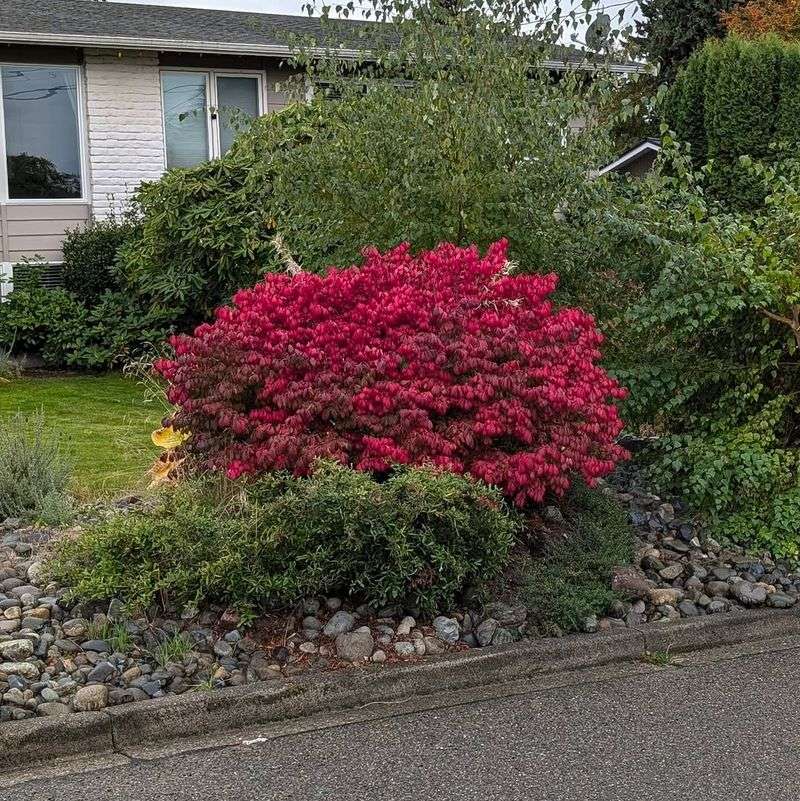
Burning bush earns its name every October. That blazing red fall color is genuinely spectacular, and the rounded shape looks made for a small yard accent.
It is one of the most popular landscape shrubs in Pennsylvania, which is part of what makes the conversation about its spread potential so important to have before purchase rather than after.
The small berries burning bush produces are popular with birds.
Those birds carry seeds into woodlands, forest edges, and natural areas across the state, where burning bush competes aggressively with native shrubs.
It has been identified as an invasive species of concern in Pennsylvania, and the recommendation to consider native alternatives is consistent across multiple conservation organizations in the region.
In the yard itself, burning bush grows larger than most shoppers expect. What presents as a compact three-foot mound at the nursery can reach six to eight feet tall and wide within several growing seasons.
Keeping it to a manageable size requires consistent, repeated pruning that adds up to a significant time commitment over the years.
Native alternatives match burning bush for fall drama without the ecological concerns.
Fothergilla, native viburnums, and highbush blueberry all deliver stunning autumn color in Pennsylvania landscapes, support local wildlife, and stay within size ranges that work in smaller yards.
The fall color is real and it is beautiful. The spread potential is also real.
The good news is that the native alternatives are genuinely just as good in October, which makes this a swap rather than a sacrifice. Your yard gets the color. The woodland edges get a break.
5. Privet Turns Into A Thicket
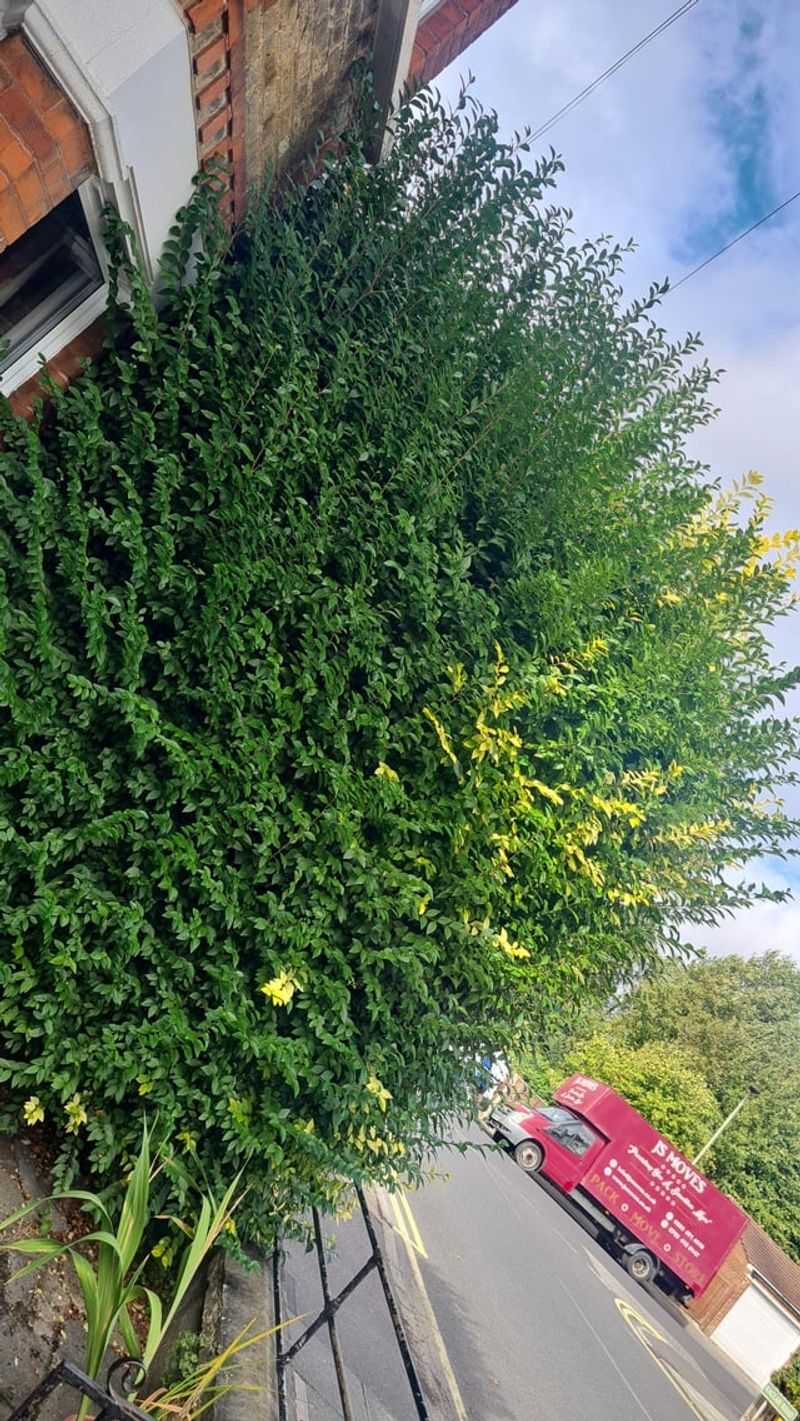
Privet has one of the most misleading reputations in Pennsylvania landscaping. Fast-growing, fills in quickly, tolerates a range of conditions.
At the nursery it sounds like the ideal hedge plant for a small yard that needs a quick privacy screen. Within a few seasons, that tidy hedge becomes a thicket, and the thicket keeps expanding.
Both common privet and border privet are listed as invasive plants in Pennsylvania. They produce large quantities of small black berries that birds carry freely into natural areas.
Seedlings sprout readily in lawns, garden beds, and along fence lines, and without regular removal they quickly develop woody stems that become difficult to pull by hand.
The yard essentially starts generating new privet plants on its own schedule.
The growth rate genuinely catches people off guard. A hedge planted in spring can put on several feet of new growth by fall.
Cut it back hard and it responds with vigorous resprouting, often coming back fuller than before. Managing privet in a small yard shifts from seasonal maintenance to a recurring commitment that does not have a natural end point.
Native arrowwood viburnum or inkberry are much smarter hedge choices.
Both provide privacy, strong wildlife value, and manageable growth habits without the invasive classification or the relentless reseeding that makes privet such a persistent yard project in Pennsylvania.
Privet is fast, cheap, and available everywhere. Those qualities look great on a tag in April. By August of year two, fast and relentless start to feel like the same thing.
The native alternatives get there eventually and then stop. That distinction matters more than it sounds.
6. Wisteria Grabs Heavy Structures
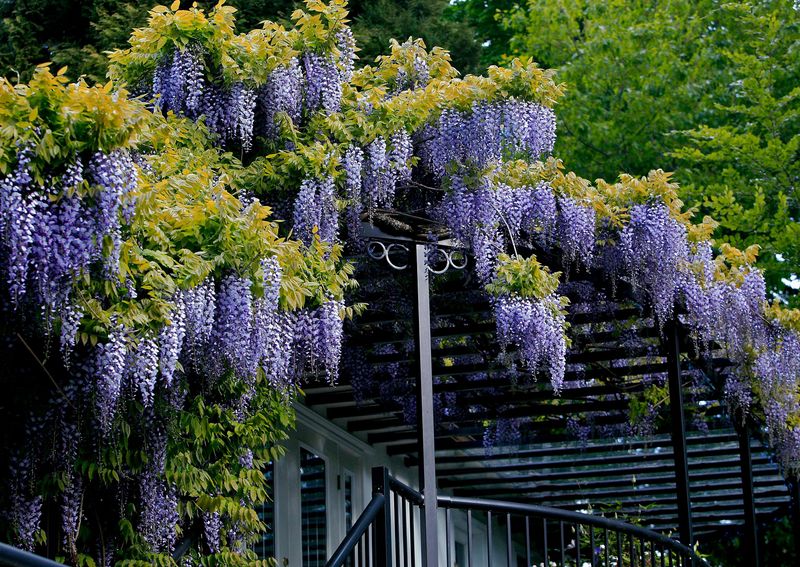
Wisteria in full bloom is genuinely one of the most beautiful things a Pennsylvania yard can produce. Those long, cascading clusters of purple or white flowers are hard to walk past without stopping.
At the nursery, a young wisteria vine in a container looks perfectly manageable. The structural reality it creates over time is a different conversation entirely.
Asian wisteria, which is the species most commonly sold in nurseries, develops woody stems that can reach the thickness of a small tree trunk at maturity.
The combined weight of stems, leaves, and flowers can collapse a pergola or arbor that was not specifically engineered to handle it.
Structures that looked sturdy at installation start to show stress after several years of wisteria doing what wisteria does.
Beyond the structural load, wisteria spreads by runners and seed. It climbs into nearby trees and wraps around trunks and branches with enough force to stress the tree over time.
Asian wisteria has naturalized in parts of Pennsylvania and is considered an invasive concern by state conservation resources.
American wisteria and Kentucky wisteria are native alternatives with equally beautiful blooms, significantly less aggressive growth habits, and far better behavior in tight Pennsylvania spaces.
Both are available at native plant nurseries and make the romantic pergola vision achievable without the structural anxiety.
The dream of wisteria draping a pergola is completely achievable. The native species get you there without requiring you to rebuild the pergola two years in. That seems like the better version of the same story.
7. Japanese Honeysuckle Crowds Borders
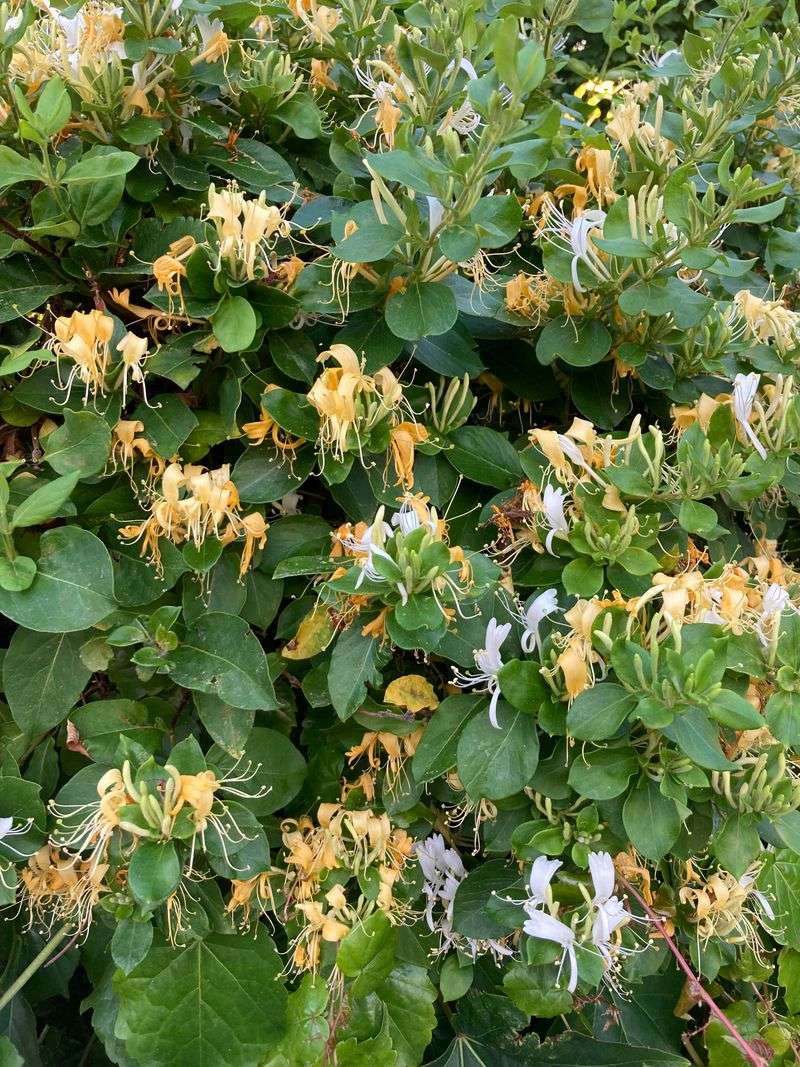
The sweet fragrance of Japanese honeysuckle on a warm Pennsylvania evening is genuinely difficult to argue with.
That scent is a big part of why it ends up in so many carts at the nursery. It looks like an easy, fast vine for a fence or border edge.
It is fast, but easy is not the right word once it gets established and starts making decisions about your garden on its own.
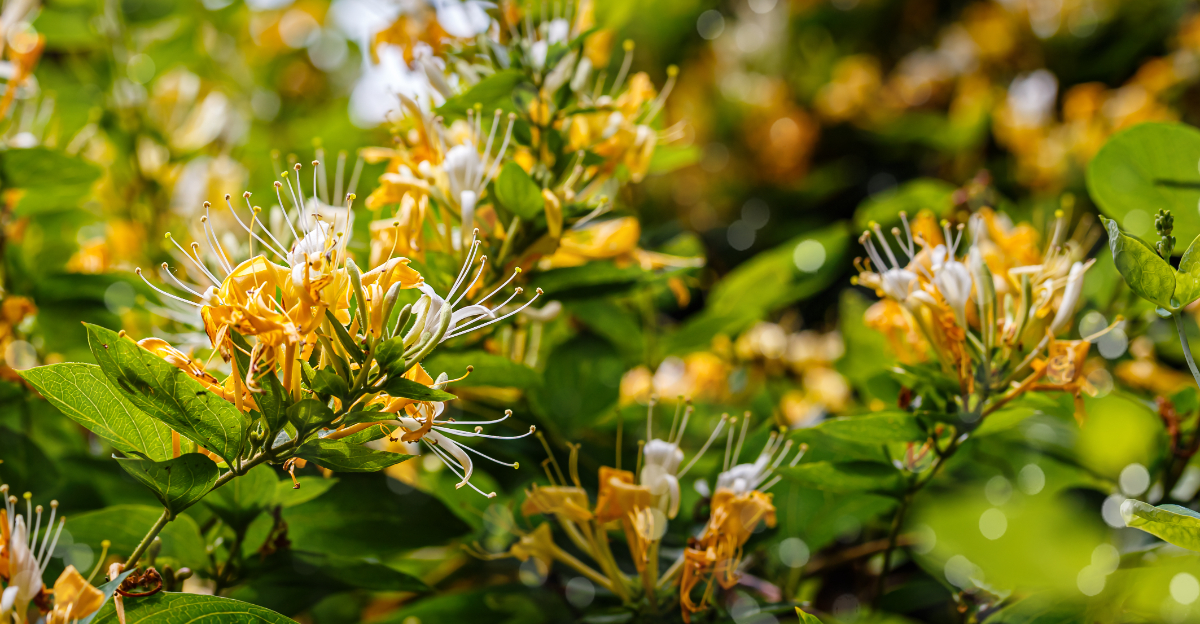
Japanese honeysuckle is a twining vine that wraps around anything it contacts. Along borders it climbs through shrubs, covers perennials, and can overwhelm entire sections of a garden bed in a single growing season.
It is listed as an invasive species in Pennsylvania and spreads through both runners and bird-distributed seeds into natural areas and woodland edges well beyond the original planting.
What makes it especially persistent is that it is semi-evergreen in Pennsylvania. It holds its leaves later into fall than most plants, which means it keeps growing and shading out neighbors long after the garden season should be winding down.
Removing established Japanese honeysuckle from a border requires sustained effort because stems root wherever they touch soil, creating new plants faster than removal keeps up.
Native coral honeysuckle is the smart swap.
It offers beautiful tubular red and orange flowers, attracts hummingbirds enthusiastically, behaves well in a small yard, and carries none of the invasive classification.
The fragrance of Japanese honeysuckle is real and it is lovely. Native coral honeysuckle does not have the same scent, but it brings hummingbirds, which is honestly a better trade.
Different charm, significantly less chaos.