Why Western Conifer Seed Bugs Keep Showing Up in Michigan Homes and What to Do
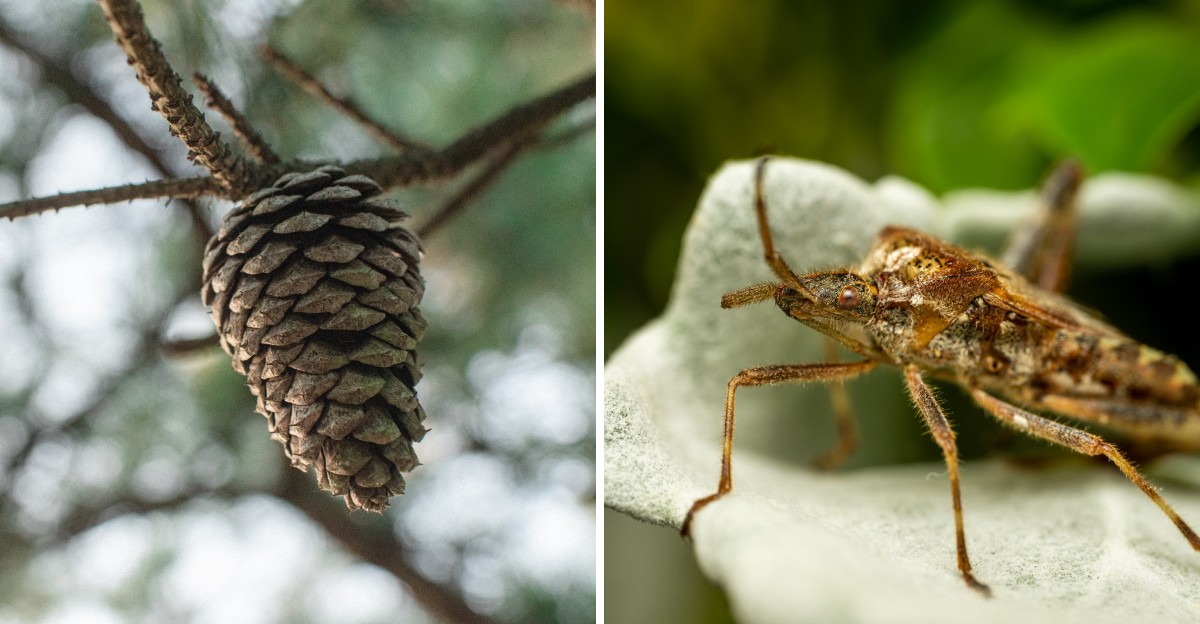
A bug that smells faintly of crushed pine needles might be napping inside your window frame right now. Some folks say the scent reminds them of apples or coriander, which is a strange perfume for an uninvited guest.
These insects were not even recorded in Michigan until the mid-1980s. They traveled here from the western United States and settled in quite happily.
I know how frustrating it can be when a loud, clumsy flier bonks into your lamp at dinner. My first reaction was to grab the nearest shoe and panic about my sweaters. There’s actually a good reason to put the shoe down, though.
The real question is why your house, of all places, looks so inviting to them. And once they find a cozy crack, can you convince them to leave?
1. Those Leaf-Footed Bugs on Your Siding Are House Hunting
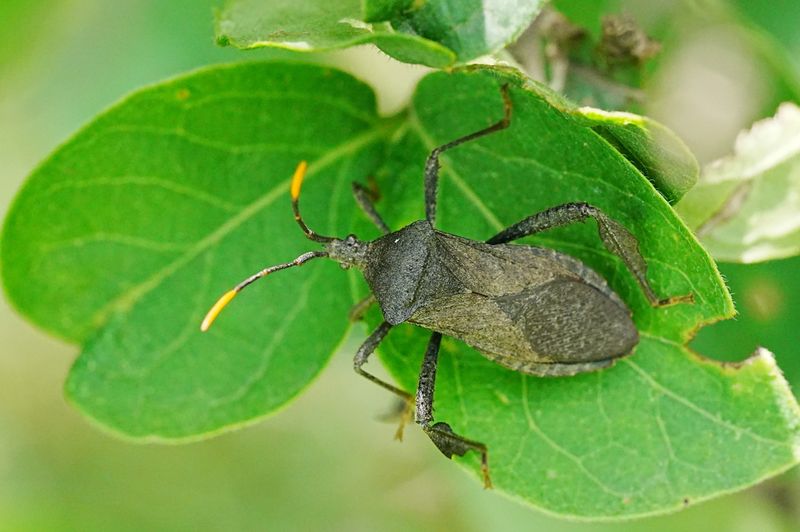
Every autumn, a quiet real estate rush happens on the sunny side of houses across the state. Western conifer seed bugs are looking for a safe place to wait out winter, and your walls look perfect.
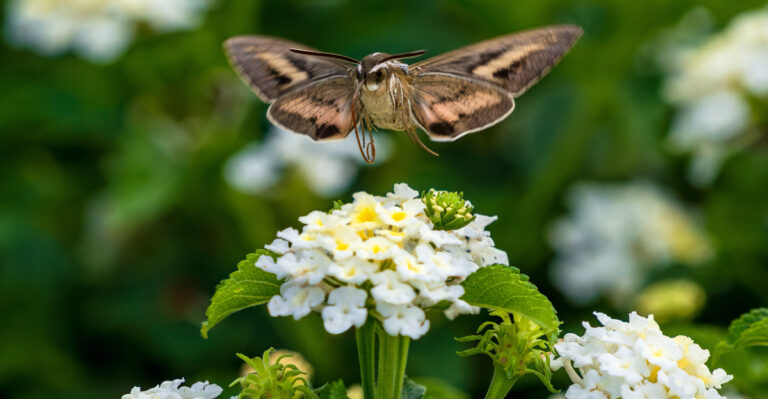
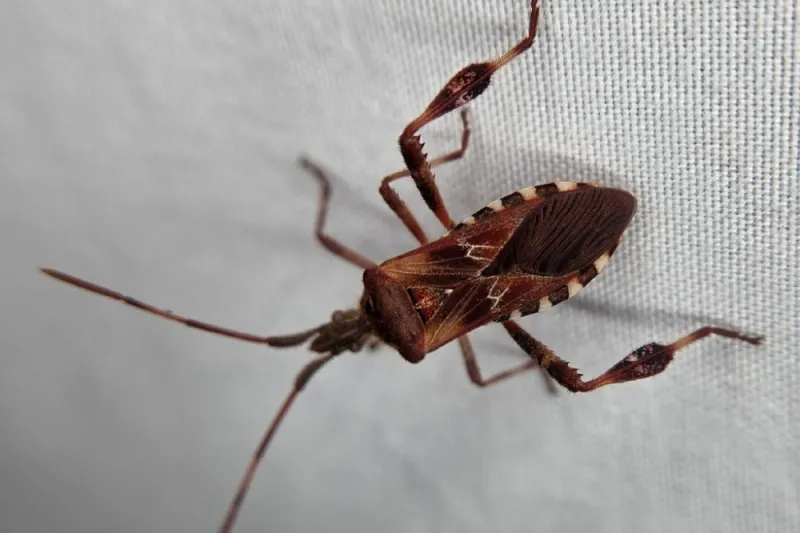
Adults are about three-quarters of an inch long with a brownish body and a zigzag white line across the back. The giveaway is the flattened, leaf-shaped section on each hind leg. That feature puts them in the leaf-footed bug family.
In the wild, these bugs spend winter tucked under loose bark, in old bird nests, or inside hollow trees. A house simply offers more cracks and better protection. Warm south and west walls catch afternoon sun, so bugs gather there first.
Once they slip behind siding or into attics, they settle into wall spaces for the season. Indoor heat can wake them on warm days, which is why one suddenly crawls across your ceiling in January.
They are not coming inside to feed, breed, or chew anything. Shelter is the only goal on their list.
Understanding that simple motive makes the rest of your plan much easier, because the best fixes focus on blocking their path rather than chasing them later.
2. Caulk and Tight Window Screens Stop Seed Bugs Before They Sneak In
Prevention beats pursuit every single time with these guys. Michigan State University Extension and other experts agree that sealing your home is the most effective step you can take.
Timing is everything. Plan your inspection for late summer or early September, before the bugs start crowding onto walls. Once they are inside the wall voids, caulk will just trap them in rather than keep them out.
Walk slowly around your house and look closely at these spots: Gaps around window and door frames. Openings where pipes, cables, and dryer vents enter. Spaces along soffits, fascia boards, and the roofline.
Cracks in the foundation and loose siding seams. Use a good silicone or latex caulk for small cracks. Weather stripping and door sweeps handle gaps under doors. Fine screening works well over attic and soffit vents.
Check every window screen for rips, and make sure each one fits snugly in its frame. Even a small gap at the corner is enough for a determined bug.
As a bonus, this same work helps block boxelder bugs, lady beetles, and cluster flies. Your heating bill may thank you too, since fewer drafts mean warmer rooms.
3. A Vacuum or a Tissue Handles the Seed Bug Already on Your Curtain
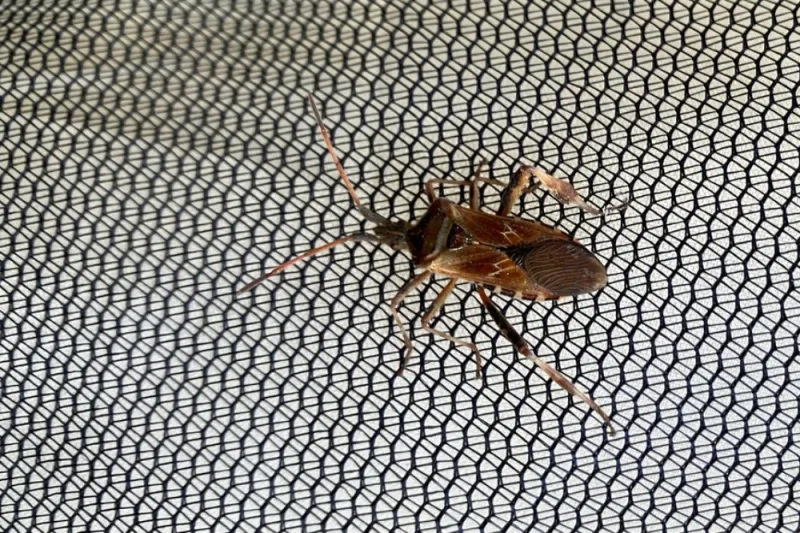
So one made it inside anyway. Honestly, that happens to almost everyone living near pine trees, so take a breath.
Indoor sprays are mostly a waste of money here. The bugs hide in wall voids where spray cannot reach, and treating living spaces adds chemicals your family does not need.
Hand removal works beautifully. Scoop the bug onto a piece of paper or grab it gently with a tissue, then toss it outside. These insects move slowly in cool rooms, so catching them is surprisingly easy.
A vacuum is great for several bugs at once. Some people slip a knee-high stocking into the hose with a rubber band, which catches the bugs before they reach the bag. Empty it outdoors right away, or drop the bugs into a container of soapy water.
Try not to squeeze them, since a startled bug releases its scent. Gentle handling keeps your hands and curtains smelling fresh.
Expect a few stragglers through winter and early spring. Sunny days warm up the walls and wake sleepy bugs. A quick catch-and-release routine keeps things calm until they head back outdoors around May.
4. Pine Cones in Your Yard Are the Real Seed Bug Magnet
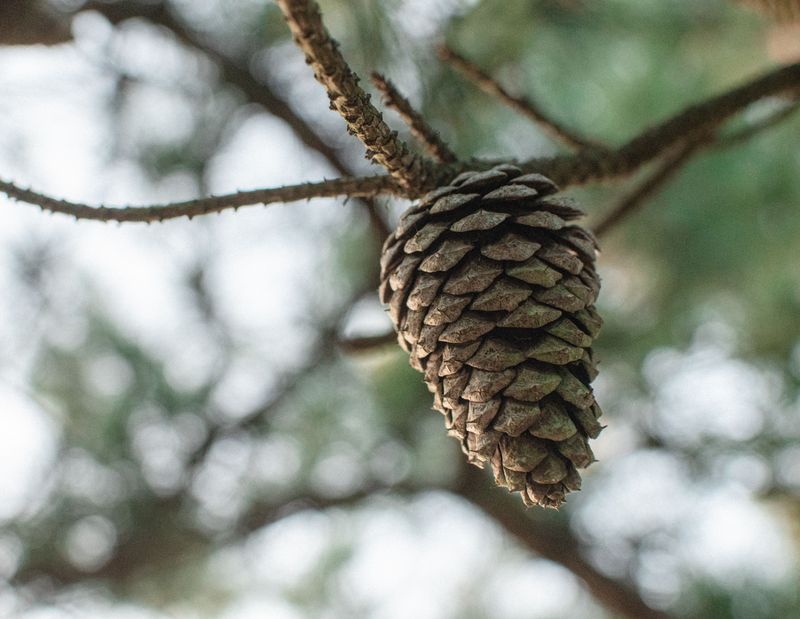
Here’s something you might not expect. The pretty white pines and spruces shading your yard are basically a summer buffet for these insects.
Western conifer seed bugs feed on developing seeds inside cones. They poke their straw-like mouthparts into young cones and sip the contents. Pines, spruces, firs, hemlocks, and Douglas-fir are all on the menu.
Healthy landscape trees usually shrug this off. The feeding can reduce seed numbers, which matters most to tree nurseries and seed orchards. For a backyard tree, you are unlikely to see any real harm.
Spending summer near your conifers means the bugs are already close when fall arrives. A home surrounded by evergreens often sees more visitors than one in an open neighborhood.
Please keep your trees, though. Conifers give shade, winter color, wildlife cover, and privacy. Removing healthy trees to fight a harmless nuisance is a poor trade.
Instead, focus your energy on sealing the house. Some homeowners also trim branches that touch the roof or siding, which removes an easy bridge to the eaves. That small step keeps your trees happy and your walls a little less crowded.
5. That Buzzing Brown Bug Won’t Bite You or Chew Your Walls
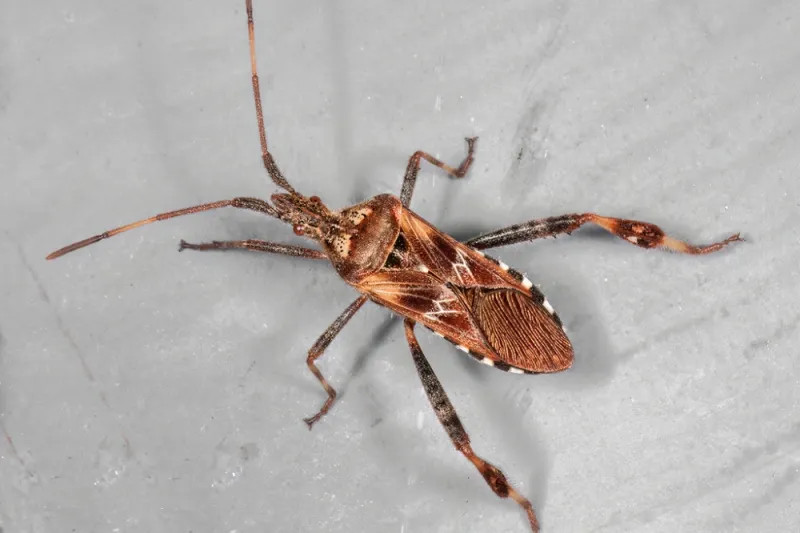
My heart jumped the first time one buzzed past my ear. The sound is loud and low, a lot like a bumblebee, so the surprise is understandable.
Relax, because these insects are harmless to people and pets. They do not bite or sting. Their beak is built for sipping from soft pine seeds, not for poking skin.
Your house is safe too. They do not chew wood, eat fabric, or damage food in the pantry. They also do not lay eggs or raise families indoors, so one bug will not turn into hundreds.
When they fly, you may spot a flash of orange and black on the abdomen. That bright pattern is hidden under the wings while they rest. Many folks mistake them for something dangerous because of it.
Pets may bat at them out of curiosity. A swallowed bug might cause a little drooling from the bad taste, but serious problems are rare.
The worst part is mostly the startle factor. A clumsy flier smacking into a lampshade is annoying, not scary. Knowing that makes those surprise visits feel a lot more like a quirky part of fall.
6. Squishing a Seed Bug Releases a Piney Surprise
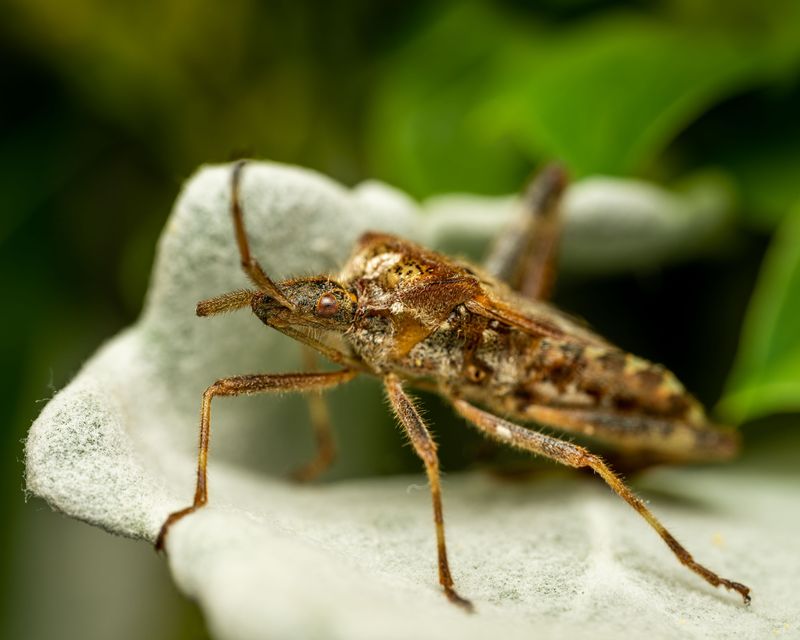
Ask ten people what a crushed seed bug smells like and you will get ten answers. Pine resin, green apples, cilantro, and bananas all show up on the list.
The odor comes from special glands the bug uses when threatened. Birds and other predators get a mouthful of bad flavor and usually back off. It is a clever defense for a slow-moving insect.
Many people confuse these bugs with stink bugs, especially the brown marmorated stink bug that also sneaks into houses. Look at the shape to tell them apart. Stink bugs are wide and shield-shaped, while seed bugs are long and slim with those leaf-like legs.
The seed bug smell is usually milder and fades faster. Still, nobody wants it on a white couch or a favorite blanket.
Simple habits help a lot. Skip the shoe or the hard squeeze. Use a tissue with a light touch, or let the vacuum do the work.
If you do catch a whiff, open a window for a bit. A quick wash with soap and water clears it from your hands, and the room returns to normal in no time.
7. Sunny South Walls and Porch Lights Deserve a Fall Check
A little planning each fall keeps next winter quieter. Think of it as a yearly fall chore, right alongside raking leaves and draining hoses.
Homes with heavy problems year after year sometimes need an outdoor treatment. Experts suggest spraying only exterior walls, mainly south and west sides, in early fall when bugs gather.
Always read the label, follow directions, and test a small spot first so the siding does not stain. For most yards, a licensed pest professional is the safer choice for this step. They know which products suit your siding and how to protect pollinators nearby.
Lighting matters too. Seed bugs are drawn to lights at night, so switch porch lights off when you can. Yellow bulbs or motion-sensor lights attract fewer insects overall.
Keep a simple routine each year: Seal gaps in late summer. Watch sunny walls in fall. Vacuum stragglers through winter. Expect bugs to head out in late May or early June.
Across Michigan, these visitors are a normal part of living near beautiful evergreens. With tight seals and a calm attitude, you can enjoy your pines without sharing the couch with their fans.