Is Your Michigan Yard Secretly Harboring Overwintering Squash Bugs?
A single sheet of plywood lying near your garden could be sheltering a small crowd of flat, gray-brown insects right now. They are not babies, and they are not laying eggs.
They are full-grown adults, waiting out the cold so they can find your pumpkins first thing next summer.
I tend to think fall is the sneakiest season in the garden. The beds look finished, the vines are crisp, and everything seems quiet. Yet that tidy-looking pile of old stems may be a winter hotel.
Here in Michigan, these bugs show up right around the time squash vines start to run. They suck sap, leave yellow speckles, and can make leaves wilt fast. I know how frustrating it can be to lose a zucchini plant you babied for weeks.
1. Those Flat Gray Bugs Have Already Picked Their Winter Beds
Short answer to the big question? Yes, there is a solid chance your yard is hosting a few squash bugs this fall.
University extension experts, including Michigan State University, agree that these pests spend the cold months as adults tucked into sheltered spots.
Unlike many insects, squash bugs skip the egg stage for winter. The adults that matured in late summer simply stop mating and start house hunting. As days get shorter and cooler, they crawl into cozy cracks and crannies near the gardens where they fed.
Their nymphs, the younger wingless stage, cannot handle freezing weather. So any little gray babies still on your vines in October will not make it to spring. The grown-ups are the ones to worry about.
I find this part fascinating. A bug that looks so fragile can sit through a long northern winter with no food at all. Then it wakes up hungry when the weather warms.
In most of the state, these survivors become active again in late spring. They fly off looking for squash and pumpkin plants, and the cycle starts over. Every adult you remove this fall means fewer egg layers next June.
2. Old Squash Vines and Leaf Piles Make Perfect Bug Hotels
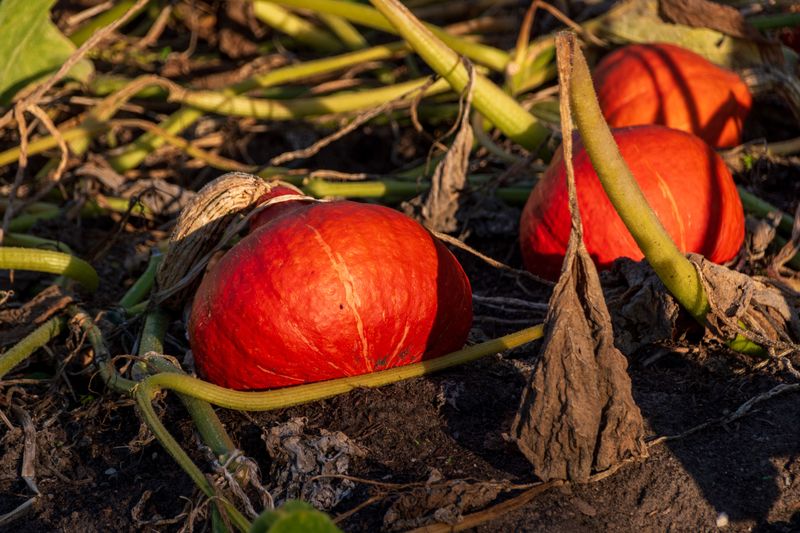
Walk through your garden after the first frost and you will likely see crumpled pumpkin leaves and brittle vines. To us, that mess looks finished. To a squash bug, it looks like a warm blanket with room service nearby.
Extension sources list the usual hiding places. Squash bugs shelter in leftover crop debris, under withered leaves, beneath boards, and around rocks and clods of soil. They also tuck into woodpiles, fence rows, and cracks along building foundations.
Some will even wander into garages and sheds. You might spot one crawling on a windowsill on a sunny November afternoon. That is a clue more could be nearby.
Take a slow lap around your yard this week. Look for these common spots: Spent cucurbit vines left in the bed. Mulch or straw piled thick against plants.
Stacked firewood near the vegetable patch. Old pots, boards, or tarps lying on the soil. Tall weedy edges along fences.
None of these are bad on their own. Leaf litter and brush piles help many helpful insects and pollinators too. The trick is keeping the squash bug hideouts away from the spot where you grow squash, while letting other areas stay a little wild.
3. A Fall Garden Cleanup Pulls the Welcome Mat Away
My favorite fall chore is not glamorous, but it works. Clearing out spent squash, pumpkin, and cucumber plants right after harvest is one of the most helpful things you can do against next year’s squash bugs.
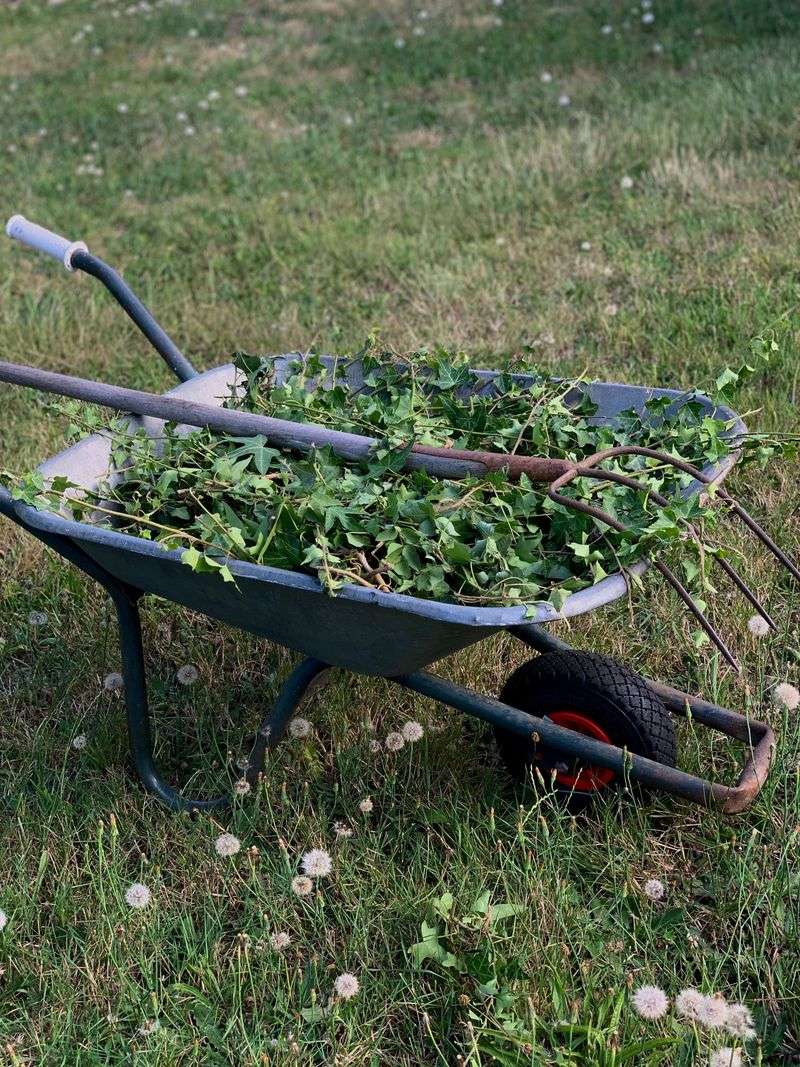
When the vines are gone, the bugs lose their easiest shelter. Pull up the plants, roots and all, and rake the fallen leaves in that bed. Try to finish before nights turn truly cold, since the adults start settling in as temperatures drop.
So what do you do with the pile? Hot composting is a smart choice if your bin heats up well. A home pile that stays cool may just give the bugs a new address, so bag the debris for yard waste pickup if your compost runs chilly.
Many Michigan towns offer curbside yard waste collection in fall. Check your local rules before setting out bags.
Light tilling or turning the soil after cleanup can disturb any remaining hiding spots. Keep it shallow and quick if you care about soil life.
One more tip from experience. Clean up the edges too. A neat bed surrounded by weedy fence lines still leaves plenty of motel rooms open.
4. Boards on the Soil Can Trap Squash Bugs for You
Squash bugs love a good roof over their heads. You can turn that habit into a simple, cheap trap using scrap wood, old shingles, or flat pieces of cardboard.
Lay the boards flat on the soil near your squash plants or around the bed edges. Overnight, the bugs crawl underneath looking for shelter. In the early morning, while they are still sluggish, flip the boards and gather them up.
A bucket of soapy water makes collection easy. Brush or knock the bugs in, and they sink fast. Wear gloves if you like, because squash bugs release a strong, unpleasant smell when handled or crushed.
This method works well during the growing season and again in early fall. As adults go looking for winter shelter, your boards can catch them before they settle somewhere hidden.
Here is the catch. If you forget the boards and leave them out all winter, you have built the bugs a free shelter. Pick them up and check them before hard frost, then store them away from the garden.
I like to think of this trick as a little morning treasure hunt. It is oddly satisfying to see how many you can catch in a week.
5. How to Recognize an Adult Squash Bug Before It Hides
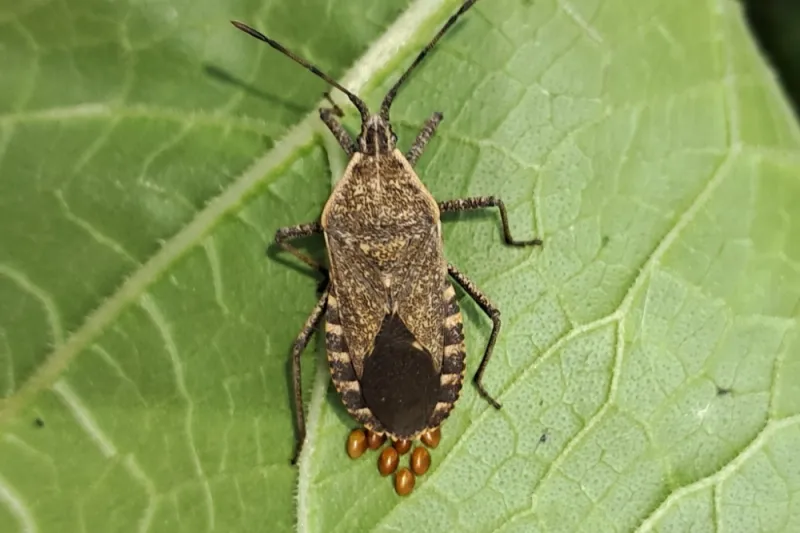
Plenty of gardeners mix up squash bugs with stink bugs, and honestly, I did too at first. Both are shield-shaped and smelly. A closer look shows the difference.
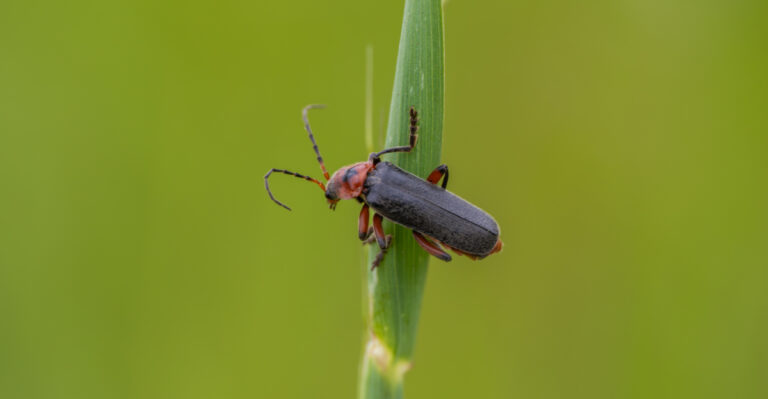
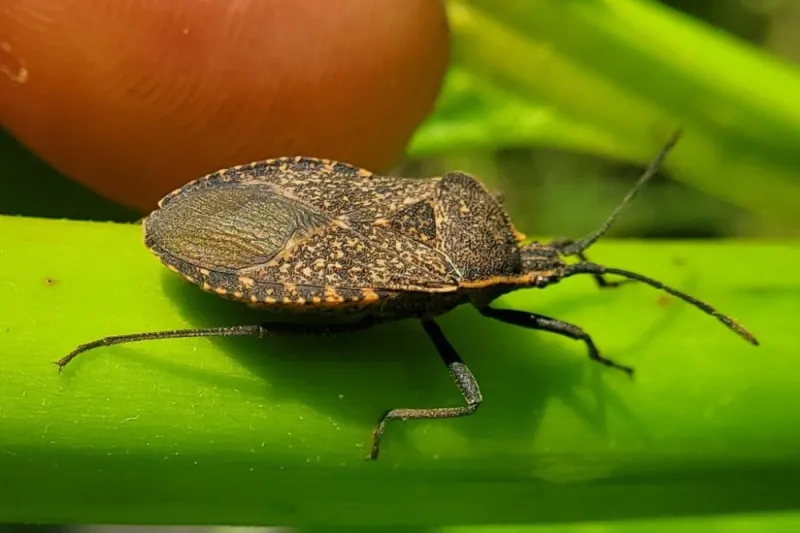
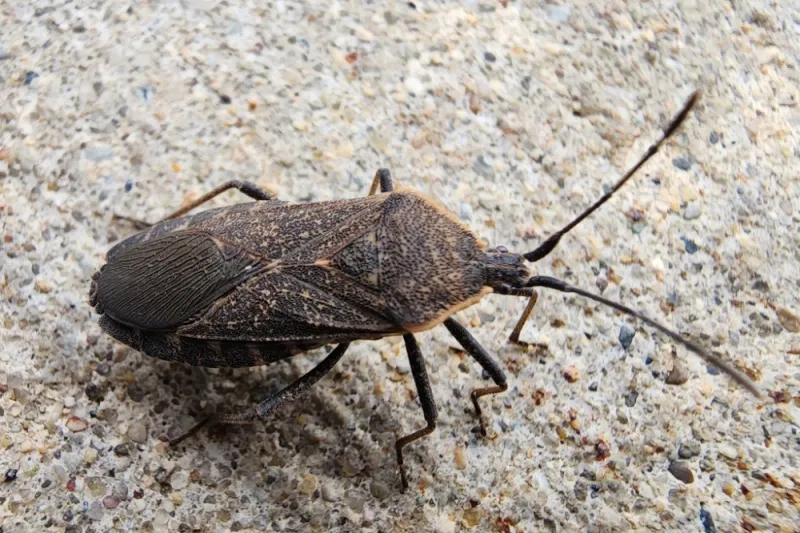
Adult squash bugs are about five-eighths of an inch long. Their bodies are flat and dark gray to brownish black, often with tiny dark specks. Along the edges of the abdomen, you may notice small orange and brown stripes.
Brown marmorated stink bugs, which also wander into Michigan homes in fall, are wider at the shoulders. They have light and dark bands on their antennae and a more mottled look. Spotting the difference helps you know which pest you are dealing with.
Squash bugs also move fast. When you lift a leaf, they scurry to the underside or drop toward the soil. That quick escape is a pretty good giveaway.
Where you find them matters too. A bug crawling around old pumpkin vines or the base of your garden fence in October is likely a squash bug heading for cover.
Snap a phone photo if you are unsure. Your local MSU Extension office can help confirm the bug, and their online resources include clear pictures for comparison.
6. Squash Bugs Can Carry Yellow Vine Disease Into Spring
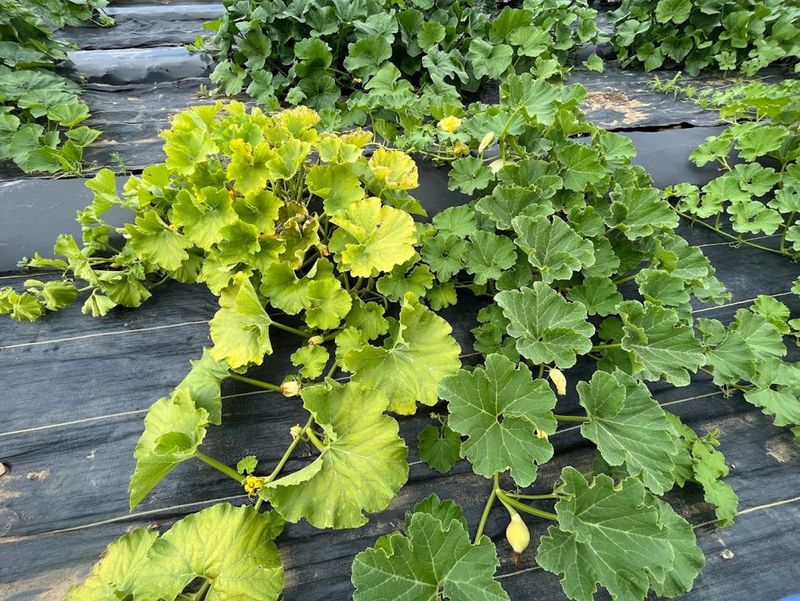
Feeding damage is only half the story. Research from several universities has shown that squash bugs can spread a bacterial illness called cucurbit yellow vine disease, often shortened to CYVD.
The bacterium behind it is Serratia marcescens. Infected plants turn yellow and can collapse within a couple of weeks, usually around the time fruit starts forming. Cutting the stem may show a honey-brown color inside.
What surprised me most is the winter connection. Studies found that overwintering adult squash bugs can hold the bacteria in their bodies until spring. Then they pass it to new plants when they start feeding again.
Now, some honest perspective. CYVD has been reported mostly in southern and central states such as Oklahoma and Texas. It is not a common problem for most northern gardens, so there is no reason to panic.
Still, it shows why fall cleanup matters. Fewer overwintering adults means fewer chances for disease to hitch a ride into your squash patch.
If a vine yellows and wilts quickly this summer, pull it and bag it. Contact your local extension office for testing, since bacterial wilt from cucumber beetles and other problems can look similar.
7. Floating Row Covers Give Spring Squash Seedlings a Head Start
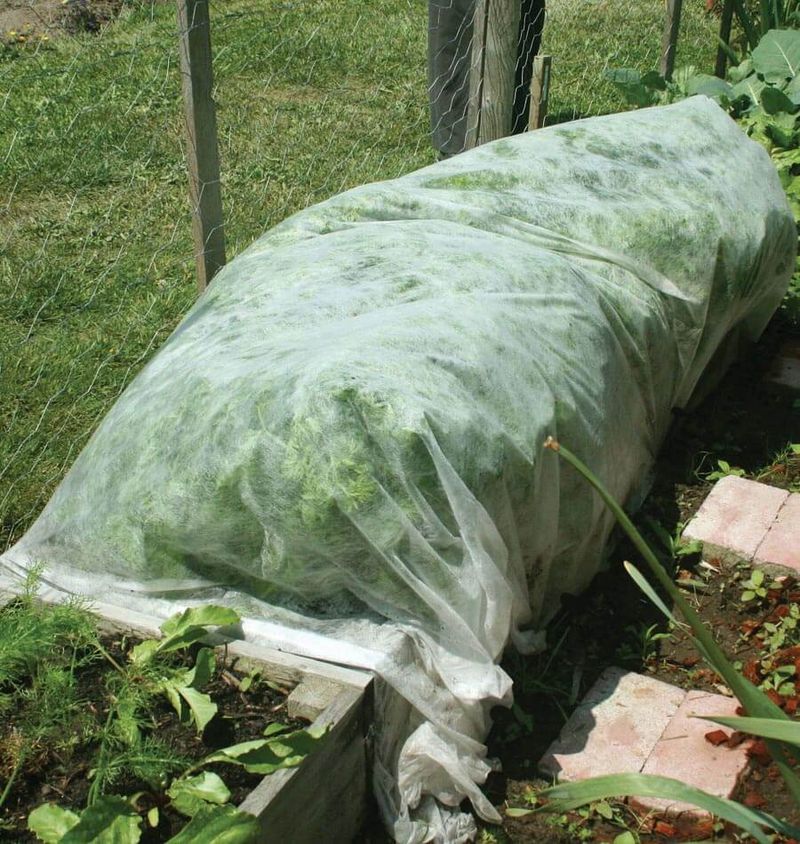
Spring is your second chance. Even with a careful cleanup, a few squash bugs may sneak through winter or fly in from a neighbor’s yard.
Lightweight floating row cover makes a great shield. Drape it over hoops above young squash and pumpkin plants right after planting. Seal the edges with soil or pins so bugs cannot crawl underneath.
Plants grow strong and leafy under the fabric while the overwintered adults are out searching. A larger, sturdy plant handles feeding much better than a tiny seedling with only a few leaves.
There is one important rule. Remove the cover once female flowers open so bees can pollinate them. Otherwise, you may get lots of flowers and very little fruit.
Timing helps too. Most Michigan gardeners plant squash outdoors in late May or early June, after frost danger passes and the soil warms. Planting healthy transplants instead of seeds can give plants a few extra weeks of growth.
Some extension guides note that certain types, such as butternut, tend to suffer less squash bug damage than summer squash or pumpkins. Mixing varieties can spread out your risk, and it keeps dinner a little more interesting.
8. Check Those Bronze Egg Clusters Under Squash Leaves Next June
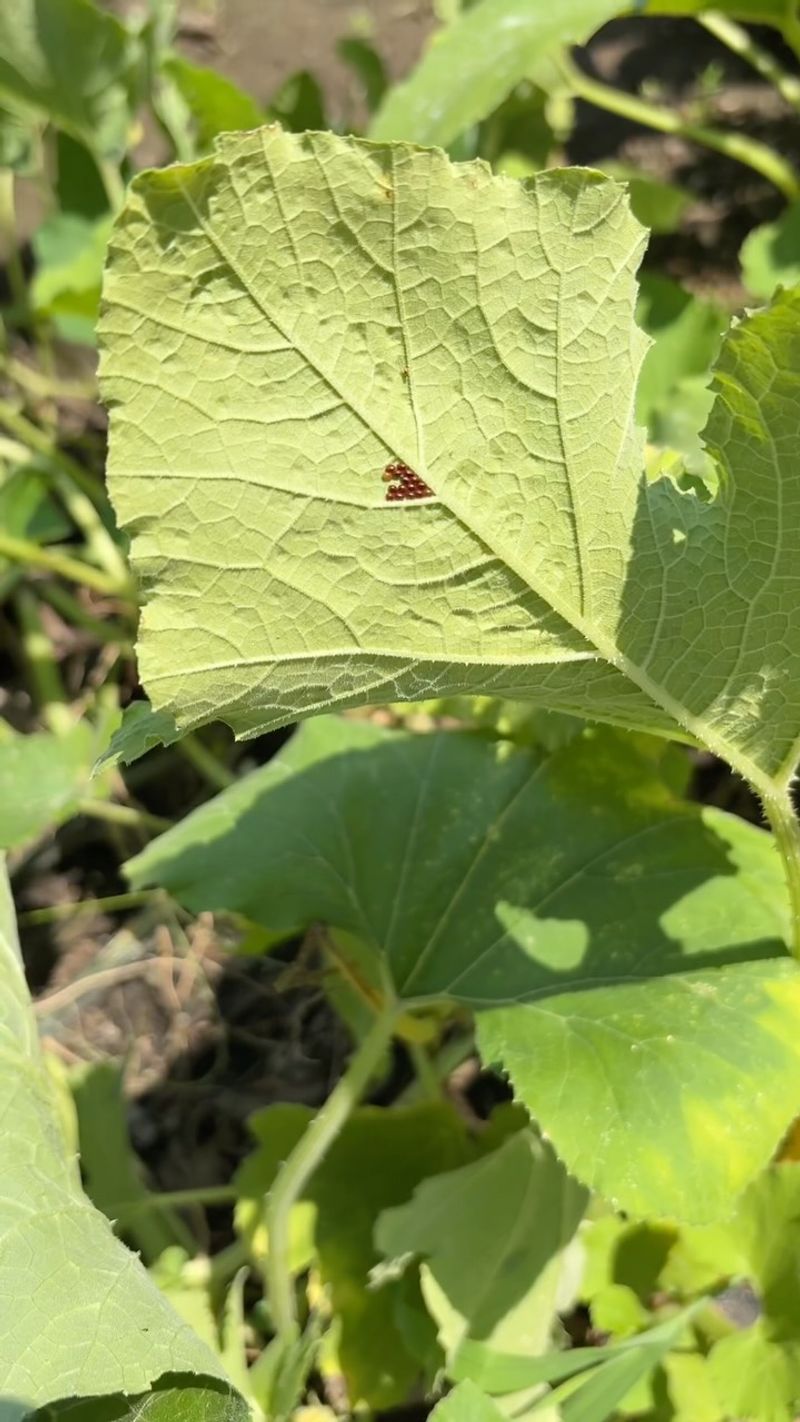
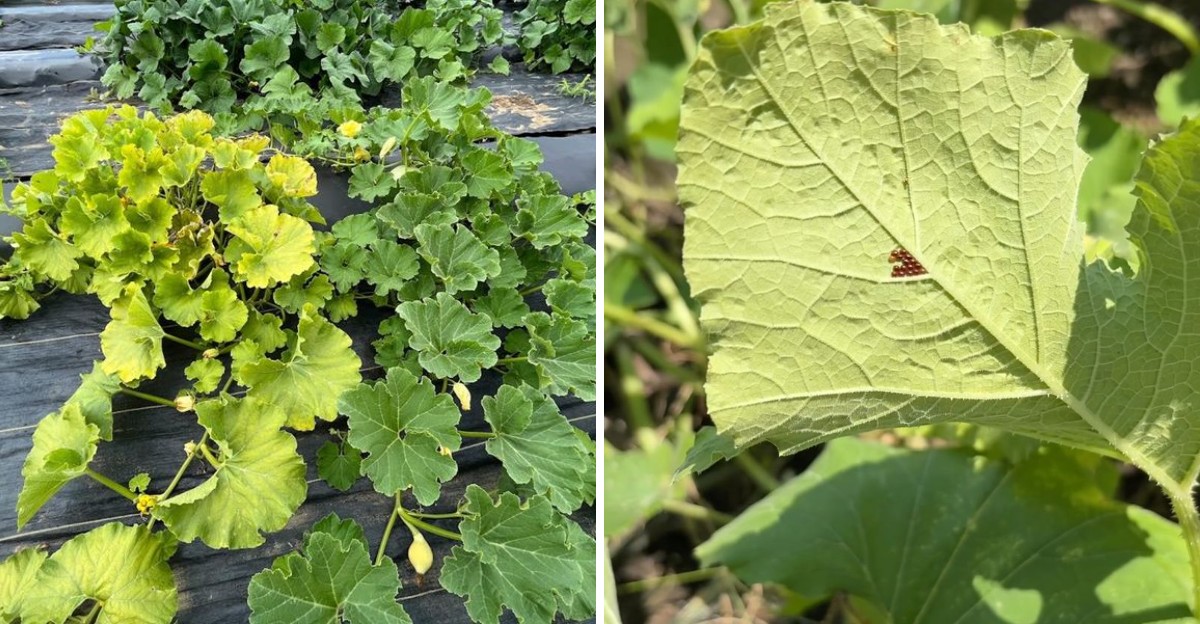
Flip over a squash leaf next summer and you might spot tiny shiny dots arranged in neat rows. Those little bronze beads are squash bug eggs, and finding them early is a big win.
Females usually lay clusters of about a dozen or more eggs on the undersides of leaves, often in the V where veins meet. The eggs start out yellowish and darken to a coppery brown. They hatch in roughly one to two weeks, depending on warmth.
Make egg checks part of your garden routine. Every few days, peek under leaves as you water. Scrape eggs into soapy water or press them off with a strip of duct tape.
Catching young nymphs matters too. They look like tiny gray or greenish bugs with dark legs, and they tend to huddle together. Soapy water works on them as well.
Put together, your yearly plan looks simple. Clean up vines in fall, trap with boards, cover seedlings in spring, and scout for eggs in summer.
No single step stops every bug. Together, though, they turn your garden from a squash bug resort into a place they would rather skip.