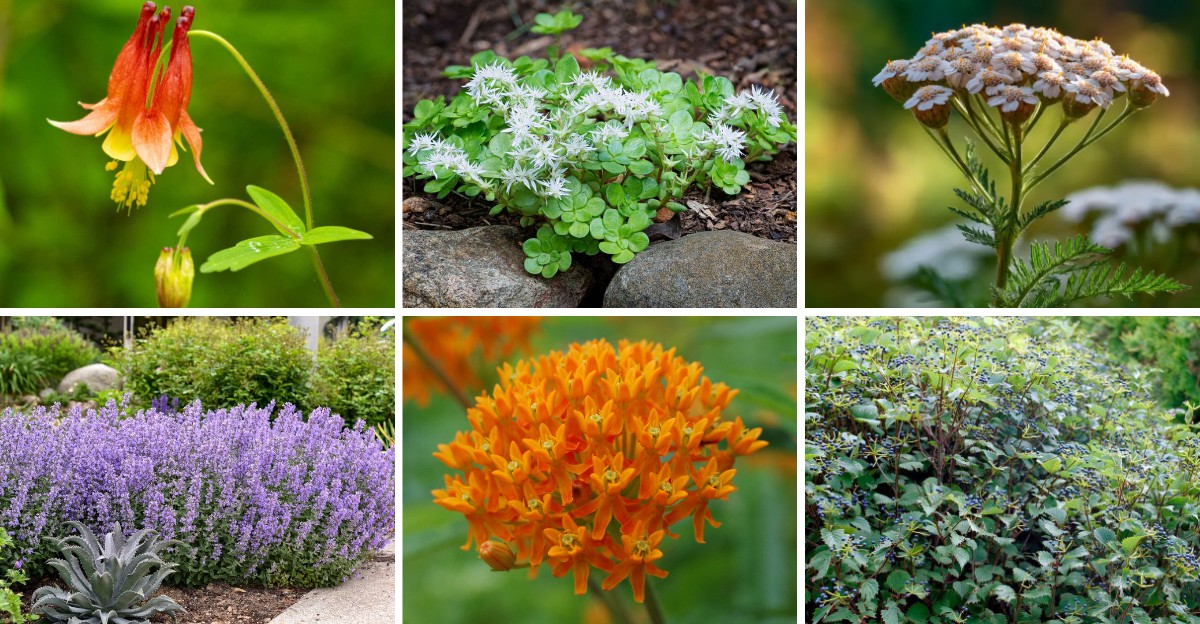
9 Drought-Tolerant Plants Virginia Gardeners Should Consider After This Dry Year
Certain native grasses push their roots six feet or more into the soil, deeper than most of us stand tall. That hidden plumbing explains why some plants shrug off weeks without rain while thirsty lawns turn crunchy and brown.
Virginia gardeners watched plenty of hoses run this year, and many water bills climbed right along with the heat. I have to admit my own flower beds looked tired by August, and my watering can barely got a break.
What surprises me most is how many tough plants already grow wild along our roadsides and rocky hillsides. You might notice some of them blooming happily in August heat while fussy garden favorites droop.
I believe the smartest garden in Virginia next year will need less water and still feed plenty of pollinators. So which hardworking plants deserve a spot in your yard before the next long stretch of dry weather?
1. Butterfly Weed
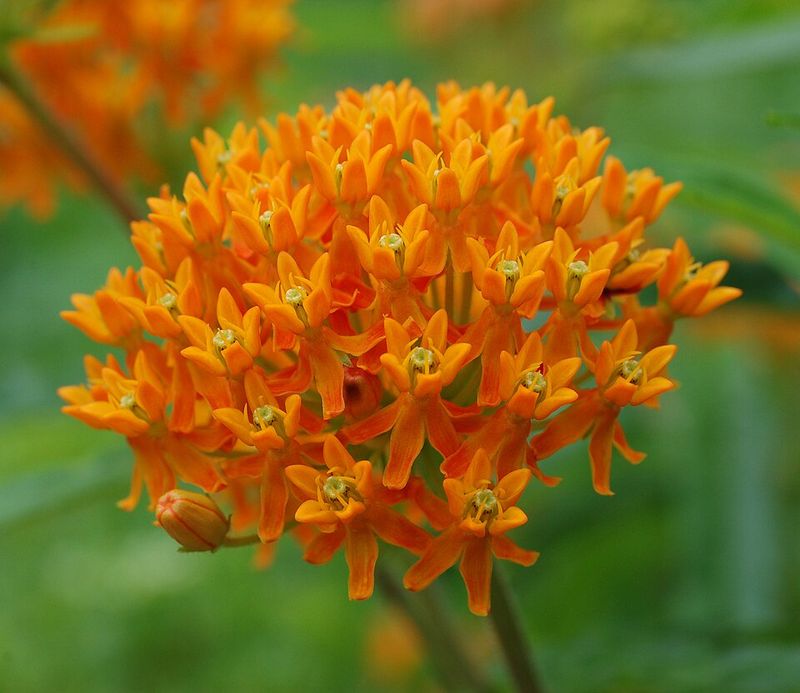
Few native flowers glow quite like this one, with clusters of tangerine blossoms that seem to light up a sunny bed. Monarch caterpillars munch its narrow leaves, so every chewed stem means you are raising future butterflies.
Unlike many milkweed cousins, Asclepias tuberosa has clear sap instead of milky sap, which surprises plenty of new growers. The plant usually reaches one to three feet tall and forms a neat, upright clump over time.
Its real secret sits underground, where a thick taproot stores water and helps the plant ride out long dry spells. Once established, it rarely needs extra watering, which feels like a gift after a summer like this one.
Give it full sun for at least six hours daily and soil that drains well, even clay that does not puddle. Soggy ground is its biggest enemy, so skip the low spots where rainwater collects after summer storms.
Patience matters here, because young plants can take two or three years before they put on a real flower show. I like to mark the spot with a small stake since the shoots wake up late in spring.
Avoid moving mature plants, because that deep taproot rarely handles being dug up and replanted somewhere new very well. Starting with small plants or seeds gives you the best shot at a long-lived, sturdy clump in your yard.
Blooms appear from early summer into fall, and hummingbirds often join the bees for a quick sip of nectar. Snip the seed pods before they split open if you prefer fewer volunteer seedlings popping up next year.
2. Eastern Red Columbine
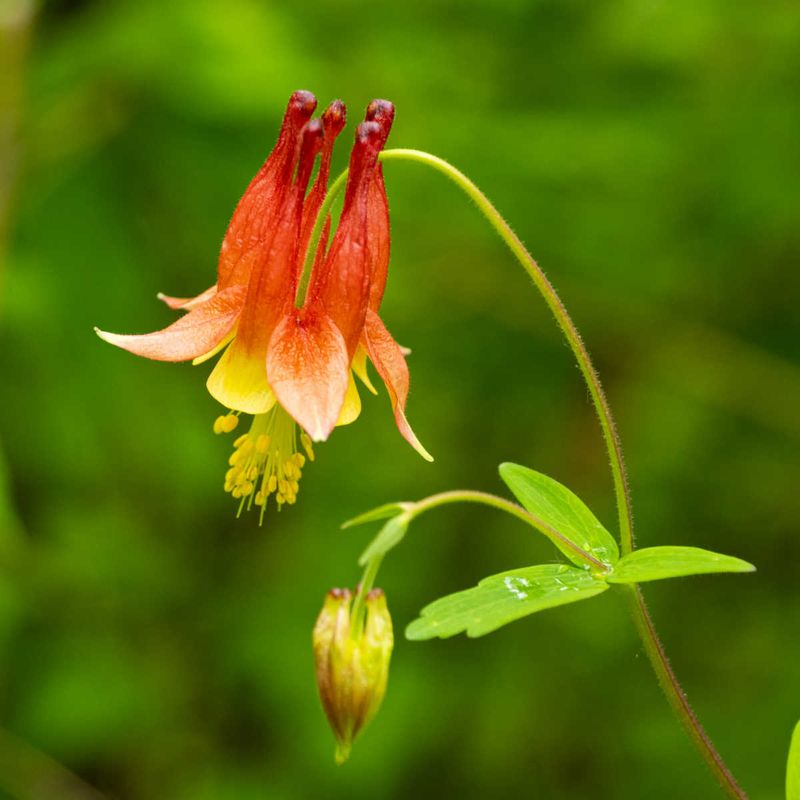
Hummingbirds seem to know exactly when these dangling red lanterns open, often zipping in before you finish your morning coffee. Each nodding bloom has long tubes filled with nectar, perfectly shaped for a tiny bird with a slender beak.
Aquilegia canadensis is a native perennial that grows one to three feet tall in airy clumps of blue-green leaves. I love how the delicate look hides a plant that handles dry soil better than most shade lovers.
Many gardeners struggle to find tough plants for dry shade under trees, and this beauty fills that gap nicely. It tolerates dry to medium moisture once settled, so a missed watering rarely sends it into a sulk.
Plant it where morning sun turns to afternoon shade, because hot summer sun can scorch the foliage by July. Well-drained soil keeps the roots happy, and rocky slopes or woodland edges often suit it surprisingly well.
Flowers usually appear in spring, and some plants keep producing blooms into early summer when conditions stay mild. Long-tongued butterflies visit too, giving your shady corner more buzz than you might expect from such a dainty flower.
Moderate self-seeding helps it spread gently, so a few plants can turn into a charming patch after several seasons. Personally, I leave some seed heads standing, then share the extra seedlings with friends who garden in shade.
Leaf miners sometimes draw squiggly lines on the leaves, though the damage is mostly cosmetic and rarely harms the plant. Trimming tired foliage after flowering often encourages a fresh flush of neat, blue-green leaves for the rest of summer.
3. Black-Eyed Susan
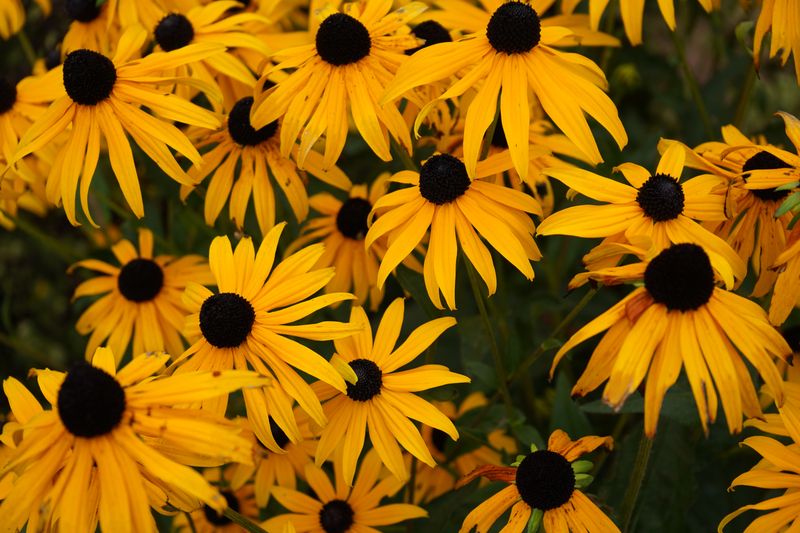
Sunshine practically radiates from these golden petals, and they keep smiling even when the lawn beside them turns crispy. Rudbeckia hirta earned its name from the dark brown center that peeks out like a curious little eye.
Plants grow one to three feet tall on stiff, hairy stems that hold up nicely during summer thunderstorms. The rough leaves feel a bit like sandpaper, which actually helps them cope with heat and dry wind.
Full sun brings out the best blooms, and well-drained soil keeps the roots from rotting during rainy spells. Once established, they handle drought remarkably well, so you can spend less time dragging a hose around the yard.
Flowers usually show up in June and often keep going until October, giving you months of cheerful color. I can’t imagine a late summer garden without these blooms brightening the edges of a sunny walkway.
Bees and butterflies visit the flowers all season, and goldfinches later perch on the stems to pick out seeds. Leaving a few seed heads standing into fall turns your garden into a casual bird cafe without extra effort.
Keep in mind that this species can be short-lived, sometimes acting like a biennial instead of a long-term perennial. Self-seeding usually fills the gaps, so a patch tends to stick around even when individual plants fade out.
Fall planting gives roots time to settle before summer heat, though mid-spring planting also works well for most yards. Thinning crowded seedlings every year or two helps keep the patch tidy and full of healthy flowers.
4. Wild Stonecrop
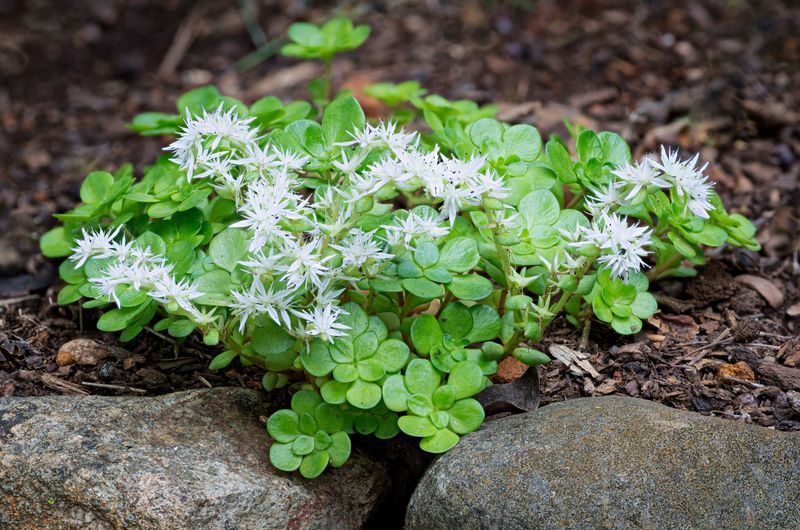
Tiny white stars sprinkled over a green carpet make this little succulent look like a fairy rug in spring. Sedum ternatum stays only four to six inches tall, yet it covers rocky ground with surprising speed.
Look closely and you will spot fleshy leaves arranged in neat whorls of three, which gives the plant its species name. Those plump leaves store water like tiny canteens, helping the mat stay green through stretches without rain.
Unlike many sedums, this native handles partial shade nicely, and some afternoon shade helps it during hot summers. Full sun can work too, though the leaves may look a bit stressed in the hottest corners of Virginia.
Well-drained to dry soil suits it best, so rock gardens and stone walls are natural homes for this groundcover. I like tucking pieces between stepping stones, where they soften hard edges without demanding any regular care.
Flowers appear from about April to June, and each starry bloom usually has four small white petals. Small native bees and other tiny pollinators often stop by, making a low groundcover feel surprisingly lively up close.
Spreading happens politely, so you get good coverage without the plant bullying its neighbors or escaping into nearby woods. Broken stems root easily, which means you can share pieces with friends or fill bare spots in your own yard.
Plant small starts in spring or early fall, then water them gently until new growth shows they have settled in. After that, you can mostly forget about watering unless a drought stretches on for many weeks.
5. Lavender
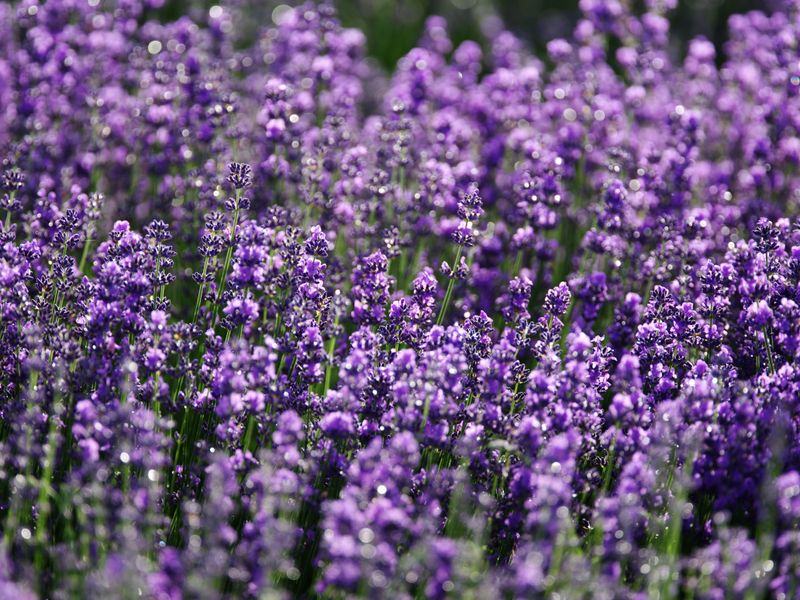
Brush your hand across these silvery stems and the whole garden suddenly smells like a fancy soap shop. That strong fragrance comes from oils in the leaves, which also help keep deer and rabbits from nibbling.
Lavender is a small woody shrub that usually grows one to three feet tall and wide, depending on the variety. English types like Munstead and Hidcote, along with the hybrid Phenomenal, tend to handle local winters well.
Drought rarely bothers lavender once it settles in, but wet feet and sticky humidity can quickly cause trouble. Many Virginia gardeners lose plants to root rot, so drainage matters more than almost anything else you do.
Choose a spot with six to eight hours of full sun and lean, gritty soil that dries out quickly. A raised bed or gentle slope works beautifully, and gravel mulch around the base keeps the crown drier.
Lavender prefers soil that is neutral to slightly alkaline, while many local soils lean acidic and may need lime. A simple soil test through your county extension office shows exactly how much lime your bed might need.
Blooms usually appear from about May into July, and bees seem to hover over every spike at once. Personally, I cut a few bunches early in the morning for drying, and the scent lingers for months indoors.
Prune lightly after flowering to keep the plant tidy and slow down the woody, leggy look older plants develop. Avoid cutting deep into bare wood, because older stems often struggle to push out fresh growth afterward.
6. Yarrow
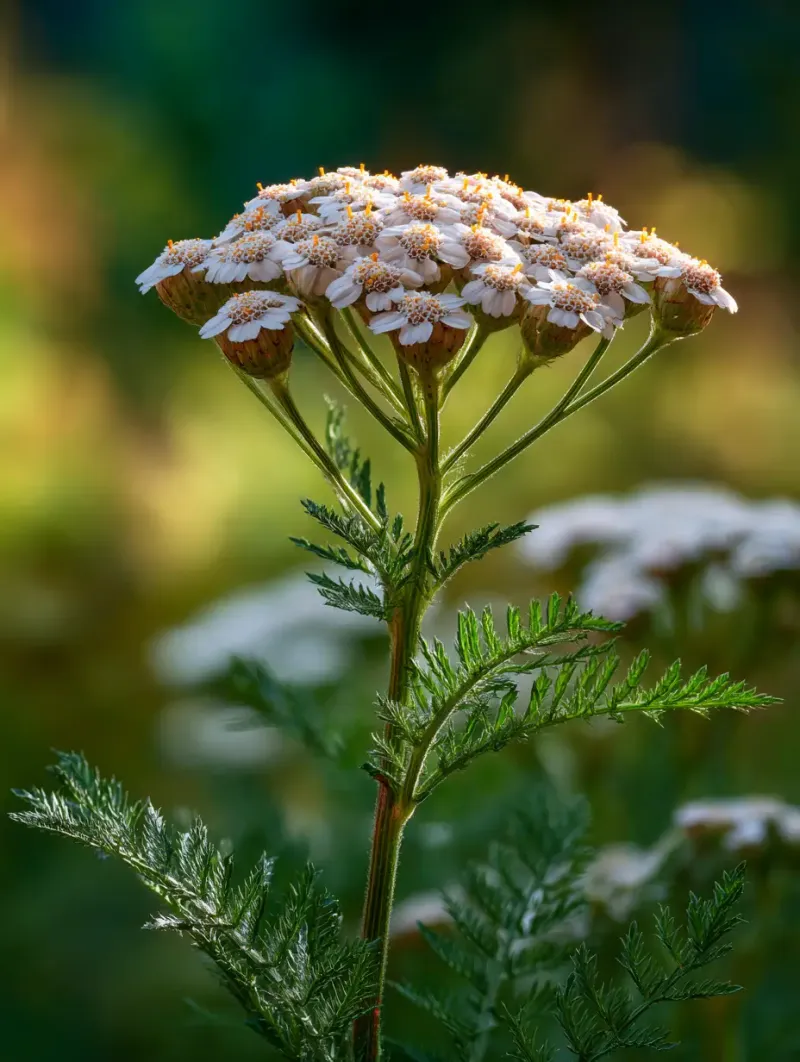
Feathery leaves gave this plant the nickname thousandleaf, and running your fingers through them feels like petting soft green lace. Achillea millefolium also carries a spicy scent that releases whenever you brush past it on a hot afternoon.
Flat flower clusters made of many tiny blooms sit on top of stems that usually reach one to three feet. White is the classic color, though garden varieties come in pink, red, yellow, and warm orange shades too.
Poor, dry soil suits yarrow surprisingly well, and it can even handle heavy clay as long as water drains away. Rich soil or extra fertilizer often makes stems stretch and flop, so this is one plant to leave hungry.
Full sun keeps clumps sturdy and full of flowers from late spring through summer, sometimes stretching into early fall. Once established, yarrow shrugs off drought better than most perennials, making it a smart pick after this parched season.
Beneficial insects love these flat landing pads, especially hoverflies and small predatory wasps that help control garden pests. You might notice fewer aphids nearby when yarrow blooms, since many of those helpful insects hunt aphids for food.
Snip off faded flower heads to encourage more blooms and to limit seedlings from scattering around the yard. Yarrow also spreads by underground stems, so dividing clumps every few years keeps the patch healthy and well behaved.
Deer and rabbits usually leave it alone, which makes it handy near woodland edges where browsing gets heavy. In winter, a few standing seed heads offer birds a snack and add nice texture to frosty beds.
7. Catmint
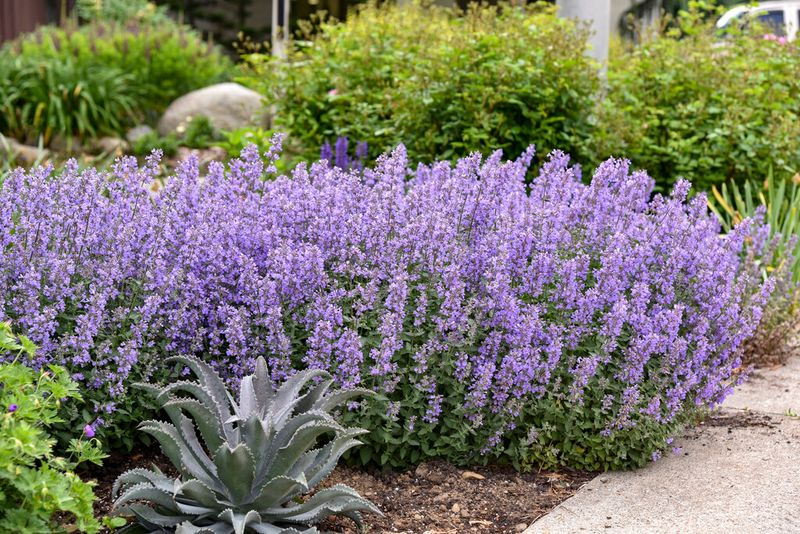
Clouds of lavender-blue flowers spill over garden edges for weeks, and bees hum through them like a busy highway. I love how catmint looks soft and relaxed while quietly handling heat that flattens fancier perennials.
The popular hybrid Nepeta x faassenii forms rounded mounds of fragrant, gray-green leaves about one to three feet tall. Unlike garden mint, it stays in tidy clumps instead of racing across your beds with runaway roots.
Full sun brings the heaviest flowering, though partial shade works fine in spots that bake during summer afternoons. Average, well-drained soil suits it best, and it tolerates rocky or clay ground once the roots settle in.
Drought tolerance is one of its biggest strengths, so established plants rarely need a drink unless dry weather drags on. Overwatering and rich soil can make it sprawl, so a lean diet keeps the mound neat and compact.
Blooms open in late spring, and a quick shearing after the first flush often brings another round of color. Many plants keep reblooming until fall frost, which gives your garden a long stretch of soft purple-blue color.
Hummingbirds and butterflies join the bees, turning a single plant into a lively stop on any pollinator route. Deer and rabbits usually skip it because of the minty scent, which makes catmint handy near vegetable gardens.
Cats may roll in some varieties, so expect a little flattened foliage if the neighborhood kitty visits often. Personally, I find that a fair trade for such an easygoing, long-blooming plant that asks for so little.
8. Purple Coneflower
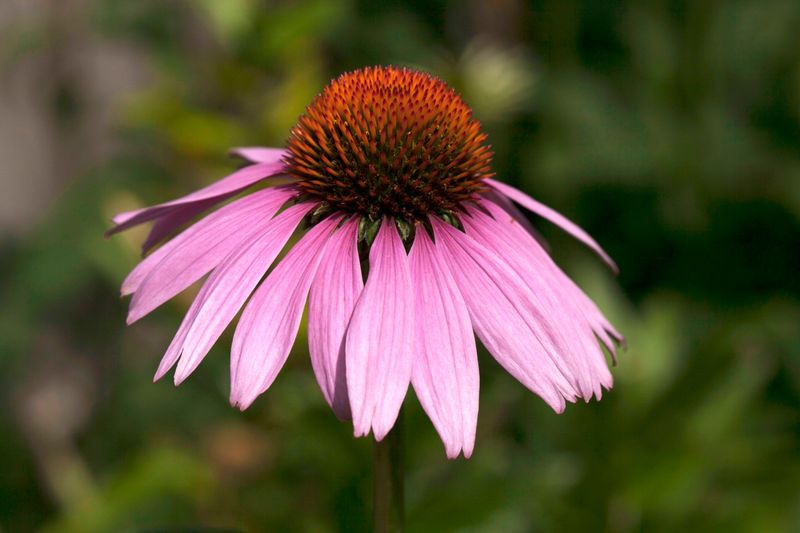
Goldfinches perform little balancing acts on these spiky seed heads every late summer, pecking out seeds while swaying in the breeze. Watching them from a kitchen window might become your favorite free entertainment of the whole gardening season.
Echinacea purpurea grows two to four feet tall, with purplish-pink petals that droop around a domed orange-brown center. The coarse, dark green leaves feel slightly rough, and the sturdy stems rarely need staking in lean soil.
Once established, coneflowers handle dry spells remarkably well, thanks to deep roots that reach moisture other plants miss. They grow happily in full sun or light shade, and they tolerate clay as long as water drains away.
Flowers usually open in June and keep coming into September, giving bees and butterflies a long nectar buffet. You might notice bumblebees napping on the cones in the evening, which is one of my favorite garden sights.
Resist the urge to tidy every faded bloom, because those seed heads feed birds well into fall and early winter. Leaving them standing also lets plants self-seed, so a small patch can slowly grow into a bigger drift.
Plant new coneflowers in spring or early fall, then water regularly during their first season while roots get established. After that first year, they mostly take care of themselves unless a drought stretches across many dry weeks.
Native straight species often outlast some flashy hybrid colors, which can be shorter lived in hot, humid summers. I stick with the classic purple form, since pollinators and birds seem to appreciate it the most.
9. Arrowwood Viburnum
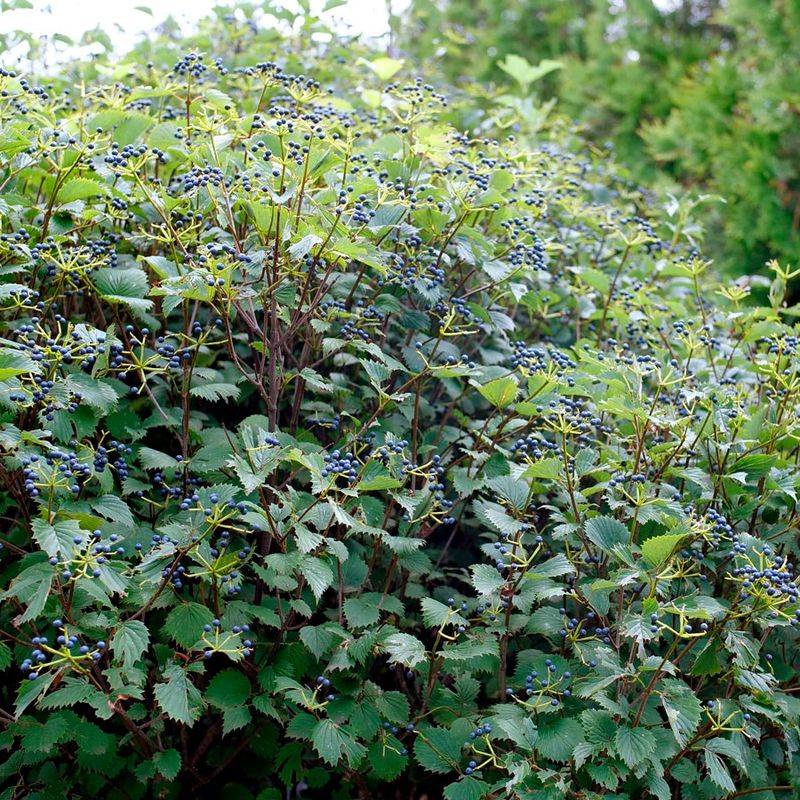
Native Americans reportedly used the straight young stems of this shrub for arrow shafts, which explains its unusual common name. Today those same slender branches hold creamy flowers and berries that turn your yard into a busy bird stop.
Viburnum dentatum is a native, multi-stemmed shrub that usually grows six to fifteen feet tall and about as wide. Glossy leaves with saw-toothed edges cover the arching branches, then turn yellow or reddish-purple when autumn arrives.
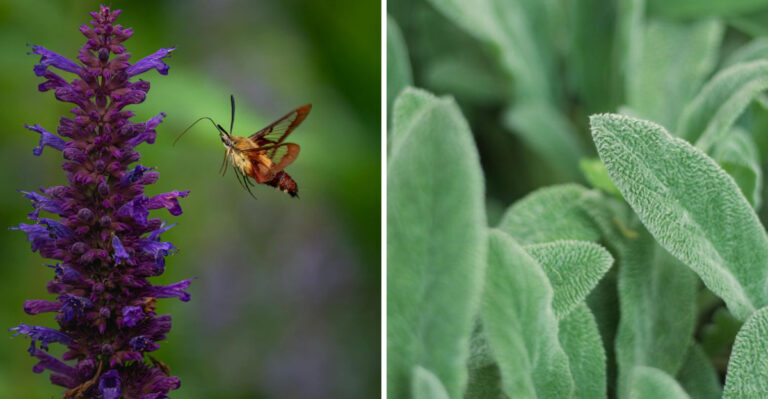
Flat clusters of creamy white flowers bloom from late spring into early summer, drawing bees and butterflies like Spring Azures. Hummingbird moths visit too, and spotting one hovering over the blooms feels like discovering a little garden secret.
Blue-black berries ripen from late summer into fall, and birds gobble them up as they fuel up for migration. You need more than one plant nearby for heavy fruit, since cross-pollination between different shrubs usually improves berry production.
Few shrubs adapt as easily, handling full sun or partial shade along with clay, sand, or rich soil. Once established, it tolerates dry spells well, which makes it a smart hedge choice after this thirsty year in Virginia.
Deep roots also help hold soil on slopes, so it works nicely on banks where erosion creates trouble. Suckers can form a dense thicket over time, which is great for privacy screens and wildlife cover.
Maintenance stays minimal, though you can prune unwanted branches right after flowering to shape the shrub. I like leaving it fairly natural, since the relaxed arching form fits beautifully into informal backyards and woodland edges.