How to Care for Turtlehead in Michigan After the Last Flowers Fade
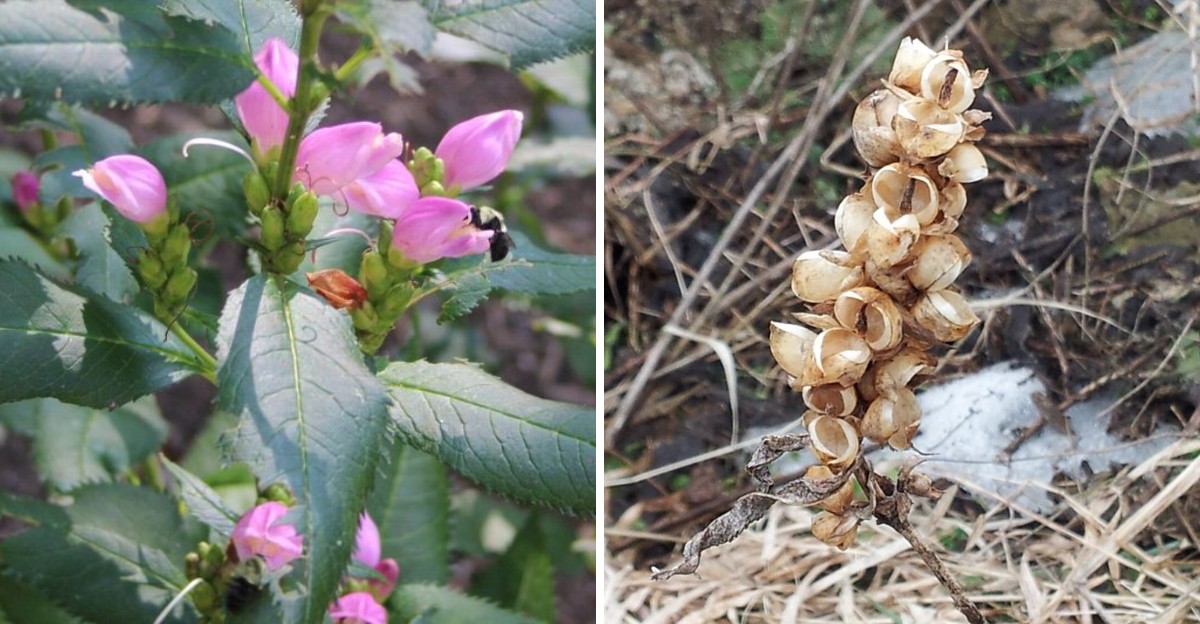
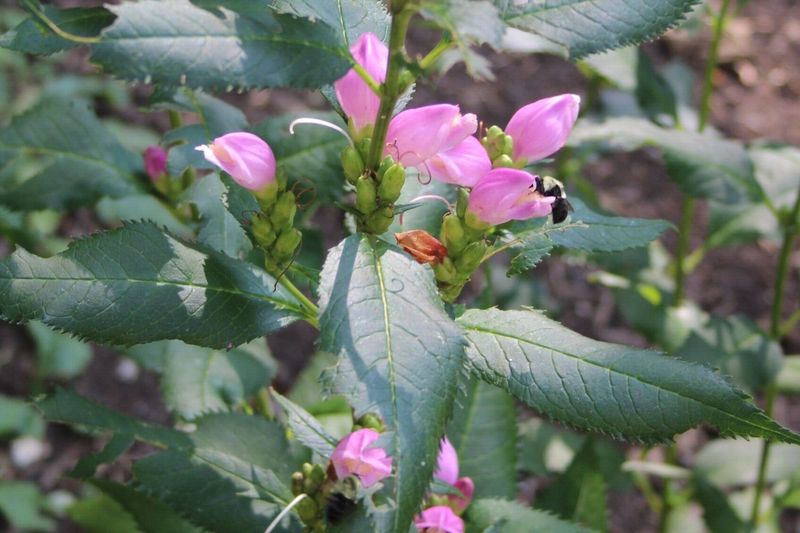
Bumblebees have to pry open a certain native flower with their bodies, crawling inside like tiny burglars. The bloom snaps shut behind them once they back out.
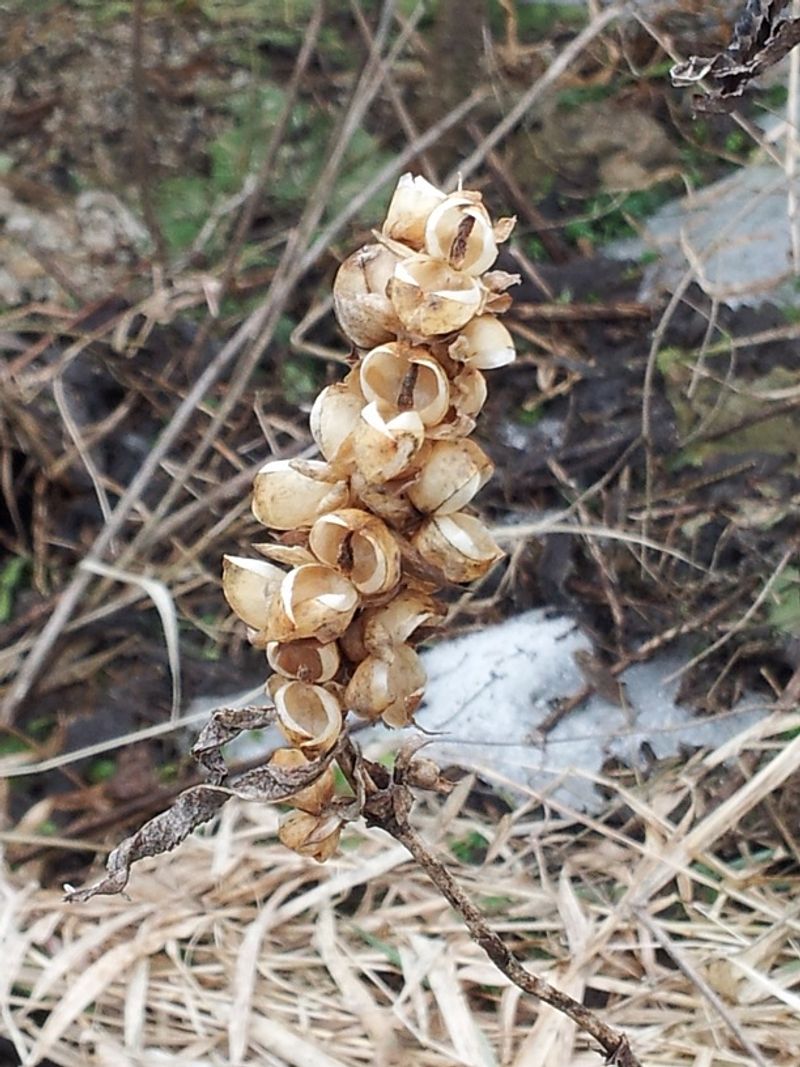
One thing I love about this plant is how it keeps working after the show ends. The petals drop in fall, but the stems quietly build seed capsules packed with flat, papery seeds.
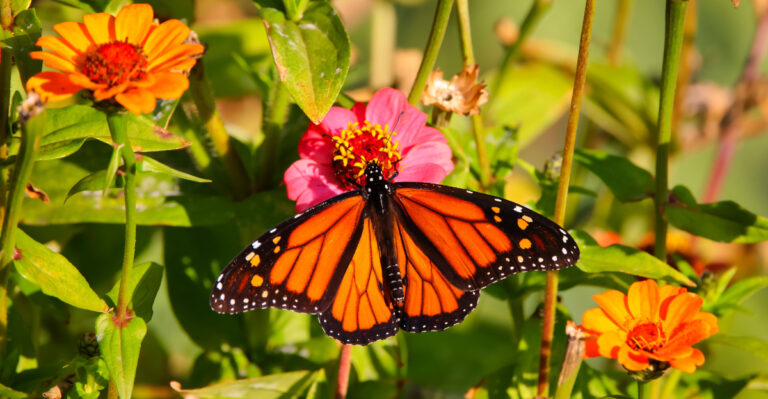
It also feeds the caterpillars of the Baltimore checkerspot butterfly, a striking orange and black beauty that depends on it. Here in Michigan, many gardeners grab the pruners the moment autumn color fades.
I get it, because tidy beds feel good. Yet a little patience can mean more plants, more butterflies, and a bed that looks charming under snow.
So what should you snip, what should you leave, and what does this tough wetland native truly need from you before winter arrives?
1. Those Brown Turtlehead Seed Capsules Are Up to Something
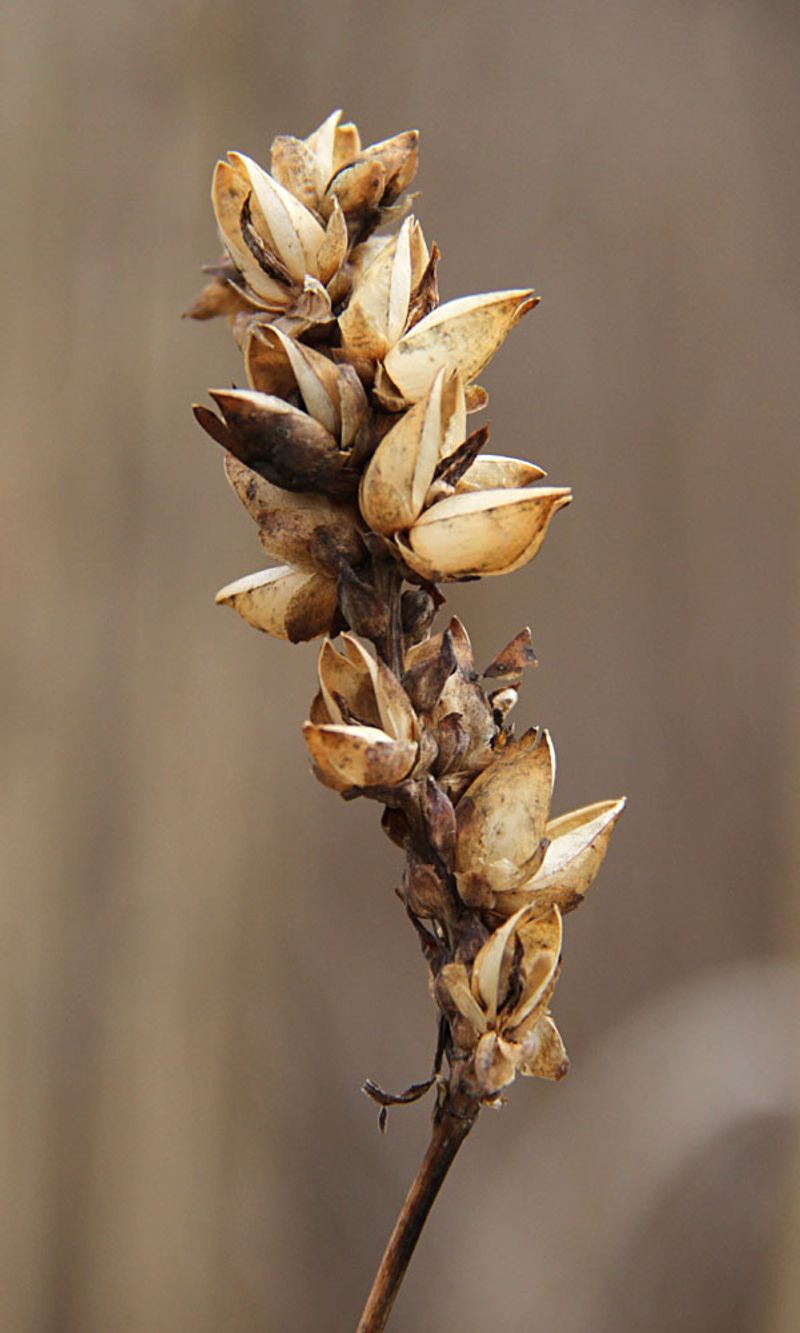
Walk past your patch in October and you will spot small, rounded capsules where the hooded blooms once sat. They start green and slowly turn brown and woody.
Inside each one, the plant is ripening dozens of flat, winged seeds. Those little discs are built to drift a short distance on wind and water, which makes sense for a plant that grows wild along streams and wet meadows.
So the first rule of fall care is simple. Pause before you cut. Those capsules are the plant’s backup plan, and they give you a free supply of new turtleheads if you want them.
Leaving the stems has another perk. The stiff, dark stalks hold their shape well into winter and catch snow in a way that looks lovely against a gray sky.
Birds may poke around them, and the hollow stems can shelter overwintering insects. Native bees and other small creatures often use old stalks as winter housing.
Of course, you can still tidy up later. The key point is timing, since a fast autumn cleanup removes seeds, shelter, and winter interest all at once. A few weeks of waiting costs you almost nothing and gives you plenty in return.
2. Skip the Turtlehead Haircut Until a Hard Frost Hits
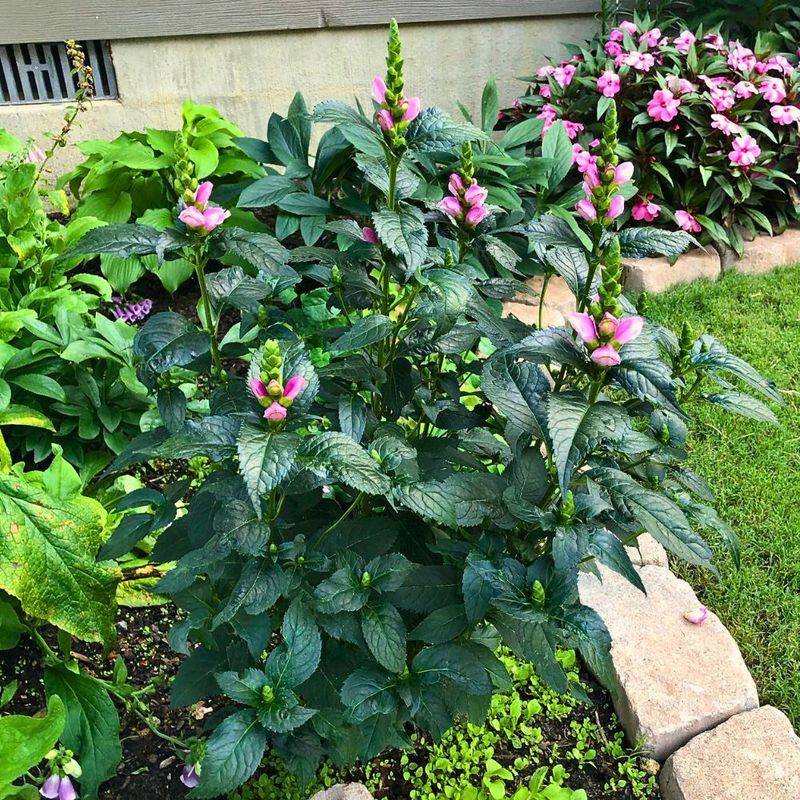
Pruning in early fall feels productive, but it can backfire. A September trim may push out soft new shoots that freeze once cold nights arrive.
Instead, let the plant slow down on its own. After the first hard frost, usually mid-October in the Upper Peninsula and later in southern Lower Michigan, the leaves brown and flop. That is your signal that the roots have stored their energy for winter.
At that point you have two good choices. You can cut the stems back to about 4 inches above the soil, or you can leave them standing until spring.
I lean toward waiting until spring for most of my plants. The old stalks mark where the clump sits, so I do not accidentally dig into it while planting bulbs. They also trap leaves and snow, which adds a bit of insulation over the crown.
Got stems that look messy near a walkway? Trim just those and leave the rest. If you do cut in spring, aim for late April or May, after daytime temperatures stay mostly above 50 degrees.
Many insects sleeping in stems have moved on by then. Clean, sharp pruners make neat cuts and help prevent disease from sneaking in.
3. Moist Soil Keeps Turtlehead Roots Happy Into Late Fall
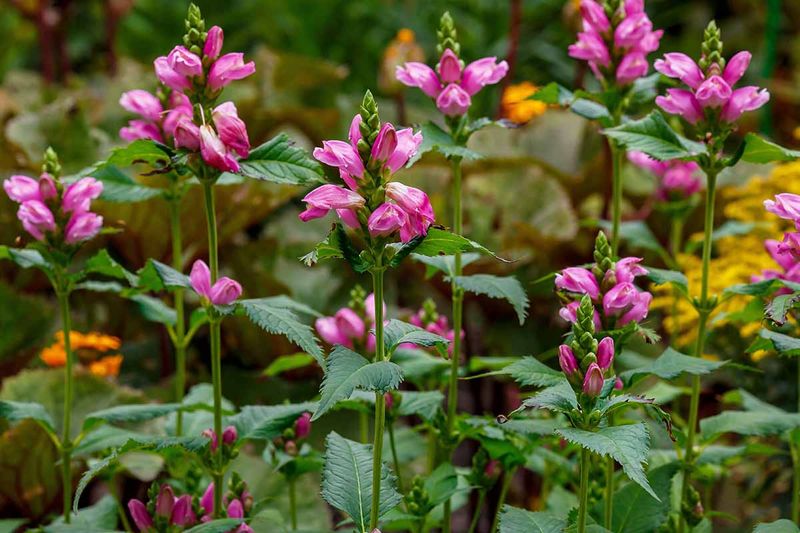
Plenty of perennials shrug off a dry autumn. Turtlehead is not one of them. In the wild, it grows in marshes, fens, and along creek banks, where the soil stays damp nearly all year. Its roots expect that steady moisture, even as the top growth fades.
Dry falls do happen in Michigan, especially in sandy western and northern soils. If you go a week or two without a good soaking rain, give your plants a deep drink. A slow trickle from a hose for several minutes reaches the roots better than a quick sprinkle.
Check by pushing a finger a couple inches into the soil. If it feels dry, water. If it feels like a wrung-out sponge, you are in good shape.
Keep watering as needed until the ground starts to freeze. Roots continue growing in cool soil long after leaves stop, and well-hydrated plants handle winter better.
Got a soggy low spot that other plants hate? Turtlehead often thrives there. Rain gardens, pond edges, and downspout areas make wonderful homes, and they save you from hauling the hose around every dry spell in late summer and autumn.
4. A Cozy Layer of Shredded Leaf Mulch Around Turtlehead
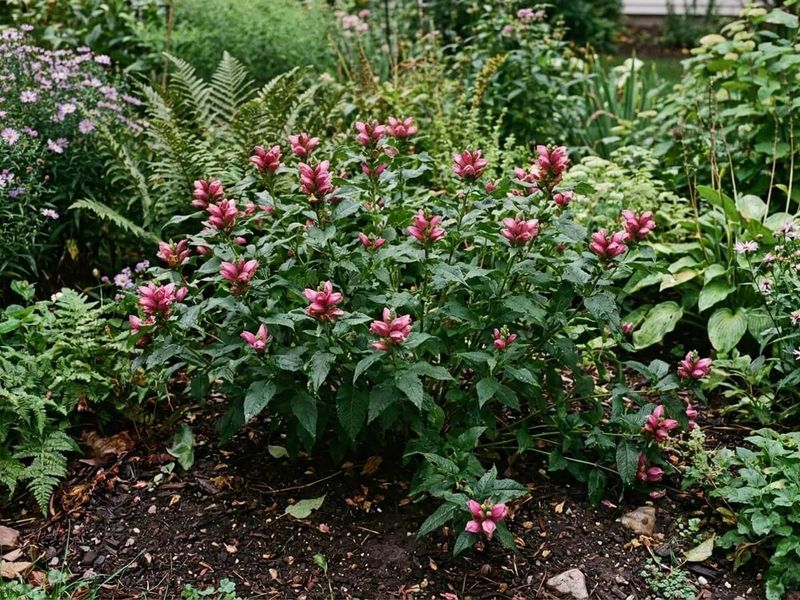
Fallen leaves are free, and your turtlehead loves them. Shred a pile with the mower and you have one of the best mulches around.
After the ground cools in late fall, spread 2 to 3 inches around the plant. Keep it an inch or so away from the crown so the base does not stay too wet and rot.
Mulch does several jobs at once. It holds moisture, evens out soil temperature, and reduces the freeze and thaw cycles that can heave roots out of the ground during Michigan winters.
As it breaks down, it also feeds the soil. Turtlehead prefers rich, organic soil, much like the leafy muck in its native wetlands.
Shredded bark or compost works too if you lack leaves. Skip heavy rock mulch, since it holds heat in summer and does little for the soil.
Fertilizer is rarely needed at this time of year. A fall dose can spur late growth that the cold then damages. Let the mulch and compost do the slow, gentle feeding instead, and save any extra nutrients for spring, if your plants even seem to want them.
5. Baltimore Checkerspot Caterpillars May Be Hiding on Your Turtlehead
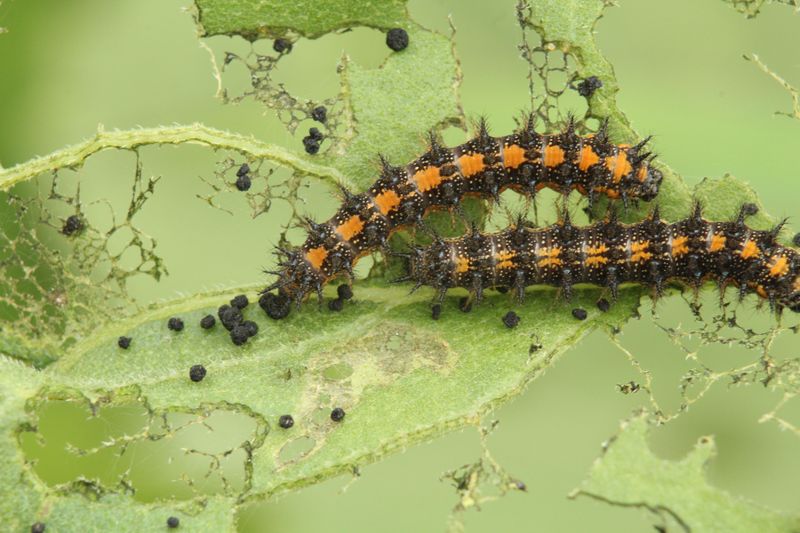
Few people realize their garden plant could be a nursery. Turtlehead is the main native host plant for the Baltimore checkerspot butterfly.
Females lay clusters of eggs on the leaves in early summer. The young caterpillars feed together inside silk webs, then crawl down to spend winter tucked in leaf litter at the base of the plant.
That is a big reason to go easy with fall cleanup. If you rake every leaf out from under your turtlehead, you might remove the next generation of butterflies.
The caterpillars are easy to recognize. They are orange and black with bristly spines, and in spring they climb back up to eat new leaves before forming pupae.
Some chewing damage is part of the deal. Healthy turtlehead clumps usually bounce back just fine.
The Baltimore checkerspot is uncommon in many places because its wetland habitat has shrunk. Planting and protecting turtlehead gives it a real boost.
So leave a loose layer of leaves around the base, and skip pesticides near the plant. You may be rewarded next June with bright orange and black wings fluttering over your garden beds.
6. Collecting Turtlehead Seeds for a Bigger Patch Next Spring
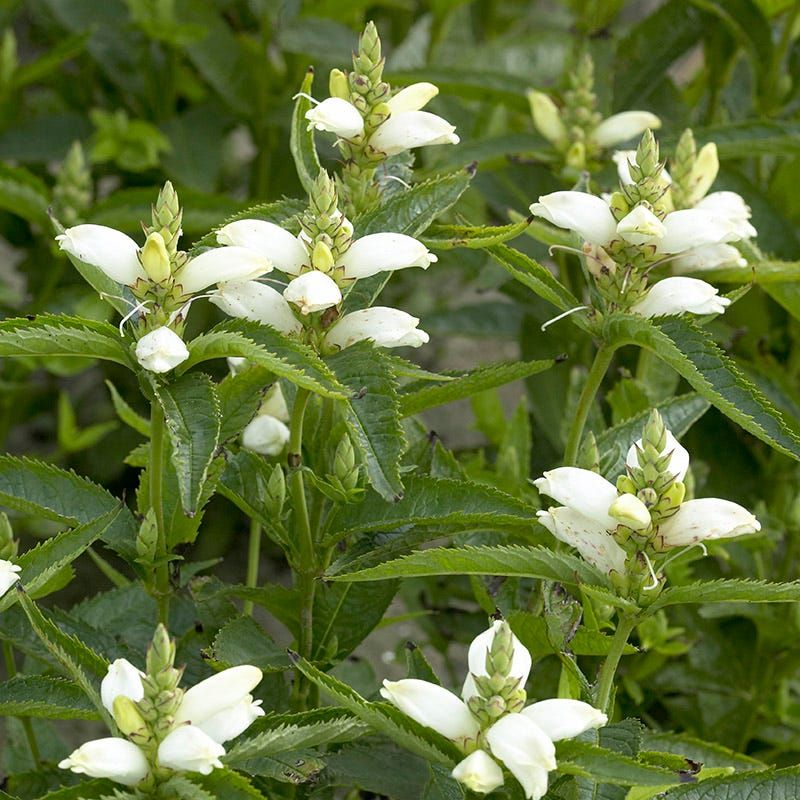
Want more turtleheads without spending a dime? The seeds are waiting for you.
Wait until the capsules turn brown and start to split, usually several weeks after flowering ends. Snip the stems and drop the tops into a paper bag. Let them dry indoors for a week or so, then shake the bag to release the flat, winged seeds.
Turtlehead seeds need a cold, moist period before they sprout. Gardeners call this stratification, and it mimics a natural winter.
The easiest method is to let nature handle it. Scatter seeds on damp soil in late fall, press them lightly, and leave them uncovered or barely covered, since light can help them germinate.
Prefer more control? Mix seeds with slightly moist sand in a sealed bag and keep it in the fridge for about two to three months before sowing indoors. Seedlings grow slowly at first. Most need a couple of years before they bloom, so patience pays off here.
Label your bags with the date and plant name. Extra seeds make thoughtful gifts for neighbors with soggy yards and a soft spot for native plants and pollinators.
7. Turtlehead Clumps Laugh at Michigan Winters
Worried about a polar blast? Turtlehead handles it with ease. White turtlehead, Chelone glabra, is native across much of Michigan and hardy in USDA zones 3 to 8. That covers the whole state, from the snowy Keweenaw down to the Ohio border.
Because of that toughness, it needs very little special protection. No burlap wraps, no cones, and no fussing are required.
Snow actually helps. A steady blanket acts like insulation, keeping soil temperatures steadier than bare, wind-blasted ground.
The bigger risk comes from strange winter swings. A warm spell followed by a hard freeze can lift shallow roots, which is why that fall mulch matters. Newly planted or divided clumps are the most vulnerable, so give them extra attention.
Poor drainage in winter is rarely a problem for this wetland lover. Standing water that freezes solid over the crown for long stretches can still stress it, though.
If you grow pink turtlehead, Chelone lyonii, it comes from the southern Appalachians but is also reliably hardy in most of the state. Watch it a bit more closely in the coldest northern areas, where a thicker mulch layer gives helpful backup.
8. Mark Your Calendar to Divide Turtlehead Next Spring
Here is a friendly task to plan for while the garden sleeps. Every three to four years, crowded turtlehead clumps appreciate being divided.
You will know it is time when the center looks thin or flowering drops off. Spring works best, right as new shoots poke up in April or May.
Dig around the clump, lift it out, and slice it into sections with a sharp spade. Each piece should have healthy roots and a few shoots. Replant at the same depth in moist, rich soil and water well.
Fall division is possible, but it gives roots less time to settle before the ground freezes. In northern Michigan especially, spring is the safer bet.
A few more spring chores round out the year. Clear any stems you left standing, pull weeds early, and pinch tips in late spring if you want shorter, bushier plants.
Watch for powdery mildew in hot, crowded spots. Good spacing and steady moisture help prevent it.
The big takeaway is this: fall care for turtlehead is mostly about restraint. Keep the soil moist, leave some stems and leaves, and let this tough native take care of the rest.