Clever Ways North Carolina Gardeners Use Rosemary That May Surprise You
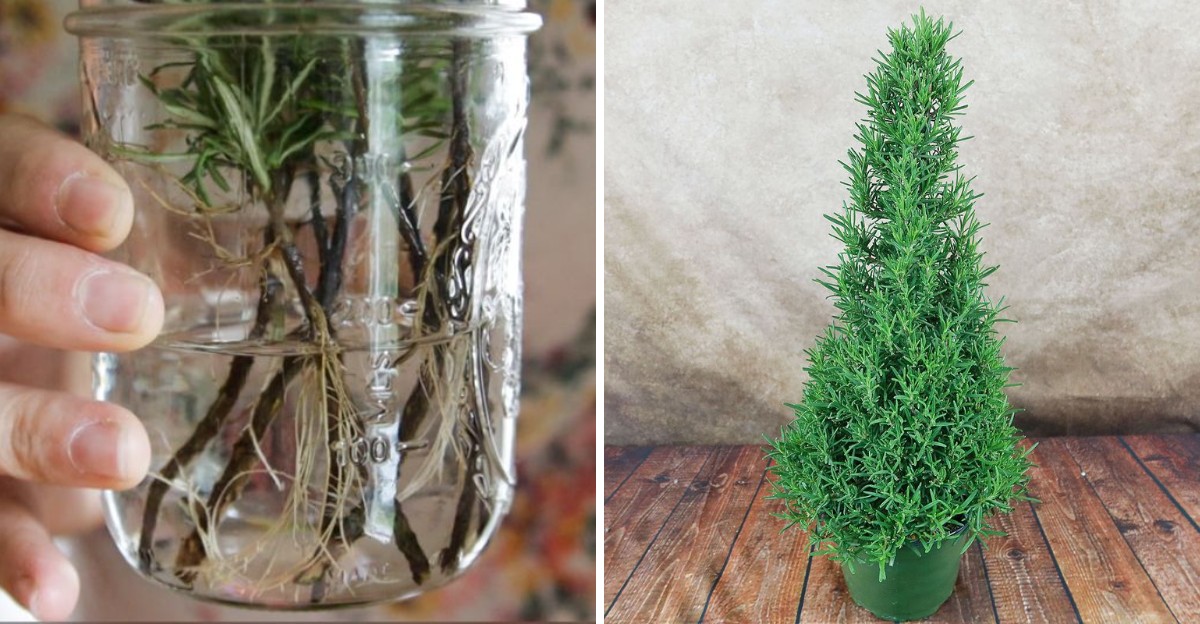
Ancient Greek students reportedly wore sprigs of one fragrant herb in their hair, hoping it would sharpen their memory. That same piney plant now grows happily across North Carolina, and gardeners here put it to work in clever ways.
Deer usually turn up their noses at it, while bumblebees crowd its tiny blue flowers in late winter. Its stems can even flavor dinner on the grill, which feels like a pretty generous deal from one shrub.
In my garden, it sits right beside the back steps, so I brush it every time I pass. I’ve long felt that plants earning their keep in several ways deserve the sunniest spot you can offer.
You may be surprised how many North Carolina gardeners quietly use this herb for jobs far beyond the kitchen.
1. Deer-Resistant Rosemary Hedges Along Garden Borders

Hungry deer will mow down hostas overnight, yet they usually stroll right past a rosemary hedge without a nibble. Those strong aromatic oils seem to put them off, which makes this herb a handy living fence for suburban yards.
NC State Extension lists rosemary among plants that deer rarely damage, though no plant is fully deer proof. During a hard winter, hungry animals may still sample things they normally skip, so keep realistic expectations.
In my experience, upright types like ‘Arp’ or ‘Tuscan Blue’ build the best hedges because they grow tall and dense. Many upright plants reach four to six feet in mild areas, giving you a fragrant screen within a few seasons.
Space each plant about two to three feet apart so air moves freely between the branches during humid summers. Good airflow helps reduce fungal problems, which can become a real headache in the muggy Southeast.
Pair your hedge with other deer-resistant favorites like lavender or salvia to build a border that looks intentional. Gray and green foliage side by side creates a soft, Mediterranean feel that holds up beautifully in hot weather.
Trim lightly after spring flowering, and avoid cutting back into old bare wood, which often struggles to resprout. Shaping a little at a time keeps the hedge full instead of leaving awkward holes along the bottom.
One extra perk surprised me: every brush of your hand releases a piney scent that feels like a tiny reward. Your garden gets protection and fragrance at once, and honestly you rarely have to spray anything at all.
2. Trailing Rosemary Spilling Over Sunny Stone Walls

Few sights beat a curtain of trailing rosemary tumbling over a warm stone wall like a green waterfall. Prostrate rosemary hugs the ground and spills downward, so it softens hard edges in a way upright shrubs cannot.
Clever gardeners tuck it into the top of retaining walls, where drainage is excellent and roots stay fairly dry. Walls also soak up daytime heat and release it at night, giving this tender herb a little extra winter warmth.
That warmth matters because many trailing types are less cold hardy than upright varieties like ‘Arp’. Across cooler regions, a sheltered south-facing wall can mean the difference between a thriving plant and a struggling one.
Plant in spring after frost danger passes, giving roots a full growing season to settle before cold weather arrives. Mix a little gravel or coarse sand into the planting pocket if your soil leans toward heavy red clay.
Trailing rosemary also shines in hanging baskets and window boxes, where its stems can drape freely over the edges. I love using it in a tall container by the patio, since it looks lovely from every angle.
Water new plants regularly for the first couple of months, then cut back once you see fresh growth appearing. Established plants handle dry spells well, and too much water usually causes more trouble than too little.
Pale blue flowers often show up from late winter into spring, adding a cheerful touch when little else blooms. Snip a few sprigs for supper while you admire the view, because this wall decoration doubles as dinner.
3. Rosemary Shrubs Shrugging Off Salty Coastal Breezes
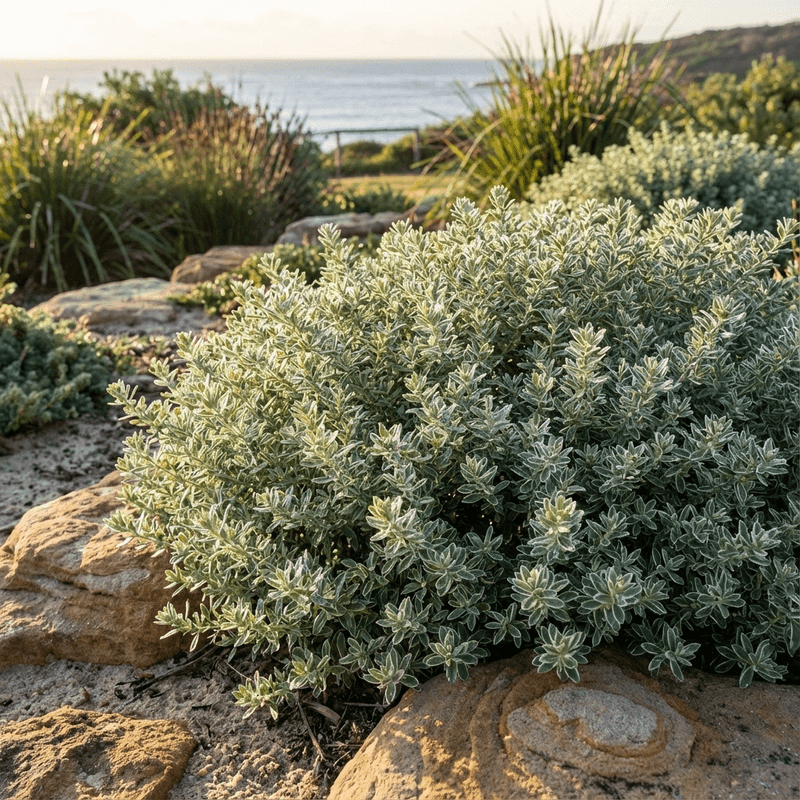
Beach gardens can be tough places, with fast-draining sand underfoot and salty wind whipping off the ocean. Rosemary handles those conditions surprisingly well, which is why it shows up in so many Outer Banks landscapes.
Coming from rocky Mediterranean coastlines, this herb evolved alongside sea spray and lean soil for thousands of years. Extension resources often rate it as moderately salt tolerant, so it works well a little back from the dunes.
Sand drains quickly, which suits rosemary perfectly since soggy roots are its biggest weakness in the Southeast. Coastal gardeners often find it easier to grow than inland friends who battle dense, sticky clay soil.
The mild winters along the coast also help, since most rosemary prefers temperatures that rarely dip far below freezing. Many coastal towns sit in zone 8, which keeps the majority of varieties comfortable through the colder months.
Plant it on the protected side of a fence or house to block the harshest direct salt spray. A little shelter goes a long way, and the leaves stay greener without constant salty blasts.
I like pairing rosemary with native beach plants like seaside goldenrod for a garden that looks at home near water. The silver-green needles contrast nicely with bright yellow autumn blooms and the soft movement of grasses.
Skip heavy fertilizer, because rich feeding pushes soft, floppy growth that suffers badly in wind and salt. A lean diet and plenty of sunshine keep beach rosemary compact and wonderfully fragrant year after year.
4. Rosemary Planted Beside Cabbage and Kale Beds
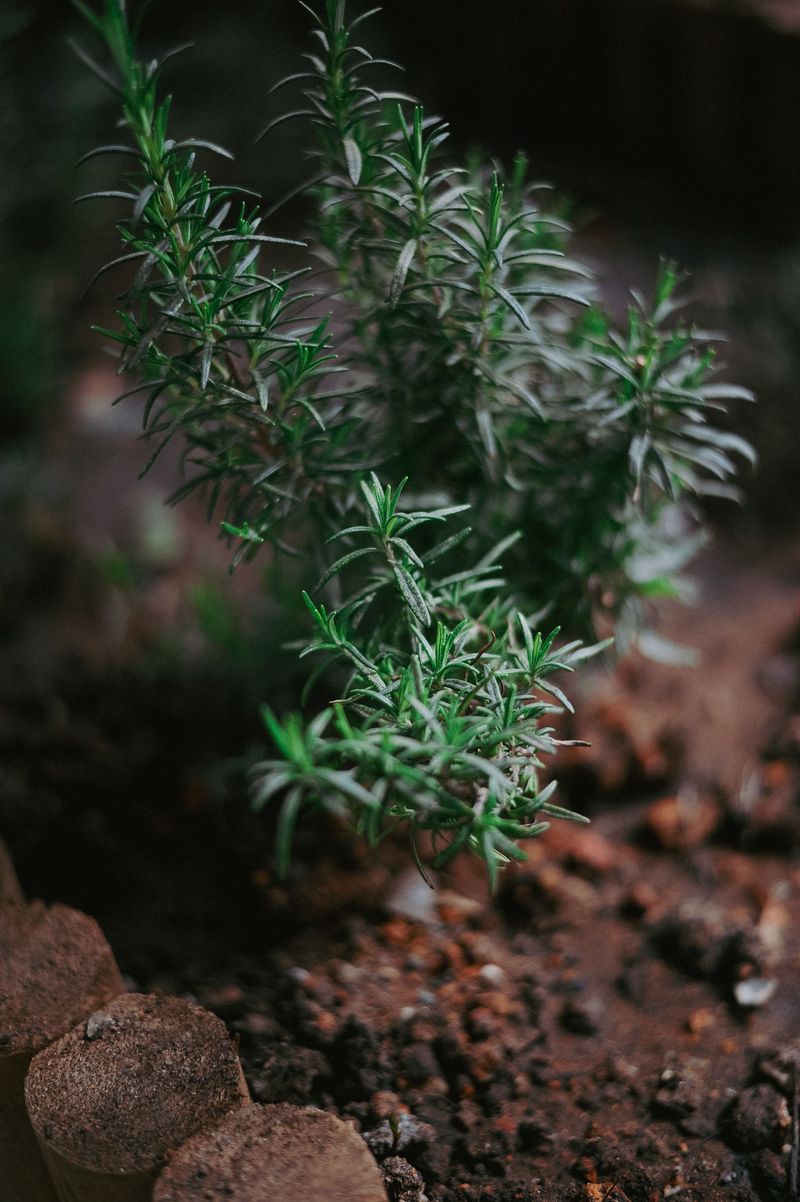
Cabbage worms can turn a beautiful kale bed into green lace almost overnight, and that sight still stings. Plenty of gardeners tuck rosemary between their brassicas, hoping the strong scent confuses the moths laying those eggs.
The idea makes sense, since many insects find host plants partly by smell and rosemary sends out powerful aromas. Honest truth, though: research on rosemary as a companion plant shows mixed results rather than a guaranteed shield.
Some small studies found fewer pests near aromatic herbs, while others found little difference in actual crop damage. The way I see it, treating rosemary as a helpful experiment beats expecting a magic fix for every problem.
Rosemary also needs different conditions than leafy greens, which love moisture and richer soil than this herb prefers. Growing it in a pot nestled among your cabbages lets each plant get the care it really wants.
Fall is prime brassica season in North Carolina, so slide a potted rosemary into the bed at planting. Shift it around as needed, and bring it somewhere sheltered if a hard freeze threatens tender varieties.
Keep using proven methods too, like floating row covers and handpicking caterpillars from the undersides of leaves. Bt, a product based on naturally occurring bacteria, also controls cabbage worms while sparing most helpful insects.
Even if the moths ignore your herb, you still gain fresh sprigs for roasting those homegrown vegetables. Rosemary and roasted cabbage wedges make a surprisingly tasty pairing, so the experiment pays off at dinner either way.
5. Early Rosemary Blooms Feeding Hungry Bumblebees
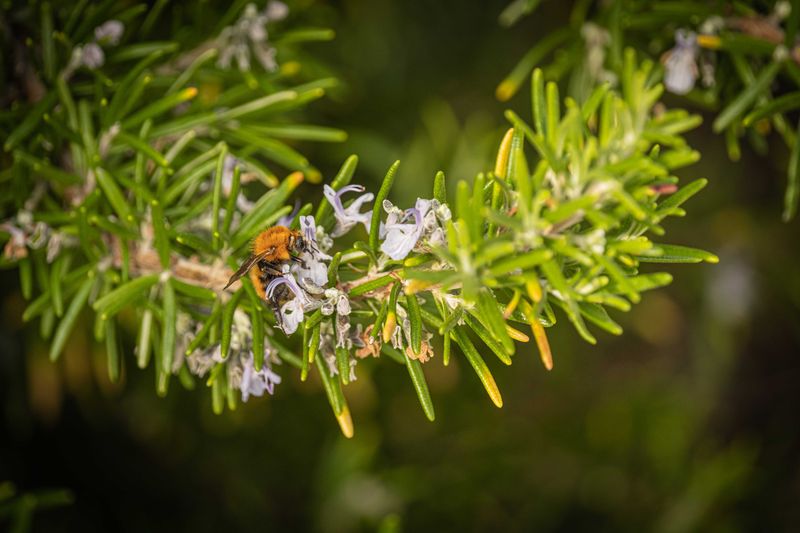
On a sunny February afternoon, the loudest spot in my yard is usually the rosemary, humming with bees. Those little blue flowers open when most of the garden still looks sleepy, and pollinators notice right away.
Rosemary often blooms from late winter into spring here, with some plants flowering on and off in fall too. That timing helps bumblebee queens and other early insects searching for nectar before many native plants have opened.
Honeybees visit eagerly as well, and beekeepers have long valued rosemary as a reliable early nectar source. Even small butterflies and the occasional hummingbird may stop by, although bees remain the most frequent guests.
To support these visitors, skip broad insecticide sprays on and around your rosemary while it is flowering. If you must treat a pest problem, choose targeted options and apply them in the evening when bees rest.
Pruning timing matters too, since heavy cutting in late fall removes the wood that carries next season’s flowers. Wait until blooming finishes in spring, then shape the plant lightly so it can set fresh buds later.
I love planting a few rosemary shrubs near fruit trees and berry bushes that need pollinators in spring. Bees drawn to the herb tend to explore nearby blossoms as well, which may give your harvest a helpful nudge.
Flower color varies by variety, with shades ranging from deep blue to pale lavender and even soft pink or white. Bees seem happy with any of them, so pick whichever shade makes you smile in late winter.
6. Sturdy Rosemary Stems Turned Into Grilling Skewers

Older rosemary branches turn woody and stiff, and that makes them perfect for skewering shrimp on the grill. The stems perfume the food from the inside out, and guests usually think you spent hours on the marinade.
Choose thick, straight stems about eight to ten inches long from established plants rather than tender young shoots. Strip the leaves from the bottom two thirds, leaving a little tuft at the top for a pretty finish.
Whittle the stripped end to a point with a sharp knife so it slides through food without splitting it. Soak the skewers in water for about thirty minutes, which helps keep them from scorching over hot coals.
Shrimp, chicken chunks, mushrooms, and zucchini all work nicely, though firm foods hold onto the stems best. Coastal gardeners with fresh local shrimp get an especially tasty payoff from the herb patch out back.
Save the stripped leaves too, chopping them into olive oil with garlic for a quick brushing sauce. Nothing gets wasted, which feels great when you have watched that plant grow from a tiny nursery pot.
Harvesting skewers also counts as pruning, so cut from crowded areas to open the plant to sunlight. Avoid taking more than about a third of the plant at once, since rosemary recovers slowly from heavy cuts.
Summer cookouts are the obvious moment, but mild winter days work just as well across much of the Southeast. Fire up the grill, grab your pruners, and let the garden hand you dinner straight off the branch.
7. Rosemary Cuttings Rooting Into Free New Plants
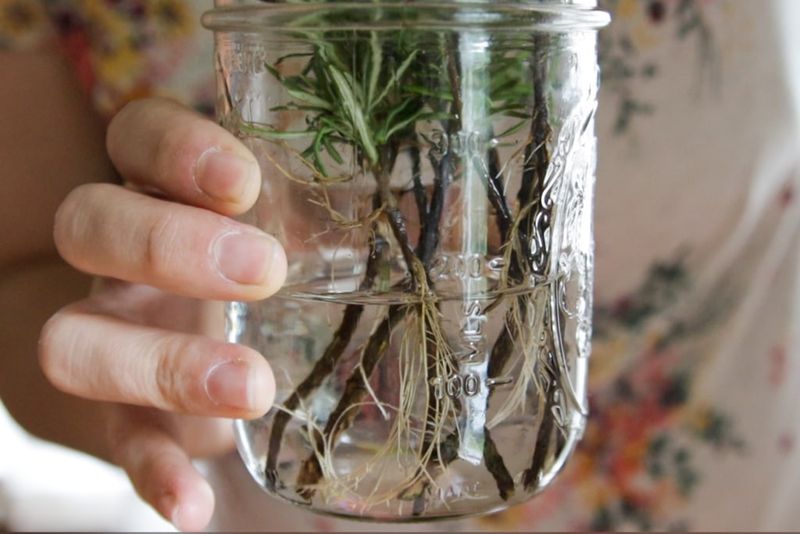
One rosemary plant can quietly turn into a dozen, and you do not need to spend a single extra dollar. Rooting cuttings is easier than most people expect, and it feels a little like garden magic every time.
Take four to six inch cuttings from healthy, non-flowering tips, ideally in late spring or early summer. Semi-hardwood cuttings taken later in summer also root well, though they may take a few weeks longer.
Strip the lower leaves, then dip the cut end into rooting hormone if you have some on hand. Stick each cutting into a moist mix of perlite and potting soil, which drains quickly and prevents rot.
Keep the pots in bright, indirect light and mist them occasionally to keep the leaves from drying out. Roots usually form within about four to eight weeks, and a gentle tug reveals whether they have taken hold.
Gardeners in the mountains use this trick as insurance, rooting a few backups before cold weather settles in. If a harsh winter knocks back the parent plant, those indoor youngsters stand ready to replace it in spring.
I like gifting rooted rosemary in small clay pots, tied with twine and a handwritten care tag attached. Friends seem to treasure a plant from your own garden far more than anything from a store shelf.
Cuttings also keep favorite varieties going, since seeds often produce plants that differ from the parent. Once you root your first batch, you may find yourself with more rosemary than your yard can hold.
8. Potted Rosemary Shaped Into Holiday Trees
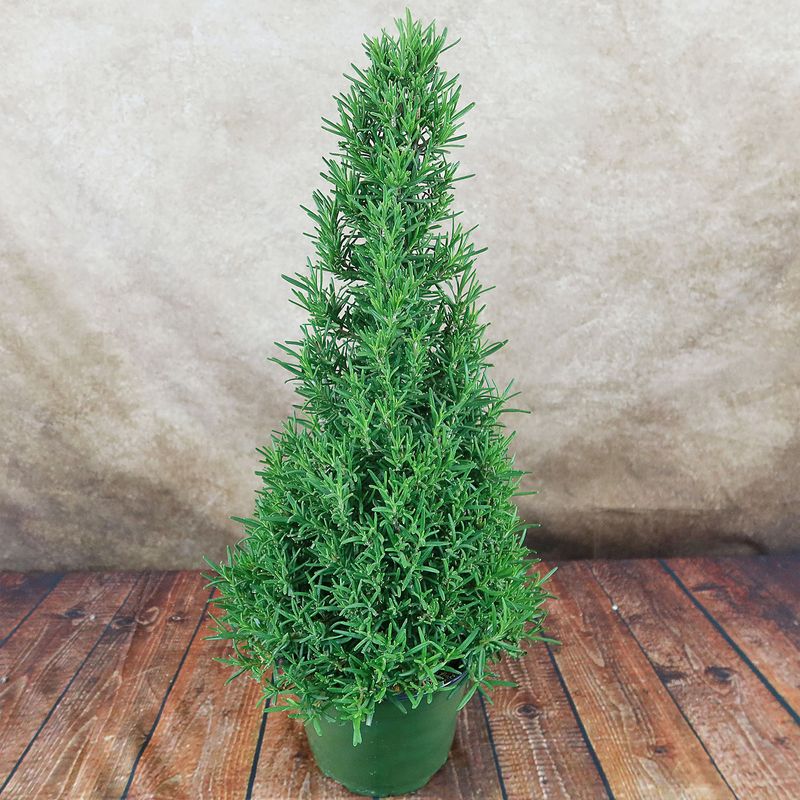
Every December, garden centers fill up with tiny cone-shaped rosemary plants dressed up like miniature Christmas trees. Smart gardeners treat them as a festive two-for-one, decorating the table now and planting outdoors later.
These little trees are just regular rosemary, sheared into a neat cone that looks charming with a bow. Indoors they often struggle, because dry heated air and low light stress a plant that loves bright sun.
Place yours in your sunniest window and let the soil dry slightly between waterings to prevent soggy roots. Turning the pot every few days keeps growth even, so one side does not lean toward the glass.
After the holidays, harden it off gradually once spring arrives, then plant it outdoors in a sunny, well-drained spot. Gardeners in milder parts of North Carolina may move it out sooner, while mountain folks should wait for warmer weather.
You can also shape your own garden rosemary into a cone by trimming lightly several times during the growing season. Upright varieties hold the shape best, and the clippings go straight into soups or the roasting pan.
I love tucking a few tiny ornaments into the branches, along with a short strand of battery fairy lights. Keep decorations lightweight so the slender stems stay upright and do not bend under the extra weight.
Many people toss these trees out in January, which feels like such a waste of a hardworking herb. Given sunshine and good drainage, your holiday centerpiece could become a sturdy garden shrub for many years.
9. Fresh Rosemary Bundles Drying For Kitchen And Home
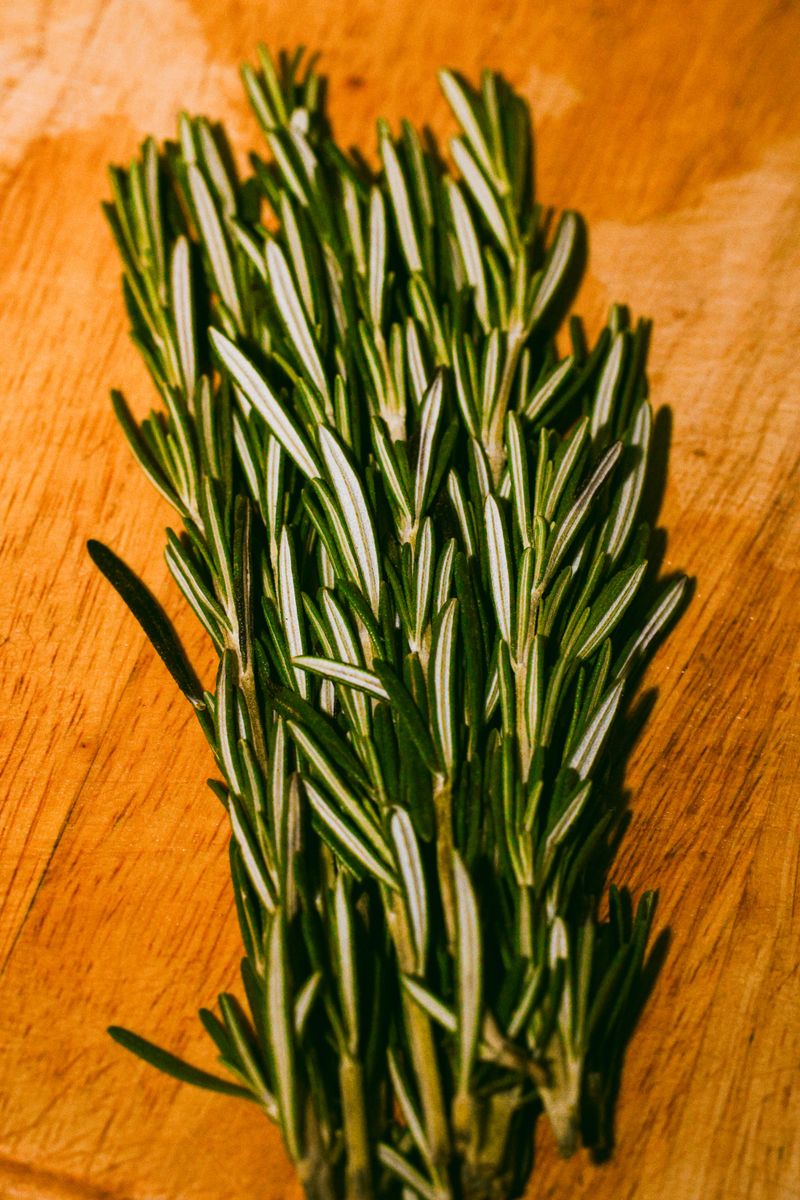
Hanging bundles of rosemary from a kitchen beam makes any house smell like a cozy farmhouse bakery. Drying your harvest also means you can enjoy homegrown flavor long after the garden slows down for winter.
Rosemary dries easily because its needle-like leaves hold little moisture compared to soft herbs like basil. Harvest in the morning after the dew evaporates, when the aromatic oils are usually at their strongest.
Gather five to ten stems, wrap the ends with twine, and hang them upside down somewhere dry. Humid summers here can slow things down, so a spot with good airflow or a dehumidifier helps.
Most bundles feel crisp within one to two weeks, and the leaves should crumble easily between your fingers. Strip them into glass jars and store them away from heat and sunlight to protect that bright flavor.
Beyond cooking, dried sprigs make fragrant sachets for drawers and closets, adding a clean, piney freshness to linens. I love simmering a few sprigs with orange peel on the stove when guests are about to arrive.
Rosemary also makes a lovely homemade herb salt when you blend dried leaves with coarse sea salt. Packed in small jars with handwritten labels, these mixes become thoughtful gifts that cost almost nothing to create.
Because rosemary stays evergreen in much of North Carolina, you can snip fresh sprigs most of the year. Drying a stash still pays off, especially if a hard freeze or heavy pruning leaves your plant looking thin.