The Cheap Trick for Clearing Algae and Moss From North Carolina Patios and Porch Roofs
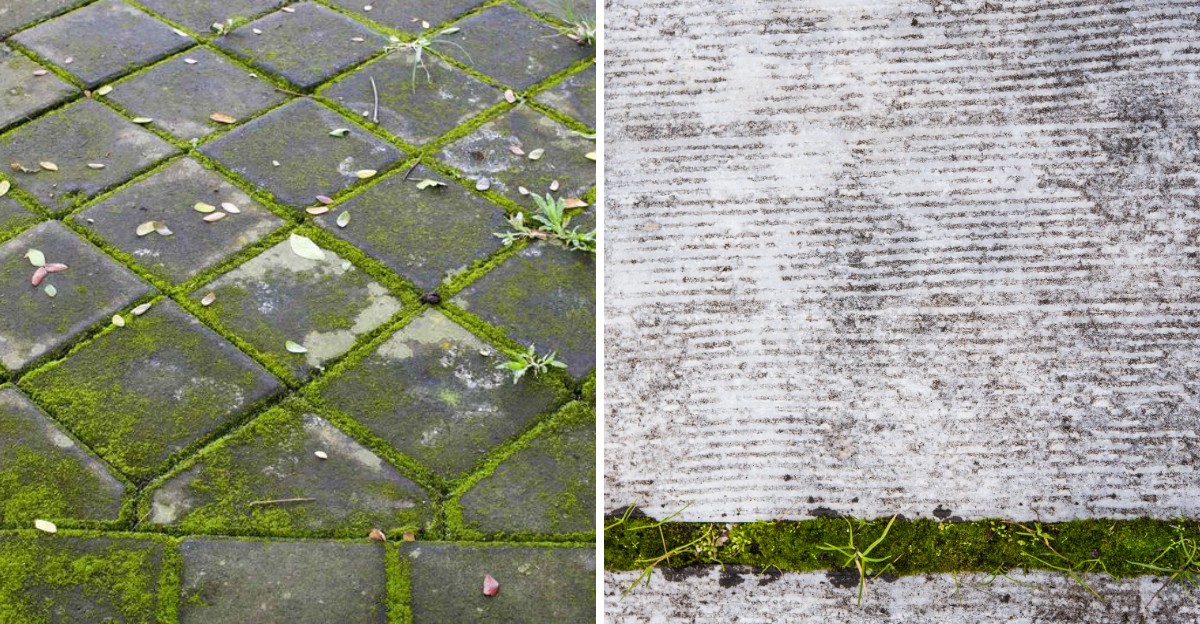
Those dark streaks running down so many Southern roofs are not dirt or mildew. They are often a blue-green algae called Gloeocapsa magma, and it feeds partly on the limestone filler found in many asphalt shingles.
I found that detail oddly satisfying, because it explains why the streaks keep coming back. The culprit is alive, and it enjoys the same muggy summers we complain about every July.
North Carolina gives these green squatters a warm, damp home almost year-round. Shady patios under oaks and pines turn slick, and porch roofs grow fuzzy cushions of moss that hold water against the shingles.
I know how frustrating it can be to scrub a patio in spring and see green again by fall. The fix costs less than a pizza and probably sits in your laundry room already. So why do so many people still reach for the pressure washer?
1. That Green Film on Your Patio Pavers Is Alive and Thirsty
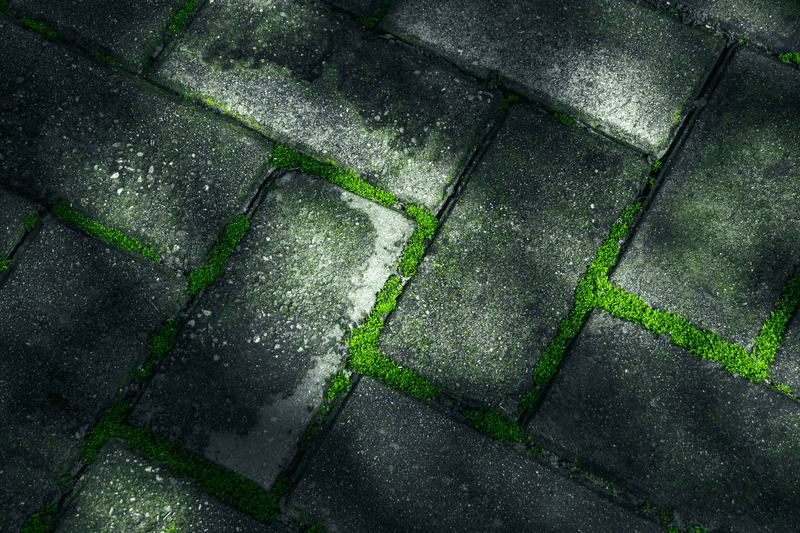
Run your shoe across a shady concrete patio after a summer storm and you may feel it slide. That slippery green coating is a living colony of algae, often joined by low mats of moss in the cracks.
Both need three things to thrive. They want steady moisture, limited sun, and a surface that holds water, like porous concrete, brick, or old pavers. North-facing patios and spots under big oaks, maples, or loblolly pines check every box.
The climate here helps them along. Much of the state sees humid summers and mild winters, so growth slows but rarely stops, especially in the Piedmont and coastal areas.
On porch roofs, the story gets more serious. Those black streaks are usually algae, which is mostly cosmetic. Moss is the bigger troublemaker because its spongy cushions trap water and can lift shingle edges over time.
Knowing which one you have matters. Flat green or black staining points to algae, while raised, fuzzy clumps mean moss has moved in.
Once you can tell them apart, picking the right cleaning method becomes much easier. You also start noticing where the shade and dampness come from, which sets you up for keeping them away later.
2. A Jug of Plain Household Bleach Does Most of the Heavy Lifting
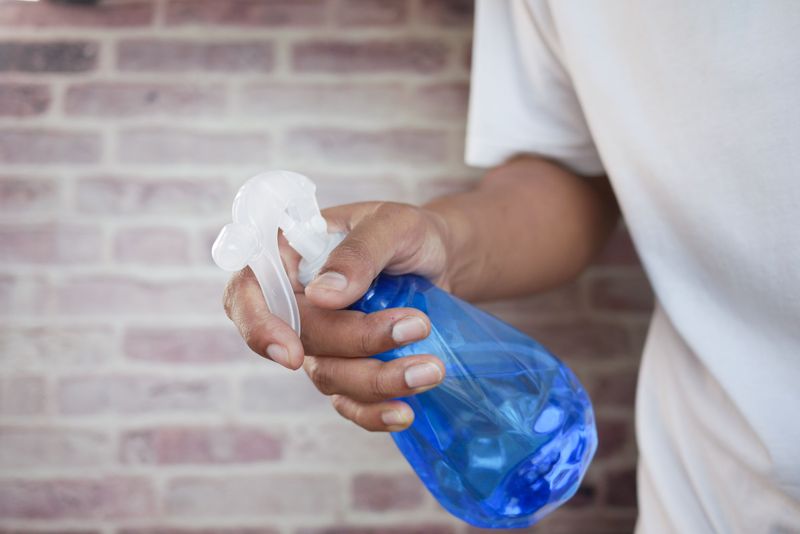
Professional roof cleaners have a secret, and it fits on a grocery store shelf. Regular unscented household bleach, which is sodium hypochlorite, is the main ingredient in most soft wash mixes used on algae streaks.
A common home mix runs about one part bleach to three or four parts water. Many folks add a small squirt of dish soap so the solution clings instead of running straight off. Mix it in a cheap pump garden sprayer and you have a cleaning setup for under 25 dollars.
On a patio, spray the green areas and let the mix sit for roughly 10 to 15 minutes. Scrub with a stiff deck brush, then rinse well with a regular hose.
Porch roofs take a lighter touch. Apply the solution at low pressure, avoid scrubbing hard, and let it work. Many soft wash pros leave it in place and let rain finish the rinsing, since the algae loosens over the following days.
Safety comes first here. Wear gloves and eye protection, and never mix bleach with ammonia or vinegar, because that creates harmful fumes. Skip roof work if the pitch is steep and hire a pro instead.
3. Thirsty Hydrangeas Need a Quick Shower Before You Spray
My first patio cleaning lesson came courtesy of a scorched azalea. The bleach mix did its job on the bricks, and the runoff did a number on the shrub beside them.
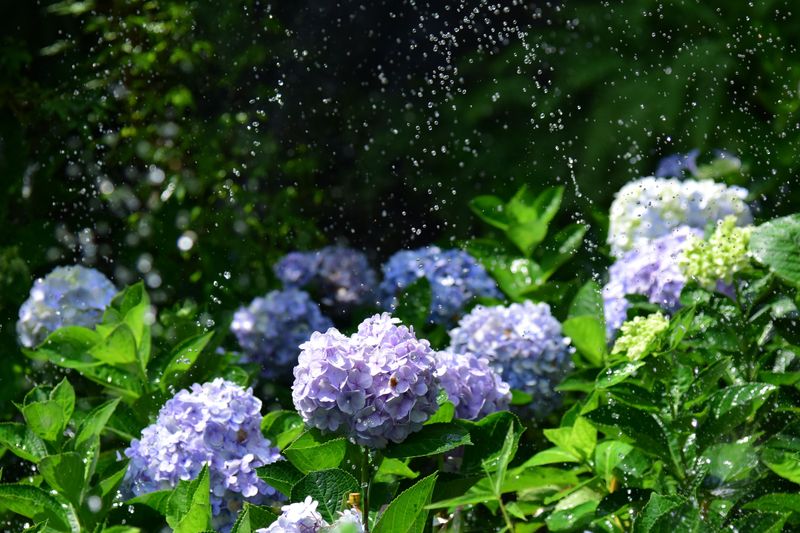
Plants soak up liquid like sponges, so give them plain water first. Soak beds, shrubs, and grass around the work area with a hose before you spray anything. Roots and leaves that are already full of clean water absorb less of the cleaning mix.
Keep the hose handy while you work. Rinse nearby foliage again right after you finish, then once more about an hour later. A lightweight plastic sheet or old tarp over prized plants adds extra protection.
Timing helps too. Pick a calm, cloudy day so the solution does not dry fast in the sun or blow onto your garden. Early morning works nicely in the hot months.
Watch where water drains. Diluted bleach breaks down fairly quickly, but you still do not want it flowing straight into a storm drain or creek. Point downspouts and runoff toward grass rather than pavement leading to the street.
A few extra minutes with the hose protects your hydrangeas, hostas, and ferns, and it keeps your cheap trick truly cheap.
4. Put Down That Pressure Washer Before It Reaches the Shingles
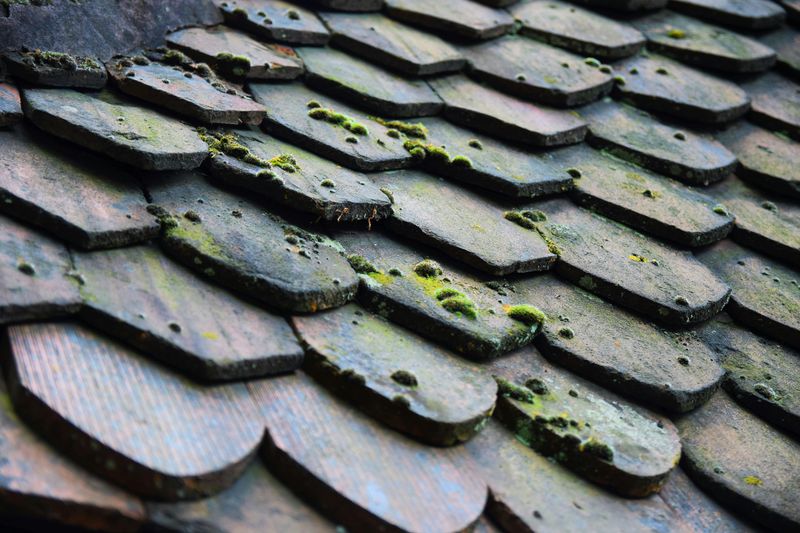
Blasting moss off a roof looks wildly satisfying in online videos. It is also one of the fastest ways to shorten the life of asphalt shingles.
Shingles wear a coat of tiny mineral granules. They shield the asphalt from ultraviolet light and help shed water. A high-pressure stream strips those granules away, and they do not grow back.
Pressure can also force water up under shingle edges. That water can reach the wood decking below and lead to leaks or rot.
Many shingle makers, along with the Asphalt Roofing Manufacturers Association, advise against power washing, and doing it may affect your warranty.
Patios are more forgiving, though not bulletproof. Too much pressure can etch concrete, carve lines into soft pavers, and wash out the joint sand between bricks. A wide fan tip held at a distance works far better than a pencil-thin jet.
Check your gutters after any roof cleaning. A pile of sandy granules there means shingles are losing protection.
Patience wins on roofs. A low-pressure spray of cleaning solution, a little time, and some rainfall will clear growth gently, while keeping your roof doing its real job of keeping you dry.
5. Baking Soda Can Turn Small Moss Patches Brown
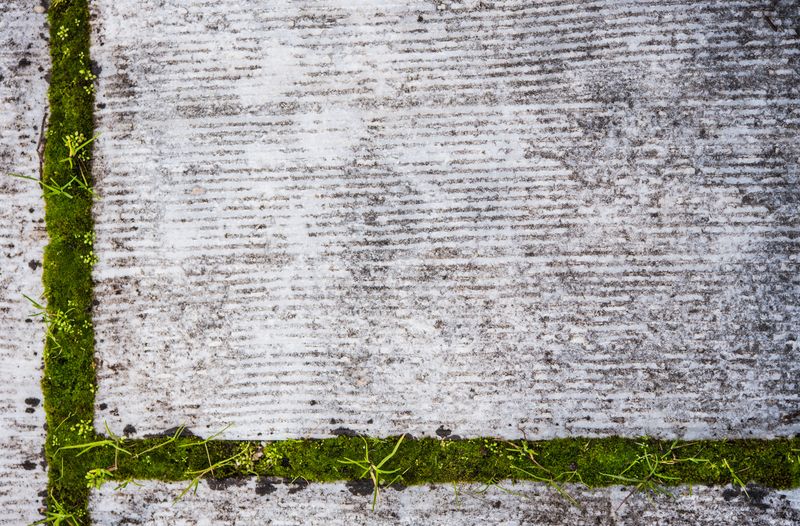
Here is a pantry hack that actually has some backing. Baking soda, or sodium bicarbonate, is used by many gardeners to brown out moss in small areas.
It works best on light growth. Think a few fuzzy tufts between pavers, moss along the edge of a step, or a small green patch on a low porch overhang you can reach safely.
On a dry day, sprinkle a generous layer right over the moss. Some people mix a small box into a gallon of water and spray it instead. Over several days, the moss should turn yellow or brown and loosen.
Once it looks crispy, scrape it off with a putty knife or stiff brush. Sweep up the bits and rinse the surface with plain water.
Set realistic expectations. Baking soda handles moss better than the black algae streaks found on roofs, and big infestations usually need the bleach mix. It is also salty, so keep heavy amounts away from lawn edges and flower beds.
For renters, folks with pets, or anyone wanting a mild first try, a one-dollar box is a smart experiment. If the moss shrugs it off, you can move up to stronger options.
6. White Vinegar Works on Light Green Haze but Has Limits
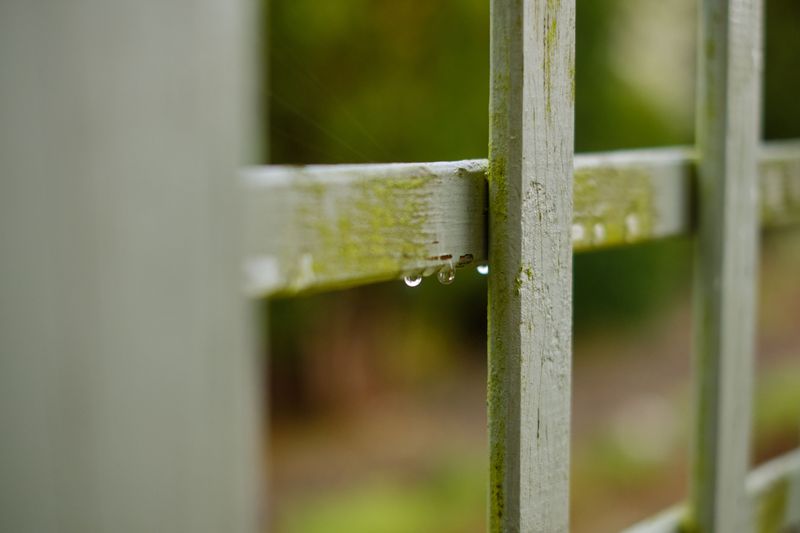
Vinegar gets a lot of praise online, and some of it is earned. A mix of equal parts white vinegar and water can clear a thin green haze from concrete walkways and patio slabs.
Spray the area, wait about 15 to 20 minutes, then scrub firmly with a stiff brush. Rinse with plenty of water when you finish.
Household vinegar is roughly five percent acetic acid. That mild acid helps loosen fresh algae, though deep growth and thick moss tend to bounce back. You may need repeat rounds every few weeks in shady spots.
Stone lovers should be careful. Acid can etch marble, limestone, travertine, and some natural pavers, leaving them dull. Test a hidden corner first, and avoid using vinegar on roofs.
Plants dislike vinegar too. It can burn grass and leaves on contact, so the pre-soak and rinse routine still applies.
The biggest rule bears repeating. Do not combine vinegar with bleach, even in the same bucket you just rinsed. The mix releases chlorine gas.
Pick one cleaner per job. Vinegar suits mild maintenance on plain concrete, while bleach handles stubborn streaks. Using each where it fits saves money and frustration.
7. Zinc Strips and Trimmed Branches Keep Porch Roofs Clean Longer
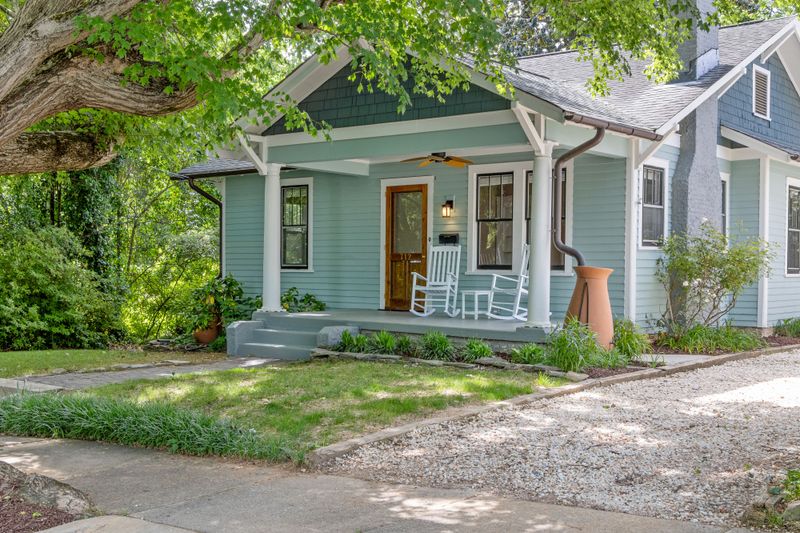
Ever notice clean stripes under a metal roof vent or chimney flashing? Rain rinses tiny amounts of metal down the shingles, and algae struggles in that path.
Roofers put that idea to work with zinc or copper strips. They are installed just below the ridge, and each rain carries a little zinc across the roof. Copper is stronger but costs more, while zinc strips are an affordable choice for a porch roof.
Strips work best on smaller roofs and on surfaces cleaned first. Their effect fades the farther water travels, so very wide roofs may see growth return near the bottom.
Sunlight is the cheapest prevention of all. Trimming overhanging branches lets roofs and patios dry faster after rain. For big limbs near the house, call a certified arborist rather than climbing a ladder with a saw.
Clean gutters help too. Clogged gutters keep roof edges soggy, which moss adores. For new roofs, ask about algae-resistant shingles.
Many contain copper-coated granules and are common choices in humid Southern states. Spending a little extra up front can save years of scrubbing later.
8. A Twice-Yearly Patio and Roof Check Saves Real Money
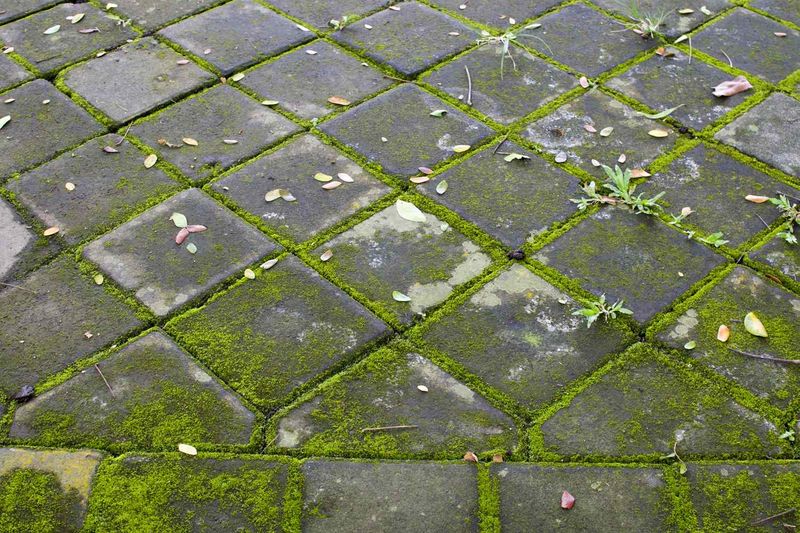
Small green spots are easy to handle. Big, crusty colonies take more chemicals, more scrubbing, and sometimes a professional bill.
A quick look in early spring and again in fall fits North Carolina weather nicely. Spring catches growth from the damp winter, and fall catches what thrived during humid summer months.
Walk the patio and note any slick or discolored areas. Grab binoculars to scan the porch roof from the ground for streaks, raised moss, curled shingles, or granules in the gutters.
Treat early with the gentlest option that works. Baking soda or vinegar may handle light patches, and a diluted bleach spray covers the tougher spots. Roof problems like lifted shingles deserve a call to a licensed roofer.
Once concrete is clean and fully dry, a penetrating sealer can reduce how much water soaks in. Less moisture means fewer places for algae to settle.
Mountain homes under thick forest may need extra attention, while sunny coastal patios might stay clean longer. Adjust to your own yard.
The takeaway is simple. Cheap supplies, a calm day, and steady habits keep patios safer underfoot and roofs lasting longer, without expensive fixes.