Your Woodpile Might Be Hiding One Of Georgia’s Native Scorpions
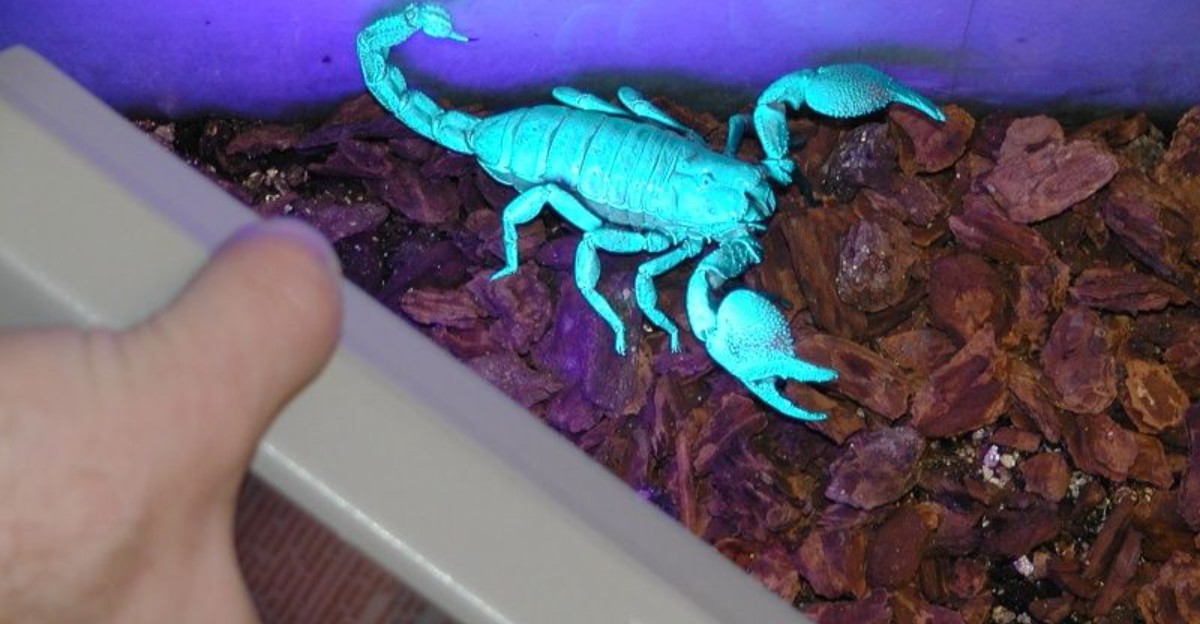
Some of the critters hiding in your firewood stack glow an eerie blue-green under a blacklight. They carry their babies piggyback style, too, and they have been crawling around this planet for over 400 million years.
I nearly dropped a split oak log the first time one scuttled across my glove. It was smaller than my thumb, flat as a coin, and armed with a curled tail.
I never expected that kind of surprise in a Georgia backyard.
You could be stacking wood for chilly evenings right now without knowing who already moved in. Those tight, shady gaps between logs feel like a perfect apartment to a small night hunter.
Bark, damp leaves, and a steady supply of crickets make the deal even sweeter.
The thought of sharing a woodpile with one of these tiny creatures might sound unsettling. But knowing what is hiding between those logs can help you decide whether there is anything to worry about.
1. That Little Brown Critter Under Your Firewood Bark Has Deep Local Roots
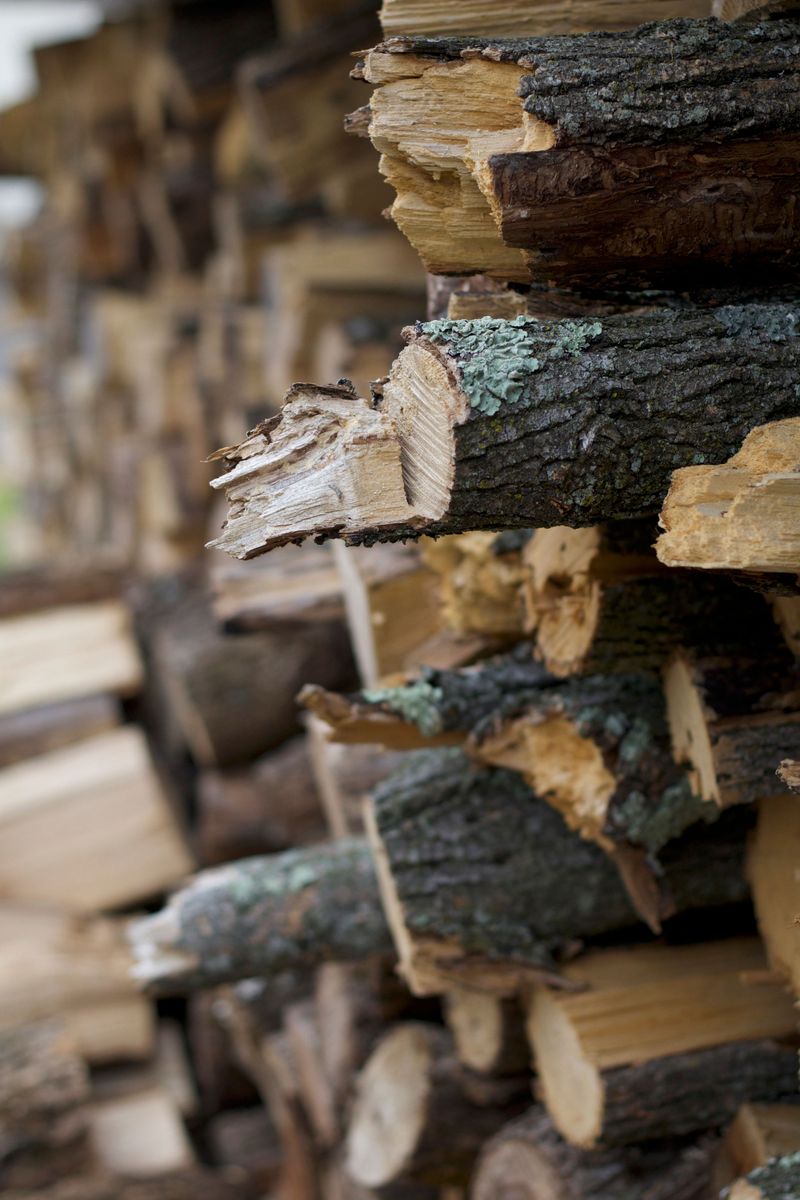
Flip over a chunk of firewood on a warm evening, and you may spot a flat, brownish creature with tiny pincers dashing for cover. That little visitor is a scorpion, and it is not a runaway pet or a desert stowaway.
Scorpions are a normal part of the wildlife in much of the Southeast. Many folks are shocked to learn this, since movies tie scorpions to cactus and sand dunes.
In reality, several species do just fine in humid forests, rocky hillsides, and suburban backyards.
I find it oddly comforting that these critters have lived here far longer than any of our houses. They tuck into cracks by day and come out at night to hunt.
Most people go years without seeing one simply because scorpions keep such a low profile.
A woodpile changes that. Every time you grab a log, you lift the roof off a scorpion’s bedroom, so sightings tend to cluster around firewood, stone walls, and old lumber.
Rock piles and loose bark offer the same appeal.
Knowing they belong here helps you react with curiosity instead of panic. Once you can name what you’re looking at, that startling scuttle becomes a pretty neat backyard discovery.
2. The Southern Unstriped Scorpion Is The One You’ll Most Likely Find
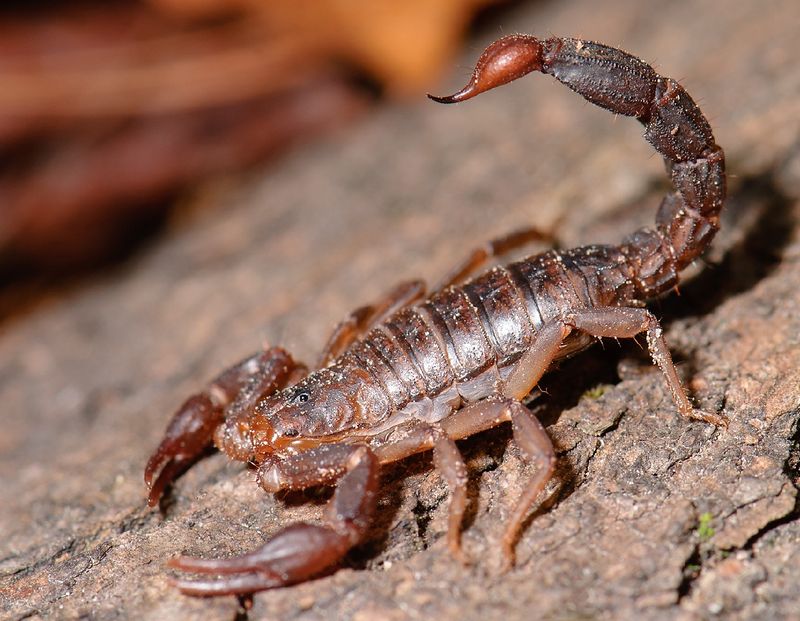
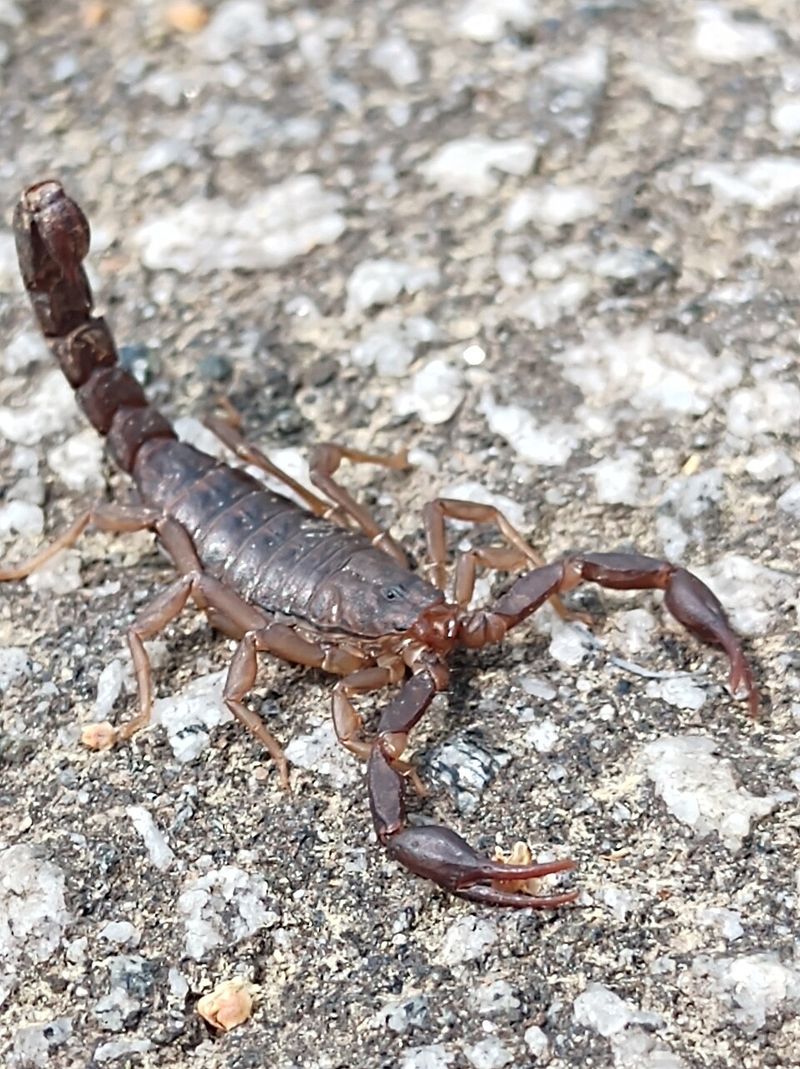
Most scorpion run-ins across north and central Georgia involve one species, the southern unstriped scorpion, Vaejovis carolinianus. Some people call it the southern devil scorpion, which sounds far scarier than the animal deserves.
Adults usually measure about 1 to 2 inches long, tail included. Their bodies are a dark reddish brown to nearly black, with slightly lighter legs and no stripes on the back.
The pincers look chunky for their size, while the tail is fairly slender.
You’ll find them most often in the Piedmont and the mountains, though they range into other parts of the state too. They favor wooded areas with plenty of loose bark, rotting logs, and leaf litter.
Suburbs carved out of forest are prime territory.
One detail charms me every time. Females give birth to live young, and the tiny white babies ride on their mother’s back for a week or two before heading off alone.
Personally, I think they are rather handsome in a prehistoric way. If you spot a small, dark, stripeless scorpion in your woodpile, odds are good you’ve just come face to face with this native neighbor.
3. South Georgia Woodpiles Can Hold A Long-Tailed Striped Scorpion
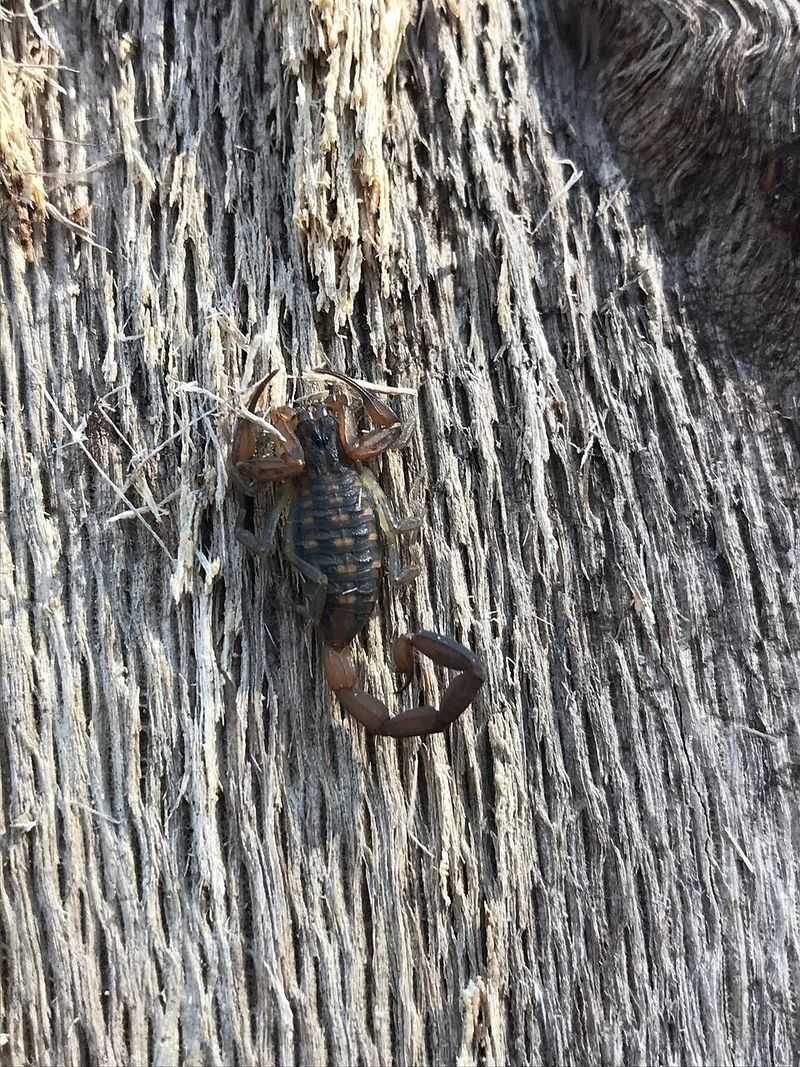
Head toward the coastal plain, and the scorpion story gets a second character. Southern Georgia is home to the Hentz striped scorpion, Centruroides hentzi, a species more famous in Florida.
This one looks quite different from its northern cousin. Its body is usually tan or yellowish brown, often with darker stripes or mottling along the back, and its tail and pincers are long and skinny.
Adults can reach about 2 to 2.5 inches.
Hentz striped scorpions are skilled climbers. They often hide under loose bark, inside palm debris, beneath boards, and yes, in stacked firewood.
Now and then one wanders indoors, especially into garages and sheds.
You may also read about the striped bark scorpion, Centruroides vittatus, turning up in the state. That species is common out west in Texas and nearby states, and records here are spotty, so experts treat it as uncommon at best.
I like keeping a quick photo on my phone of each type for comparison. If the scorpion in your log pile is pale and striped, a south Georgia native is far more likely than an escaped exotic.
A clear picture also helps your county Extension office confirm the ID.
4. Getting Stung By A Scorpion Feels A Lot Like A Wasp Sting
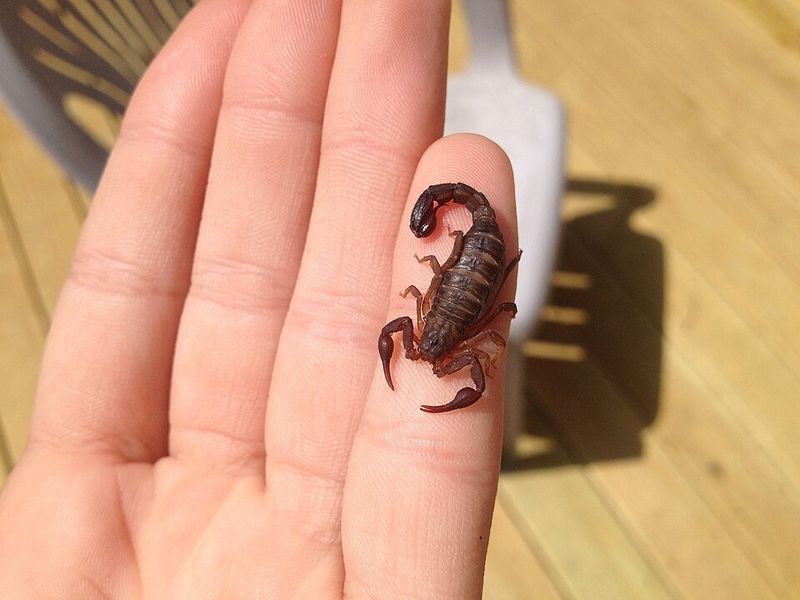
Let’s clear up the big worry first. Scorpions found in this region are not considered dangerous to healthy adults, and a sting typically feels a lot like a bee or wasp sting.
Expect sharp, burning pain at the spot, plus some redness, swelling, tingling, or numbness. For most people, the discomfort fades within a few hours to a day.
Wash the area with soap and water, then hold a cool compress on it for ten minutes at a time.
Over-the-counter pain relievers and antihistamines may help, but check with a pharmacist if you’re unsure what’s safe for you. Keep the stung hand still and slightly raised to ease swelling.
Allergic reactions are the real concern, just like with bees. Get emergency care right away if someone has trouble breathing, throat or face swelling, hives spreading across the body, dizziness, or vomiting.
Young kids, older adults, and pets deserve extra attention after any sting. Calling Poison Control at 1-800-222-1222 is a smart move if you have questions, since experts there answer around the clock.
Honestly, a calm head is your best first aid tool. Most stings end with a sore finger and a good story.
5. Stacked Logs Give Scorpions Shade, Moisture, And A Bug Buffet
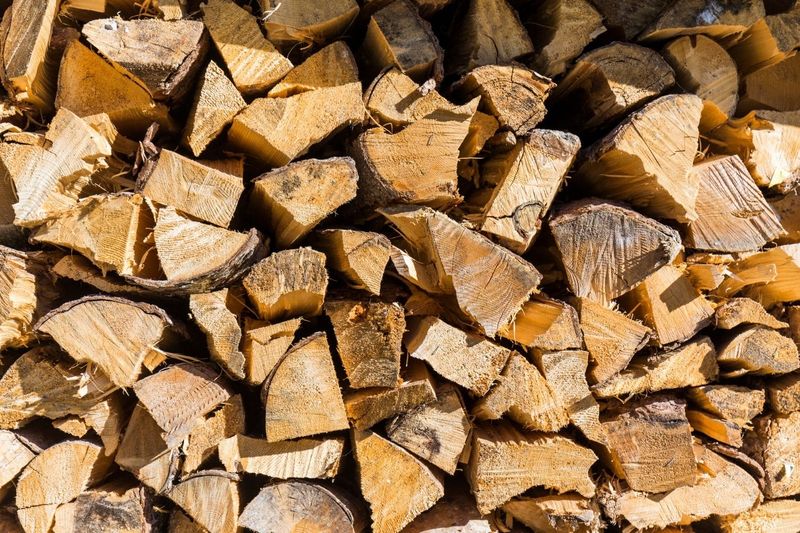
Scorpions dry out easily, so daytime hiding spots matter a lot to them. A stack of logs offers shade, steady humidity, and dozens of snug cracks where a flat body slips right in.
The bark is another perk. As firewood seasons, bark loosens and peels, creating narrow pockets that scorpions find irresistible.
Pieces sitting directly on soil stay damp underneath, which adds even more comfort.
Food seals the deal. Woodpiles attract crickets, cockroaches, beetles, silverfish, and spiders, all on the scorpion menu.
A scorpion can wait in its crevice, then slip out after dark to ambush whatever wanders by.
I noticed my own sightings jumped once I started leaving split wood out for over a year. Older, crumbly logs held far more critters than freshly cut rounds.
Weather plays a part too. Scorpions are most active in Georgia from spring through early fall, and they often settle under logs and bark to wait out winter.
That means fall wood hauling can turn up a surprise or two.
Rock walls, landscape timbers, mulch, and stacked boards appeal for the same reasons. If it is dark, tight, and a bit damp, a scorpion will happily call it home.
6. Grab Leather Gloves Before You Reach Into The Firewood Stack
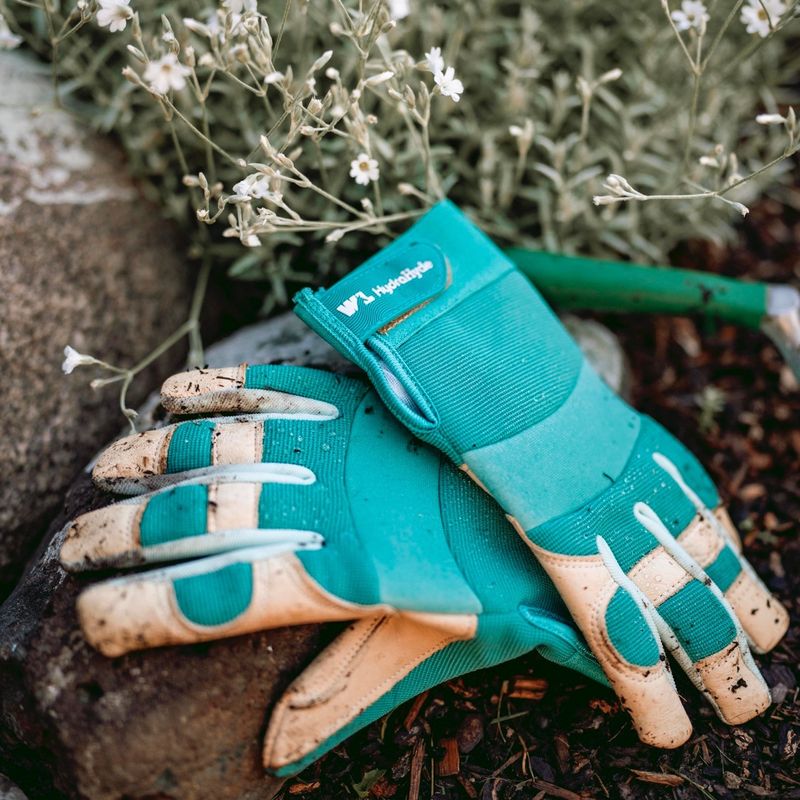
Leather gloves might be the cheapest scorpion insurance you’ll ever buy. A thick pair keeps a curious stinger away from your fingers while you shift logs, pull bark, or clear brush.
Thin cotton garden gloves don’t offer much protection, so look for leather or heavy synthetic ones that reach past the wrist. Long sleeves help too, since scorpions sometimes cling to the underside of a log and drop onto your arm.
Get in the habit of lifting each piece slowly and turning it toward you so you can see the bottom first. Grabbing blindly from the middle of the pile is how most stings happen.
A small flashlight makes evening wood runs a lot safer.
Bring firewood inside only as you need it, and give each piece a firm knock or shake on the porch first. Storing a week’s worth beside the fireplace basically invites hitchhikers into your living room.
One more trick I swear by is shaking out boots, gloves, and jackets that sat outside overnight. Scorpions love tight, dark spaces, and a forgotten work boot qualifies.
These small habits take seconds. They let you keep enjoying crackling fires without any unwelcome sting.
7. Moving Your Woodpile Away From The House Keeps Scorpions Outside
Where you stack your wood matters as much as how you handle it. Keeping the pile at least 20 feet from your house, and farther if space allows, puts distance between scorpions and your doors.
Raise the stack off the ground on a metal rack, pallets, or cinder blocks. Air flowing underneath keeps the bottom layer drier, which makes it less inviting to scorpions and the bugs they eat.
Covering just the top with a tarp sheds rain while still letting the sides breathe.
Around the house, seal gaps along the foundation, around pipes and wires, and under doors. Weather stripping and door sweeps are inexpensive fixes that block plenty of other critters too.
Check that window screens fit snugly.
Trim back shrubs touching the siding and rake leaf litter away from the foundation. Outdoor lights draw insects, which in turn draw hungry scorpions, so yellow bug bulbs can help.
Many Georgia homeowners find they don’t need sprays once these steps are in place. If scorpions keep showing up indoors, a licensed pest professional or your local UGA Extension office can suggest targeted options.
Personally, I’d rather fix the habitat before reaching for chemicals. It works longer and costs less.
8. Glowing Scorpions Under A Blacklight Are Quiet Garden Helpers
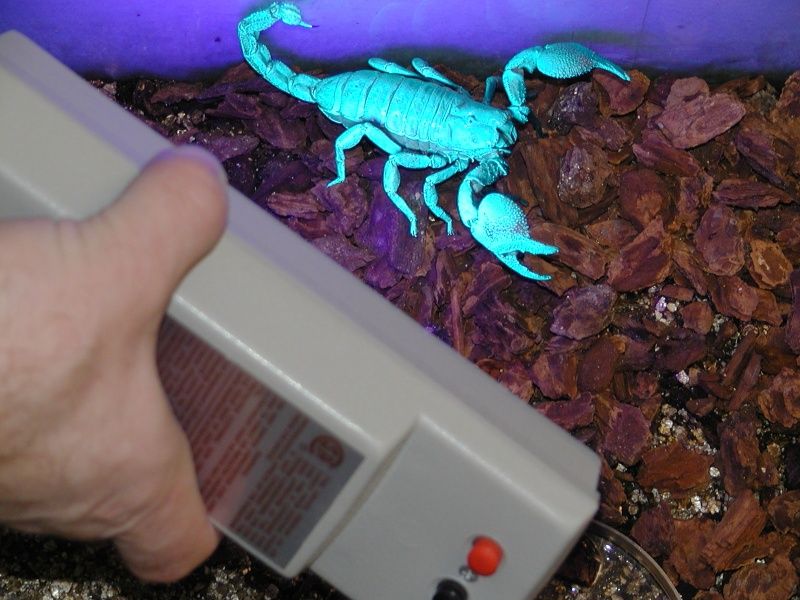
Grab a UV flashlight on a warm summer night, and your woodpile can light up like a tiny glow show. Scorpions shine a vivid blue-green under ultraviolet light, thanks to fluorescent compounds in the outer layer of their exoskeleton.
Scientists still debate why. One leading idea suggests the glow helps scorpions sense light levels, so they can tell when it’s safe to come out.
Even freshly molted scorpions start glowing once their new shell hardens.
A blacklight walk is a fantastic family activity. Kids love it, and it lets you count how many scorpions share your yard without lifting a single log.
Just look, don’t touch, and wear closed shoes.
Spotting them this way also shows how helpful they can be. Scorpions eat cockroaches, crickets, and other pests that many gardeners would happily see disappear.
My takeaway is simple. Keep the woodpile away from the house, wear gloves, and shake things out, then let these native hunters do their quiet work outdoors.
If one wanders inside, avoid handling it directly and contact a pest control professional if you cannot safely contain or remove it.
Respect, not fear, makes sharing space with them easy.