After Tucson’s Early-November Rain Records, Check Your Soil Before Restarting Irrigation
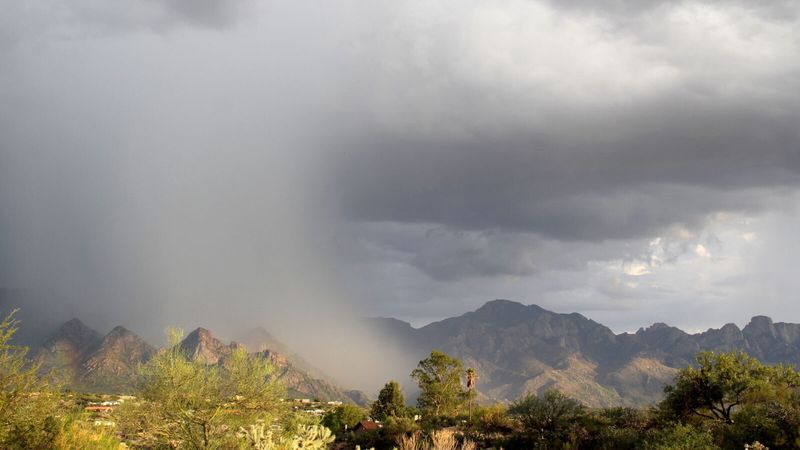
Tucson’s airport picked up 1.23 inches of rain on November 1, a daily record. That is a lot of water for a desert city in one day.
Yet your own yard may have gotten much more or much less. Before you flip the irrigation timer back on, a quick check of your soil will tell you what your plants really need.
There Is No Universal Post-Storm Countdown
Nobody can hand you a magic number of days to keep your sprinklers off. University of Arizona Extension does not set one for every Arizona yard, because rain, soil, drainage, and plants differ from place to place.
What the guidance does offer is a way to decide. According to UA Extension drought guidance, rainfall over about half an inch may refill the upper soil and allow you to delay irrigation.
Treat that half inch as a rule of thumb, not a promise. It does not prove that every root zone got enough water.
So skip the next scheduled watering where the rain soaked in. Then check the soil where roots actually grow, and restart when that zone starts to dry out for the plants you have.
Your calendar matters less than what the soil tells you.
Tucson’s Records Do Not Describe Every Yard
The storm did set real records in Tucson. The National Weather Service reported that Tucson International Airport got 0.69 inches on October 31, beating the Halloween record of 0.44 inches from 1926.
On November 1, the airport recorded 1.23 inches, a daily record that topped the old 0.42 inches from 1987. Local reporting also said Tucson got 1.47 inches across November 1 and 2, its wettest first two days of November on record.
That is not a record for the whole month. The cited full-month November record is still 4.61 inches, set in 1905.
Also remember these are Tucson airport numbers. They do not tell you what fell in Phoenix, in the mountains, or in your own backyard.
Measure Rain Near Your Home
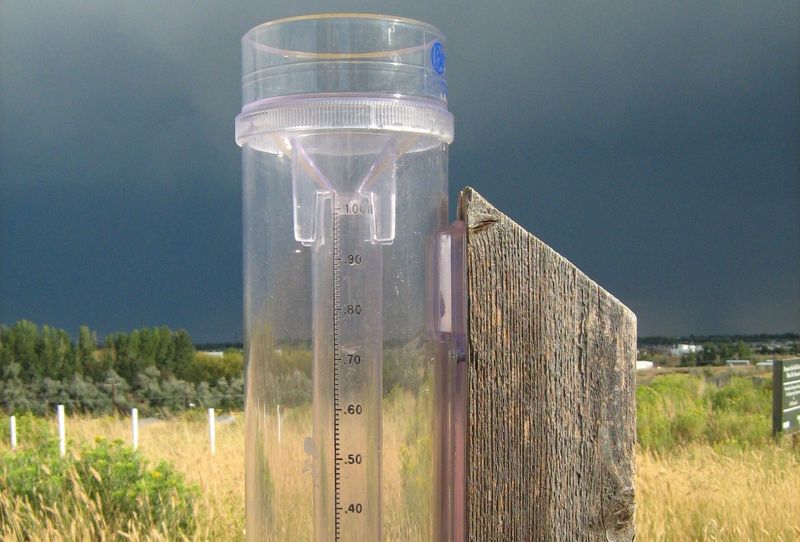
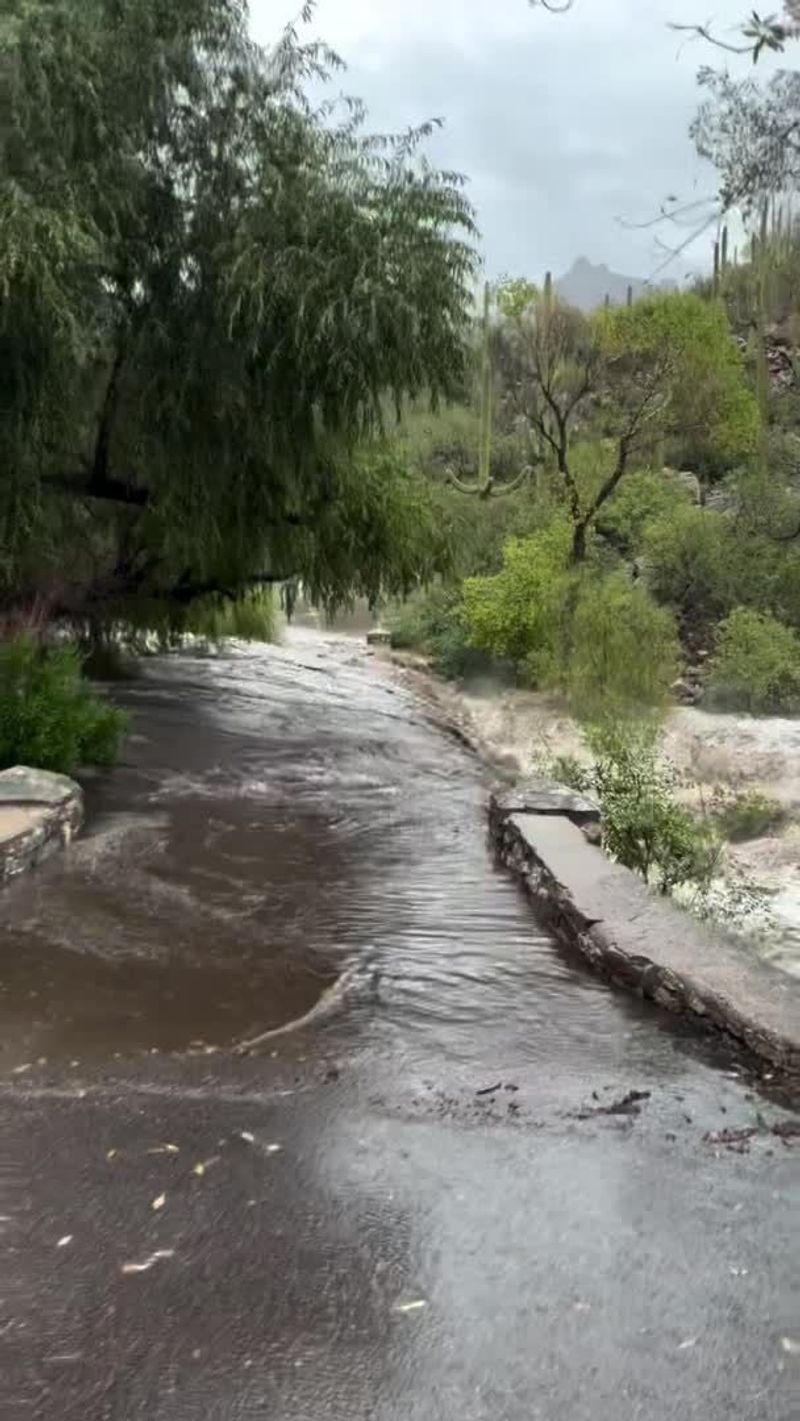
Storm totals swung wildly across the state. The Associated Press reported 7.3 inches over two days at Workman Creek and 5.15 inches at Flagstaff.
Tucson airport, by comparison, saw far less.
Those are only examples, and they do not match every town. Even within the Tucson area, mountain spots reportedly got much more than the airport did.
The best fix is a cheap rain gauge in your yard. A reliable measurement from a nearby neighbor or station can work too.
Once you have a number, treat it as a first clue only. Rain depth does not show how far water soaked down, so you still need to dig in and check the soil.
Check Moisture at the Root Depth
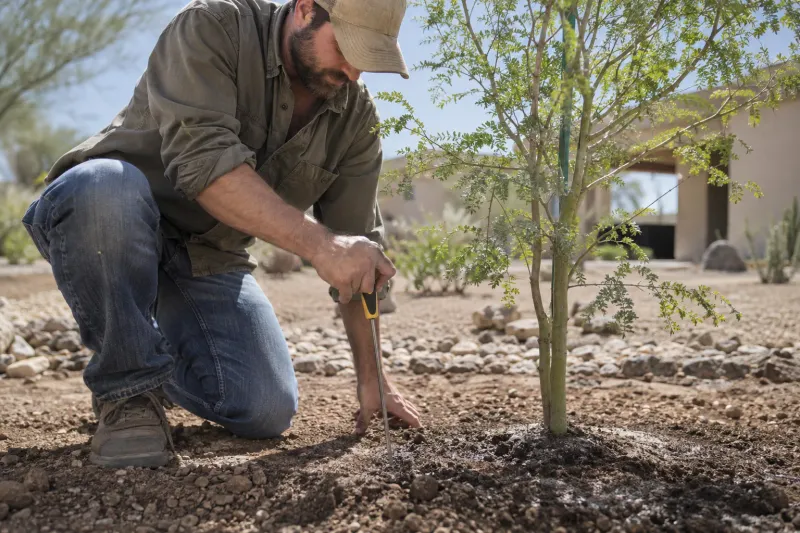
A damp surface can fool you. The top inch may look dark and wet while the soil below stays dry, or the other way around.
UA Extension suggests using a smooth metal rod or soil sampler to find how deep moisture goes, as described in its drought and heat guidance. The rod slides in easily through moist soil and stops or gets harder to push in dry soil.
Check at the depth that matters for each plant. Typical root zones are 6 to 12 inches for lawns and gardens, 12 to 14 inches for shrubs, and 18 to 36 inches for trees, according to UA Extension tree and shrub watering advice.
Let that soil, not the number of days since the storm, tell you when to water next.
Account for Runoff and Saturated Soil
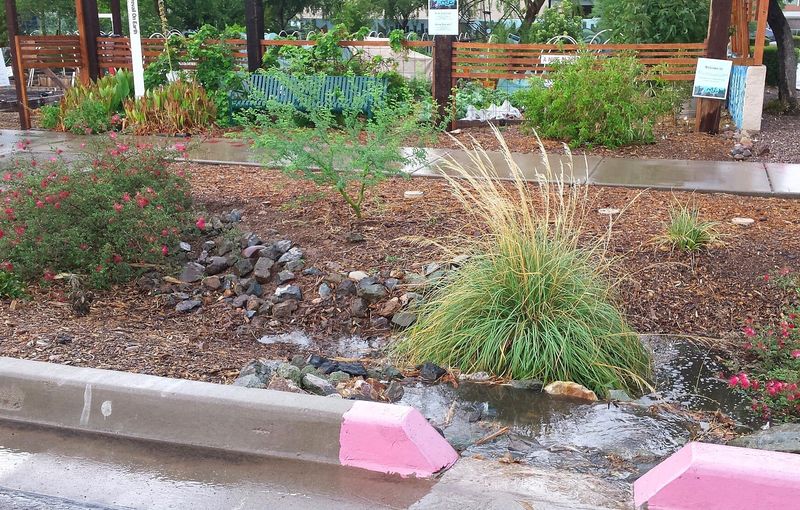
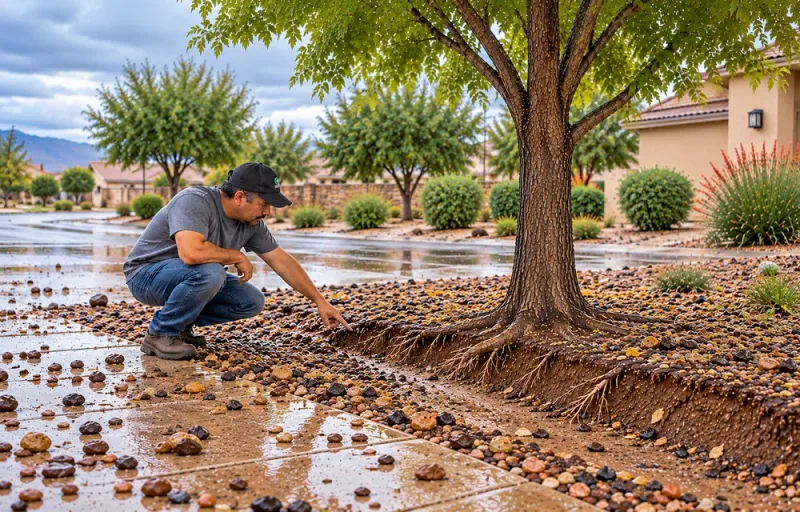
Half an inch of rain does not soak in the same way everywhere. A thick canopy can block rain from reaching the ground, and compacted or sloped soil sheds water fast.
Hard, intense downpours, plant age, and how wet the soil was beforehand also change how much reaches roots. Once soil is saturated, heavy rain can run off or sit in puddles, and how much soaks in depends on soil texture and condition, as UA Extension rainwater harvesting guidance explains.
Do not add irrigation while water is standing or the root zone is still wet. Wait for drainage, then look again.
You may hear that watering during rain flushes salts down past roots. That is a site-specific concern for certain soils and water, not a reason to soak saturated ground.
Check New Plantings and Mixed Landscapes Separately
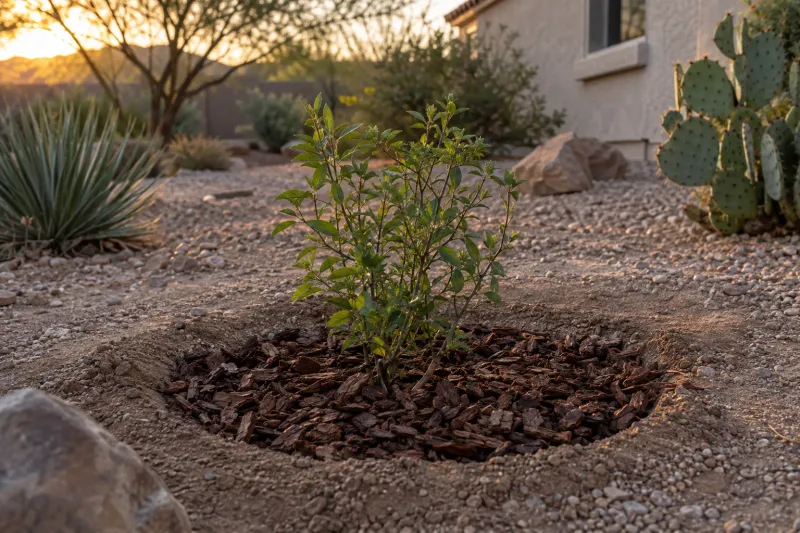
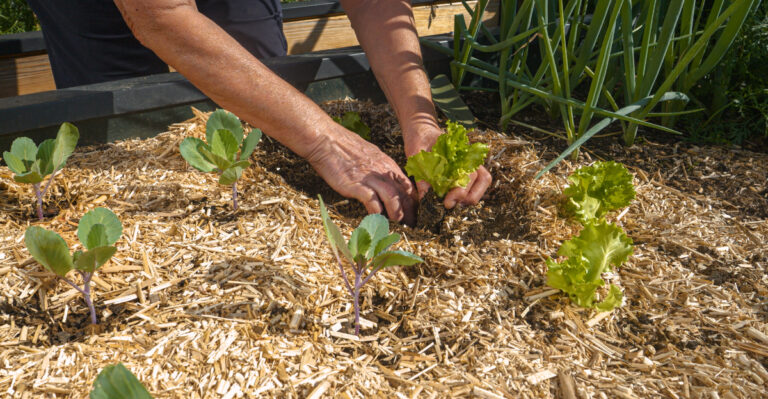
Young plants play by different rules. Soil around a new planting can feel wet while the original root ball stays dry.
UA Extension planting guidelines say to check and keep moisture in the root ball, then adjust as roots spread.
Gently feel the soil at the root ball itself, not just the backfill nearby. If it is drying, that plant may need water even when the surrounding yard looks fine.
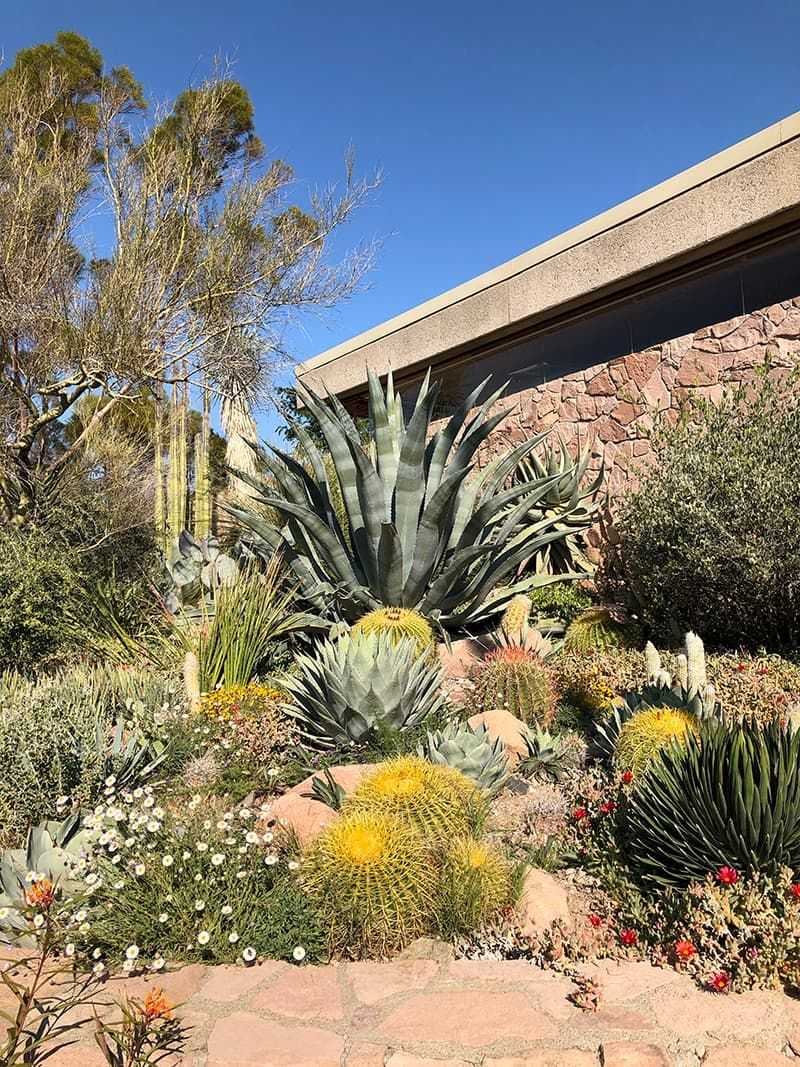
Mixed landscapes add another wrinkle. Containers, lawns, established desert plants, and new plantings all have different needs, as the UA Extension watering guide shows.
If they share one irrigation valve, a yard-wide shutoff may shortchange the thirsty ones. Hand water those plants instead.
Use Fall Schedules as a Baseline, Then Recheck
UA Extension publishes a fall watering schedule for established southern Arizona landscapes. It lists very different intervals for desert shrubs, lawns, roses, vegetables, and containers, and it notes that new plants need more frequent attention, as the UA Extension watering guide shows.
Use it as seasonal background, not a storm countdown. It also does not cover all of Arizona.
Here is a simple rule to follow. Measure the rain at home, check the root zone for each plant type, and wait while it stays wet.
When it begins to dry out for what those plants need, water again.
A timer only counts days. Your soil tells the truth.