Don’t Miss The Narrow Window To Protect Your Georgia Pecans From Weevils
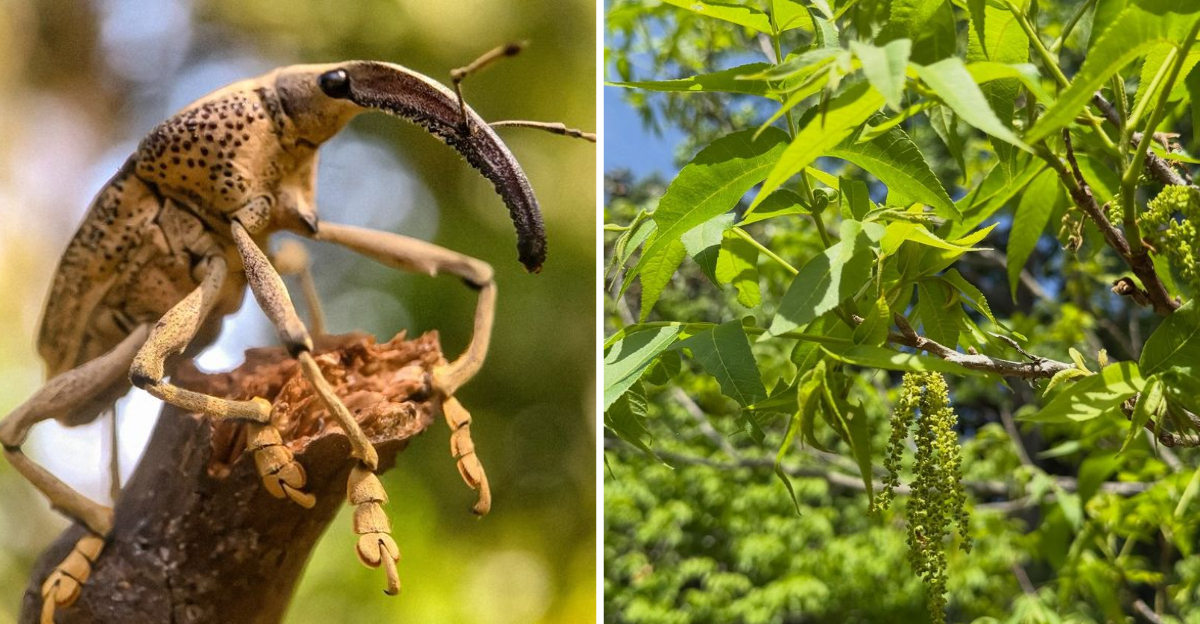
Something dangerous starts moving through Georgia soil the moment nuts begin forming. Underneath your trees, adult weevils wait for exactly this signal to emerge. Timing works against you before you even notice the first sign.
Shells that look completely normal can already hide eggs inside them. Damage builds quietly at first, then spreads faster than most growers expect. Catching it early feels nearly impossible once the cycle begins.
Every grower across Georgia faces this same narrow, unforgiving window each year. Missing it by even a few days can undo a season’s work. Nothing about this pest gives you room for delay.
Pressure builds fast once nuts reach the stage weevils target. Reacting late often means losing far more than a few nuts. Acting now is the only way to keep this harvest yours.
The Treatment Window Runs From Mid-August Through Mid-September
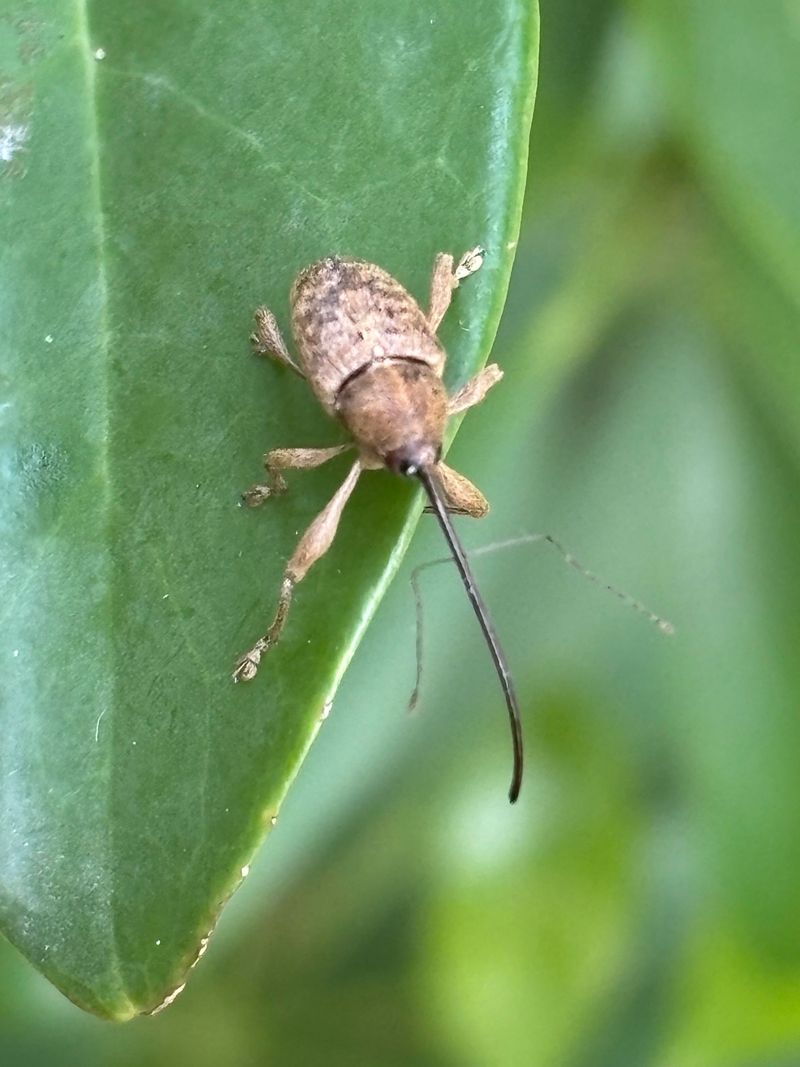
Timing is everything when it comes to weevil control. The pecan weevil emerges from the soil during a very short stretch each year, typically from early August through late September in Georgia.
This window lines up exactly with the water stage of nut development. That is when the shell is soft enough for female weevils to bore through and deposit eggs inside.
Once that window closes, the weevils go back underground and treatments lose their effectiveness. Acting too early or too late means your spray or barrier does almost nothing to protect the crop.
Soil temperature plays a big role in when adults emerge. Warm, moist conditions after a summer rain often trigger a surge of weevil activity almost overnight.
Growers who track the calendar closely every year tend to have far better results than those who guess. Setting a reminder for the last week of July gives you time to get traps out before the first adults appear.
The narrow window is not just a suggestion from extension agents. It is a biological reality tied directly to the pecan tree’s growth stages.
Missing even one week of this period can mean losing a significant portion of your harvest. This tight timeline is not optional. Miss it, and no treatment applied later will make up the difference.
Signs That Weevils Have Already Emerged
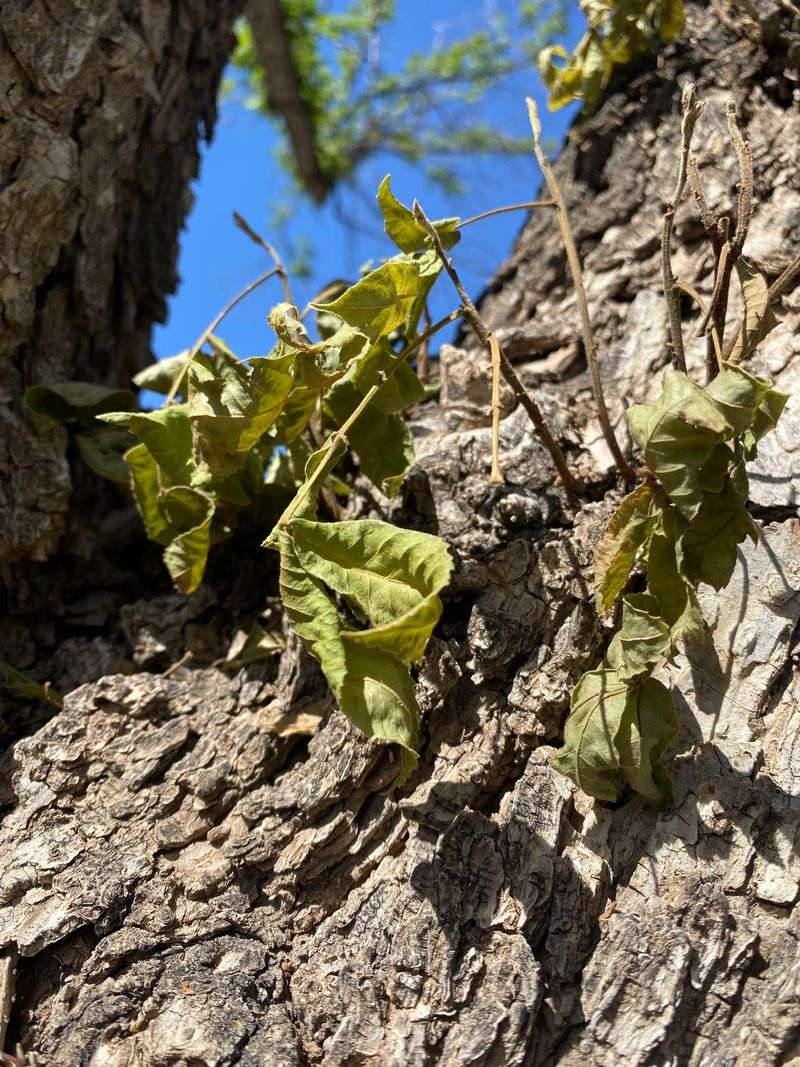
Spotting the first sign of weevil activity can save your entire season. Adult pecan weevils leave behind clues that are easy to miss if you are not looking carefully.
One of the clearest signs is small, round holes in the shucks of developing nuts. These holes are entry points where female weevils bored in to lay their eggs.
You might also notice prematurely falling nuts scattered under your trees. Infested pecans often drop weeks before natural harvest time because the larvae feeding inside cause the nut to abort early.
Picking up a fallen nut and cracking it open can be very revealing. If you see a creamy white grub curled inside, weevils have already been at work for a while.
Another clue is finding tiny, dark weevil adults crawling on the trunk or low branches in the early morning hours. They tend to rest in shaded spots and become more active as temperatures rise through the day.
Your Georgia Garden Changes Every Week. Your Plan Should Too.
Gardening in Georgia changes quickly throughout the season. Every Friday you’ll receive a simple weekly plan showing exactly what to plant, prune, fertilize, harvest, and protect so you never miss the right timing.
Shaking a branch over a white sheet is a classic scouting trick that many experienced growers swear by. Any weevils present will fall onto the sheet and become easy to count and identify.
Even one or two adults per tree is enough reason to begin treatment immediately. Waiting for widespread damage to confirm the problem only guarantees you already lost nuts you could have saved.
Monitoring Steps To Catch Early Activity
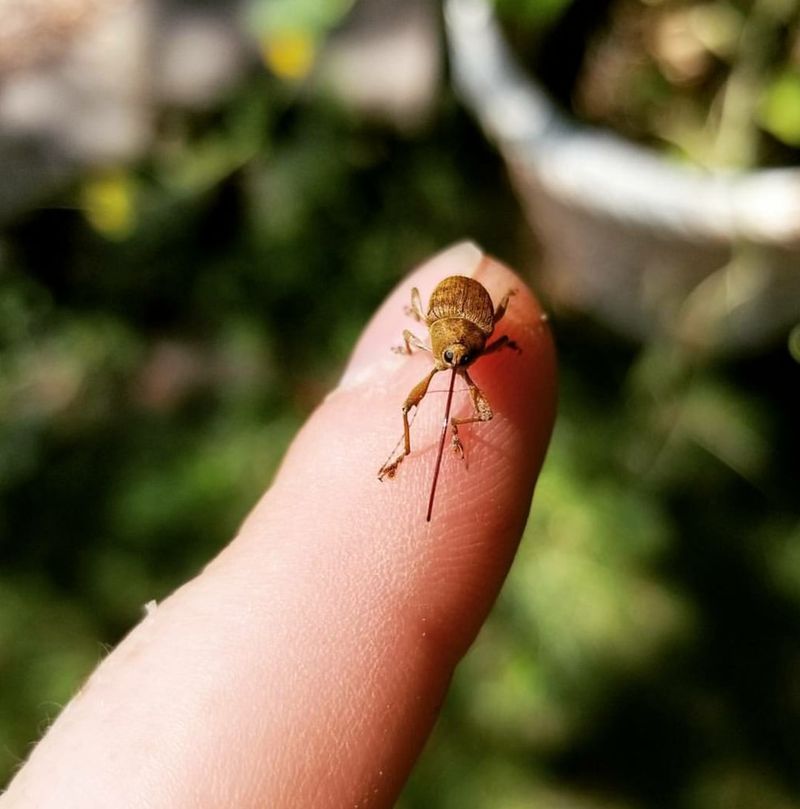
Good monitoring is the backbone of any successful weevil management plan. Without consistent scouting, you are essentially flying blind during the most important weeks of the season.
Start by walking your orchard at least twice a week from early August onward. Pay close attention to trees that had weevil problems in past years, since those spots tend to see repeat infestations.
Circle traps, also called pyramid traps, are one of the most reliable tools for catching adult weevils as they climb up tree trunks. These traps funnel the insects into a collection container and give you a real count of how many are active.
Place traps on four to six trees spread across your orchard for the most accurate picture. Check them every two to three days and record your counts in a simple notebook or phone app.
Sticky bands wrapped around the trunk below the trap can add another layer of detection. They catch weevils that manage to slip past the trap itself.
Shaking limbs over a light-colored tarp early in the morning is another practical method. Weevils are sluggish in cooler temperatures and fall easily when disturbed from their resting spots.
Keeping detailed records from year to year helps you predict peak emergence more accurately over time. A proactive system built on real numbers beats a reactive scramble every single time.
Effective Treatment Options For This Stage
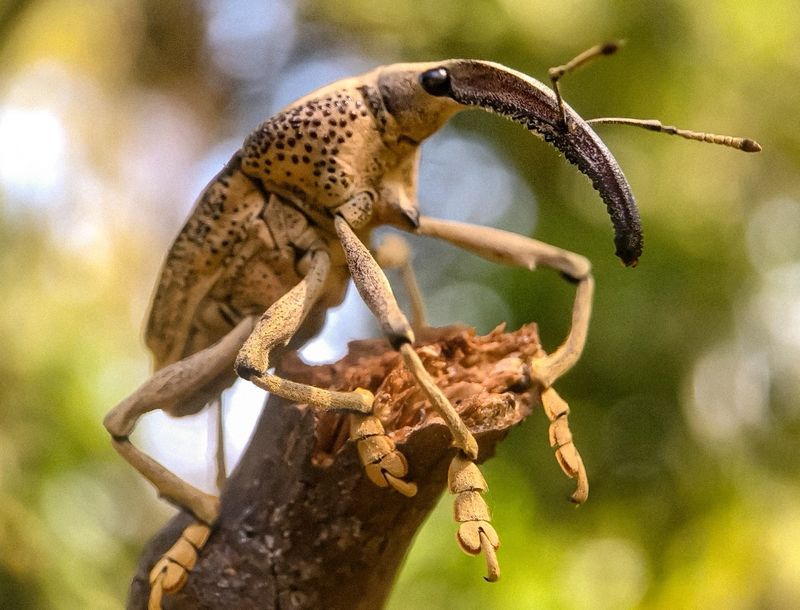
When weevils start showing up in your traps, it is time to move from watching to acting. Fortunately, several proven treatment options work well during this narrow emergence period.
Pyrethroid insecticides are among the most commonly recommended choices for pecan weevil control. Products containing bifenthrin or zeta-cypermethrin are labeled for this pest and can be applied to the trunk and lower canopy.
Timing your spray application to coincide with peak adult activity is critical. Extension research suggests that a rising daily trap count signals the right moment to spray.
Apply treatments in the early morning or late evening when weevils are most active near the trunk. Midday heat causes them to retreat into the canopy, making trunk sprays less effective at those hours.
A second application about ten to fourteen days after the first is usually needed. Weevil emergence is not a single event but a rolling process that continues over several weeks.
Read and follow the pesticide label carefully before mixing or applying anything. The label is a legal document, and proper rates protect both your trees and the environment around your orchard.
Organic growers have fewer options, but kaolin clay applied to the trunk and lower branches can reduce weevil climbing. The right product applied at the right hour changes what ends up in your final yield.
Trunk Banding And Other Physical Barriers
Not every grower wants to rely solely on chemical sprays, and that is a reasonable position. Physical barriers offer a smart complement to insecticide programs and can reduce the number of weevils that ever reach your nuts.
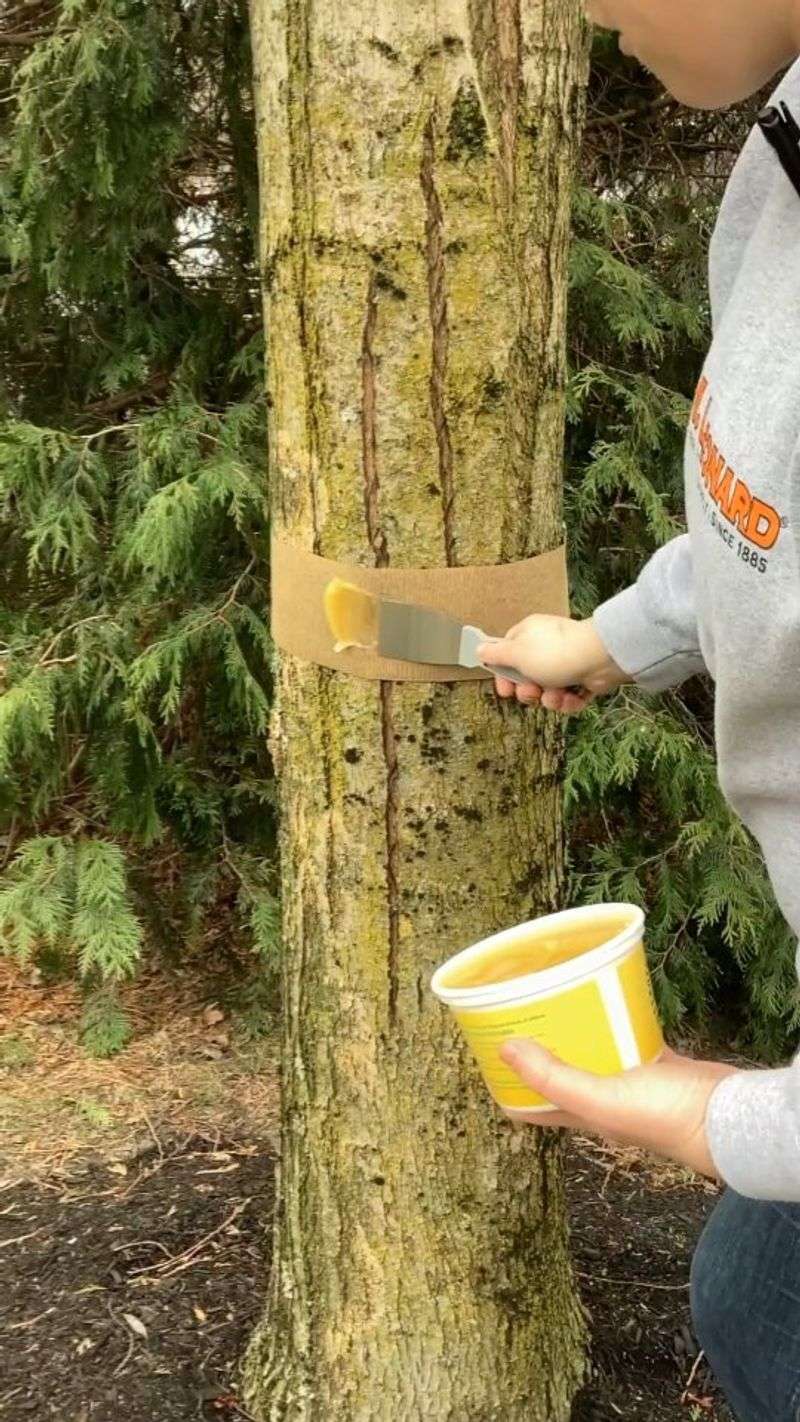
Sticky bands are one of the simplest physical tools available. These are coated wraps applied around the trunk that trap adult weevils as they crawl upward from the soil.
Tanglefoot is a popular sticky product used by many pecan growers across the South. Apply it directly to a paper or fabric wrap around the trunk rather than onto the bark itself to avoid any damage to the tree.
Check and refresh sticky bands every one to two weeks during peak emergence. Heavy rains, dust, and captured insects can all reduce the stickiness and effectiveness of the coating over time.
Foil or plastic trunk wraps combined with a sticky coating create a double barrier that weevils struggle to bypass. Some growers also add a layer of diatomaceous earth around the base of the trunk as an additional deterrent.
Exclusion netting draped over individual trees is another option for small orchards or high-value specimen trees. The fine mesh physically prevents adult weevils from accessing the canopy during their emergence period.
Physical barriers work best as part of a layered approach rather than a standalone fix. Pairing barriers with smart monitoring builds the strongest defense you can put together this season.
Preventing Damage In Future Growing Seasons
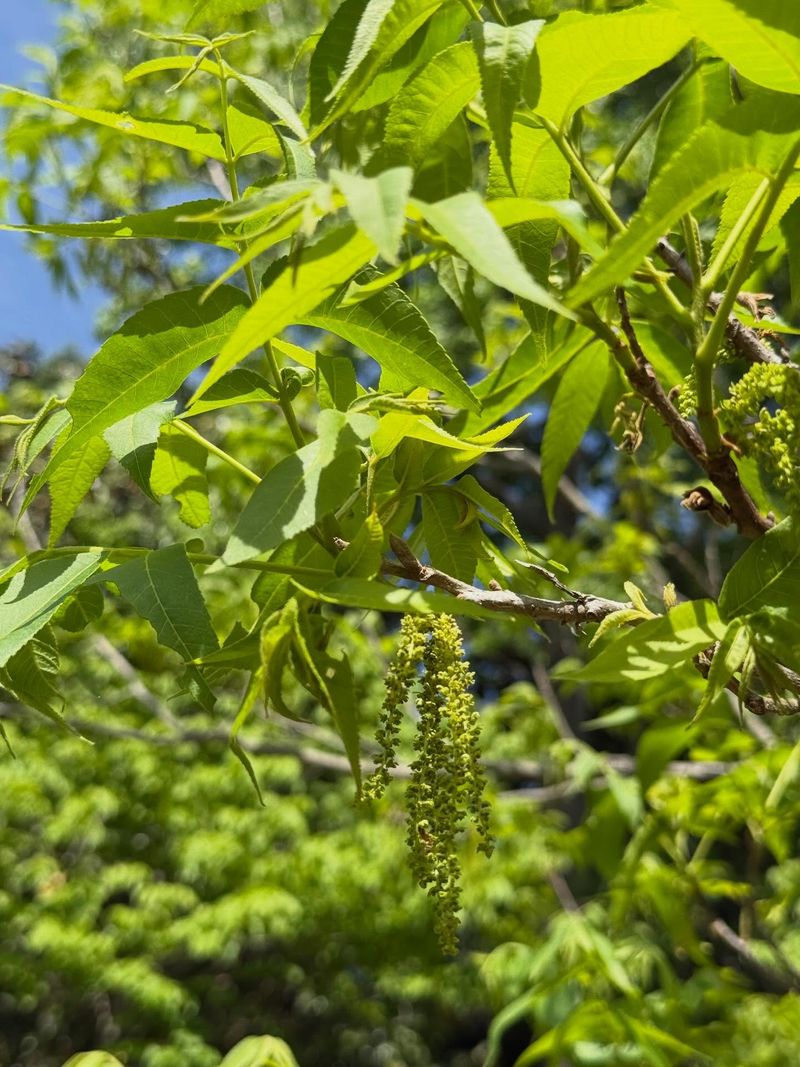
One good season of control does not guarantee the next one will be easy. Pecan weevil larvae that survive in your soil this year will emerge as adults again next summer, ready to restart the cycle.
Sanitation is one of the most underrated prevention tools in any orchard. Collecting and disposing of all fallen nuts promptly removes larvae before they can burrow into the soil to pupate.
Weevil larvae can spend one to three years underground before emerging as adults. This long underground phase means a single bad season can fuel infestations for multiple years if you do not intervene.
Tilling the soil shallowly around the tree base in late fall can expose pupae to birds, cold air, and drying conditions. Several passes with a disk or tiller between rows can reduce the underground population noticeably.
Keeping accurate records of trap counts, spray dates, and harvest quality helps you refine your approach each year. Patterns in your own data are more valuable than generic advice because they reflect your specific orchard conditions.
Resistant pecan varieties are worth considering if you are planning to add new trees. Some cultivars show less susceptibility to weevil damage, though even those still see some damage.
Building a long-term management plan is the smartest investment you can make in your orchard. Long-term control comes down to patience, consistency, and paying attention to what your own land keeps telling you.