What Animals Might You Encounter in Your Florida Backyard After a Flood?
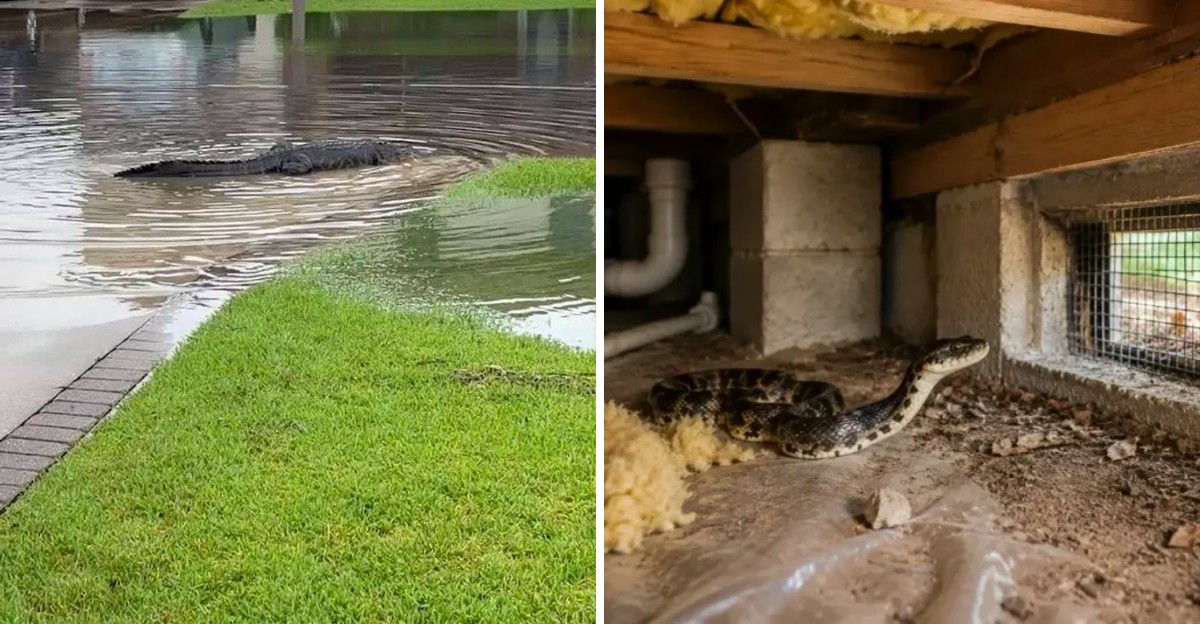
Thousands of stinging insects can link their legs together and float across floodwater like a living red raft. I first read about it during hurricane season, and I have checked every puddle twice ever since.
Rising water pushes plenty of creatures out of soggy burrows and swollen marshes, sending them toward higher Florida ground. Your raised garden beds and dry shed floors suddenly look like prime real estate to these refugees.
What I find interesting is how each visitor brings its own clever survival trick to the soggy party. Some deserve a friendly wave from the porch, while others call for a phone and plenty of space.
Knowing who might show up helps you clean up safely and protect your pets after the next big storm.
So which soggy neighbors are most likely waiting in your Florida backyard when the water finally drops?
1. Fire Ant Rafts Floating Across Flooded Lawns
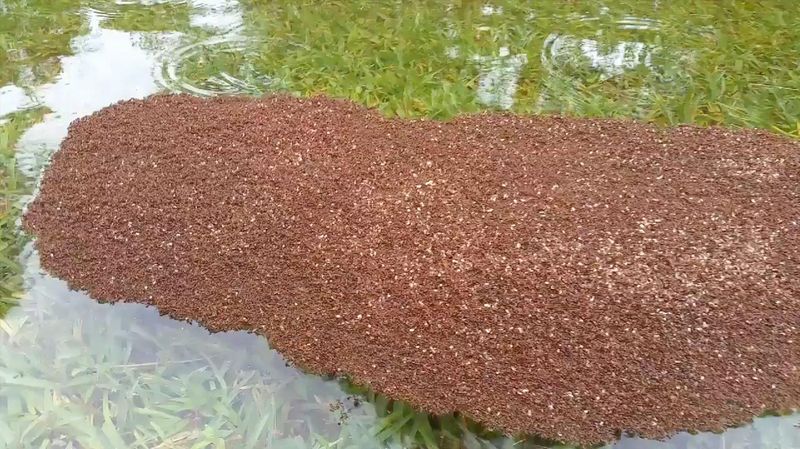
Few sights are stranger than a reddish brown mat of fire ants bobbing across a flooded lawn like spilled coffee grounds. Each raft can hold thousands of workers, with the queen and young tucked safely toward the middle.
Red imported fire ants, known to scientists as Solenopsis invicta, arrived from South America and now thrive across the Southeast. Their bodies trap tiny air bubbles, which helps the whole linked colony stay afloat for days at a time.
Once the raft bumps into something solid, the ants climb aboard and start searching for a new dry home. That something could be a sturdy fence post or the rim of your favorite planter near the patio.
From what I have read, a floating colony is often more defensive than a mound sitting quietly in the sunshine. Brushing against one with a rake handle can send dozens of angry ants racing up toward your wrist.
Give rafts plenty of room, and wear long rubber gloves with tall boots if you must work in standing water. UF experts note that a squirt of soapy water breaks surface tension and causes a floating raft to sink.
After the water recedes, expect new mounds to pop up in odd places such as mulch beds and utility boxes. Bait products labeled for fire ants work best when scattered on dry ground during a warm, calm day.
Stings cause burning pain and small white pustules that usually appear within a day for most people. Anyone showing swelling far from the sting or trouble breathing should get medical help right away without waiting.
2. Mosquito Swarms Rising From Standing Water
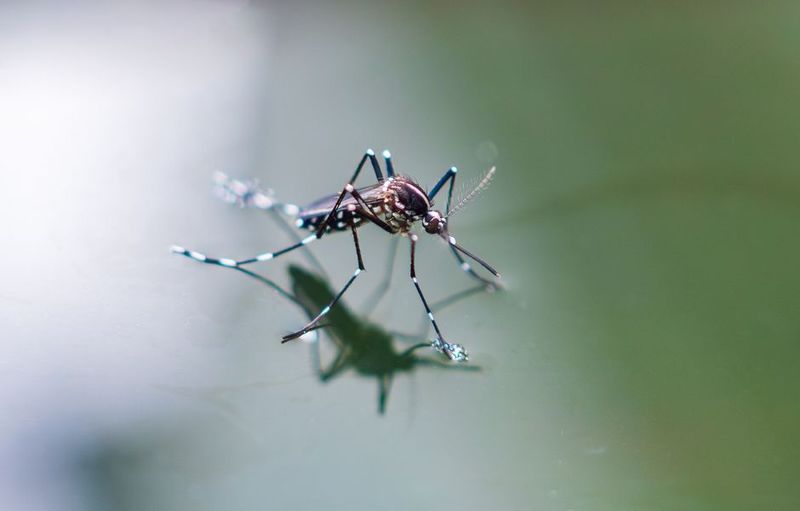
Within a week of a big storm, the evening air can hum so loudly that stepping outside feels like walking into static. Some mosquito eggs sit dry in the soil for months, waiting patiently for floodwater to wake them up.
Floodwater mosquitoes, including several Aedes and Psorophora species, hatch in huge numbers once low spots fill with rain. Their larvae can grow into biting adults in about a week when summer temperatures stay warm.
Other species prefer tiny pockets of water left behind in overturned buckets or clogged gutters around the yard. A bottle cap of water is enough for some container breeders, which still surprises me every single season.
I make a habit of tipping and tossing anything that holds water at least once a week after storms. Florida health officials promote this same simple routine, and it really does cut down on backyard breeding.
Birdbaths deserve a fresh rinse and refill every few days, and plant saucers can be flipped upside down. Bromeliads catch water in their leafy cups, so flushing them with a hose helps reduce hidden larvae.
Most post-flood mosquitoes are mainly a nuisance, though some species can spread viruses like West Nile or dengue. Wearing an EPA-registered repellent during cleanup is a smart move, especially around dawn and dusk.
Loose, light colored long sleeves help too, since baggy fabric makes it harder for mosquitoes to reach your skin. Your local mosquito control district may respond to complaints, so give them a call when swarms seem heavy.
3. Snakes Hiding Under Porches And Debris Piles
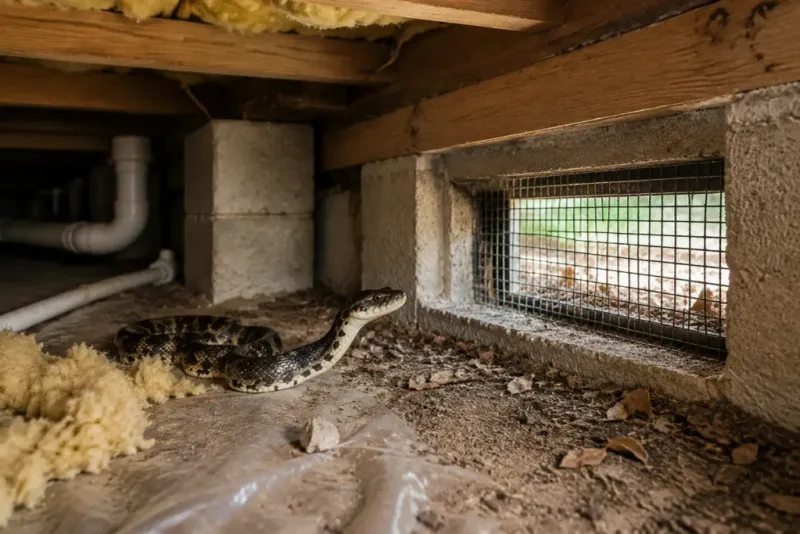
That coiled garden hose by the back steps might deserve a second look before you reach for it after a flood. Snakes swim surprisingly well, and rising water sends many of them searching for anything high and dry.
Most snakes you meet will be harmless natives like black racers or rat snakes enjoying a dry perch for a while. Such helpful hunters eat rodents and insects, so I tend to cheer them on from a respectful distance.
The state does have six venomous species, including the cottonmouth and the eastern diamondback rattlesnake. Coral snakes and pygmy rattlesnakes also live here, though they tend to stay hidden and avoid people.
Cottonmouths often show up near water, and they may gape their white mouths when they feel threatened. Many harmless water snakes get mistaken for them, so careful identification matters more than quick assumptions.
Before moving storm debris, poke around with a long stick and wear thick gloves along with sturdy boots. Lift boards from the far side, so the open gap faces away from your legs and feet.
Snakes generally want nothing to do with people, and most bites happen when someone tries to grab or harass one. Leave it alone, keep pets indoors, and let the snake wander off on its own schedule.
If a snake moves inside your garage or home, a licensed wildlife trapper can relocate it safely. For any suspected venomous bite, stay calm and call 911 right away instead of trying old home remedies.
4. Alligators Cruising Through Flooded Neighborhoods
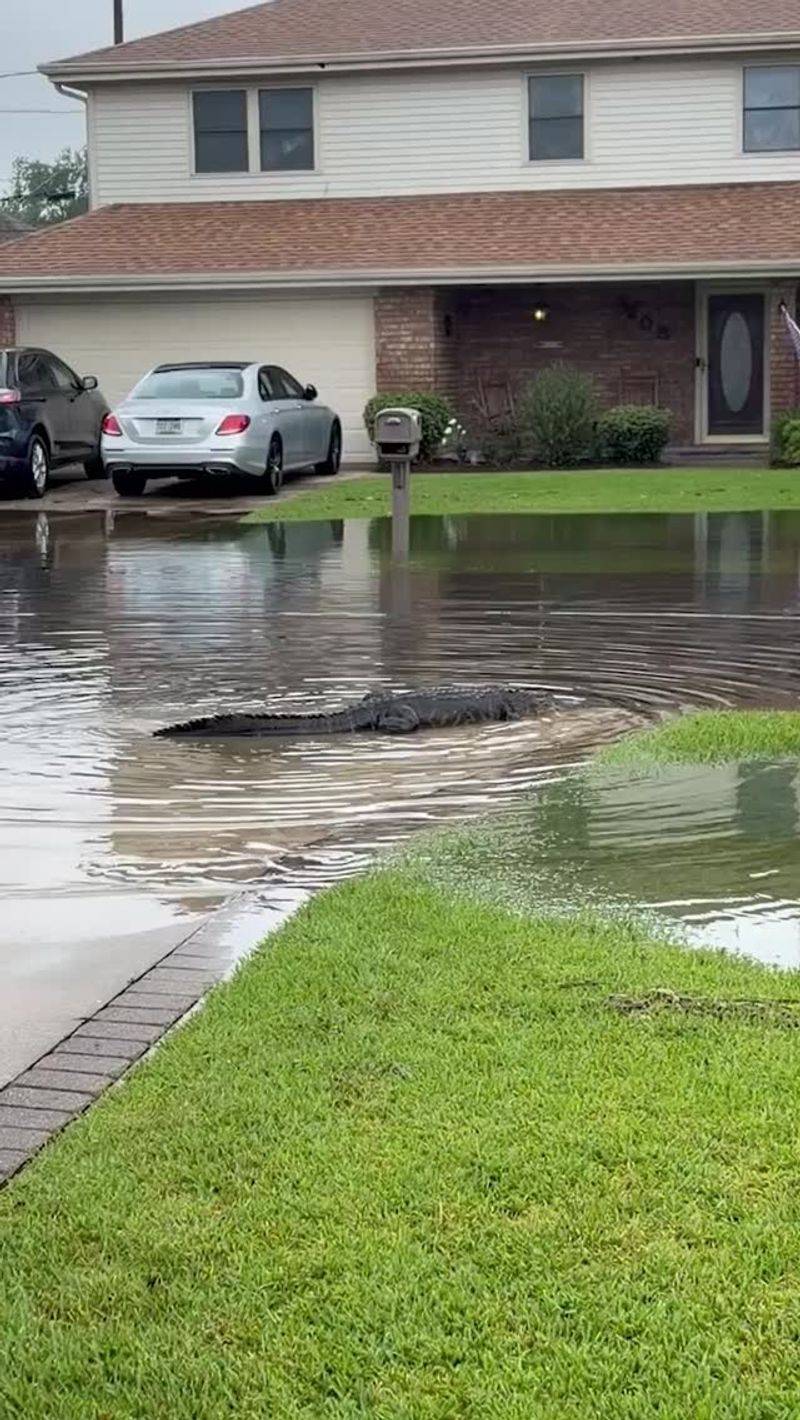
Floodwater turns streets into canals, and American alligators treat those new waterways like an open invitation to explore. Videos after hurricanes regularly show gators drifting past mailboxes, which still feels surreal no matter how often I see them.
Florida has roughly 1.3 million alligators, living in every one of its 67 counties according to state wildlife officials. Their dark backs blend into murky water so well that only the eyes and snout may show above the surface.
Rising water can push gators out of ponds and canals, sometimes leading them into backyard pools or open garages. They can also climb low fences, which surprises plenty of homeowners who assumed a barrier would keep them out.
Staying out of floodwater is the best protection, since you rarely know what lurks beneath the brown surface. Keep children and pets close, and walk dogs on short leashes far from the edges of flooded ditches.
Feeding alligators is illegal in Florida, and it teaches them to connect people with an easy meal. Even tossing fish scraps near the water can create a bold gator that later needs removal from the area.
Most gators will move along once the water drops and their usual homes become livable again. If one poses a threat to people or pets, call the FWC Nuisance Alligator Hotline at 866-392-4286.
Serious bites remain rare in the state, but respect goes a long way with an animal this powerful. Keep plenty of space between you and any gator, and enjoy the wild view from a safe spot.
5. Frogs And Toads Calling From Rain Filled Ditches
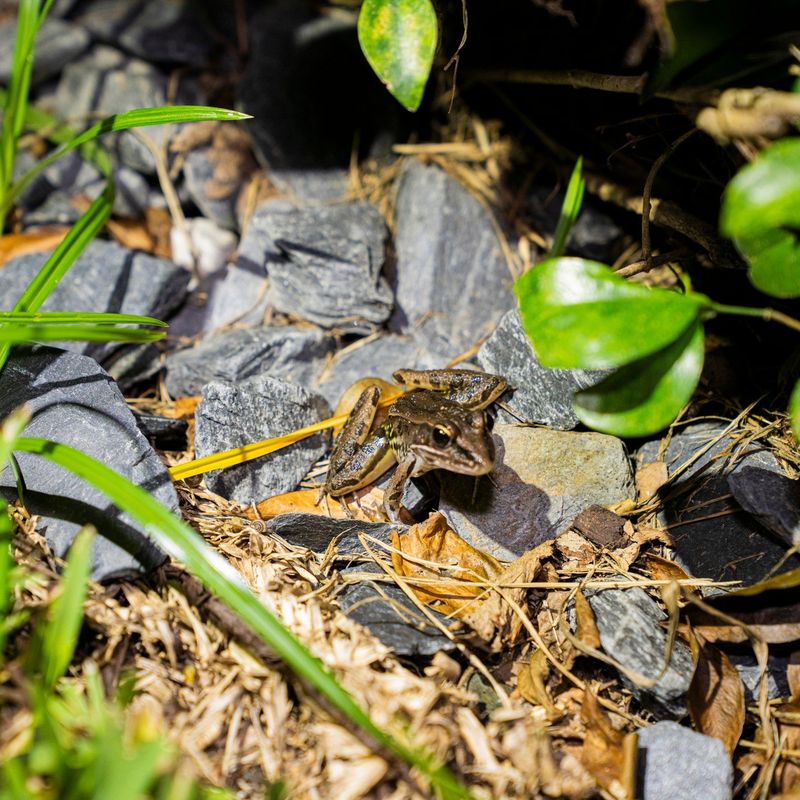
Nothing announces the end of a storm quite like a backyard chorus that sounds like dozens of tiny sheep bleating at once. Eastern narrowmouth toads make that odd buzzing call, and heavy rain often gets them singing loudly.
Temporary puddles make perfect frog nurseries because they usually lack the hungry fish that gobble eggs in permanent ponds. Southern toads and green treefrogs jump at the chance, laying eggs that hatch in just a few days.
I have a soft spot for green treefrogs, with their lime green skin and a pale stripe along each side. They love clinging to windows at night, where porch lights attract the moths and flies they eat.
Not every frog deserves a warm welcome, though, especially the invasive Cuban treefrog, Osteopilus septentrionalis. Large adults can eat native frogs, and their warty skin often looks pale gray or tan.
UF wildlife experts encourage residents to humanely remove Cuban treefrogs, and their guides explain how to do it properly. Wear gloves when handling one, since its skin mucus can sting your eyes and irritate small cuts.
Cane toads also appear after rain in central and southern areas, and they can seriously sicken curious dogs. Their shoulder glands release a toxin, so rinse your pet’s mouth and call a vet if they bite one.
Keeping a shallow, fish-free water feature and some leafy groundcover gives native frogs a cozy place to stay. Skip broad pesticide sprays, since thin amphibian skin absorbs chemicals more easily than our own skin does.
6. Rats And Mice Searching For Dry Shelter
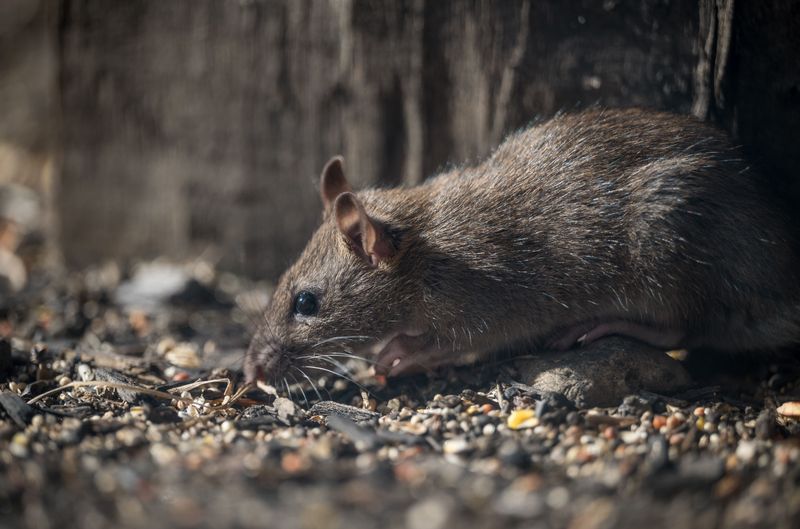
Roof rats are such agile climbers that they can scamper along power lines like tiny tightrope walkers. When floods swamp their usual hideouts, those acrobatic skills help them move into attics and sheds with surprising speed.
Norway rats and house mice also lose their burrows and drain hideouts once water fills low ground. A mouse can slip through a gap about the width of a pencil, which still amazes me every time.
Storm debris piles act like rodent hotels, offering shelter right beside your house while you wait for pickup. Moving brush and lumber away from walls makes your yard far less inviting for these whiskered squatters.
Fallen fruit and spilled birdseed attract rodents too, so tidy up the ground around trees and feeders. Pet food left outside overnight is basically a buffet sign, so bring those bowls indoors before evening arrives.
Walk around your home and look for fresh gaps near pipes and damaged soffits after storms pass through. Steel wool paired with caulk or metal flashing seals small openings better than foam, which rodents chew through quickly.
Rodent droppings and urine can carry germs, including the bacteria that cause leptospirosis, especially after floods. Wear gloves and a mask when cleaning, and spray droppings with disinfectant instead of sweeping up dry dust.
Snap traps placed along walls tend to work well for small problems in garages or garden sheds. Larger infestations call for a licensed pest professional who can find entry points you might easily overlook.
7. Raccoons Raiding Trash Cans After The Storm
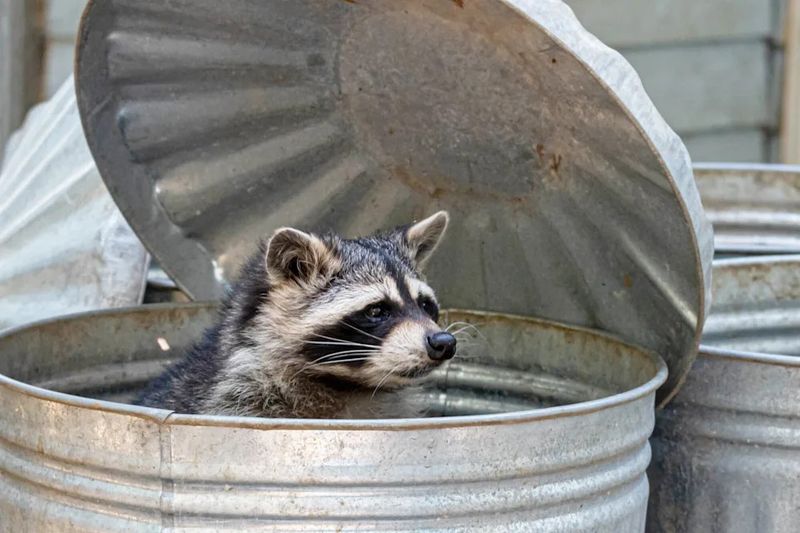
Those tiny, nimble hands can twist open latches and lift lids, which explains why raccoons treat storm cleanup like a treasure hunt. Spoiled food from powerless refrigerators often ends up curbside, and masked bandits notice quickly.
Raccoons swim well and climb even better, so floodwater rarely traps them for long in the trees. Many simply move to higher spots like attics or the shady hollow under a raised deck.
I find it fascinating that raccoons often dunk or rub food near water, a habit that helps their sensitive paws explore. Their front feet hold many touch receptors, giving them an incredible sense of feel in the dark.
Bungee cords or locking lids on trash cans make a big difference, especially when bins sit outside overnight. Bagging spoiled food tightly and setting it out on collection morning reduces late-night visits from hungry neighbors.
Storm-damaged roofs and loose vents give raccoons easy access, so inspect your home once conditions feel safe. Mother raccoons often seek quiet attic spaces for raising babies, and they may stay for several weeks.
Raccoons can carry rabies along with roundworm, so avoid touching them or cleaning their droppings bare-handed. Any raccoon acting confused or unusually bold should be reported to local animal control right away.
Feeding them only encourages dependence and bolder behavior, even if those bandit masks look adorable. Enjoy a quick glimpse from the window, then let a licensed trapper handle any raccoon living inside your house.
8. Wolf Spiders Moving Indoors From Soggy Mulch
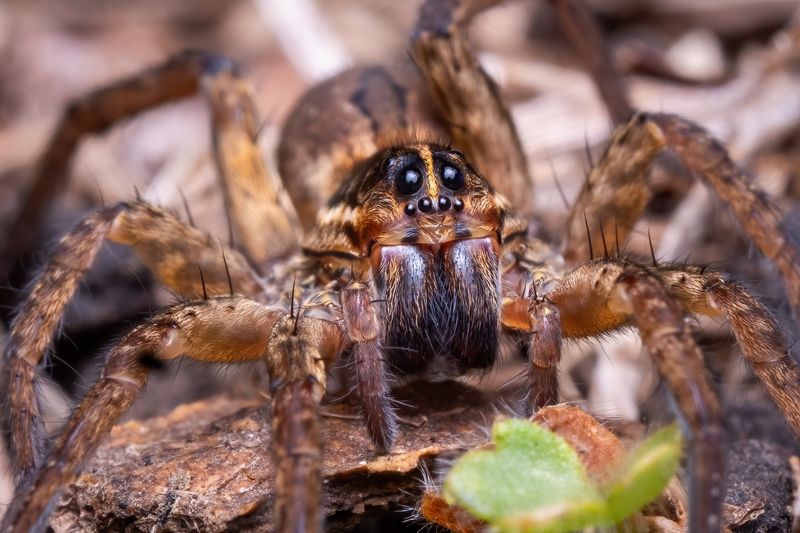
A flashlight swept across a wet lawn at night might reveal dozens of tiny green sparkles staring back at you. Those glints come from wolf spider eyes, which reflect light like little cat eyes hiding in the grass.
Wolf spiders hunt on the ground instead of spinning webs, so soaked mulch and soggy soil push them upward. Some end up wandering under doors, which can startle anyone heading to the kitchen for a late snack.
Females carry egg sacs attached to their spinnerets, and later the babies ride piggyback on their mother’s back. I still think that fuzzy backpack of spiderlings is one of the coolest sights in any garden.
Most spiders you find after a flood are harmless to people and helpful in gardens because they eat pest insects. Wolf spider bites are rare and usually cause mild pain, similar to a bee sting for most people.
The state does host widow spiders, including the southern black widow and the brown widow, so stay careful around debris. Brown widows often build tangled webs under patio furniture, and their egg sacs look like spiky little balls.
Wearing gloves while moving storm debris or reaching into dark storage bins lowers your chance of a surprise bite. Shake out boots and garden gloves left outside before slipping them on, especially after heavy rain.
Sealing gaps under doors with weather stripping helps keep wandering spiders outdoors where they belong. Pulling mulch a few inches away from your foundation also gives them fewer reasons to camp near the walls.