The Simple Step That Gets A Florida Christmas Cactus Blooming By December
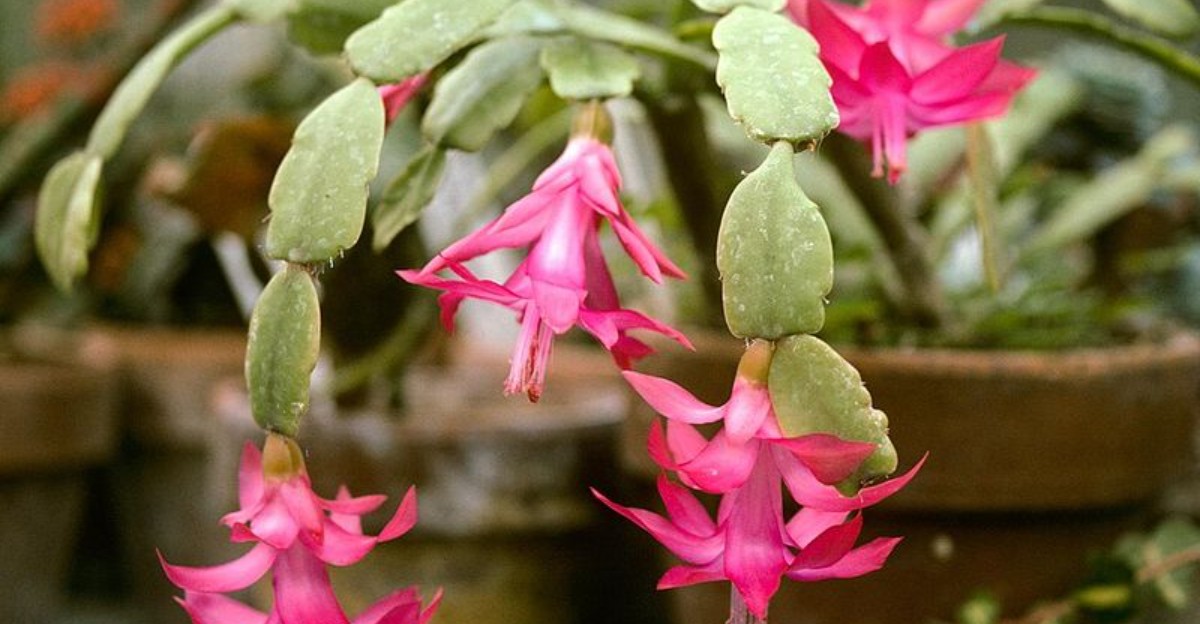
There is nothing quite like waiting all year for a Christmas cactus to put on a show, only to get a pot full of green leaves for the holidays. In Florida, that can happen more easily than you might think.
The culprit is not always poor care. Sometimes the plant simply has no reason to believe Christmas is coming.
Our mild fall weather can blur the seasonal signals that normally tell a Christmas cactus it is time to set buds.
Luckily, you do not need to move mountains to change that. One small tweak can give the plant the nudge it needs, and the timing is more important than the effort.
Get it right, and those bright blooms can arrive just in time for the holiday table. Get it wrong, and December may come and go while your cactus sits there looking completely unbothered.
1. Darkness Is What Triggers The Blooms
Most plants want more light to grow better. Christmas cacti are a little different, and that surprises plenty of Florida gardeners.
Experts call them short-day plants. That means they form flower buds when nights grow long and days grow short.
In their home forests in Brazil, autumn brings longer nights. The plant reads those dark hours like a calendar and gets ready to bloom.
Florida makes this tricky in a few ways. Our homes stay bright with porch lights, TV screens, and street lamps shining through the glass.
Your plant may sense all that glow and think summer is still going strong. So it keeps making green stems instead of flowers.
Fun fact: plants measure the length of the night, not the day. Scientists learned this by flashing a short light in the middle of the night, which reset the plant timer.
Once you understand this, everything else in this guide makes sense. The simple step is giving your cactus long, steady nights.
Think of darkness as the alarm clock for blooms. Without it, your plant may sleep right through the holidays.
You do not need special tools or fancy fertilizer to make this happen. A little planning and a dark spot are enough to start.
Next, let us look at just how much darkness your plant wants each night. The number may surprise you.
2. It Needs At Least 12 Hours Of Darkness Each Night
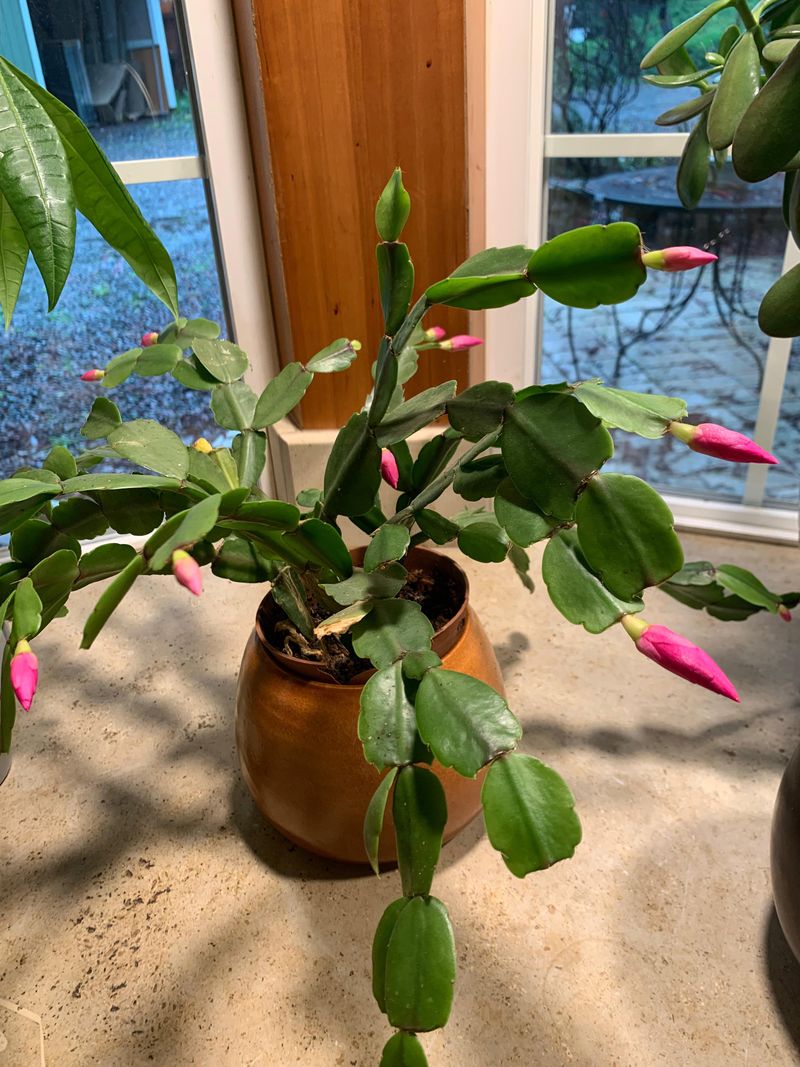
Twelve hours sounds like a lot, right? For a Christmas cactus, that can be enough to trigger flowering when nighttime temperatures are in the right range.
Most experts suggest 12 to 14 hours of steady darkness every night. That means if you cover the plant at 6 PM, it stays dark until about 7 or 8 AM.
Here is the catch that trips people up. The dark period should be unbroken, without any quick flashes of light.
Flipping on a bathroom light for a minute can confuse the plant. It may treat that short burst as a new morning and restart its count.
That sounds fussy, but it is easy once you build a habit. Pick a set time that fits your evening schedule and stick with it.
Your Florida Garden Changes Every Week. Your Plan Should Too.
Gardening in Florida changes quickly throughout the season. Every Friday you’ll receive a simple weekly plan showing exactly what to plant, prune, fertilize, harvest, and protect so you never miss the right timing.
Many Florida families like a 5 PM to 7 AM window. It lines up nicely with dinner time and breakfast.
During the day, your cactus still enjoys bright, indirect light. A spot near an east window or a shaded porch works well for those daylight hours.
Sunlight helps the plant make energy for the flowers to come. Darkness tells it when to spend that energy.
Write your start and stop times on a sticky note near the plant. A simple reminder keeps the whole family on the same page.
3. Keep It Away From Lamps At Night Through December
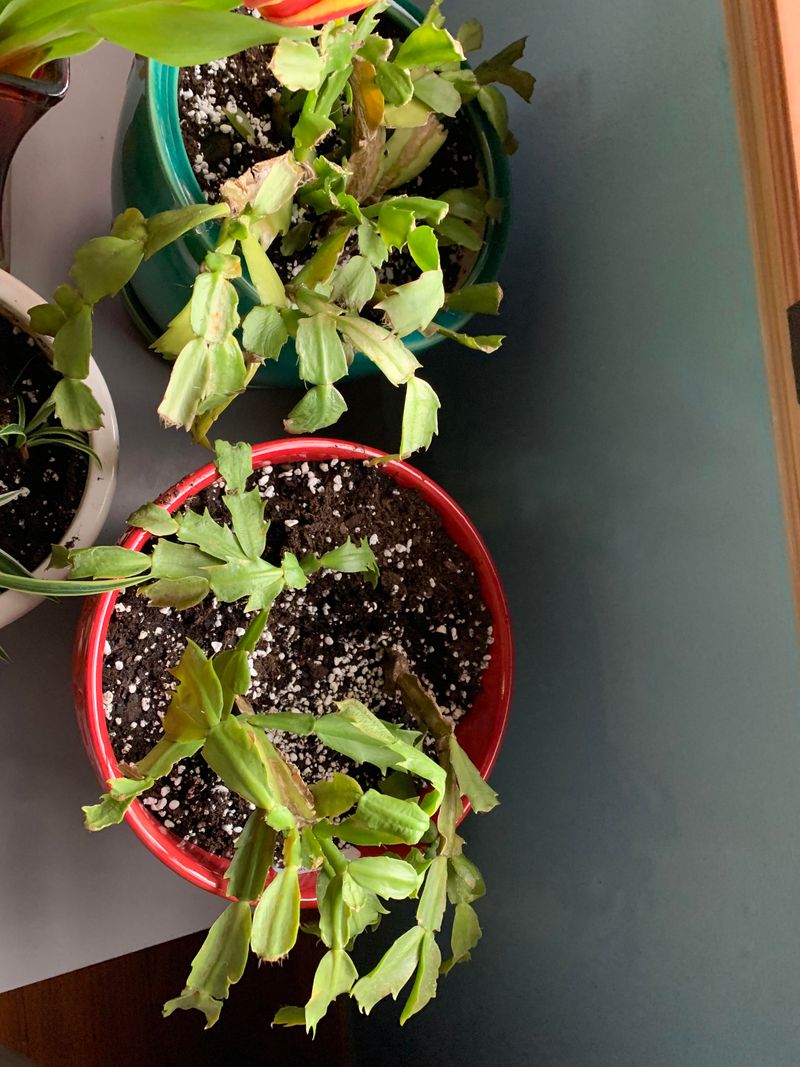
Picture your cozy living room on a fall evening. The lamp is glowing, the TV is on, and your cactus sits right next to all of it.
To you, that soft glow feels relaxing. To the plant, it feels like the sun refuses to set.
Even small amounts of indoor light can block bud growth. Lamps, ceiling lights, and bright screens all count.
Outdoor sources matter too. Porch lights, pool lights, and street lamps can sneak through blinds and shine on a windowsill.
Walk around your home after sunset and look for a truly dim corner. A guest room or spare bedroom that rarely gets used is often a winner.
Try this quick test. If you can easily read a book in that spot at night, it is probably too bright for your cactus.
Keep up this light-free routine through the bud stage and into December. Once flowers open, you can relax and enjoy them anywhere you like.
Holiday decorations deserve a mention here. Twinkle lights look festive, but they can confuse a plant still setting buds.
So hold off on placing your cactus beside the tree until blooms appear. Your patience will pay off with a much brighter display.
4. A Closet Can Do The Job Each Evening
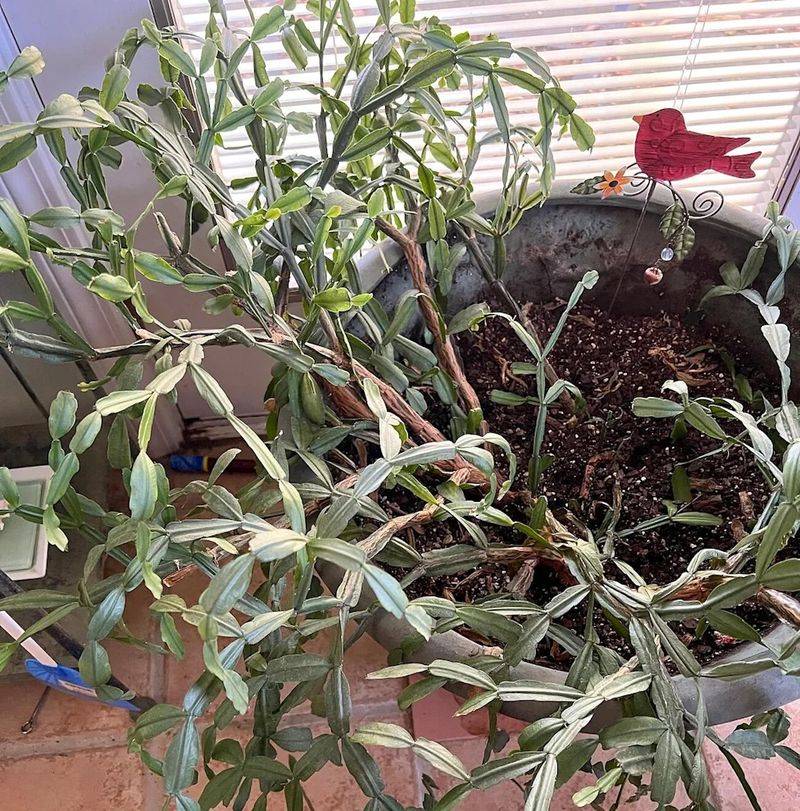
My neighbor calls her hall closet the flower factory. Every fall, her cactus spends its nights tucked between winter coats she rarely needs in Florida.
A closet is one of the easiest ways to give your plant total darkness. Just carry it in each evening and bring it back out each morning.
No closet space? A large cardboard box flipped over the plant works nicely too.
Make sure the box blocks light completely around the edges. A dark towel tucked around the bottom can help seal any gaps.
Some people use a spare cabinet or a dark laundry room. Any spot works as long as no light slips in during those long hours.
Consistency is the real secret here. Missing several nights can slow down or stop the bud process.
Set a phone alarm for the evening move and the morning return. It turns into a little ritual, like walking the dog or feeding the cat.
Kids can help with this job too. It is a fun way to teach them how plants respond to the seasons.
Just remember to bring the plant back to its bright daytime spot. It still needs daylight to stay healthy and strong.
5. Six Weeks Of Long Nights Sets The Buds
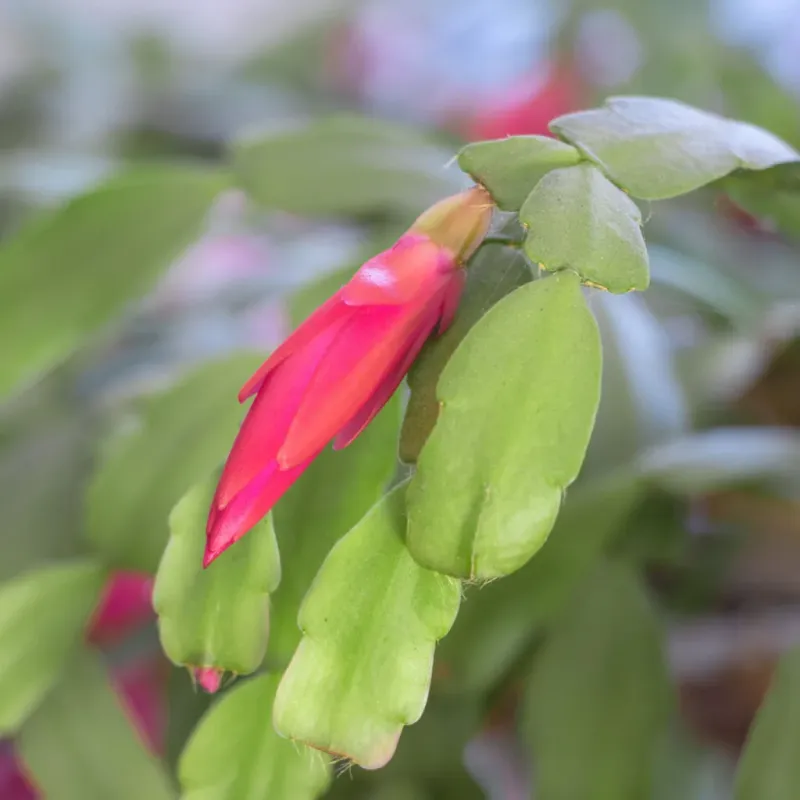
Patience is the hidden ingredient in this recipe. Your Christmas cactus needs around six weeks of long nights to set its buds.
During the first few weeks, you may not notice any change. The plant is busy working on the inside, getting ready for its big moment.
Then one morning, you will spot tiny bumps on the stem tips. They often look pink, red, or purple, depending on your flower color.
That is your sign the darkness routine is working. Celebrate a little, because those bumps grow into the flowers you have been waiting for.
Many growers keep up the dark nights until the buds look clearly formed. After that, the plant can usually finish the job with less help.
Here is a handy tip for staying on track. Mark your calendar on day one and count forward six weeks.
Watering stays light during this stretch. Let the top inch of soil dry before giving it a drink, since soggy roots can cause trouble.
Skip heavy feeding while buds develop. A plant that is pushed with fertilizer may focus on leaves instead of flowers.
Steady habits and gentle care make the biggest difference over these six weeks. Slow and steady truly wins this race.
6. Start Mid-October For Blooms Before Christmas
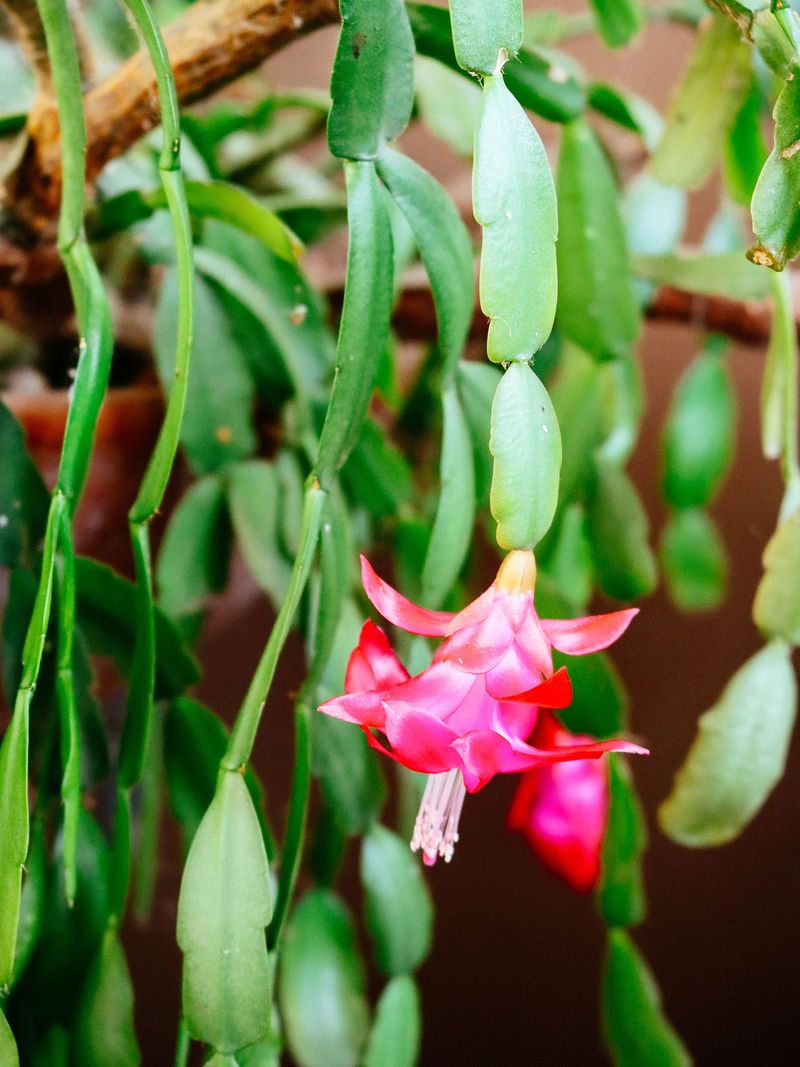
Timing is everything, especially when Santa is on the schedule. If you want flowers by December, mid-October is your sweet spot.
Here is the simple math. Six weeks of darkness, plus a few weeks for buds to open, lands you right in the holiday season.
Starting in late September works too if you want earlier blooms. Some growers like that head start in case cool weather comes late.
Start too late, and you may see flowers in January instead. That is still pretty, just not quite the festive timing you hoped for.
Mid-October also fits nicely with the Florida climate. Nights finally begin to cool a little, which helps the process along.
Try picking a date that is easy to remember. Columbus Day weekend or the middle of the month makes a handy starting line.
Before you begin, give your plant a quick checkup. Remove any yellow stems and make sure the pot drains well.
A healthy plant handles the bud stage more easily. Think of it as a warm-up stretch before the big race.
Once you start, stick with the routine each evening. A strong start in October sets you up for a cheerful December.
7. Cooler Nights Help Too
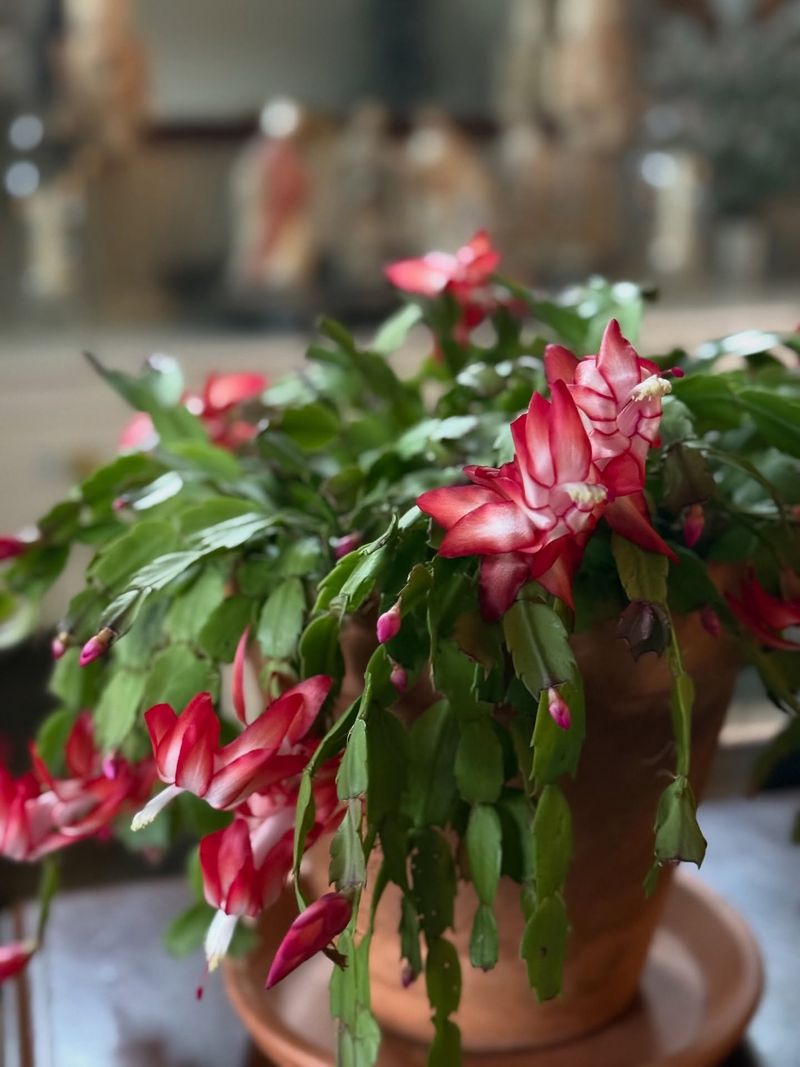
Florida is famous for warm weather, and that is lovely for beach days. For a Christmas cactus, though, a little chill works like magic.
Ideal nights fall between 55 and 65 degrees Fahrenheit. Days around 65 to 70 degrees keep the plant comfortable.
Here is a cool fact. Nights near 55 degrees can trigger blooms in about five or six weeks, even without perfect darkness.
On the flip side, nights that stay above 65 degrees may slow flower growth. That is a common hurdle in South and Central Florida.
So what can you do? Try a screened porch or shaded patio on cooler evenings, or set the plant in your coolest indoor room.
Keep an eye on the forecast, though. Protect your cactus from frost, because freezing air can harm those tender stems.
Heat vents and cold drafts both cause stress. Keep the plant away from air conditioners blowing directly on it and drafty doors.
North Florida gardeners often have an easier time here. Cooler fall nights arrive earlier up near Tallahassee and Pensacola.
Combine cool nights with long darkness, and you give your plant a double boost. It is like turning up the volume on its bloom signal.
8. Avoid Big Moves Once Buds Form
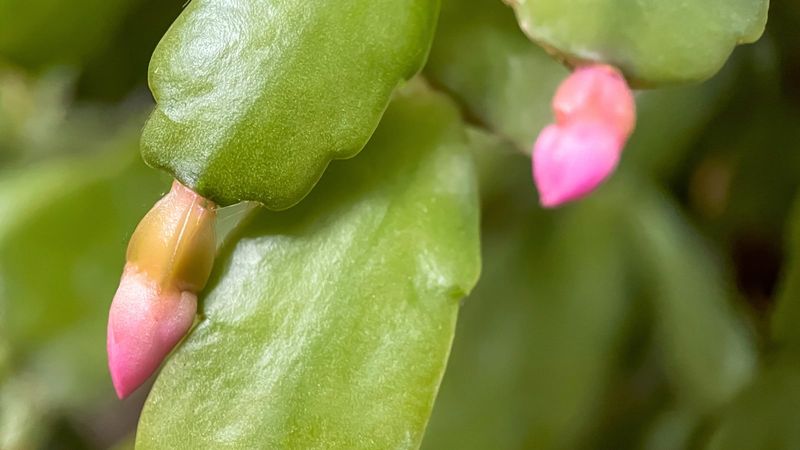
Nothing stings quite like finding flower buds scattered on the floor. Sadly, this happens a lot when a plant gets moved around too much.
Once buds form, your cactus prefers a calm, steady life. Big shifts in light, heat, or location can cause bud drop.
Buds are delicate, a bit like a cake rising in the oven. Open the door too often, and things may fall flat.
So once you see plump buds, pick a final spot and let it stay put. Your nightly closet trips can usually end at this stage.
Keep watering steady too. Sudden dry spells followed by a flood can stress the plant and loosen buds.
Watch out for hot car rides or chilly drafts if you plan to gift the plant. Wrap it gently and move it quickly from place to place.
Avoid making unnecessary changes once buds appear. Sudden changes in light, temperature, or humidity can cause buds to drop, so give the plant a steady spot and leave it alone as much as possible.
If you must make a change, do it gradually. Slide the plant a few feet at a time over several days.
A peaceful home leads to a fuller show. Let your cactus settle in and enjoy the moment it finally opens up.
9. Check Whether You Have A Thanksgiving Cactus Instead
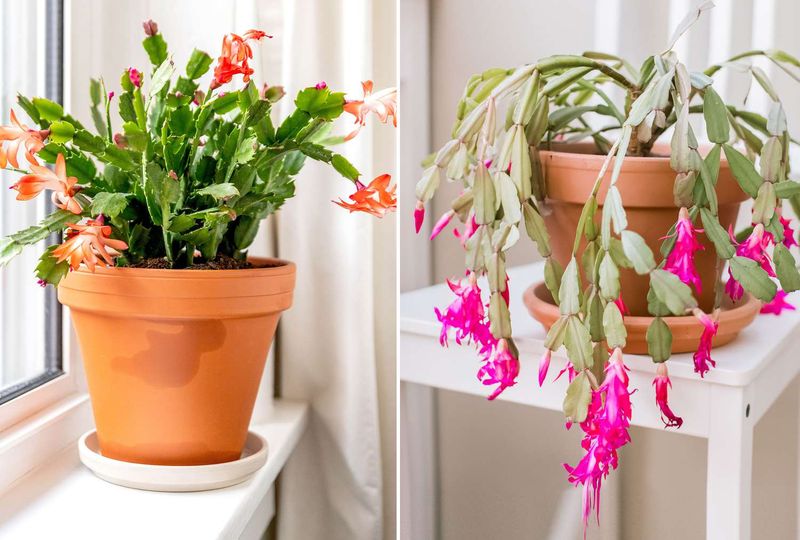
Plot twist: your Christmas cactus might not be a Christmas cactus at all. Many plants sold in stores are actually Thanksgiving cacti.
Both belong to the same genus, Schlumbergera, and they can look remarkably similar. They look so alike that even garden centers mix up the labels.
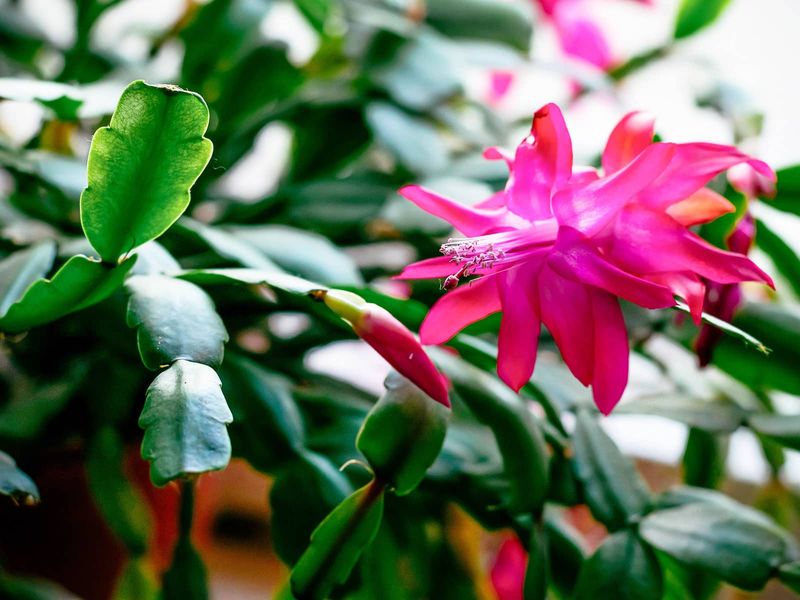
The easiest way to tell them apart is to look at the stem edges. Thanksgiving cacti have sharp, pointy tips that look like little claws.
True Christmas cacti have smoother, rounded edges. Some people describe them as scalloped or teardrop shaped.
Why does this matter? Thanksgiving cacti often bloom earlier, usually in November.
So if your plant flowers before December, it may be doing just what nature planned. That is not a mistake, just a different holiday schedule.
The good news is that care for both is nearly the same. Long dark nights and cool temperatures help each one bloom.
If you have a Thanksgiving type and want December flowers, start the dark routine a little later. Early November can shift the bloom closer to Christmas.
Fun fact: there is also an Easter cactus that blooms in spring. It seems these plants love a good holiday party as much as we do.