Is It Too Late to Plant Tulips and Daffodils in Virginia? What to Know Before December
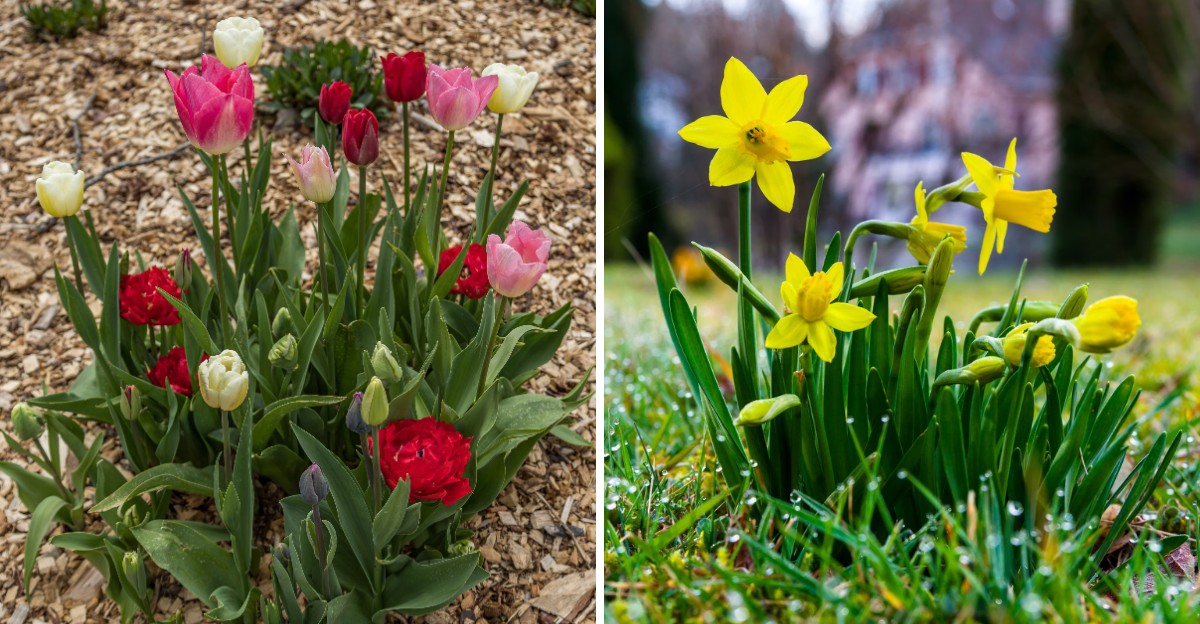
Some of the most cheerful spring flowers in Virginia go into the ground after the first frost, and a few gardeners plant them as late as Christmas week. That timing sounds backward, but it works.
I love that a paper bag of forgotten brown lumps can still turn into a March parade of color. Those bulbs sitting in your garage are not ruined yet. They are mostly just waiting for the right moment.
The calendar says late, but the soil may say something else entirely. Cool ground, a little patience, and a decent shovel matter more than the date on your phone. You need only a few free afternoons before the ground turns hard.
So how late is too late, and what separates a stunning spring show from a few sad green leaves? The answer depends on your corner of the state and one simple soil check.
Those Forgotten Bulbs in Your Garage Still Have a Shot
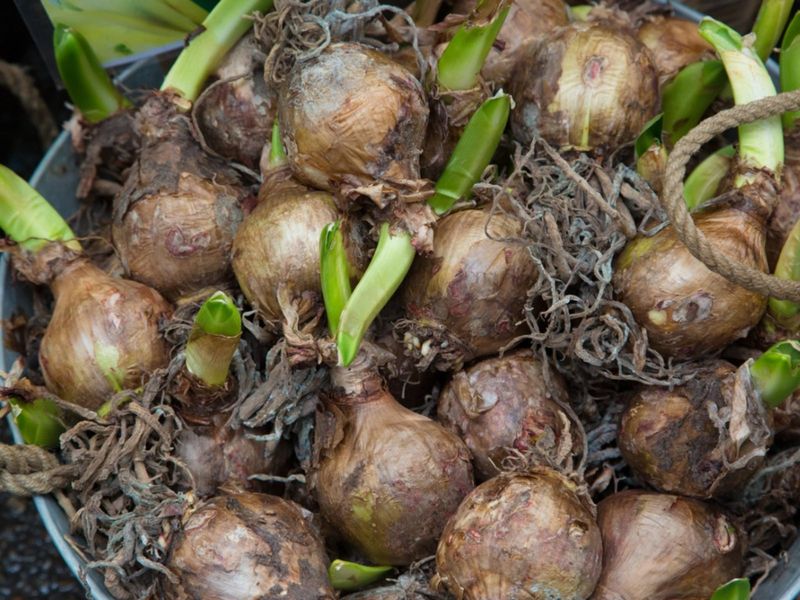
Bulb bags tucked behind the rake are one of the most common sights in a December garage. I have been guilty of this more than once, and the bulbs still bloomed.
Tulips and daffodils are tougher than most people expect. Planting in December is fine across much of the region, as long as the ground is not frozen solid and you can still dig a proper hole.
The catch is root time. Bulbs need roughly six weeks of cool, workable soil to grow roots before a deep freeze locks things up.
Luckily, many lowland and coastal areas stay diggable well into winter, which gives late planters a real chance.
Before you grab the shovel, check the bulbs themselves. Give each one a gentle squeeze.
A healthy bulb feels firm and heavy, a bit like a fresh onion. Toss any that feel mushy, smell sour, or show fuzzy blue-green mold.
Small dry spots on the papery skin are usually harmless.
Shriveled, lightweight bulbs have likely dried out too much to flower well. You can still plant them as an experiment, but keep your hopes modest.
Late bulbs often bloom a week or two behind schedule in their first spring. Flowers may be a little shorter, too.
That small tradeoff beats leaving them to rot in the bag.
Your Corner of Virginia Sets the Bulb Planting Deadline
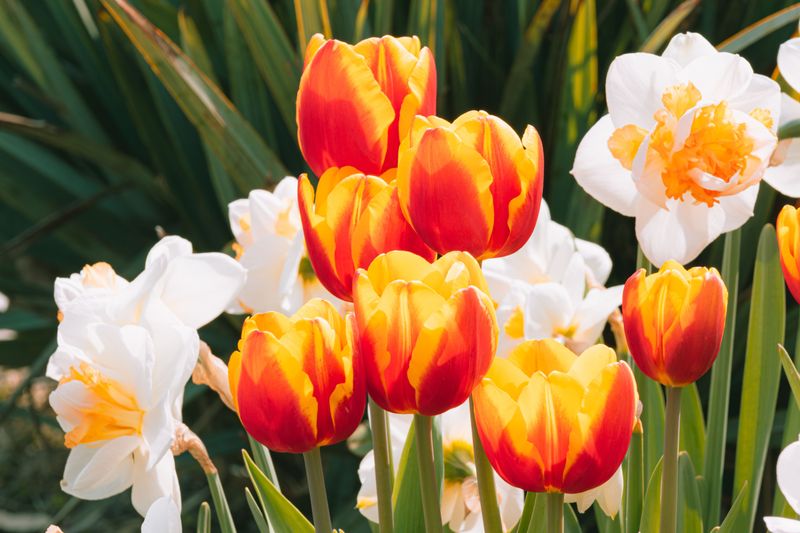
Geography matters a lot here. Virginia stretches from chilly mountain valleys to the warm Atlantic shore, spanning roughly USDA zones 6a through 8a, so one planting date cannot fit everyone.
In the Shenandoah Valley, the Blue Ridge, and much of Northern Virginia, the sweet spot usually runs from late October through mid-November. Higher elevations in the southwest can freeze earlier, so December planting there is riskier.
Central Virginia, including Richmond and Charlottesville, often does best in early to mid-November. Still, plenty of gardeners there plant successfully into early December during mild years.
Hampton Roads, the Eastern Shore, and the Tidewater region play by different rules. Ocean air keeps soil warm longer, so late November through mid-December is often ideal there.
Honestly, this is my favorite fact for coastal gardeners. Planting “late” in Virginia Beach may actually be planting right on time.
Microclimates add another twist. A bed against a south-facing brick wall warms faster than a shady low spot where cold air settles.
Pay attention to your own yard. If you are in a frost pocket or at elevation, aim for the earlier end of your window and do not wait for a long holiday weekend.
A Simple Soil Thermometer Tells You When Tulips Are Ready
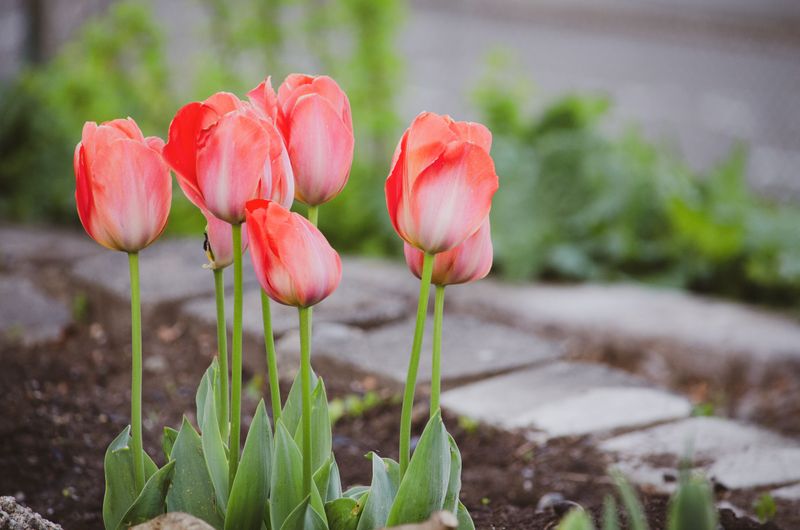
Here is a tool that costs less than a bag of bulbs and answers the biggest timing question. A basic soil thermometer takes the guesswork out of fall planting.
Spring bulbs like to go in once soil about six inches deep cools below roughly 55 degrees Fahrenheit. That usually happens a couple of weeks after your first frost, though the timing shifts every year.
Why does the number matter so much? Cool soil tells bulbs to grow roots, not leaves.
Plant into warm ground during an October heat spell, and some bulbs may push up foliage too soon. Warm, damp soil also raises the risk of rot and fungal trouble, especially with tulips.
To check, push the probe down to bulb depth in the morning, when readings are most honest. Take a few readings over several days instead of trusting one warm afternoon.
No thermometer handy? Watch the trees.
When most local maples and oaks have dropped their leaves and nights regularly dip into the 30s and 40s, your soil is usually cool enough.
Once you hit that range, do not overthink it. Get the bulbs in the ground and let them start their underground work.
Tulip Bulbs Need a Long Winter Chill to Bloom
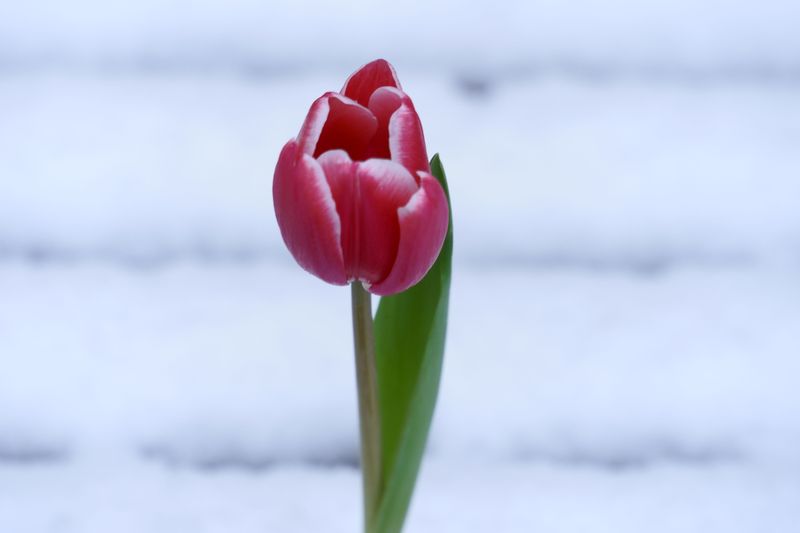
Flowers do not form by luck. Tulips need a long stretch of cold, often around 12 to 16 weeks, before they are ready to bloom.
During that chilly period, chemical changes happen inside the bulb. Without enough cold, stems can stay short and flowers may open low among the leaves or skip blooming.
Across most of the state, winter supplies that chill naturally. A November or early December planting usually gets plenty of cold weather before spring arrives.
Things get trickier in the warmest coastal spots during mild winters. If you plan to plant tulips very late, some growers suggest pre-chilling them in the refrigerator for about 10 to 12 weeks first.
Store them in a paper or mesh bag, not plastic. Keep them far away from apples, bananas, and other ripening fruit.
Fruit gives off ethylene gas, which can damage the flower bud hiding inside the bulb. Many gardeners learn this one the hard way.
Daffodils are more relaxed about chilling. Most need less cold than tulips, so they are a smart pick for late planters in warmer areas.
Fun fact: in the 1630s, single tulip bulbs in Holland sold for prices higher than some houses.
Pointy Side Up and Planted Deep Gives Daffodils a Strong Start
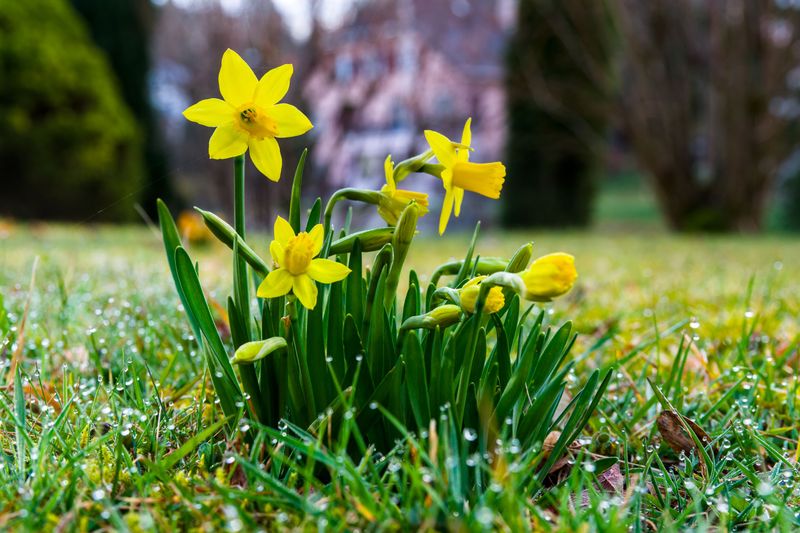
Good planting habits can make up for a late start. When you are racing the cold, it helps to get the details right the first time.
Pick a spot with well-drained soil and at least six hours of sun. Bulbs sitting in soggy ground are likely to rot over winter, especially in heavy red clay.
Loosen the bed and mix in some compost if your soil is dense or very sandy. That small step improves drainage and gives roots an easier path.
A handy rule is to plant bulbs about three times as deep as they are tall. For most tulips, that means 6 to 8 inches, and for daffodils, about 6 inches.
Set each bulb with the pointed tip facing up and the flat root plate down. If you truly cannot tell, plant it on its side, and it will usually find its way.
Group bulbs in clusters of at least seven to ten. Clumps look fuller and more natural than single soldiers in a row.
Cover with soil, then water well to settle everything. That first drink helps roots get going quickly, which matters even more with a December planting.
A Blanket of Mulch Keeps Late Bulbs From Heaving
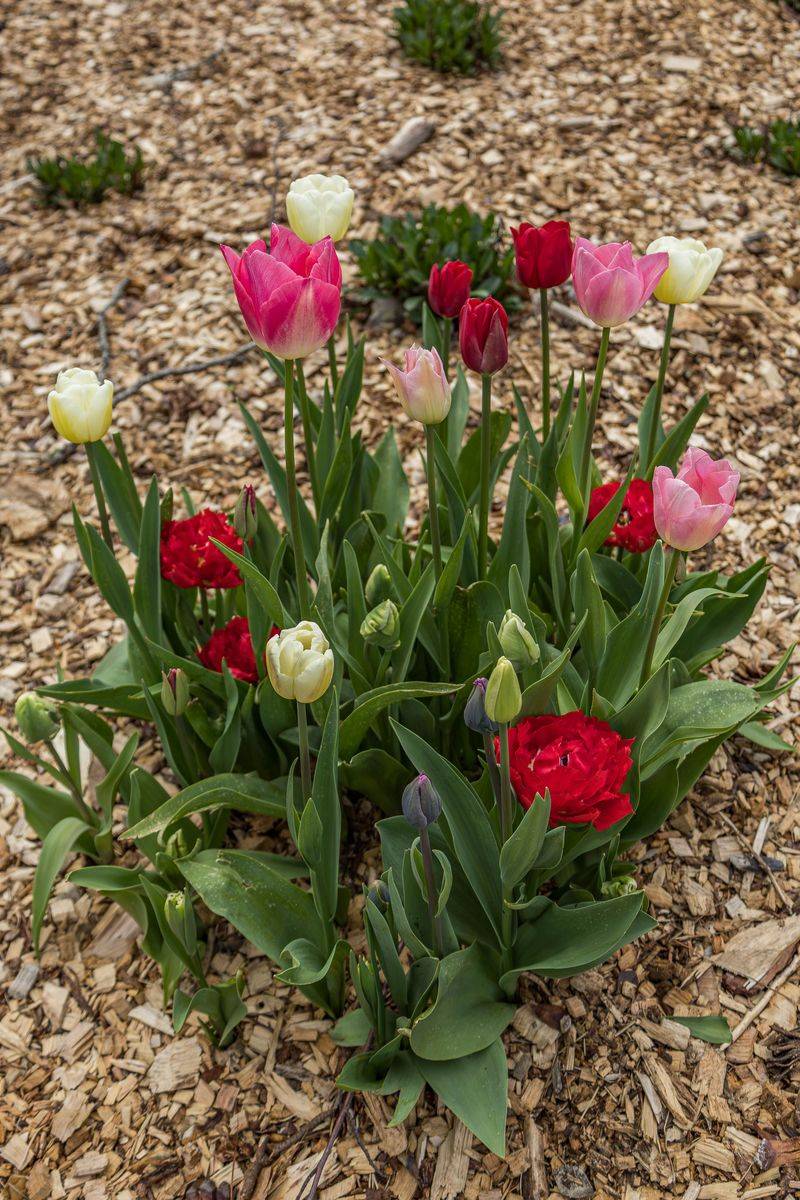
Winter in Virginia loves a seesaw. One week the ground freezes, and the next week it is sunny and 60 degrees.
That freeze and thaw pattern can push shallow or newly planted bulbs upward. Gardeners call this heaving, and it can leave roots torn and bulbs exposed to cold air.
A two to three inch layer of mulch helps calm those swings. Shredded leaves, pine straw, and shredded bark all work well.
Mulch also holds in moisture and keeps soil a little warmer for a few extra weeks. For December planters, that bonus gives roots more time to settle in.
Spread the mulch after you plant and water. Avoid piling it extremely thick, since heavy layers can stay wet and invite rot.
I like using chopped fall leaves from my own yard. They are free, easy to find in December, and break down into soil-friendly goodness by summer.
Check the bed after big temperature swings. If you spot a bulb poking out, gently press it back into the soil and add a bit more cover.
In early spring, pull mulch back slightly if shoots seem to struggle pushing through. Most will find their way just fine.
Squirrels and Deer Love Tulips but Skip the Daffodils
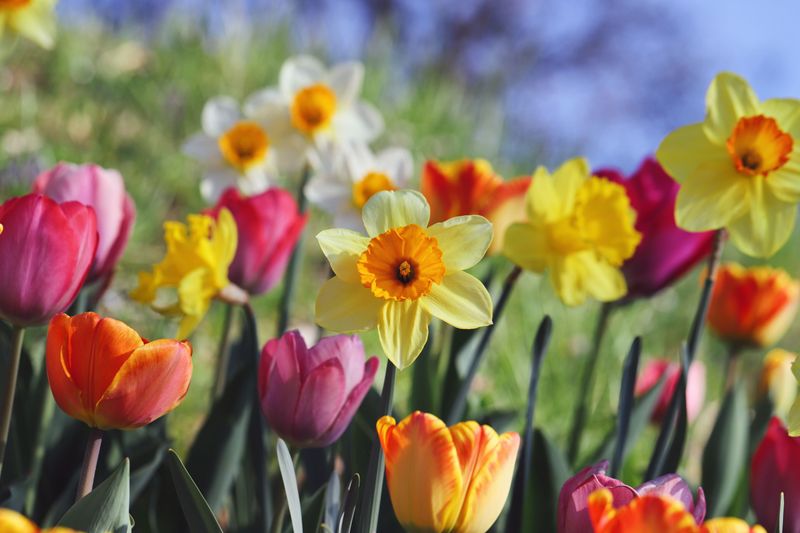
Nothing stings quite like finding neat little holes where your tulips used to be. Squirrels, voles, and chipmunks treat fresh tulip bulbs like snacks, and deer happily munch the leaves and buds in spring.
Daffodils are a different story. Their bulbs and foliage contain compounds called alkaloids, including lycorine, which make them unappealing to most animals.
That is why daffodils are such a dependable choice near woods or busy deer paths. Many gardeners plant them around tulip beds as a living border.
For tulips, a few tricks help. Lay chicken wire or hardware cloth flat over the planting area, then cover it with mulch so roots and shoots can grow through.
Some people tuck bulbs inside small wire cages for extra protection against voles. Cleaning up papery bulb skins after planting also helps, since that scent can tip off curious squirrels.
Deer repellent sprays can protect tulip foliage in spring. Reapply after heavy rain, and switch brands occasionally so deer do not get used to one smell.
Keep pets and kids in mind, too. Daffodil bulbs are toxic if eaten, so store any leftovers out of reach of curious paws and hands.
Daffodils Return for Years While Most Tulips Fade After One Spring
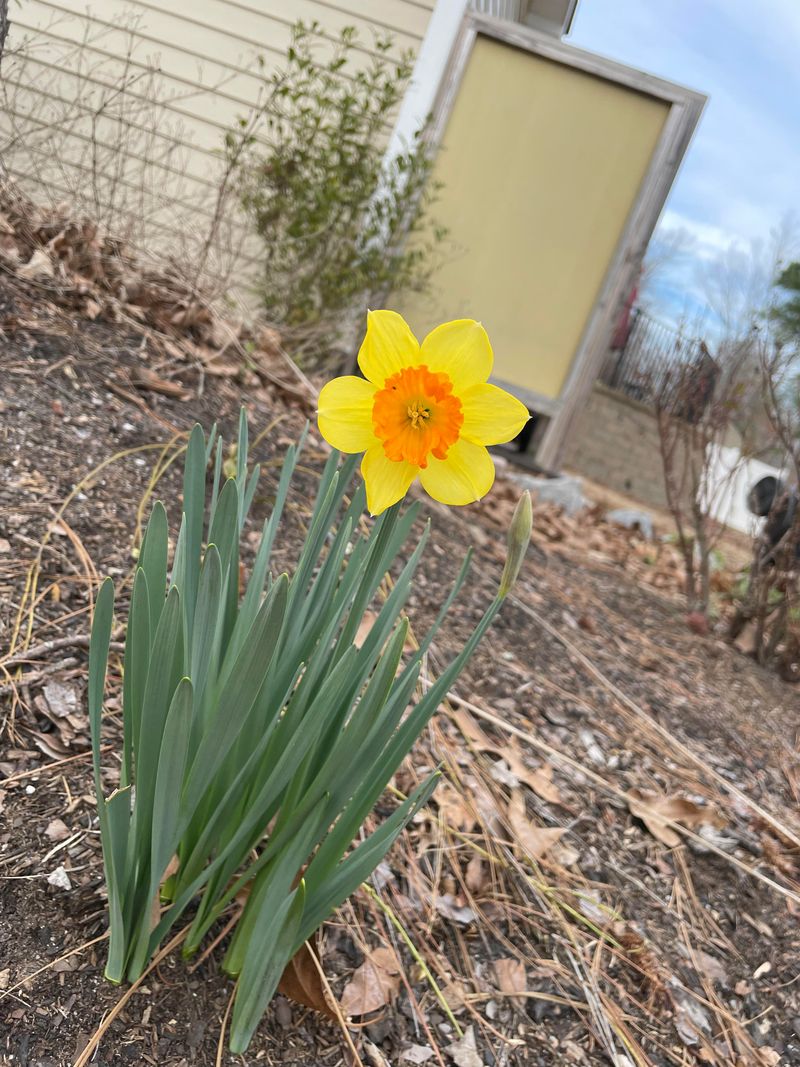
Spring is the reward for all that cold-weather digging. Daffodils often open first, sometimes as early as late February in warmer coastal spots, with most peaking in March.
Tulips follow from late March into May, depending on variety and weather. Late-planted bulbs may lag a bit in their first year, so do not panic if neighbors bloom first.
Here is a reality check worth knowing. Many tulips struggle to return in Virginia because hot, humid summers are tough on them.
Plenty of gardeners treat tulips like annuals and replant each fall. If you want repeat blooms, try Darwin Hybrid tulips or small species tulips, which tend to come back more reliably.
Daffodils are the champions of coming back. Many old farmsteads still have clumps that have bloomed for generations, and Gloucester County celebrates them with a yearly daffodil festival.
After flowers fade, snip off spent blooms but leave the leaves alone. Foliage feeds the bulb for next year, so let it yellow naturally for about six weeks.
Jot down where you planted, too. A quick note or photo now saves you from slicing into hidden bulbs next fall.
Then grab whatever is left in that bag and get planting.