The Virginia Trees You Can’t Cut Down Without A Permit
That chainsaw in your garage might be itching for work, but not every tree in your yard is yours to cut. Some come with strings attached.
Plenty of Virginia homeowners learn this the hard way. The smell of fresh sawdust can quickly turn into the sting of a hefty fine and a replanting order.
Some trees are protected because of their age, size, or history. Others stand in sensitive spots near streams, shorelines, or public roads.
A few belong partly to your neighbor, even if the trunk leans your way. Local ordinances add another layer, and the rules can change from one county to the next.
Knowing the rules before you cut can save money, stress, and a beautiful patch of shade. Find out which trees likely need a permit and how to stay on the right side of the law.
1. Heritage Trees Designated For Historic Or Cultural Value
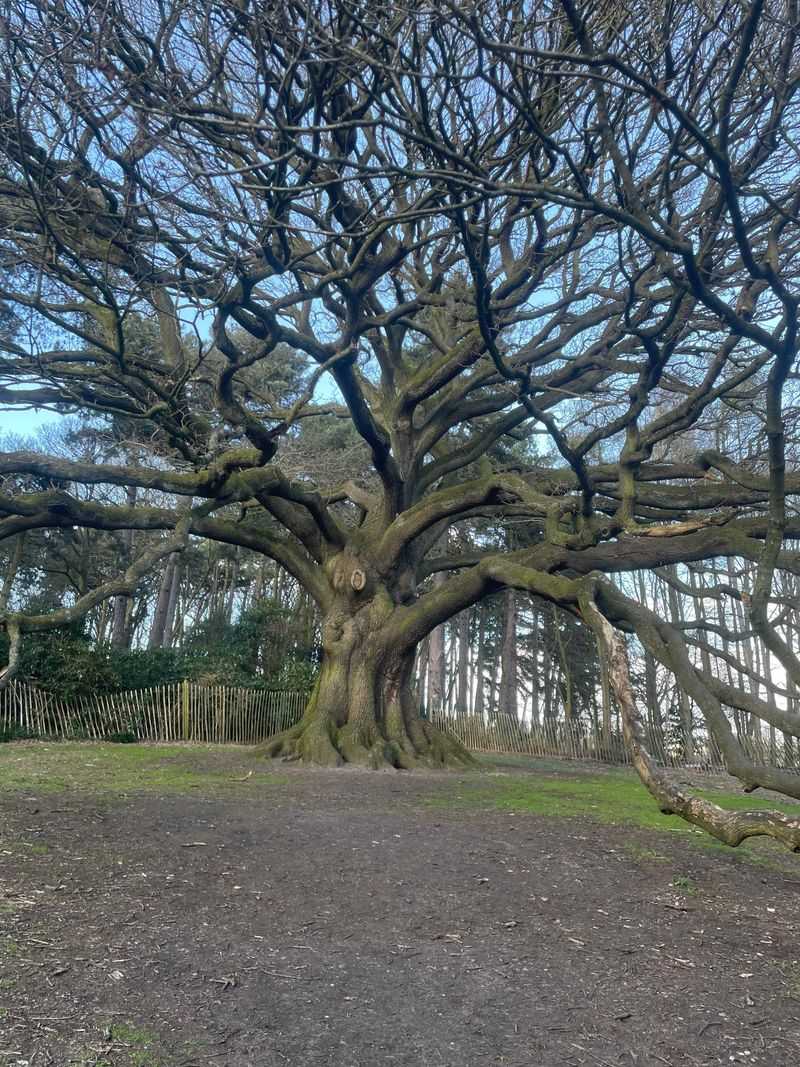
Some trees have watched generations come and go from the same patch of Virginia soil. Heritage trees earn special status because of their age, history, or role in a community.
A big trunk alone doesn’t do it, though. A tree only becomes a heritage tree when a local government officially designates it by ordinance, after an arborist or urban forester weighs in.
Arborists often size up big trees by diameter at breast height, or DBH, measured 4.5 feet above the ground. That number can help make a tree’s case, but the official designation is what actually protects it.
Protection for these giants is the strongest you will find. Removal usually gets approved only when a tree has expired, poses a real hazard, or damages structures unavoidably.
Extra steps can pile up quickly. Some requests need a public hearing or approval from a local tree commission before anyone touches a branch.
State law backs these local rules too. Virginia Code section 10.1-1127.1 lets counties, cities, and towns adopt ordinances that preserve heritage trees.
Curious whether your yard holds one? Call your local planning office and ask if any trees on your lot appear on a heritage list.
Paperwork from a home purchase can help as well. Look through surveys and closing documents, since designations sometimes show up there.
Fun fact for history buffs: some heritage trees predate the American Revolution. Imagine a tree that offered shade when horses, not cars, lined the roads.
Treat these elders with care, and get an arborist involved early. A healthy pruning plan can often solve problems without removal.
2. Specimen Trees Honored For Outstanding Size And Quality
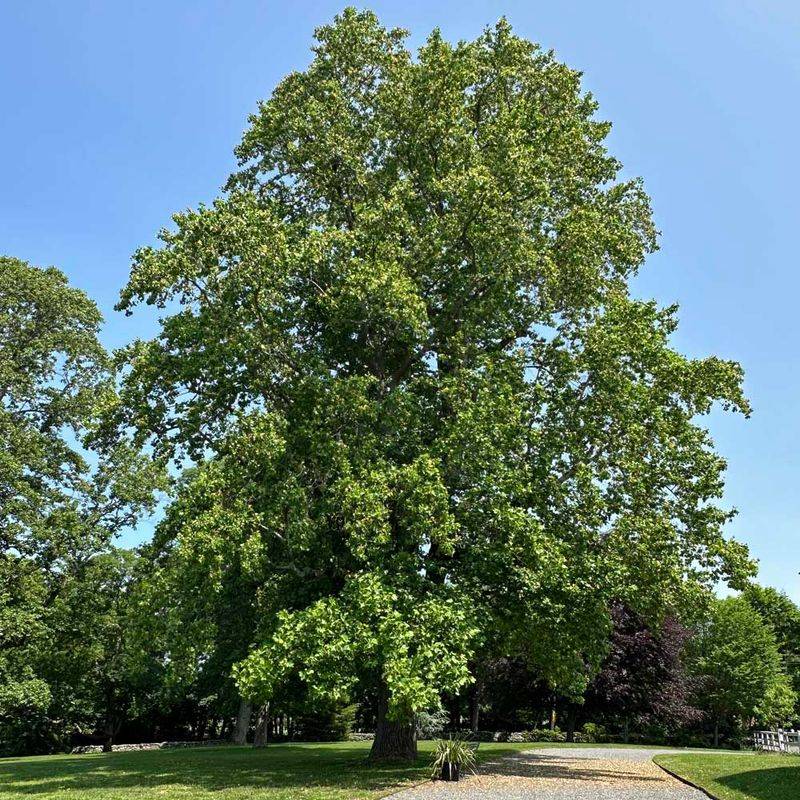
Think of specimen trees as the blue-ribbon winners of the tree world. They stand out for their size, shape, health, and overall quality compared to others of their kind.
Like heritage trees, specimen trees have to be officially designated by the local government. Each town writes its own criteria, so the details can shift from place to place.
Arlington County, for example, picks specimen trees based on outstanding size and quality for their species. A stunning white oak or tulip poplar might easily make the cut.
Your Virginia Garden Changes Every Week. Your Plan Should Too.
Gardening in Virginia changes quickly throughout the season. Every Friday you’ll receive a simple weekly plan showing exactly what to plant, prune, fertilize, harvest, and protect so you never miss the right timing.
Removal generally needs a permit. Falls Church grants one only if the tree is unhealthy or creates a danger to people or property.
Healthy trees come with a bigger price tag if removed. Some communities require several new trees to replace a single specimen tree.
Here is a helpful habit for homeowners. Snap photos of your large trees each season so you have a record of their condition over time.
Those pictures can support a permit request later. They also help an arborist spot slow changes, like thinning leaves or peeling bark.
Planning a patio or addition? Keep heavy equipment away from the root zone, which often spreads wider than the branches above.
Root damage can quietly weaken a prized tree for years. Fencing off the area during construction is a cheap and smart safeguard.
Talk with your local urban forester before big yard projects. A quick conversation can prevent costly mistakes with a champion tree.
3. Memorial Trees Planted To Honor A Person Or Event
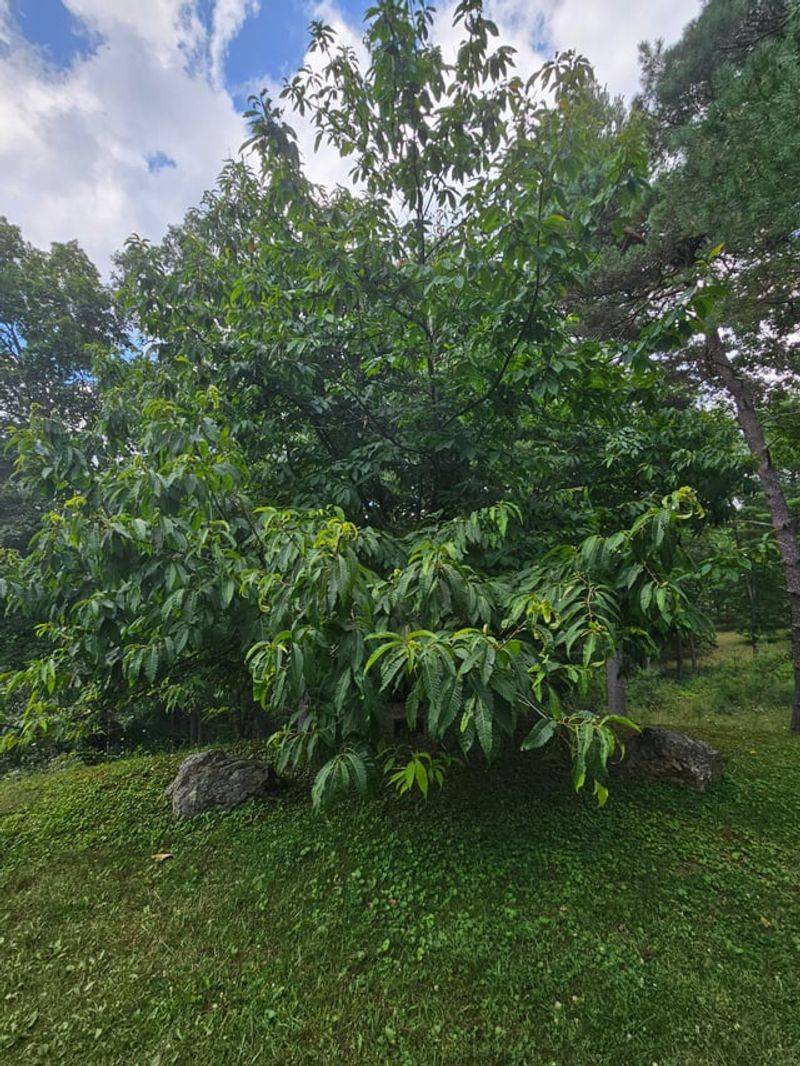
A small stone plaque rests at the base of a maple in a quiet Virginia park. Someone planted that tree to remember a loved one, and the community promised to protect it.
Memorial trees honor people, anniversaries, or important local events. Their value comes from meaning rather than size, so even young trees can qualify.
Local governments can designate and protect them through specific ordinances. The same state code section, 10.1-1127.1, gives towns this power.
Arlington County lists memorial trees among those shielded from removal or injury. Damaging one could bring fines or required replacement.
Permit rules vary by locality. Your best move is to contact the planning or zoning office before cutting anything with a plaque nearby.
Families planting a tribute tree can take a few helpful steps. Choose a native species suited to the site, like a redbud, dogwood, or swamp white oak.
Ask the city about official designation if you want lasting protection. A formal record helps future owners understand the tree is special.
Buying a home with a memorial tree on it? Reach out to the family if possible, since many appreciate hearing the tree is cared for.
Gentle care keeps these trees thriving for decades. Water deeply during dry spells and spread mulch in a wide ring, keeping it off the trunk.
Every new leaf carries a story. Treating these trees kindly honors both nature and the people they celebrate.
4. Street Trees Along Public Roads And Sidewalks
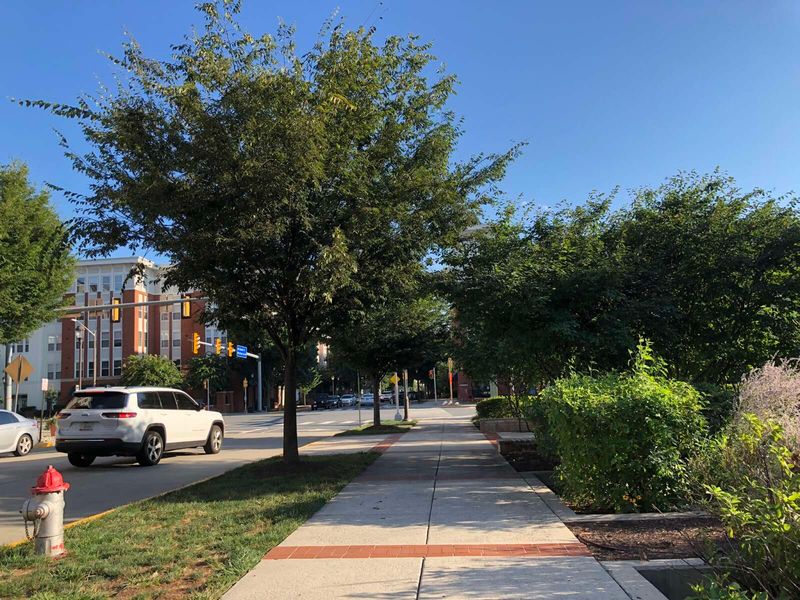
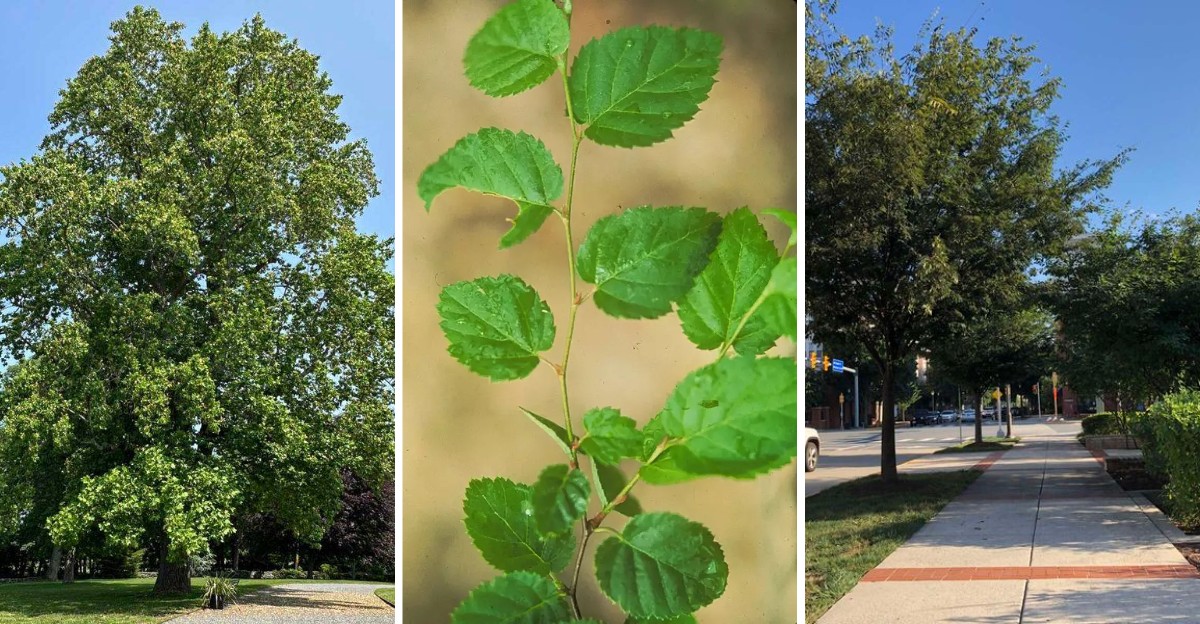
Ever notice the shady trees between the sidewalk and the curb? Many folks assume those belong to the homeowner, but often they belong to the city.
Street trees grow in the public right-of-way or get planted on private land with government approval. Local cities and counties usually manage them.
Falls Church makes the rule clear. Trees within street rights-of-way belong to the City, even when they stand right in front of your house.
Removing a street tree normally requires a permit. In many places, the city or its contractors handle the actual work.
Local ordinances often set size limits and replanting rules. A removed tree may need a replacement in the same spot or nearby.
Got a problem with roots lifting the sidewalk? Report it to public works instead of grabbing a saw yourself.
Cities often have programs for pruning, inspection, and even free plantings. Some will add a tree to your strip if you request one.
Here is a neat bonus. Street trees cool pavement, slow stormwater, and can raise nearby home values, according to many urban forestry studies.
Want to help a young street tree? A few gallons of water each week during hot summers makes a real difference.
Just skip heavy pruning or nailing signs to the trunk. Small wounds can let in pests and disease, and the city may not be pleased.
5. Trees Inside Chesapeake Bay Resource Protection Areas
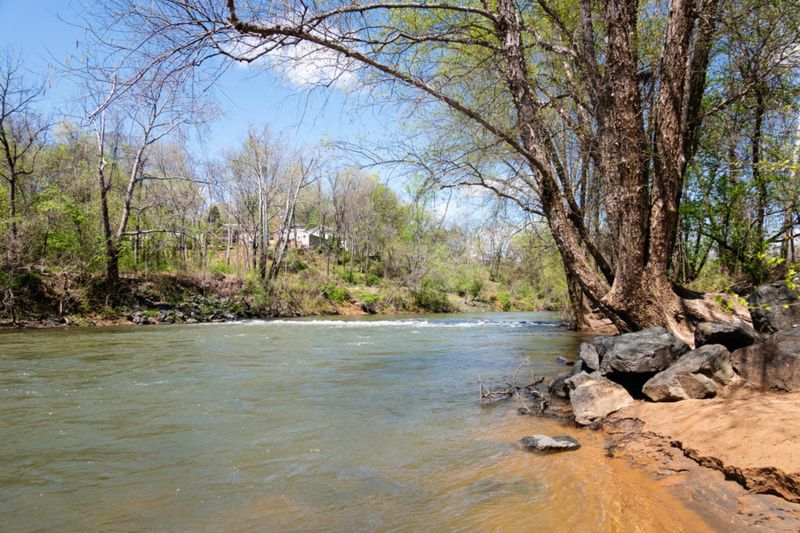
Picture a creek winding toward the Chesapeake Bay, lined with tall trees. Those roots act like a living filter, catching soil and pollution before it reaches the water.
In Tidewater Virginia, the Chesapeake Bay Preservation Act protects trees in Resource Protection Areas, called RPAs. These buffers are usually 100 feet wide along wetlands and streams.
Healthy trees in an RPA generally cannot come down without local approval first. Reviews can be detailed and take time.
Expect requests for an arborist report. Some projects also need a Water Quality Impact Assessment, known as a WQIA.
Hazardous, diseased, or lifeless trees can often be removed with a permit. Even then, planting new trees is frequently part of the deal.
Replacement ratios give a sense of the rules. Many localities ask for one new tree per lifeless tree, and two for a diseased or declining one.
Not sure if your property sits in an RPA? Check your county GIS map, which usually shows buffer lines in color.
Waterfront owners should be extra careful with view clearing. Trimming for a better look at the water may still need approval.
Native shrubs and trees make great buffer plantings. Bald cypress, river birch, and sweetbay magnolia handle wet feet nicely.
Protecting these buffers helps crabs, oysters, and fish downstream. Your backyard choices truly ripple out into the Bay.
6. Trees Covered By A Conservation Easement
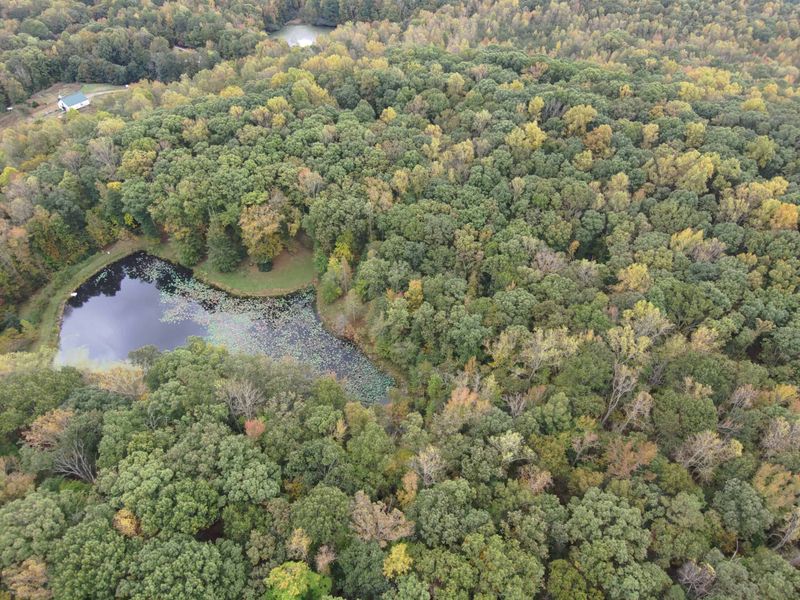
Owning land does not mean every tree on it is yours to cut. A conservation easement can quietly limit what happens to the woods on your property.
These legal agreements restrict land use to protect natural resources. Owners or past owners often sign them to safeguard habitat, farmland, or forests.
Easement terms may limit tree removal, pruning, or even mowing in certain zones. Those rules are legally binding and usually follow the land when it sells.
Before cutting, read the easement document carefully. Restrictions can differ a lot from one property to the next.
Approval or a waiver from the oversight group is often needed. That might be a land trust, county agency, or state program.
Even lifeless or declining trees may need paperwork. Some areas require a sensitive area application and a replanting plan.
Here is a practical tip for buyers. Ask for a copy of any easement during the home search, since it affects how you can use the land.
Easements are common across rural parts of the state, especially in horse country and scenic valleys. Many landowners receive tax benefits for placing them.
Breaking the terms can bring legal trouble and costly restoration. Nobody wants to replant an entire hillside after a quick weekend project.
When questions pop up, call the easement holder first. Most are happy to explain what is allowed and help you plan ahead.
7. Trees Required By An Approved Site Plan
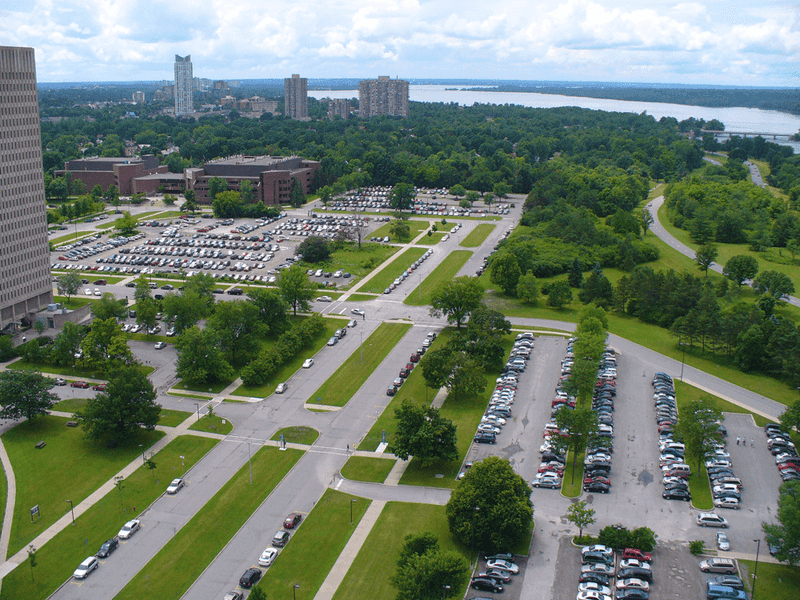
Shopping center parking lots rarely feel like forests. Yet many of those tidy rows of trees exist because a site plan legally requires them.
Developers submit site plans showing buildings, parking, and landscaping. Once approved, the planted trees often carry legal protection.
Falls Church requires commercial and multi-family properties to keep all plantings shown on their original plans. Removing one usually means a permit and a replacement.
Construction projects add another layer. Work needing a stormwater permit or grading plan often requires a landscape conservation plan too.
Such plans list existing trees, explain how they will be protected, and outline replanting. An approved grading plan can even serve as the removal permit.
Business owners should know about screening rules. Trees that block views between a store and nearby homes may help meet zoning requirements.
Removing screening trees can break those rules, even if they look messy. A quick call to zoning beats an unexpected violation notice.
Property managers can save headaches with a simple step. Keep a copy of the approved landscape plan in your maintenance files.
When a tree declines, compare it against the plan. Replacing it with the same or an approved species keeps everything in order.
Homeowner associations sometimes fall under these rules as well. Ask your HOA board before removing trees in shared common areas.
8. Trees On State Road Rights-Of-Way
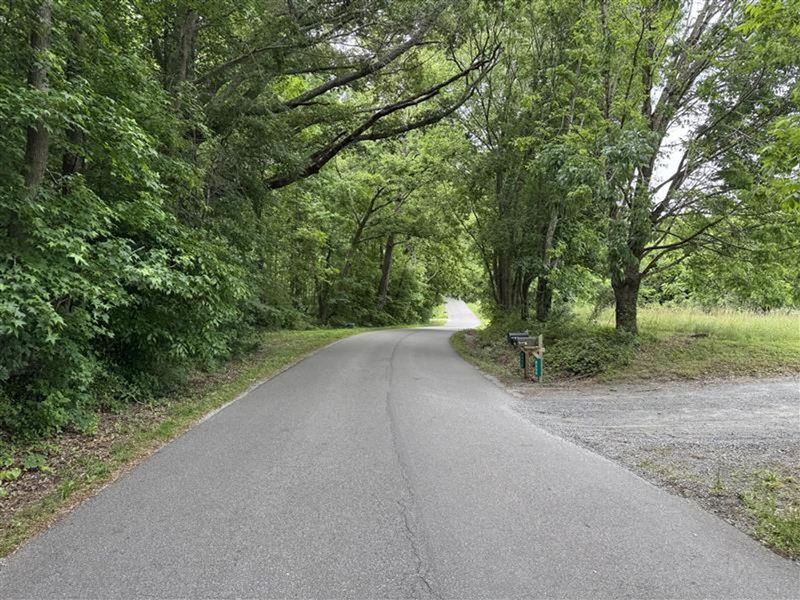
Surprise: the state might own more of your front yard than you think. Rights-of-way along state roads often stretch well past the edge of the pavement.
The Virginia Department of Transportation, or VDOT, oversees trees within these areas. Cutting or heavily trimming them needs a VDOT Land Use Permit.
Skipping that permit can get expensive. Illegal cutting may lead to fines plus the cost of restoring the area.
VDOT’s vegetation control regulations, listed as 24 VAC 30-200-20, spell out permit and replacement rules. Businesses sometimes apply to improve sign visibility.
Some trees get extra protection. Those with historic, environmental, or social importance need approval from a VDOT District Environmental Manager.
So how do you find the line? Look at your property survey, or contact your local VDOT residency office for help.
Iron pins or markers near the road may hint at boundaries. Still, an official answer beats a guess when fines are on the table.
Spotted a hazardous tree near a highway? Report it to VDOT through their customer service center rather than cutting it yourself.
Crews have the gear and traffic control to work safely near busy roads. Roadside cutting carries real risks for untrained folks.
Fun fact: Virginia maintains one of the largest state-run road networks in the country. That means lots of roadside trees under watchful eyes.
9. Boundary Trees Shared With A Neighbor
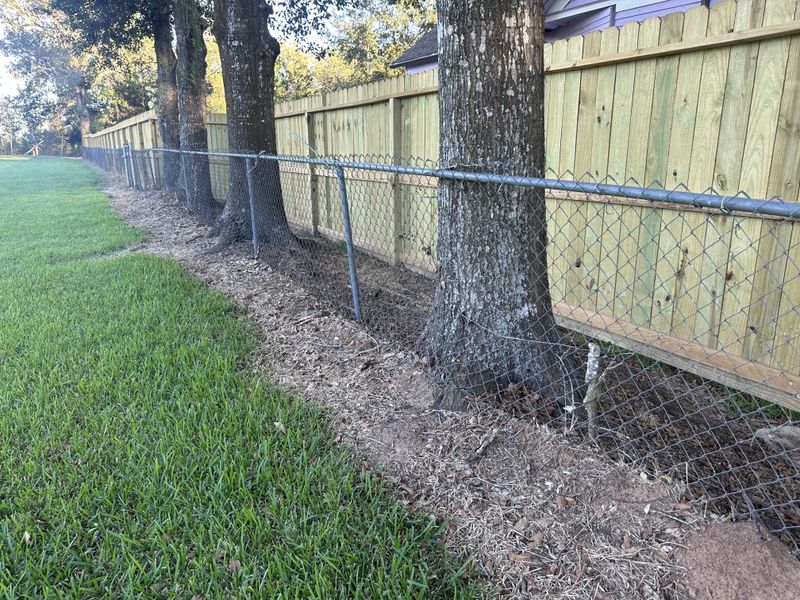
Neighbors have argued over trees for centuries, and it is easy to see why. A big oak can bring welcome shade to one yard and endless leaves to another.
Virginia treats a tree as a boundary tree when its trunk sits right on the property line. Both neighbors share ownership.
Neither owner may remove or seriously alter a healthy boundary tree alone. Consent from the other owner is the key legal step.
No government permit is usually needed here. Still, cutting without agreement can lead to lawsuits and damage claims.
Trunks fully on one side follow different rules. That owner holds full ownership, even when branches or roots cross over.
Neighbors may trim encroaching limbs and roots up to the line. The catch is that trimming must not seriously harm the tree or cause it to fail.
Overzealous trimming can make you liable. Taking out major roots on one side may topple a tree onto someone’s house.
Start with a friendly chat over the fence. Many disputes melt away with a plate of cookies and an honest talk.
Put any agreement in writing, even a simple signed note. Include who pays, who hires the arborist, and when work happens.
A professional arborist can also give neutral advice. Hearing an expert opinion often helps both sides reach a fair decision.
10. Virginia Round-Leaf Birch, Protected By Name Under State Law
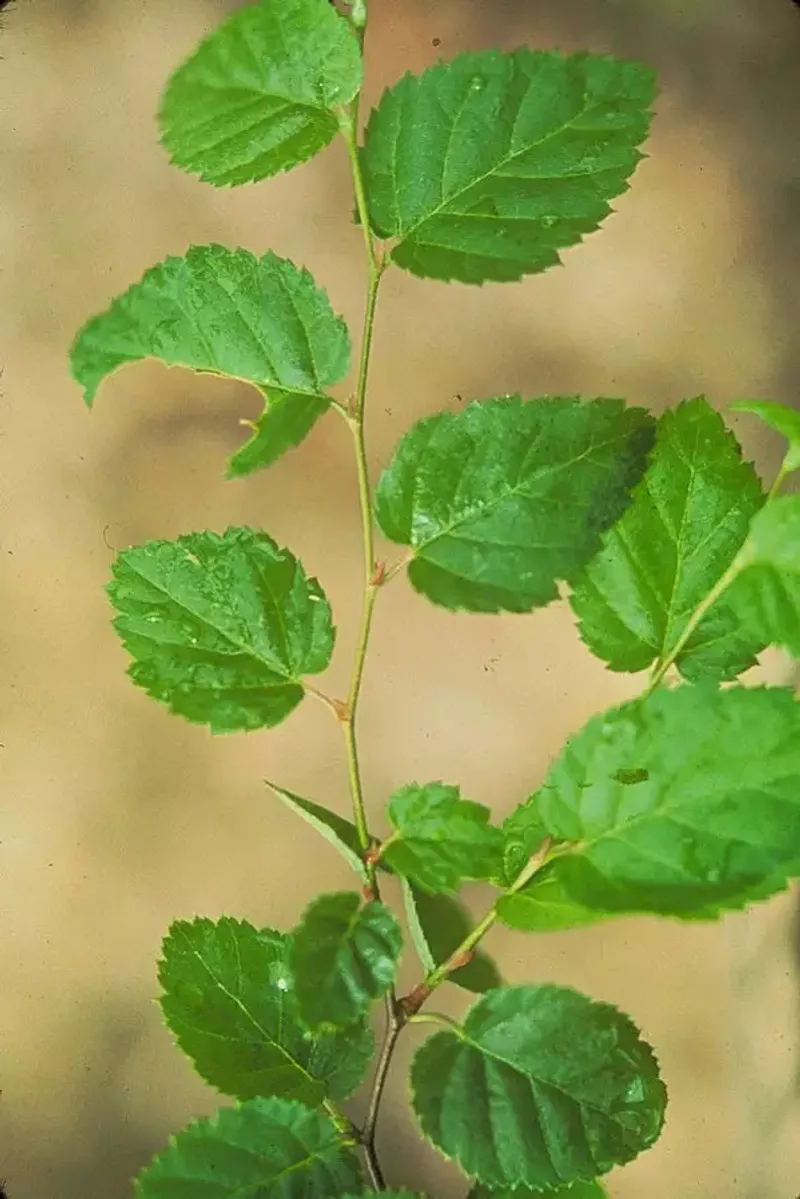
Hidden along a creek in Smyth County grows one of the rarest trees in America. The Virginia round-leaf birch, or Betula uber, has a story worthy of a mystery novel.
Scientists first described it in 1918, then lost track of it for decades. Many believed it had vanished until a small group turned up in 1975.
Its rounded leaves set it apart from its close cousin, the sweet birch. That shape gives the tree its common name.
Protection came quickly after rediscovery. The tree was federally listed as endangered in 1978, then moved to threatened in 1994 after recovery work.
It also holds a special title. The round-leaf birch is the only tree on the state’s endangered species list.
Cutting one without legal permission breaks both state and federal endangered species laws. Penalties can be steep.
Threats include limited habitat, vandalism, over-collection, and human activity. Early on, curious visitors damaged some of the original trees.
Hikers in southwest Virginia can help by staying on trails. Avoid taking cuttings or seeds from any birch that might be this rare species.
Landowners in Smyth County with unusual birches should contact state wildlife or forestry experts. A quick check could add to the conservation story.
Planting programs have spread seedlings to new protected sites. Each young tree offers fresh hope for a species once thought lost.