Before You Seal Your Attic Vents, Check For These Ohio Winter Visitors
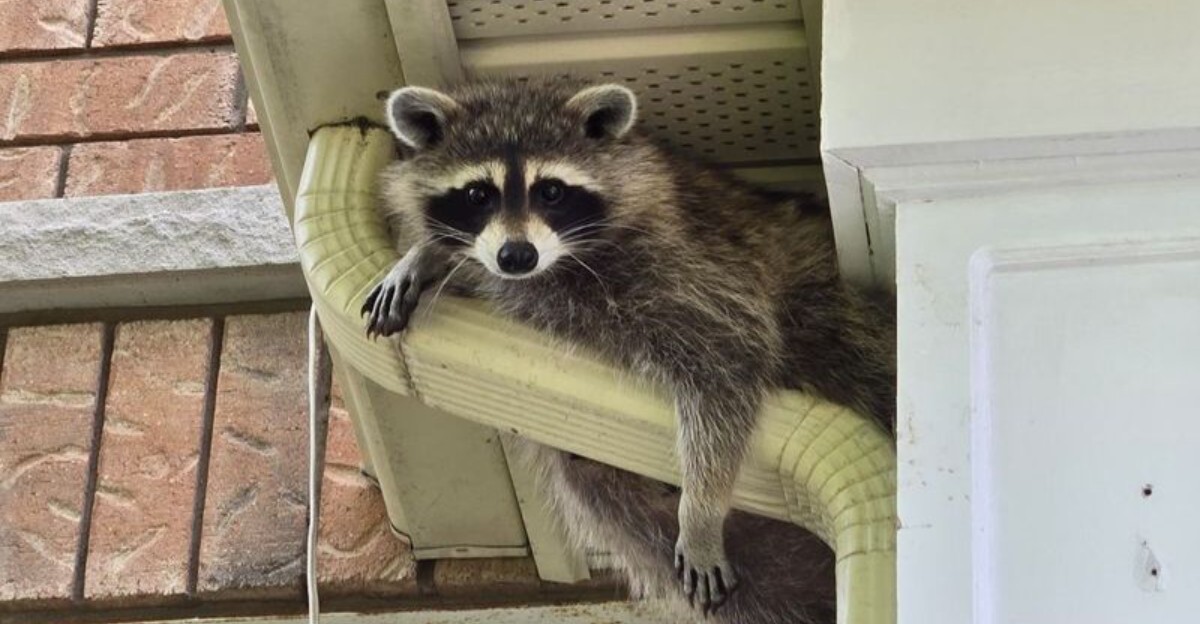
A sleeping animal in your attic can lower its heartbeat from hundreds of beats a minute to just a handful. It can stay tucked behind a vent for weeks without a single snack. Wait, under my roof?
Plenty of creatures treat a warm roof space as a winter hotel. Some arrive in fall and doze.
A second group moves in late winter to raise babies, right when cold snaps make your vents look like the coziest door in the neighborhood.
I love a tight, draft-free house as much as anyone in Ohio. Still, I learned the hard way that caulk and screen can turn a small problem into a smelly, noisy one. Sealing the wrong gap at the wrong time can trap a guest inside.
Who exactly might be napping above your bedroom ceiling right now? Some of the answers are pretty adorable, and a few are protected by law.
That Faint Rustle Near Your Attic Vent Could Be A Hibernating Big Brown Bat
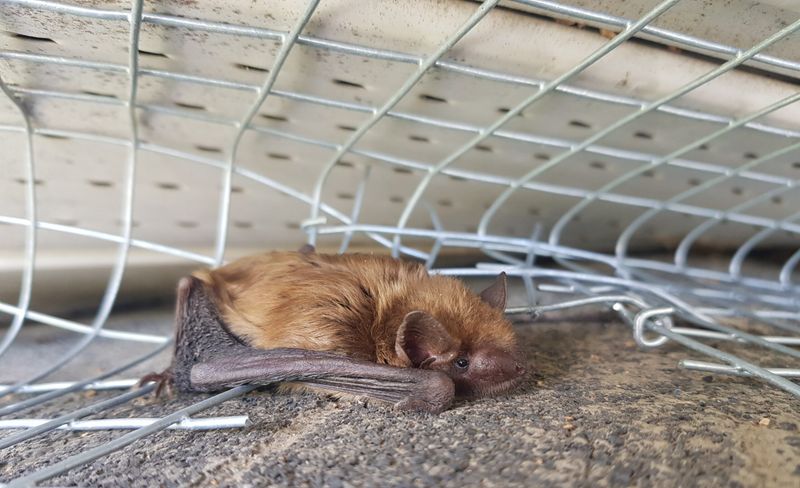
Most Ohio bats head for caves and mines when the cold hits. The big brown bat is the rebel of the group.
It happily spends winter tucked into attics, wall gaps, and the space behind gable vents.
I find this species fascinating because it handles cold better than most of its cousins. It can hibernate in spots that dip near freezing.
On mild winter days, it may wake up, shuffle around, and even fly briefly before settling back down.
So how do you know one is up there? Look for small, dark droppings that crumble into shiny bits when pressed, unlike mouse droppings, which stay hard.
You might also spot brownish rub marks around a crack or vent edge where bats squeeze through.
Faint squeaks or rustling on a warm afternoon are another clue. Grab a flashlight and peek along the ridge and near the vents, but keep your distance.
Please do not handle a bat with bare hands. Bats are a known rabies carrier, even though only a small share actually have it.
If you find one in a living space or have any possible contact, call your local health department for guidance right away.
Sealing Bats In For Winter Creates A Bigger Problem Than You Started With
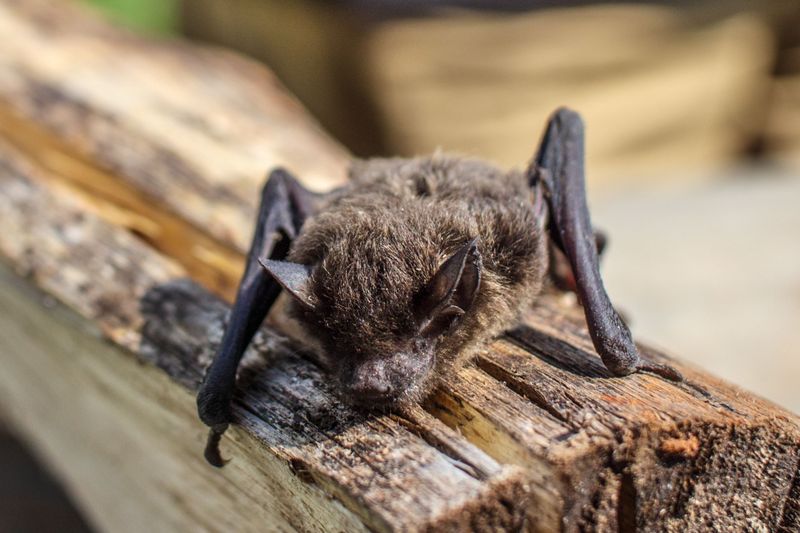
Timing is the whole game with bats. All bat species in the state are protected, and several are listed as endangered or threatened by the state.
Harming them or sealing them inside can land you in legal trouble.
Winter exclusion is a poor idea for a simple reason. A hibernating bat that wakes up and finds its exit blocked has no way to feed, since there are no flying insects in January.
It may wander into your living room instead, which nobody wants.
The Ohio Department of Natural Resources also asks homeowners to avoid exclusion during the summer pup season, roughly May through mid-August. Young bats cannot fly yet, so they would be stuck inside without their mothers.
That leaves two friendly windows. Early spring, once bats become active again, and late summer into early fall both work well.
During those windows, a professional installs one-way devices, like tubes or netting, over the main exits. Bats crawl out at dusk to feed and cannot get back in.
After a few nights, the gaps get sealed for good.
Until then, mark suspected openings and let the sleepers rest. Patience saves you money, stress, and a lot of guano cleanup.
Southern Flying Squirrels Throw Midnight Parties In Ohio Attics
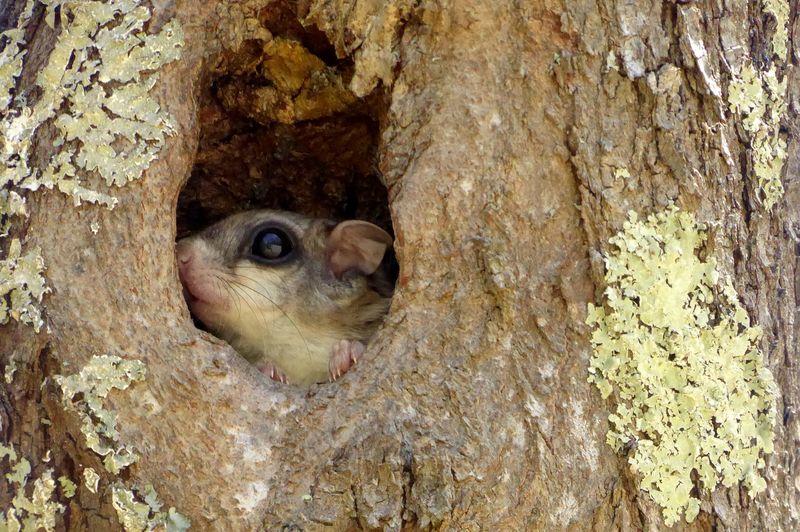
Bowling-ball thumps at 2 a.m. had a friend of mine convinced her house was haunted. The real culprits were a family of southern flying squirrels, rolling acorns across the attic floor.
These tiny gliders are common across state woodlands, yet most people have never seen one. They are strictly nocturnal, with huge dark eyes and a furry flap of skin that lets them sail from tree to roof.
Winter makes them social. Groups of a dozen or more may huddle together to stay warm, and an insulated attic beats a hollow tree any day.
Signs to watch for include:
Scurrying and rolling sounds after dark, quiet during the day. Small holes, about the size of a quarter, around soffits, roof vents, and gable vents.
Stashes of nuts or seeds hidden in insulation.
Flying squirrels also leave latrine spots, piles of droppings and urine stains in one area. That mess can soak insulation and invite odor.
Because they live in groups and can raise young in late winter, sealing the hole you notice rarely solves everything. They often use several entries.
A careful roofline inspection, followed by one-way exclusion doors, works far better than a quick patch.
Gray And Fox Squirrels Chew Roof Vents To Build Late Winter Nurseries
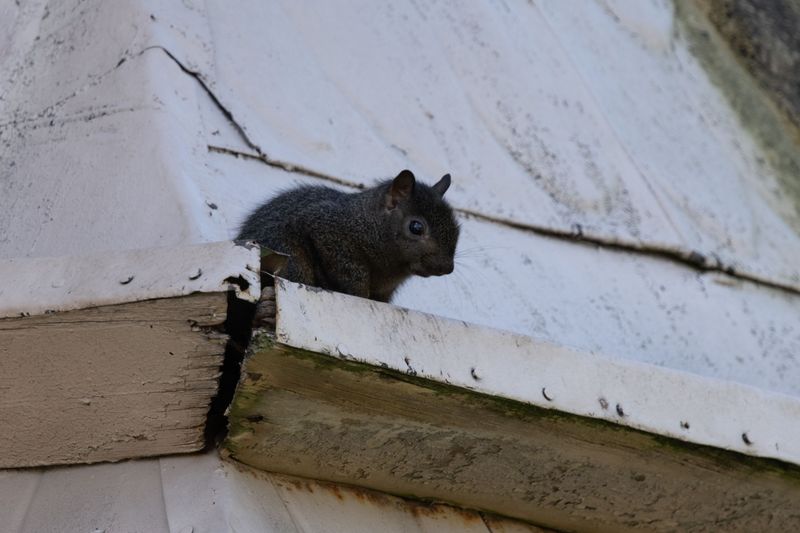
Early mornings tell the story. If you hear busy scratching right after sunrise and again in late afternoon, a gray or fox squirrel has probably claimed your attic.
Unlike their flying cousins, these squirrels work daylight hours. They are also strong chewers.
Plastic roof vents, soft fascia boards, and corners where the gutter meets the roof are favorite targets.
Here is why winter matters so much. Gray and fox squirrels often mate in mid-winter, and the first litters arrive around February and March.
A mother squirrel wants a dry, safe nursery, and your attic fits the bill nicely.
Picture the risk of a hasty repair. If you seal the hole while she is out gathering food, her babies stay stuck inside.
She will chew a fresh hole to reach them, sometimes right through new shingles.
Before sealing, look for shredded insulation, leaves, and paper piled into a ball-shaped nest. Gnaw marks on wood or wiring are another serious red flag, since chewed wires can be a fire hazard.
Trimming tree branches back six to eight feet from the roof removes their favorite launch pad. Pair that with metal vent covers, and squirrels lose much of their interest.
Raccoon Mothers Love A Torn Soffit In The Coldest Months
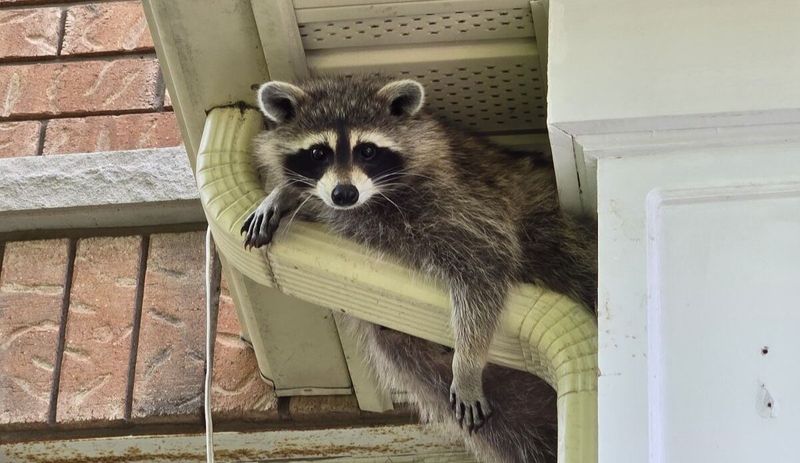
Raccoons are the bulldozers of the attic world. Where a mouse slips through a crack, a raccoon simply rips the soffit or roof vent wide open with its clever front paws.
In Ohio, raccoons do not truly hibernate. They sleep through the worst cold spells, then wake to forage on milder nights.
A warm attic makes those long naps much more comfortable.
Mating season runs roughly January through March. Females then look for a sheltered den, and many kits are born in April or May.
Sometimes a raccoon settles into an attic in late winter and stays to raise her family.
Listen for heavy thumping, walking sounds, or loud chirping and chattering at night. Outside, check for bent vent covers, torn shingles, and muddy paw prints on gutters or downspouts.
Raccoon droppings deserve real caution. They can carry raccoon roundworm eggs, which pose a health risk to people and pets.
Avoid sweeping or touching droppings, and consider a professional cleanup.
Sealing a raccoon in, or sealing kits away from their mother, almost guarantees more damage. A licensed wildlife operator can confirm whether babies are present and use humane removal methods that follow state rules.
Deer, Mice, And House Mice Need Only A Pencil-Sized Gap
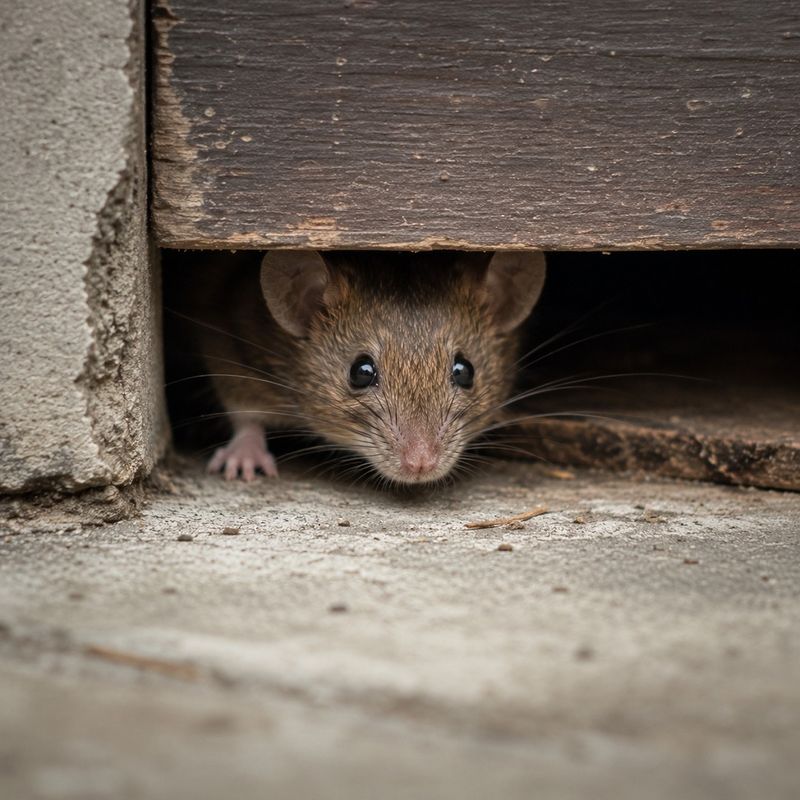
Fun fact for your next trivia night. A mouse can squeeze through a hole about a quarter inch wide, roughly the width of a pencil.
If its head fits, the rest of its body follows.
Mice are the most common winter attic guests by far. Two kinds show up often in Ohio homes.
House mice are gray-brown all over, while deer mice sport crisp white bellies and white feet.
That difference matters. Deer mice can carry hantavirus, a rare but serious illness spread through dust from their droppings and nests.
Never sweep or vacuum dry mouse mess. Spray it with a disinfectant, wear gloves, and wipe it up instead.
Mice enter through damaged vent screens, gaps around pipes and wires, and spaces under siding. Once inside, they tunnel through insulation and nibble wiring.
Watch for rice-sized droppings along rafters, light scratching at night, and tiny tunnels in insulation.
Mice can breed year-round indoors, so a few can become many by spring. Sealing small gaps with steel wool and caulk helps.
Snap traps placed along walls inside the attic work well for any mice already living there.
Stink Bugs And Lady Beetles Pack Into Warm Attic Corners
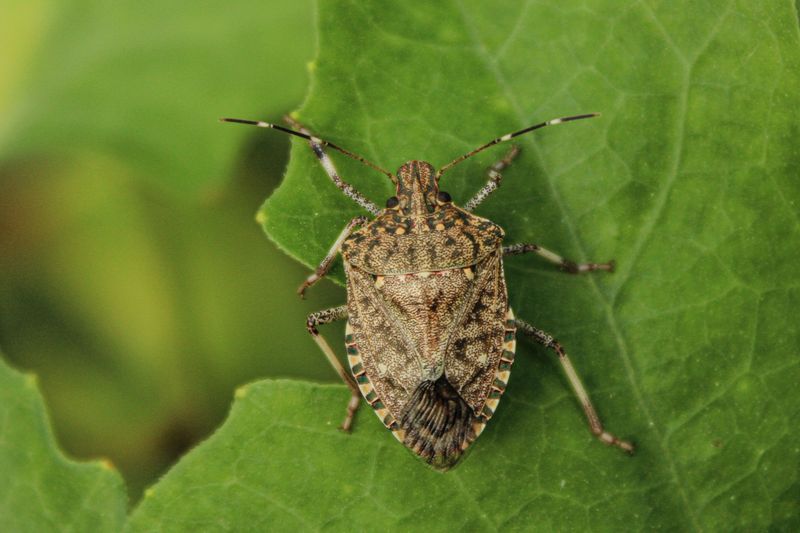
Not every winter visitor has fur. Some arrive in crowds of hundreds, crawling politely through your vent screens.
Brown marmorated stink bugs and multicolored Asian lady beetles are classic fall invaders across the state. As days cool, they search for sheltered spots to wait out winter.
Sunny south and west walls draw them in first, then gaps around vents and windows lead them inside.
Boxelder bugs and cluster flies join the party too. All of them go quiet in the cold attic, then wander toward warm rooms on sunny winter days.
I will admit these bugs are mostly a nuisance, not a danger. They do not breed in your attic, chew wood, or damage wiring.
Lady beetles can leave yellow stains and a funky smell when disturbed, and stink bugs live up to their name.
Skip spraying insecticides in the attic. Leftover bug piles can attract carpet beetles that feed on them.
A vacuum with a disposable bag is your simplest tool.
For long-term relief, repair torn vent screens and seal cracks around trim in late summer, before the bugs start moving in.
A Flashlight Walk And Metal Vent Screens Beat A Hasty Caulk Job
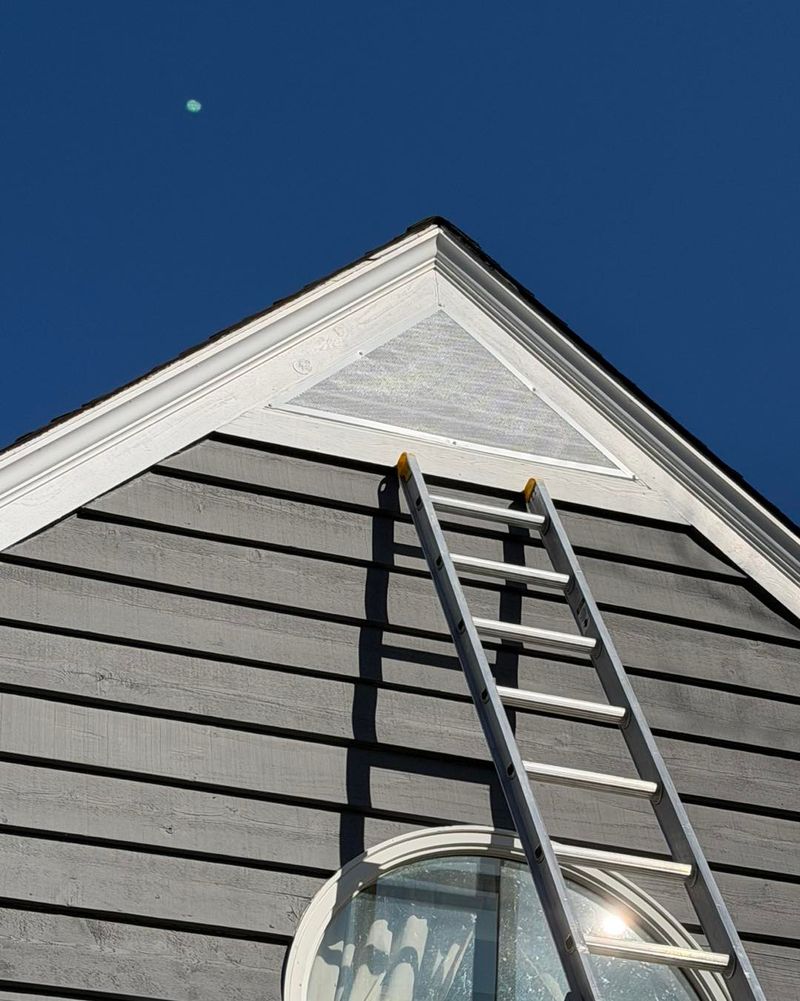
My favorite winter prep tool costs about ten dollars. A good flashlight and a slow walk through the attic reveal more than any guesswork ever could.
Start inside on a mild afternoon. Check along the ridge, around every vent, and near the eaves for droppings, nests, chewed wood, or daylight peeking through.
Note anything unusual on your phone.
Next, head outside with binoculars. Scan soffits, fascia, roof vents, chimney edges, and the spots where pipes and wires enter the house.
If you find signs of animals, hold off on sealing. Bats, squirrels with babies, and raccoons all need humane, well-timed removal.
A licensed wildlife operator in Ohio can install one-way doors and follow state wildlife rules.
Once you are confident the attic is empty, it is time to button up:
Cover gable and roof vents with sturdy galvanized hardware cloth, quarter-inch mesh, so air still flows freely. Add a chimney cap.
Fill small gaps with steel wool and caulk. Trim branches back six to eight feet from the roof.
Keep those vents open behind the mesh. Proper airflow prevents moisture, mold, and ice dams, which matter just as much as keeping critters out.