Bird of Paradise in Arizona: What to Do Before the First Freeze
Two very different plants share one nickname in Arizona yards, and a cold night treats them differently. One may lose its stems and still bounce back in spring.
The other asks for a more protective plan. Here is how to tell which one you have and what to do before the first freeze.
Which Bird Of Paradise Is In Your Yard?
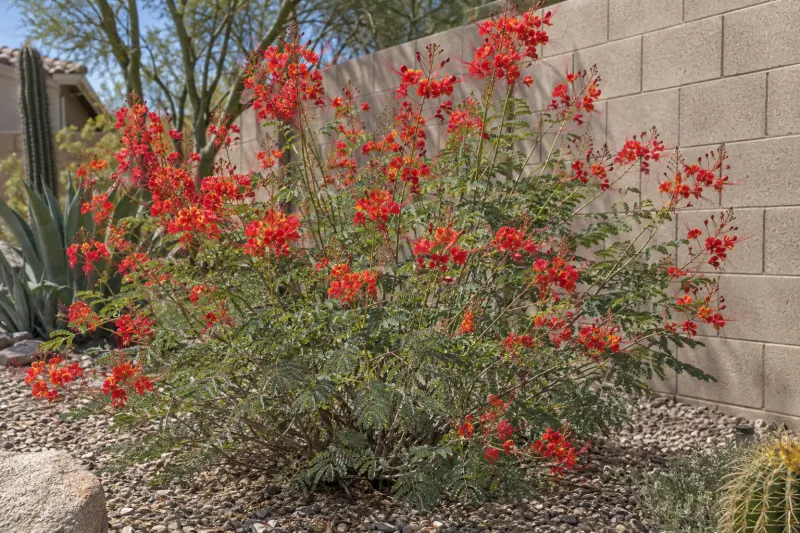
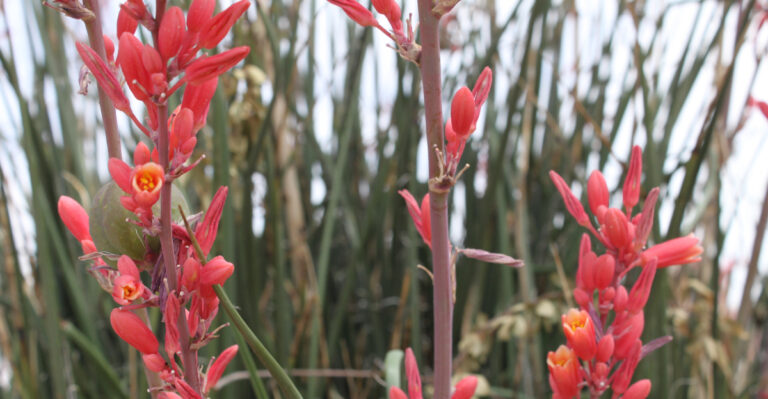
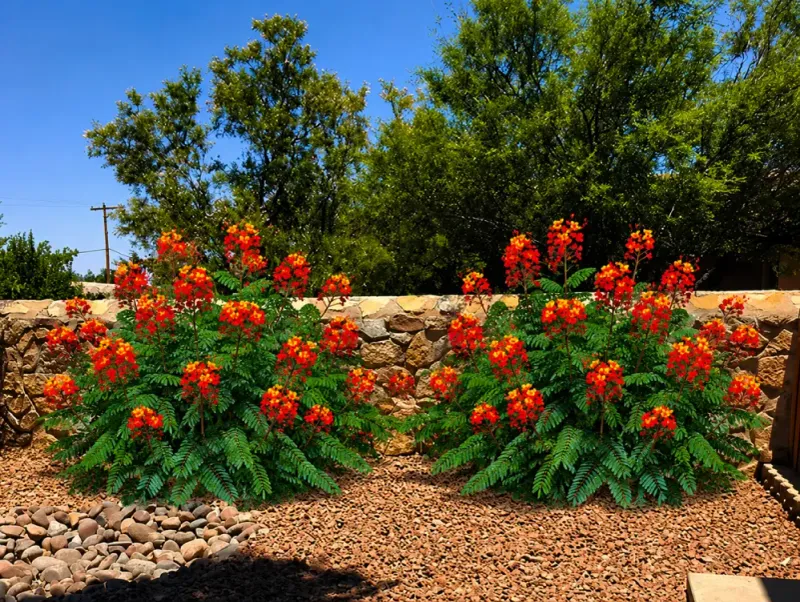
Ask three neighbors what a bird of paradise is and you may get three different plants. Around here, the name often points to shrubs in the Caesalpinia group, with yellow, Mexican, and red forms.
A University of Arizona Cooperative Extension guide describes these shrubs as non-native landscape plants that suit the low desert well.
The familiar tropical bird of paradise is something else, a separate genus called Strelitzia. The same guide notes it is not easily grown in desert gardens.
So the common name alone will not tell you how your plant handles cold.
Start with the plant tag or your purchase receipt. Then look at the plant itself.
Feathery leaves and a shrubby, branching shape suggest Caesalpinia, while big paddle-shaped leaves and beaked flowers point to Strelitzia. Once you know which one you have, the rest of your freeze plan gets much easier.
Arizona’s First Freeze Depends On Your Location
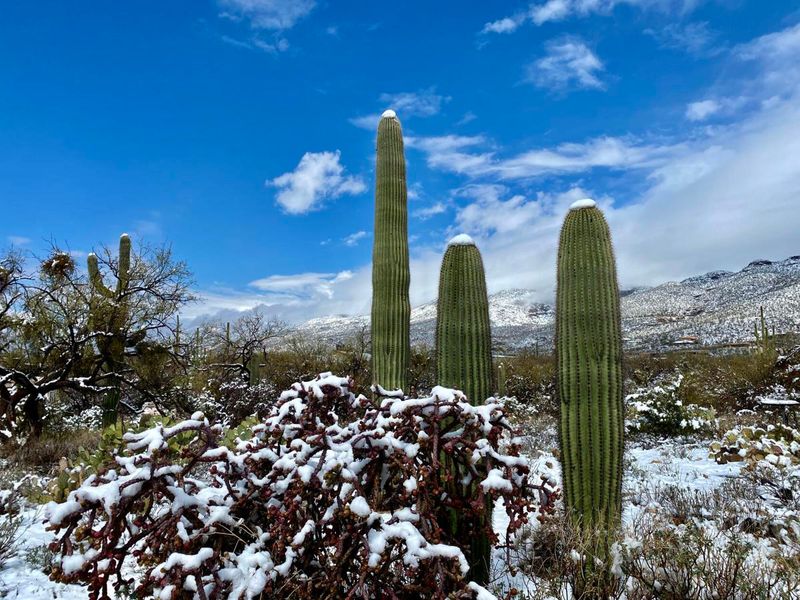
Nobody can give you one date for Arizona’s first freeze, because the state is simply too varied. The National Weather Service’s 1991 to 2020 averages for southeastern Arizona show the spread.
Duncan’s average first freeze lands on October 24, while Tucson’s comes on December 3.
Those numbers are averages, and averages cannot tell you what will happen on a particular night. A cold snap can arrive earlier or later than the typical date.
The smart move is to watch your local forecast through fall and winter.
Your own yard matters too. University of Arizona frost protection guidance notes that microclimates affect how cold it gets, and it suggests monitoring temperatures in your garden.
A low corner, an open lawn edge, and a spot beside a warm wall can all behave differently on the same night.
Red Bird Of Paradise Can Lose Its Stems
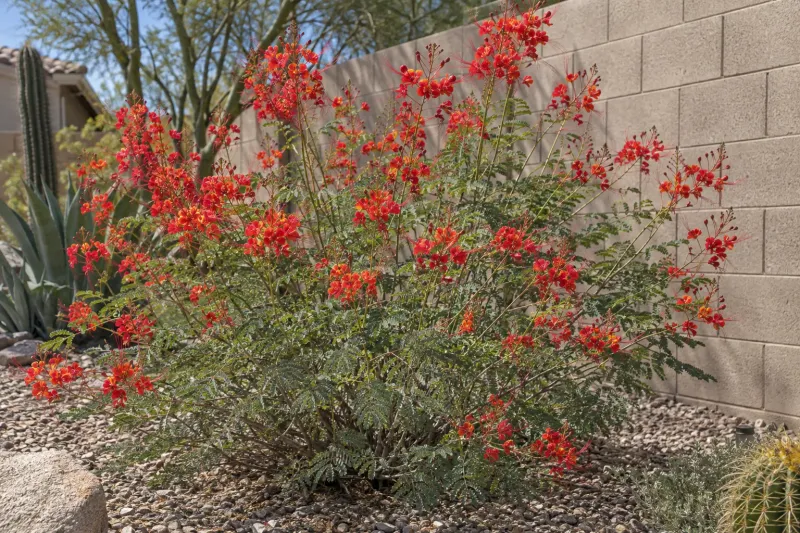
A brown, limp red bird-of-paradise after a cold night looks alarming, but it is often part of the plan. The University of Arizona Desert Legume Program says stems can freeze back around 25°F, with regrowth generally coming in spring.
Treat that number as a rough reference only. Another University of Arizona publication says the shrub dies back to the ground below freezing, so the sources describe the response a little differently.
Exposure and how long the cold lasts can change the outcome.
Expecting some stem loss is not a reason to cut the shrub back early. Leave it standing before the cold arrives, and let the weather show you how much damage there actually is.
If you plan to collect seedpods, remember that the UA guide warns ripe seeds of all three bird-of-paradise shrub species are poisonous.
Strelitzia Needs A More Protective Plan
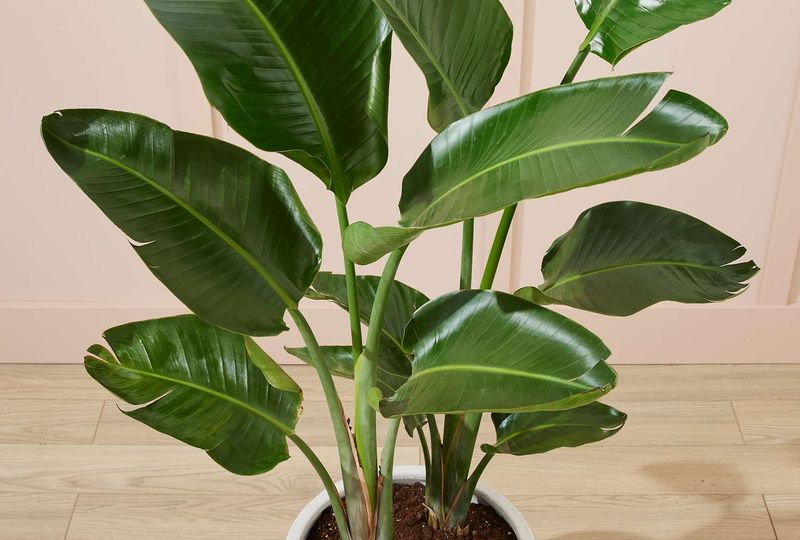
If your plant is a true Strelitzia, think of it as the cold-sensitive one. According to UF/IFAS guidance, freezing temperatures can damage its buds and flowers.
That is why it needs a more careful approach than the low-desert shrubs.
When it grows in a container, the simplest step is to move it indoors when a freeze threatens. Pick a bright spot and set it back outside once the cold has passed.
Plants in the ground need more thought, so watch the forecast closely.
Winter watering is also different. The same guidance says to water in winter only when the soil is fairly dry.
Extra water will not protect the plant from freezing, so check the soil first. The Arizona extension guide also notes Strelitzia is not easily grown in desert gardens, so go easy on yourself.
Use Covers And Water Carefully Before A Freeze
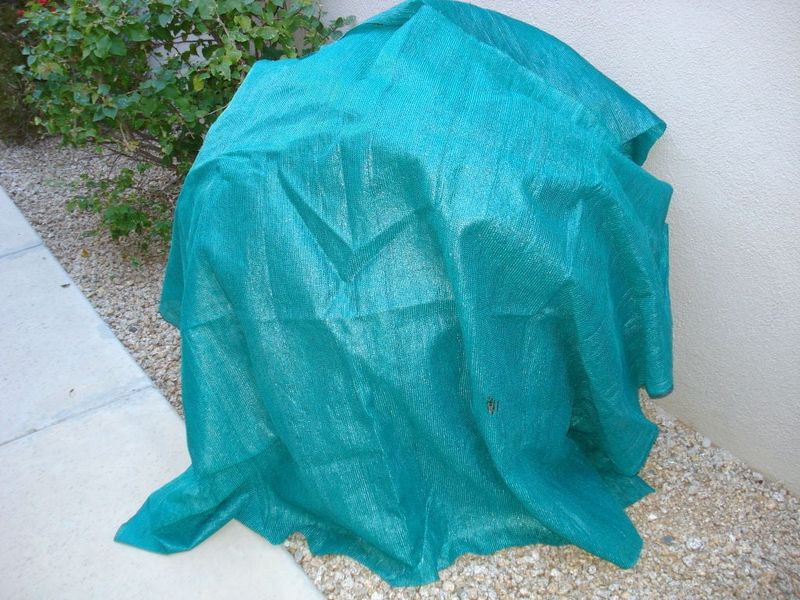
A bedsheet can be a handy cold-weather tool. University of Arizona frost protection guidance recommends cloth or paper covers, not plastic.
Drape the cover all the way to the ground so it traps warmth radiating from the soil.
Covers reduce heat loss, but they cannot promise a particular result at a set temperature. Protection also varies with the fabric and weave.
Think of a cover as a helpful layer, not a guarantee.
Take sheets and blankets off during the day, since leaving them on through winter can cause problems. Keep plants adequately watered too, because dry, moisture-stressed plants can suffer more frost damage.
Still, extra watering is not a sure freeze shield, so use it as part of the plan and not the whole plan.
Wait Until Late Winter To Prune Freeze Damage
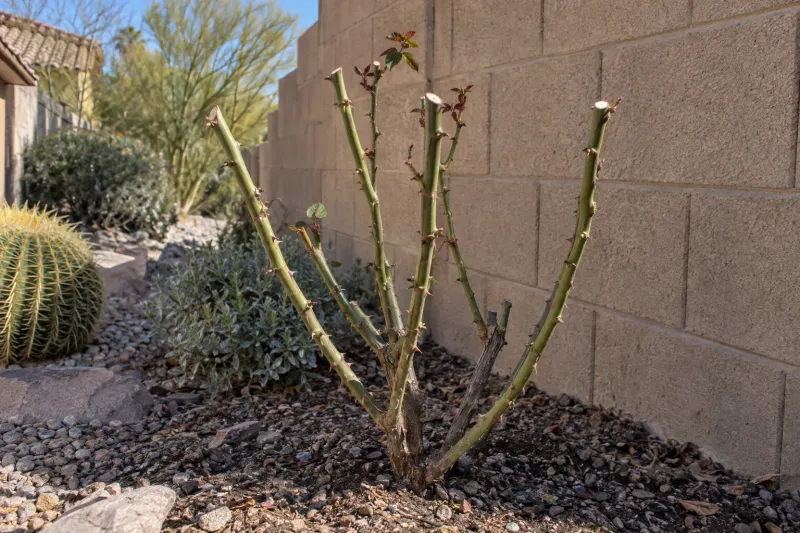
Hold the pruners until the cold season is behind you. Do not cut red bird-of-paradise back before a freeze.
A University of Arizona pruning guide places major pruning in late winter or early spring.
You may see two heights mentioned for the cuts. The Desert Legume Program recommends cutting frozen stems near the ground in spring, while the pruning guide says the shrub is generally cut to 6 to 10 inches above ground.
Both are species-specific recommendations, so use them as a range.
The frost guidance also cautions against pruning frost-damaged woody plants too soon. Wait until new growth shows you what is alive.
These instructions are for the Caesalpinia shrub only, and they should not be applied to Strelitzia.
Match The Plan To The Plant
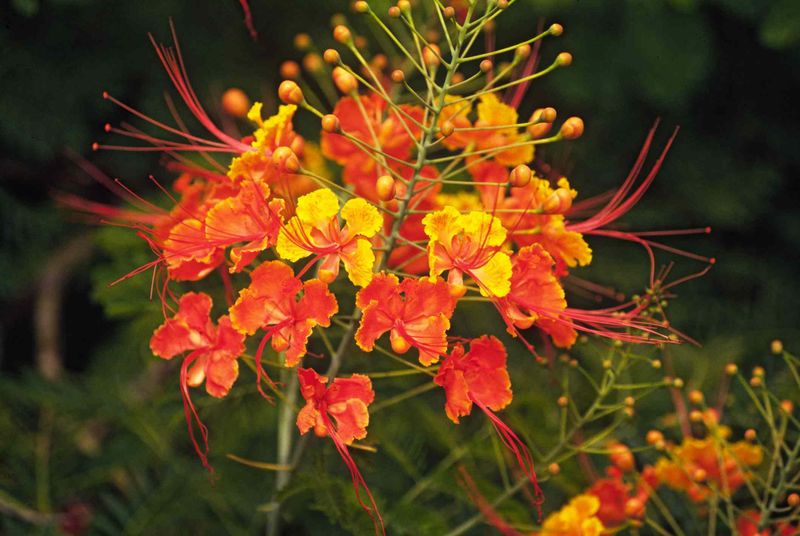
Start by naming your plant, then check your local forecast and the conditions in your own yard. Choose the care that fits: stem loss and spring pruning for the red shrub, or extra protection for Strelitzia.
No preparation can promise a damage-free freeze.
A little attention now saves a lot of guessing later. Plants tend to forgive gardeners who know exactly which one they are looking at.