The Ohio Plants You Should Stop Pruning Once September Arrives
Your pruners can steal next spring’s flowers before Ohio even sees its first frost. September is the month when that mistake becomes surprisingly easy to make.
A branch looks messy, a shrub seems too tall, or a hedge starts to lose its shape, so one quick trim feels harmless. For some plants, it is anything but.
Cuts made now can remove buds that already hold next year’s color or push soft new growth into a season that no longer has much warmth to spare. The frustrating part is that the damage rarely shows up right away.
Your yard can look cleaner in September and disappoint you months later, long after you forgot what you trimmed. That is why certain shrubs, flowering trees, and perennials deserve a firm hands-off rule once early fall arrives.
Before you make one more cut, check which plants have already started work on next year.
1. Lilacs Already Hold Next Spring’s Flowers
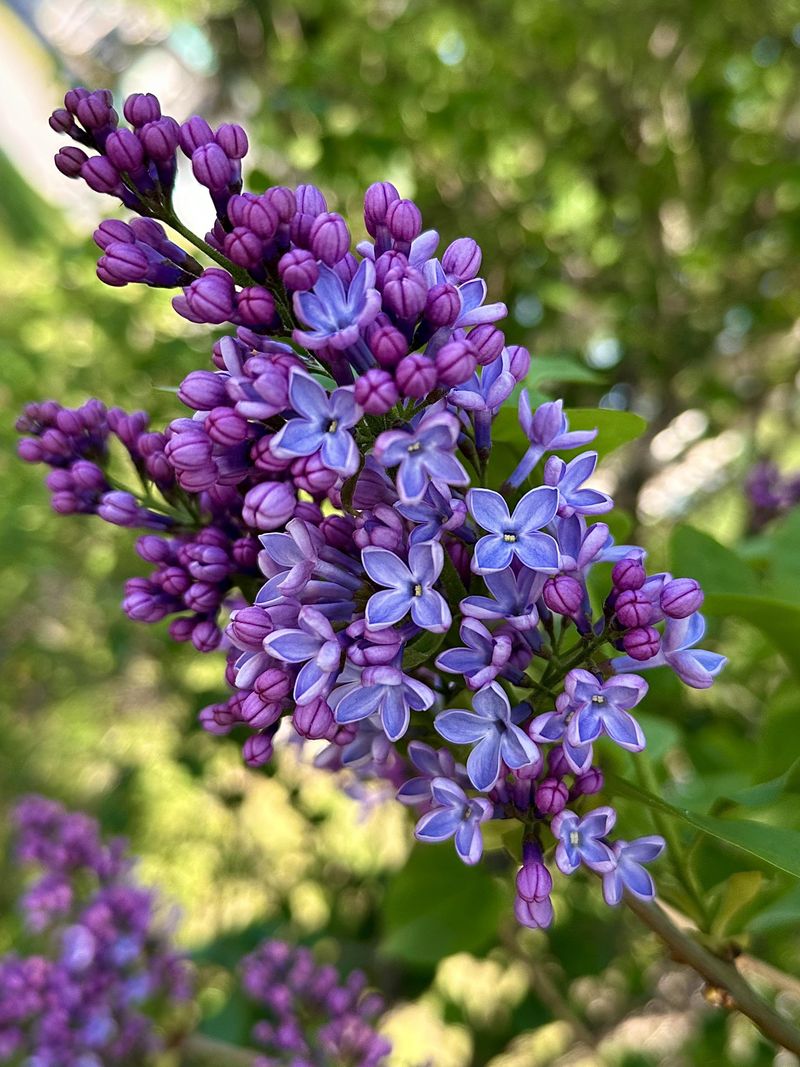
Right now, hiding along those woody lilac stems, are the flower buds that will open next May. Lilacs bloom on old wood, meaning the buds for next spring form during the current growing season.
By the time September rolls around, those buds are already set and waiting.
Reaching for the pruners in September puts those future blooms at serious risk. Every branch you remove could be carrying a cluster of buds that would have opened into fragrant purple flowers next spring.
Ohio State University Extension guidance consistently points to pruning lilacs soon after they finish flowering as the safest timing for routine shaping.
Pruning right after bloom gives the shrub the entire growing season to develop new wood and set fresh buds before fall arrives. Waiting until September means the opportunity to prune without consequence has already passed for that year.
A lilac that gets cut back in fall often greets the following spring with noticeably fewer blooms.
Broken branches or wood that poses a safety concern can still be addressed when needed. The goal here is to avoid routine shaping or heavy cutting once summer winds down.
Keeping those stems intact through fall and winter is one of the simplest ways to protect next year’s display.
2. Forsythia Buds Are Waiting On Old Wood
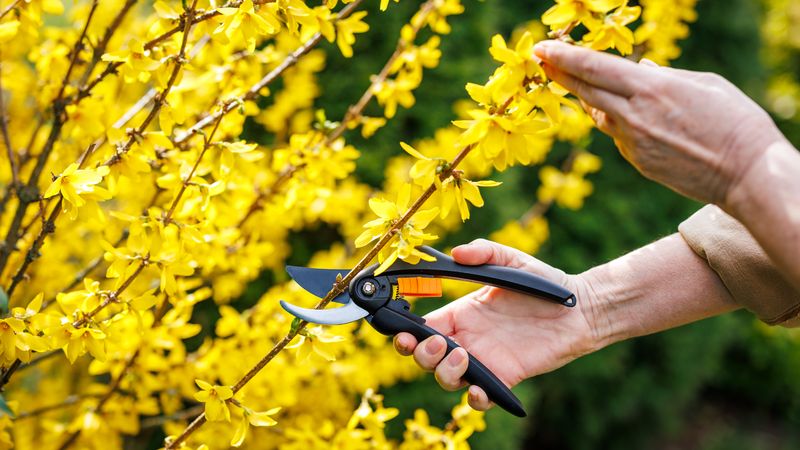
Tucked along every older forsythia stem right now is a quiet row of flower buds, already formed and waiting for February to release them. Forsythia is one of the earliest shrubs to bloom each spring, and that early show depends entirely on buds that developed on the previous season’s wood.
By September, that bud development is essentially complete.
Shaping or shortening forsythia branches in September does not ruin the entire shrub, but it does remove the very stems carrying next spring’s yellow flowers. The more you cut in fall, the fewer blooms you can expect when the weather warms up again.
A heavily pruned forsythia in September may leaf out normally the following spring but produce only a fraction of its usual flower display.
Your Ohio Garden Changes Every Week. Your Plan Should Too.
Gardening in Ohio changes quickly throughout the season. Every Friday you’ll receive a simple weekly plan showing exactly what to plant, prune, fertilize, harvest, and protect so you never miss the right timing.
Extension guidance for forsythia recommends pruning soon after flowering ends in spring. That timing lets the shrub spend the full growing season building new flowering wood before summer is over.
Cutting after bloom also makes it easier to see the shrub’s natural shape while flowers are still visible as a guide.
Forsythia is a tough, forgiving plant overall. A single late cut will not cause lasting harm, but repeated September pruning year after year will gradually reduce the spring bloom.
Leaving those older stems alone once summer ends in Ohio is the straightforward way to keep that yellow display coming back strong.
3. Bigleaf Hydrangeas Need Those Stems Intact
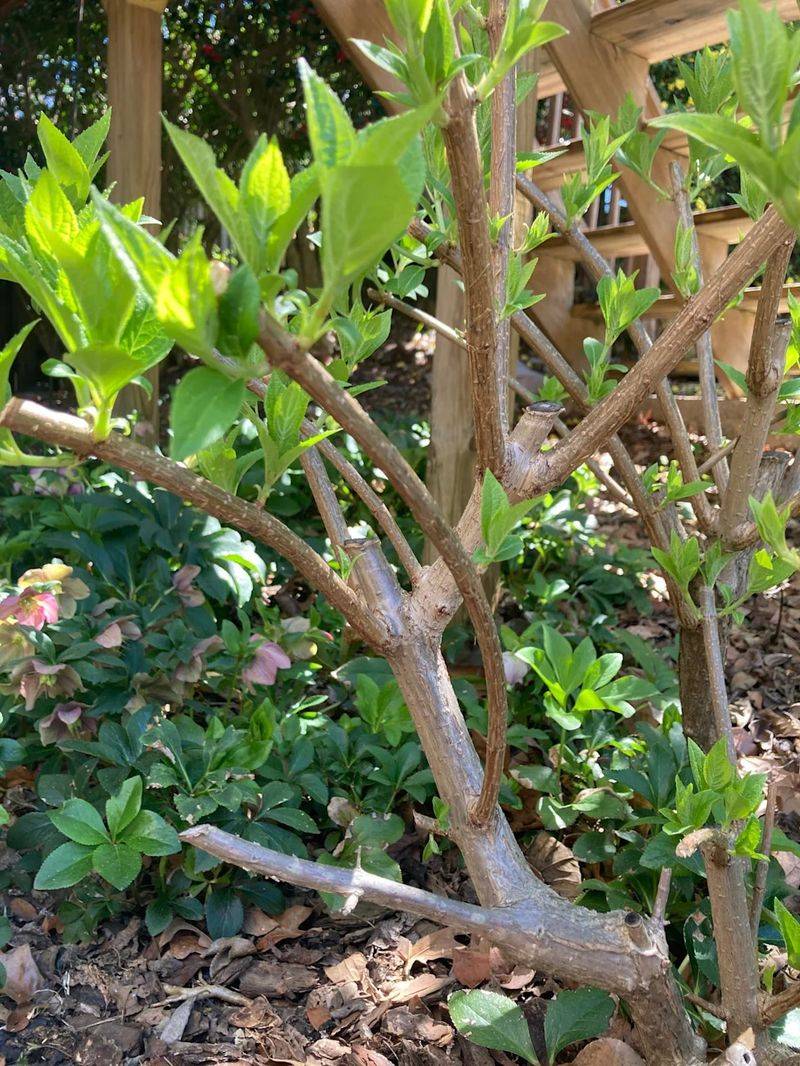
A bigleaf hydrangea stem that looks plain and unremarkable in September may already be carrying the flower buds that will open next summer. Hydrangea macrophylla, the classic mophead and lacecap type seen in many local gardens, is a well-known old-wood bloomer.
That means the buds for next year’s flowers form on stems that grew during the current season, before fall sets in.
Cutting those stems back in September removes the buds along with the wood. A plant that gets trimmed heavily in fall will often push out healthy foliage the following year but produce very few flowers.
Gardeners sometimes wonder why their bigleaf hydrangea stopped blooming, and late-season pruning is one of the most common reasons.
Pruning timing for bigleaf hydrangea is different from other hydrangea types. Panicle hydrangeas and smooth hydrangeas bloom on new wood and follow a completely different pruning schedule.
Applying bigleaf advice to those types would be incorrect, so identifying your specific hydrangea before deciding when to prune is a worthwhile step.
For routine shaping of bigleaf hydrangeas, horticultural sources generally recommend waiting until after flowering. Another option is late winter, when you can see which stems survived and which did not.
Leaving the stems standing through Ohio fall and into winter also gives the plant some natural protection during cold months. Those plain-looking branches are doing more than they appear.
4. Oakleaf Hydrangeas Bloom From Last Year’s Growth
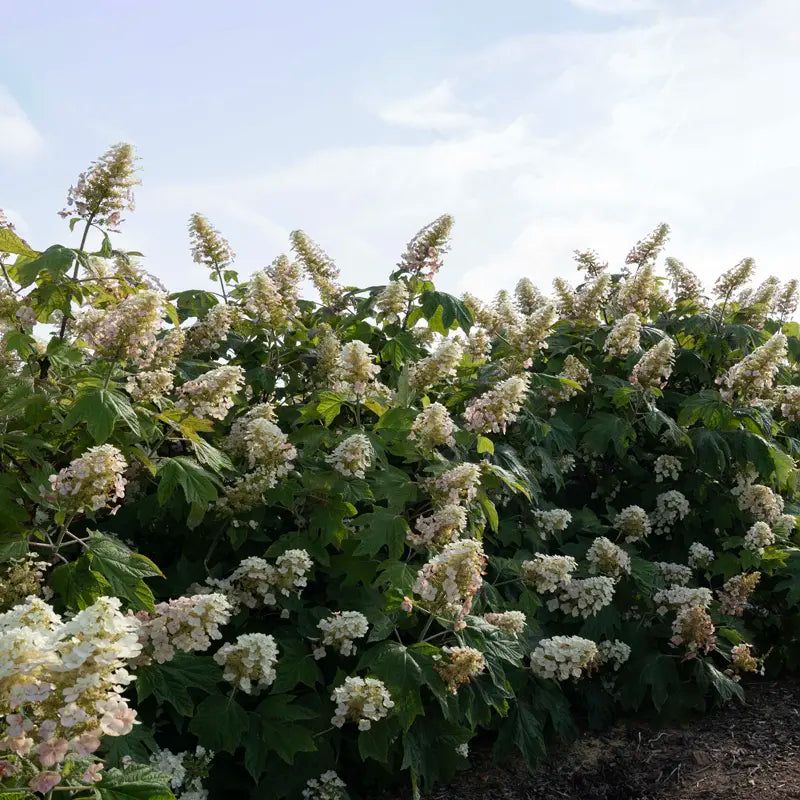
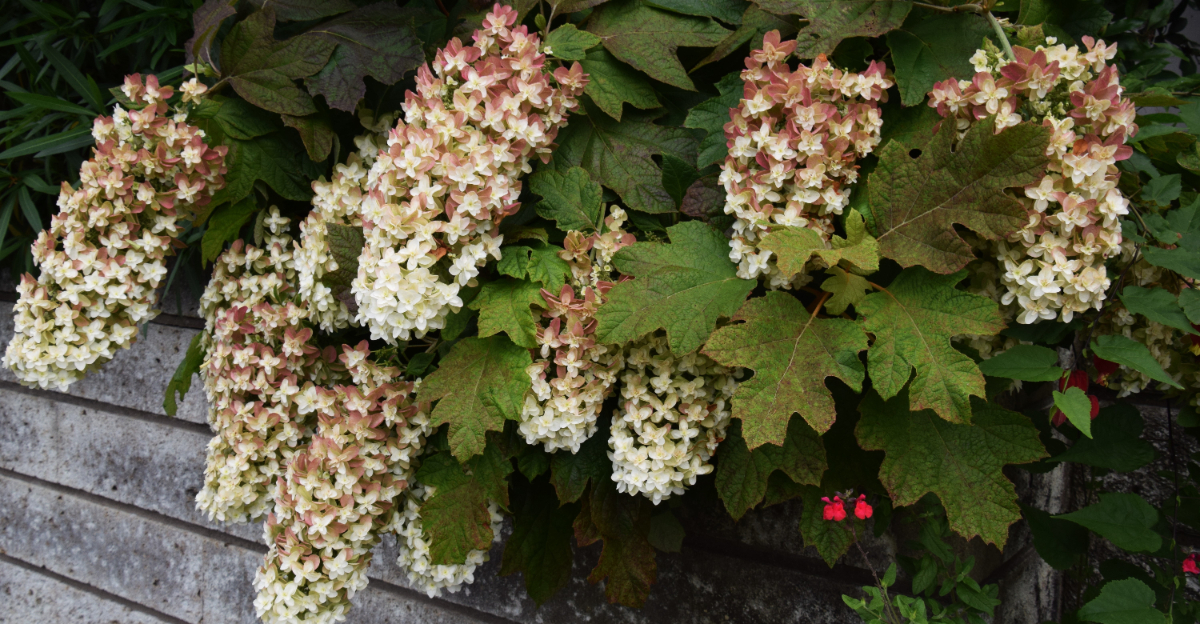
After the long white flower clusters of an oakleaf hydrangea fade and summer winds down, those thick, peeling-bark stems take on a quiet but important role.
Hydrangea quercifolia is another old-wood bloomer, meaning next summer’s flowers are already forming on the wood that grew this season.
By September, that process is well underway or complete.
Removing stems in fall cuts away the buds that would have produced blooms the following year. Oakleaf hydrangeas tend to recover from heavy pruning more slowly than some other shrubs.
Unnecessary fall cuts can therefore affect flowering for the next season or two. The size and structure of this shrub make it tempting to scale back in fall, but that timing works against the plant’s natural cycle.
Routine shaping is generally better handled after the shrub finishes flowering, which typically happens in midsummer. At that point, there is still enough of the growing season left for the plant to develop new wood and set buds before temperatures drop.
That window closes as summer ends.
Oakleaf hydrangea also offers exceptional fall interest on its own. The foliage turns deep red and burgundy as temperatures cool, and the dried flower heads add texture through winter.
Leaving the plant undisturbed in September lets it move through its natural seasonal changes without interruption, while protecting next year’s bloom at the same time.
5. Azaleas Set Their Flower Buds By Late Summer
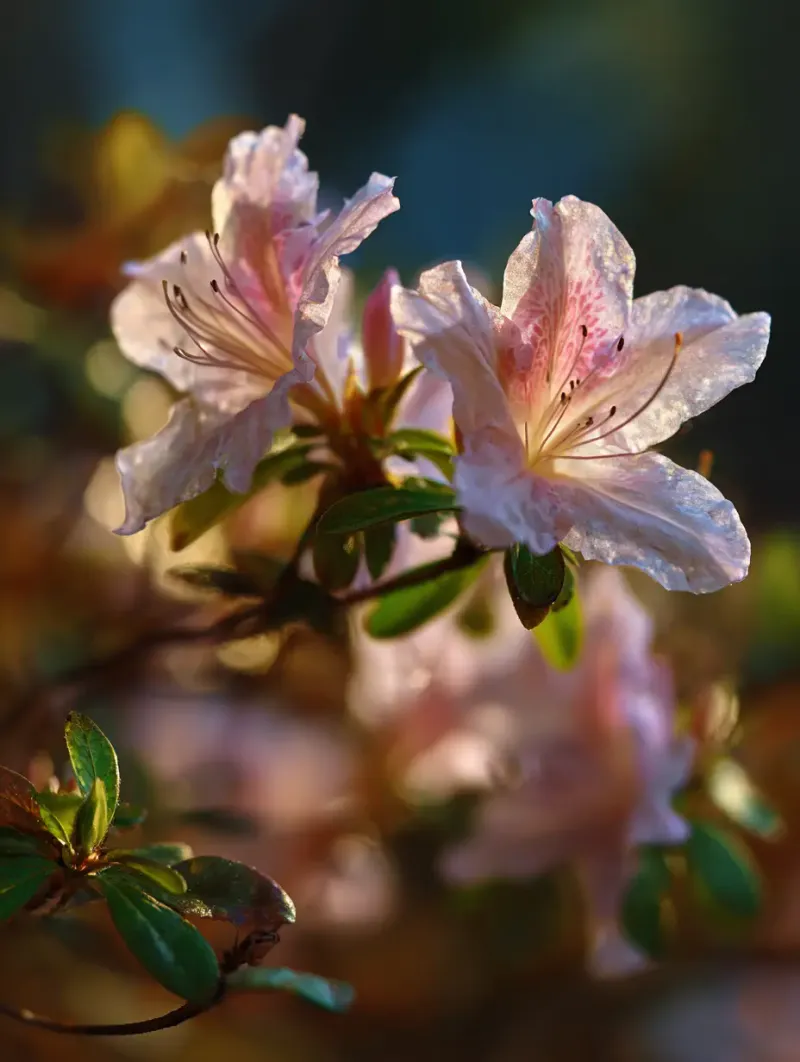
Before the first leaf in the yard turns orange, azalea buds are already sitting quietly at the tips of branches, fully formed and ready to wait out the winter.
Many azalea varieties set next year’s flower buds by late summer, making September a particularly risky time to do any significant shaping or cutting back.
Those small, rounded buds at the branch tips are easy to overlook, but removing them means losing next spring’s color.
University Extension sources point to pruning azaleas soon after they finish flowering as the recommended timing for routine maintenance.
At that point in late spring or early summer, the shrub has just bloomed and has the full growing season ahead to produce new growth and set fresh buds before fall.
Waiting until September reverses that advantage entirely.
Azalea cultivars do vary in their habits, and not every variety behaves in exactly the same way. Even so, the general principle of avoiding late-season pruning holds for most of the azaleas commonly grown in local landscapes.
Checking with a local Extension office or a certified Master Gardener can help clarify the specifics for varieties you are growing.
Diseased or clearly damaged branches are a different matter and can be removed when needed regardless of season. The focus here is on routine shaping and size control, which should wrap up well before summer ends.
Protecting those late-summer buds is one of the easiest ways to ensure a full, colorful spring display from your azaleas.
6. Rhododendrons Need Their Budded Branches Left Alone
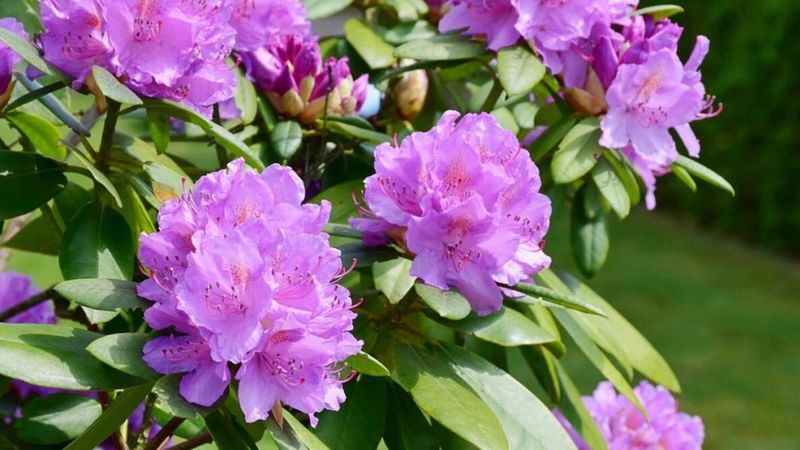
Look closely at rhododendron branch tips in late summer and you may notice large, rounded buds. They are already in place and waiting for spring.
Rhododendrons form next year’s flower buds at the ends of their stems before the growing season closes out. By September, those buds are present and vulnerable to any pruning that removes branch tips.
Heavy pruning in fall can take off a significant portion of the buds that were ready to bloom the following spring. A rhododendron that loses its terminal buds to a September cut may still leaf out and look healthy.
However, its spring flower display will be reduced. Repeated late pruning over multiple years can noticeably reduce the overall blooming habit of a mature plant.
Removing spent flower clusters earlier in the season is a separate and helpful practice. Snapping off the old flower heads after bloom encourages better bud development and does not carry the same risk as fall pruning.
That task is best completed in early summer, before new growth at the tips begins to harden and set buds.
Rhododendrons and azaleas share some similarities, but they are distinct plants with their own growth habits and scale. A large, established rhododendron in a local yard may take years to fully recover from poorly timed cuts.
Leaving those budded branch tips alone once summer ends is a straightforward way to protect the investment already growing in your landscape.
7. Roses Should Stop Chasing Fresh Growth
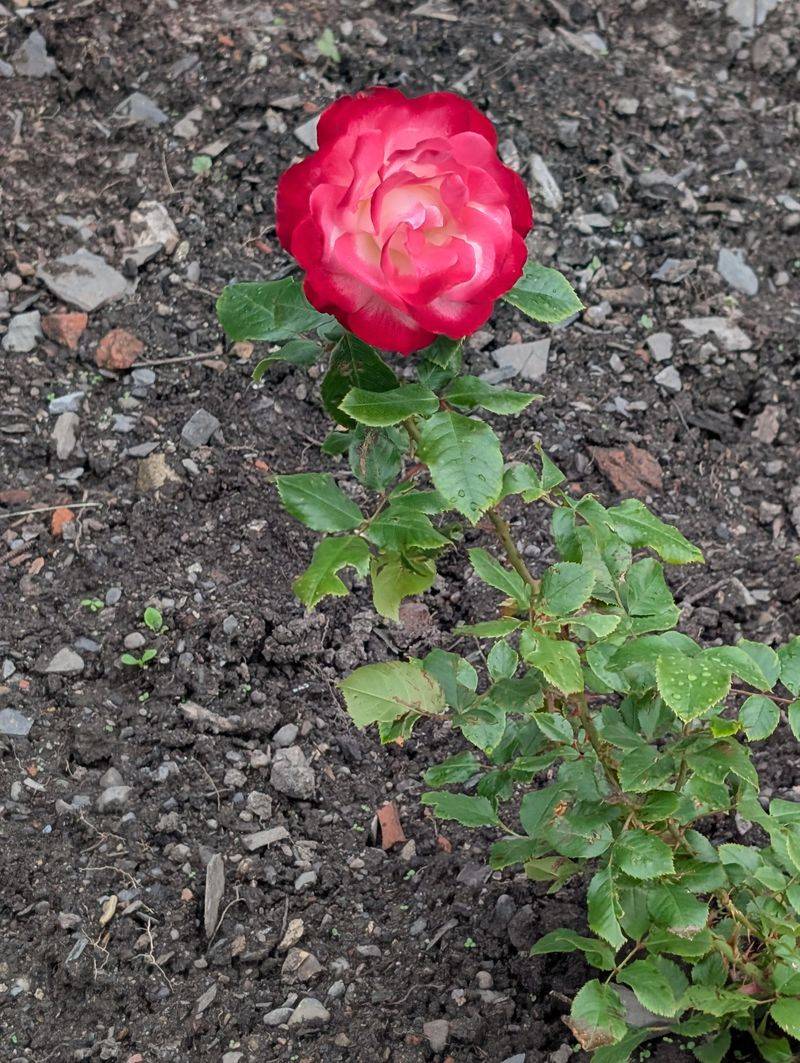
There is a real temptation in late summer to keep coaxing one more flush of color from rose bushes by trimming off spent flowers as fast as they fade.
That habit works well through most of the season, but Ohio State guidance suggests wrapping up the routine removal of spent flowers around the end of August.
Letting the plant move toward dormancy naturally from that point forward is the safer approach.
Continuing to remove spent flowers into September encourages the plant to push out fresh new growth. Fresh growth in late summer or early fall has little time to harden before cold temperatures arrive.
Soft, immature stems are far more vulnerable to freeze damage than wood that has had time to mature and toughen through the season.
Allowing hips to form is part of the plant’s natural seasonal wind-down. Rose hips signal to the plant that the reproductive cycle is complete, which helps trigger the shift toward dormancy.
Removing spent flowers too late in the season interrupts that signal and keeps the plant working when it should be slowing down.
Larger structural pruning for roses, where appropriate, comes much later in the season, generally after several hard freezes have occurred. That timing varies by year and by location within the state.
For now, the most helpful thing to do in September is put the pruners away and let the plant settle into its natural fall rhythm without encouragement to keep producing.
8. Garden Mums Need Their Tops For Winter
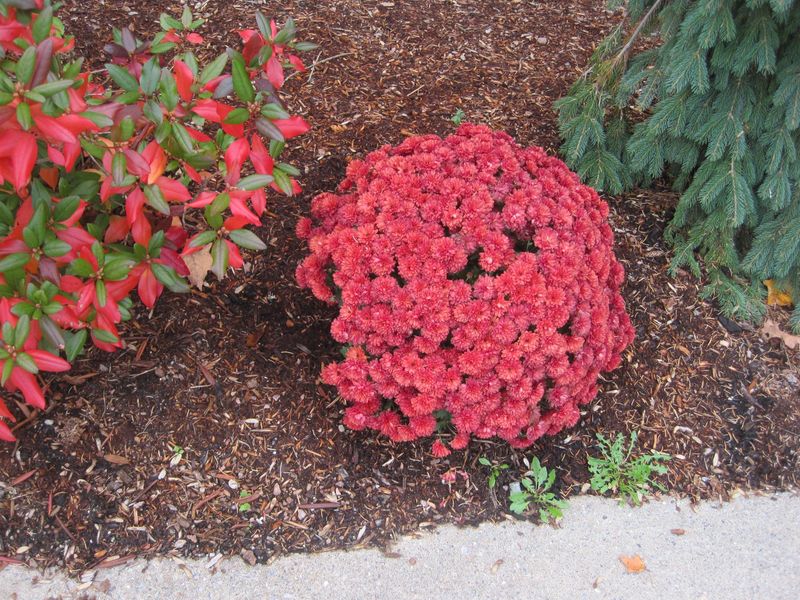
Hardy garden mums are one of the most visible signs of fall in local yards, and the impulse to cut them back once the flowers fade is completely understandable.
But Ohio State University Extension guidance recommends leaving the top growth of hardy garden mums in place rather than cutting them down in fall.
Those stems and leaves serve a purpose beyond aesthetics once the cold sets in.
Standing stems and foliage help insulate the crown of the plant through winter. The crown is the part of the plant at or just below the soil surface, and it is the section that needs to survive in order for the mum to return next year.
Removing the top growth too early takes away a layer of natural protection during some of the coldest months.
Florist mums sold in pots during fall are often not the same as hardy garden mums bred to overwinter in local climates. Treating a tender florist mum like a hardy perennial can lead to disappointment when it does not return in spring.
Knowing which type you have makes a real difference in how you care for it going into winter.
Cleanup for hardy garden mums can wait until late winter or early spring, once the worst of the cold has passed. At that point, the old stems can be cut back and the plant can begin fresh growth for the new season.
September is simply too early to remove what the plant is still actively using to protect itself. That patience going into fall is exactly what sets up a stronger plant for spring.