The Egg Carton Tulip Trick New York Gardeners Are Trying This Fall
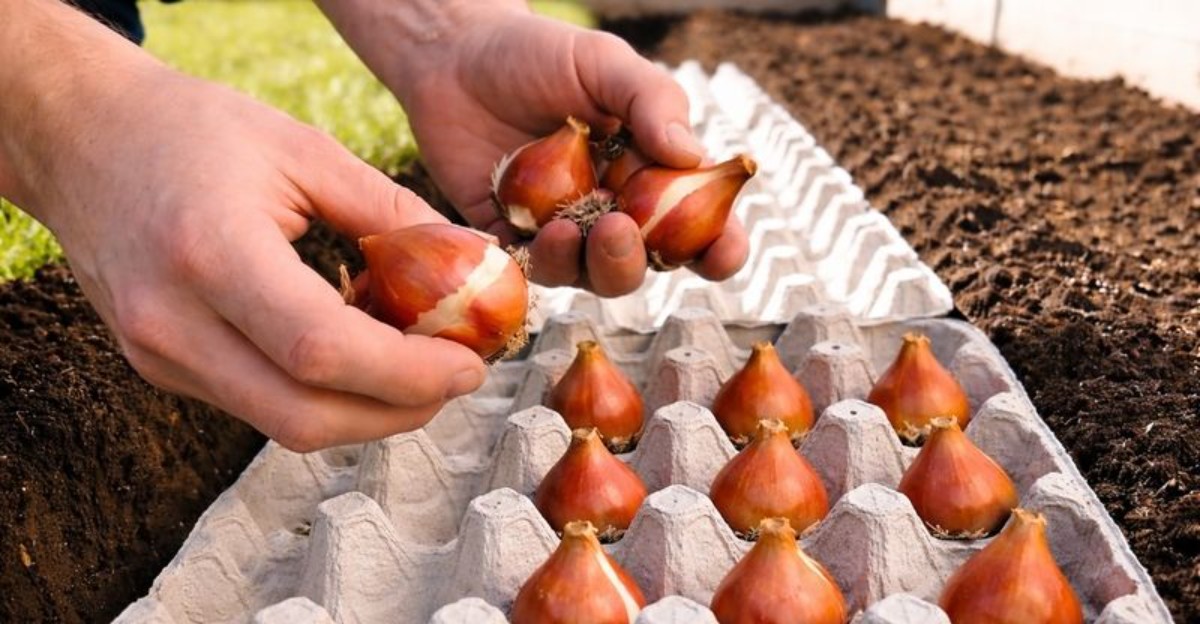
A dozen flower bulbs can fit inside the same box your breakfast came in. Social media videos show gardeners burying the whole cardboard package, bulbs and all, then walking away.
I love a clever shortcut as much as anyone. My hands get cold fast on October afternoons, and anything that speeds up planting sounds like a gift. The promise here is neat rows, perfect spacing, and less kneeling in chilly dirt.
New York gardeners have been sharing the idea in local groups this fall. Some swear by it. Others are quietly wondering what happens underground once the rain and snow arrive.
I did some digging through extension advice and bulb grower guidance before trying it myself. You might be surprised by what cardboard does after a few weeks in wet soil. So is this hack a spring miracle or a soggy mistake?
That Buried Egg Carton Full Of Tulip Bulbs Has A Catch
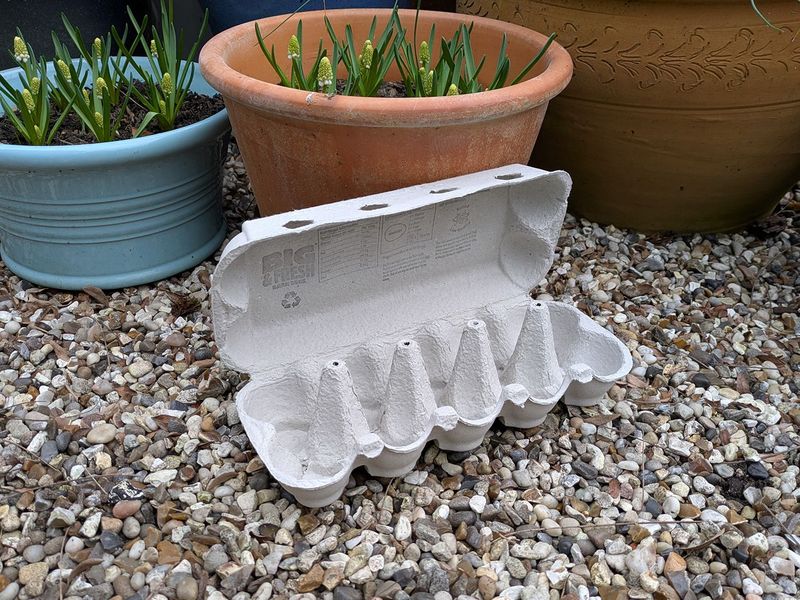
Videos of this trick look so satisfying. A gardener drops one tulip bulb into each cup of a cardboard egg carton, sets the whole thing in a trench, and covers it with soil.
The appeal makes sense. You get even spacing without measuring, the pointed tips face up, and a dozen bulbs go in at once. For anyone planting in a hurry before cold weather, that sounds like a dream.
Many people also like the idea that cardboard breaks down in the ground. Plain paper cartons are compostable, so the method feels tidy and earth-friendly. Some folks even use the trick indoors first, setting bulbs in cartons to keep them organized before planting.
So where does it go wrong? The trouble is not the organizing part. Using a carton to sort and carry bulbs to the bed is perfectly fine and pretty handy.
The problems show up when the carton stays in the hole. Tulips are picky about wet feet and cramped roots, and buried cardboard can cause both. Bulb growers and university extension services stress drainage and proper depth above almost everything else.
Personally, I think the hack is half brilliant. Keep the carton for sorting, then lift the bulbs out before they go into the soil.
Soggy Cardboard Can Leave Tulip Bulbs Sitting In Moisture
Cardboard is basically a sponge. Egg cartons are made from pressed paper pulp, and they soak up water quickly and hold it for a long time.
Tulip bulbs strongly dislike that. Cornell and other extension programs point out that bulbs planted in soggy, poorly drained soil are prone to rot. A bulb sitting in a damp cup of pulp all fall is basically resting in a wet blanket.
New York falls tend to bring steady rain, and many yards have heavy clay soil. Add a waterlogged carton, and the area around each bulb can stay wet far longer than the surrounding ground.
Fungal problems like basal rot and gray mold thrive in those conditions. You may not notice anything until spring, when only a few weak shoots appear or nothing comes up at all.
Want a quick test? Soak a paper egg carton in a bucket for a day, then squeeze it. That soft, dripping mess is what your bulbs would be sitting in.
Bulbs do best in loose, well-drained soil. If your bed stays wet after a storm, mix in compost or choose a raised bed or slope instead of relying on any planting hack.
Tulip Roots Need More Room Than An Egg Cup Allows
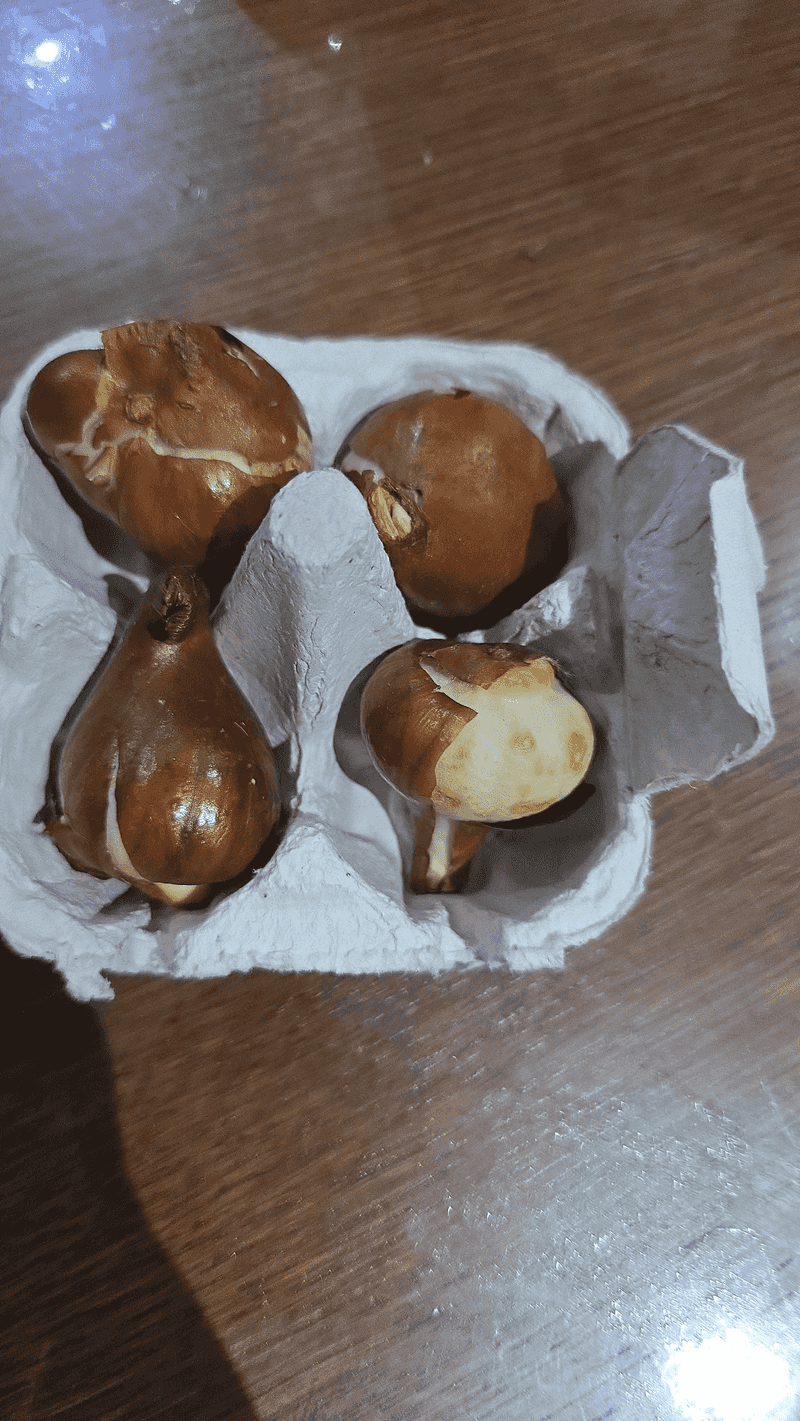
Underground is where tulips do their real fall work. Once planted, each bulb sends out white roots that anchor it and gather water before the ground freezes.
An egg cup is small and snug. Most garden tulip bulbs are about the size of a walnut or bigger, so they barely fit, and the pulp walls press right against the base where roots form.
Roots can push through soft, wet cardboard, but it slows them down at a key time. Paper products can take months to break down in cool soil. Meanwhile, the bulb needs a strong start in the few weeks before winter sets in.
Spacing is another issue. Egg cups sit very close together, often around two inches apart center to center. Bulb growers usually suggest about four to six inches between standard tulips, depending on the look you want.
Crowded bulbs compete for water and nutrients. That can mean smaller blooms and weaker plants in later years.
Here is a simple fix. Dig a wide hole, loosen the bottom, and set bulbs a few inches apart with the pointed end up. Your tulips get open soil to root into from day one.
Planting Tulip Bulbs Deep Enough Matters A Lot
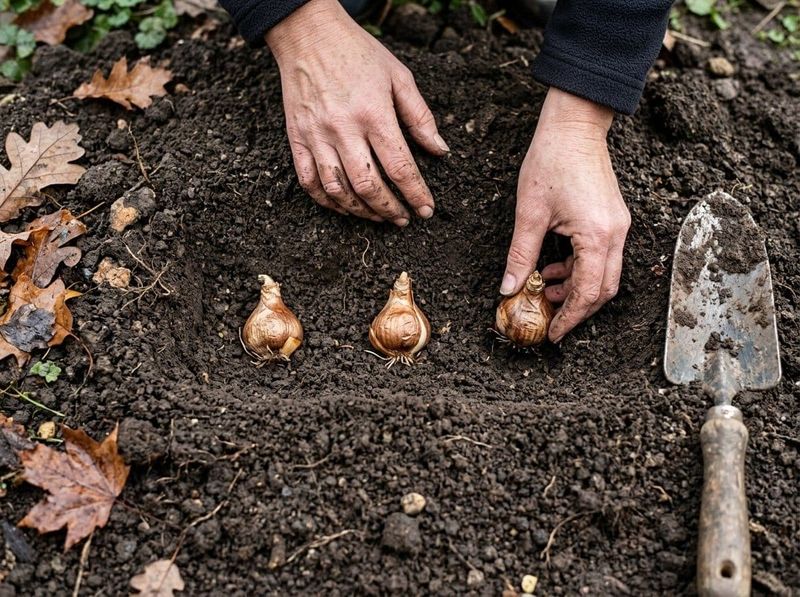
Depth is the detail most hacks skip. An egg carton sits shallow, and many videos show it barely covered with soil.
Extension services and bulb growers recommend planting tulips about six to eight inches deep. A handy rule says to plant roughly three times as deep as the bulb is tall, measured from the bottom of the bulb.
Deeper planting helps in several ways. It keeps bulbs cooler and steadier through freeze and thaw cycles, supports tall stems in spring wind, and makes bulbs harder for animals to find.
Shallow bulbs face more swings in temperature. Winter heaving can push them toward the surface, and early warm spells can coax leaves out too soon.
Got rocky or heavy soil? A bulb auger attached to a cordless drill can make quick work of deep holes. A sturdy hand bulb planter works too, especially for smaller groups.
Set the bulb pointy side up, cover it with soil, and water once to settle everything. A two to three inch layer of shredded leaves or mulch on top helps hold moisture steady over winter. I find that small step pays off when spring arrives.
New York Soil Temperature Tells You When To Plant Tulips
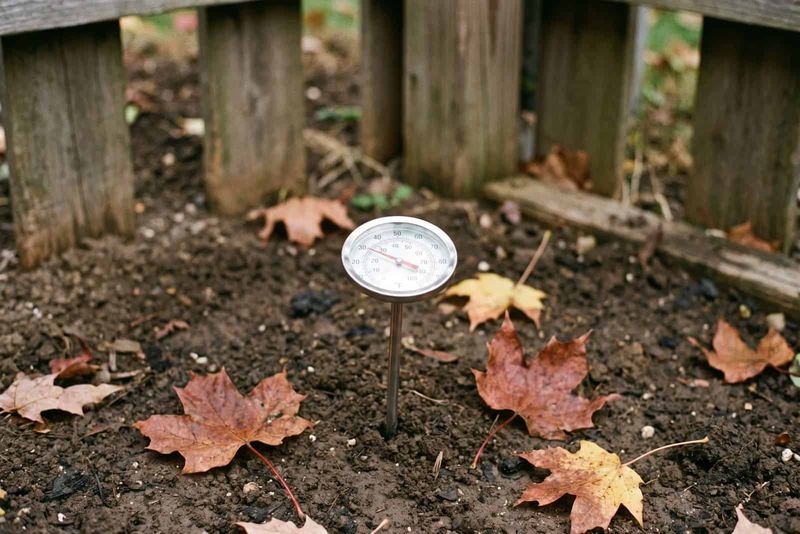
Timing beats any trick. Tulips want cool soil to grow roots, but they need to settle in before the ground freezes hard.
Cornell Cooperative Extension and bulb experts suggest planting once soil drops below about 60 degrees. In much of New York, that usually means late September through early November.
Regions differ quite a bit. The Adirondacks and North Country, mostly zones 3 and 4, often cool first, so aim for late September to mid October. Central and Western New York usually do well through October.
Downstate is milder. New York City, Long Island, and the lower Hudson Valley, around zones 6 and 7, can often plant from late October into November, sometimes even early December in a warm year.
Planting too early in warm soil can invite rot or early leaf growth. Waiting until the soil is frozen leaves roots no time to form.
A cheap soil thermometer takes the guesswork out. Push it about six inches down in the morning for a few days. Once readings stay cool, grab your bulbs and get going. Tulips also need about 12 to 16 weeks of cold to bloom well.
Squirrels Love Digging Up Freshly Planted Tulip Bulbs
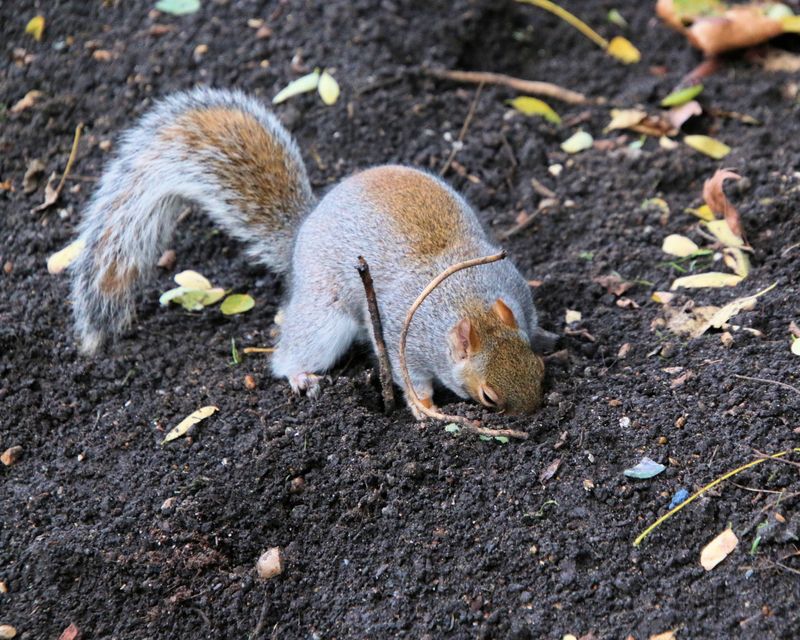
Gray squirrels are expert diggers. Freshly turned soil practically waves a flag at them, and tulip bulbs make a tasty snack.
A buried carton does not help here. The freshly disturbed soil can draw curious paws, and a whole cluster of bulbs in one spot is an easy prize. Chipmunks and voles join in too.
Chicken wire or hardware cloth works well. Lay it flat over the planted area, pin it with landscape staples, and cover it with mulch. Shoots grow through the openings in spring, but digging gets much harder.
Clean up after planting. Pick up papery bulb skins and smooth the soil so the spot looks untouched. Some gardeners also add a layer of gravel at the top of each hole.
Mixing in plants squirrels avoid can help. Daffodils contain compounds that make them unappealing to rodents and deer, and alliums have a strong onion smell. Both are good choices for New York gardens, though it is best to pick well-behaved ornamental alliums and avoid types that spread aggressively.
Repellent sprays can work for a while, though rain washes them off. Physical barriers stay the most dependable choice, in my experience.
A Better Way To Get Neat Tulip Clusters This Spring
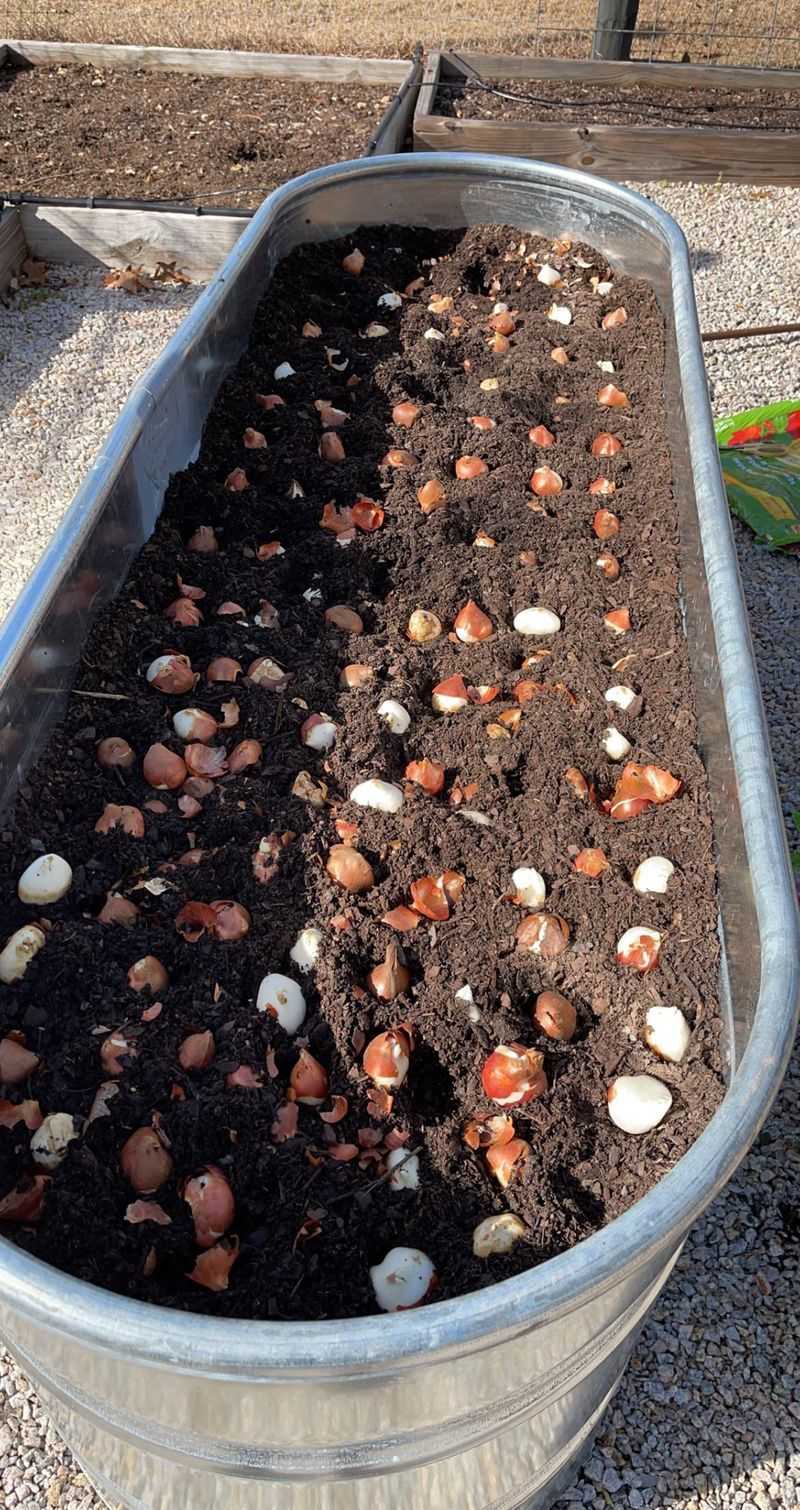
Beautiful drifts of tulips come from simple habits, not hacks. The best part is that these steps are easy and cost very little.
Start with grouping. Plant bulbs in clusters of at least ten to twelve for a full look, or about four to nine per square foot. Dig one wide hole and arrange bulbs inside, a few inches apart, pointed ends up.
Want that tidy egg carton spacing? Use the carton as a template instead. Press it gently on top of the soil to mark spots, then dig each hole to proper depth. You keep the neat pattern without trapping moisture.
Pick a sunny, well-drained site. Tulips want at least six hours of sun, and they bloom best when they dry out a bit in summer.
After flowers fade, snip off the spent heads but leave the leaves until they yellow. That foliage feeds the bulb for next year.
Many modern hybrids decline after a few seasons. Species tulips and Darwin hybrids often come back more reliably. Plant this fall with care, and you can look forward to a bright, cheerful welcome to spring.