What New York Gardens Need Before This Weekend’s Frost Warning Arrives
Your knees knew before the forecast did. Frost slides into your New York backyard while glossy apps stay stubbornly silent. Warmth teases you Tuesday, then fades by chilly Friday morning.
Temperatures drop hard, and your unprepared plants feel it instantly. Roots stiffen while you casually scroll past another sunny photo online. Squirrels finished their careful prep weeks before you even touched a trowel.
You haven’t lifted a tool since warm summer loosened its firm grip. Saturday looks calm, but your restless yard tells another story. New York weather flips faster than your outdated calendar admits.
Mud, cold hands, and quiet urgency wait for you outside. Ignoring this shift lets frost catch your unprepared soil. Ready gardeners quietly protect their yards before you lose the window.
What happens next determines whether your garden thrives through the freeze, or struggles for months.
1. Cover The Tender Beds With Frost Cloth Or Old Sheets
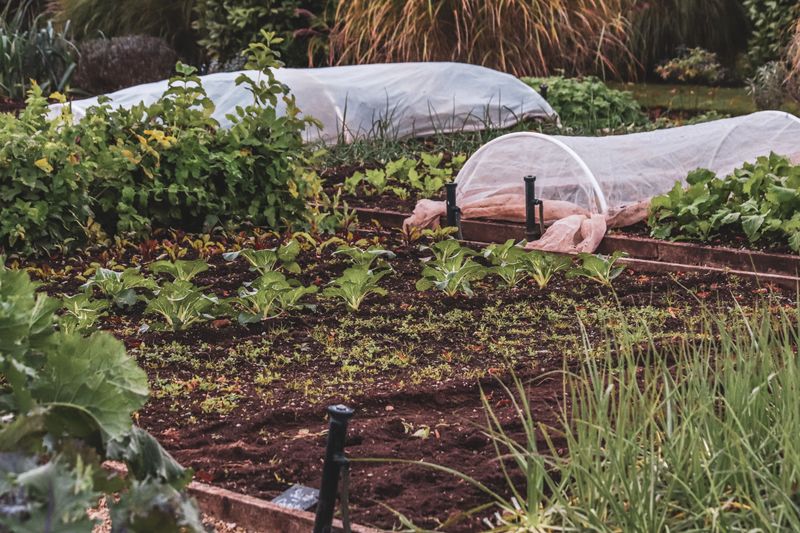
A bedsheet flung over a flower bed looks a little silly and works surprisingly well. Trapped ground warmth is the whole trick, and fabric holds it near the leaves.
Drape covers before sunset, while the soil still holds the afternoon heat. Waiting until bedtime means you are covering plants that already lost their warmth.
Let the cloth reach the ground on every side and weigh the edges down. Bricks, rocks, or soil filled bags stop a breeze from peeling it back.
Plastic sheeting alone is a poor choice because it conducts cold straight through to the foliage. If plastic is your only option, prop it above the leaves with stakes.
Old blankets, burlap, and row cover fabric all beat plastic for gentle protection. Garden centers sell lightweight frost cloth that breathes and still lets light pass.
Remove the covers by mid morning once temperatures climb back above freezing. Leaving them on through a sunny day can cook the plants underneath.
Peppers, dahlias, coleus, and impatiens need the most attention during a sudden chill. Kale, cabbage, and parsley shrug at light frost and often taste sweeter afterward.
Tomato cages and wire hoops make handy frames so fabric stays off the foliage. Contact points can still get frostbitten wherever cloth presses against tender tips.
Keep a stash of covers in the garage now instead of hunting for them at dusk. Flashlight gardening in a cold wind has a way of testing anyone’s patience.
2. Mulch The Roots With A Thick Blanket Of Leaves
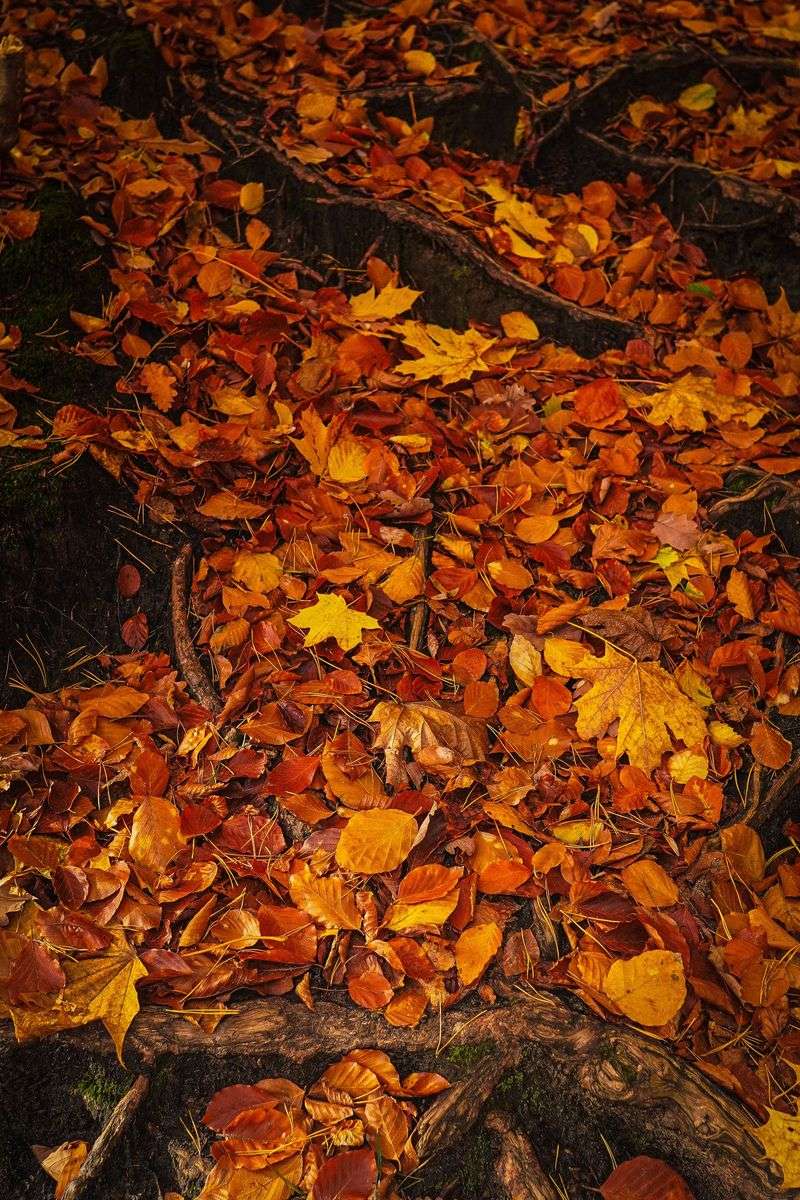
Fallen leaves are free insulation, and September in New York starts handing them out. A few inches over the root zone steadies soil temperature nicely.
Shred leaves with a mower before spreading so they do not mat into a soggy mess. Chopped material lets air and water pass through easily.
Keep mulch a couple of inches away from stems and trunks to discourage rot. A volcano of mulch piled against bark invites rodents and trouble.
Straw, pine needles, and shredded bark all work well when leaves run scarce. Avoid hay, which tends to arrive loaded with weed seeds.
Your New York Garden Changes Every Week. Your Plan Should Too.
Gardening in New York changes quickly throughout the season. Every Friday you’ll receive a simple weekly plan showing exactly what to plant, prune, fertilize, harvest, and protect so you never miss the right timing.
Hostas, coneflowers, and daylilies benefit most from a cozy covering over their crowns. Those crowns sit near the surface where cold bites hardest.
Strawberry patches and garlic beds also love a blanket, though garlic wants planting first. Mid October is a common planting window in many parts of the state, though timing varies by region.
Mulch slows the freeze and thaw cycle that heaves young plants out of the ground. Stability matters even more than pure warmth for winter survival.
Wait until the soil cools before piling mulch deep, otherwise you trap summer heat. A light layer now and a thicker one later works beautifully.
Worms treat leaf mulch like an all you can eat buffet through the cold months. Their thanks arrives next spring as rich, crumbly, gorgeous soil.
3. Harvest The Last Of The Warm Season Vegetables
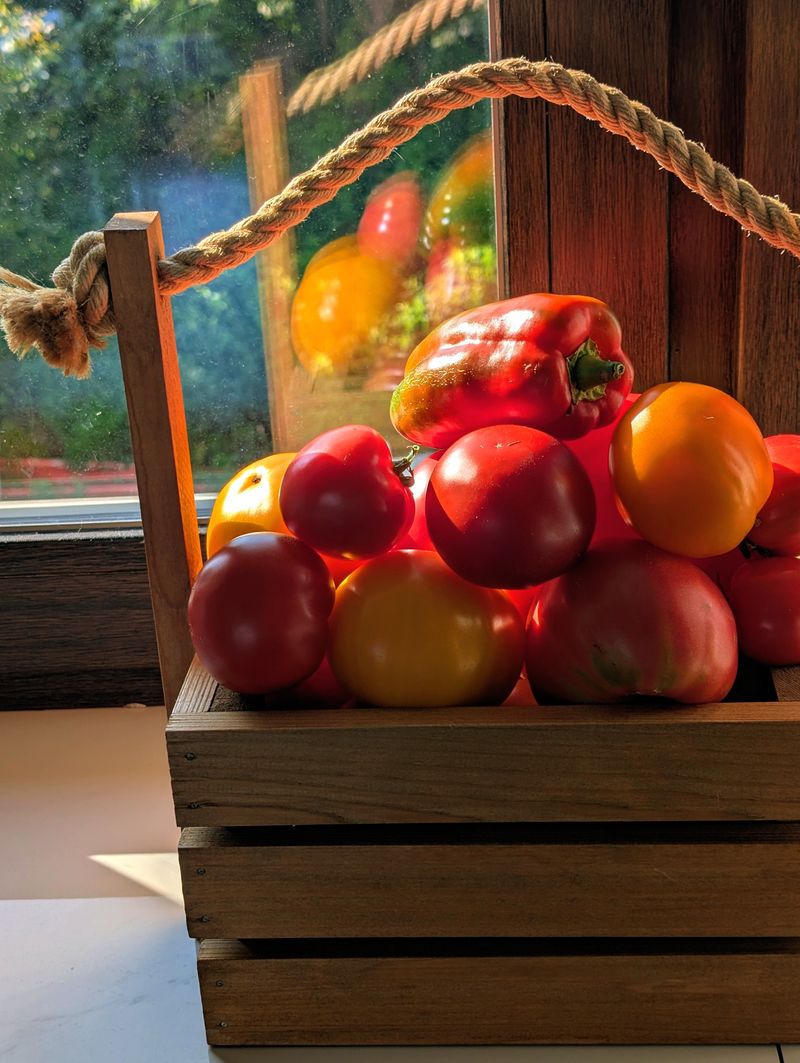
Tomatoes won’t tolerate a cold front, so pick everything your hands can reach. Green fruit ripens fine on a sunny windowsill or inside a closed paper bag.
Peppers, eggplants, and basil are highly sensitive the moment temperatures slide toward the upper thirties. Strip those plants bare rather than gambling on one more warm afternoon.
Basil turns black and slimy after one chilly night, so cut whole stems today. Blend the leaves with olive oil and freeze the mixture in ice cube trays.
Cucumbers and summer squash quit early too, and their skins bruise fast in cold air. Check beneath the big leaves, because the heaviest fruits love to hide there.
Winter squash and pumpkins want their stems snipped with pruners, not yanked by hand. Leave several inches of stem so they store for months without rotting.
Beans and okra produce right up to the chill, so give them one final sweep. Anything overripe or split can head straight to the compost pile.
Upstate gardens can frost a week or two before the city sees any frost at all. Trust your local forecast more than the calendar hanging on the wall.
Store picked produce somewhere cool but not cold, since refrigerators flatten tomato flavor fast. A shaded kitchen counter beats the crisper drawer every single time.
Here is a tasty bit of trivia: tomatoes ripen using ethylene gas they make themselves. Park a banana beside them and they blush noticeably faster.
4. Water The Soil Deeply The Day Before
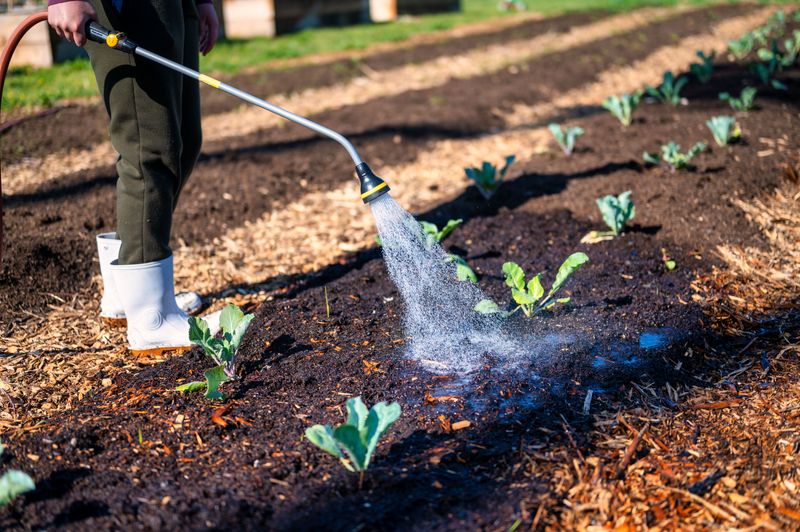
Wet soil holds heat better than dry soil, which sounds backward but holds up. Moisture absorbs warmth all day and releases it slowly through the night.
Give the beds a slow, thorough soak the morning before the cold arrives. Aim at the root zone, not the leaves, and let the water sink in.
Dry roots leave plants vulnerable because stressed tissue struggles with a sharp temperature drop. Hydrated cells simply cope better with a rough night outdoors.
Skip evening watering, since wet foliage in freezing air can turn into icy damage. Morning gives leaves plenty of hours to dry before temperatures slide.
Container plants dry out faster than ground beds, so check their weight by lifting. A suspiciously light pot means thirsty roots and thin protection.
Evergreens and newly planted shrubs especially appreciate a deep drink this time of year. Their roots keep working underground long after the show above ground ends.
September rain in New York runs spotty, so do not assume the beds stay damp. Push a finger three inches down and feel for real moisture.
Soaker hoses and drip lines handle this job while you tackle other chores. Set a timer so you do not flood the pathway by accident.
Growers have leaned on this trick for generations, including citrus farmers who flood groves before frost. Simple physics, no fancy equipment, and your hose already knows the way.
5. Move The Potted Plants To A Sheltered Spot
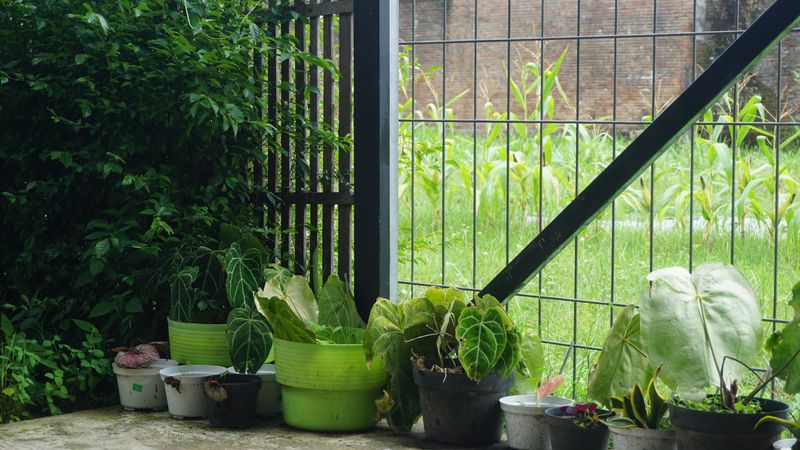
Roots in a pot sit exposed on every side, with little between them and the wind. Plants in the ground enjoy insulation that containers can only envy.
Slide containers against a south facing wall where brick soaks up sun and radiates warmth. A porch overhang or the sheltered side of a fence works too.
Group pots together so they protect each other like penguins in a huddle. The cluster stays several degrees warmer than any lonely pot sitting alone.
Wrap large planters in burlap, bubble wrap, or old towels for extra insulation. Leave the top open so rain and water still reach the soil.
Terracotta cracks when wet clay freezes and expands, which can damage a favorite pot fast. Move ceramic and clay indoors whenever the forecast looks genuinely harsh.
Pot feet or bricks lift containers off cold concrete and improve drainage underneath. Soggy soil freezes harder and faster than soil that drains freely.
Hanging baskets are affected most because cold air surrounds them from every possible direction. Take them down and set them on the ground for the night.
City balcony gardeners face extra wind that strips heat away from exposed containers. A windbreak made from plywood or a folded tarp calms things considerably.
Heavy pots deserve a plant dolly, unless you enjoy explaining a sore back. Wheels cost far less than one appointment with a chiropractor.
6. Bring The Houseplants Back Indoors For The Season
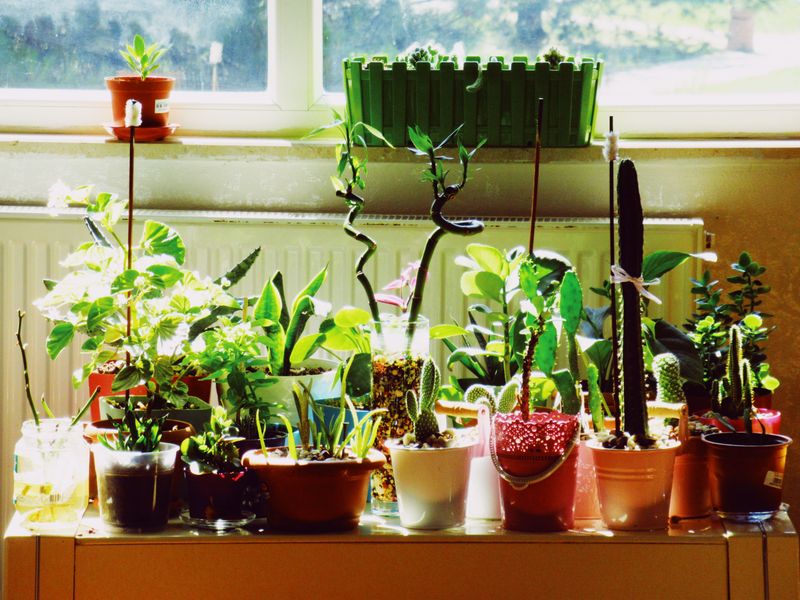
Your monstera has been living its best life on the patio since May. Nights below fifty degrees quietly turn that vacation into a problem.
Tropical plants sulk long before frost, showing yellow leaves and sudden drops. Move them inside once nighttime readings dip toward the low fifties.
Inspect every pot for hitchhikers such as aphids, spider mites, mealybugs, and slugs. A flashlight check under the leaves saves a whole winter of trouble.
Rinse foliage with a strong spray of water and treat pests with insecticidal soap. Isolate new arrivals for two weeks away from your indoor collection.
Hose off the outside of the pots too, since eggs and snails hide along the rim. Fresh topsoil helps whenever the surface looks suspicious.
Give plants a week in shade before the move so the light change feels gradual. Sudden dimness causes dramatic leaf drop and plenty of mess.
Indoor air turns bone dry the moment radiators start clanking in October. Pebble trays and grouped pots raise humidity without buying any gadgets.
Cut back on watering once growth slows, because cool roots sitting wet invite rot. Fingertip tests beat rigid weekly schedules in autumn.
Fiddle leaf figs are known for reacting strongly to this entire transition. Expect a few sulky weeks, then grudging forgiveness.
7. Drain The Hoses And Shut Off The Outdoor Spigots
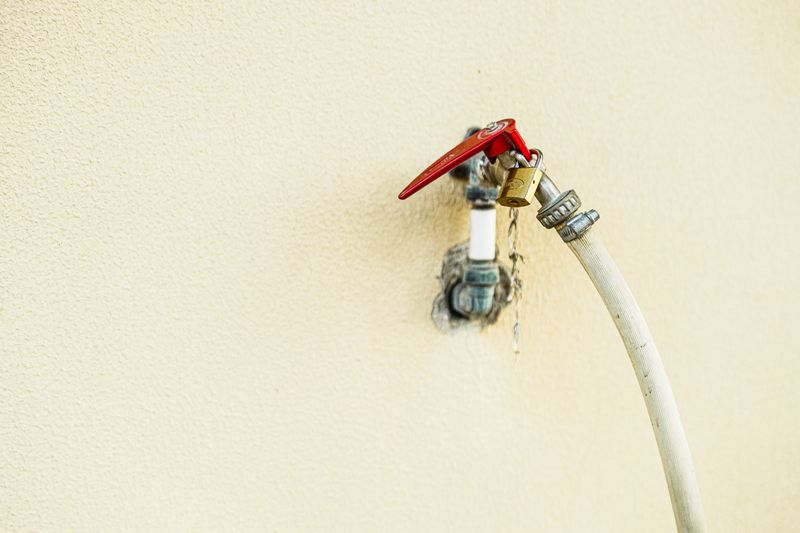
Water expands roughly nine percent when it freezes, and pipes do not stretch. One forgotten hose can become a burst pipe inside the wall.
Disconnect every hose from the spigot, even if the cold snap looks brief. Attached hoses trap water right where the faucet is most vulnerable.
Stretch hoses downhill on a driveway to drain them, then coil them loosely. Store them in a shed or garage instead of on frozen ground.
Older homes across New York often have interior shutoff valves for outdoor faucets. Close the valve, then open the spigot to let the line empty.
Frost free hydrants still fail if a hose stays connected, despite the reassuring name. Manufacturers print that exact warning somewhere in the fine print.
Drain rain barrels or leave the spigot open so ice has room to expand. Full barrels crack along the seams with impressive noise.
Empty watering cans, birdbaths, and saucers under pots before nightfall arrives. Standing water becomes ice that cracks ceramic and chips concrete.
Irrigation systems need blowing out with compressed air before any hard freeze. Many landscapers book that service quickly once the forecast turns grim.
A split pipe repair typically costs more than the time it takes to prevent one. Plumbers in January have interesting stories and equally interesting rates.
8. Dig Up The Tender Bulbs And Store Them Dry
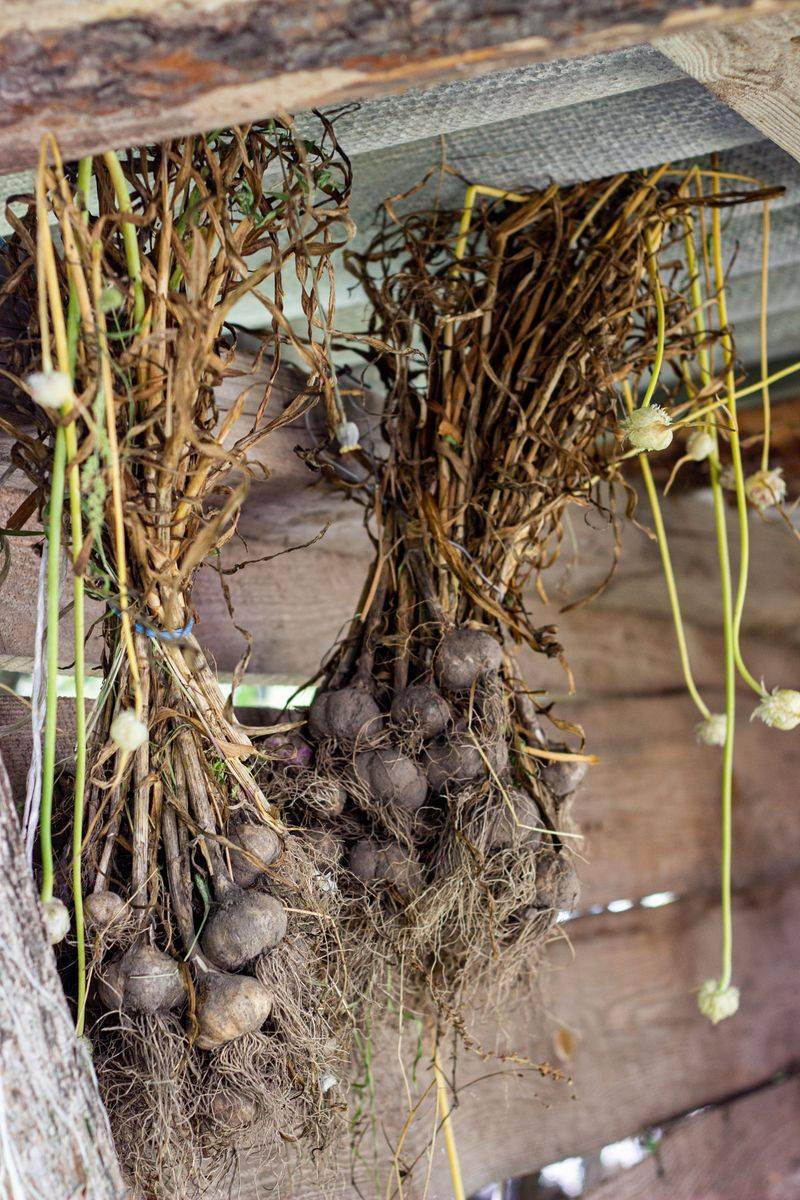
Dahlias, cannas, gladiolus, and elephant ears originally came from much warmer parts of the world. New York winters sit well outside their comfort zone.
Wait for frost to blacken the foliage, then cut the stems to about four inches. That timing lets the tubers finish storing energy for next season.
Loosen the soil with a garden fork well outside the clump to protect the roots. Lift gently and shake off the loose dirt.
Skip the hose and let clumps cure in a dry, airy spot for a week. Washing them invites rot once they go into storage.
Pack cured tubers in peat moss, vermiculite, or wood shavings inside a cardboard box. Airflow matters far more than any tight seal.
Store that box somewhere around forty five to fifty degrees, like a basement corner. Attics swing too hot and too cold for delicate tubers.
Label every variety, because each dahlia tuber looks identical by February. Masking tape and a marker prevent future arguments with yourself.
Check the box monthly and remove anything soft or moldy before it spreads. Mist lightly whenever tubers start looking shriveled and sad.
Dahlias were prized collector’s items during a nineteenth century flower craze, with rare tubers fetching high prices. Yours are worth saving, even if nobody offers you a fortune.