8 Ways Ohio Gardeners Use Maple and Oak Leaves Instead of Bagging Them
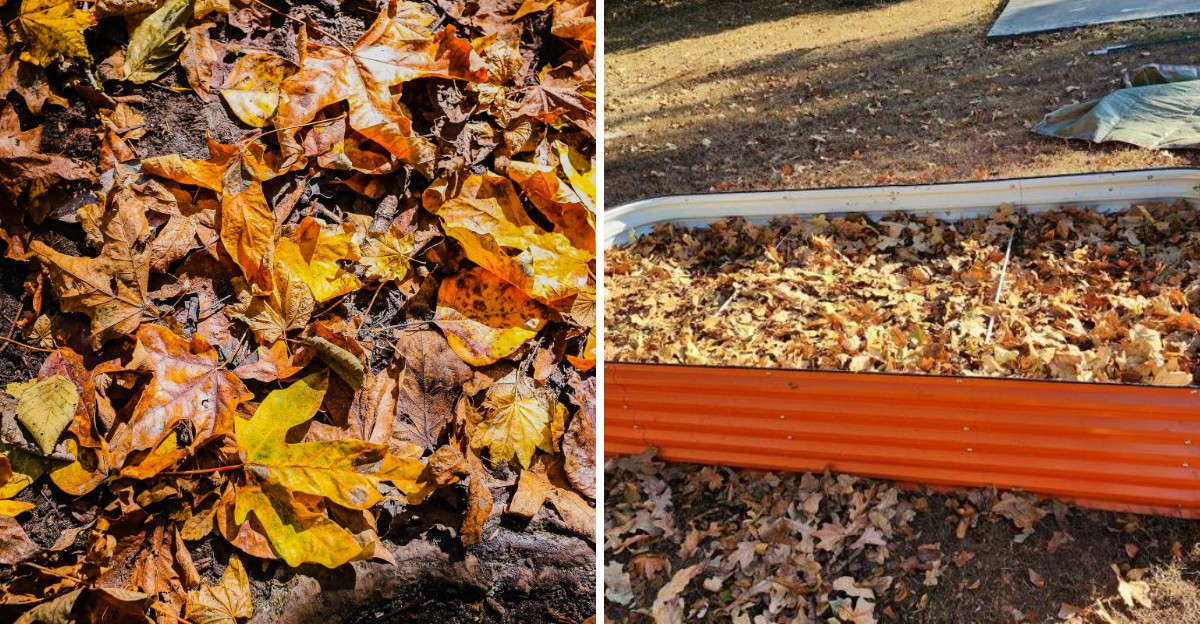
Ohio quietly banned separated yard waste from most landfills back in 1993, and few neighbors seem to remember. Those crunchy brown piles at the curb usually travel to compost sites instead, burning fuel on every trip.
Maple leaves crumble fast because they are thin, while oak leaves hang around much longer and hold their shape. Both kinds carry minerals the trees pulled from deep underground all summer, which feels too valuable to toss.
I have to admit that I used to rake and bag every single leaf like a sweaty, grumpy robot. Now my yard smells earthy each October, and you might notice your back thanks you for the change.
Gardeners across Ohio have found clever, free ways to turn that autumn mess into something their soil craves.
Ready to give your rake a well-earned break this fall?
1. Shredded Leaf Mulch Blankets Your Flower Beds
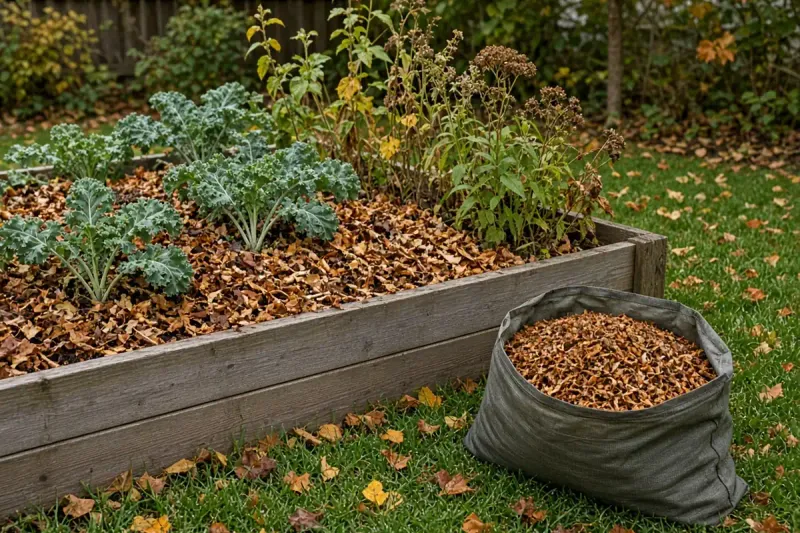
Leaves that crunch under your boots in fall can become the softest, most useful blanket your flower beds ever wear. I run my mower over them first, because shredded pieces settle down and stop blowing into the neighbor’s driveway.
Whole leaves, especially big maple ones, can mat together into a soggy layer that blocks water and air. Shredding fixes that problem quickly, and a bagging mower or leaf vacuum makes the job surprisingly easy.
Spread a layer about two to four inches deep around shrubs and perennials once the leaves are chopped. Keep the mulch a few inches away from stems and trunks so bark and crowns stay dry and healthy.
Moisture stays in the soil longer under this cover, so you will drag the hose around less next summer. Weed seeds also struggle to sprout when sunlight cannot reach them through a thick, crumbly leaf layer.
Maple leaves soften and break down fairly fast, feeding earthworms and adding organic matter within a single season. Oak leaves hold their shape much longer, which makes them a sturdy choice for paths and woodland beds.
People worry that oak leaves will make soil too acidic, but studies show the effect is usually small. Most university extension experts agree leaf mulch mainly adds organic matter as it slowly breaks down over time.
Personally, I love how free this mulch feels compared to buying bags of shredded bark every spring. Your trees already did the hard work, so the only cost is a little raking and some mowing.
2. Oak And Maple Leaves Turn Into Crumbly Leaf Mold
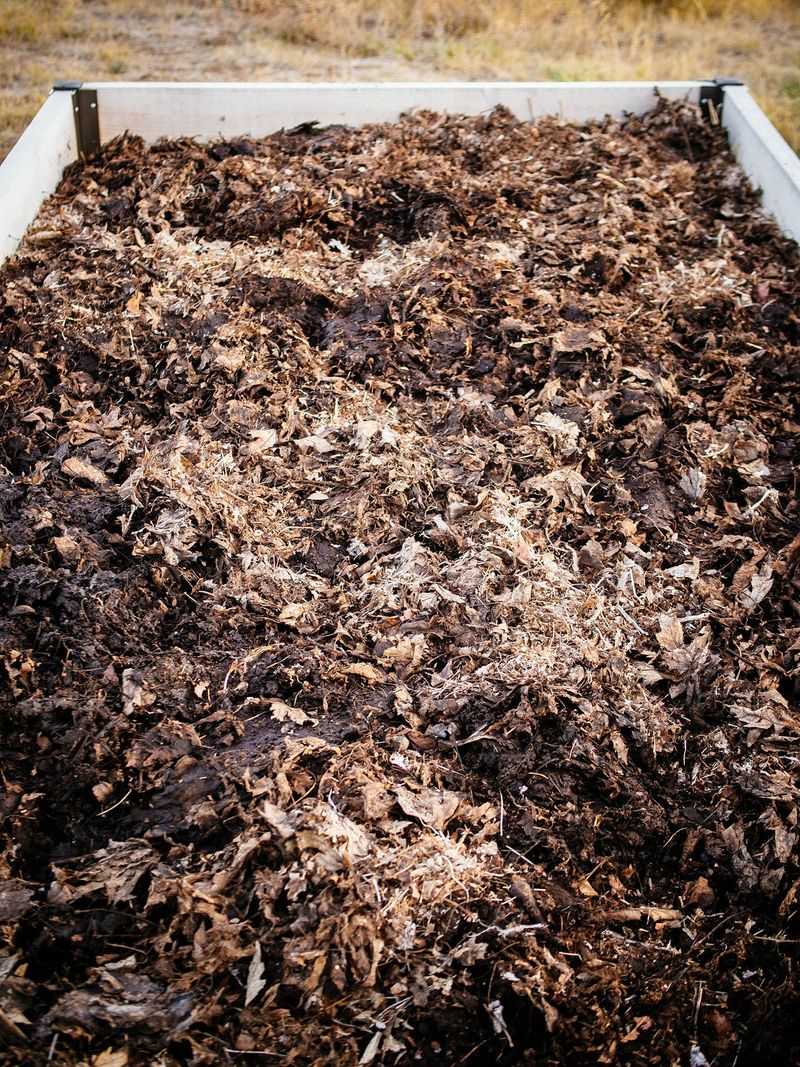
Fungi do almost all the work in leaf mold, which means you can basically pile leaves up and walk away. Unlike regular compost, this slow process relies on fungal decay instead of bacteria heating the pile to high temperatures.
I like to build a simple ring from chicken wire or snow fence, roughly three or four feet across. Pack the shredded leaves inside, soak them with a hose, and let rain and time handle the rest.
Shredding matters a lot here, since chopped maple leaves can turn dark and crumbly in about a year. Whole oak leaves are tougher and may need two years or more before they finally break apart.
Keep the pile damp like a wrung-out sponge, because dry leaves just sit there doing nothing for months. Turning the pile occasionally speeds things up, but leaf mold still forms if you mostly leave it alone.
Finished leaf mold smells like a forest floor after rain, and it feels wonderful running through your fingers. Gardeners call it black gold because it holds moisture beautifully in sandy soil and loosens sticky clay.
It contains fewer nutrients than kitchen compost, so think of it as a soil conditioner rather than fertilizer. Earthworms and helpful microbes love it, and they reward you with better soil structure over the seasons.
You can mix leaf mold into homemade potting soil or spread it thinly around tender new seedlings. I can’t imagine starting my spring garden without a few buckets of this crumbly treasure nearby.
3. Brown Leaves Balance A Busy Compost Pile
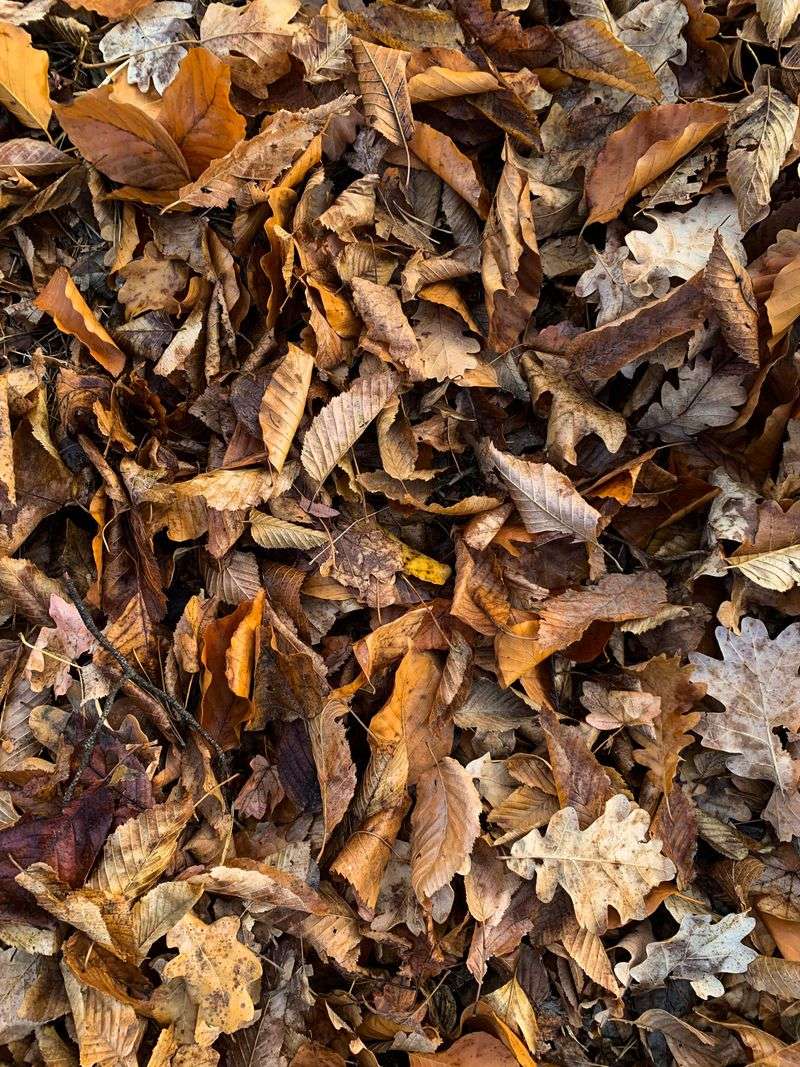
Every compost pile has a hungry side and a starving side, and fall leaves feed the one most people neglect. Leaves count as browns, which supply carbon to balance the nitrogen found in grass clippings and kitchen scraps.
Without enough browns, a compost bin turns slimy and smelly, and nobody wants that near the back porch. A good rule of thumb is roughly two or three parts browns to one part greens by volume.
I stash extra bags of shredded maple and oak leaves beside my bin to use all year long. Summer lawn clippings pile up fast, and having dry leaves ready keeps the mix from turning into mush.
Shredding speeds decay because smaller pieces give microbes more surface area to munch on each day. Oak leaves especially benefit from chopping, since their waxy and leathery texture resists breaking down while whole.
Turn the pile every week or two and keep it about as moist as a damp sponge. Warm, active piles can finish in a few months, while cooler piles simply take longer to mellow.
Skip leaves covered in heavy disease spots, like severe tar spot or anthracnose, if your pile stays cool. A hot compost pile reduces many problems, but backyard bins rarely get hot enough to be fully reliable.
Ohio State University Extension encourages home composting as a practical way to handle yard waste at home. Honestly, watching a mountain of leaves shrink into rich compost feels like a small backyard magic trick.
4. Mowing Leaves Right Into The Lawn Feeds The Grass
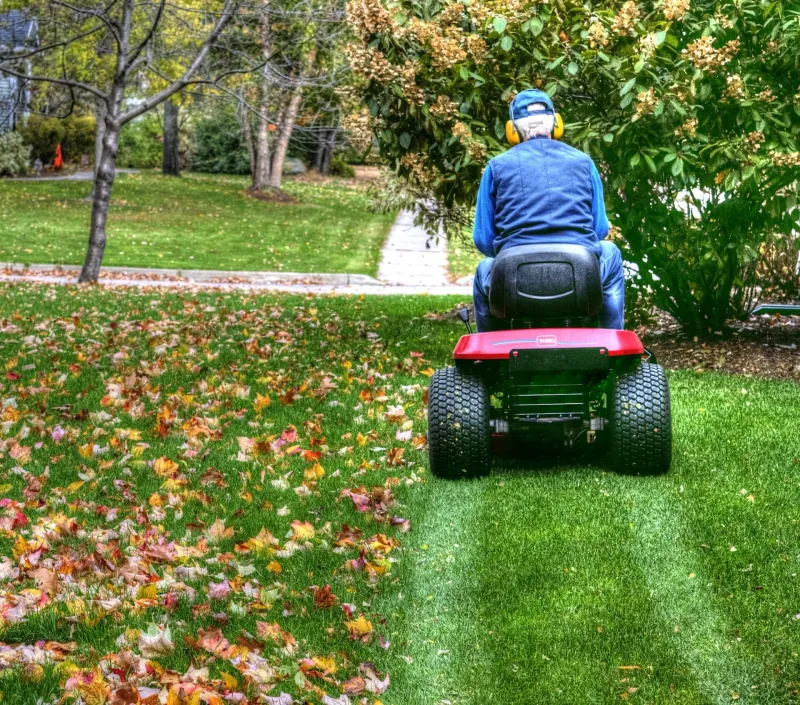
Your lawn mower might be the best leaf tool you already own, and it requires no raking at all. Mowing over a thin layer of leaves chops them into confetti that drops neatly between the grass blades.
Research at Michigan State University found mulching leaves into turf did not harm lawns and could improve them. Many Midwest extension services now recommend this method because it saves time and returns organic matter to soil.
The trick is mowing often enough that the leaf layer stays thin and manageable throughout the fall. After mowing, you should still see plenty of green grass peeking through the tiny brown leaf bits.
Heavy mats of whole leaves can smother turf by blocking sunlight and trapping moisture near the crowns. Thick oak layers might need two passes with the mower, or you can rake some extras into garden beds.
Maple leaves shred beautifully and vanish into the lawn quickly, sometimes within a few weeks of mowing. Earthworms pull the fragments underground, and their tunnels help water and air reach thirsty grass roots.
A mulching blade works best, though most standard rotary mowers handle the job fine with the chute closed. Try mowing when leaves are fairly dry, since soggy piles clump and clog the deck quickly.
I love how this lazy-sounding method actually rewards you with a greener lawn the following spring. Fewer bags at the curb means fewer trips for collection trucks, which feels good for the whole neighborhood.
5. Leaf Piles Tuck Perennials In For Winter
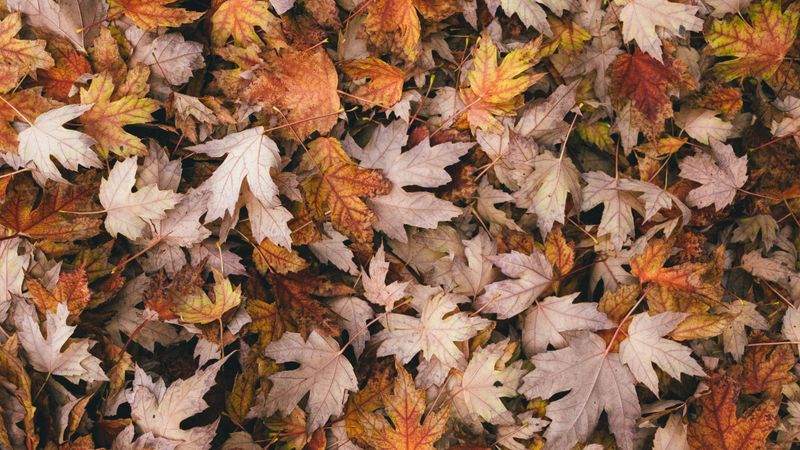
Freezing and thawing can push perennials right out of the ground, leaving their roots exposed to bitter winter air. Gardeners call this frost heaving, and a fluffy layer of shredded leaves helps keep soil temperatures more steady.
Timing makes a big difference, so wait until the ground has frozen before piling leaves around your perennials. Mulching too early can keep soil warm, which may trick plants into staying active when they should rest.
In much of Ohio, the ground usually freezes sometime in December, though it varies by region and year. Northern counties near Lake Erie and southern hills along the river often follow slightly different winter patterns.
Spread four to six inches of shredded leaves over newly planted perennials and young shrubs that need extra help. Fall-planted garlic also enjoys a leafy cover, which keeps the cloves snug until green shoots appear in spring.
Carrots and parsnips can stay in the ground under a thick leaf blanket for easier harvesting in winter. I have to admit that pulling sweet carrots from cold soil in January feels like finding buried treasure.
Shredded leaves stay put better than whole ones, which can blow away or form a soggy crust over crowns. Keep the leaves slightly loose around plants like heuchera, since packed, wet mulch can encourage rot.
Once spring arrives, gently pull some leaves back so the soil can warm and new shoots can stretch upward. The leftover pieces can stay in place as mulch, quietly breaking down and feeding the soil all season.
6. Fall Leaves Loosen Heavy Clay Garden Soil
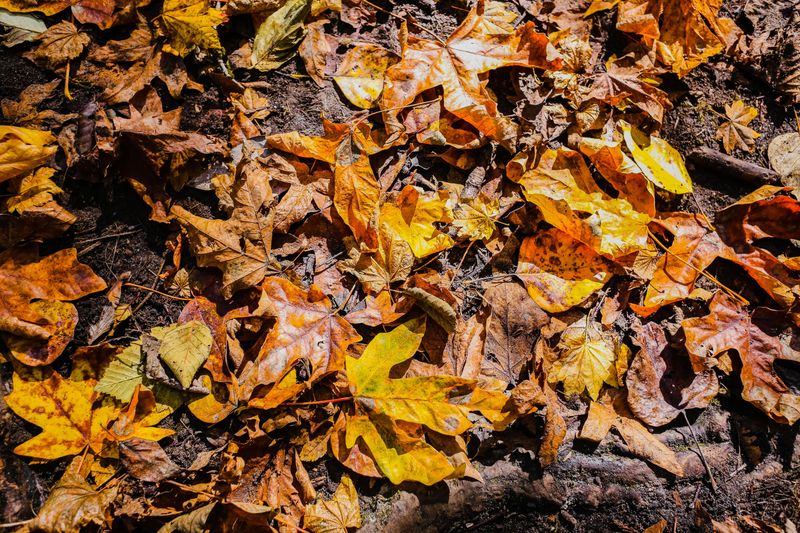
Heavy clay soil, common across much of Ohio, can feel like sculpting pottery whenever you try to dig in spring. Shredded leaves worked into empty beds each fall can gradually loosen that stubborn ground and improve drainage.
After the vegetable garden finishes, spread a few inches of chopped leaves across the bare soil surface. Mix them into the top six to eight inches with a garden fork, or simply leave them on top.
Earthworms and soil microbes get busy breaking down the leaves during mild spells throughout late fall and winter. By planting time, much of the material has softened, leaving darker soil that crumbles easily in your hand.
Sandy soils benefit too, since organic matter helps hold water and nutrients that would otherwise drain away fast. It might sound odd, but the same leaves fix opposite problems depending on what kind of dirt you have.
One caution involves nitrogen, because fresh leaves can briefly tie it up while microbes feast on all that carbon. Adding leaves in fall gives them months to settle, so spring crops rarely notice any shortage at all.
Maple leaves work especially well here because they break down faster than tougher oak leaves usually do. If you only have oak, shred them finely and consider adding a little compost or grass clippings too.
Personally, I believe this approach beats buying bags of soil amendment every year, and my back agrees. Each autumn adds another layer of goodness, so the soil gets noticeably better the longer you keep going.
7. Leaf Litter Shelters Fireflies And Moth Caterpillars
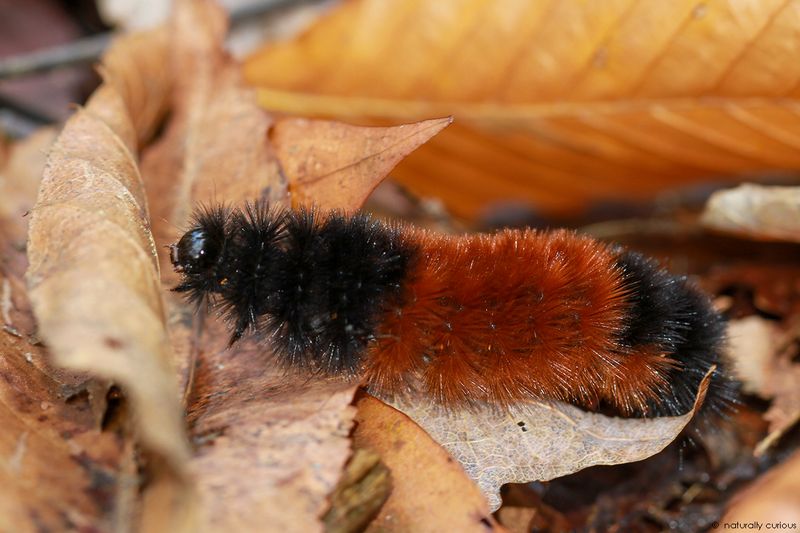
Those messy leaf piles hide a surprising nursery, because many fireflies spend their larval stage in moist leaf litter. Some moths and butterflies also overwinter there as caterpillars or chrysalises tucked among the fallen leaves.
Woolly bear caterpillars, which become Isabella tiger moths, curl up under leaves and survive freezing temperatures surprisingly well. Mourning cloak butterflies spend winter as adults, often tucked behind loose bark or hidden in sheltered spots nearby.
Eastern red bats sometimes burrow into leaf litter during cold weather, according to wildlife researchers across the eastern states. I can’t help smiling at the thought of a tiny bat snuggled under my maple leaves somewhere nearby.
Those overwintering insects become food for songbirds in spring, especially when busy parents are feeding hungry nestlings. Chickadees need thousands of caterpillars to raise one brood, according to research from entomologist Doug Tallamy.
You do not need to turn your whole yard into a jungle to help these creatures survive. Just rake leaves into garden beds or under shrubs instead of hauling them to the curb each week.
Avoid shredding the leaves you save for wildlife, since mowing can harm caterpillars and cocoons hiding inside. Whole leaves left beneath trees and along fence lines create perfect shelter without looking terribly messy.
Come summer, you might notice more fireflies blinking across the yard, and that glowing show feels like a sweet reward. Leaving leaves is probably the easiest way to help backyard wildlife, since it mostly involves doing less work.
8. Layered Leaves Fill Raised Garden Beds For Free
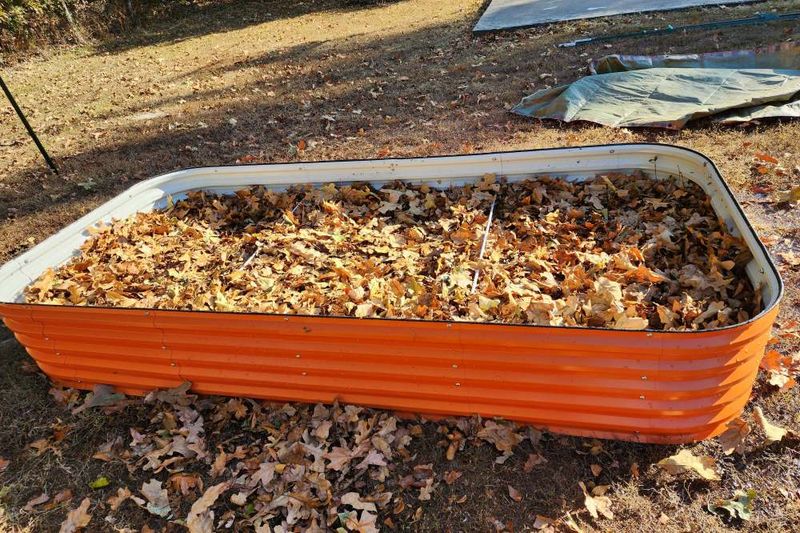
Filling a new raised bed with bagged soil can cost a shocking amount, especially for deep beds. Fallen leaves offer a free alternative, and many gardeners layer them in using a method called lasagna gardening.
Start with cardboard on the bottom to smother grass, then add thick layers of shredded maple and oak leaves. Alternate those browns with greens like grass clippings or vegetable scraps to keep decomposition moving along nicely.
Leaves fill the bottom half of a deep bed well, saving the pricier soil and compost for the top. Plant roots mainly grow in the upper layers, so a rich top few inches matters the most.
Expect the leaves to settle a lot as they break down, sometimes shrinking by half within a year. I top my beds off each spring with a few inches of compost to replace the sunken material.
Building these layers in fall gives everything months to mellow before you plant tomatoes and peppers next season. Winter rain and snow keep the layers damp, which helps fungi and earthworms break everything down steadily.
If you build a bed in spring instead, place finished compost on top so seedlings have something ready. Fresh leaves underneath can briefly tie up nitrogen, so a little extra fertilizer may help hungry crops.
You’re in for a big surprise when you dig into that bed a year later and find dark, crumbly soil. Watching free leaves become loamy garden soil makes me grin every single time I plant something new.