The One Thing You Must Do For Texas Perennials Before Winter Rains
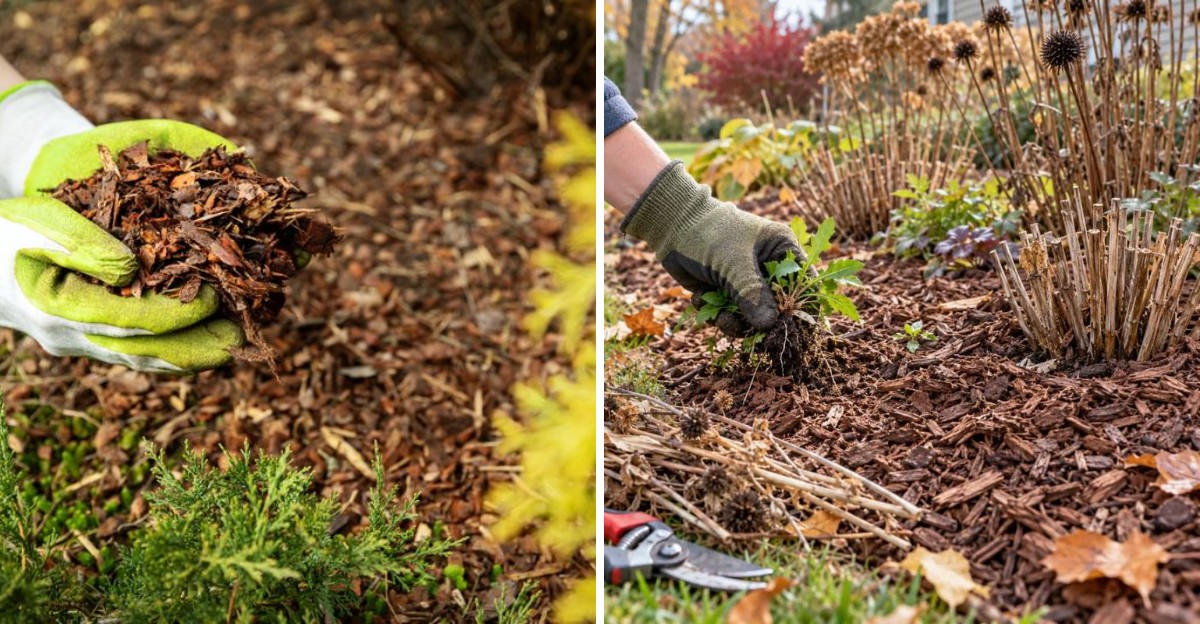
More perennials are lost to cold, soggy soil than to freezing air alone. That fact surprised me the first time I read it, because I spent years blaming every brown stem on a cold snap.
Winter in Texas can swing from shorts weather to a hard freeze in one afternoon. Then a gray, drizzly week settles in, and the ground stays wet for days. Roots sitting in that chilly water simply cannot breathe very well.
I like how one simple chore handles both problems at once. It keeps soil temperatures steadier, softens the blow of heavy rain, and even feeds the ground over time. You need about an hour, a wheelbarrow, and a little timing sense.
Personally, I think it is the most underrated job of the whole gardening year.
1. Those Soggy Perennial Roots Are The Real Winter Worry
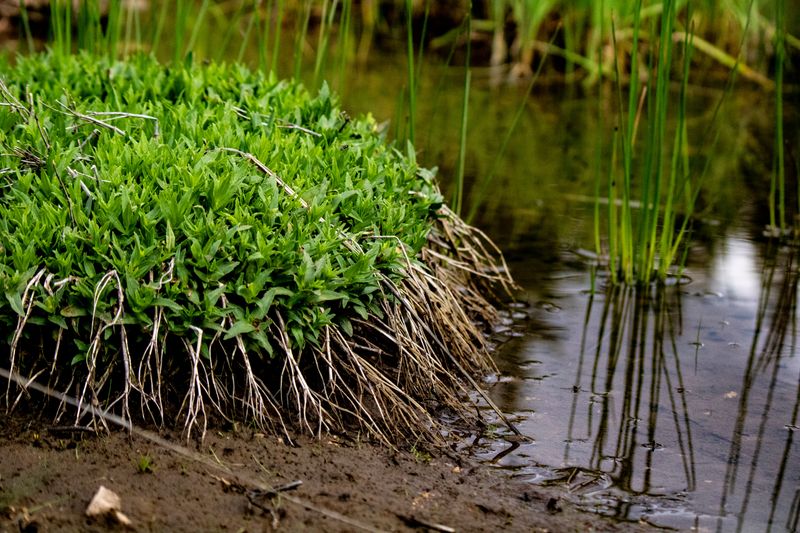
Cold air gets all the blame, but the trouble often starts underground. Extension experts point out that wet, chilly soil causes more perennial losses than freezing temperatures by themselves.
Roots need oxygen just like leaves need sunlight. When rain fills every tiny air pocket in the soil and stays there, roots start to struggle. Add a cold front, and that waterlogged ground turns into a slow, chilly bath that invites rot.
Texas makes this extra tricky. Heavy clay in places like Dallas and Houston holds water for a long time.
Rocky limestone soils in the Hill Country drain fast in some spots and pool in others. Even sandy East Texas beds can stay soggy where water collects.
Winter storms also bring big temperature swings. A sunny 75-degree day followed by a 28-degree night can stress roots that are already soaked. The ground freezes, thaws, and shifts again and again.
So the goal before winter rains is simple. You want roots that stay a bit warmer, a bit steadier, and not stuck in standing water. One easy step handles most of that work, and the next section reveals it.
2. A Fresh Blanket Of Mulch Is The Job That Matters Most
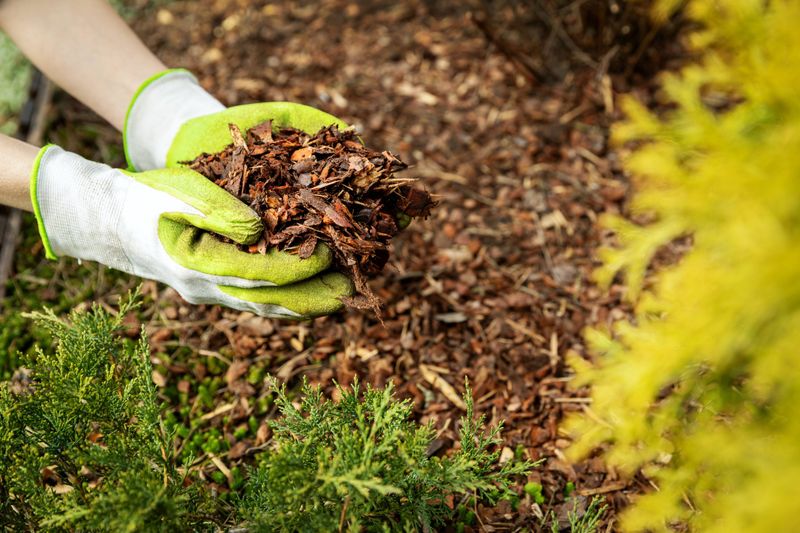
Mulch is the answer, and I mean a proper layer, not a sprinkle. Texas A&M AgriLife and other experts repeatedly name mulching as a top winter step for perennial beds.
A good layer works like a cozy quilt for the soil. It slows down how fast the ground heats and cools, so roots feel fewer wild temperature jumps.
That steadiness helps prevent frost heaving, where shallow roots get pushed up out of the soil.
Mulch also changes how rain lands. Instead of pounding bare dirt and sealing the surface, drops soak through gently. Less soil splashes onto stems, and less washes away during a downpour. There are bonus perks too:
Weeds have a harder time sprouting in the dark under mulch. Organic types slowly break down and feed the soil, improving its texture year after year.
Moisture stays more even, which helps before a freeze when dry roots are more likely to suffer.
I love that a single chore covers so much ground. You are protecting roots, building better soil, and cutting down spring weeding all at once. Few garden tasks give you that kind of payoff for one afternoon of work.
3. Wait For That First Light Frost Before Spreading Mulch
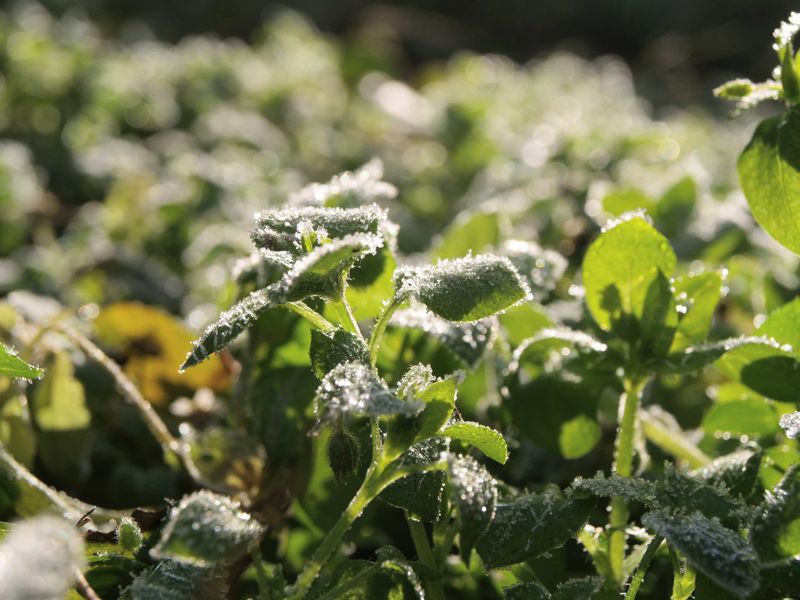
Timing turns good mulch into great mulch. Spread it too early, and you might actually cause problems.
Warm soil under a thick layer can trick perennials into pushing out tender new growth. Then a sudden blue norther arrives, and those soft shoots take the hit.
Many gardening sources suggest waiting until a light frost has helped plants harden off and slow down.
After that first frosty morning, plants shift into rest mode. That is your cue to mulch, ideally before the first hard freeze in your area. Timing varies a lot across Texas:
The Panhandle often sees frost by late October. North Texas usually follows in November. Central Texas may wait until late November or December.
Houston and coastal areas can stretch into December or later, with some guides suggesting November through February there.
The Rio Grande Valley may barely see frost at all, so gardeners there can mulch mostly for rain protection.
A handy trick is checking your local average first frost date through your county Extension office. Keep an eye on the forecast too. When the weather app shows a dip near freezing, get your mulch pile ready that weekend.
4. Shredded Leaves And Pine Needles Make Wonderful Free Mulch
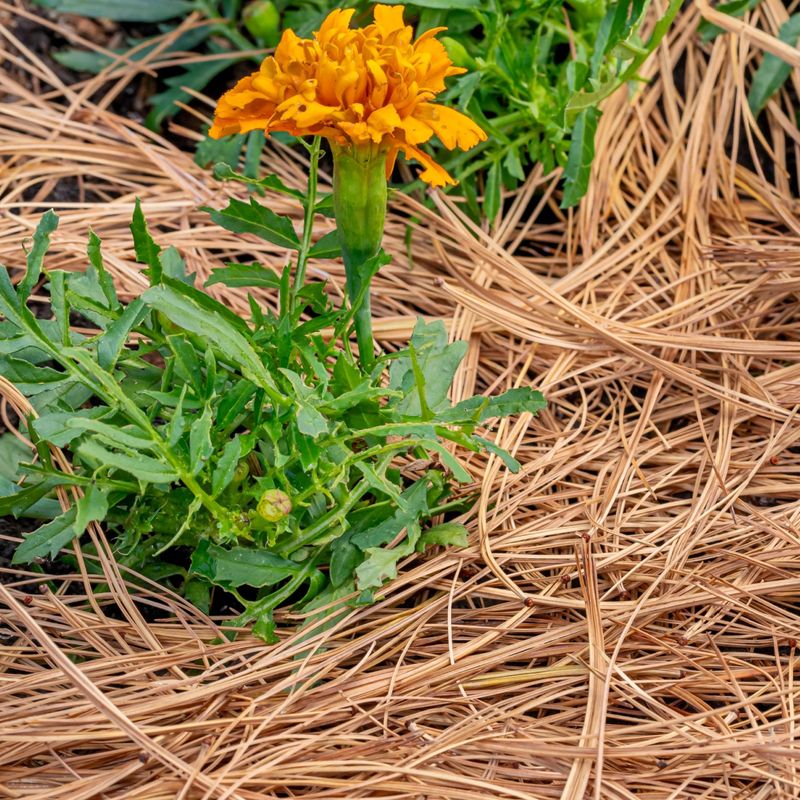
Some of the best mulch falls right out of your trees every autumn. Those bags of leaves lining the curb in November are basically free garden gold.
Organic mulches are the top pick for winter. They trap tiny air spaces that insulate, and they break down into rich soil over time. Here are some favorites that work well in Texas beds:
Shredded leaves decompose fairly quickly and add nutrients. Run them over with a mower first, because whole leaves can mat together and block water.
Pine needles stay fluffy, resist packing down, and hold well on slopes, which makes them perfect for East Texas yards.
Straw offers excellent insulation and helps hold moisture, but choose weed-free straw so you do not plant surprise seeds.
Wood chips and shredded hardwood last longer and look tidy in front beds. Compost can go down first as a thin layer to feed the soil underneath.
Personally, I mix shredded leaves with a top layer of hardwood mulch. It looks neat from the street and feeds the soil below.
Skip rubber or rock mulches around perennials, since they do not improve soil and rock can hold extra heat in summer.
5. Keep Mulch Pulled Back From Every Perennial Crown
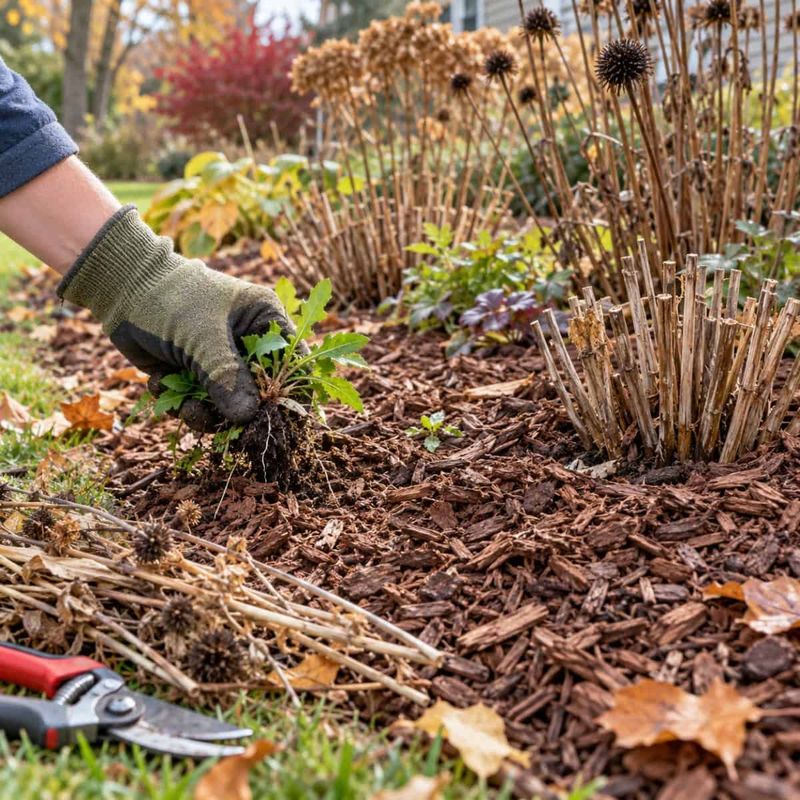
Mulch volcanoes look tidy, but they cause real trouble. Piling material right against stems is one of the most common winter mistakes I see.
The crown is where a perennial’s stems meet its roots. It needs air, especially during long rainy stretches. Keep mulch at least 2 inches away from that crown so it can dry out between showers.
When mulch hugs the base, it holds moisture against the stem for days. That damp pocket is a welcome mat for fungal rot, and it can shelter pests like slugs, pill bugs, and voles that nibble bark.
Depth matters too. Recommendations range from 1 to 2 inches in some beds up to 2 to 4 inches around shrubs and larger perennial plantings.
In heavy clay that already stays wet, I lean toward the thinner end. In sandy or rocky soil, a deeper layer helps more.
A simple routine works well. Spread mulch across the bed, then use your fingers to brush it back from each plant like making a little donut. Check again after big storms, because heavy rain can wash mulch back toward stems.
6. Test Your Garden Bed Drainage With A Simple Hole
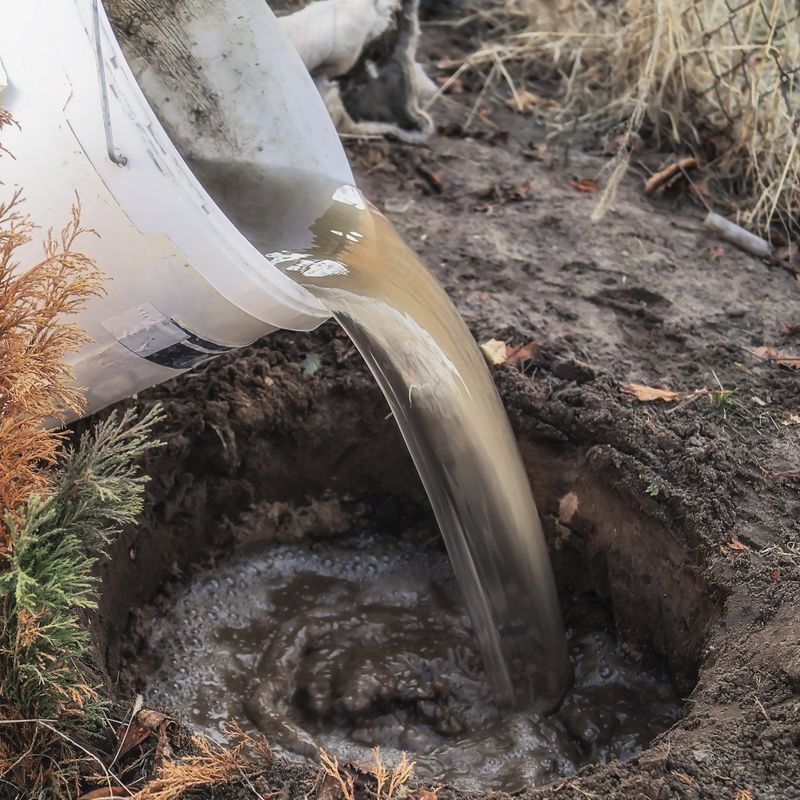
Mulch helps a lot, but it cannot fix a bed that acts like a bathtub. Quick drainage check: grab a shovel and a garden hose.
Dig a hole about two feet deep, then fill it with water. Many guides say that if water still stands after an hour, the soil needs improving before it can keep perennials healthy through a wet winter.
The usual fix is organic matter. Working compost into the bed loosens tight clay and creates spaces for air and water to move. Some experts suggest well-drained beds contain around 30 percent organic material.
Got serious clay? Raised beds or gently mounded planting areas can lift roots above the wettest zone. Even raising a bed by 6 to 8 inches can make a noticeable difference during a rainy January.
Watch where water flows during storms too. Downspouts dumping into flower beds or low corners of the yard can drown otherwise healthy plants.
I learned this one the hard way with a row of salvias planted near a gutter. They looked great all summer, then struggled after one soggy winter. Moving them three feet uphill solved the problem.
7. Ease Up On The Garden Hose Once Cool Weather Settles In
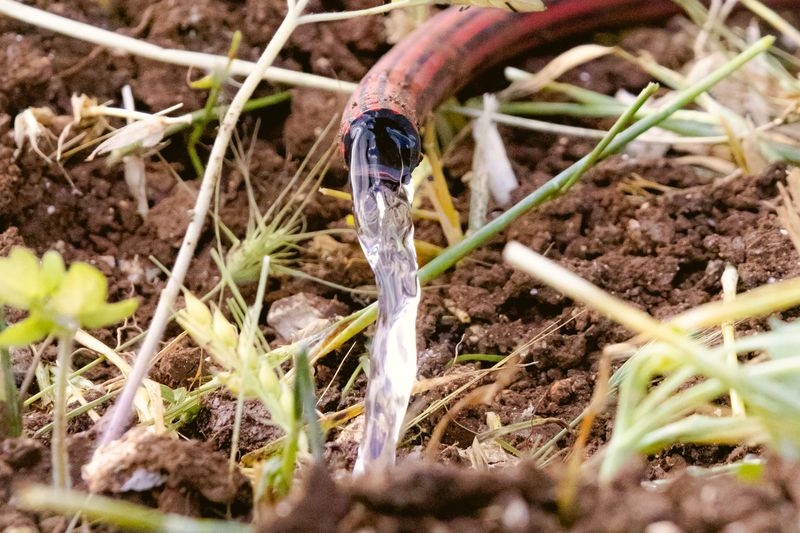
Sprinkler habits from August do not belong in December. Plenty of Texas yards get watered on autopilot all winter, and that extra moisture piles right on top of the rain.
Dormant perennials need far less water. A general guideline is about 1 to 2 inches per month, counting both rainfall and irrigation together. A cheap rain gauge makes tracking that easy.
Too much water in cold months can encourage root rot and fungal problems. Turn your irrigation controller to a winter setting, or switch it off and water by hand when needed.
There is one smart exception. Watering deeply a couple of days before a predicted hard freeze can help, because moist soil holds and releases heat better than dry soil. Well-hydrated plants usually handle cold better too.
Timing still counts here. Avoid watering in the late afternoon or evening right before a freeze, since water sitting on leaves and stems can turn to ice.
Fun fact: Texas A&M AgriLife programs have long encouraged checking soil moisture with a finger or a long screwdriver before watering. If it slides in easily and feels damp a few inches down, skip the hose.
8. A Quick Mulch Check After Storms Keeps Perennials Happy Until Spring
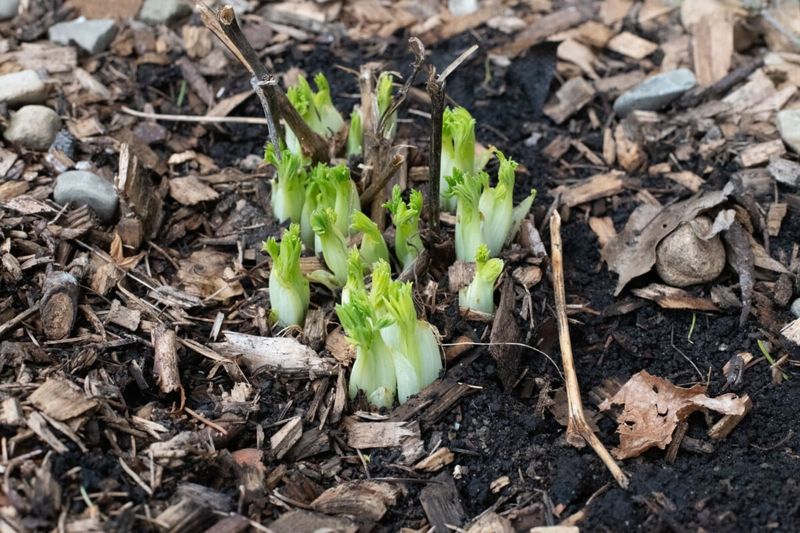
Mulching is not a one-and-done chore. A little follow-up through winter keeps that protection working until warm days return.
After heavy rain or strong wind, take a short stroll through your beds. Look for bare patches where mulch washed away and spots where it slid back against stems. A few handfuls and a quick rake usually fix things.
Watch for puddles that linger more than a day. Those areas are telling you where to add compost or adjust grading next fall.
Keep some spare mulch tucked behind the shed. If an arctic blast is forecast, you can add a temporary extra layer over tender perennials like lantana or firebush, then pull it back once temperatures recover.
As spring approaches, gently thin mulch around crowns so new shoots can push through easily. Older mulch that has broken down can stay and keep improving the soil underneath.
My favorite moment of the year is spotting those first green sprouts poking through a well-kept mulch layer.
It feels like a thank-you note from the garden. A bag or two of mulch and a well-timed afternoon really do make that moment possible.