10 Perennials That Triple in Size in One Season and Fill Florida Beds Fast
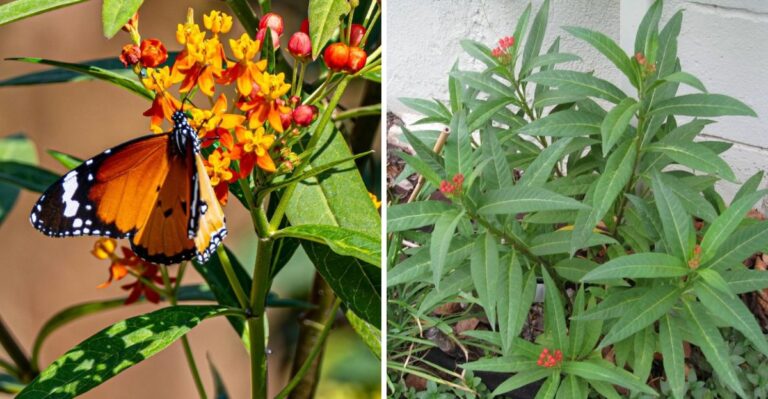
A single quart of sunshine mimosa can spread across hundreds of square feet in just one growing season. That native groundcover roots along its stems as it creeps, stitching bare soil together surprisingly fast.
Plenty of other plants share that same hurry once warm weather and summer rain settle in. Florida heat and long growing seasons give speedy perennials a real head start over slower shrubs and trees.
I have to admit, I love watching a skimpy new bed look full by late summer. You save money on plants, and you spend far less time pulling weeds from empty gaps between them.
Some of these growers are natives, and several pull in hummingbirds and butterflies almost right away. Which one would you trust to fill that stubborn bare patch in your Florida yard first?
1. Mexican Bush Sage
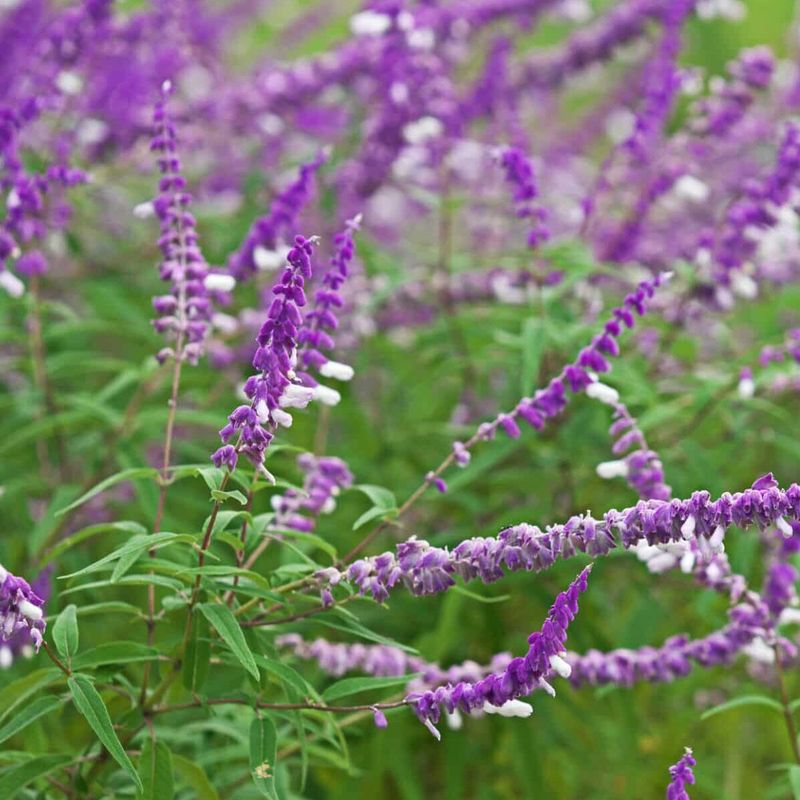
Fuzzy purple flower spikes make Mexican bush sage feel like velvet you can pet on a warm afternoon. I love how a small nursery pot can turn into a wide, arching clump before the first cool front.
Gardeners often see it reach three or four feet tall within its first growing season. The plant can stretch even wider than it grows tall, so give each one plenty of elbow room.
Salvia leucantha comes from Mexico and Central America, yet it handles North and Central Florida gardens quite nicely. Its biggest show usually arrives in fall, when long purple wands lean outward over paths and borders.
Drainage matters more than anything else for keeping this sage happy and upright through soggy summer months. Soggy roots can lead to rot, so plant it in sandy soil or a slightly raised bed.
Full sun keeps the stems sturdy and helps the plant produce more of those soft, colorful blooms. Too much shade makes it floppy, and the flowers become sparse and a bit disappointing by autumn.
Hummingbirds and butterflies visit the flowers often, which makes the garden feel lively and busy every day. Personally, I enjoy watching hummingbirds zip between spikes while I sip my morning coffee on the porch.
Cut the stems back hard in late winter after any frost has passed for the season. Fresh shoots will rise quickly in spring, and the clump fills its space again within a few months.
2. Sunshine Mimosa
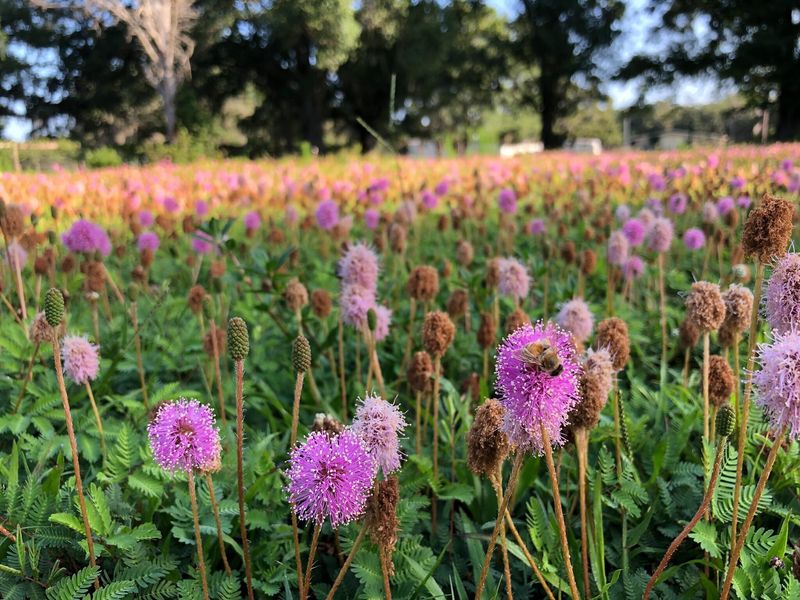
Tiny pink puffballs bob above this groundcover like cotton candy scattered across a lawn after a fair. Touch the feathery leaves, and you might notice them fold up shyly, a trick kids find endlessly delightful.
Mimosa strigillosa is a native plant, and it ranks among the fastest groundcovers you can grow here. Its stems creep along the soil and root as they travel, knitting a thick mat in a hurry.
Reports from growers suggest a few plants can cover hundreds of square feet within one growing season. Results vary with soil and watering, but steady spreading usually starts once the roots settle in well.
The mat stays low, often only a few inches tall, so it works nicely as a lawn replacement. You can mow it occasionally for a neater look, and it bounces back with fresh leaves.
Sandy soil, drought, and salty breezes rarely bother this tough little plant once it becomes established. Water new plantings regularly for the first few weeks, then ease off as the runners begin spreading outward.
Bees and other pollinators visit the fluffy flowers from spring through summer in most parts of the state. I like how it fills awkward spots where turf grass struggles, especially along sunny slopes and sidewalk edges.
Keep it away from flower beds you want tidy, because those runners can wander into neighboring plantings. A simple edging strip or occasional trimming keeps the spreading habit friendly instead of frustrating for busy gardeners.
3. Tropical Sage
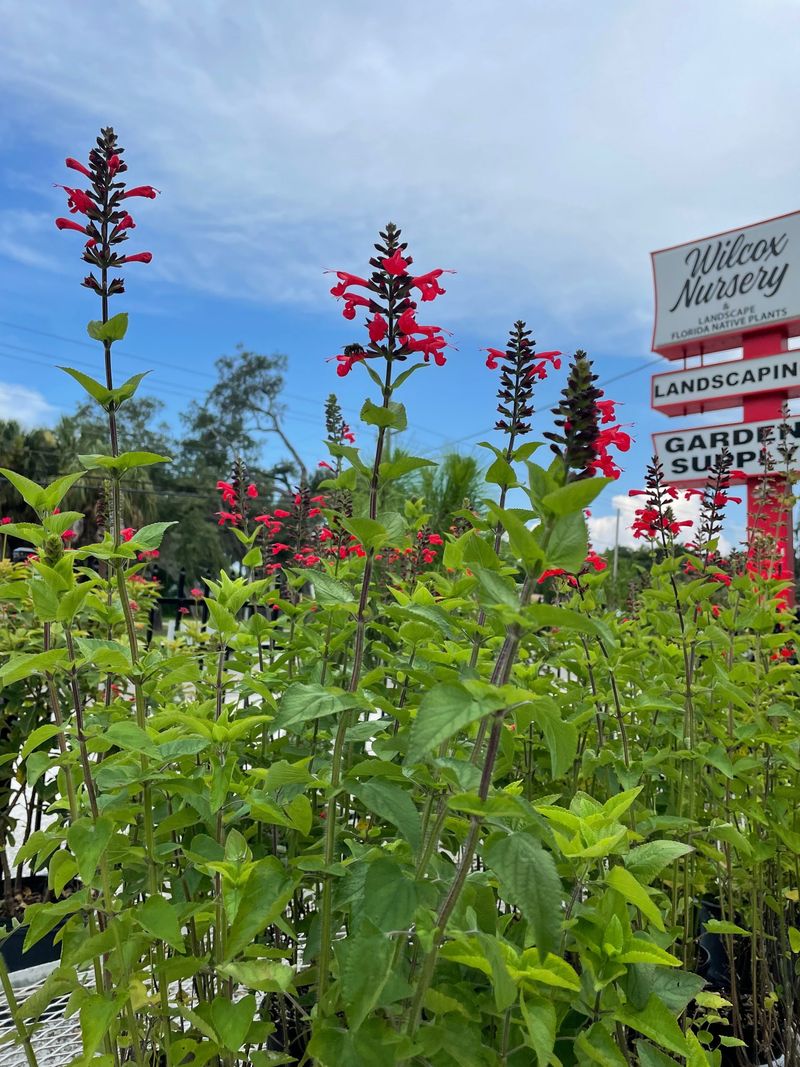
Scarlet flowers on tropical sage look like tiny red trumpets waiting for a hummingbird band to arrive. Salvia coccinea grows wild across much of the state, and it acts like a cheerful, self-starting houseguest.
Seeds drop from the spent flowers and sprout new plants nearby, often within a few weeks of falling. One small planting can turn into a generous drift of red, pink, or white blooms surprisingly fast.
Plants usually reach two to three feet tall, though they can stretch taller when reaching toward sunlight. I believe it looks best in loose groups, where the slender stems weave between larger shrubs and grasses.
Full sun to partial shade both work, which makes this sage handy for tricky spots under thin trees. It tolerates sandy soil and dry spells once established, though young seedlings appreciate a drink during droughts.
Hummingbirds adore the tubular flowers, and butterflies and bees also stop by for regular visits throughout the year. You might notice zebra longwings and sulphur butterflies drifting through the patch on warm, bright afternoons.
Stems can get leggy over time, so cut plants back by about half when they start sprawling. New growth appears quickly after pruning, and fresh flower spikes usually follow within just a few short weeks.
Unwanted seedlings are easy to pull or share with friends who want a fast pollinator garden. Personally, I keep a few extras in pots, ready for any gap that suddenly opens in my beds.
4. Pentas
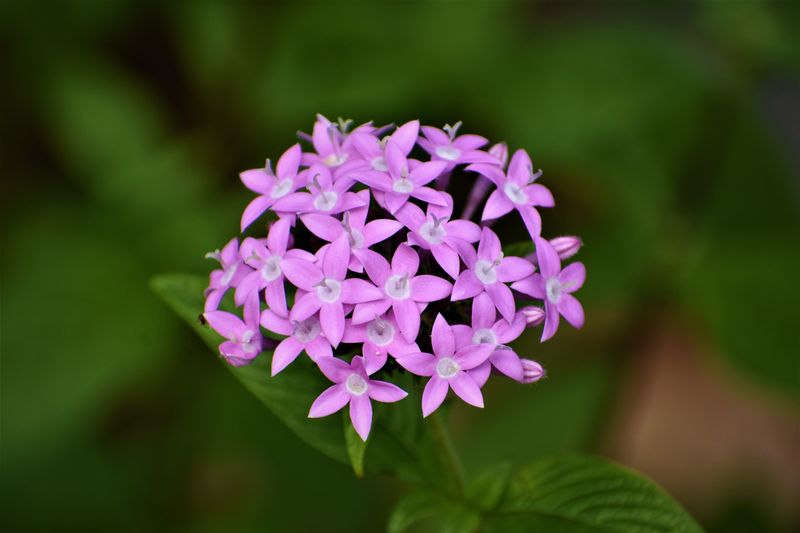
Count the petals on a single pentas flower, and you will find five neat points shaped like a star. Hundreds of those little stars pack into rounded clusters, and butterflies treat each cluster like a buffet.
Pentas lanceolata comes from Africa, yet it has become a favorite in warm Florida gardens for good reason. Many plants reach two to three feet tall, filling space quickly when planted in generous groups.
Flowers can appear most of the year in frost-free areas, especially in the central and southern regions. Northern gardens may see plants slow down or freeze back in winter, then return when warmth arrives.
Red and pink varieties tend to draw more hummingbirds and butterflies than pale or white selections in my experience. Older, taller types also seem to attract pollinators better than very compact bedding varieties sold in small pots.
Full sun brings the most flowers, though light afternoon shade helps plants handle the hottest summer days. Well-drained soil works best, and a little slow-release fertilizer keeps the leaves green and the blooms steady.
Snip off faded flower heads now and then to encourage fresh clusters and a fuller, bushier shape. You need to pinch young stems early, because that simple trick creates more branches and more flowers later.
I can’t imagine a butterfly garden here without these dependable little star clusters glowing along the border. They play nicely with salvias and grasses, softening edges while bigger plants slowly settle into their spaces.
5. Plumbago
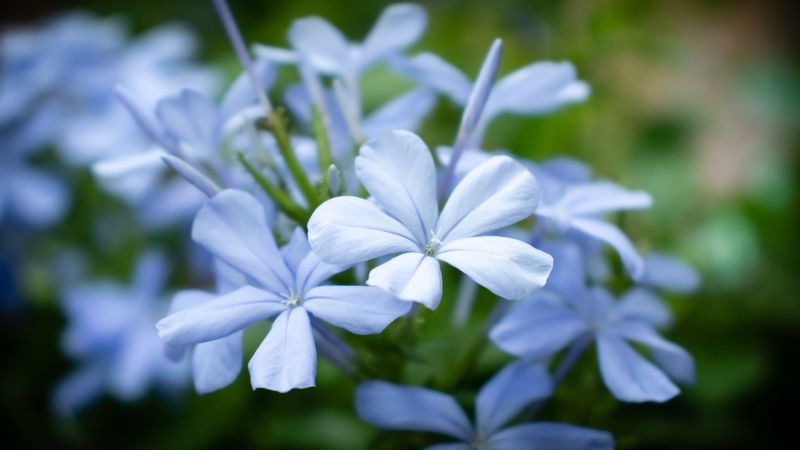
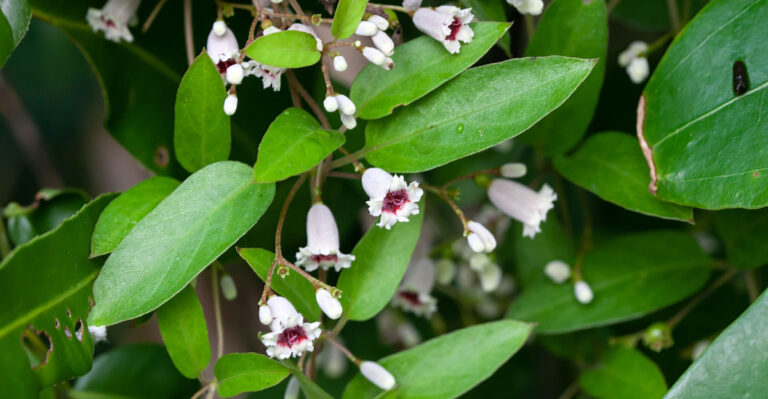
Sky-blue blossoms on plumbago look like someone tossed handfuls of soft summer sky into the shrubbery. Few flowers carry that cool shade, and it feels refreshing during the hottest, stickiest months of the year.
Plumbago auriculata comes from South Africa and grows fast in warm, sunny landscapes across the southern states. Mounds commonly reach three to six feet tall, and they can spread even wider without regular trimming.
Frost may burn the stems back in northern counties, but the roots often push fresh growth by spring. I have to admit, its quick comeback after chilly winters impresses me every single year without fail.
Blooms appear in phlox-like clusters for many months, especially from spring into fall in most gardens. White selections exist too, and they glow beautifully near patios where people gather on warm evenings outside.
Full sun to light shade works well, and the plant tolerates sandy soil once its roots settle. Avoid soggy spots, because constant wetness can weaken plants and invite disease over time in rainy summers.
Sticky seed pods sometimes cling to clothing and pet fur, so plant it slightly back from busy walkways. You might also notice small butterflies resting on the flowers, adding extra movement to the mound.
Prune lightly after flushes of bloom to keep the shape neat and encourage another round of color. Heavy cutting in late winter helps reset overgrown shrubs that have sprawled too far into neighboring beds.
6. Muhly Grass
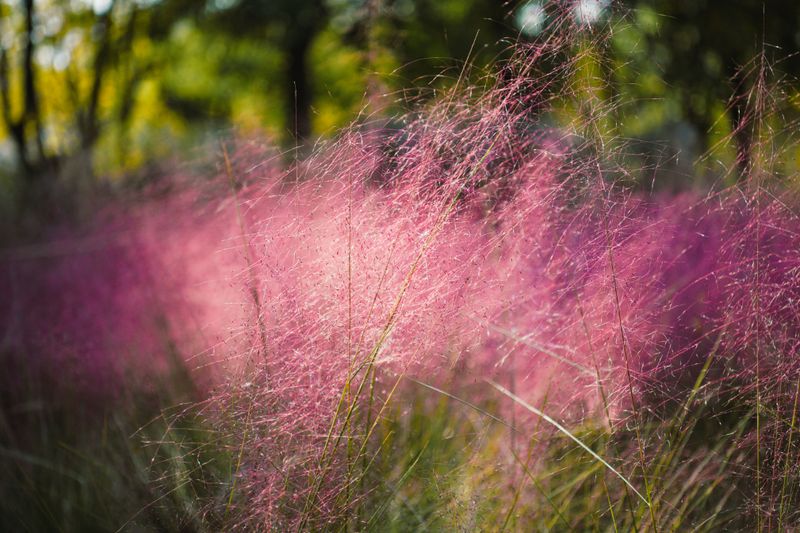
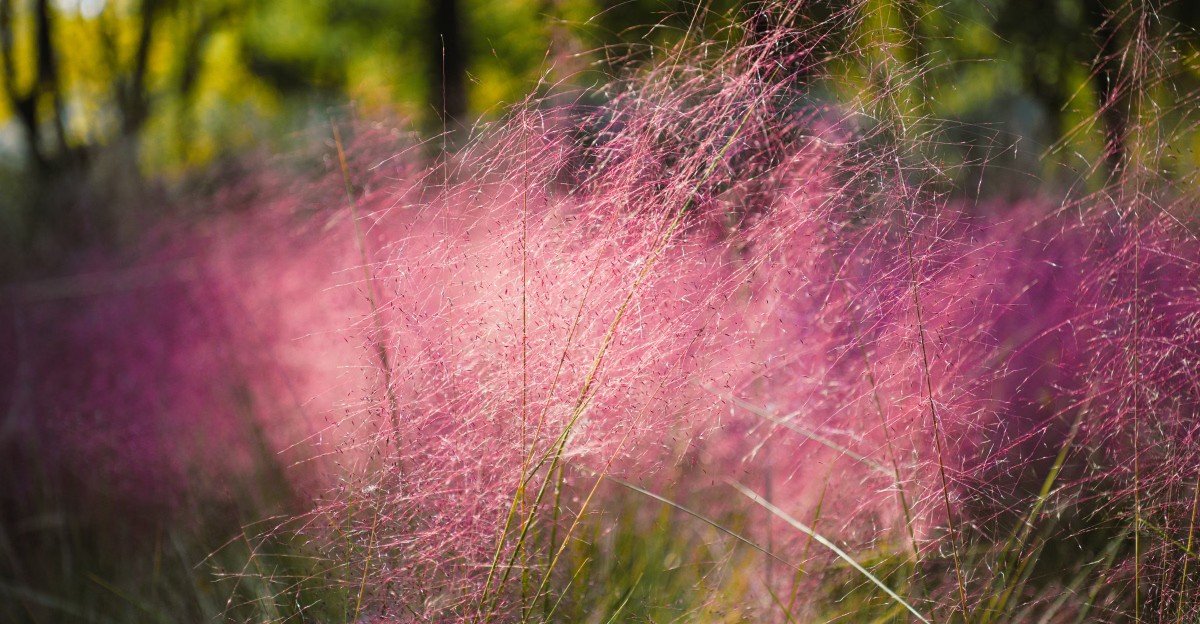
Every autumn, muhly grass explodes into a cloud of pink so airy it seems to float above the ground. Sunlight shining through those plumes makes the whole clump glow like cotton candy at sunset.
Muhlenbergia capillaris is a Florida native grass, and it grows quickly once warm spring weather returns each year. Clumps often reach about three feet tall and wide, filling empty beds with soft green fountains.
Most of the year, the slender leaves stay fine and tidy, blending easily with flowering perennials nearby. The real drama arrives in fall, when rosy flower heads cover each clump in a misty haze.
Full sun brings the best color, while shade tends to reduce the number and brightness of plumes. Sandy soil suits it nicely, and established plants handle drought and salty breezes surprisingly well near coasts.
Plant several clumps together for a bigger effect, spacing them about two or three feet apart. I love how a long row of muhly turns an ordinary driveway into something worth slowing down for.
Maintenance is minimal, which makes this grass a favorite for busy homeowners and public landscapes alike. Cut old leaves back in late winter, leaving several inches, and fresh blades will spring up quickly.
Small birds sometimes use the dense clumps for shelter, adding a little extra life to the garden. You’re in for a big surprise the first fall those pink plumes open right outside your window.
7. Boston Fern
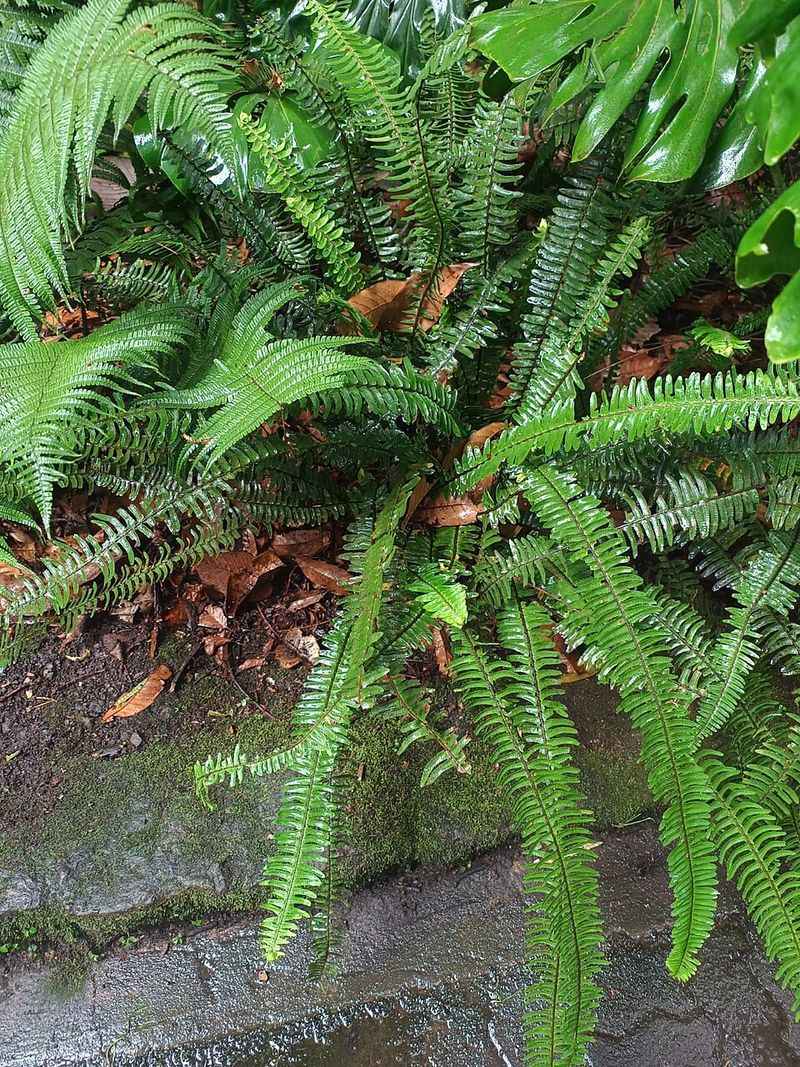
Feathery fronds of Boston fern spill across shady ground like green waterfalls that never stop moving. Nephrolepis exaltata grows naturally in the southern part of the state, often near hammocks and moist woods.
Thin runners called stolons creep outward from each clump and sprout new plants as they travel. That habit lets a few starter ferns spread into a dense carpet within a single warm season.
You need to know about a lookalike, though, because tuberous sword fern is an invasive species here. Nephrolepis cordifolia forms small round tubers on its roots, so check before planting and choose the native fern.
Fronds usually reach about two to three feet long, creating a lush, layered look under trees. Partial to full shade suits it best, and harsh afternoon sun can scorch the delicate leaflets quickly.
Moist, organic soil keeps growth steady, though established ferns tolerate short dry spells better than many expect. A layer of leaf mulch helps hold moisture and mimics the forest floor where wild plants grow.
Cold snaps may brown the fronds in northern areas, but fresh growth usually returns with warmer weather. Trim away the damaged foliage in spring, and new fiddleheads will unroll within a few weeks.
Personally, I use this fern to soften shady corners where flowering plants sulk and struggle each summer. Edging or occasional thinning keeps the runners from wandering into lawns or nearby beds you want tidy.
8. Firebush
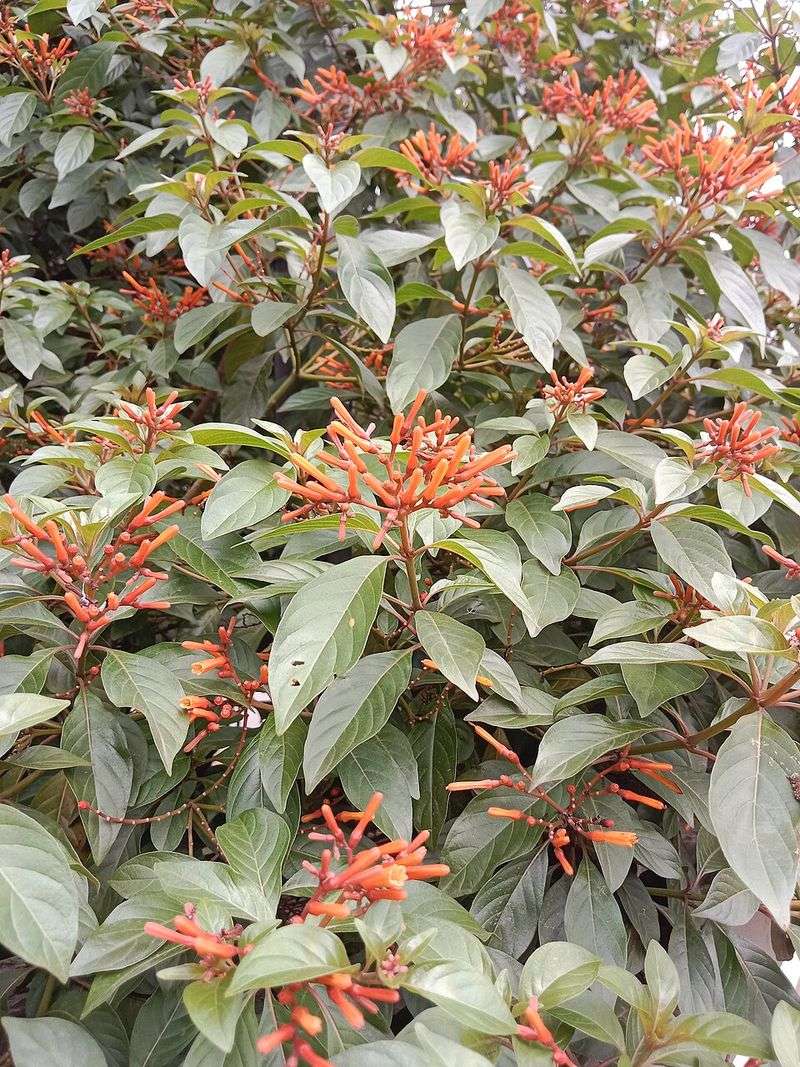
Clusters of tubular orange-red flowers make firebush look like it is glowing at the tips. Hamelia patens is native to the southern part of Florida, and it grows with real gusto in heat.
A small plant set out in spring can shoot up several feet before the first cool weather. University extension sources describe it as fast growing, especially with sunshine and steady moisture during establishment.
Mature shrubs in frost-free areas can reach six to twelve feet tall with regular summer rains. Farther north, winter freezes often knock stems back, yet sturdy roots usually send up vigorous new shoots.
Hummingbirds visit those long tubular blooms often, and butterflies such as zebra longwings also stop for nectar. I love how the shrub stays busy with wings from late spring until cooler weather finally arrives.
Small berries follow the flowers, ripening from red to dark purple, and many songbirds happily eat them. Leaves often blush reddish in cooler weather, adding a second season of color to the landscape.
Plant firebush in full sun for the heaviest flowering, though it handles partial shade reasonably well. Sandy, well-drained soil works fine, and established plants tolerate drought better than many showy tropical shrubs.
Shop for native Hamelia patens var. patens, since nurseries also sell non-native compact types under similar names. You might notice the native form grows taller and supports more wildlife, which makes the search worthwhile.
9. Beach Sunflower
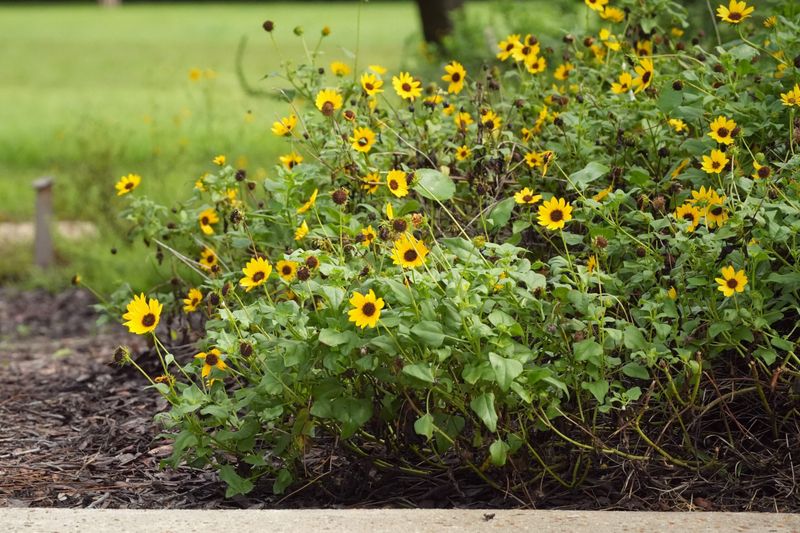
Bright yellow daisies on beach sunflower look like little suns scattered across sand dunes and sidewalks. Helianthus debilis grows wild along coastal dunes, and it brings that beach mood right into home gardens.
Stems sprawl along the ground and root as they spread, while seeds sprout new plants nearby. One plant can quickly cover several feet of open soil, filling sunny gaps faster than many expect.
Most plants stay about one to two feet tall, forming a loose mound of rough green leaves. Flowers can appear for much of the year in warmer coastal areas, with brief pauses during winter chills.
Sand, salt spray, and drought rarely slow this plant once its roots settle into place. Avoid rich, soggy soil, because heavy watering tends to cause floppy growth and shorter overall plant life.
Plants tend to be short lived, often lasting a few years, but reseeding keeps the patch going. I believe that habit makes it perfect for gardeners who enjoy a little natural change from year to year.
Butterflies and bees visit the flowers often, and small birds sometimes pick seeds from the dried heads. You can shear tired plants back by about a third to refresh growth and encourage new blooms.
Choose local subspecies when possible, since several forms grow naturally in different coastal regions. Native plant nurseries can usually point you toward the type best suited to your own area.
10. Perennial Peanut
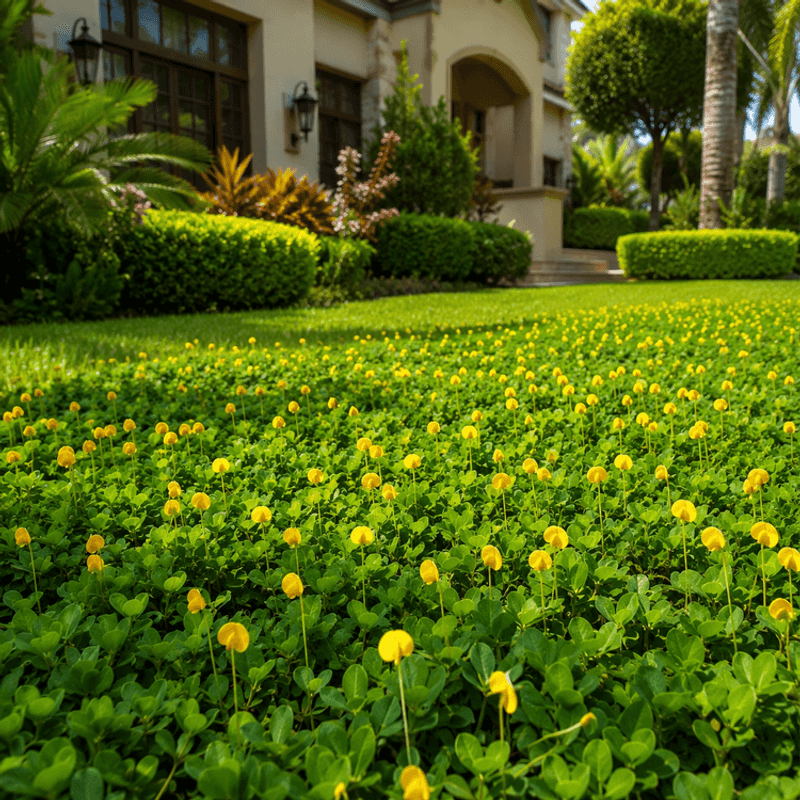
Bright yellow flowers peek through perennial peanut like buttercups sprinkled across a dense green carpet. Arachis glabrata is a cousin of the snack peanut, though it rarely produces any nuts worth harvesting.
Patience pays off with this groundcover, because the first months often focus on building strong underground roots. After that slow start, rhizomes spread steadily, forming a thick mat that crowds out many weeds.
Gardeners often plant rooted plugs about a foot or two apart in spring or early summer. Regular water during establishment helps the plugs knit together faster and fill those open spaces between them.
Height usually stays around six inches, though mowing can keep it even lower and neater looking. I like how it handles light foot traffic, making it a handy alternative to thirsty turf grass.
Full sun brings the thickest growth and the most flowers throughout the warm months of the year. Sandy, well-drained soil suits it nicely, and established patches tolerate drought and heat with little fuss.
Cold weather may turn the leaves brown in northern areas, but growth returns once spring warmth arrives. You might notice it needs little or no fertilizer, since it is a legume that helps feed soil nitrogen.
Edging around beds and walkways keeps the rhizomes from creeping where you do not want them. Once settled, this plant fills ground beautifully and rewards gardeners who waited through its quiet beginning months.