Best Native Plant Nurseries In Florida Worth Driving To This Summer
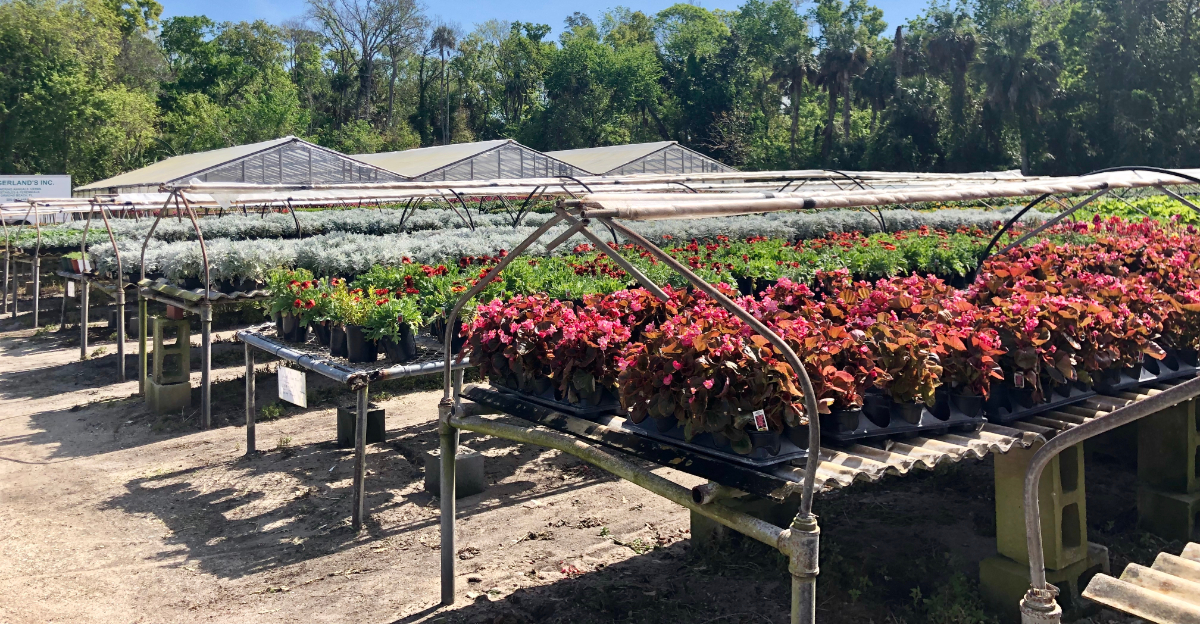
Florida’s native plant movement has real momentum right now and the nurseries driving it are worth knowing about. Not the big box garden centers with a small native section tucked in the back corner.
Actual specialty nurseries run by people who know the difference between a true Florida ecotype and a cultivar that just looks similar on the tag. The kind of place where staff can tell you exactly which milkweed belongs in your region.
They can also explain why provenance matters and which plants your local pollinators will actually use. These nurseries exist across the state and some of them are worth a genuine road trip.
Serious gardeners who find them tend to become regulars fast. The plant quality, the selection, and the expertise available at a good native nursery is a completely different experience from anything a standard garden center offers.
So which ones are actually worth the drive this summer?
1. Florida Native Plants Nursery Brings Wild Sarasota Beauty Home
Picture yourself heading east from the coast on a summer morning, leaving the tourist strips behind. You drive inland toward Myakka country, where the landscape starts to feel genuinely wild.
That is the direction of Florida Native Plants Nursery at 730 Myakka Road, Sarasota, FL 34240. That inland drive already signals something different from a typical garden center run.
This nursery focuses on plants that belong here. For gardeners along the Gulf Coast, buying plants that struggle through summer or attract no pollinators gets old fast.
A place with regionally appropriate stock is a real find. The Sarasota area sits in a transition zone between central and coastal Southwest habitats, so the plant selection here tends to reflect that range.
Gardeners looking for native groundcovers, flowering shrubs, or grasses suited to sandy or seasonally wet soils will find real options here. Many of them simply are not available at chain stores.
Staff knowledge at specialty native nurseries tends to run deep. Asking about specific site conditions, like full sun or wet edges, usually gets a useful answer rather than a generic one.
Practical advice: summer inventory at smaller native nurseries can shift fast as plants move in and out of stock. Check the nursery’s current website or call before making the drive, especially if you have a specific plant on your wish list.
Also ask whether any summer schedule changes are in effect, since heat and storms can affect operating days. Bring photos of your planting site, notes on sun exposure and soil moisture, and a cooler to keep plants from overheating on the ride home.
2. Wilcox Nursery Is Where Tampa Bay Gardeners Get Serious About Natives
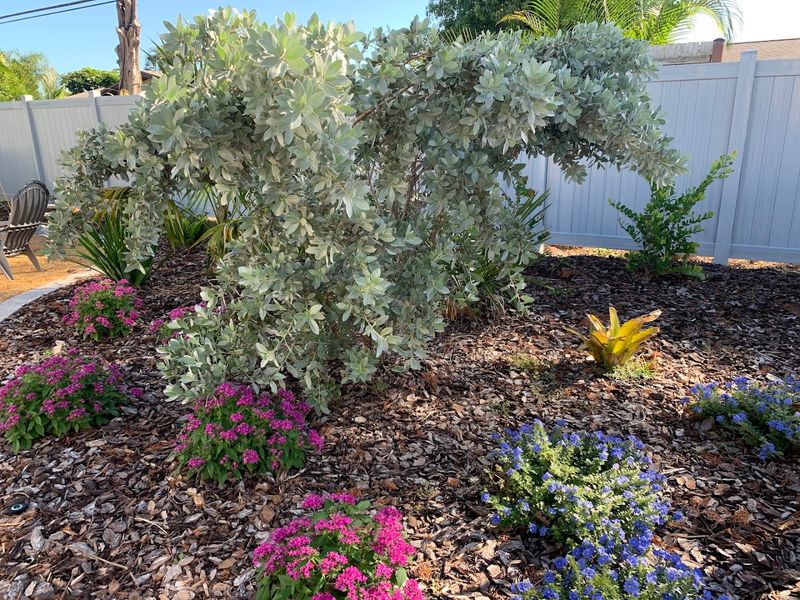
A Tampa Bay gardener walks into a big-box store wanting a native hedge or a pollinator patch and walks out with a row of Asian jasmine and a bag of fertilizer. Sound familiar?
Wilcox Nursery at 12501 Indian Rocks Road, Largo, FL 33774 exists for exactly the moment when that experience gets old enough to make you drive somewhere better.
Your Florida Garden Changes Every Week. Your Plan Should Too.
Gardening in Florida changes quickly throughout the season. Every Friday you’ll receive a simple weekly plan showing exactly what to plant, prune, fertilize, harvest, and protect so you never miss the right timing.
Located in Pinellas County, this nursery serves a dense urban and suburban region where yards are small and soil is often compacted or sandy. The desire for low-maintenance, wildlife-friendly landscapes is growing fast there.
Wilcox has a reputation for carrying Florida-Friendly and native plant options. It also offers regional advice that is actually grounded in local conditions rather than copied from a national planting guide.
Pollinators love native plants, and Pinellas County gardens can support surprising biodiversity even on small lots. Picking up native firebush, wild coffee, or native grasses from a shop that knows the local region makes a real difference in how well plants establish and thrive.
Summer inventory at any nursery can change week to week as heat affects availability and shipping schedules shift. Call ahead if you are looking for something specific, especially during the hottest months when some plants are harder to source fresh.
Check current hours before heading out, since summer schedules sometimes differ from the rest of the year. Bring a wish list with botanical names, a few photos of your yard, and a shaded spot in the car or a light cloth to cover plants for the drive home.
Getting plants home without cooking them in a hot car matters just as much as picking the right ones.
3. All Native Garden Center Helps Fort Myers Yards Thrive The Local Way
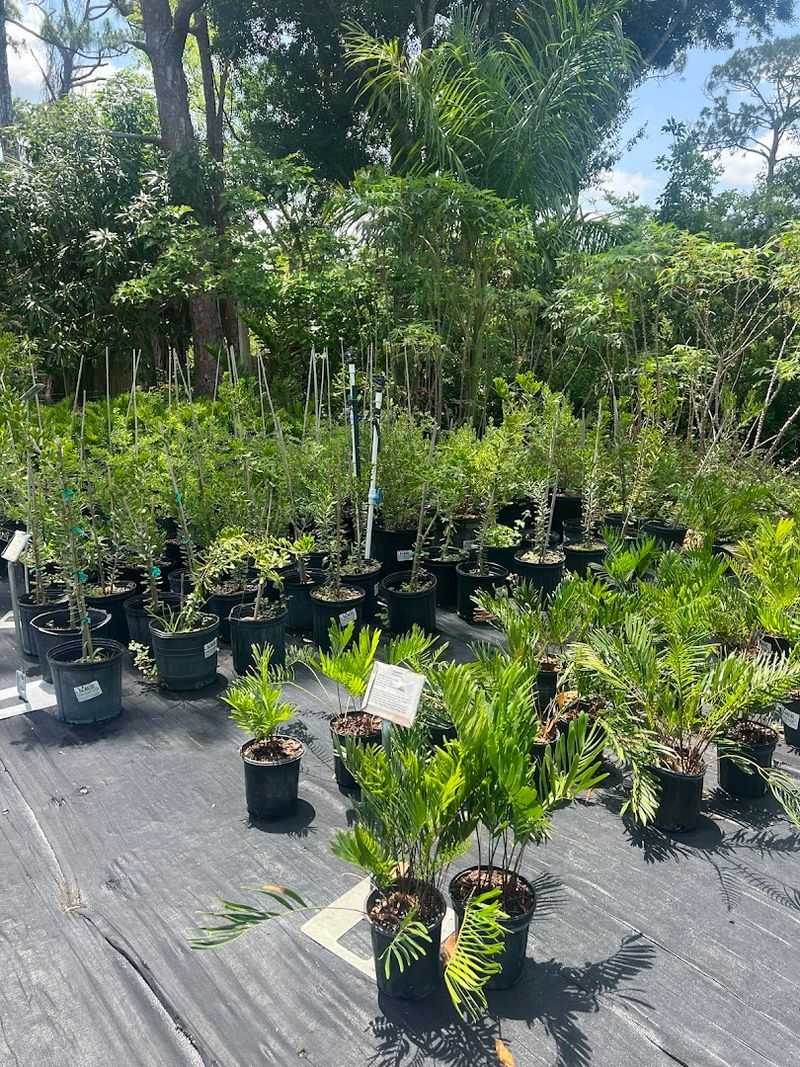
Some yards just fight back. Sandy soil drains in seconds, blazing afternoon sun offers no relief, and salt air drifts in from the coast.
Then the occasional flooding event leaves roots sitting in water for days. Southwest Florida gardeners know this reality well.
All Native Garden Center at 300 Center Road, Fort Myers, FL 33907 is built for exactly that kind of landscape challenge.
The name says everything. This nursery focuses on native plants.
That means everything in the lot has a track record in local conditions rather than a tag that promises performance in a climate completely unlike this one.
For anyone landscaping near coastal areas or dealing with heavy sandy soils, a nursery with this kind of focus is a serious resource.
It is also valuable for anyone trying to create a yard that supports local wildlife.
Native plants in Southwest Florida include a wide range of options, from tough groundcovers and flowering shrubs to native palms and grasses. Many of them hold up through summer storms and dry spells alike.
Asking staff about plants native specifically to the Southwest region, rather than the state broadly, helps narrow choices to what will genuinely perform in local yards.
Before making the drive, check current hours and seasonal inventory through the nursery’s website or a quick phone call. Summer is a busy and unpredictable season for native plant stock, and availability shifts regularly.
Bring botanical names for anything on your wish list. Ask staff to confirm whether a plant is native to this specific region of the state rather than just native somewhere in the state.
A cooler or shade cloth in the car helps protect plants on the way home.
4. Sweet Bay Nursery Turns Parrish Gardens Into Living Habitat
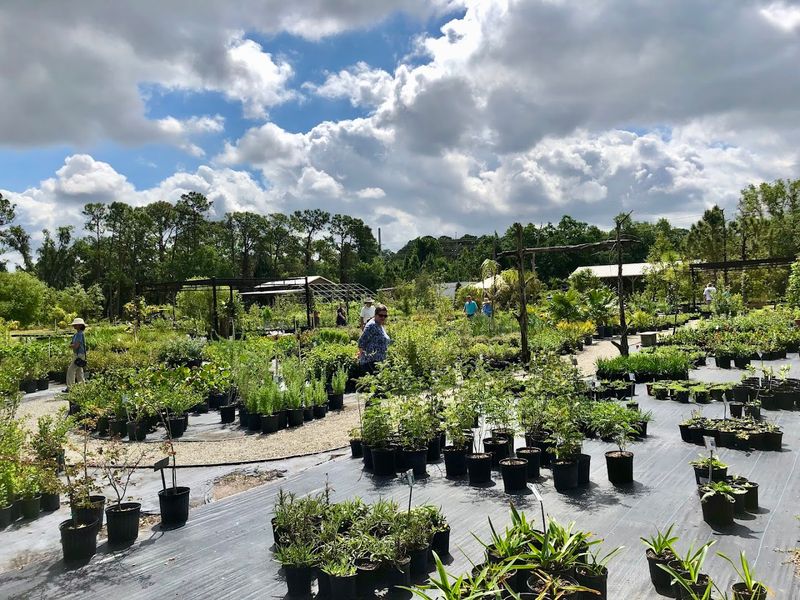
Turning a basic suburban bed into something that actually hums with life takes more than a few colorful annuals from a gas station display rack.
A Manatee County gardener who wants native bees, butterflies, and birds showing up regularly needs plants with real habitat value.
Sweet Bay Nursery at 10824 Erie Road, Parrish, FL 34219 is a name that comes up in those conversations.
Parrish sits in a part of Manatee County that still feels connected to the land. A nursery rooted in that setting tends to carry plants that reflect the region honestly.
Gardeners from Sarasota, Bradenton, and the broader Gulf Coast area make the trip out here because the selection goes beyond what mainstream nurseries stock. The focus stays on native plants with genuine local habitat value.
Native plant gardening in this region can mean replanting a small backyard corner with native groundcovers. It can also mean converting an entire lot into a certified wildlife habitat.
Sweet Bay Nursery fits into both ends of that range, making it useful for beginners and experienced native plant gardeners alike.
Smaller specialty nurseries like this one sometimes have limited or changing retail hours, especially in summer when heat and weather can affect operations.
Check current hours and retail shopping details before making the drive by looking at the nursery’s website or social media, or calling ahead.
Ask about summer availability for specific plants, since stock at native nurseries moves differently than at large commercial operations. Bring a wish list, photos of your planting area, and a plan for keeping plants cool on the way home.
A light shade cloth in the back of the car goes a long way on a hot afternoon.
5. Native Nurseries Gives Tallahassee Gardeners The Right Plants For The Right Region
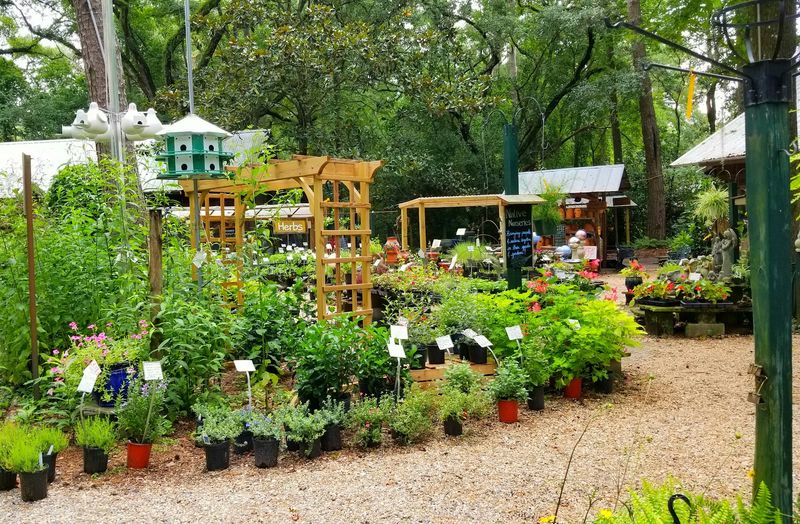
Gardening in the Panhandle and northern regions of this state is genuinely different from gardening in the southern or central parts.
Winters are cooler, soils run from deep sandy loam to red clay, and many plants that thrive in Tampa or Fort Myers simply are not suited to Tallahassee yards.
Native Nurseries at 1661 Centerville Road, Tallahassee, FL 32308 has been helping capital-region gardeners find the right plants for the right place for years.
This nursery carries plants native to the northern and Panhandle regions, which matters more than it might seem at first. A plant labeled native to the state is not automatically suited to every part of the state.
Provenance and regional origin make a real difference in how well a plant establishes, how it responds to cold, and how useful it is to local pollinators and wildlife.
Native Nurseries has a strong reputation for wildlife gardening knowledge and native plant education. That makes it a useful stop for gardeners who want to understand what they are planting, not just buy it and hope.
Staff here tend to know their regional plants well and can help match selections to specific site conditions.
Summer is a good time to visit if you are planning a fall planting, since you can scout what is available and get advice before the busy autumn planting season arrives.
Confirm hours and current inventory before driving by checking the nursery’s website or calling ahead, as summer schedules can differ from the rest of the year.
Ask for botanical names, confirm regional origin for each plant, and check recommendations from UF/IFAS or state invasive plant authorities before finalizing your list.
6. Chiappini Farm Native Nursery Is A North Central Florida Road-Trip Worth Making
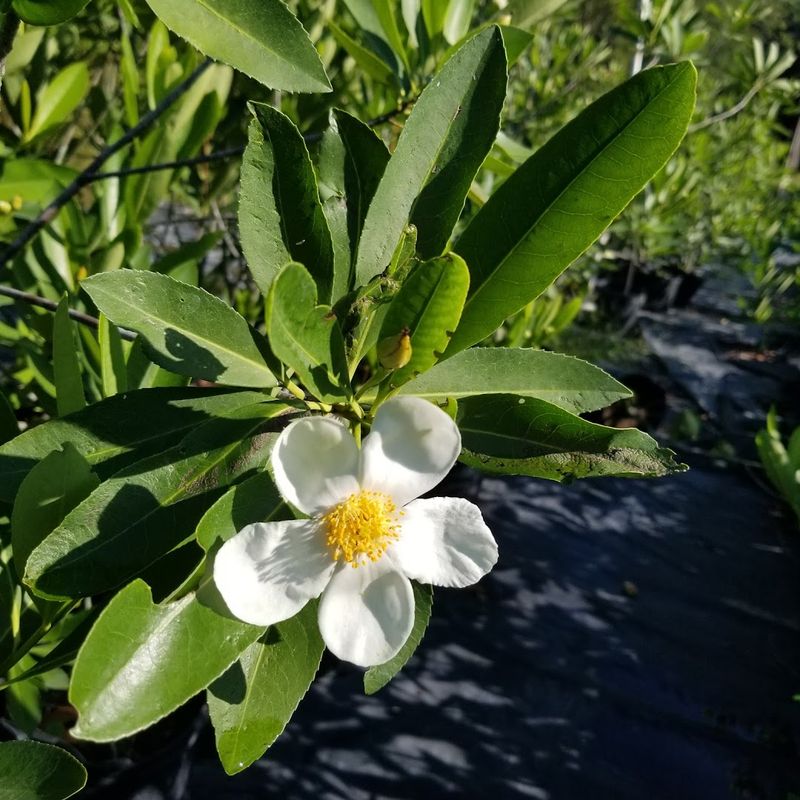
There is something about driving through North Central Florida that feels like the state has taken a breath.
The scrub ridges, longleaf pine edges, and open sandy stretches between Gainesville and Hawthorne carry a landscape character that does not exist anywhere else.
Chiappini Farm Native Nursery at 150 Chiappini Farm Road, Hawthorne, FL 32640 fits right into that setting.
This nursery offers plants with genuine local roots for Gainesville-area gardeners and rural property owners. It is also useful for anyone working on restoration-style plantings or habitat projects in North Central Florida.
Sandy soils dominate this region. Plants sourced from locally adapted populations tend to establish faster and perform more reliably than plants grown from distant seed sources.
Chiappini Farm is a smaller, farm-style native nursery, which means the experience is different from a large retail garden center. The scale is personal, the selection reflects local habitats honestly, and the plants tend to have a story behind them.
That kind of sourcing matters for gardeners who care about provenance and ecological authenticity, not just aesthetics.
Small native nurseries like this one sometimes operate with limited retail hours, appointment-based visits, or seasonal schedules that change without much public notice.
Before making the drive, check the nursery’s current website, social media pages, or Google Business listing to confirm visiting rules, hours, and availability.
Calling ahead is strongly recommended. Ask whether retail walk-in shopping is available on the day you plan to visit.
Bring a plant wish list with botanical names, photos of your site, and notes on sun and soil moisture so you can make the most of the trip once you arrive.
7. Plant Local Florida Makes Lakeland A Must-Stop For Native Plant Fans
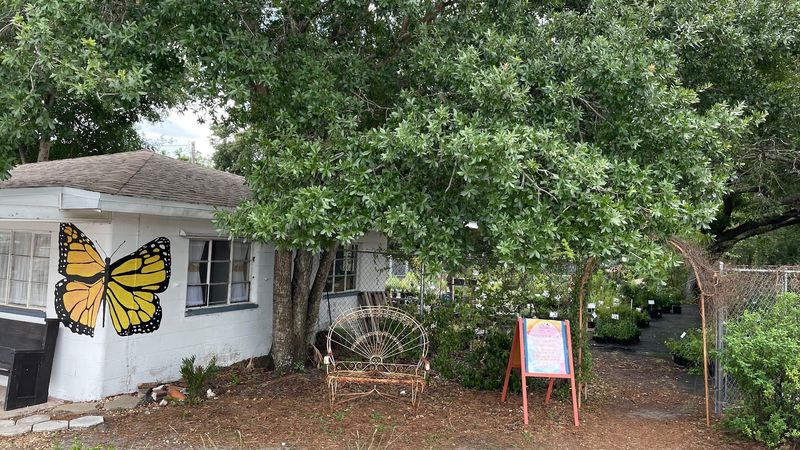
Polk County sits right in the middle of the drive between Tampa and Orlando, and most gardeners passing through stop for gas and snacks rather than native plants.
Plant Local Florida at 1047 East Main Street, Lakeland, FL 33801 changes that equation entirely.
It gives Central Florida gardeners a reason to pull off the highway and come home with something genuinely useful for their yards.
Lakeland is a city that takes local identity seriously, and a shop with this name and this focus fits that spirit. Central Florida yards deal with sandy, nutrient-poor soils and intense summer heat.
They also face afternoon storms that can waterlog a planting bed in twenty minutes and dry it out completely by the next morning. Native plants handle those swings far better than most ornamentals do.
Plant Local Florida carries native plants suited to Central Florida conditions. That makes it a practical stop for gardeners in Polk County and the surrounding region who want alternatives to the same non-native ornamentals found at every chain store.
The retail setup is designed for actual shoppers, which makes it accessible for everyone from first-time native plant buyers to experienced habitat gardeners.
Before visiting, confirm current hours, parking or access details, and summer availability through the shop’s website, social media, or Google Business listing. Inventory at native plant shops can shift quickly in summer, and a quick check saves a wasted trip.
Ask staff for botanical names on any plant you buy, and confirm that it is native to Central Florida specifically rather than just the broader state. Bring a cooler or a light shade cloth to protect plants on the drive home, especially on the hottest afternoons.