What Shorter Days Mean For Your California Houseplants This November
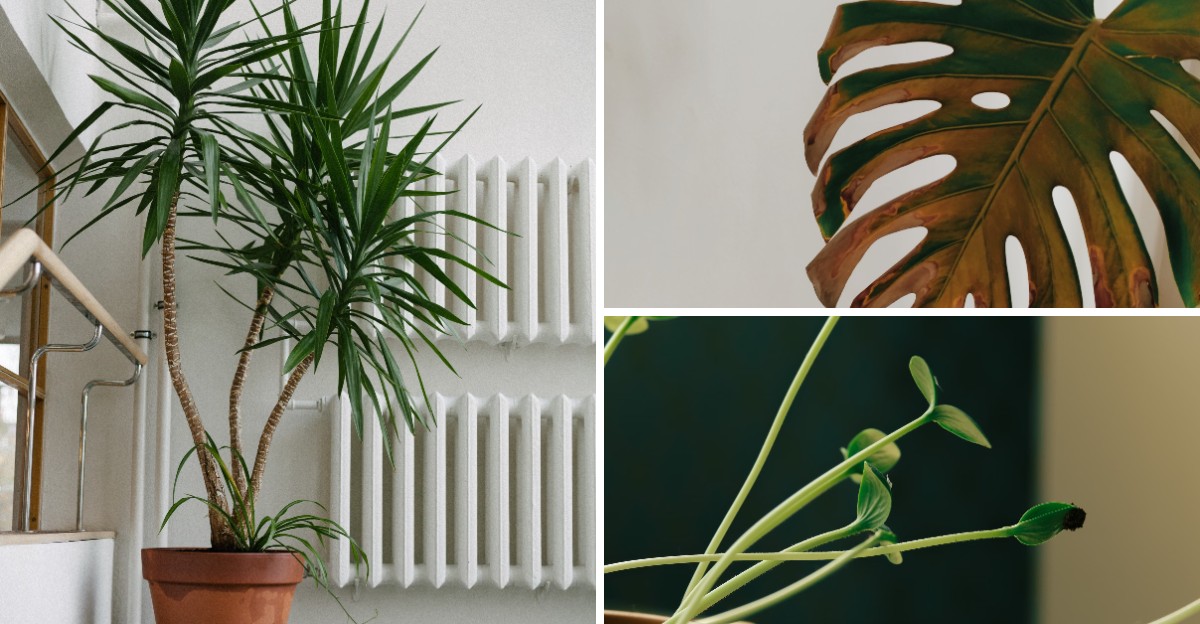
Los Angeles loses roughly four and a half hours of daylight between the June solstice and late December. That missing sunshine sneaks away a few minutes at a time, so most of us barely notice it.
Your leafy roommates notice, though. Their whole food supply depends on light, and the November sun hangs lower and weaker in the sky, even on a cloudless afternoon in California.
I like how plants respond without any drama at first. Growth gets slower, new leaves come in a little smaller, and the soil stays damp longer than it did in August.
Personally, I used to miss those quiet clues and keep caring for my plants like it was still summer.
So what should change on your windowsill right now, and what should stay exactly the same? The answers might surprise you more than that early sunset does.
That Pothos On Your Windowsill Is Quietly Shifting Gears
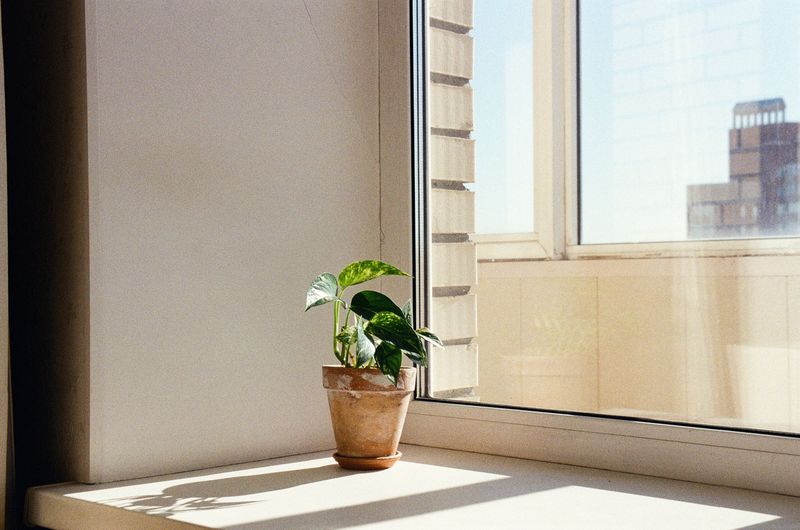
My pothos taught me this lesson the hard way. One November, it stopped pushing out new vines, and I panicked for no reason at all.
Plants track the seasons through something called photoperiodism, which is their response to the length of day and night. Many common houseplants come from tropical places where day length barely changes, but they still react to less light. The bigger issue indoors is simple energy. Less light means less photosynthesis, and less photosynthesis means slower growth.
In November, the sun sits lower in the southern sky. Its light travels at a steeper slant, so it feels weaker and reaches fewer corners of your rooms. Clouds and early sunsets cut the total even more.
For your plants, this is not a crisis. It is more like switching from a busy workweek to a long, lazy weekend. Most foliage plants simply slow down and coast until spring brings longer days.
Once you understand that slowdown, every other winter care choice makes more sense. Water, food, and even repotting plans should follow the plant’s new pace. Matching their rhythm is one of the best things you can do for them this month.
Soggy Soil Is The Real Winter Threat To Potted Plants
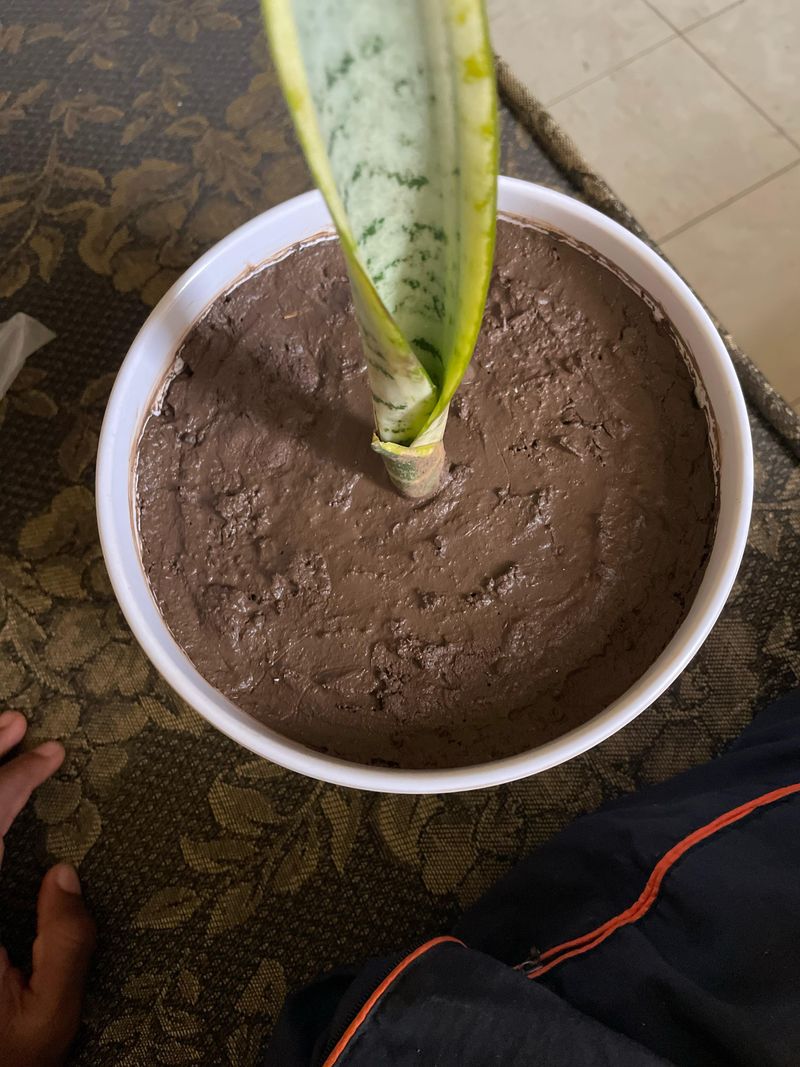
Overwatering causes more houseplant trouble in winter than almost anything else. A slow-growing plant simply drinks less, so the same summer schedule leaves roots sitting in wet soil.
Roots need air as much as water. When soil stays soggy for days, the tiny air pockets fill up, roots struggle to breathe, and root rot fungi move in. You might see yellow lower leaves, mushy stems, or a sour smell from the pot.
Here is my favorite low-tech fix. Push your finger into the soil before you water. For most tropical foliage plants, wait until the top inch or two feels dry, and let succulents and snake plants dry out much more.
Lifting the pot helps too. A dry pot feels surprisingly light, while a wet one feels heavy, and your hands learn the difference fast.
Room-temperature water is kinder than icy tap water straight from a cold pipe. Always empty saucers about 15 minutes after watering, since standing water at the bottom keeps roots soggy.
You might water half as often as you did in summer. That is perfectly normal, and your plants will reward your patience with firm, healthy roots.
Bright South-Facing Windows Become Prime Real Estate
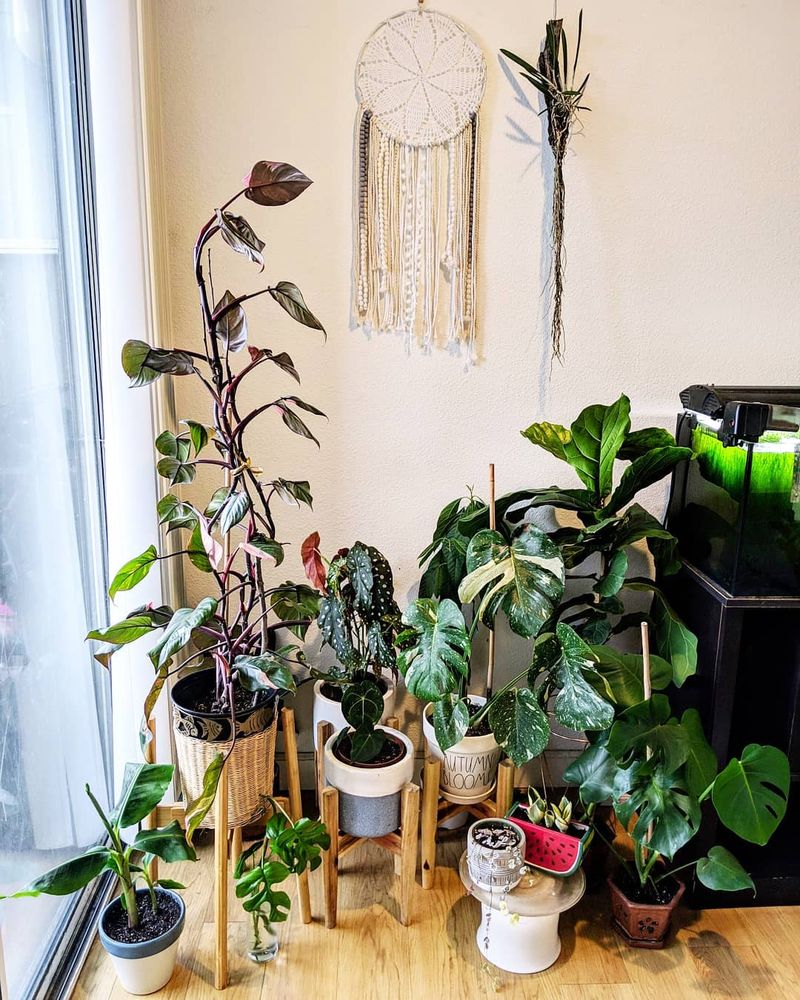
Think of November as musical chairs for your houseplants, minus the frantic running. The best seats in the house suddenly change.
Because the winter sun travels low across the southern sky, south-facing windows usually get the strongest light from now until early spring. West windows offer good afternoon light, while north windows turn quite dim. A plant that thrived three feet from a window in July may now need to sit right beside the glass.
Light fades fast as you move away from a window. A spot that looks bright to your eyes can be surprisingly gloomy for a plant, because our eyes adjust so well.
Try a few simple moves:
Shift light-loving plants like fiddle leaf figs, crotons, and succulents closer to south or west windows. Wash your windows and open sheer curtains during the day. Wipe dusty leaves with a soft damp cloth so every bit of light reaches the leaf surface.
Give pots a quarter turn every week or two. That keeps growth even instead of leaning toward the glass. Just keep tender leaves from pressing against cold panes on chilly nights.
Fertilizer Bottles Can Take A Long Winter Nap
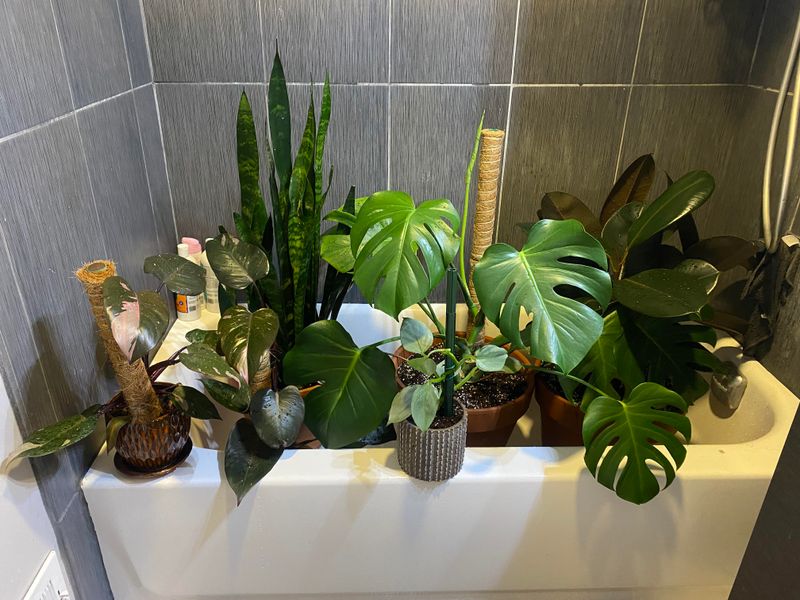
Feeding a resting plant is a bit like serving a big dinner to someone who just ate. Most of it goes unused.
Fertilizer supports active growth. When light drops and growth slows, plants absorb far fewer nutrients, and the extra minerals can build up as salts in the soil. Over time, those salts may cause brown leaf tips or a white crust on the soil and pot rim.
Many university extension programs suggest reducing or pausing fertilizer for most houseplants during the short days of late fall and winter. I usually stop feeding by November and start again when I see fresh spring growth, often around March.
There are a few sensible exceptions. Plants growing under strong grow lights, or ones actively pushing new leaves, may appreciate a light, diluted feeding every month or two. Winter bloomers like holiday cactus can also use a little support while in bud.
Spot crusty white deposits already? Flush the pot by running plain water through the soil until it drains freely from the bottom, then let it dry properly. That simple rinse clears out leftover salts and gives the roots a clean slate before spring.
Heater Vents And Drafty Doors Can Stress Tropical Leaves
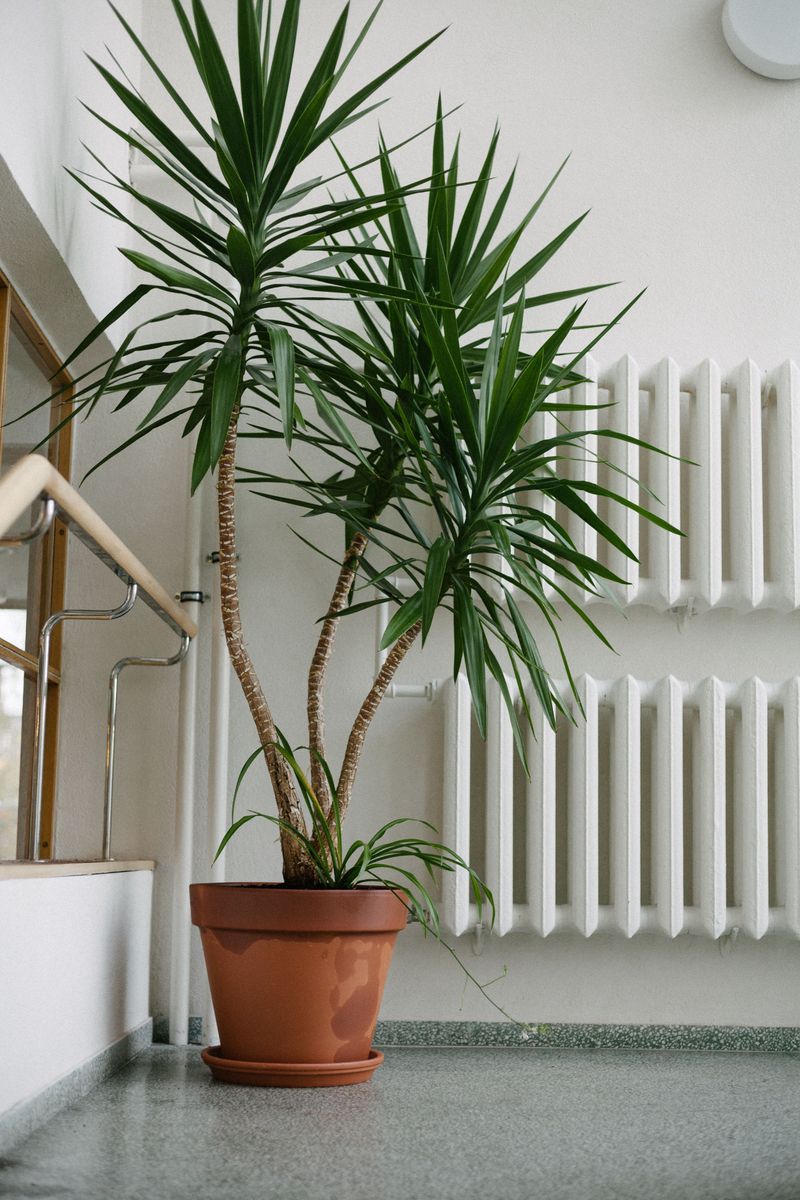
California winters may be mild, but indoor air still swings around more than you might expect. Inland valleys and high desert areas can turn chilly at night, and coastal homes get damp, cool evenings.
Most tropical houseplants are comfortable around 65 to 75 degrees during the day, with slightly cooler nights. Trouble starts when they sit in the path of extremes. A blast from a heating vent dries leaves fast, while a drafty door or single-pane window can chill them.
Cold stress often shows up as drooping leaves, dark patches, or sudden leaf drop. Plants like calatheas and fiddle leaf figs are especially fussy about sudden temperature changes.
Take a slow walk around your home on a chilly evening. Hold your hand near windows and doors to feel for drafts, and notice where warm air blows.
Move plants a few feet away from vents, radiators, and fireplaces. On cold nights, pull pots back from the glass or close the curtains behind them. If you moved any houseplants outdoors for summer, bring them inside before nights dip into the 50s. Those small moves keep the environment steady, and steady is what resting plants enjoy most.
Crispy Brown Leaf Edges Often Point To Dry Indoor Air
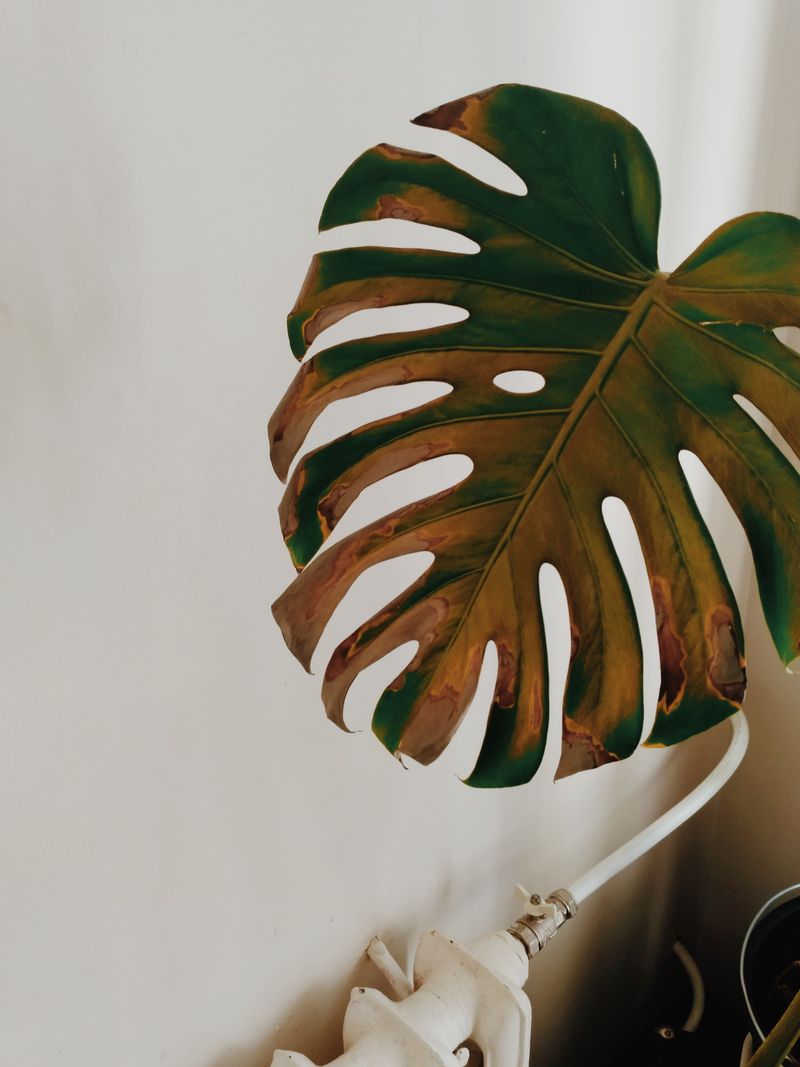
Crunchy leaf tips have a sneaky way of appearing right after the heater comes on. Heating warms indoor air without adding any moisture, so humidity can drop quickly once the heater kicks in.
Many popular tropicals, like calatheas, ferns, and prayer plants, grow best with moderate humidity, often somewhere around 40 to 60 percent. Desert winds and dry Santa Ana spells in Southern California can make indoor air even drier during fall. Brown edges, curled leaves, and dropping buds are common clues.
Dry air also helps spider mites. These tiny pests thrive in warm, dry rooms and leave fine webbing and speckled leaves behind.
So what actually helps? A small room humidifier is the most reliable option. Grouping plants together creates a slightly moister pocket of air as leaves release water.
Pebble trays offer a modest boost too. Fill a tray with pebbles and water, then set the pot on top so it sits above the waterline, not in it.
Misting feels nice but only raises humidity for a few minutes. I treat it as a quick refresh, not a real solution. Bathrooms and kitchens with bright windows also make cozy winter homes for moisture lovers.
Stretchy Stems And Pale New Leaves Are Asking For More Light
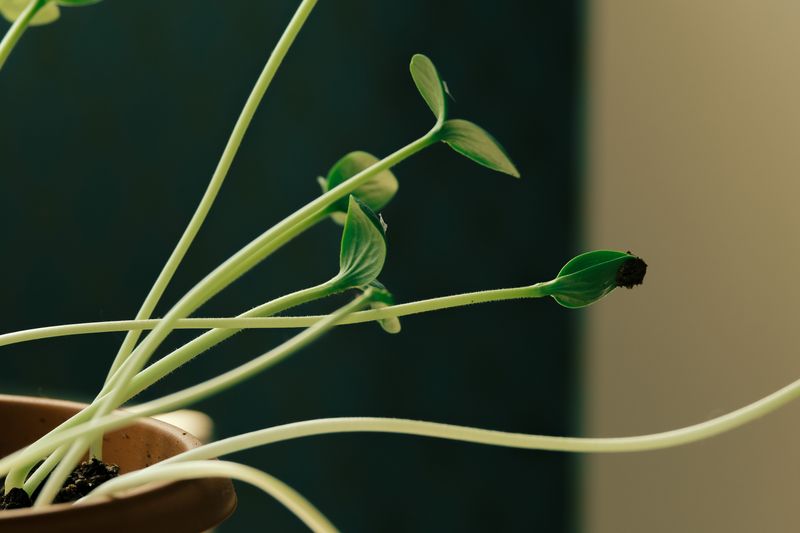
Ever seen a succulent suddenly grow tall and skinny, like it is trying to peek over a fence? Gardeners call that stretch etiolation, and it means the plant is reaching for light.
Leggy stems, wide gaps between leaves, small pale new growth, and plants leaning hard toward the window all signal the same thing. Some yellowing of older leaves can happen too, though overwatering causes similar yellowing, so check the soil before blaming the light.
A small LED grow light can make a real difference. You do not need a big, costly setup. A simple full-spectrum bulb or clip-on light works well for a shelf or desk.
Keep the light fairly close to the leaves, following the product directions, since intensity drops quickly with distance. Many gardeners run grow lights about 12 to 14 hours a day. A cheap outlet timer makes that schedule easy.
Plants still need a nightly dark period, so avoid leaving lights on around the clock. Stretched stems will not shrink back, but new growth will look tighter and healthier. Come spring, you can trim leggy pieces and even root the cuttings for brand new plants.
Save The Repotting And Big Pruning Jobs For Spring Growth
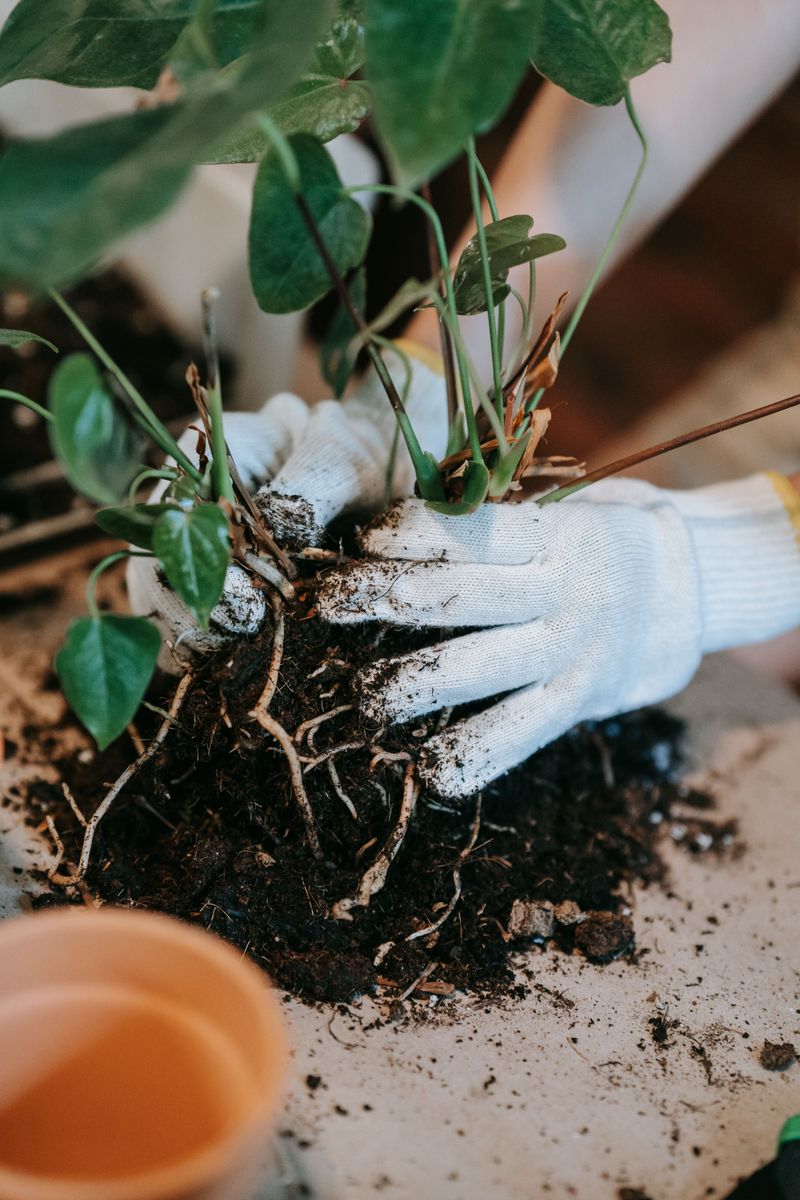
Patience might be the most underrated houseplant tool you own. November rewards the gardener who does a little less.
Repotting and heavy pruning both ask a plant to heal and grow new roots or shoots. In winter, with less light and slower growth, recovery takes longer. That is why most extension experts suggest repotting in spring or early summer when growth picks up again.
Small tasks are still fair game. Snip off yellow or damaged leaves, wipe dust from foliage, and check leaf undersides for pests like mealybugs, scale, and spider mites. Catching pests early keeps them easy to handle.
If roots are poking out the bottom, the plant can usually wait a few months. The exception is a pot with rotting roots or soil that stays soaked, which deserves attention right away with fresh, well-draining mix.
I like using these slow weeks to plan. Clean empty pots, buy fresh potting mix, and note which plants need bigger homes later.
When the days stretch out again, you will notice new leaves unfurling. Your rested plants will be ready for that spring growth spurt, and so will you. Winter care is mostly about calm consistency.