Illegal Backyard Plants Pennsylvania Gardeners Could Get In Trouble For Growing
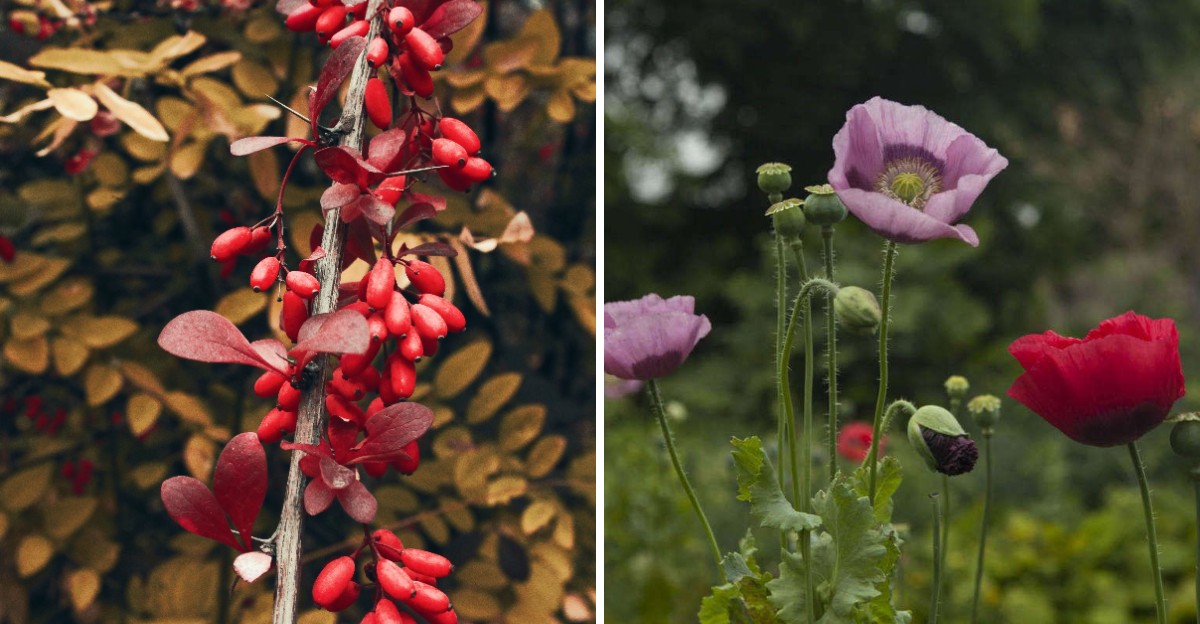
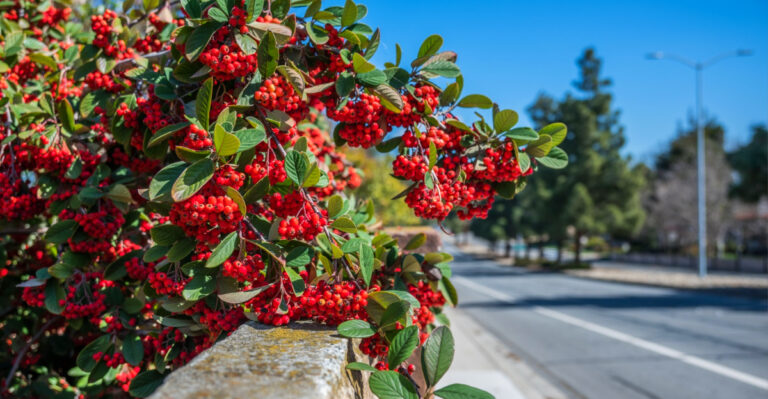
A thorny shrub that filled garden center shelves for generations became illegal to sell in Pennsylvania during 2023. Plenty of folks still have it sitting by the front porch, looking innocent and glowing red each fall.
State officials keep an official noxious weed list, and some surprisingly familiar plants have earned a spot there. Federal drug rules add another layer, covering a couple of plants that many people grow without a second thought.
I have to admit, I felt a little nervous checking my own beds after learning all of this. You might find a familiar face out there too, tucked between the tomatoes and the herb pots.
Some of these plants bring fines, while others bring serious criminal charges that no gardener wants to face. Here are the leafy troublemakers hiding in backyards across Pennsylvania. Could one be growing in yours right now?
1. Cannabis
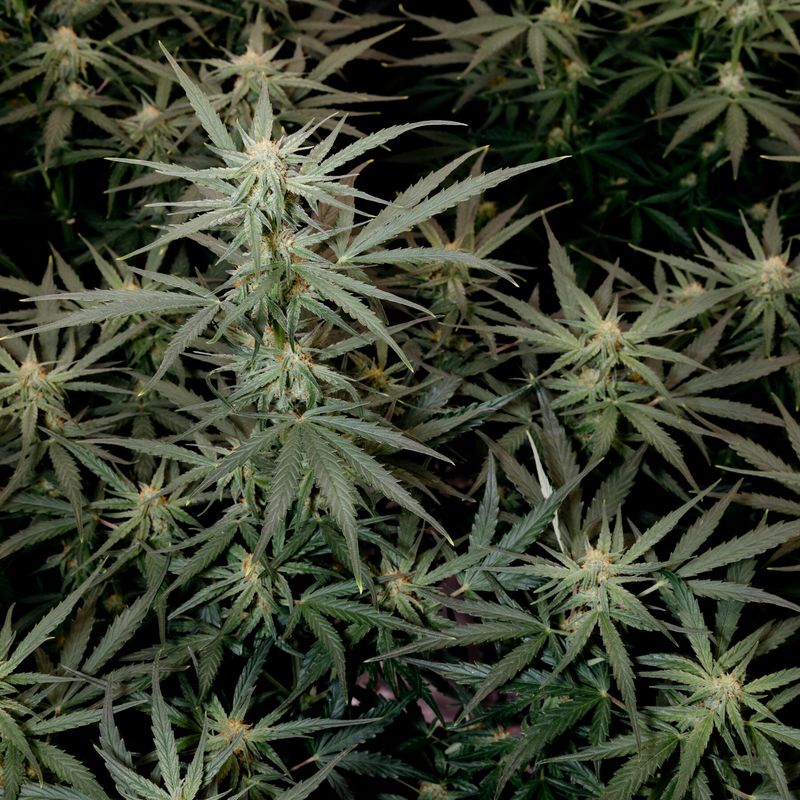
Medical card holders in this state often assume a few homegrown plants are fine, but that belief causes real trouble.
Pennsylvania still does not allow patients or anyone else to grow marijuana at home, even for personal use.
I understand the temptation, since cannabis grows quickly and looks like a lush, leafy tomato plant by midsummer. The law treats home growing as manufacturing a controlled substance, which can bring felony charges and heavy fines.
Medical patients must buy their products from state-approved dispensaries instead of cultivating plants in their backyard beds.
Lawmakers have debated legalizing home grow several times, so watch the news, but nothing has passed so far.
Hemp is a close cousin with very low THC, and many people think that makes it fair game. Growing hemp still requires a permit from the state Department of Agriculture, plus testing and location reporting.
The program is built mainly for farmers and businesses, so it rarely fits a casual backyard gardening project. Permit holders must follow strict rules about approved varieties and lab testing before any harvest can happen.
Seeds sometimes sprout by accident from birdseed mixes, though modern birdseed is usually sterilized to prevent that.
If a mystery plant with jagged, fingered leaves appears, pull it early and avoid any misunderstanding with neighbors.
Personally, I would rather fill that sunny corner with basil or peppers that bring zero legal headaches. Your garden should feel relaxing, and a surprise visit from local police does not fit that cozy picture.
2. Opium Poppy
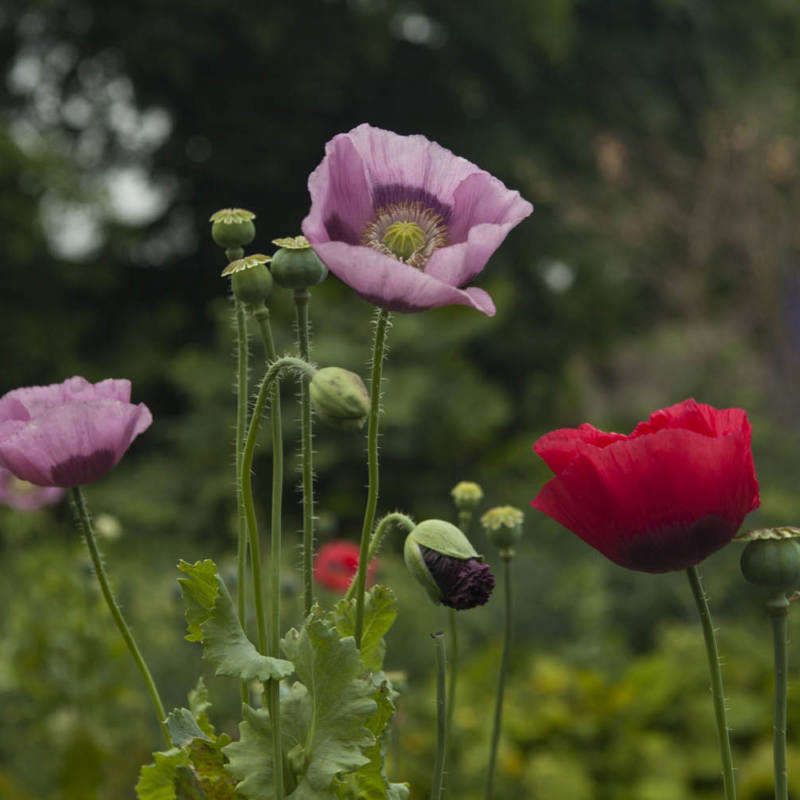
Silky petals in shades of lilac and crimson make the breadseed poppy one of the prettiest cottage flowers around.
Behind that beauty sits a tricky legal story, because Papaver somniferum is the plant that produces opium.
Federal law lists opium poppy straw and opium as controlled substances, and that rule applies here in Pennsylvania. Oddly enough, the seeds are legal to buy, and you probably have some on your favorite bagel right now.
Many seed catalogs sell this poppy for ornamental use, and plenty of gardeners grow it without any problems.
Still, growing it knowingly for drug use is illegal, and authorities have charged people who harvested the pods.
That gray area makes me uneasy, because intent matters, and you do not want to explain yourself in court. Folks who score the seed pods or brew poppy tea cross a clear line, and the tea is dangerous.
Morphine levels in pods vary wildly, so homemade tea has caused serious overdoses and hospital visits for some people. The safest move is to enjoy other poppy types that look just as charming in a sunny garden bed.
Iceland poppies bring cheerful orange and yellow blooms, and they handle cool spring weather across much of the region.
Corn poppies, also called Flanders poppies, offer bright red petals and reseed politely in well-drained soil.
Personally, I love sowing corn poppies in late fall or very early spring, since the seeds need cold. Scatter them on bare soil, press lightly, and skip covering them, because light helps those tiny seeds sprout.
3. Giant Hogweed
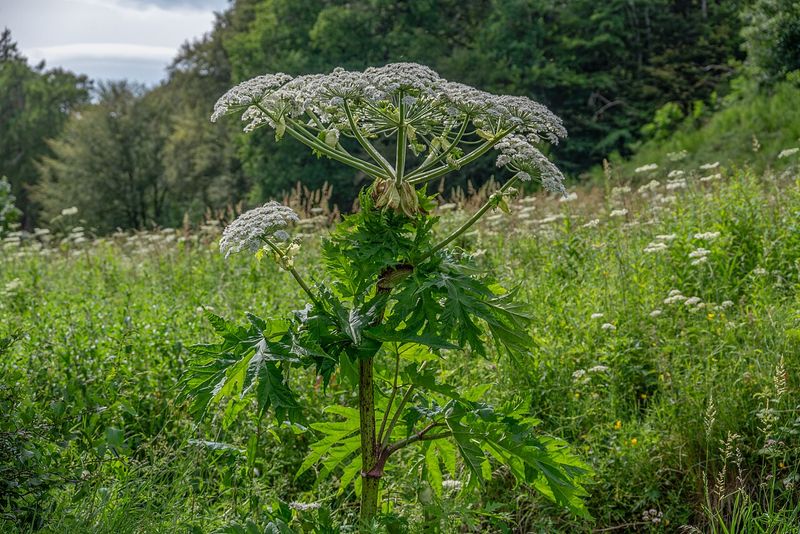
Towering fourteen feet or more, giant hogweed looks like Queen Anne’s lace that drank a growth potion overnight.
Its white flower umbrellas can stretch over two feet across, which sounds amazing until you learn about the sap.
Clear sap from Heracleum mantegazzianum reacts with sunlight on bare skin and can cause painful, blistering burns. Scars and dark skin patches may linger for months, and sap in the eyes may harm your vision.
Because of those risks, the plant sits on the federal noxious weed list and the Pennsylvania list too. Selling, planting, or moving it is illegal, so even sharing seeds with a curious friend could cause trouble.
Victorian gardeners in Europe loved its dramatic size, which explains how it first spread beyond its Caucasus home.
Here, it turns up mostly along stream banks and roadsides, especially in the northern and western counties.
Look for thick purple-blotched stems with coarse white hairs, plus deeply cut leaves up to five feet wide. Lookalikes such as cow parsnip are far more common, so careful identification matters before anyone panics.
If you spot a suspect plant, keep your distance and avoid mowing or chopping it with bare arms.
The state Department of Agriculture runs a giant hogweed hotline and can help confirm the plant and arrange control.
Honestly, this is one plant I would happily admire only through photos taken from a very safe distance. Your skin will thank you, and so will every neighbor who strolls past your property on sunny afternoons.
4. Japanese Barberry
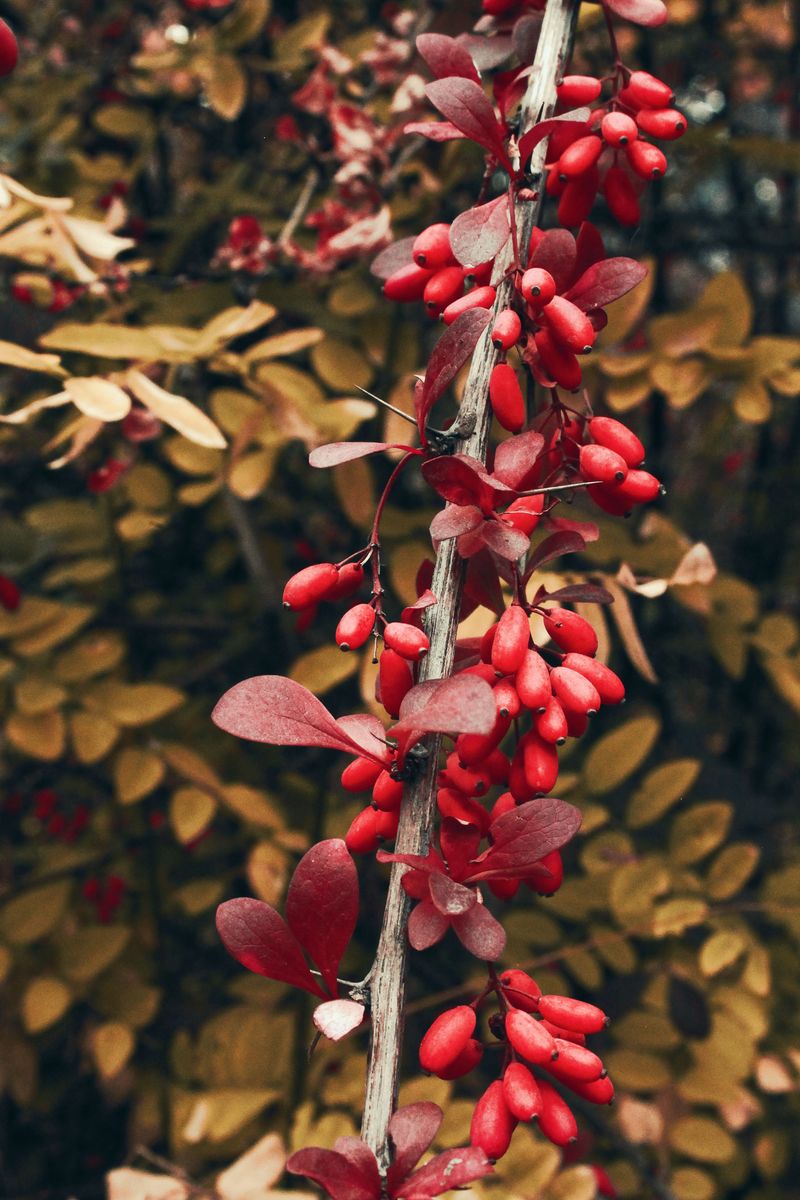
Ruby leaves and glossy red berries made Japanese barberry a favorite foundation shrub for decades, especially among deer-weary homeowners.
Deer usually skip its spiny branches, so it seemed like the perfect fix for nibbled landscapes everywhere.
Then the state added Berberis thunbergii to its noxious weed list, and a full sales ban began in October 2023. Nurseries had a phase-out period to clear stock, but now selling or propagating it is against the rules.
Birds gobble the berries and drop seeds into woods, where dense thickets crowd out native wildflowers and young trees.
What surprises me most is the tick connection, which researchers in Connecticut studied closely over several years.
Barberry thickets hold humid air close to the ground, creating cozy shelters for blacklegged ticks that carry Lyme disease.
Studies found more infected ticks in heavy barberry patches than in areas where the shrubs had been controlled.
Shrubs already growing in your yard are not illegal to keep, but removing them is a neighborly choice. Wear thick gloves and long sleeves, because those sharp spines grab clothing and skin with surprising enthusiasm.
Small plants pull out easily from moist soil, while bigger ones may need a weed wrench or careful digging. Bag any berries you find, since tossing them in a compost pile can spread seeds around your property.
For a native swap, try red chokeberry or ninebark, which both offer lovely fall interest and feed local pollinators. Personally, I love chokeberry’s fiery fall color, which gives you that same autumn glow without the guilt.
5. Tree-Of-Heaven
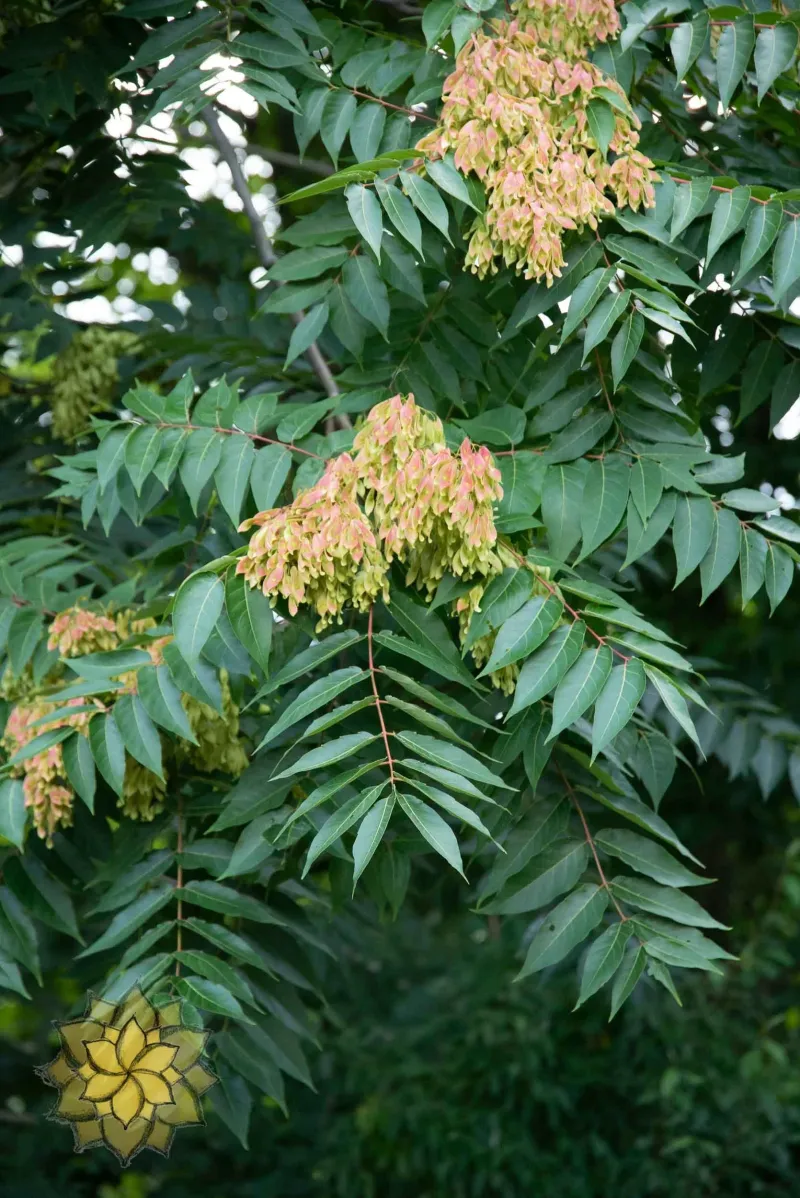
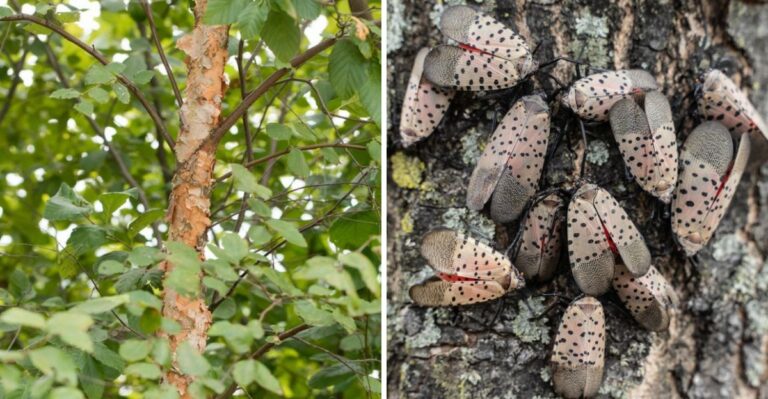
Crush a leaf from tree-of-heaven, and you will catch a smell some people compare to rancid peanut butter. That stinky clue is handy, because this fast grower loves popping up along fence lines and forgotten garden corners.
Ailanthus altissima arrived in Philadelphia in 1784, when a gardener imported it from Europe as an exotic ornamental. Today it sits on the state noxious weed list, so selling or planting it is prohibited.
Its biggest crime involves a familiar bug, because spotted lanternflies strongly prefer feeding on this particular tree.
Infestations spread from southeastern counties starting in 2014, and lanternflies now threaten fruit orchards and nursery crops across the region.
A single tree can produce hundreds of thousands of winged seeds each year, which drift easily on the wind. Roots also send up sprouts far from the trunk, and cutting the main stem often triggers even more suckers.
Many frustrated homeowners learn that lesson the hard way, so please skip the chainsaw as your first move.
Penn State Extension recommends herbicide treatments like hack-and-squirt in mid to late summer for larger trees.
Small seedlings come out easily by hand when the soil is damp, so grab them before roots get established. Wear gloves while handling the plant, since the sap can irritate sensitive skin for some people.
Native look-alikes such as staghorn sumac and black walnut have similar leaves, so check closely before removing anything.
Sumac leaves have toothed edges, while tree-of-heaven leaflets show small glandular notches near their base.
6. Mile-A-Minute Weed
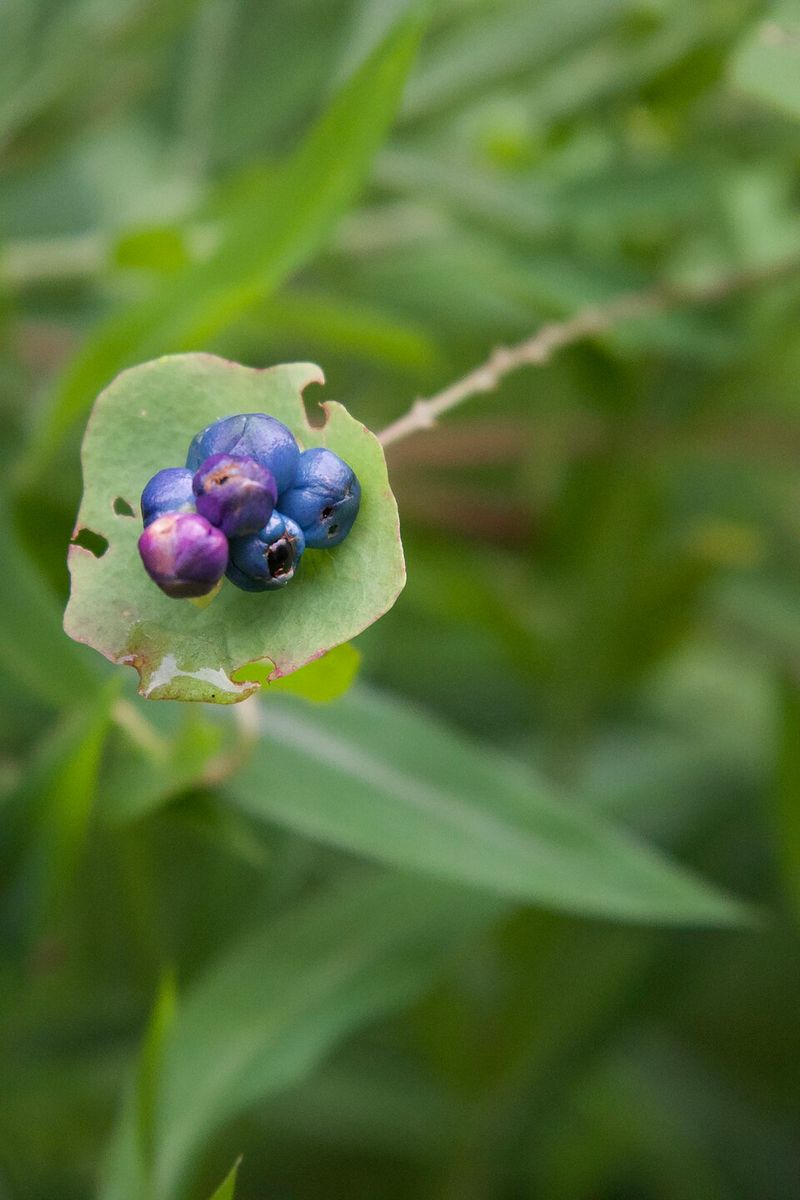
Six inches a day is how fast mile-a-minute weed can grow during summer, scrambling over shrubs like a green blanket.
Tiny backward-pointing barbs on its stems let it climb and cling, and they snag gloves with surprising stubbornness.
Persicaria perfoliata is a prohibited noxious weed in Pennsylvania, so selling or spreading it can lead to penalties. It arrived from Asia, possibly with nursery seed, and was first noticed near York during the 1930s.
Its leaves form neat triangles, and round leafy collars called ocreae circle the stem at every node. By midsummer, it produces metallic blue berries that birds and chipmunks happily spread to new places.
Personally, I find those berries oddly pretty, which is exactly why I remind myself not to let them ripen. Each seed can stay viable in soil for around six years, so one missed season creates long-lasting work.
Pulling vines by hand works well early in the season, before berries form in roughly early July. Wear sturdy gloves and long sleeves, since those barbs scratch arms quickly and can tear thin fabric.
Because it is an annual, its shallow roots let go easily, and pulled vines dry out quickly in sun. Leave pulled plants in a sunny pile or bag them if any berries have already started showing color.
Check garden edges and sunny openings each spring, since fresh seedlings can sprout as early as April. Catching them young saves you hours of tugging later, and your native plants get room to breathe again.