The One Fall Task That Keeps Pennsylvania Strawberries Productive Next Spring
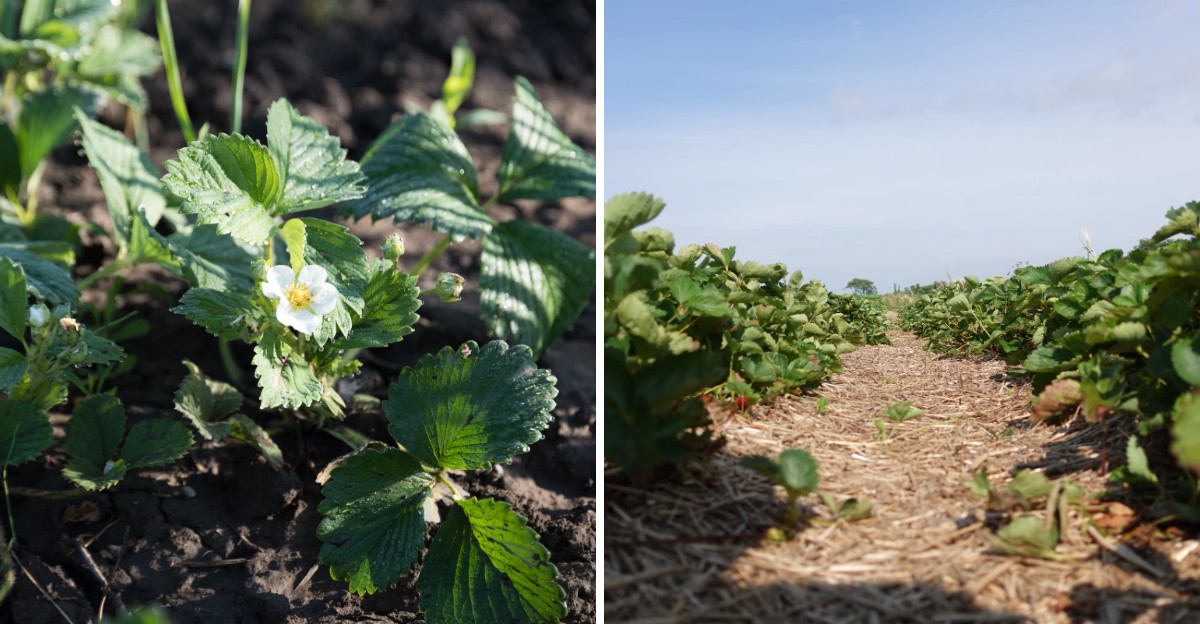
Next spring’s berries are already being decided right now, inside a hidden bud no bigger than a grain of rice. I find that a little thrilling and a little nerve-racking.
Shorter days and cooler nights in late summer and fall flip a switch in the plant. Tucked down in the crown, tiny flower clusters start forming weeks before frost. Each cluster can become a handful of sweet fruit in May or June.
Personally, I used to think the patch rested after harvest. You’re in for a big surprise if you believe the same thing. Pennsylvania gardeners who treat autumn as quiet time often wonder why the spring crop looks thin.
One overlooked job protects those buds better than anything else on the calendar. It costs very little, takes an afternoon, and pays off in bowls of red berries.
Those Tiny Strawberry Crowns Are Busy Building Next Year’s Flowers
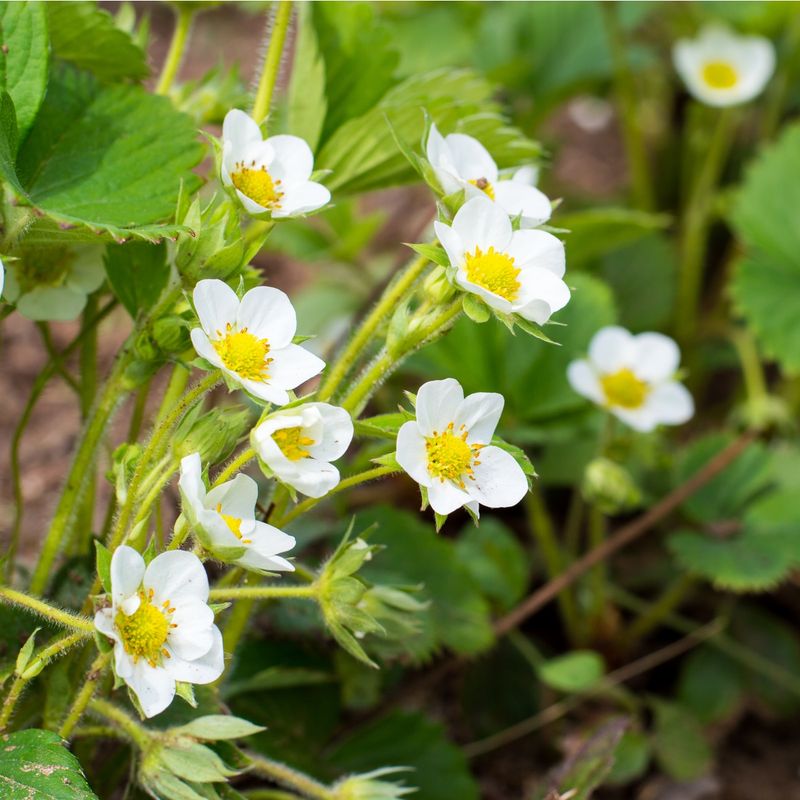
Under all those green leaves sits a short, thick stem called the crown. It looks boring, but it acts like a little factory for next season’s fruit.
June-bearing strawberries are short-day plants. As days shorten and temperatures cool from late August into October, the crown starts forming flower buds.
Penn State Extension and other university programs note that this fall bud formation largely sets the size of the following spring crop.
So the number of berries you pick next June depends a lot on how healthy the plant is right now. A stressed, crowded, or hungry plant makes fewer buds. A strong plant with plenty of leaves makes more.
I love this fact because it changes how I see autumn. The patch is not taking a break. It is quietly planning a party.
Each crown can produce several flower clusters, and each cluster holds several blossoms. The first blossom in a cluster usually becomes the biggest berry. Later ones tend to be smaller.
More crowns per plant often means more clusters. Healthy fall leaves feed that growth with sugars from sunshine.
Keep those leaves green and working until cold weather arrives, and the crown can do its job.
Fall Strawberry Fertilizer Is The Task That Feeds Those Hidden Buds
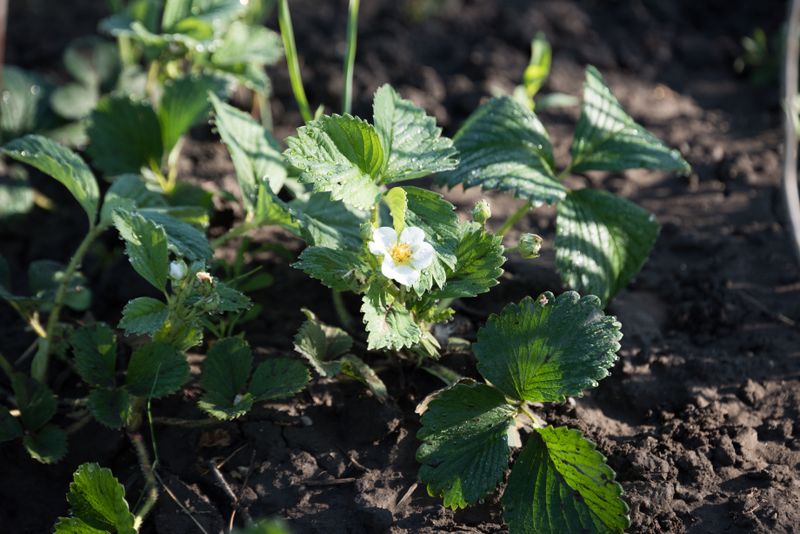
Here comes the big reveal. The one fall task that pays off most is a well-timed feeding in late summer to early fall, while the buds are forming.
Many extension guides suggest splitting nitrogen for June-bearers. You give part of it at renovation right after harvest, then the rest in late August or early September.
That second dose supports leaf growth and crown development exactly when flower buds are taking shape.
For home beds, a balanced fertilizer like 10-10-10 works well. A common rate is about one pound per 100 square feet at each application, but a soil test from Penn State’s lab gives you the most accurate numbers.
Too much nitrogen leads to soft, leafy plants and more disease, so more is not better. Scatter granules around the plants, not on wet leaves. Then water them in so roots can reach the nutrients.
Skip spring nitrogen on June-bearers in most cases. Feeding in spring can push leafy growth, soft fruit, and gray mold instead of extra berries.
I think of fall feeding as packing a lunch for the plant. It eats now, stores energy, and shows up hungry for blooming when spring warms the soil.
Mowing And Thinning Strawberry Rows Sets The Stage For Fall Feeding
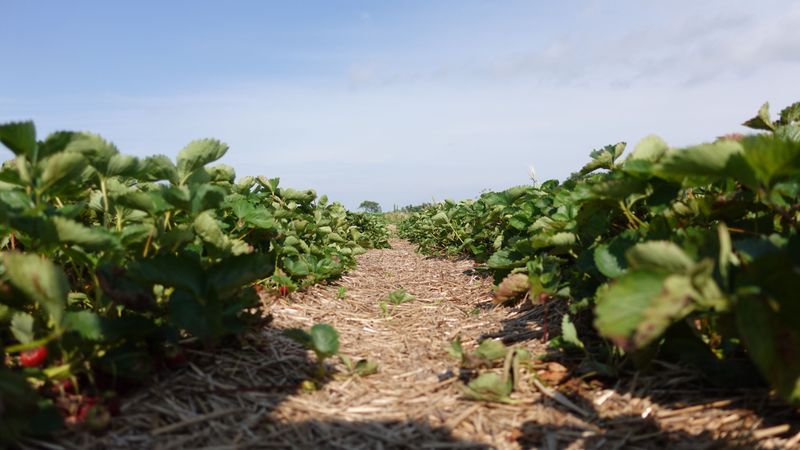
Fertilizer works best on a patch that has been renovated. That job happens right after the last June berries are picked, usually in July.
Start by mowing or clipping leaves to about one inch above the crowns. Set your mower high so you avoid cutting the crowns. Old leaves often carry leaf spot and other diseases, so rake them out.
Next, narrow the matted rows to about 8 to 12 inches wide. A tiller or hoe makes quick work of the edges. Then thin plants inside the row so they sit roughly 4 to 6 inches apart.
Keep the younger runner plants. They tend to be more vigorous than the tired mother plants from two or three seasons ago.
A friend once told me her patch looked like a shag carpet before renovation. After thinning, the berries the next year were noticeably bigger, and the rows dried faster after rain.
Crowded beds compete for light, water, and nutrients. They also trap humid air, which invites fungal trouble.
Opening things up gives the remaining plants room to build strong crowns before fall bud season begins in earnest.
Steady Water Keeps Strawberry Leaves Working Into October
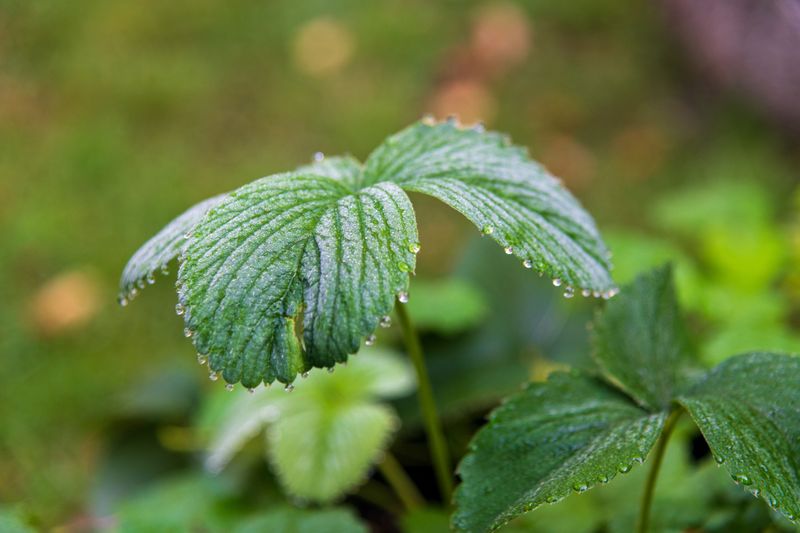
Fertilizer needs water to do anything useful. Dry soil leaves those granules sitting on top while the plant goes thirsty.
Strawberries have shallow roots, mostly in the top several inches of soil. That makes them quick to suffer during dry spells, which can happen in Pennsylvania during late summer and early fall.
Aim for about one inch of water per week from rain or irrigation. A simple rain gauge or an empty tuna can on the bed helps you track it.
Drip lines or soaker hoses are my favorite option. They put water right at the roots and keep leaves drier, which helps reduce disease.
Water in the morning if you use a sprinkler. Leaves dry during the day instead of staying damp overnight.
Drought stress in September can mean fewer flower buds. You might not notice anything wrong in fall, but next spring the clusters look sparse.
Check soil by pushing a finger an inch or two down. Damp but not soggy is the goal. Heavy clay soils hold water longer, while sandy spots dry out fast, so adjust your routine to what your garden tells you.
Healthy Green Strawberry Leaves Should Stay Put This Fall
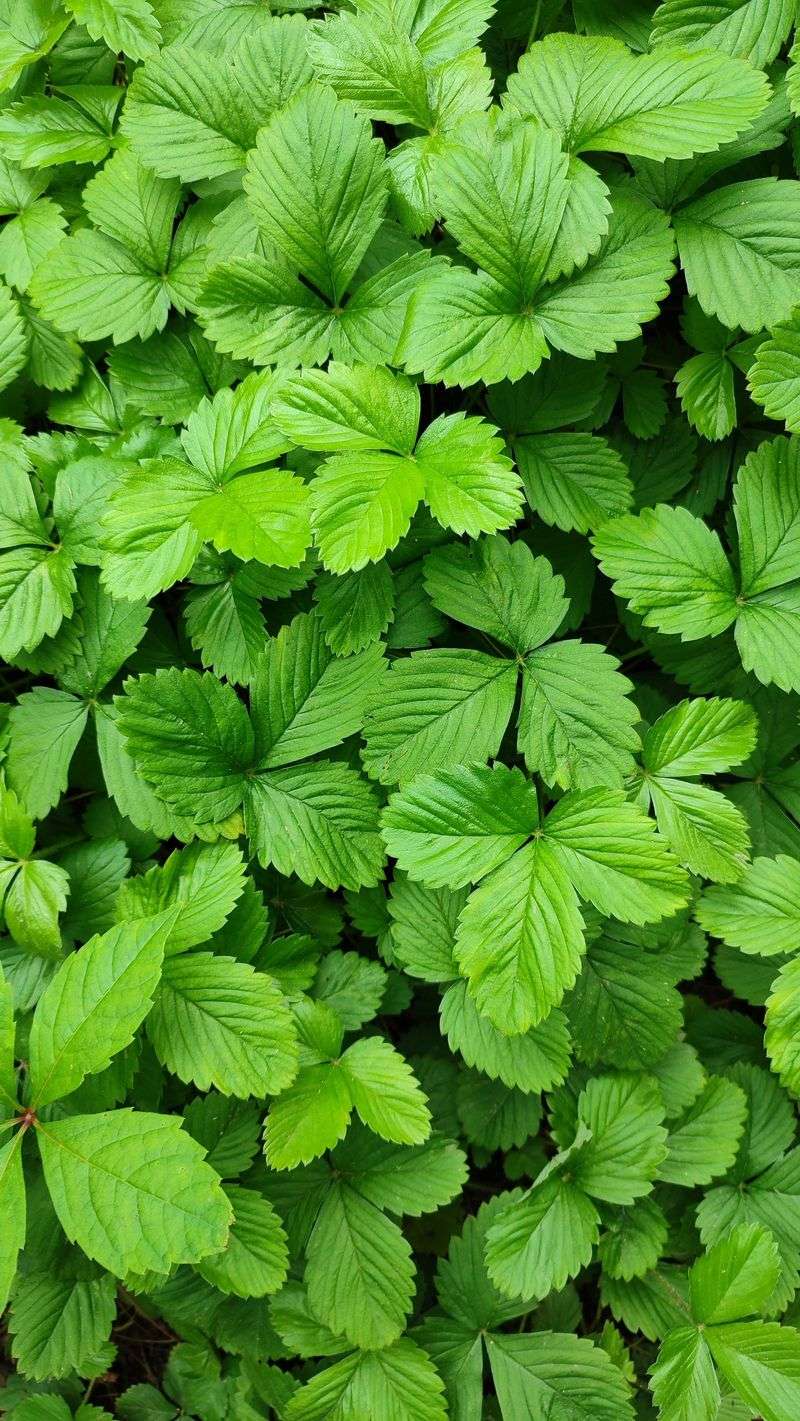
Hands off the pruners once renovation is finished. Those fall leaves are solar panels, and the plant needs every one of them.
Leaves make sugars through photosynthesis. The plant stores much of that energy in its crown and roots, fueling winter survival and spring blooms.
Cutting healthy foliage in September or October reduces that stored energy. Late cutting can also push tender new growth. That soft growth handles cold poorly once frost arrives.
So what should you remove? Only leaves that look clearly diseased, badly spotted, or brown and crispy. Toss them in the trash rather than the compost if disease is the concern.
Runners are a different story. In late summer, extra runners can crowd the row again. Snip ones that wander outside your row width so the bed does not turn into a jungle.
Day-neutral and everbearing types follow different rules, since they fruit in summer and fall too. Light cleanup of damaged leaves is fine for them.
I know the urge to tidy is strong in autumn. Resist it here. A slightly scruffy strawberry bed in October is often a productive one in June.
Weeds In The Strawberry Patch Steal From Next Spring
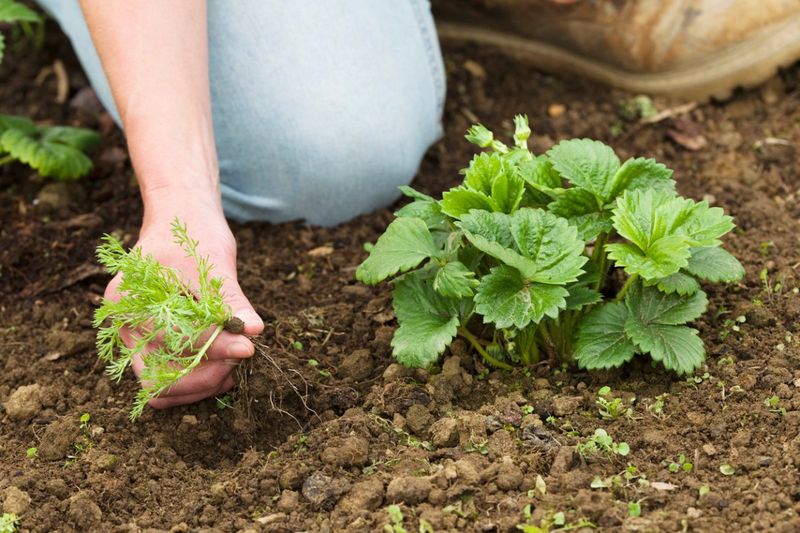
Weeds love fall fertilizer just as much as strawberries do. Give them a chance, and they will happily eat the meal you meant for your berries.
Cool-season weeds like chickweed, henbit, and dandelion sprout readily in autumn across Pennsylvania. They grab nutrients, water, and light during the exact weeks your plants are forming buds.
Shallow hoeing and hand pulling work well. Go easy near the crowns, since strawberry roots sit close to the surface.
Perennial weeds are tougher. Quackgrass and Canada thistle spread through underground parts, so dig out as much root as you can.
Here is a fun fact. The garden strawberry we grow is a hybrid that first appeared in Europe in the 1700s, from a cross between a North American species and a Chilean one.
Wild relatives still grow in Pennsylvania fields, and they spread runners just as eagerly. Try a quick weeding session every week or two through October. Small weeds pull out easily, while big ones take roots and soil with them.
A clean bed also makes winter mulching easier. You will thank yourself when you are spreading straw in December.
Clean Straw Mulch Tucks Strawberry Plants In For Winter
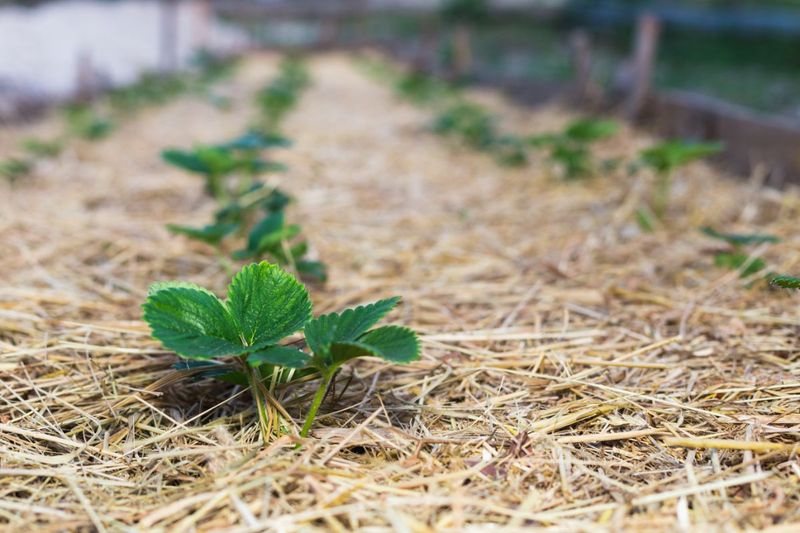
Timing is everything with winter mulch. Put it on too early, and plants may not harden off properly. Wait too long, and cold snaps can injure crowns.
Penn State and other extension sources suggest mulching after plants have experienced several hard frosts in the low 20s. In much of Pennsylvania, that falls between mid-November and mid-December.
Northern counties tend to be earlier, and the southeast is often later. Spread about three to four inches of clean, weed-free straw over the rows. Avoid hay, since it usually carries weed seeds.
The straw is not really a heater. It insulates soil against wild freeze and thaw swings that cause frost heaving. Heaving pushes crowns out of the ground and tears roots.
Crowns can be injured at temperatures around 15 degrees Fahrenheit without cover. Mulch protects those carefully built flower buds.
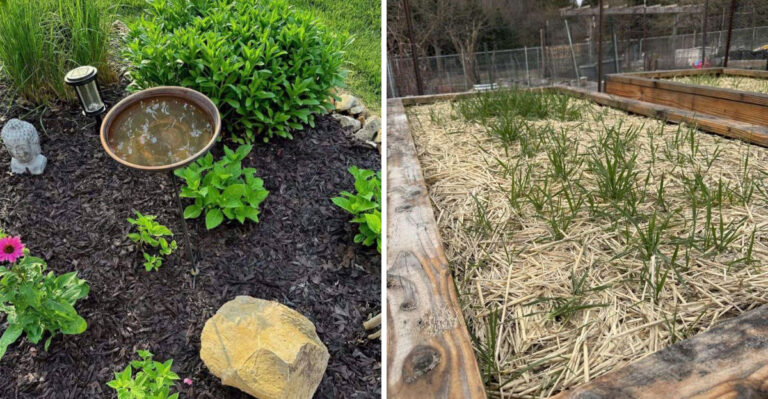
I love walking past a mulched bed in January. It looks like a golden quilt, and I know the plants underneath are safe and sleeping. Keep some extra straw handy. It comes in useful in spring too.
Pull Back The Straw When Strawberry Leaves Turn Yellow In Spring
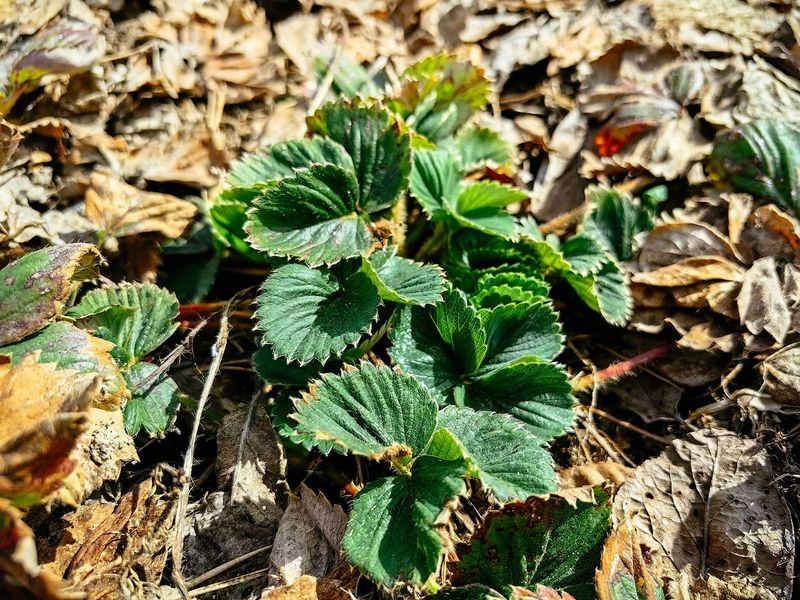
Spring is when your fall effort finally shows up, so the last step matters. Check under the straw in late March or early April.
When new leaves start turning pale yellow under the mulch, it is time to uncover the plants. Rake most of the straw into the aisles between rows. It makes a clean path and keeps mud off the berries later.
Leave that extra straw nearby for a while. Strawberry blossoms are tender, and a frost at bloom can blacken the center of open flowers. On cold nights, toss straw or a frost cloth back over the plants.
Look for open blossoms with dark centers after a frost. Those flowers will not produce fruit.
My takeaway after years of growing berries is simple. Feed in late summer, keep plants watered and weeded, protect the leaves, and mulch on time.
Jot down your dates in a garden notebook this year. Next fall, you will know exactly when to feed and mulch.
Then come June, grab a bowl and head outside. Those red, sun-warm berries started their journey last September, thanks to you.