The Amish Mulching Habit Pennsylvania Homeowners Wish They Had Known About Before Every Summer
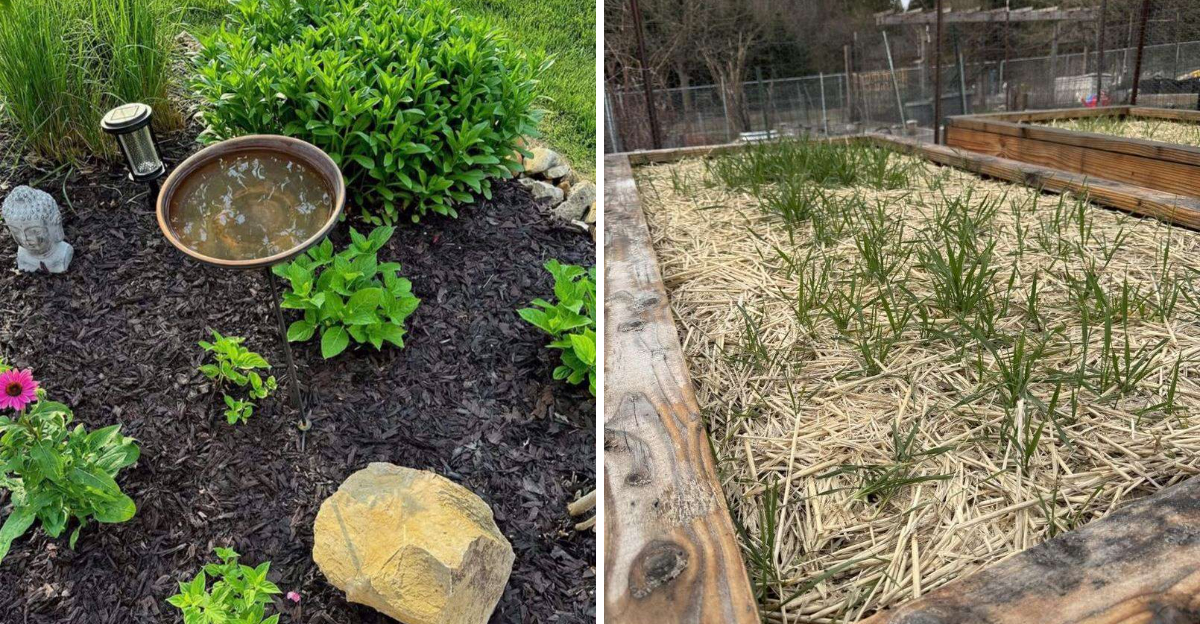
A Pennsylvania garden can look generous in June and completely worn down by the middle of July.
The soil between vegetables cracks first. Then weeds find every open patch, shallow roots heat up, and yesterday’s watering seems to disappear before the next afternoon arrives.
Gardeners often respond by watering more often, cultivating harder, or adding another quick layer of whatever mulch happens to be nearby.
An older garden habit takes a different approach.
Instead of reacting after the ground turns hot and dry, it prepares the bed so moisture has a harder time escaping in the first place.
The method looks almost too simple when you see it finished, yet the order of the materials and the depth of the cover are what make the difference.
So what are Pennsylvania gardeners copying when they borrow this Amish-style summer routine?
The answer starts at soil level, where one hidden layer does the quiet work and another protects it from the heat above through long stretches without another rescue watering or panic.
Start With A Wet Newspaper Sponge Layer
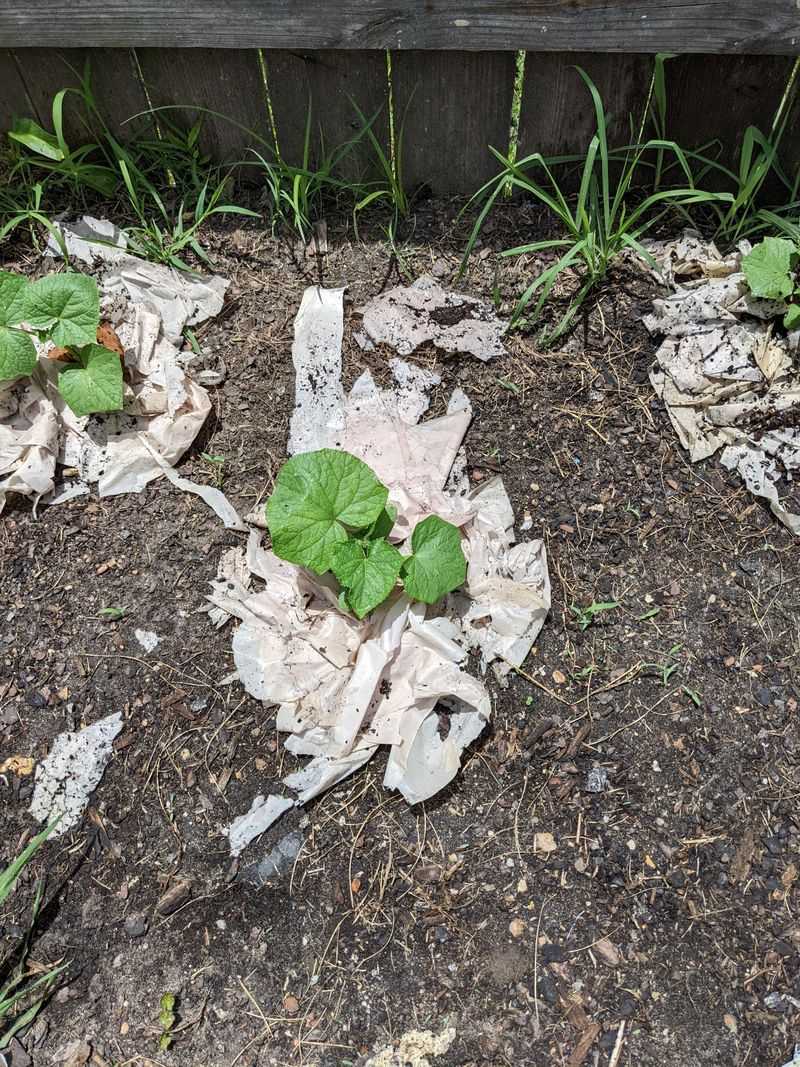
The first layer goes directly over clean, moist soil and does a job ordinary loose mulch cannot do as well by itself.
For a vegetable bed, several overlapping sheets of plain newspaper can form the lower layer.
Research in vegetable production has used sheets of newspaper as mulch, and Pennsylvania garden guidance also recommends wet newspaper beneath organic mulch to keep light away from weed seeds longer.
Skip glossy inserts, tape, and heavily coated paper.
Wet the soil first, then lay the newspaper down while it is still easy to shape around established plants. Moisten each section as you work so wind does not turn the project into a neighborhood paper delivery.
Overlap the edges rather than leaving bright strips of exposed soil between sheets.
Keep the paper away from vegetable stems and perennial crowns. The goal is to cover open ground, not wrap living tissue in wet paper.
This lower layer acts less like a permanent barrier and more like a temporary blanket that slows weed emergence and helps shield moist soil while the material above does the heavier insulating work. It eventually softens and breaks down.
Do not install the paper over a bed that is already dry and hard. Start with moisture in the soil.
The whole technique works better when it protects water that is already there instead of asking dry newspaper and dry mulch to create moisture from nothing.
Cover It With A Deep Insulating Mulch Layer
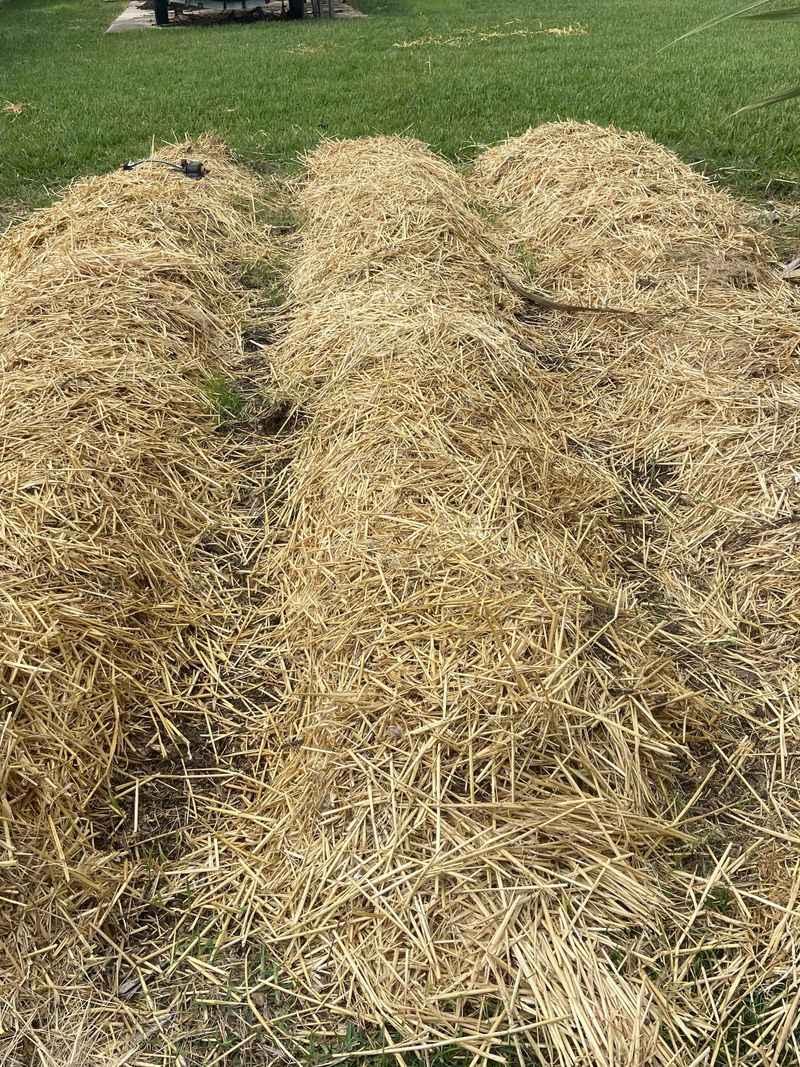
Once the lower layer is wet and settled, the second part of the habit is a deep cover of loose organic material.
Straw is especially useful in vegetable beds because a fluffy layer can begin around four to six inches deep and then settle as rain, watering, and time compress it.
Shredded leaves, clean grass clippings used carefully, or other garden-safe organic materials can also play a role, but the texture matters. A dense six-inch layer of fine material behaves very differently from six inches of loose straw.
Your Pennsylvania Garden Changes Every Week. Your Plan Should Too.
Gardening in Pennsylvania changes quickly throughout the season. Every Friday you’ll receive a simple weekly plan showing exactly what to plant, prune, fertilize, harvest, and protect so you never miss the right timing.
Spread the mulch evenly over the newspaper rather than dumping thick piles beside individual plants. Keep stems, crowns, and woody bark clear. The protected zone belongs over the root area and open soil.
The depth is what gives this two-part system its summer advantage. A generous loose cover shades the lower layer, slows evaporation, and blocks much of the light that would otherwise reach germinating weeds.
Sheet-mulching guidance uses a similar four-to-six-inch upper layer over wet paper or cardboard when building beds.
Watch how the material settles. Deep mulch should remain porous enough for rain and irrigation to move through. A matted, water-shedding layer needs loosening rather than another load on top.
The garden should look covered, not buried. When the mulch reaches the plant stems like a rising snowdrift, the Pennsylvania summer routine has officially become a landscaping avalanche.
Lock In Moisture Before Summer Heat Arrives
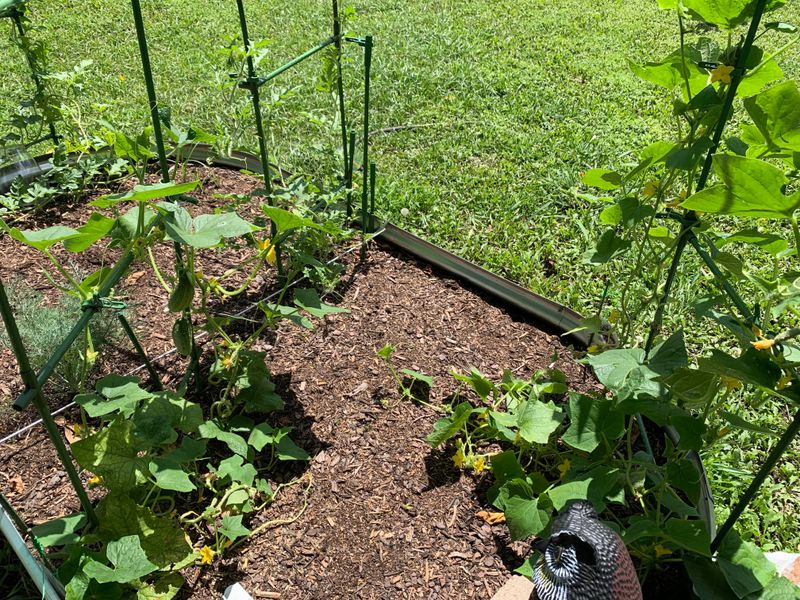
The Amish-style method works best when the gardener begins with water in the soil rather than trying to repair drought after the layers are finished.
Water the bed deeply before laying the newspaper. The soil a few inches down should feel moist, not muddy.
Then wet the paper as it goes into place and add the upper mulch while the lower layer is still damp. That sequence helps hold everything in position and gives the root zone a useful moisture reserve from the start.
Once covered, check beneath the mulch before watering again. Organic mulch reduces evaporation, so the soil may stay damp much longer than bare ground nearby.
Moisture conservation is one of the major practical benefits of keeping soil covered.
A finger, narrow trowel, or soil probe can tell you more than the surface appearance. Dry straw on top does not mean the soil beneath it is dry. Push through the layers and check several inches down near the active root zone.
When water is needed, apply enough to reach the soil beneath the newspaper and mulch. Drip lines or soaker hoses placed below the upper mulch make that easier, especially in vegetable rows.
The goal is not to avoid watering forever. It is to stretch the useful time between irrigations by reducing unnecessary loss from exposed soil.
A deep mulch system can make the hose feel neglected. That is acceptable. The hose has had plenty of attention every other Pennsylvania summer.
Block Light Before Weeds Take Over
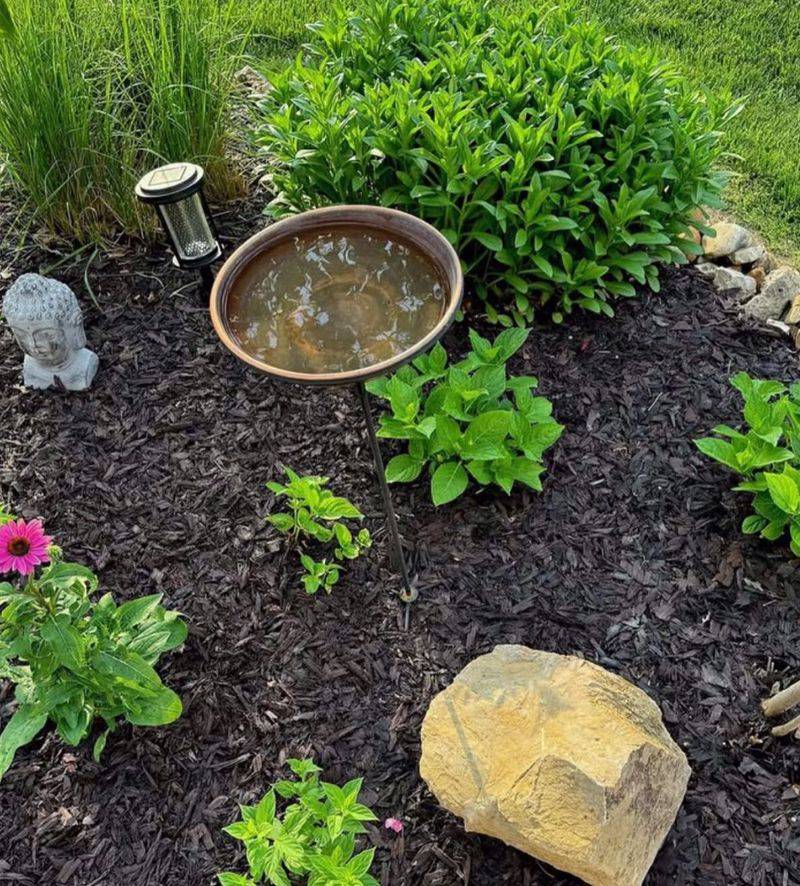
The lower paper layer does more than hold moisture. It also removes one of the things many weed seedlings need most: light.
Start with a weeded bed. Pull established weeds before the newspaper goes down, especially perennial weeds with strong underground roots.
Mulching over a vigorous thistle or bindweed plant does not erase the root system already stored beneath the soil.
Lay paper across the open spaces, overlap the edges, and cover it completely with organic mulch. The combination creates a physical and light-blocking barrier that can sharply reduce new weed emergence.
Newspaper, straw, and other organic mulches have all been used successfully for weed suppression.
Some weeds will still appear.
Seeds can land on top of the mulch later, and aggressive perennial weeds can find weak spots around plant stems or uncovered edges. Pull those newcomers while they are small rather than waiting until roots travel through both layers.
Pay special attention after thunderstorms. Moving water can shift straw, expose newspaper, or uncover a strip of soil along the edge of the bed. Rake the material back before that strip becomes the neighborhood’s newest weed nursery.
This is one reason the habit feels so useful by August. The gardener is not simply watering less often. There is also less bare soil available for a fresh crop of weeds after every warm rain.
The newspaper never claims to eliminate weeds forever. It just makes them work much harder for the privilege of annoying you.
Keep The Layers Away From Stems And Crowns
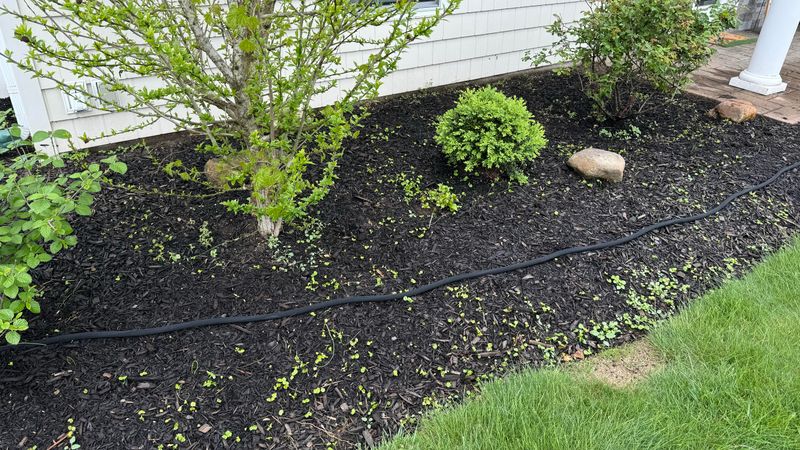
A deep mulch layer can help plants through summer only when it stays away from the tissues that need air.
Leave an open ring around tomato stems, pepper stems, squash crowns, perennial crowns, shrub bases, and tree trunks.
Wet newspaper and several inches of organic material should cover the soil nearby without pressing directly against those living structures.
Constant moisture against stems and bark can create favorable conditions for decay. Organic mulch should stay away from plant stems and woody trunks rather than remaining pressed against them.
The open space does not need to be enormous. It simply needs to keep the crown or stem visible and able to dry after rain or irrigation.
As plants grow, check the gap because straw and leaves can migrate inward during wind, watering, and garden traffic.
Trees deserve even more restraint.
Do not build the two-layer vegetable-bed system into a deep mound around a trunk. Woody plants generally benefit from broad, moderate mulch over the root zone, not six inches of material stacked against bark.
Deep mulch layers can restrict water and oxygen when fine material becomes excessive.
This is where copying the habit requires judgment rather than measuring everything with one ruler.
The soil wants protection. The stem wants breathing room. Giving both what they need is much smarter than letting the mulch win an argument it was never supposed to have.
Choose Loose Organic Materials That Still Breathe
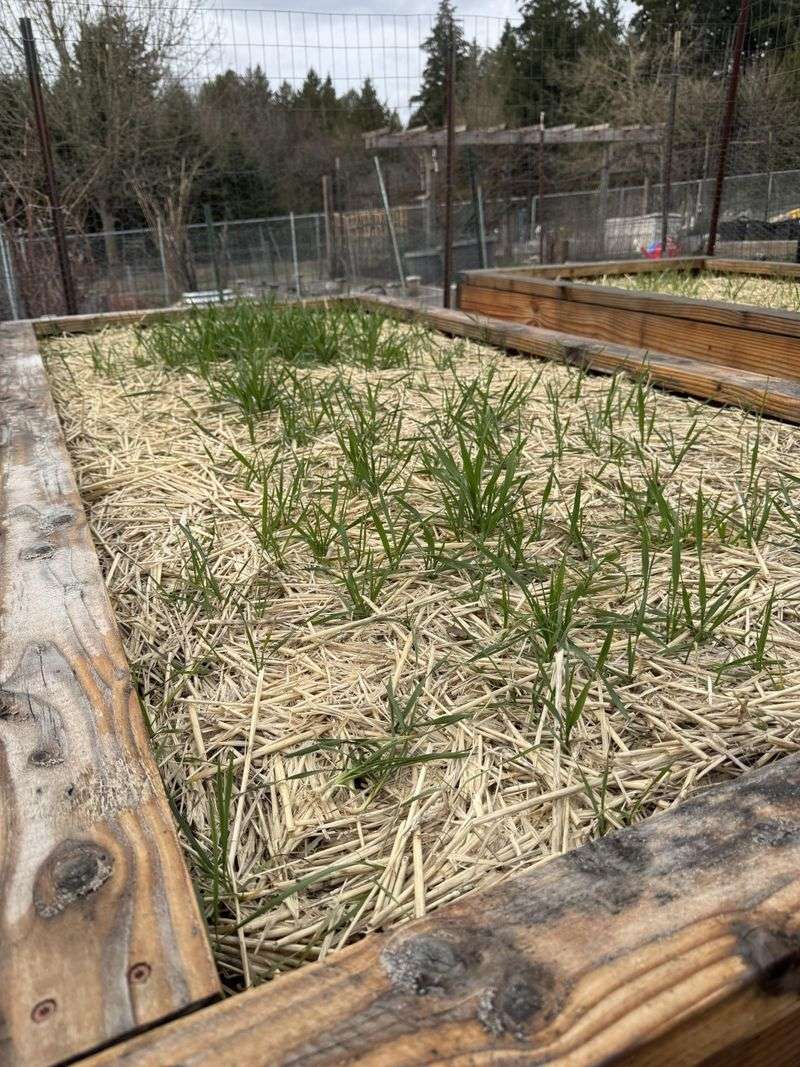
Not every material belongs in the upper layer just because it is free and organic.
Clean straw is one of the easiest choices for a deep summer vegetable mulch. It stays relatively loose, allows water to move through, and can be pulled aside easily for planting, harvest, or soil checks.
Straw can still carry volunteer grain or weed seed, so inspect the bale and buy from a dependable source when possible.
Shredded leaves work well too after drying enough to separate rather than forming one wet mat. Whole leaves can pack together and interfere with water and air movement, so shredding makes them easier to manage.
Grass clippings need more caution. Use material from lawns without problematic recent herbicide exposure, allow clippings to dry, and apply them in thinner additions rather than one thick, wet layer that can become slimy and compacted.
Wood chips are excellent around paths, shrubs, and many perennial areas, but a deep chip layer around annual vegetables behaves differently from loose straw. Match the material to the crop and the bed.
The newspaper underneath does not make a poor upper mulch magically better.
This habit succeeds because the two layers complement each other: a close-fitting lower sheet blocks light and protects the soil surface, while a loose upper layer insulates and shades without sealing the bed shut.
Use what is locally available, but make texture part of the decision. Free mulch stops feeling free once you spend August peeling it off the soil in soggy slabs.