This Cheap Trick Clears Moss And Algae From Your New Jersey Patio
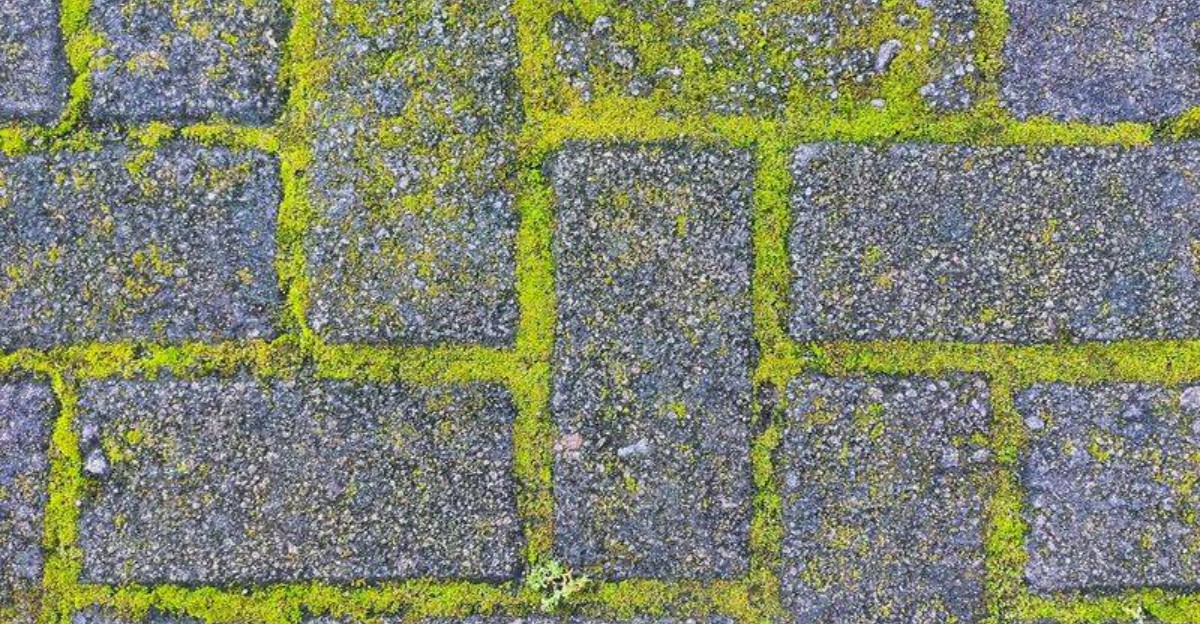
A two-dollar jug from the pantry shelf can turn a slimy green patio back to clean stone in one afternoon. I stared at mine last spring and wondered how something so cheap could beat a fancy store cleaner.
Turns out the secret is plain old acid, and a mild one at that. It breaks down the green film that makes bricks and pavers slick as ice after a rain.
New Jersey gives that film plenty to love. Humid summers, wet winters, and big shade trees keep patios damp for days at a time.
Few homeowners in New Jersey escape it, and the worst patches tend to hug the north side of the house or sit under a maple. I sure noticed, and my sneakers found them the hard way. So what is sitting in your kitchen right now that could fix it?
That Green Slime on Your Pavers Has a Pantry Rival
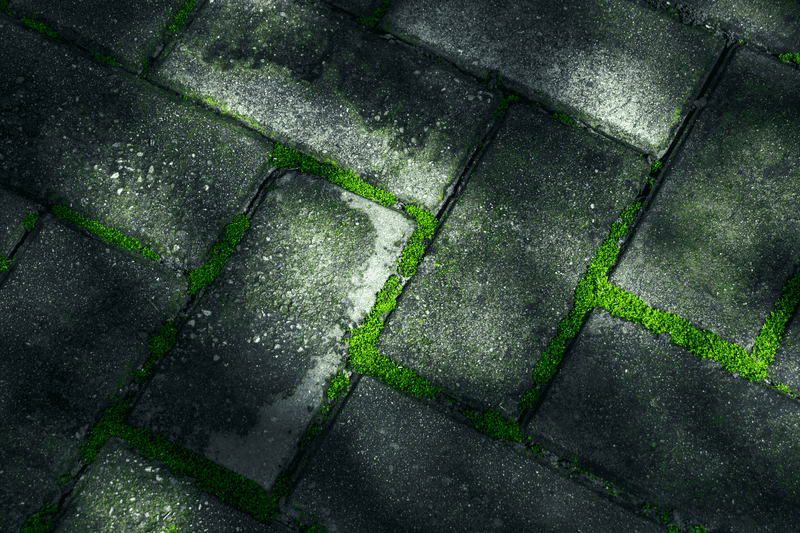
Plain white vinegar is the cheap trick, and it sits in most kitchen cabinets already. A gallon usually costs only a few dollars at the grocery store, even at the busy supermarkets across New Jersey.
The magic comes from acetic acid. Household vinegar is about 5 percent acid, which is mild enough for many hard surfaces but strong enough to break down slimy algae and weaken moss.
Algae is the slick green or black film you see on concrete, while moss forms those soft, fuzzy cushions in the cracks.
Both love the same things. They grow best where a surface stays cool, shady, and damp for long stretches, which describes plenty of yards in New Jersey for much of the year.
A small squirt of dish soap gives vinegar a helpful boost. Soap acts like a spreader, helping the liquid cling to the growth instead of rolling off. It also helps the solution spread across and soak into the moss.
I tried this mix on a stubborn corner by my downspout. After one round and a good scrub, the dull green faded to clean brick color.
The best part is how simple it is. No special sprayer, no harsh chemicals, and no expensive bottle with a fancy label. You just need vinegar, water, soap, and a little elbow grease.
Mix Your Vinegar Spray Bottle Like a Pro
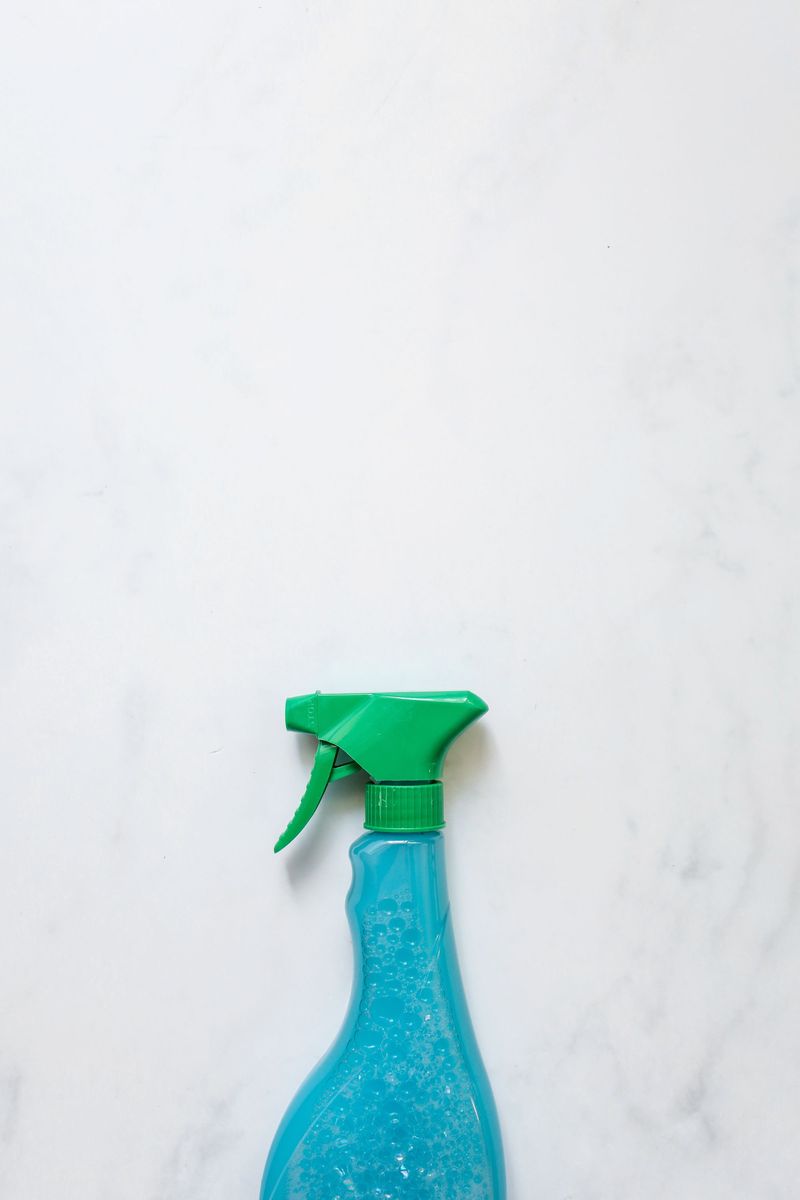
Getting the ratio right matters more than most folks expect. For light green film, one part white vinegar to four parts warm water works nicely.
Thicker growth calls for more muscle. Try equal parts vinegar and water, and use straight vinegar only on the toughest mossy joints. Add a teaspoon or so of plain dish soap per gallon, picking one without bleach.
Start by sweeping the patio with a stiff broom. Leaves, dirt, and loose moss soak up your mix before it reaches the real problem.
Next, spray or pour the solution right onto the green spots. Pay extra attention to the joints between pavers, where moss tends to anchor itself.
Now comes the hardest step, which is waiting. Let the mix sit for about 15 to 30 minutes, and up to an hour on stubborn patches.
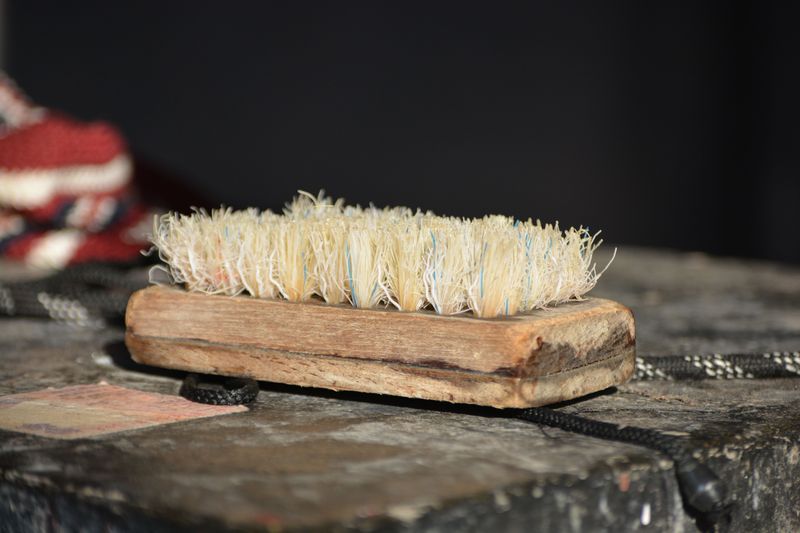
Then grab a stiff plastic or natural-bristle brush and scrub. Finish by rinsing everything well with a garden hose.
Want a fun upgrade? Some gardeners soak orange peels in vinegar for about a week first. The citrus oils add a little extra grease-cutting power and a much nicer smell than plain vinegar.
Dry Weather Helps Your Vinegar Mix Work Better
Timing can make or break this job. A solution poured right before a thunderstorm simply washes away before it does any good.
Look for a stretch of dry days with no rain in the forecast. Mild, sunny weather in spring is perfect for most of New Jersey, and early fall works well too. Many gardeners like spring because winter dampness leaves patios at their greenest.
Avoid blazing midday heat in July. The mix can dry out too fast on hot stone, which shortens the time it has to work.
Morning or late afternoon is the sweet spot on warm days. The surface stays slightly cooler, and you stay more comfortable too.
A dry patio also soaks up the vinegar better. When pavers are already wet, your mixture gets watered down the moment it lands.
Shore towns and northern counties may run on slightly different schedules. Coastal fog can keep surfaces damp longer, while higher spots in the northwest may warm up later in spring.
Check your local forecast, pick a calm day, and give yourself a few hours. That small bit of planning helps a cheap mix act like a much pricier cleaner.
Soapy Water Is a Gentler Backup for Delicate Stone
Some patios simply do not get along with acid. Limestone, sandstone, marble, and some decorative stone can etch or lighten when vinegar touches them.
For those surfaces, dish soap alone is a smart swap. Mix about three tablespoons of gentle, bleach-free dish soap into a gallon of warm water.
Pour the soapy water over the moss and algae. Then let it sit for several hours, which gives the soap time to soak into the growth.
Patience pays off here. This method is slower than vinegar, but it is kinder to soft stone and fussy finishes.
When you scrub, try moving the brush diagonally across the joints. That angle tends to be easier on the sand or jointing compound between pavers.
Rinse well afterward so no slippery soap film is left behind. Nobody wants to trade a slick green patio for a slick soapy one.
Untreated wood decks also deserve the gentle route. Vinegar can be tough on bare wood, so soapy water and a soft scrub are the safer bet.
I keep a bucket and a bottle of mild soap by the back door now. It saves me from second-guessing every stone.
Cover Your Flower Beds Before the Vinegar Starts Flowing
Vinegar does not know the difference between moss and your hostas. Any plant it lands on can scorch, and repeated splashes may affect the soil along patio edges.
Protecting nearby plants takes only a few minutes. Lay cardboard, old sheets of plastic, or a tarp over beds and lawn edges before you spray.
Aim low and slow with the sprayer. A coarse stream drifts less than a fine mist, especially on breezy days.
Test a small, hidden corner first. Wait a day and check for any lightening, spotting, or rough patches before treating the whole patio.
Your own body needs a little care too. Rubber gloves and safety glasses keep acidic splashes off your skin and out of your eyes.
Skip the metal brush, even when moss refuses to budge. Wire bristles can scratch pavers and concrete, leaving marks that hold dirt later.
Do not mix vinegar with bleach or other store cleaners. Combining them can release toxic chlorine gas, so stick with the simple recipe.
Once you finish, rinse the patio and any splashed plant leaves with plain water. That quick shower helps dilute any stray drops.
Pressure Washers Can Chew Up Patio Joints
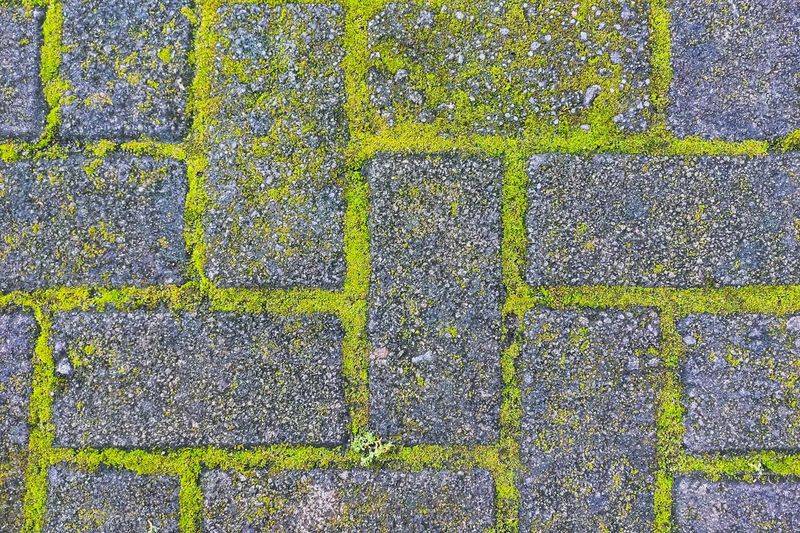
Blasting moss with a pressure washer feels great for about five minutes. Then you notice the sand between your pavers floating across the yard.
High pressure can strip joints, pit soft concrete, and roughen stone surfaces. Rougher surfaces hold moisture and spores better, which can invite green growth back faster.
That matters in New Jersey, where damp weather already gives moss a head start. Spores also hide deep in cracks and pores. A quick spray may clear the surface while leaving the start of next season’s crop behind.
That does not mean pressure washers are off limits. Use a low setting, a wide-angle nozzle, and keep the tip a comfortable distance from the surface.
Many gardeners find a combo works best. Let vinegar or soapy water loosen the growth first, then finish with a gentle rinse. Plenty of New Jersey homeowners swear by this one-two approach.
If you do wash out joint sand, refill it afterward. Sweep fresh paver sand or polymeric sand into the gaps once the patio dries.
Baking soda gets mentioned online as another option. It can work on moss by drying it out, but results often take several applications over weeks and may leave white residue. For a quick, cheap fix in New Jersey or anywhere else, vinegar usually wins the race.
Trim Those Shady Tree Branches and Keep Moss Away
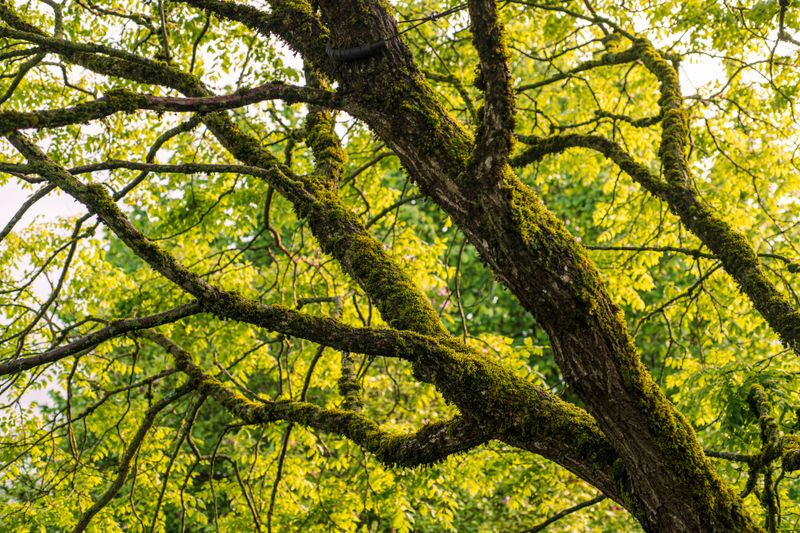
Cleaning the patio is the fun part, but keeping it clean is the real win. Moss and algae return wherever shade and moisture stick around.
Sunlight is your best free helper. Trimming low branches over the patio lets light reach the surface so it dries faster after rain. Big oaks and maples are common across New Jersey yards, so even a little thinning can help.
Drainage matters just as much. Look for spots where puddles linger, and fix downspouts that dump water straight onto pavers.
A regular sweep makes a surprising difference. Wet leaves and grit hold moisture against stone and feed new growth.
Once your patio is clean and dry, think about a sealer. A good patio sealer slows water from soaking into concrete and pavers, giving moss fewer places to settle in.
I now give my patio a quick vinegar spot treatment each spring. It takes less than an hour, and the green never gets a real foothold.
Keep that jug in the pantry and a stiff brush by the door. Your feet, your guests, and your patio stones will all thank you.