Stop Weeds In Your Pennsylvania Patio Cracks With This Cheap Trick
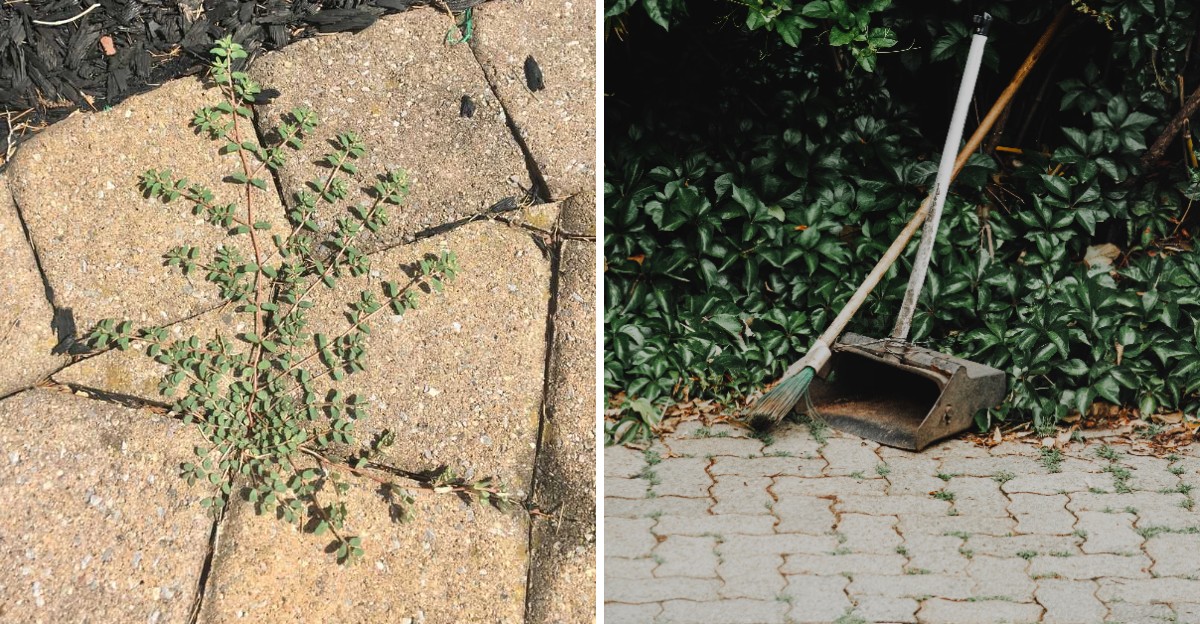
A single dandelion can ripen up to roughly 200 seeds per flower head, and the wind loves to park them in patio gaps. Those skinny cracks collect dust, leaf bits, and rainwater, which is basically a tiny seed bed.
I used to spend summer Saturdays on my knees with a butter knife, scraping green fuzz out of my pavers. It worked for about two weeks. Then the whole crew came right back, looking a little smug.
Here in Pennsylvania, our wet springs and humid summers give crack weeds a real head start.
You need something quick, cheap, and safe enough to use near the tomato pots.
I found it sitting on my stove the whole time.
That Green Fuzz Between Your Pavers Has A Simple Weak Spot
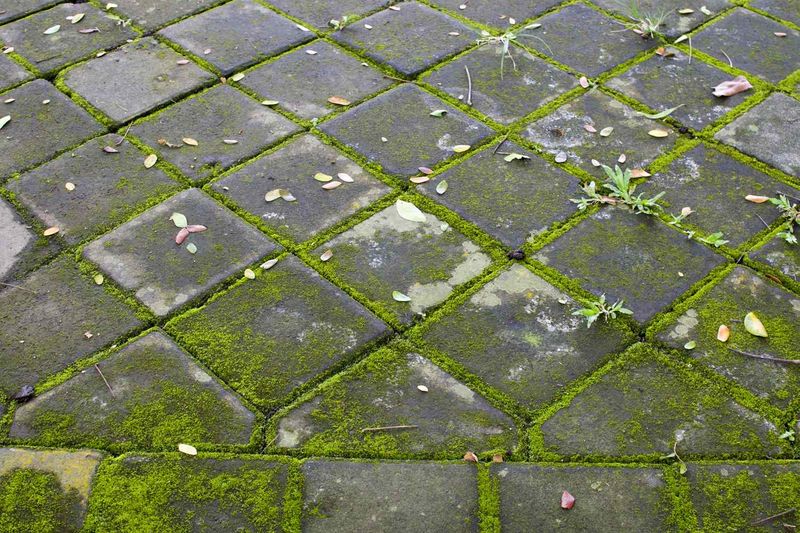
Most crack weeds are living on a tiny budget. They grow in a thin line of grit, dust, and rotting leaf bits, with shallow roots that sit close to the surface.
In Pennsylvania patios, the usual crowd includes crabgrass, broadleaf plantain, common chickweed, white clover, dandelions, and creeping Charlie, also called ground ivy. Prostrate knotweed and spotted spurge show up too, hugging the stone in flat mats.
Those shallow roots are their weak point. Young weeds can’t store much energy yet, so a quick hit to their leaves and crowns can knock them back hard.
Bigger perennials like dandelions are tougher because they grow long taproots that can resprout.
I like knowing who I’m dealing with before I grab any tool. Annual weeds such as crabgrass and spurge often give up after one or two treatments. Perennials usually need repeat visits or a little digging.
So the plan is simple. Hit weeds early, while they’re small and tender, and you’ll use less effort and fewer supplies.
Waiting until July means stronger roots and plenty of seeds ready to drop right back into the same cracks. Timing, not muscle, wins this round.
A Kettle Of Boiling Water Is The Cheapest Weed Fix You Own
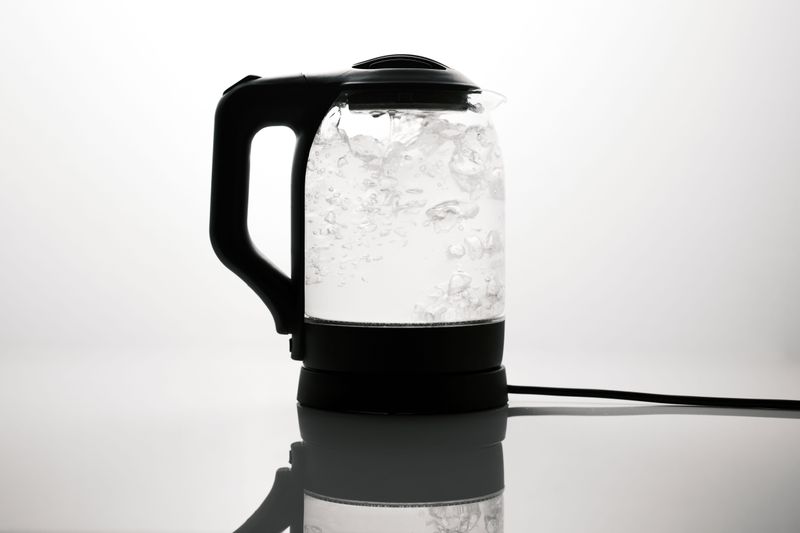
Plain boiling water is the cheap trick, and it costs almost nothing. The heat ruptures plant cells on contact, so leaves wilt within minutes and turn brown in a day or two.
Fill a kettle with a spout, bring it to a boil, and walk it straight outside. Pour slowly and low, right onto the weed’s center, where the stem meets the soil. A spout keeps the stream narrow, which protects your potted plants and your toes.
Iowa State University Extension and other university sources note that hot water works best on young annual weeds. Older perennials with deep roots may bounce back, so plan on a second pour a week or so later.
Personally, I save my unsalted pasta water for this job. Once it cools slightly from a roll, it’s still hot enough to scald tender seedlings, and it feels good not wasting it.
Wear closed shoes and keep kids and pets inside while you work. Burns happen fast, especially if you try carrying a full pot across uneven pavers.
One more perk is that boiling water leaves no residue behind. That makes it a friendly choice next to veggie containers and lawn edges.
Stubborn Dandelion Taproots Need A Weeding Knife Follow Up
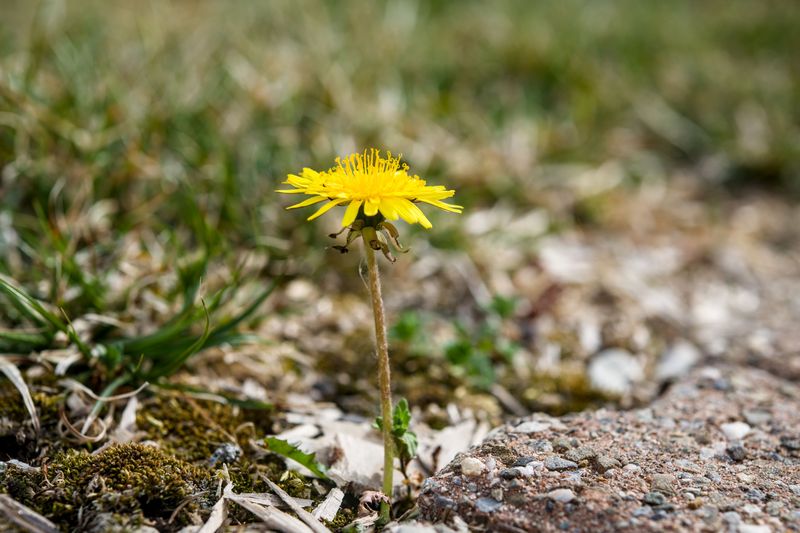
Dandelions are the overachievers of the crack world. Their taproots can stretch down several inches, so the plant can regrow from a small leftover piece.
Boiling water softens them up, but I like to finish the job with a crack weeder. This hooked or L-shaped blade slides into narrow joints and scrapes out roots without lifting your pavers.
Do your pulling a day after a good Pennsylvania rain. Damp soil lets roots slip out longer and cleaner, while dry, packed grit tends to snap them off halfway.
A simple routine works well. Pour hot water on Saturday, let the leaves collapse, then return midweek to tug out the limp crowns and any root you can reach.
Creeping Charlie needs the same patience. It spreads by runners along the ground, so follow each stem back and lift it out, or new shoots will keep popping up in the next joint over.
You don’t need a fancy tool, either. An old flathead screwdriver or a dull kitchen knife does fine in a pinch, though a proper weeder saves your wrist.
Pull before flowers turn into puffy seed heads. One afternoon of effort now saves you dozens of new sprouts later.
Vinegar Spray Works Best On Sunny Days And Small Weeds
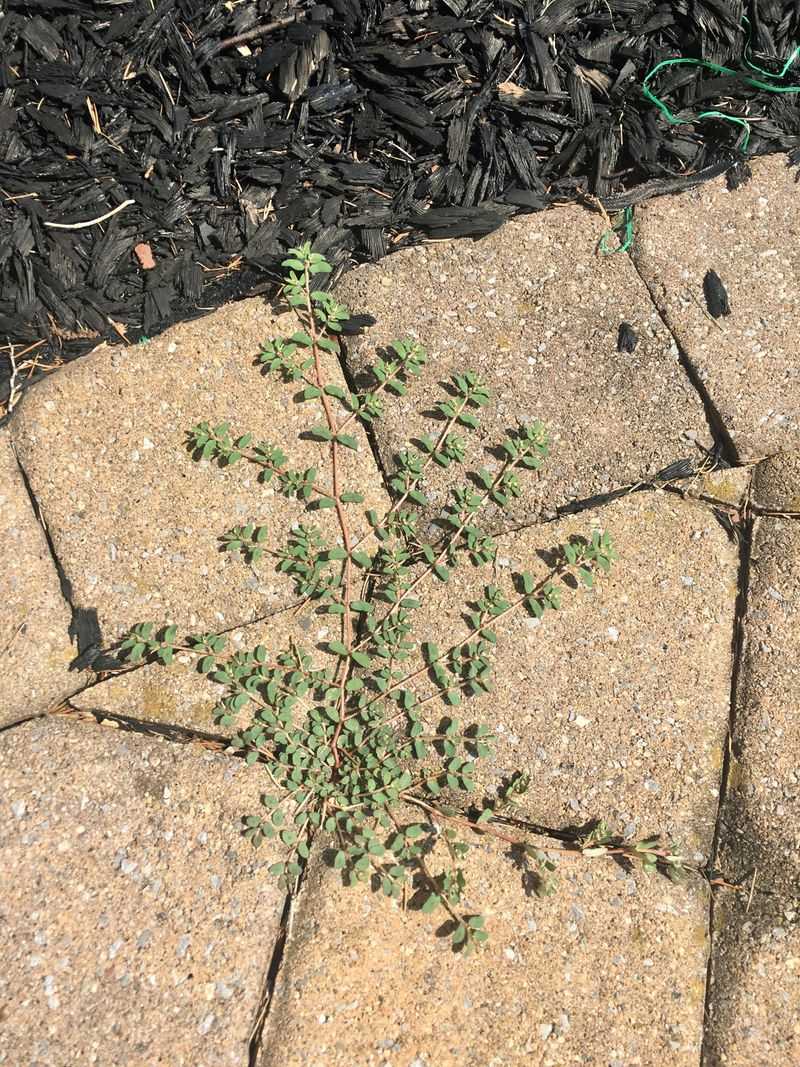
Sunshine is vinegar’s best partner. The acetic acid burns through leaf tissue, and warm, dry weather speeds up the browning.
Regular kitchen vinegar is about 5 percent acetic acid. It can scorch tiny seedlings, but research from several university extensions shows it often struggles on older weeds, which tend to regrow from their roots.
Horticultural vinegar runs 20 percent or higher, and it is much stronger stuff. It can burn skin and eyes, so wear gloves and goggles, and read the label carefully.
Penn State Extension reminds gardeners that natural products still need careful handling.
Spray on a calm, sunny afternoon with no rain expected for at least a day. Soak the leaves, not the surrounding area, since vinegar harms any plant it touches, including lawn grass along the patio edge.
A drop of dish soap helps the spray cling to waxy leaves like plantain. I keep my bottle labeled in big letters so nobody mistakes it for window cleaner.
Be gentle with natural stone, too. Acid can etch limestone, marble, and some sealed surfaces, so test a hidden corner first. Treat vinegar as a backup. Boiling water is safer and cheaper for most patios.
Skip The Salt Shaker Before It Ruins Nearby Garden Beds
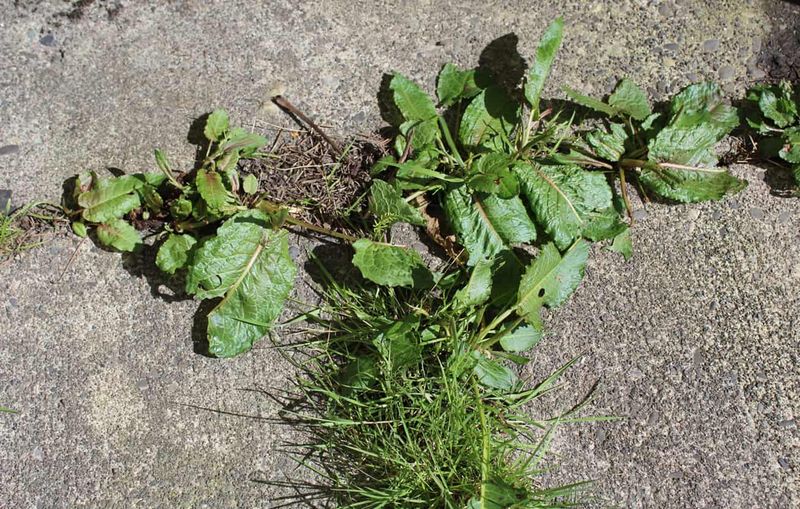
Old-timers swear by salt in sidewalk cracks, and yes, it does dry out weeds. The trouble is everything that happens afterward.
Salt doesn’t break down. It lingers in the soil, and rain carries it sideways into lawn edges, perennial beds, and the roots of shrubs you actually love. Those plants may yellow, brown at the tips, and struggle for seasons.
Pennsylvania winters make the problem worse. Our freeze and thaw cycles already stress concrete, and salt can speed up surface flaking and spalling on pavers and mortar joints.
I learned this the hard way along my front walk. A row of hostas next to a heavily salted crack looked ragged for two summers before they recovered.
Baking soda gets passed around online as a gentler option. It’s still a sodium compound, though, so heavy or repeated use can build up the same way. If you try it, use a light dusting only in joints far from beds.
Borax is another one to leave on the laundry shelf. Boron builds up in soil quickly and harms many plants.
When a cheap fix creates an expensive repair, it isn’t really cheap. Stick with heat, hand tools, and good joint care instead.
Polymeric Sand In Paver Joints Shuts The Door On Seeds
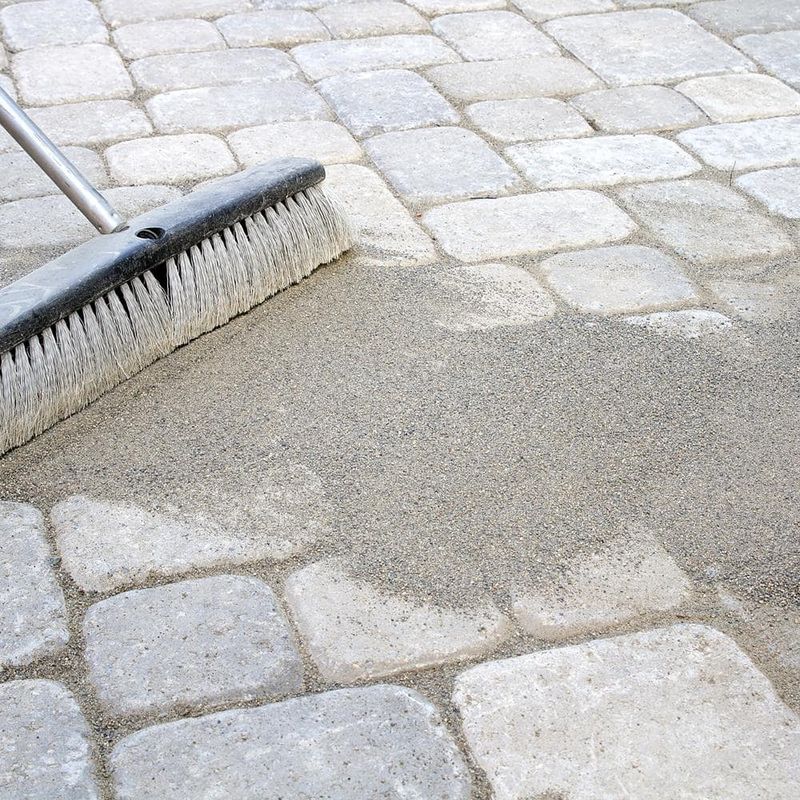
Empty joints are open invitations. Once the original sand washes out, seeds drop in, dust settles, and you’ve got a ready-made planter.
Refilling those gaps is the best long-term defense. Polymeric sand is a blend of sand and binders that hardens after you mist it with water, creating a firm joint that resists seeds, ants, and erosion.
Start by clearing out old weeds and debris with a crack weeder or a pressure washer on low. Let the patio dry for a day or two, since damp joints keep the sand from setting evenly.
Sweep the sand into each joint, tamp it down, and sweep again. Blow every grain off the paver surface before watering, or you’ll end up with a hazy film that’s tough to scrub away.
Check the bag for temperature and rain guidance. In Pennsylvania, late spring and early fall usually bring the steady, dry stretches this job needs.
For poured concrete, use a flexible concrete crack filler or caulk instead. Fill gaps once they’re clean and dry.
A bag costs a few dollars and can protect your patio for years. That’s my favorite kind of bargain.
Corn Gluten Meal Timing Follows The Forsythia Bloom
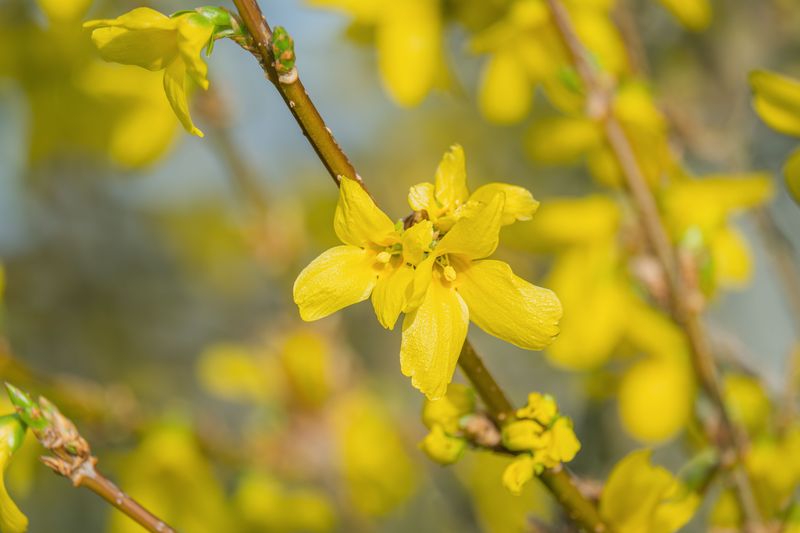
Forsythia is nature’s alarm clock for crabgrass. When those yellow shrubs bloom across Pennsylvania in early spring, soil temperatures are climbing toward the range where crabgrass seeds start sprouting.
That’s the window for a pre-emergent. Corn gluten meal is a natural option that can slow root formation in newly germinated seeds, though university research, including work at Iowa State, shows results vary and often take a few seasons to build.
It also won’t touch weeds that are already growing. It only targets seeds just getting started, so hit existing sprouts with your kettle first.
Sprinkle it along cracks and edges, then keep the area dry for several days if you can. Too much rain right after applying can let seedlings recover and grow anyway.
Timing varies across the state. Southeast Pennsylvania near Philadelphia often warms a couple of weeks earlier than the northern tier and higher ground near Erie or the Poconos.
One quirky detail stands out. Corn gluten meal contains nitrogen, so any spill on the lawn becomes a light feeding.
Watch your local forsythia rather than the calendar. Those cheerful blooms give you a dependable signal right in your own neighborhood.
A Weekly Broom Sweep Keeps Patio Cracks Clean All Summer
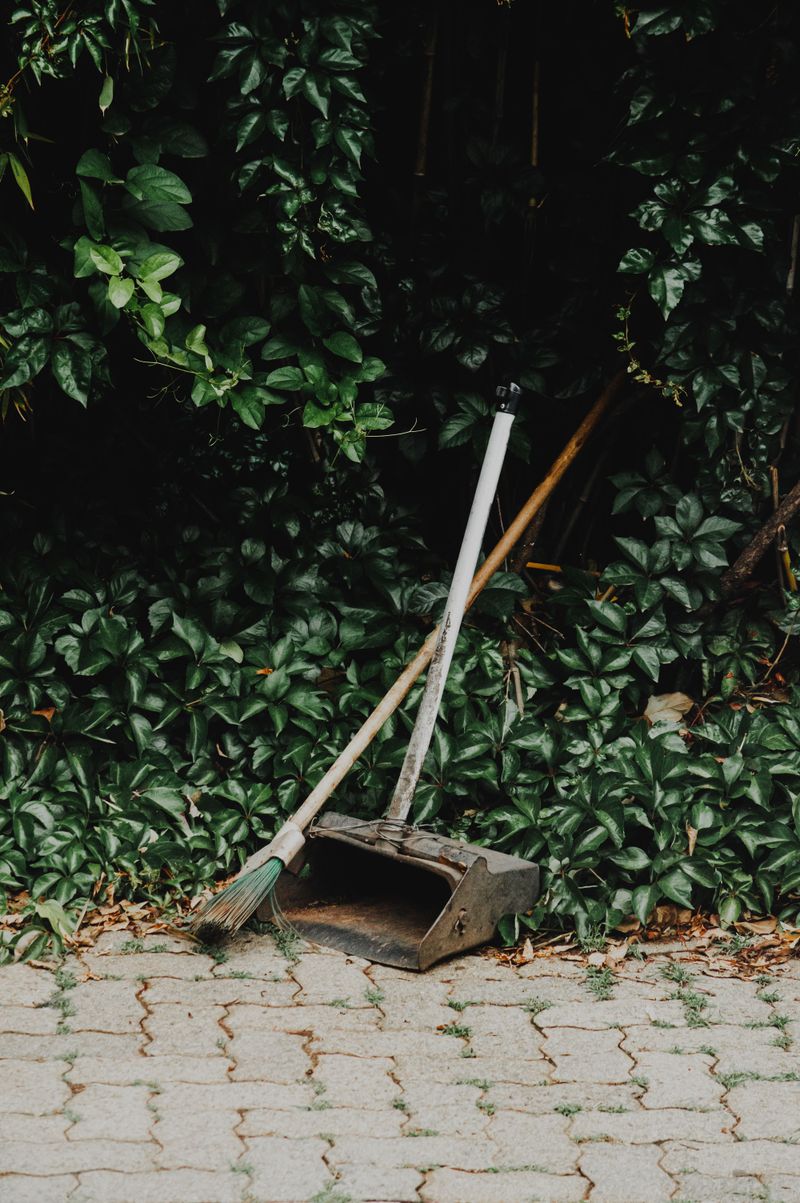
My broom does more weed control than any spray I own. Sweeping clears away the dust, pollen, and leaf crumbs that turn into soil inside every joint.
Make it a five-minute weekly habit, especially in fall when oaks and maples drop their leaves. Wet leaves left on pavers break down quickly and feed the next round of seedlings.
Keep a kettle routine going, too. Every couple of weeks from May through September, walk the patio with your coffee and pour leftover hot water on any fresh sprouts.
Shade and moisture matter as well. Patios that stay damp often grow moss and chickweed, so trim back overhanging branches and fix downspouts that dump water across the stone.
Watch for seed heads above all else. A single crabgrass plant can produce thousands of seeds, and stopping it before it flowers saves you a mountain of future work.
Think of your patio like a kitchen counter. Small, regular tidying beats one huge scrub session every time.
Combine heat, hand pulling, tight joints, and a steady broom, and you’ll notice fewer weeds each year. That leaves more summer evenings for lawn chairs and fireflies instead of kneeling pads.