How to Protect Virginia Fig Trees From Winter Damage
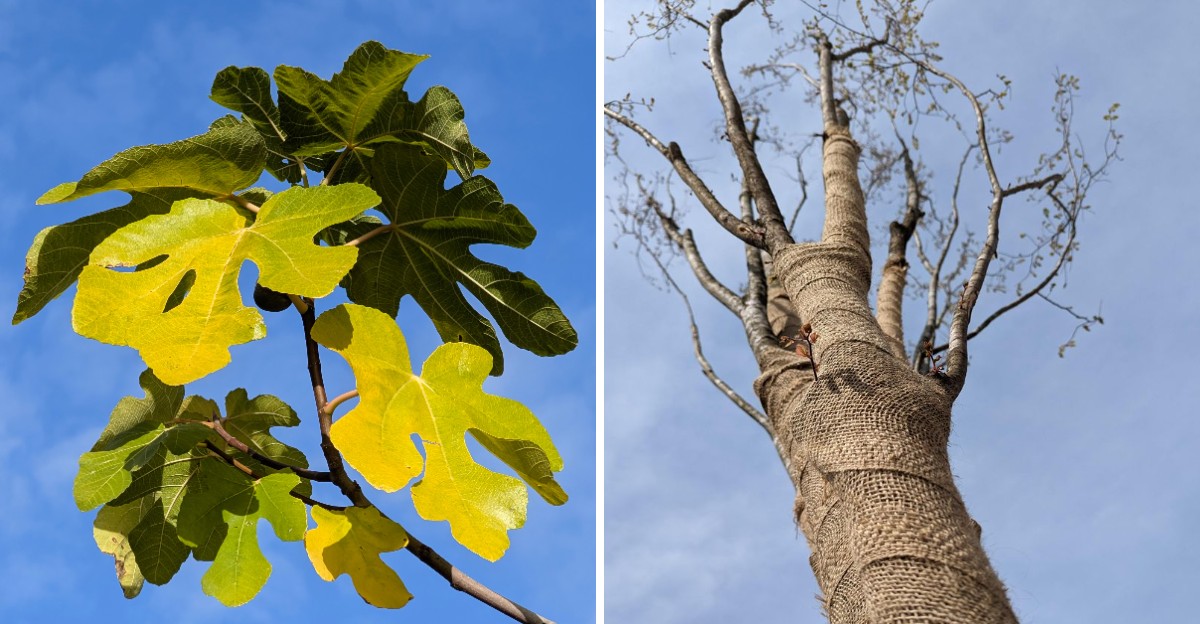
A fig tree can freeze to the ground in January and still hand you ripe fruit by September. That trick comes from its roots, which often push up fresh shoots after a rough winter.
I love that kind of stubborn comeback. Still, I would much rather keep the branches alive, because older wood gives you earlier and bigger harvests.
Here in Virginia, winters swing wildly from the mild coast to the chilly mountains. A tree in Norfolk faces a very different season than one near Blacksburg. Most fig wood starts to suffer somewhere below 20 degrees, and long cold snaps make it worse.
You need a plan before the first hard freeze shows up. The steps are simple, cheap, and honestly a little fun. Which of these easy tricks will your backyard tree thank you for next summer?
Your Fig Tree’s Hardiness Depends on Where You Live in the State
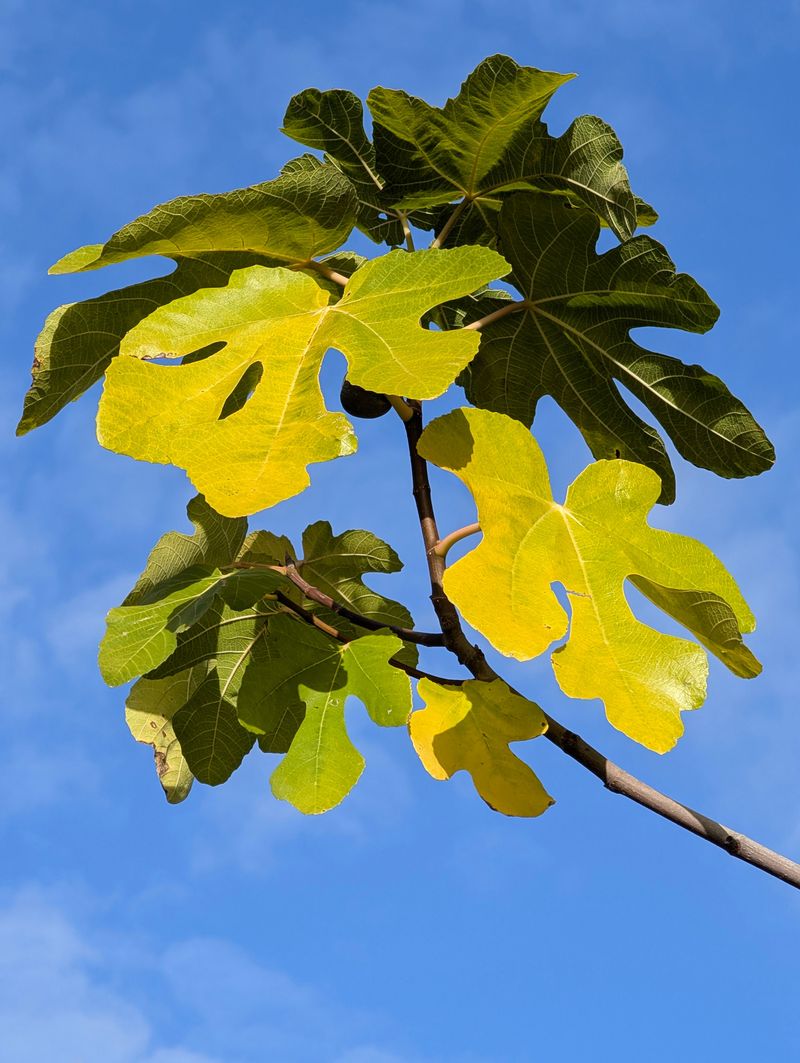
Cold damage on a fig is mostly about two things. How low does it get, and how long does the chill last?
Most common fig varieties start losing young branches when temperatures fall to about 15 to 20 degrees Fahrenheit. Older, thicker wood holds up a bit better.
Roots buried in soil are tougher still, which is why a frozen fig often sprouts again from the base.
Virginia covers a lot of ground, from about USDA Zone 5b in the higher mountains to Zone 8 near the southeastern coast. Gardeners around Virginia Beach may only need light help.
Folks in the Shenandoah Valley or the Blue Ridge usually need serious protection every single year.
Variety matters too. Celeste, Brown Turkey, and Chicago Hardy are known for handling cold better than many others.
Chicago Hardy stems often freeze back in very cold spots, yet the roots can survive around minus 10 degrees and fruit on new growth.
Fun fact for you. Figs bear fruit on both old wood and new shoots, so even a frozen tree can still give you a fall crop.
Look up your zone on the USDA map before doing anything else. That one quick check tells you whether a little mulch will do or whether your tree needs the full winter wrap.
A Thick Pile of Mulch Around the Fig Trunk Saves the Roots
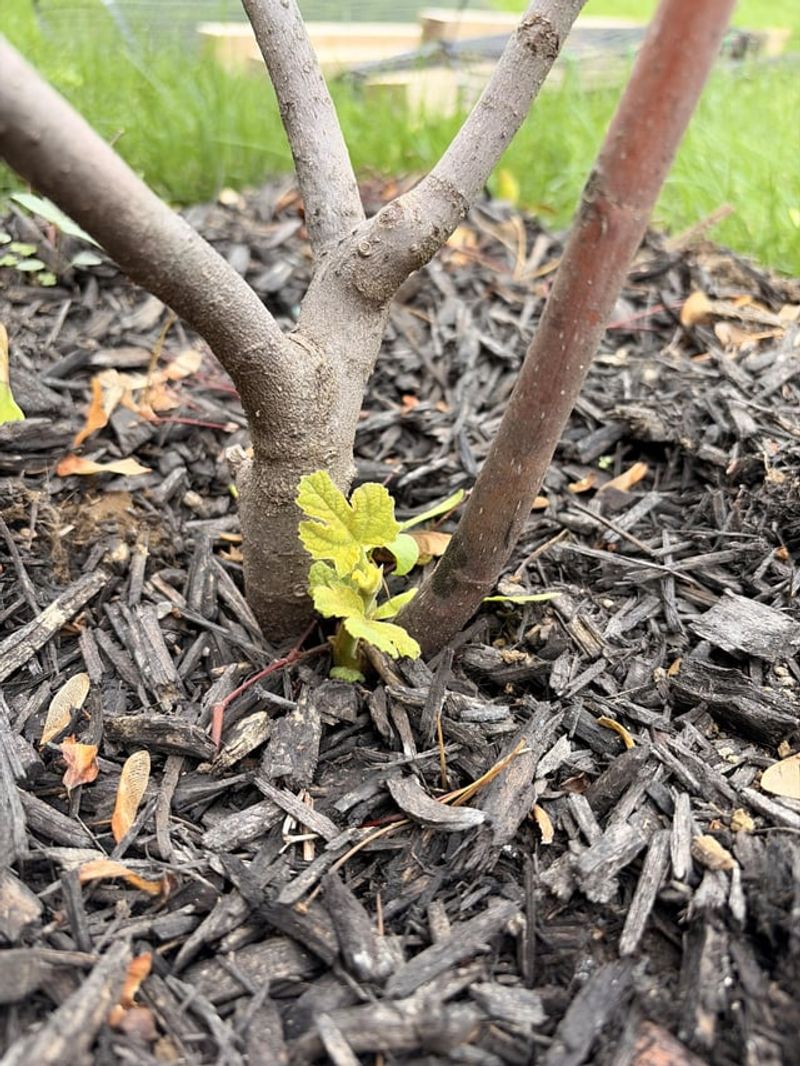
Roots are your safety net. As long as they stay healthy, your fig can bounce back from almost any winter setback.
The easiest protection is a deep layer of organic mulch around the base. Shredded leaves, straw, and wood chips all work well.
Aim for 6 to 12 inches deep, spread in a wide circle a few feet out from the trunk.
Timing makes a difference here. Wait until the tree drops its leaves and goes dormant after the first hard frost, usually in November across much of the state.
Mulching too early can keep the soil warm and slow the tree’s natural slowdown for winter.
I like using fallen leaves from my own yard. They cost nothing, they break down slowly, and the tree seems to appreciate the free blanket.
Pile the mulch right up against the lower trunk if you live in a colder area. That protects the crown, where trunk meets root, plus any buds hiding near the soil line.
In spring, you can pull it back so the bark can dry out.
Even gardeners in milder coastal spots should do this step. A surprise cold snap can still hit, and mulch is cheap insurance against losing a tree you have tended for years.
Bundle Those Bendy Fig Branches Before You Wrap
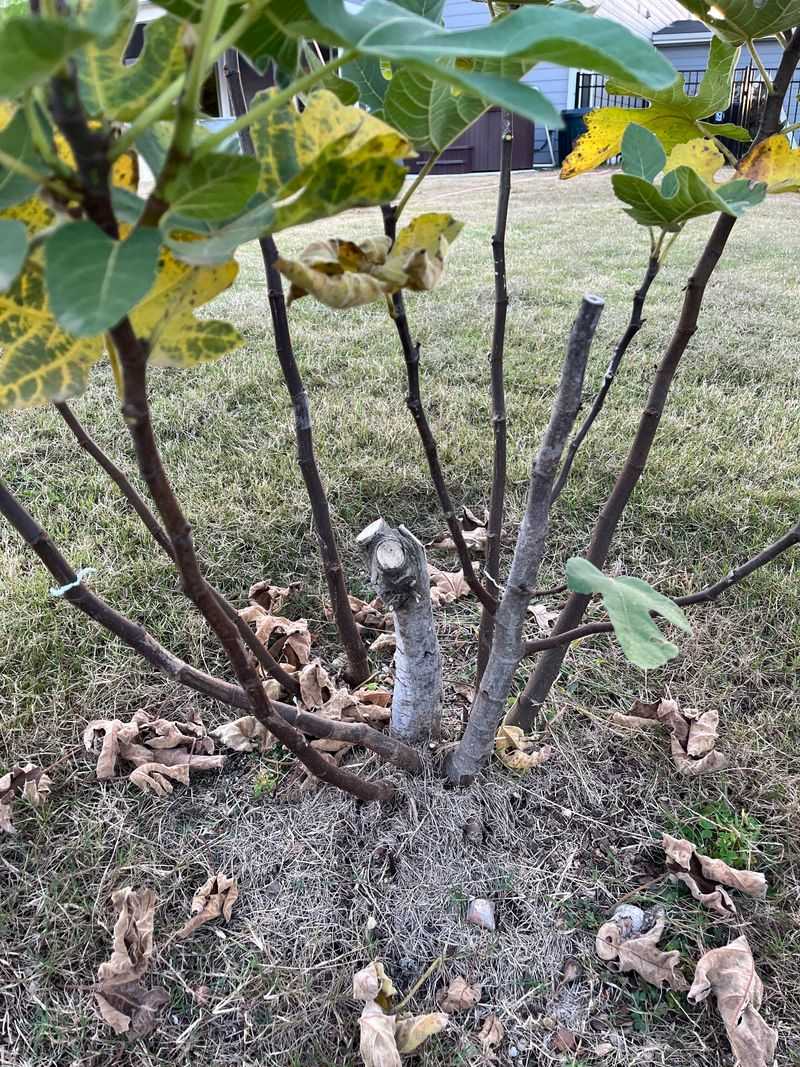
Bare fig branches look a bit wild in late fall, sticking out every which way. Pulling them together into a neat bundle makes wrapping much easier and keeps the warmth closer to the wood.
Start after the leaves have fallen. Pick off any small, unripe figs still hanging on, since they will not ripen and can hold moisture over winter.
Next, gently gather the branches toward the center. Fig wood bends well when young, but older limbs can snap, so take it slow.
Tie them loosely with soft twine, old cloth strips, or garden ties every foot or two.
Honestly, this step feels a little like giving the tree a hug. It also shrinks the space you need to cover, so you use less wrapping material.
Some gardeners trim off a few long, awkward branches first. Keep pruning light in fall, though, because fresh cuts can let cold reach deeper into the wood.
Save bigger pruning jobs for late winter or early spring.
A bundled tree also handles heavy snow better. Wet Virginia snowstorms can split wide-spreading branches, and a tight bundle helps them support each other until the weather clears.
Burlap Wraps Keep Fig Branches Cozy Without Trapping Moisture
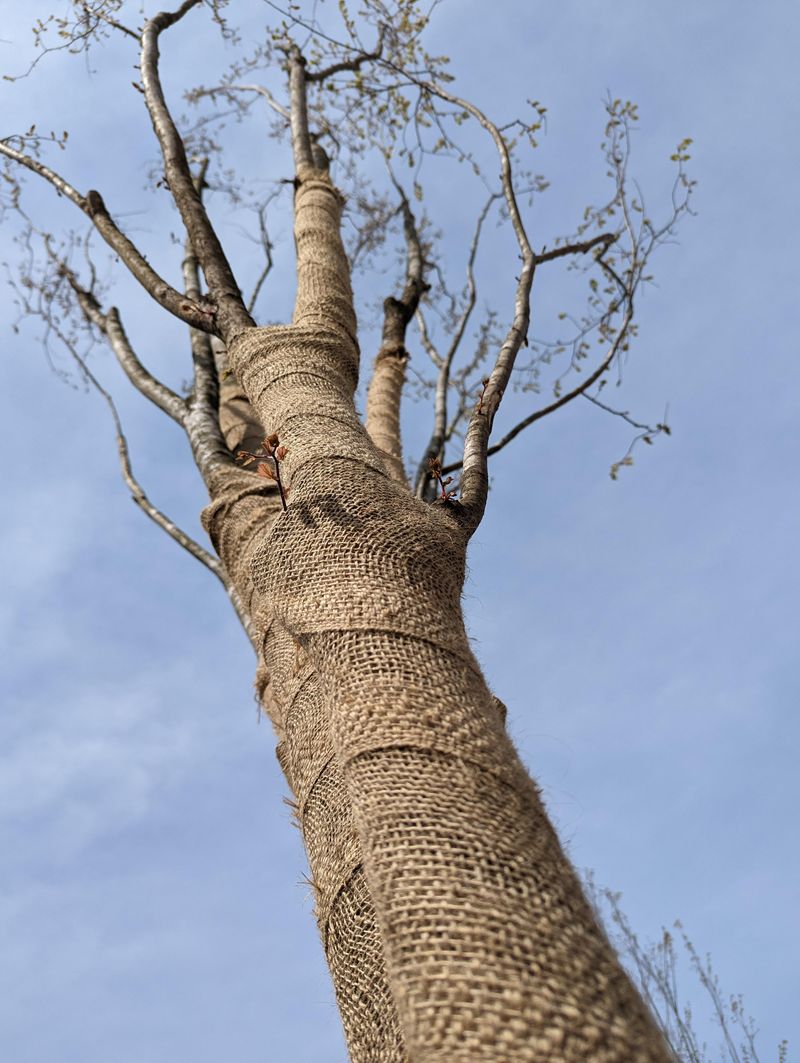
Burlap is the unsung hero of winter fig care. It blocks drying winds, softens temperature swings, and still lets the wood breathe.
Once your branches are bundled, wrap them from the bottom up with a few layers of burlap. Overlap each layer a little, like shingles on a roof.
Old blankets, canvas, or frost cloth also do the job well.
Skip wrapping plastic right against the bark. Plastic traps moisture and heat on sunny days, which can lead to mold, rot, or buds waking up too early.
If you want rain protection, add plastic only as a loose outer layer.
Secure everything with twine so wind cannot pull it loose. A wrap flapping in a February gust offers very little help.
I check my wrapped trees after big storms. A quick walk around tells me if anything slipped or tore, and fixing it takes just a minute.
Many experienced growers add a layer of dry leaves or straw inside the burlap for extra insulation. Dry is the key word.
Wet stuffing loses much of its insulating power and invites fungus.
Done right, a burlap wrap can protect last year’s wood, which means an earlier spring breba crop for you.
A Chicken Wire Cage Stuffed With Leaves Builds a Fig Fortress
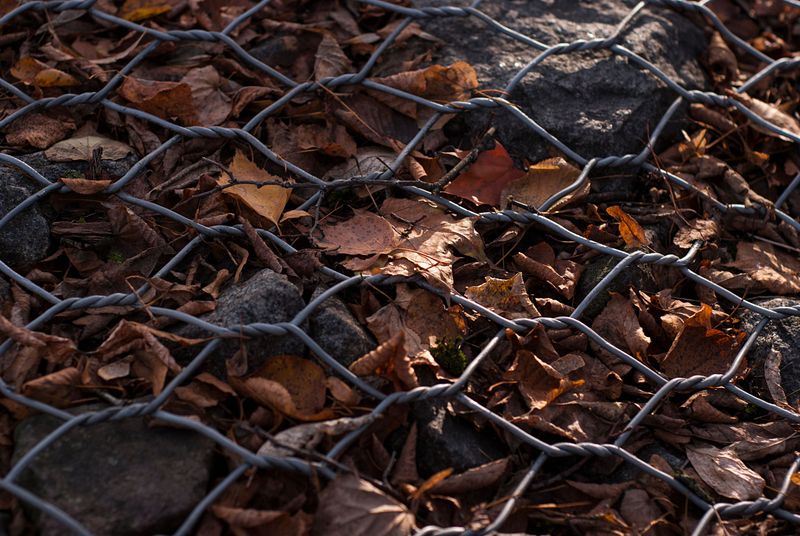
For gardeners in the colder parts of the state, a simple cage can make a big difference. Think of it as a warm sweater with a hat on top.
Drive three or four sturdy stakes into the ground around the tree. Wrap chicken wire around the stakes to form a circle a foot or so wider than the bundled branches.
Fill the space inside with dry shredded leaves or straw. Pack it loosely, because trapped air is what does the insulating.
Keep filling until the material covers as much of the tree as you can reach.
Top the cage with an upside-down bucket or a piece of plywood. That cap keeps rain and melting snow from soaking the leaves.
If you add a tarp for extra weather protection, leave the bottom open. Air needs a way to move, and moisture needs a way to escape.
Penn State Extension and other experts describe similar setups for figs in chilly northern areas. It is a bit of work for an afternoon, but your effort pays off when you peel it back and find green, healthy wood in spring.
Mice sometimes love a leaf-filled cage, so check for chewed bark when you open it up.
Potted Figs Love a Quiet Winter Nap in the Garage
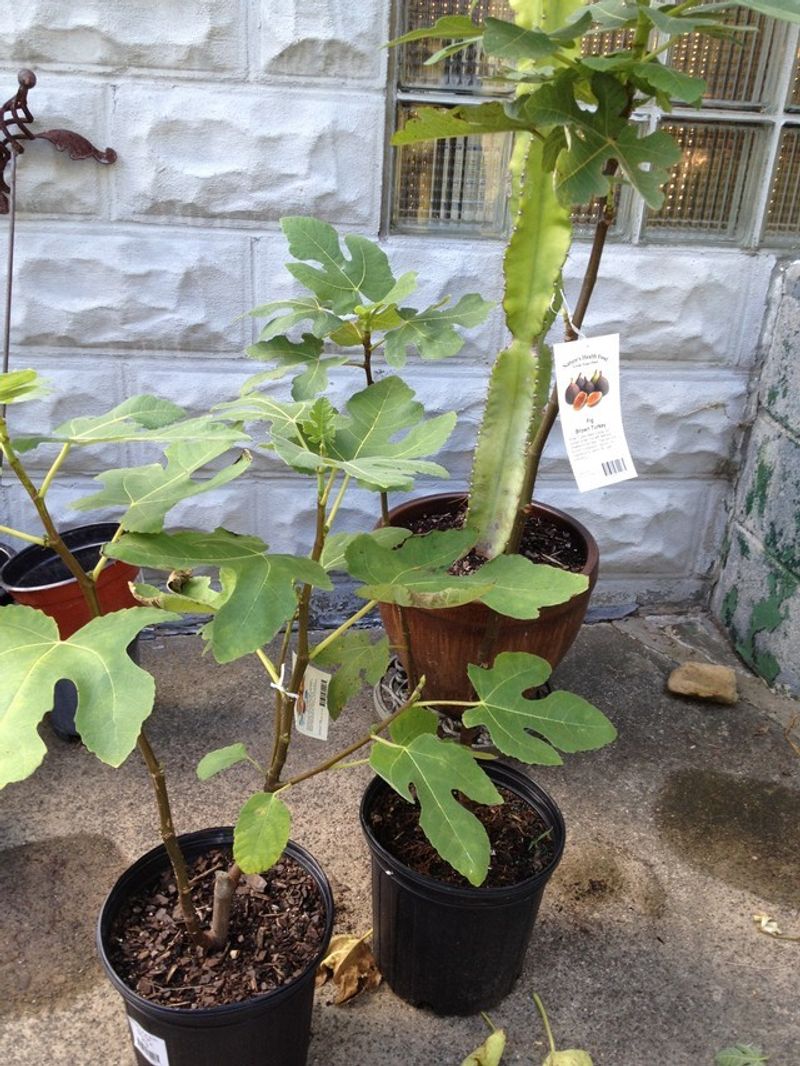
Container growers have a sneaky advantage. You can simply roll your fig out of the cold.
Pots freeze much faster than the ground because roots sit above soil level with only a thin wall for protection. That makes container figs more vulnerable outdoors than trees planted in the yard.
After the leaves drop in late fall, move the pot into an unheated garage, shed, or cool basement. Temperatures between about 20 and 50 degrees work well.
Light is not very important while the tree is dormant.
Resist the cozy living room. Warm indoor air can wake the tree early, producing pale, stretchy shoots that struggle once spring arrives.
Water very lightly, maybe once a month. You want the soil barely moist, not soggy, since soaked roots can rot in cool, dark spaces.
Hold off on fertilizer until spring growth starts.
A plant dolly with wheels is a lifesaver for big pots. Trust me, your back will thank you.
When nights stay reliably above freezing in spring, start moving the fig outside for a few hours at a time. That gradual return helps the new leaves adjust to sun and wind without getting scorched.
Pick a Warm South Wall Spot for Your Fig Tree
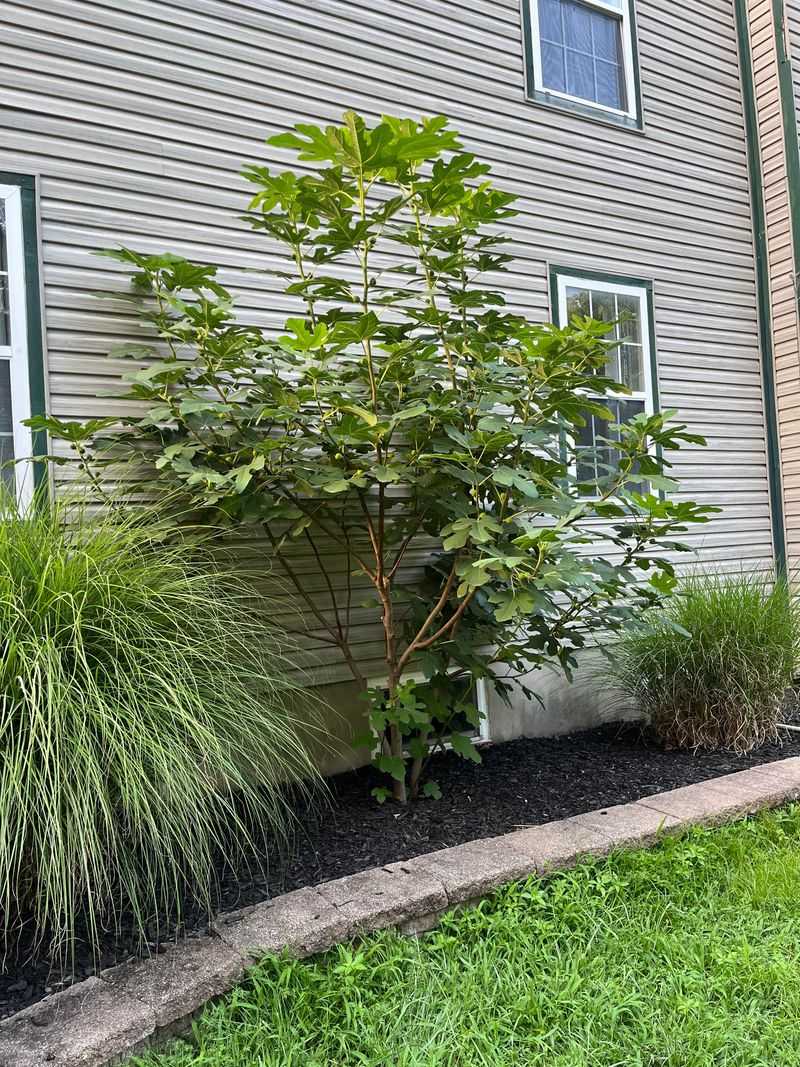
Long before winter arrives, smart planting can do half the protection work for you. Location is a quiet superpower for figs.
A south-facing or southeast-facing wall soaks up sunshine all day and gives some heat back at night. Brick and stone are especially good at this.
Many old Virginia homes have big, happy figs growing right beside the house for exactly this reason.
Walls also block harsh northwest winds. Dry winter wind pulls moisture from branches and adds to cold damage, so shelter matters as much as warmth.
Avoid low spots in your yard. Cold air sinks and settles in dips, creating frost pockets that can be several degrees colder than nearby higher ground.
Good drainage matters too. Figs dislike soggy roots, and wet soil in winter can make root problems worse.
If your fig is young and planted in a chilly, exposed spot, consider moving it while it is dormant. Late winter or very early spring is a sensible time to transplant.
Picking the right spot does not replace mulch or wrapping in cold areas. It does give your tree a head start, which can mean fewer losses and more fruit over many seasons.
Unwrap Your Fig in Early Spring and Check for Fresh Buds
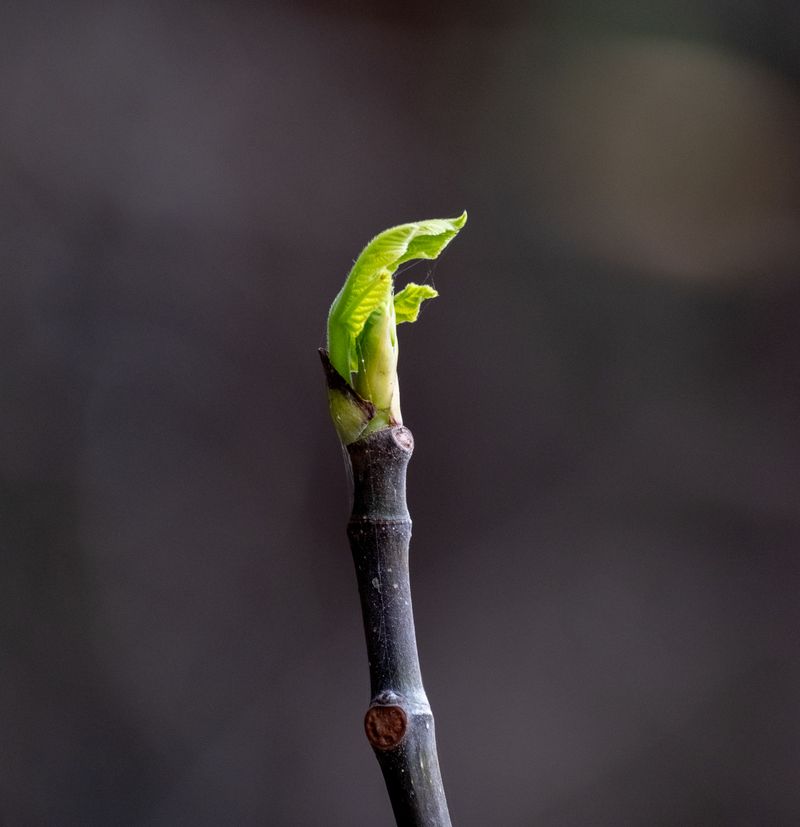
Spring unwrapping day feels a bit like opening a present. Will the branches be green, or did winter win this round?
Timing takes some judgment. Leaving the cover on too long traps warmth and moisture, which can lead to rot or early, tender shoots.
Removing it too soon risks a late freeze nipping new growth.
Many Virginia growers start unwrapping in March, once hard freezes become less likely. Coastal areas can go earlier, while mountain gardeners often wait until April.
Keep frost cloth handy for chilly surprise nights.
Once uncovered, scratch a small branch gently with your fingernail. Green under the bark means living wood.
Brown and dry means that section did not make it.
Wait until buds swell before pruning damaged wood. That way, you can clearly see what made it through and cut back to healthy tissue.
If the whole top froze, take heart. Fresh shoots from the roots often grow fast and can still bear a fall crop on many varieties.
Jot down what worked this year and what did not. A simple notebook turns each winter into a lesson, and your fig gets a little better protection every season.