Mesquite Pods Are Falling in Arizona Yards: What to Do With Them
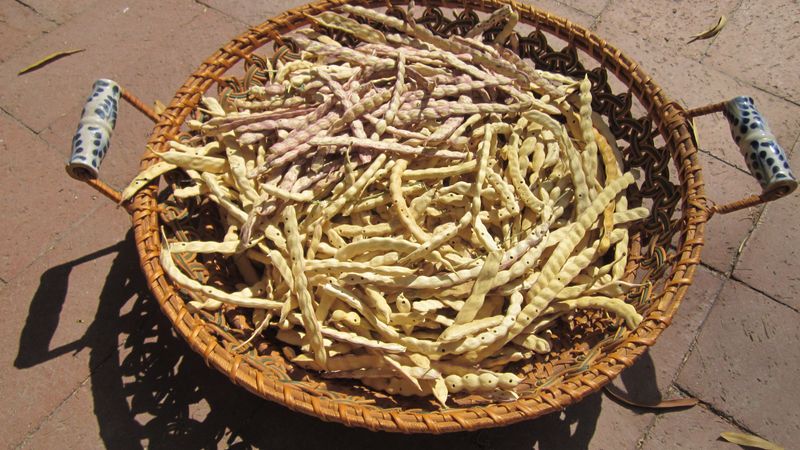
A single mesquite tree can drop a surprising carpet of long, tan pods across a patio. If you have noticed them crunching under your shoes, you are not alone.
Some of those pods can be handy wildlife food, and some are just yard litter. Here is a simple way to decide what to sweep, what to leave, and what to skip.
When Do Mesquite Pods Fall?
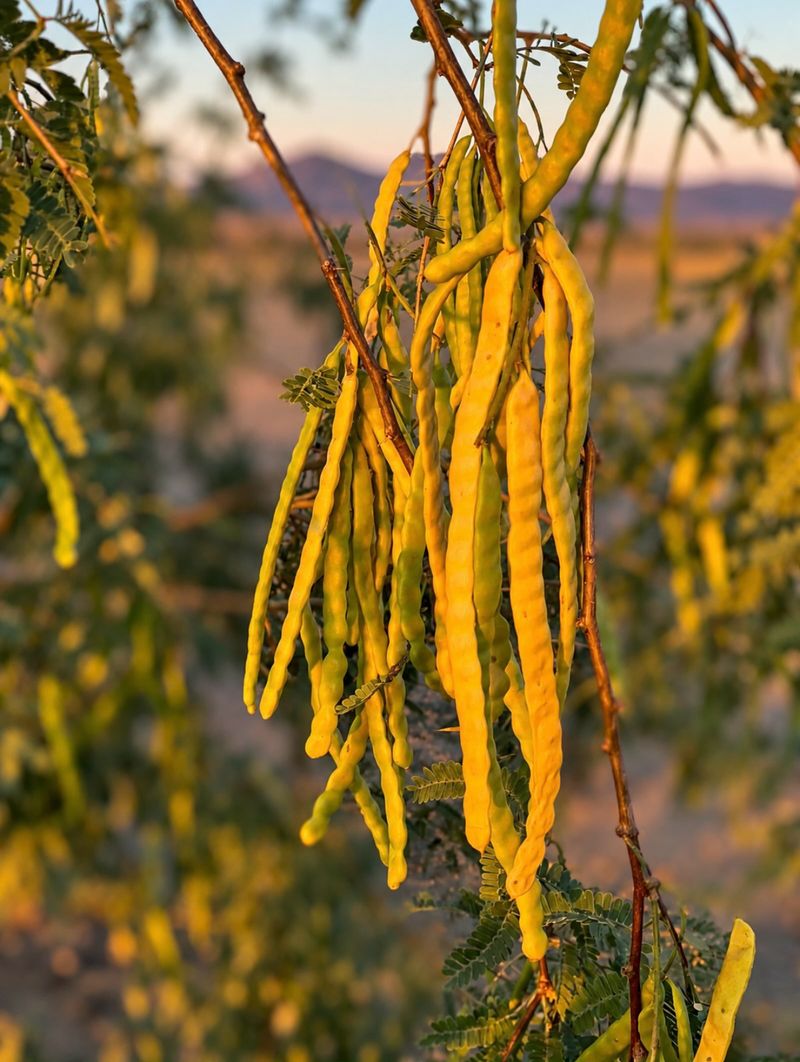
Timing is where most of the confusion starts, because ripening and falling are two different events. The Forest Service review of velvet mesquite says pods typically mature in July and fall around September.
Mature fruit has also been seen anywhere from June through October.
So your tree may not match the typical calendar. The University of Arizona Arboretum lists an October to November pod harvest period for the low desert, which shows how much the season can stretch.
Mesquite also covers several species and many landscape trees. Extension’s urban landscape guide covers more than one kind, and elevation, rainfall, and the individual tree all play a part.
Treat any date as a rough guide, and watch your own tree instead. If pods are hanging, they are still on their way.
If they are on the ground, the drop has started at your place.
Where Should You Sweep and Where Can Pods Stay?
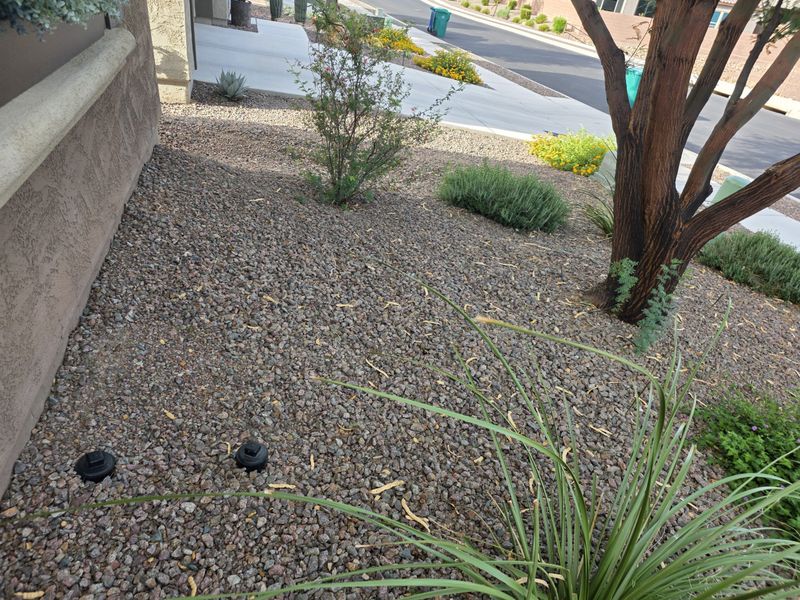
Think of your yard in zones. Walkways, patios, driveways, and pool decks are the spots where pods get slippery, messy, or annoying underfoot.
A stiff broom or leaf rake makes quick work of them there.
Beneath the tree, you have more freedom. If that area is out of the way and the litter suits how you use the space, you can leave some pods where they land.
The Forest Service review describes mesquite fruit as food for many wildlife species, so a few pods on the ground may get eaten.
That is a possibility, not a promise. Leaving pods will not guarantee a particular visitor, and sweeping them away does not harm wildlife.
A good middle path is to clear the places you walk and let the rest sit. Try it for a season and adjust if the mess bothers you.
Wildlife May Eat the Pods
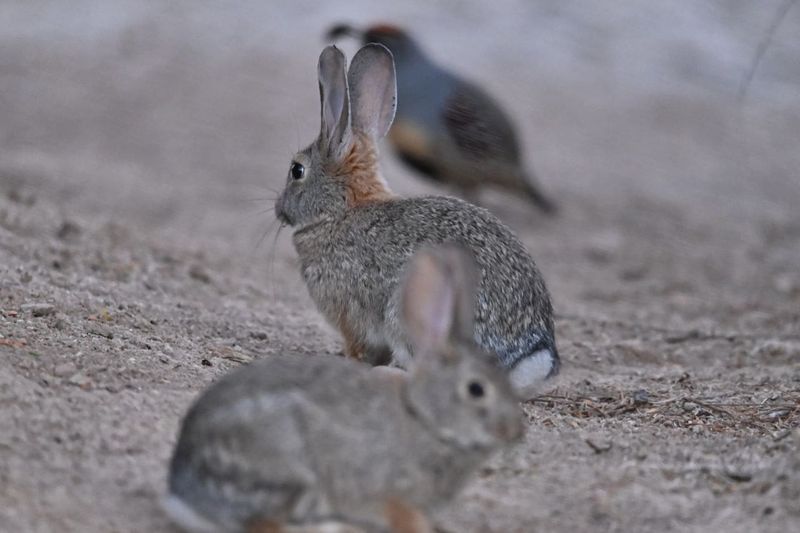
Mesquite pods have a long record as wildlife food. The Forest Service review describes velvet mesquite fruit as palatable to many small and large animals.
Among those it names are rodents, rabbits, quail, doves, and deer.
That is useful background, but it is not a forecast for your yard. Whether anything shows up depends on where you live, what else is nearby, and plenty of things you cannot control.
It also works the other way. Clearing pods from a path does not keep animals away, and leaving a pile does not call them in.
Think of fallen pods as one possible food source in a landscape that already has others. If you do see a quail or rabbit nibbling, enjoy the show from a distance and let it eat in peace.
Check Local Rules Before Composting
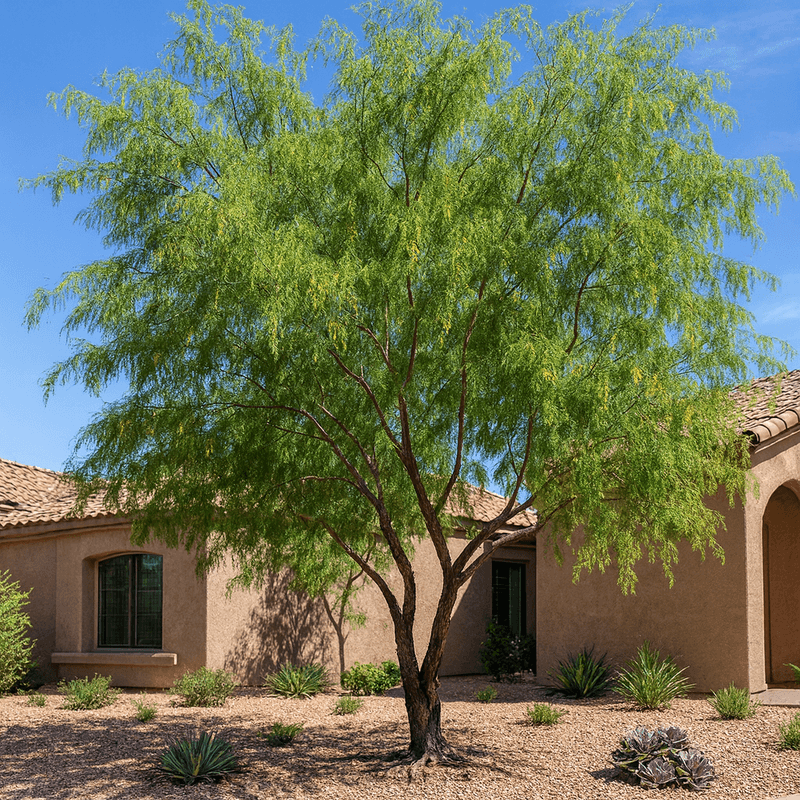
When pods need to leave the yard, your city or county is the best place to ask. Yard-waste and compost programs differ, and some have limits on what they take.
A quick call or a look at the program’s website can save you a rejected pickup.
The Arizona Department of Environmental Quality has a compost guide that points residents toward local yard-waste and compost options and suggests checking what is available near you. It does not say that every program accepts mesquite pods, so confirm before you bag or drop them off.
Ask whether pods are allowed, whether they must be bagged, and whether there is a size or volume limit. If the answer is no, you can still sweep them into a quiet corner of the yard.
Either way, a short check first keeps cleanup low fuss.
Ground Pods Are Not the Food Harvest
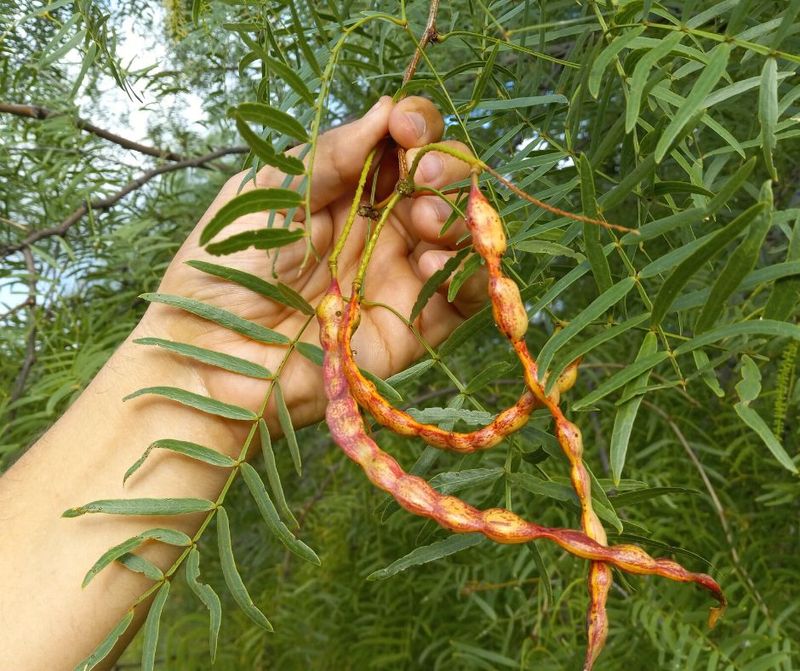
Wildlife eating pods is one thing, and people choosing pods for food is another. Arizona Cooperative Extension advises against milling pods collected from the ground.
Contact with soil raises contamination concerns.
That does not mean every fallen pod is poisonous. It means ground pods are not the ones to pick for your own flour.
Rinsing them is not a fix that makes ground-collected pods suitable.
One concern is aflatoxin, a toxin made by certain molds. A 2001 study found measurable aflatoxin in 20 percent of sampled legume pods from uncultivated Sonoran Desert sites.
Insect-damaged mesquite pods had higher levels than intact ones. It was not a test of every yard or season, but it explains the caution.
Pick Ripe Pods Directly From the Tree
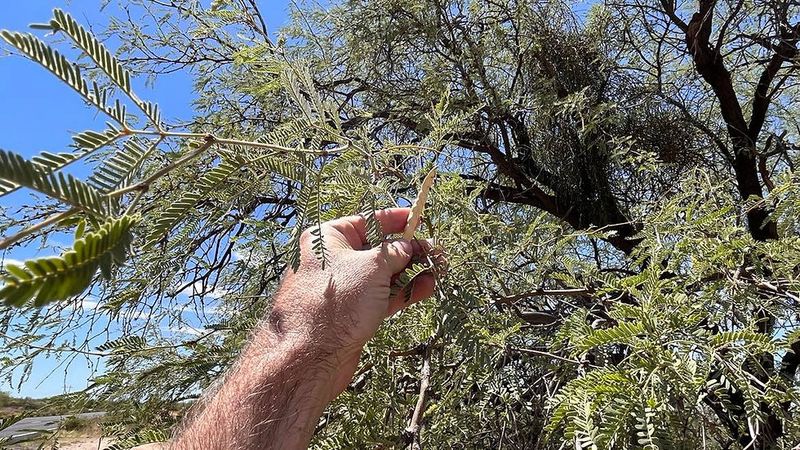
If a food project appeals to you, start with your own tree and pick pods straight from the branch. The University of Arizona Arboretum says to harvest from the tree rather than the ground.
It also offers a handy cue in its harvest guidance: ripe pods snap easily when bent.
Look over each pod as you go. Extension advises discarding any with large holes or black spots.
Those can signal insect damage or mold.
Keep in mind that a clean look is not proof of safety. These checks lower your risk but do not show that a pod is free of contamination.
Stick to your own yard, too. Picking on public land may need permission, and rules depend on the species and what you are doing, so check first.
Drying and Milling Need Care
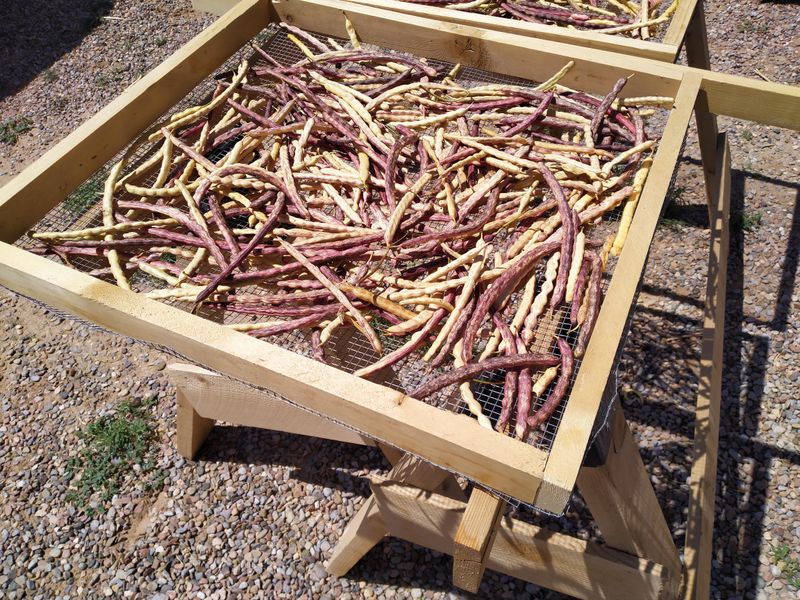
Turning pods into flour takes a few careful steps. Extension recommends drying pods thoroughly and storing them in clean, airtight containers.
It also suggests waiting to mill until after the monsoon season.
Skip the kitchen blender. Pods can gum up or damage a household blender or food processor, so ordinary kitchen equipment is not the right tool.
Look for a community milling event or a milling service instead.
Treat these steps as ways to lower risk, not as a guarantee. The 2001 aflatoxin study sampled uncultivated Sonoran Desert sites, so it cannot speak for every harvest.
Careful drying, storage, and timing are simply smart habits.
Choose the Pod Plan That Fits Your Yard
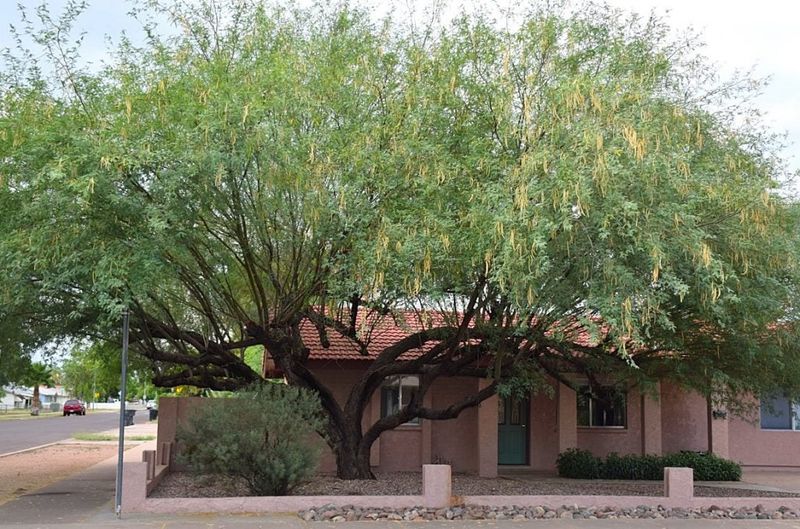
Your best plan can be a simple mix. Sweep the pods that pile up on paths and patios, and leave a few under the tree if the litter does not bother you.
For a food project, use sound, ripe pods picked from the tree, not the ground.
Mesquite does the seasonal shedding on its own schedule. Your job is just to decide which corner of the yard gets the broom.