Do Pack Rats Nest in Idle Arizona Cars? A Sensible Check Under the Hood
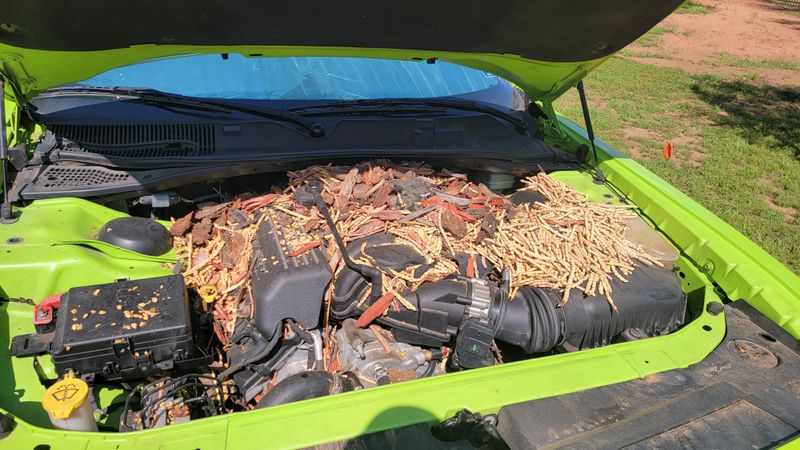
Some Arizona woodrats build nests out of sticks, cactus pieces, and whatever else they can drag home. A few have even picked seldom-driven cars as nest sites.
The real worry is chewed wiring, and a quick check is a smart habit for any car that sits. Here is what is known, what is not, and how to look safely.
Woodrats Can Use Seldom-Driven Cars as Nest Sites
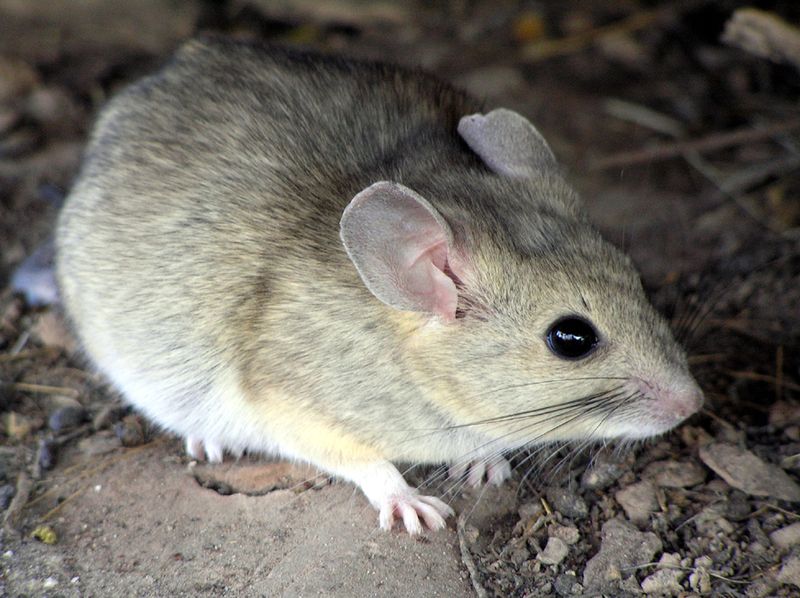
Pack rat is the everyday name for woodrats, a group of rodents in the genus Neotoma. Arizona has more than one woodrat species, so not every rodent near your car is a pack rat.
Mice and roof rats can leave similar signs.
According to University of Arizona Cooperative Extension, woodrats may build nests in attics, garages, and under houses. They also sometimes nest in seldom-driven cars.
A vehicle that sits for weeks gives them a sheltered, quiet spot.
One of the best known local species is the western white-throated woodrat, which USDA Forest Service research describes in detail. This article sticks to documented woodrat behavior, not guesses about every critter you spot.
Gnawed Wiring Is the Practical Concern
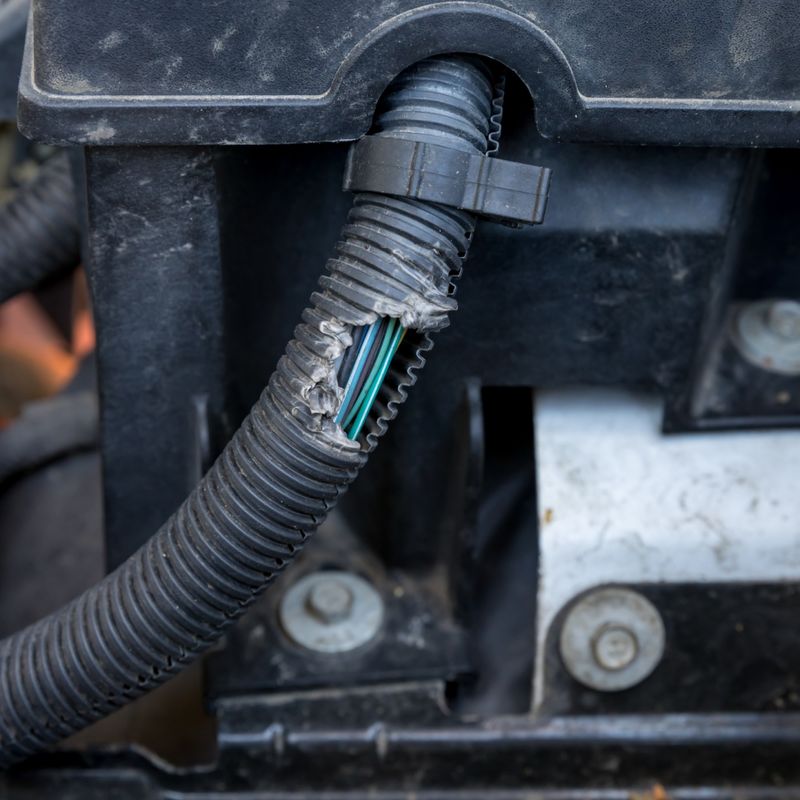
The part that worries drivers is wiring. Woodrats chew the vinyl or plastic shielding on wires, and Arizona extension guidance notes they are known to damage car and appliance wiring.
That means damage is possible, not certain. No reliable figures exist for how often it happens to a given vehicle, so there is no need to guess at costs or odds.
Think of it as a reason to look, not a reason to panic.
It also helps to separate two situations. A woodrat nest inside the engine compartment is one thing.
A small animal seeking warmth underneath a recently parked car is another. Sticks, cactus bits, and stashed objects in the engine bay point toward nesting.
Cold Nights Do Not Prove a Pack-Rat Surge
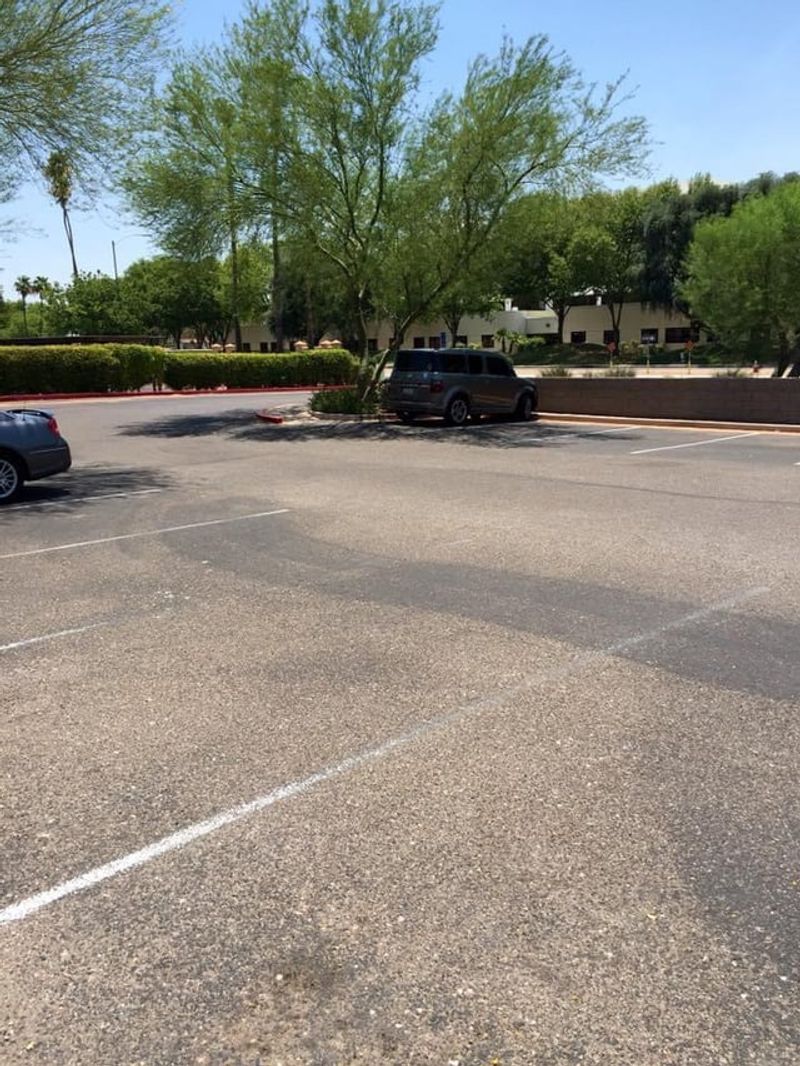
Despite the catchy idea, cool nights have not been shown to send pack rats into engine bays. Arizona guidance documents vehicle nesting, and the USDA describes white-throated woodrats as active year-round.
No source found shows a cold-triggered jump in nesting.
Warmth may appeal to some animals, but that is not the same as proof for Arizona woodrats. Nesting can simply follow a quiet, sheltered, unused vehicle at any time of year.
You may hear advice to tap the hood before starting. Wisconsin pet-safety advice suggests this for small animals in general, and it is a fine habit.
It says nothing specific about pack rats.
Inspect an Idle Vehicle Before Starting
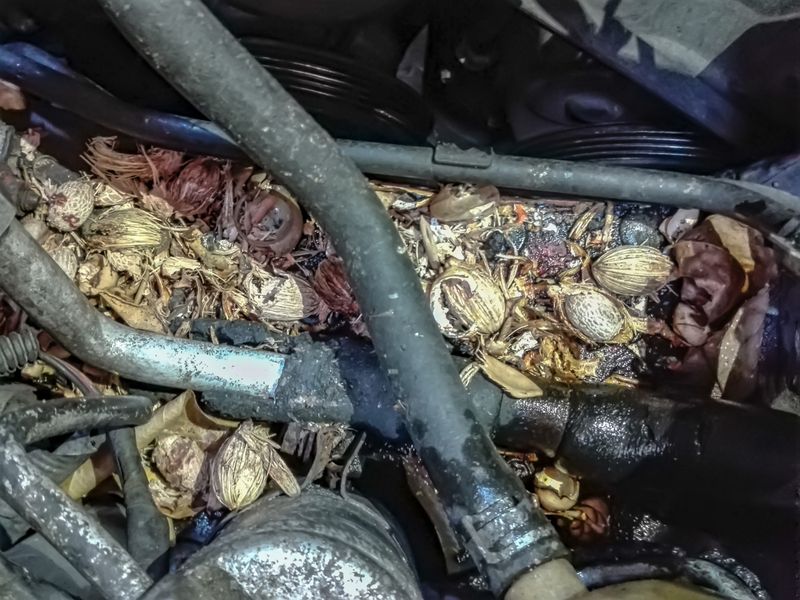
If a car has sat for a long stretch, a calm check makes sense. CDC guidance says to air out an extended-idle vehicle and inspect the air intakes and filters.
For the engine compartment, open the hood, doors, and trunk and let it air out for 20 minutes. Wear plastic gloves and a long-sleeved shirt.
Disconnect the battery cables before inspecting so you avoid shock.
Then look for nesting material, droppings, and chewed wires, and check the air intake and filter housing. Hold off on starting the engine if you find anything odd.
A qualified automotive professional can help when you are unsure.
Clean Rodent Evidence Without Dry Sweeping
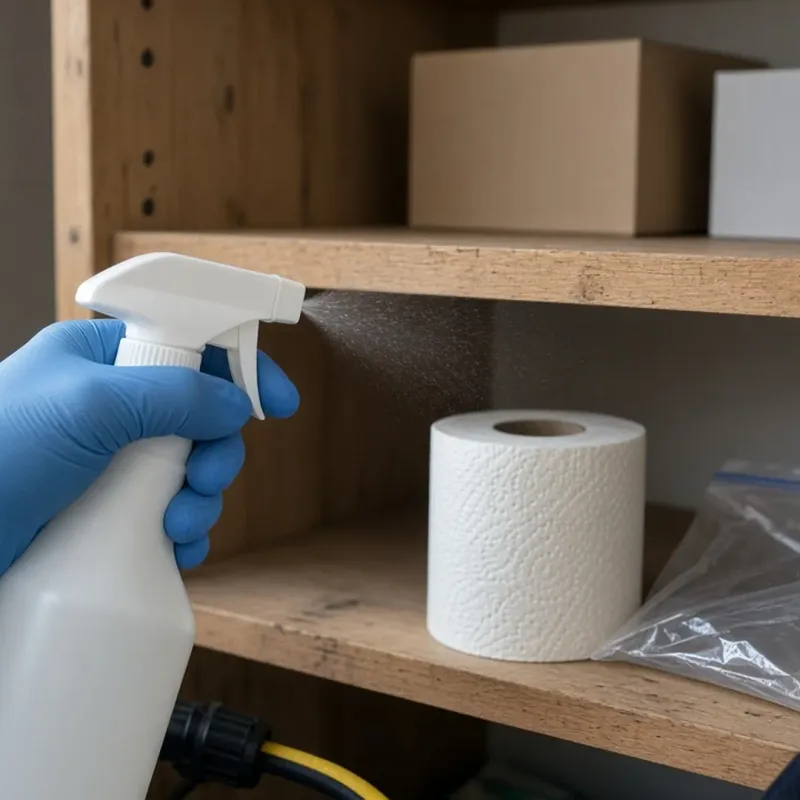
Finding a nest or droppings is unpleasant but manageable. Do not sweep or vacuum them dry, since that can stir up particles into the air, as CDC warns.
The CDC cleanup steps are simple. Wet the droppings or nesting material with disinfectant and wait five minutes, or follow the product label.
Then wipe it up with paper towels.
Not every nest is infectious, but careful handling is cheap insurance. Extensive mess, or rodents in a ventilation system, calls for professional help.
If wires look chewed or insulation is stripped, ask an automotive professional to inspect the car before you drive it.
Reduce Opportunities Without Promising a Fix
Start with the easy step: take food out of the vehicle. Wrappers, snacks, and crumbs can attract rodents, and removing them costs nothing.
It lowers the appeal but does not guarantee anything.
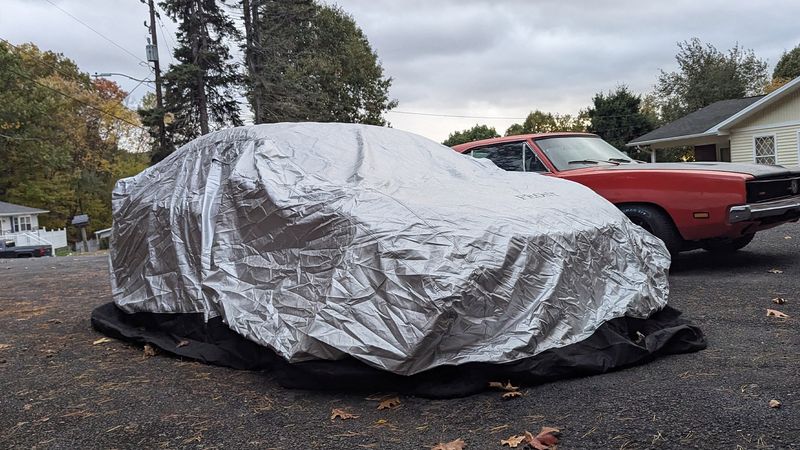
For longer storage, UC IPM describes a weighted cover that seals to the ground around the car. That is general rat guidance, not a trial on Arizona pack rats, so treat it as one option with limits.
Skip ultrasonic gadgets. University of Arizona guidance says residential sonic devices have not been shown effective in scientific studies.
A check is a reasonable habit for a car left unused. It is not proof of a cold-weather surge, and it is not an emergency.
A quick look now and then beats a surprise later.