The Leaf Cage Trick That Protects Ohio Hydrangea Buds All Winter
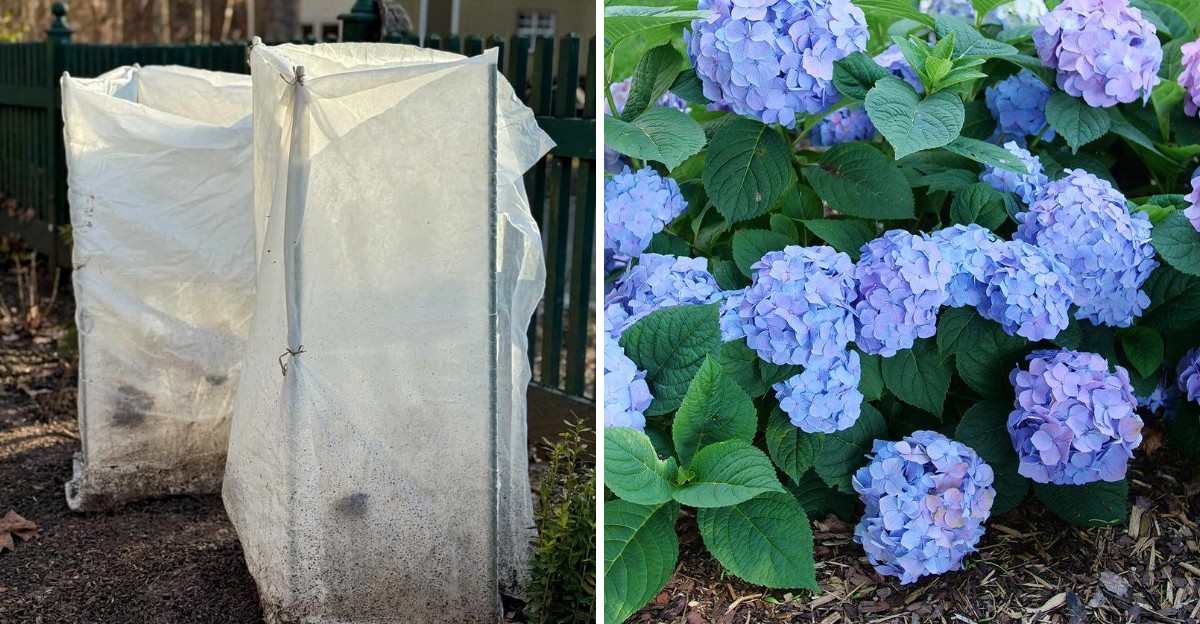
Even a shrub that looks green, leafy, and perfectly healthy in June can refuse to make a single flower. The culprit usually got its job done months earlier, during a windy January night.
The flower buds for next summer already sit at the tips of certain stems by fall. They wait out the whole Ohio winter on bare branches, exposed to bitter wind and wild temperature swings.
Lose those tips, and you lose the show.
I find it oddly charming that the fix involves a roll of wire and a pile of the leaves you were going to rake anyway. I love any garden chore that turns yard waste into flower insurance.
You need a few stakes, some patience, and good timing. Could the answer to years of flowerless summers really be sitting in your leaf pile right now?
1. Those Bare Hydrangea Stems Are Hiding Next Summer’s Flowers
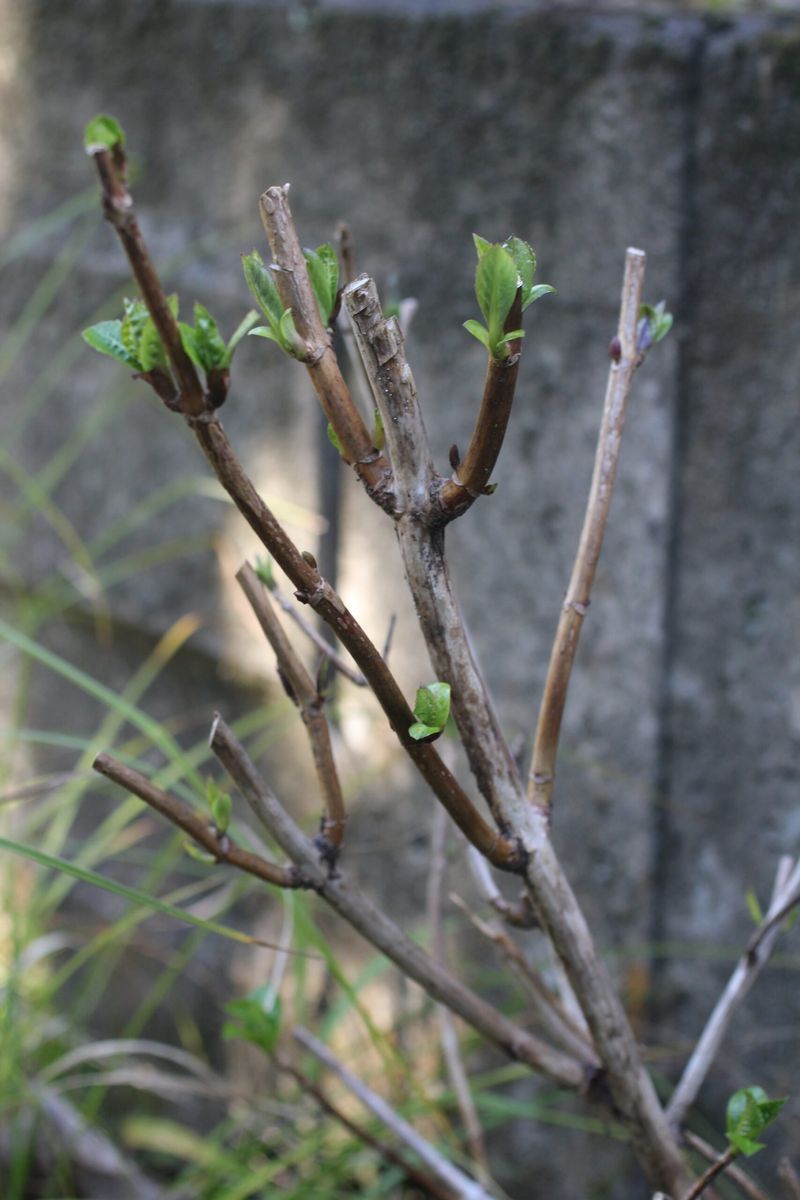
Snap a dormant bigleaf hydrangea stem in November, and you might be breaking off a whole summer of blue or pink. Those fat buds near the tips are already packed with next year’s flowers.
Bigleaf hydrangeas, known to botanists as Hydrangea macrophylla, form their flower buds in late summer and early fall. Gardeners call this blooming on old wood.
The buds then sit through winter with only thin scales for protection.
Ohio State University Extension notes that these buds often get hurt by cold, drying wind, and sudden thaws followed by hard freezes. Ohio covers roughly USDA zones 5b through 7a, so a garden near Lake Erie and one near Cincinnati can face very different winters.
The roots usually come through just fine. The shrub leafs out in spring, looks great, and then offers nothing but green.
Many gardeners blame fertilizer or sunlight first.
Before you change anything else, check the tips in early spring. Brown, shriveled buds that crumble when you touch them point to winter damage.
Healthy buds stay firm and show a bit of green inside.
Once you know where the flowers wait, protecting them becomes a simple goal. Keep those tips safe from wind and wild temperature swings.
2. A Simple Chicken Wire Cage Around Your Hydrangea Does The Heavy Lifting
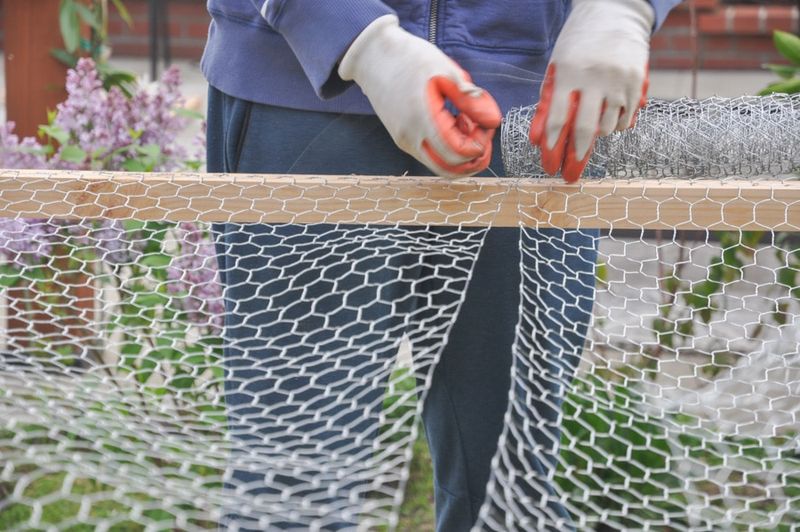
Honestly, the cage looks a little silly at first. A wire cylinder in the middle of your flower bed is not exactly a design statement.
Your summer self will forgive it.
Start with three or four sturdy stakes. Wooden posts, metal garden stakes, or rebar all work.
Drive them into the soil a few inches outside the edge of the shrub so the branches are not squeezed.
Make the stakes at least as tall as the plant. A cage that stops short leaves the most important tips sticking out in the wind, and those tips hold the flowers.
Next, wrap chicken wire or hardware cloth around the stakes to form a tube. Secure it with zip ties or wire twists.
Leave enough slack so the cage can hold a deep layer of filler without bulging.
Some gardeners wrap burlap around the outside for extra wind blocking. Burlap breathes, which helps moisture escape.
Skip plastic sheeting, since it traps humidity and heat on sunny days and can invite rot.
For larger shrubs, a cage made from snow fencing works too. Whatever you use, aim for something sturdy enough to stand through ice storms, snow loads, and gusty March afternoons.
3. Dry Oak Leaves Make The Best Hydrangea Cage Filling
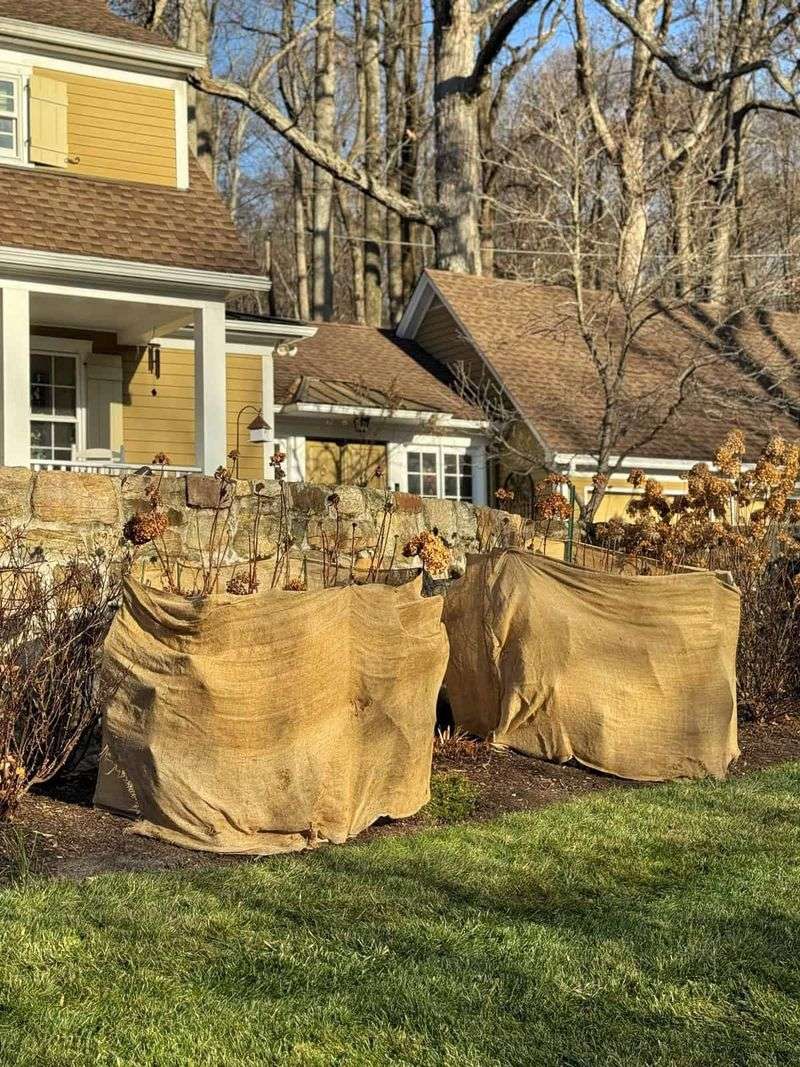
Oak trees are finally doing you a favor. Their tough, curly leaves are the star ingredient in this whole trick.
Fill the cage loosely with dry leaves, working them down around the stems. Oak leaves hold their shape and resist matting, so they trap little pockets of air.
That air acts like the stuffing in a winter coat.
Maple leaves tend to flatten into soggy sheets, especially when wet. If maples are all you have, shred them first with a mower so they stay fluffier.
Straw and pine needles also make solid fillers.
Go for dry material only. Wet leaves pack down fast and hold moisture against the stems, which can encourage fungal trouble.
Make sure the filling covers the very tips of the branches. Pile it a few inches above the top buds if you can.
That is where the flowers are waiting, after all.
Leaves settle over winter, sometimes by a surprising amount. Peek at the cage after big storms or warm spells and top it off as needed.
I like keeping a bag of dry leaves stashed in the garage for this. Refilling takes two minutes when you are ready.
4. Wait For Your Hydrangea To Drop Its Leaves Before Caging It
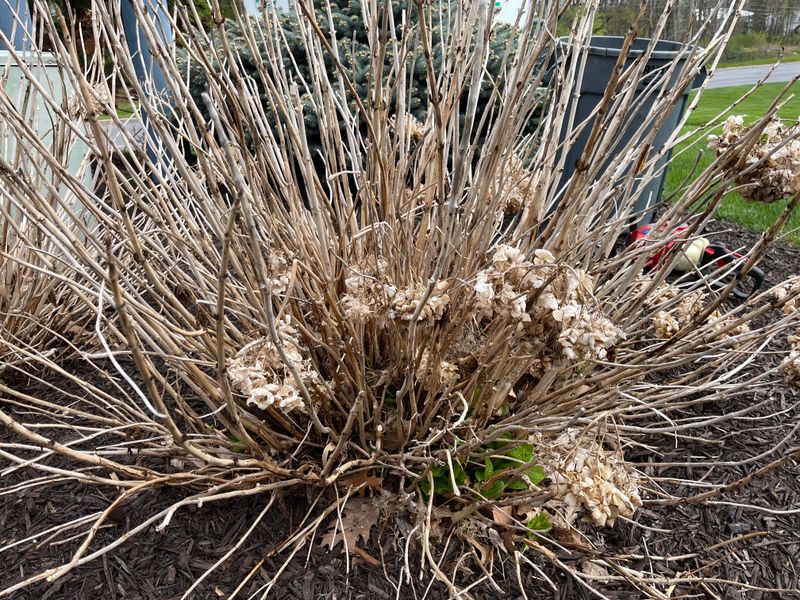
Patience pays here. Rushing the cage onto a shrub that still has green leaves is one of the easiest ways to cause problems.
Hydrangeas need to harden off and go fully dormant. If you wrap them too early, warm fall days can build heat and humidity inside the cage.
That damp setting favors mold and rot.
Across much of Ohio, the sweet spot falls around mid to late November. Look for a few hard frosts, a bare shrub, and temperatures that have not yet sunk into the low 20s for long stretches.
Northern gardeners near Cleveland or Toledo may need to move a bit earlier. Southern Ohio gardens can often wait a little longer.
Watch your local forecast more than the calendar.
Before building, rake away fallen hydrangea leaves from the base. Old foliage can carry leaf spot fungi into the next season.
A deep watering before the ground freezes helps too, especially after a dry fall. Well hydrated stems handle drying winter wind better.
Then add two to four inches of mulch over the root zone, keeping it a little away from the stems. Roots and buds both appreciate the steady temperatures.
5. Not Every Hydrangea In Your Yard Needs A Winter Cage
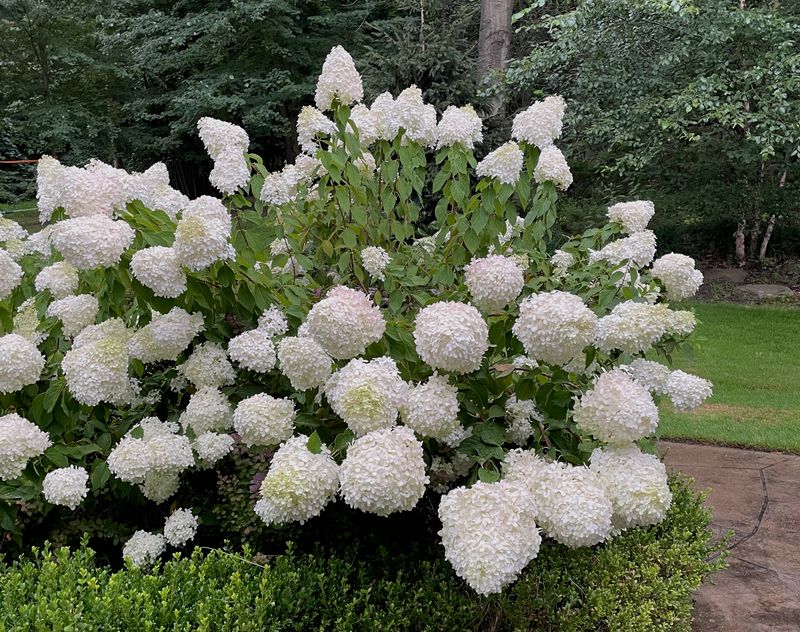
Here comes the part that saves you some work. Plenty of hydrangeas laugh at Ohio winters with zero help.
Panicle hydrangeas, like Limelight or Quick Fire, bloom on new wood that grows each spring. Smooth hydrangeas, such as Annabelle and Incrediball, do the same.
Even if winter nips their stems, fresh growth still carries flowers by summer.
Bigleaf hydrangeas are the main reason the cage trick exists. Mopheads and lacecaps both set buds on old wood, so they benefit most.
Oakleaf hydrangeas also bloom on old wood. They are native to the southeastern United States and are generally tougher than bigleaf types.
In colder Ohio spots, though, their buds can still get nipped, so a cage is optional insurance.
Rebloomers, like the Endless Summer series, flower on both old and new wood. Protecting them still helps, because the old wood buds give you an earlier and fuller first wave.
Not sure what you own? Check the plant tag or look at the flowers.
Cone shaped blooms usually mean panicle, while round white snowballs often mean smooth.
Big blue or pink globes, or flat lacecaps, suggest bigleaf. Those are the shrubs worth caging.
6. A Lid On Your Hydrangea Cage Can Help In Snowy Spots
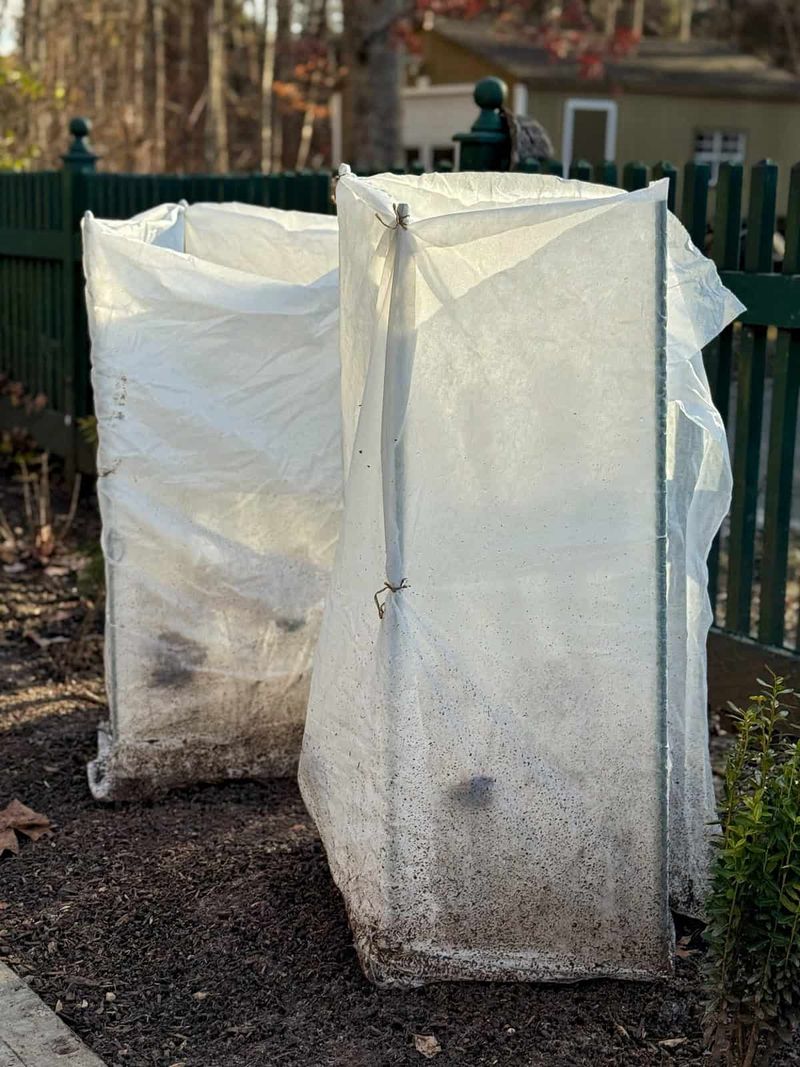
Snowbelt gardeners, this one is for you. Lake effect storms east of Cleveland can dump heavy snow that crushes a leaf pile flat.
Some gardeners add a simple lid to the cage. A scrap of plywood, a board, or a piece of foam board fastened on top helps shed snow and freezing rain.
The leaves underneath stay drier and fluffier.
A lid has tradeoffs. Fully sealing the top can hold in moisture, and a heavy cover may sag onto the stems.
Keep it light and leave small gaps at the edges for airflow.
Gardeners in milder parts of the state often skip the lid entirely. An open top lets rain and snowmelt drain through and dry out between storms.
Secure any lid well. Winter wind can turn a loose board into a flying hazard, which helps nobody.
Try a simple test if you feel unsure. Cap one shrub and leave another open, then compare buds in spring.
Your own yard often gives the most honest answer.
Either way, keep checking the filling level after big storms. Snow and ice compress leaves faster than you might expect.
7. Pulling The Hydrangea Cage Too Early Undoes Your Hard Work
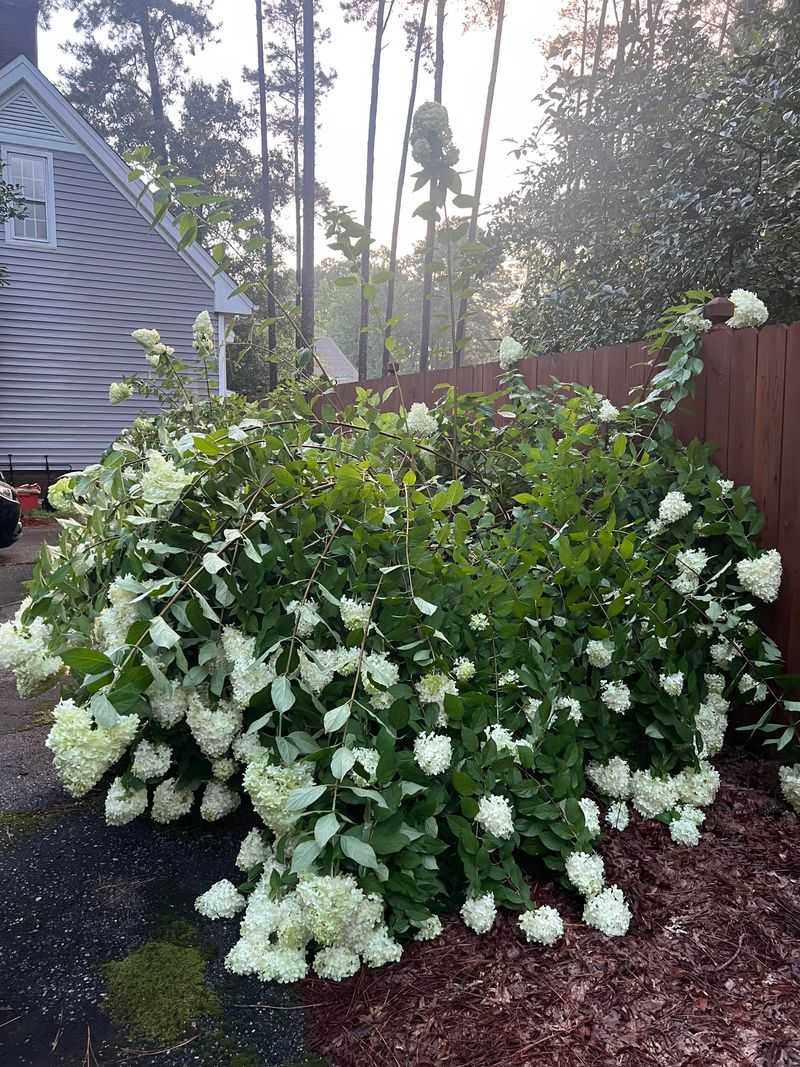
That first warm March afternoon is tempting. The sun feels amazing, and the urge to tidy the garden kicks in hard.
Resist it for a few more weeks. A late freeze after mild weather can damage buds that just started to swell.
Spring cold snaps often cause more harm than steady January cold.
Most Ohio gardeners remove cages gradually in April. Southern areas can start sooner, while northern and inland spots may wait closer to late April.
Keep an eye on overnight lows.
Take the process in stages. Pull out some leaves first, then remove the rest over a week or two.
That lets buds adjust to sunlight and open air slowly.
Keep an old sheet or frost cloth handy after uncaging. If a surprise freeze shows up in the forecast, drape it over the shrub overnight and remove it in the morning.
Toss the used leaves into the compost or spread them as mulch. Nothing goes to waste.
Hold off on pruning bigleaf types in spring, beyond snipping clearly brittle, brown tips. Cutting healthy stems removes the very buds you spent all winter guarding.
8. Big Blue Hydrangea Blooms Are Your Payoff Next Summer
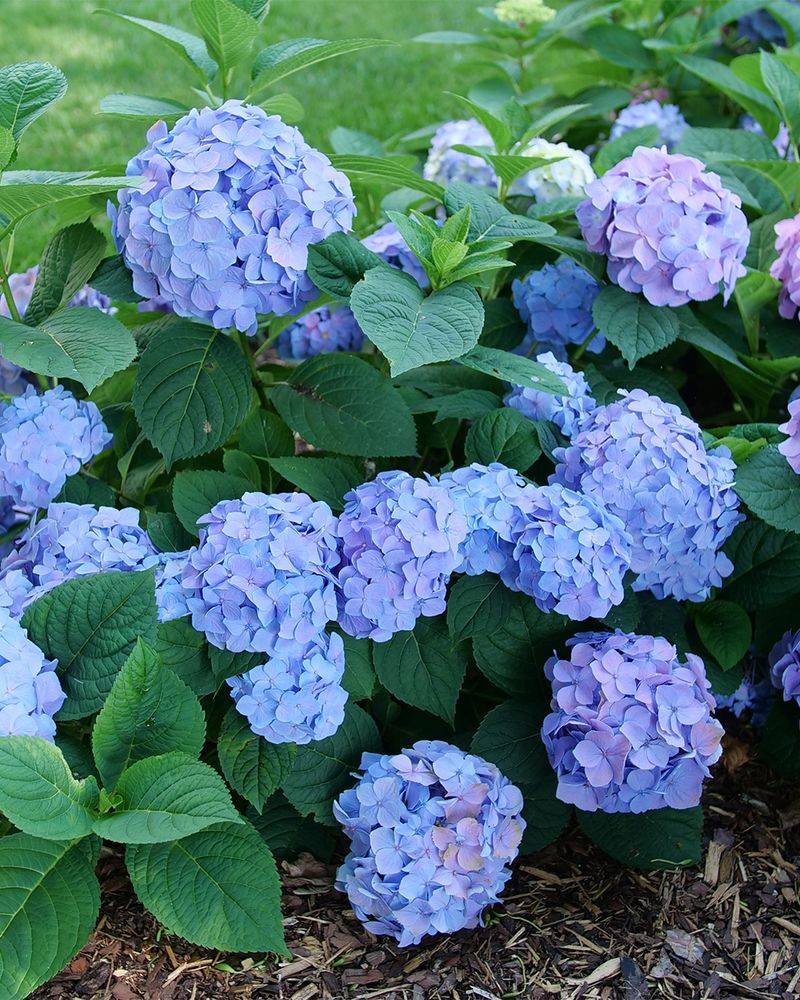
Few garden moments beat the first July morning when your bigleaf hydrangea finally explodes with color. All those cold weeks of wire and leaves suddenly make sense.
Results can vary, so set fair expectations. A brutal winter may still nip some buds, and siting matters too.
Shrubs in spots sheltered from harsh west winds usually fare best.
Keep a few quick notes each year. Write down when you caged, what filler you used, and how the blooms turned out.
After a couple of seasons, you will have a plan built for your own yard.
Other habits support the effort. Avoid heavy late summer fertilizing, which pushes tender growth.
Water deeply during dry spells so buds form well in the first place.
Fun fact for curious gardeners: bigleaf flower color often shifts with soil chemistry. Acidic soil tends to produce blue, while more alkaline soil leans pink.
Much of Ohio leans neutral to alkaline, which explains all the pink.
Start gathering stakes and dry leaves this fall. A small afternoon project can be the difference between a green blob and a shrub covered in flowers.