Orchid Bud Drop in Arizona Homes: Is Watering the Culprit?
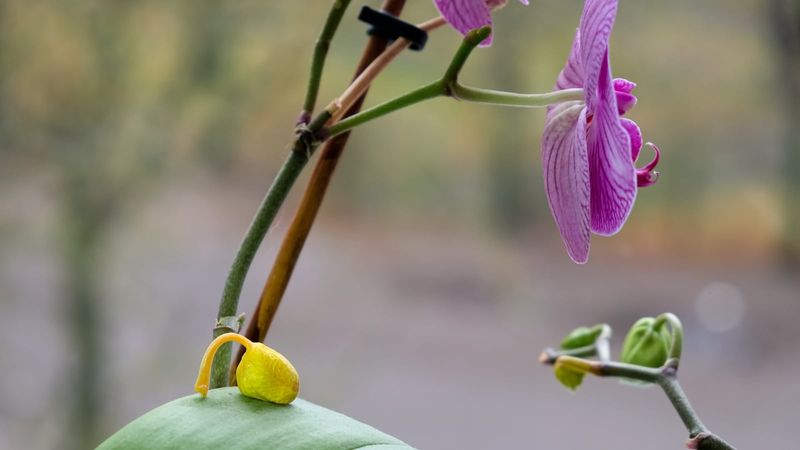
A orchid can grow a whole spray of fat buds and then let them go within days. It feels personal when it happens to your plant.
Many growers blame the watering can first, yet watering is only one clue. Let’s look at what else could be going on inside your Arizona home.
Why Buds Drop: Water Is Only One Possible Cause
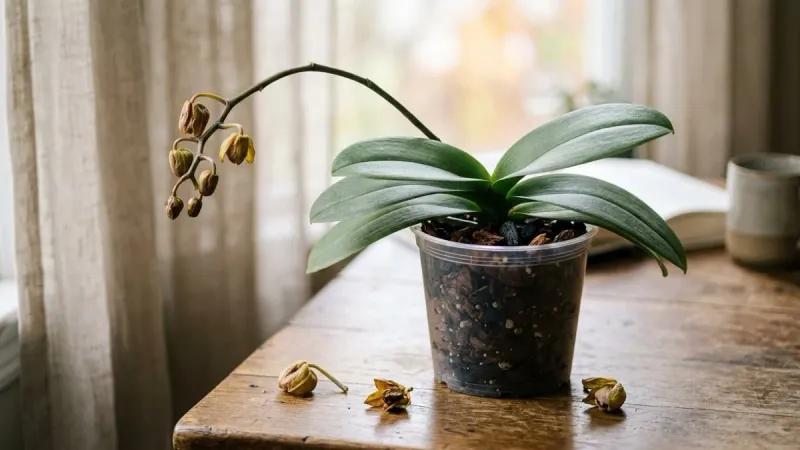
Few things sting like watching plump orchid buds shrivel and fall. Growers call it bud blast, and it has many possible triggers.
Moisture problems are on the list, but so are dry or swinging humidity, temperature changes, drafts, low light, fumes, pests, and moving a plant while it is budding, as noted by the American Orchid Society.
So no single watering habit has been shown to cause bud drop in Arizona homes. No study I found looks at that question for the state.
Treat watering as one thing to check, not the verdict.
This article focuses on Phalaenopsis, often called moth orchids, because they are the common orchids sold for homes. Other orchid types have different water needs, so please do not stretch this advice to all of them.
Outdoor weather also will not tell you what your living room is like. Your cooling system, your windows, and where the pot sits all shape the air around your plant.
You are not doing something wrong, you are just gathering clues.
Water Phalaenopsis By Its Potting Medium
Your orchid cannot read a calendar, so the pot is a better guide. Bark, moss, pot type, light, temperature, humidity, and airflow all change how fast the mix dries.
Two moth orchids in the same house can need water on different days.
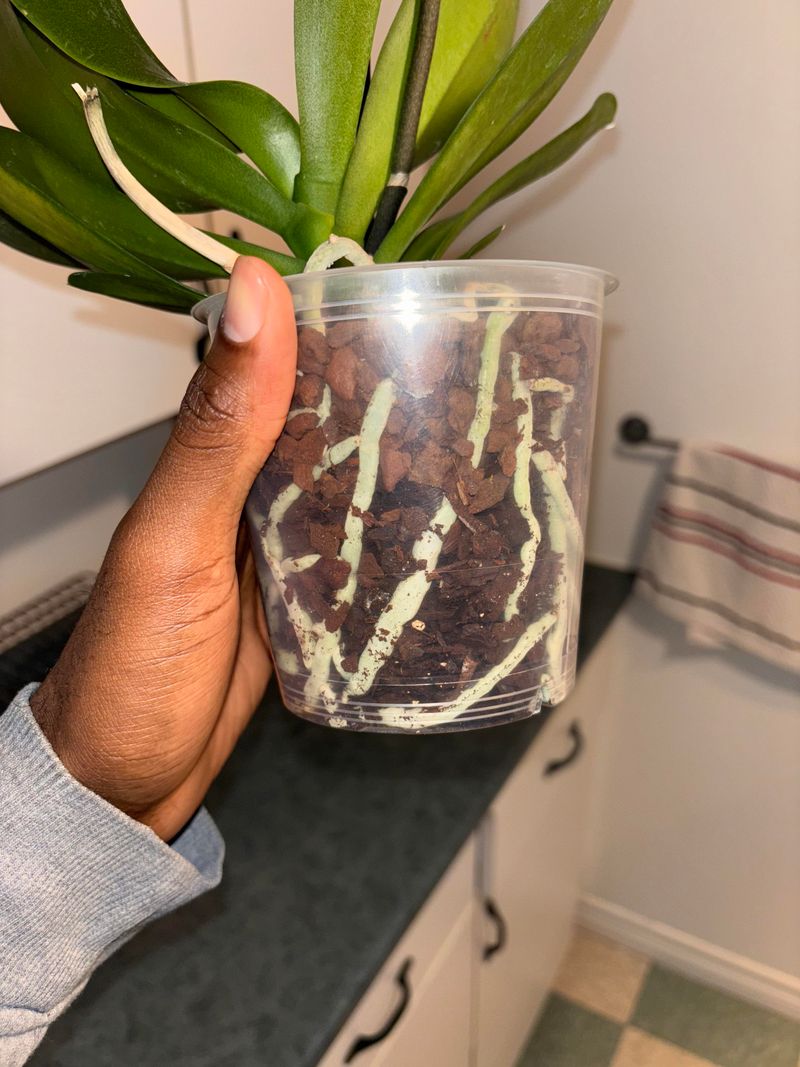
The American Orchid Society suggests watering thoroughly once the medium has dried. Look at the mix, lift the pot to feel its weight, and glance at the roots if the pot is clear.
Silvery roots often mean thirsty, while plump green roots often mean recently watered.
For bark, University of Maryland Extension describes drenching it in several passes and letting the pot drain fully. Weekly is only a rough reference, and normal home conditions may call for no more than that.
Smithsonian Gardens gives a wider range, so check first.
This approach fits Phalaenopsis specifically. Other orchids may want different handling, so do not assume they should all dry out completely.
How Too Much And Too Little Water Affect Buds
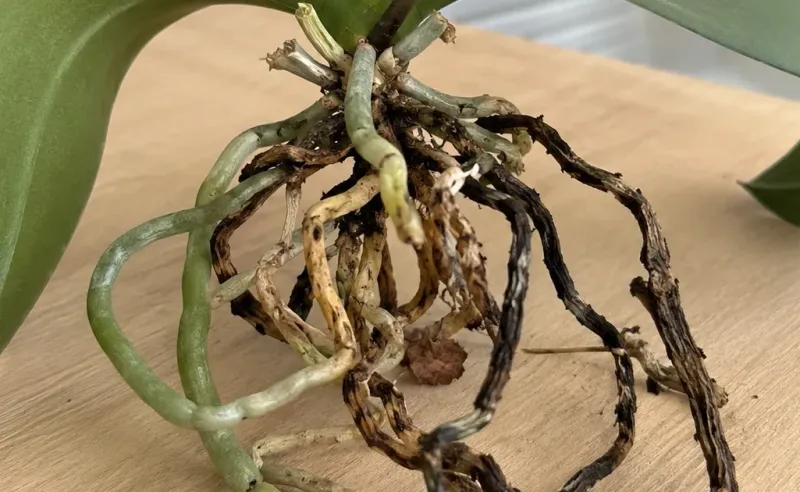
A plant that stays too dry may pull moisture out of its buds to protect the rest of itself. A plant with constantly wet mix has a different problem.
Roots that sit soggy can be damaged, and damaged roots cannot take up enough water, which is covered in the bud blast guidance.
That is what makes this tricky. An overwatered orchid with failing roots can look thirsty above the surface.
Bud drop alone cannot tell you which extreme you are dealing with.
So look below the surface. Slide the plant out of its pot and check the roots and the medium.
Firm roots are a good sign, while soft, mushy, or hollow ones suggest trouble.
After watering, let the excess drain away. Do not leave the pot standing in water, since that keeps roots wet.
A small adjustment based on what you see beats a guess every time.
Check Indoor Humidity, Not Just The Arizona Forecast
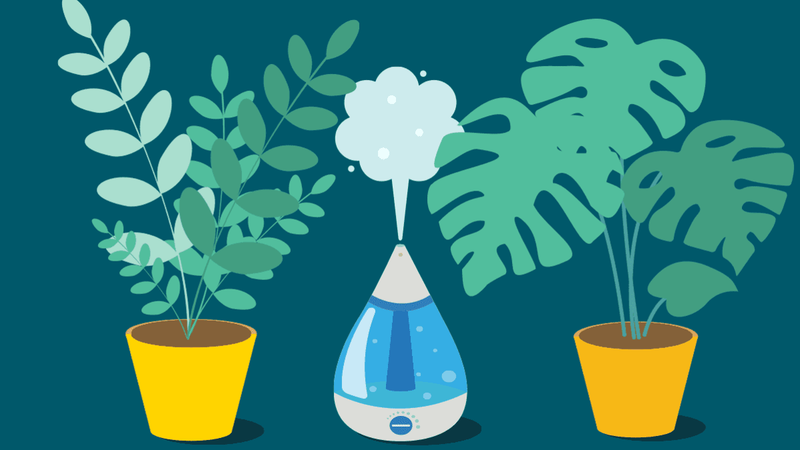
Homes in Arizona are not all alike. University of Arizona Cooperative Extension says air conditioning tends to dry indoor air, while evaporative cooling can raise humidity.
Your house could be on either side, so a blanket rule would not help.
A hygrometer is an inexpensive way to find out. Set it near the orchid and watch the readings over a few days.
Dry air is one possible contributor to shriveled buds, but it does not prove the cause.
If the air does seem dry, a room humidifier is a more dependable fix. Misting is not, since its effect on room humidity is small.
Pebble trays get mixed reviews, and the American Orchid Society considers a humidifier more effective.
Phalaenopsis can adapt to less humid homes, so do not panic over a single reading. Use the number as one more clue.
Protect Buds From Vents And Sudden Changes
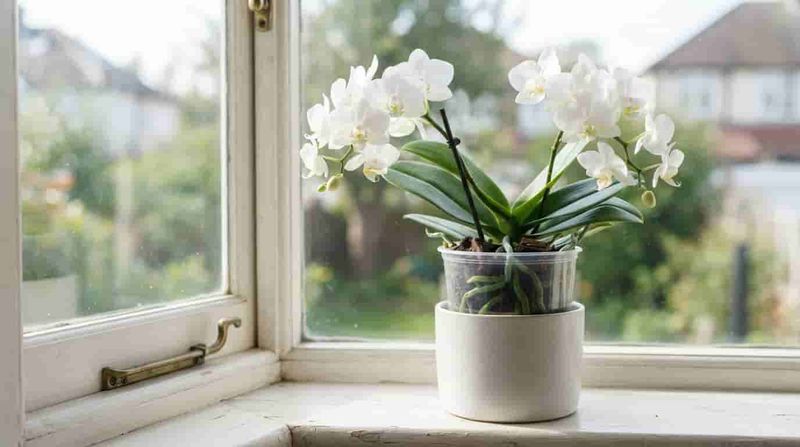
Picture a bud that suddenly gets a blast of cold air every time the cooling kicks on. Buds are delicate, and direct heating or air-conditioning drafts can contribute to bud blast, according to the American Orchid Society.
Sudden temperature changes can do the same.
Walk through your home and notice where air moves. Check for vents above the plant, a door that opens to outdoor air, or a window that gets very hot or cold.
Move the orchid a few feet away from any of these spots.
Then pick a steady location and leave it there. Moving a budding plant around can add stress of its own.
Phalaenopsis generally prefer a stable, comfortable spot, as described by University of Maryland Extension.
If a move is needed, make it once and give the plant time to settle.
What Ice-Cube Research Does—and Doesn’t—Show
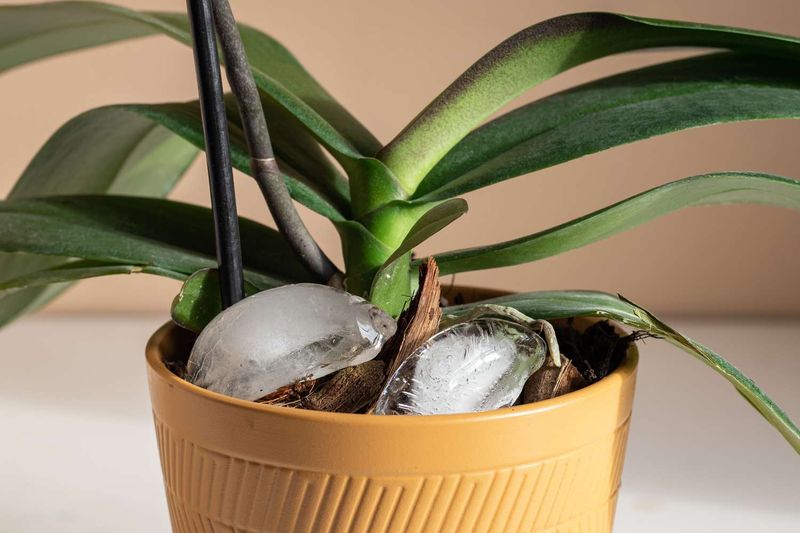
Ice-cube watering is one of the most argued-about orchid tips. An Ohio State summary of a 2017 study reported that Phalaenopsis grown in bark and given ice showed no reduced display life and no measured harm to plant health.
That is a real result, but it covers only the treatment that was tested.
Other guidance disagrees. The bud blast page warns that cold water may contribute to bud drop, and Smithsonian Gardens advises against ice.
So ice is neither proven to cause bud drop in every Phalaenopsis nor shown to suit every orchid, medium, or routine. The study was limited, and your setup may differ.
The practical answer is to look at your plant. Whatever method you use, the real question is whether the medium has dried and the roots are getting a proper, thorough drink.
Troubleshoot Bud Drop Before Changing Your Routine
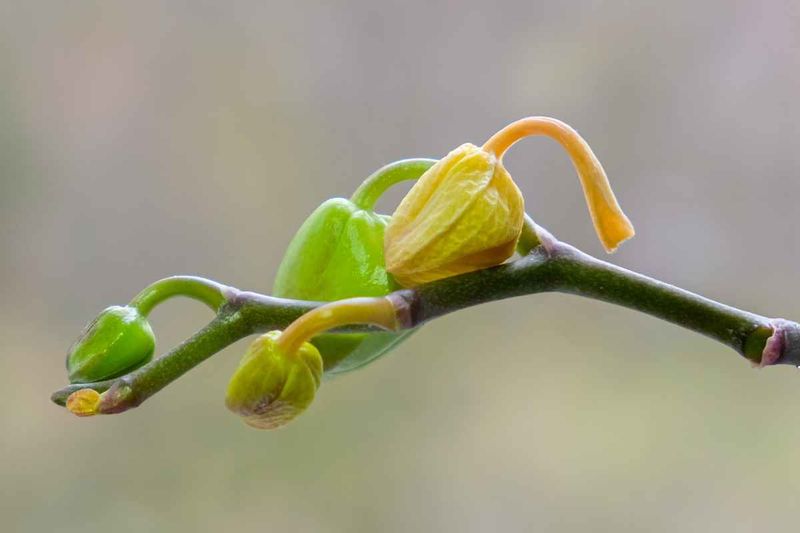
When buds are already falling, go through a short list before you change anything. Start with the roots and medium, since root damage can keep a plant from absorbing water whether it was too wet or too dry.
Next, check for nearby vents and any recent move. Then look closely at buds and leaves for pests such as aphids or thrips, as suggested in New York Botanical Garden troubleshooting notes.
Low light and fumes are other documented possibilities.
This list will not solve every case, and sometimes the cause stays unclear. That is normal with bud blast, so be kind to yourself.
Keep watering by the medium, and keep checking conditions at home instead of following a fixed schedule or hunting for one Arizona culprit. Orchids rarely explain themselves, but they do leave clues.