How Georgia Homeowners Can Get Rid Of Snails Before They Destroy Fall Greens
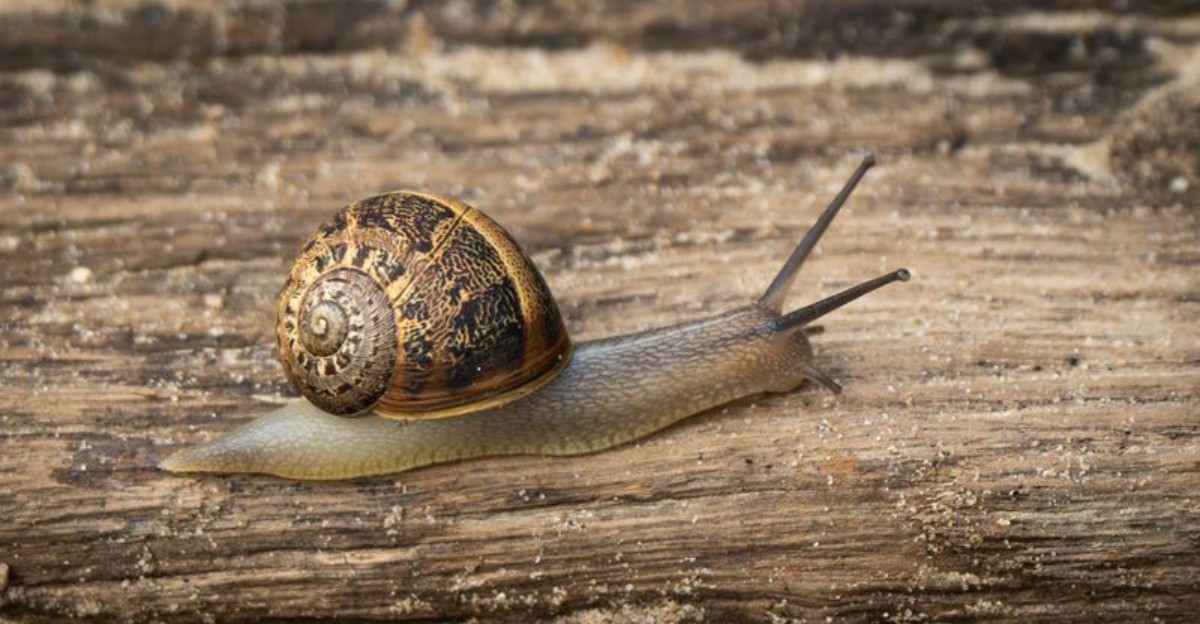
One small garden pest scrapes leaves with a ribbon tongue covered in thousands of microscopic teeth. That tongue works like a tiny cheese grater, and it leaves ragged holes in tender collards overnight.
The culprit also travels on a layer of slime that leaves shiny silver trails across mulch and stepping stones.
In Georgia, fall rains and mild nights keep these slow movers busy long after summer gardens fade.
I’ve made this mistake myself, blaming rabbits for my chewed kale before checking with a flashlight. You might notice the same mystery damage on your lettuce and mustard greens after a rainy week.
Southern gardeners have plenty of truly clever tricks for protecting cool-season beds without harsh chemicals or wasted harvests. Which simple method will finally send those slimy night visitors packing from your favorite leafy rows this year?
1. Clear Away Boards And Leaf Piles Where Snails Hide By Day
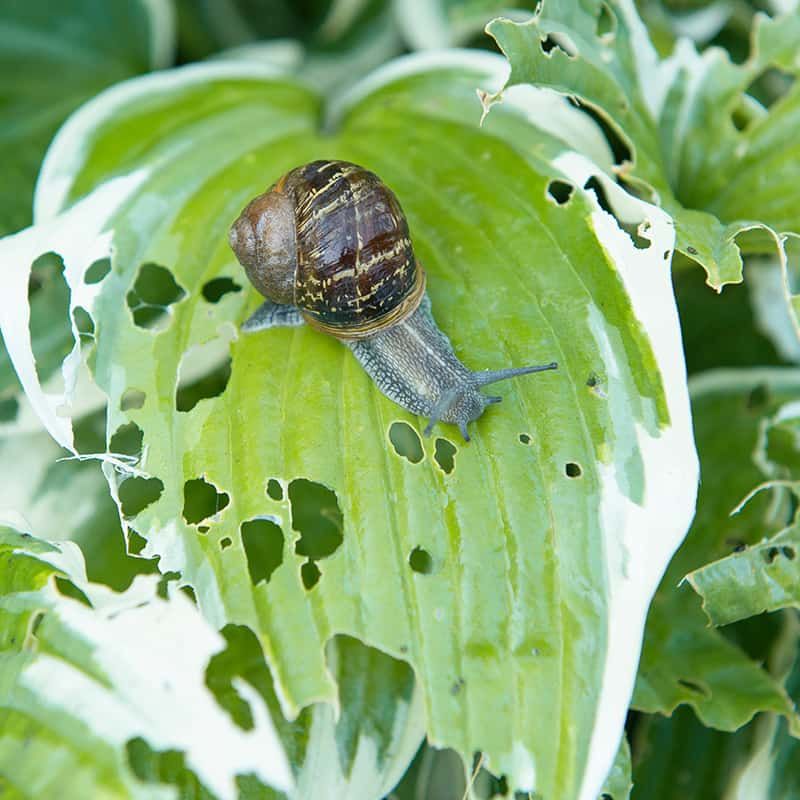
Snails spend bright afternoons tucked under old boards and soggy leaf piles, waiting quietly for the cool evening air. I once flipped a single cinder block near my collards and found nearly a dozen hiding there.
Those shady hideouts work like little hotels, giving snails moisture and protection from hungry birds during the day.
Remove the hotel, and you make your garden a far less comfortable place to settle down.
Start by raking up fallen leaves and hauling away scrap lumber sitting near your fall vegetable beds. Stacks of empty pots and forgotten seed trays deserve a quick cleanup before cooler weather arrives.
Thick groundcovers like English ivy also shelter huge numbers of snails, so trim them back from garden edges. English ivy is invasive in many Southern areas, so pulling it out helps native plants too.
Watering habits matter more than most people realize when you are trying to discourage these moisture-loving pests. Water early in the morning so leaves and soil surfaces dry out before snails start roaming at night.
Mulch can stay, but pull it back a few inches from the stems of young kale and lettuce. A thinner layer near seedlings dries faster and gives snails fewer cozy spots right beside their dinner.
Personally, I think a tidy bed is the easiest first step because it costs nothing except a little sweat.
Every other control method on this list also works better once those daytime hiding spots disappear.
2. Grab A Flashlight And Hand Pick Snails After Dark
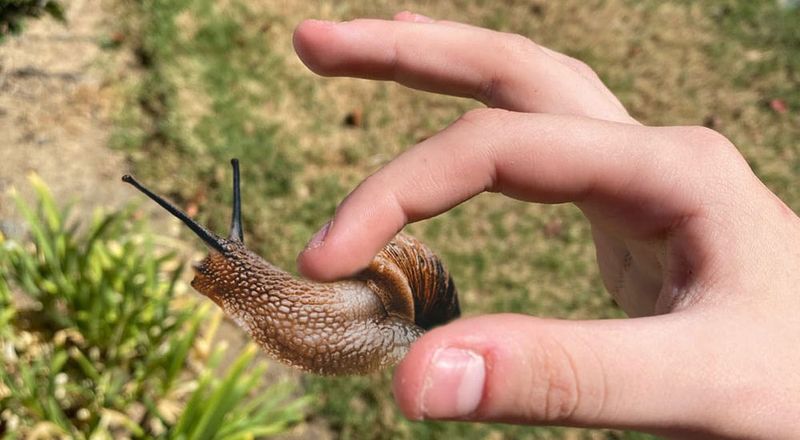
Nothing beats the odd thrill of a nighttime snail hunt with a flashlight and a bucket.
Snails feed mostly at night, so an evening patrol shows you exactly who has been chewing your greens.
Head out about an hour after sunset, or check the garden early in the morning after a rainy night. Look closely under leaves and along the damp bottom edges of wooden raised beds and containers.
Drop each snail into a bucket of soapy water, which stops them from crawling back out overnight. Wearing garden gloves keeps the slime off your fingers, and honestly, that makes the job much more pleasant.
Some gardeners prefer moving snails far away, but they often return or simply bother a neighbor’s garden instead. A soapy bucket handles the problem for good without any chemicals touching your food plants.
Consistency is the real secret, since picking for several nights in a row makes a noticeable dent in numbers.
Snails lay clusters of pearly eggs in moist soil, so new ones can keep appearing for weeks.
While you are out there, scratch the soil surface lightly and toss any egg clusters you find into the bucket. You might feel a bit silly crouching in the dark, yet the results show up quickly on your lettuce.
I like to turn the hunt into a family activity because kids love spotting shiny trails by flashlight. It becomes a fun evening ritual, and your fall greens get a welcome break from the nightly munching.
3. Set Shallow Yeast Traps Near Your Lettuce Beds
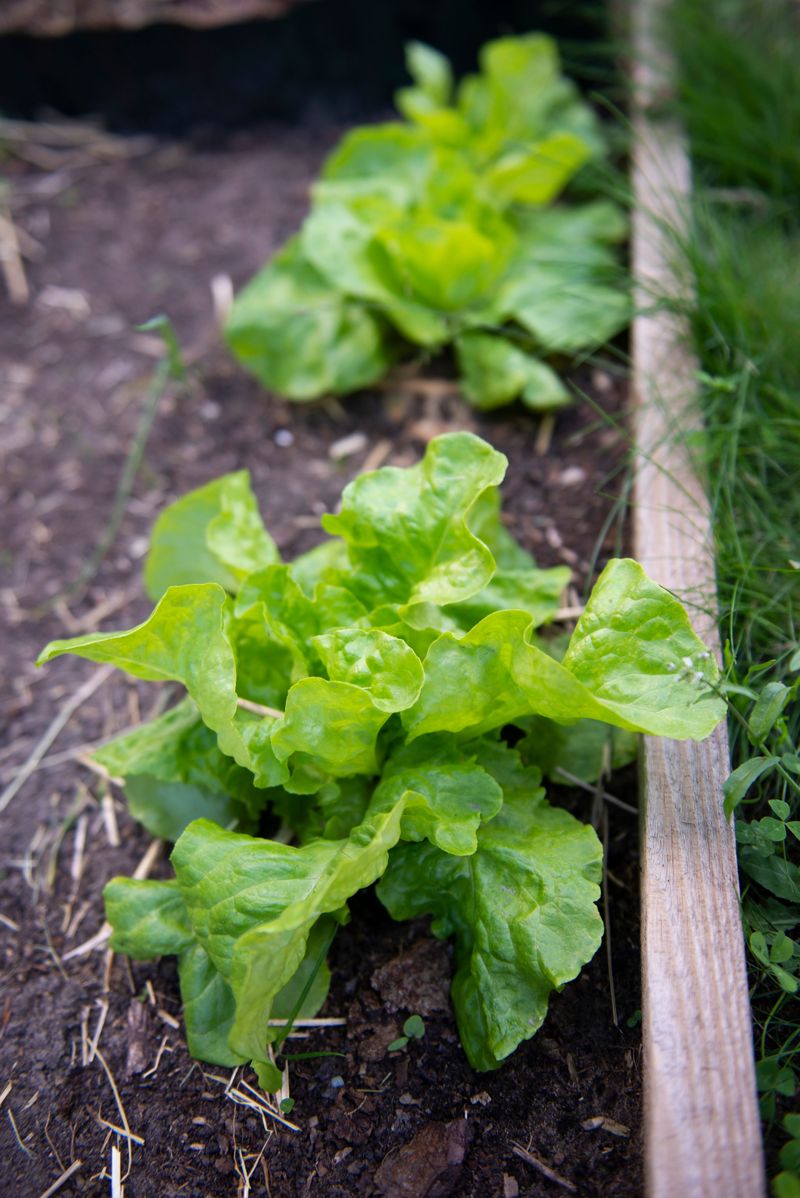
Snails have a surprising weakness for the smell of fermenting yeast, and you can use that craving against them.
A simple homemade trap baited with yeast and sugar water lures them in during the night.
Mix one tablespoon of baker’s yeast and one tablespoon of sugar into about two cups of warm water. Stir it well, then let the mixture sit until it smells bready and starts to bubble a little.
Bury a shallow container like a tuna can or yogurt cup so the rim sits level with the soil. Pour in the mixture until it is about halfway full, leaving room for curious visitors to slide inside.
Place traps a few feet away from your most treasured greens rather than right beside them. The goal is to intercept snails as they travel, not invite extra guests straight into your kale patch.
Check traps every morning and empty them, because a full trap loses its appeal and starts to smell unpleasant.
Refresh the yeast mixture every few days, especially after rain dilutes it or washes soil inside.
Raising the rim slightly above ground, about half an inch, helps keep helpful ground beetles from falling in by accident. Those beetles eat snail eggs, so protecting them pays off later in the season.
I have to admit these traps feel a bit like setting out party snacks for uninvited guests. Still, they work nicely as a monitoring tool, showing you exactly how many snails roam your beds each night.
4. Wrap Raised Beds With Copper Tape Barriers
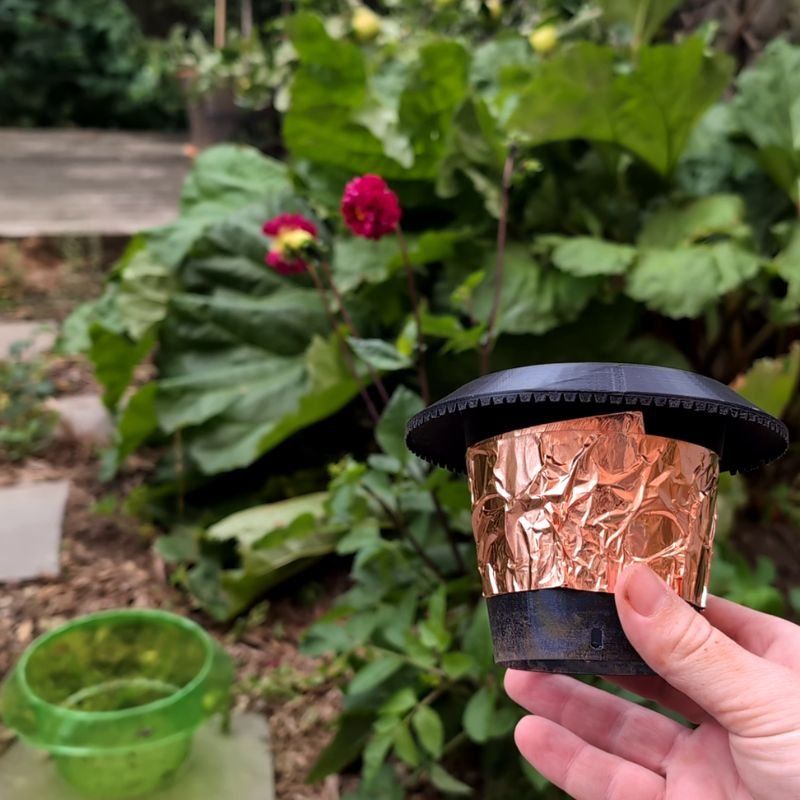
Copper tape around a raised bed looks almost fancy, yet many snails seem reluctant to cross it. Researchers think copper reacts with their slime and creates an unpleasant sensation that turns many of them back.
Results vary from garden to garden, so treat copper as one helpful layer rather than a magic wall.
I find it works best on raised beds and containers where you can wrap a clean, continuous band.
Choose tape at least two inches wide, because snails can stretch their bodies over thin strips with surprising ease. Press the tape firmly against a clean, dry surface so there are no gaps underneath for sneaking.
Before applying copper, check inside the bed and remove any snails already living there among the plants.
Otherwise, you simply lock the hungry crowd inside with your tender spinach and turnip greens.
Watch for leaning leaves or mulch that touches the ground beyond the tape and creates an easy bridge. Trim drooping foliage and keep the area around the bed clear so snails cannot climb around the barrier.
Copper tarnishes over time, especially in humid Southern weather, and dull tape may lose some of its effect. A quick rub with vinegar and a soft cloth brings back the shine in just a few minutes.
Personally, I love how the bright metal edges make my cedar beds look polished while quietly guarding the greens. It costs a bit more upfront, but one roll can protect several beds for multiple seasons.
5. Sprinkle Diatomaceous Earth Rings Around Young Greens
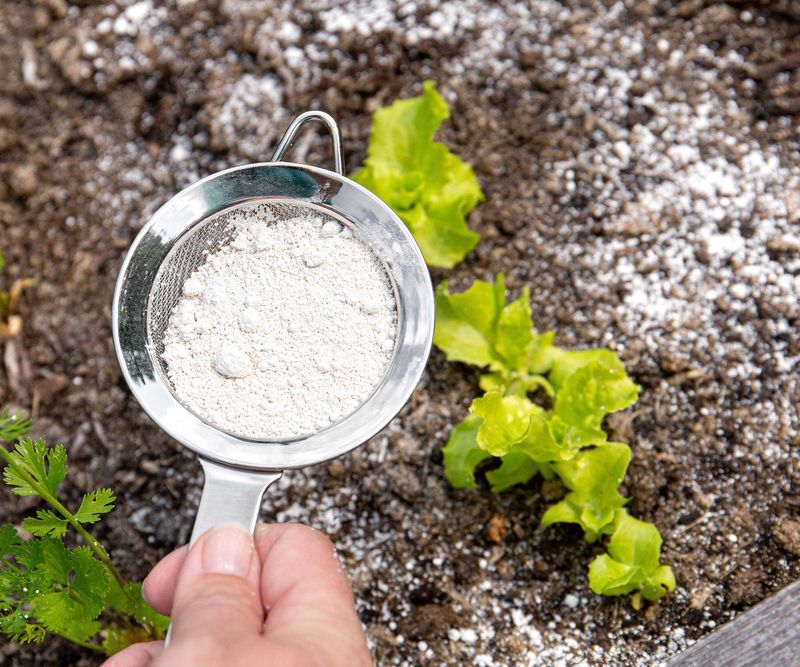
Under a microscope, diatomaceous earth looks like a pile of tiny glassy shells with sharp, jagged edges. That fine white powder comes from fossilized algae called diatoms, and it feels like soft flour in your hand.
Snails dislike crawling across those gritty particles, which scratch their soft bodies and pull moisture away from them.
Many gardeners use it as a dry barrier around seedlings that cannot handle much chewing yet.
Pick food-grade diatomaceous earth instead of the pool filter type, which is processed differently for swimming pools. Wear a simple dust mask while applying it, since breathing any fine powder can irritate your nose and lungs.
Sprinkle an unbroken ring about an inch wide around each young collard or lettuce plant on a dry day. Any gap in the circle becomes an open doorway, so take your time and check your work.
Rain and heavy dew make the powder clump and lose its scratchy effect until it dries out again. Fall showers can be frequent in the South, so plan to reapply after every soaking rain.
Keep the powder off flowers and away from busy pollinator areas, because it can harm beneficial insects as well.
A small squeeze bottle or flour shaker helps you place it neatly where it belongs.
I believe this method shines best for protecting fresh transplants during their first few vulnerable weeks in the ground. Once plants grow larger and tougher, they can handle a nibble or two without much trouble.
6. Scatter Iron Phosphate Snail Bait Around Fall Greens
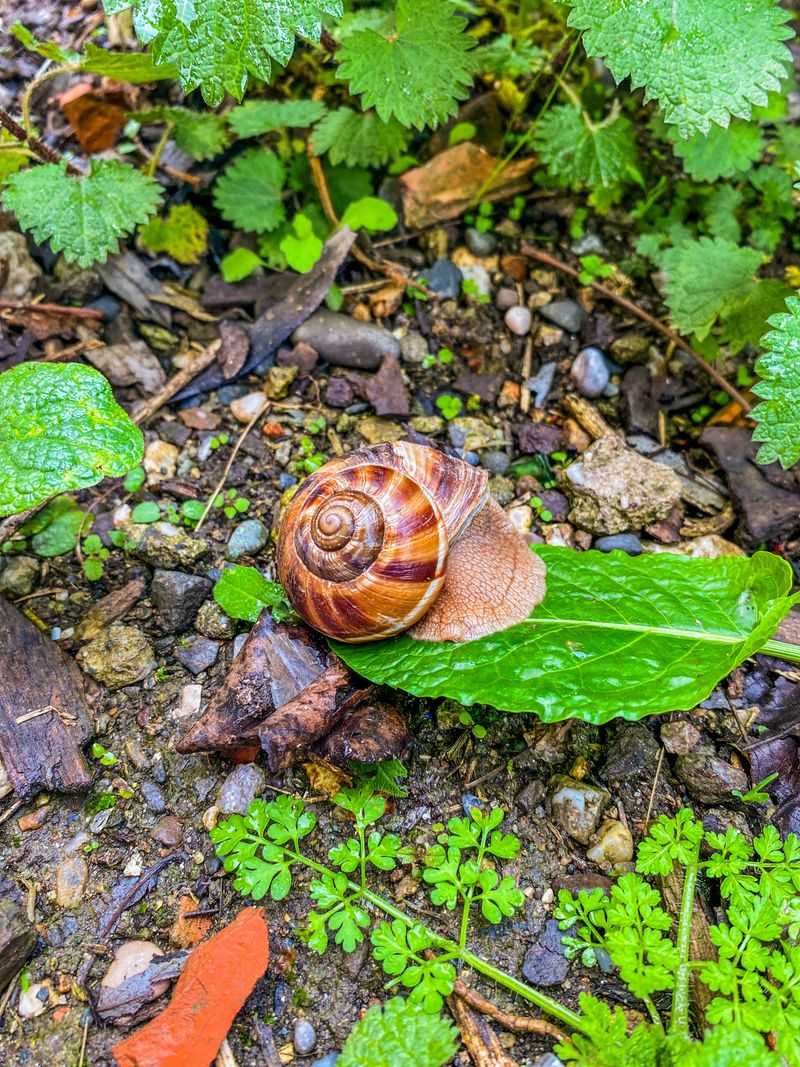
A sprinkle of small tan pellets across the soil can quietly change the mood of a snail-plagued garden. Iron phosphate bait is listed for organic gardening, and it is one of my favorite low-effort tools.
Snails eat the pellets and stop feeding shortly afterward, then crawl away to hide and rarely return to your plants.
Brands like Sluggo and Escar-Go rely on this ingredient, so check the label for iron phosphate.
Older baits made with metaldehyde can be dangerous for dogs and cats, so many gardeners have switched away from them. Iron phosphate is considered a safer choice around pets and wildlife when you follow package directions.
Scatter pellets lightly across the soil instead of piling them in heaps, since thin coverage attracts snails more evenly. Leftover bait slowly breaks down, and the iron and phosphate become part of the soil.
Timing makes a big difference, so apply bait in the evening after watering or a light rain.
Snails come out hungry on damp nights, and they find the pellets before they find your mustard greens.
Reapply every week or two, or sooner after heavy storms, because moisture slowly softens the pellets over time. Store the bag somewhere dry and out of reach of curious kids and pets, just to stay safe.
You might notice fewer slime trails within a few days, which feels wonderfully satisfying after weeks of ragged leaves. I like pairing bait with hand-picking for a strong start on crowded fall beds.
7. Invite Toads And Songbirds To Hunt Snails For You
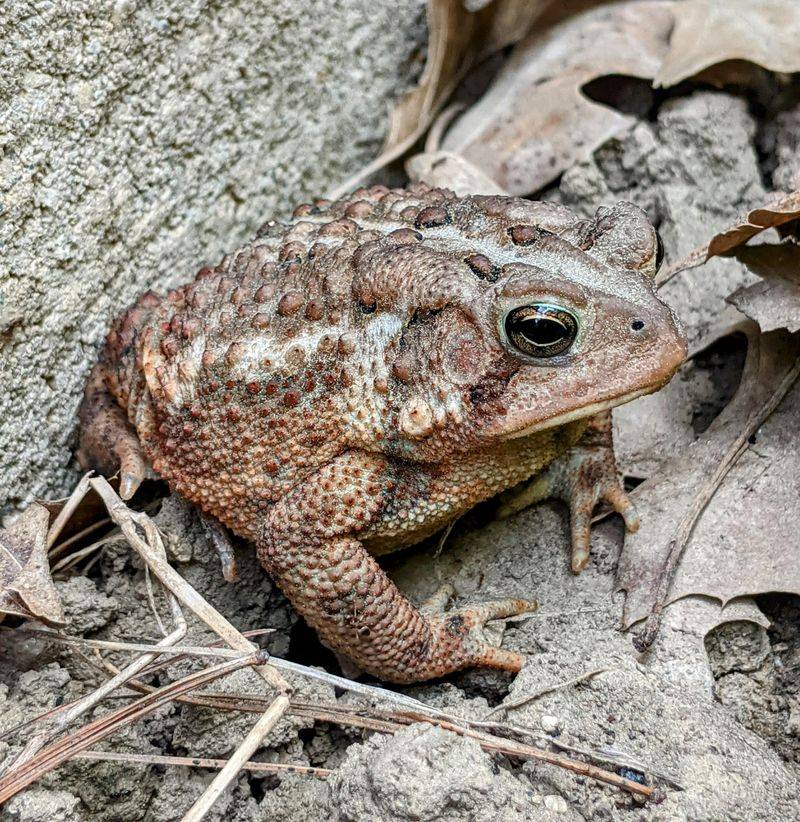
A plump brown toad sitting beneath your kale at dusk might be the hardest worker in your entire garden.
Toads happily gobble snails and slugs after dark, and they ask for nothing in return at all.
Songbirds such as brown thrashers and robins happily pick snails from garden beds during the daytime. Firefly larvae also hunt snails in damp soil, which makes those summer twinkles even more charming to me.
Give toads a cool hiding spot with an overturned clay pot propped up on one side in a shady corner. A shallow dish of water sunk into the ground gives them a place to soak on hot days.
Place toad houses a short distance from your vegetable beds so you are not also sheltering snails beside your greens. That small detail keeps the helpers close while the hiding spots stay away from tender leaves.
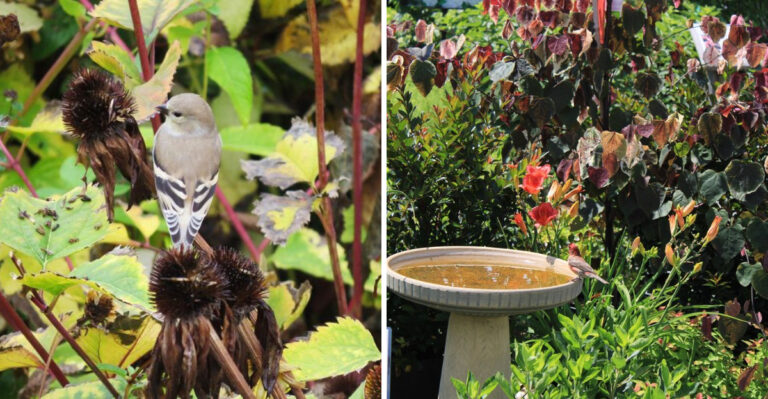
Native shrubs and a simple birdbath bring more birds into the yard, especially as migrating species pass through in fall.
Georgia sits along busy migration routes, so autumn visitors can add extra snail patrols for free.
Skip broad-spectrum insecticides whenever possible, because they can harm the beetles and other helpers that keep pests in check. A garden with fewer chemicals tends to support more predators over time, and balance slowly returns.
I can’t imagine gardening without the toads that show up near my porch light every warm evening. They may not clear every snail, yet they make every other method on this list work a little better.
8. Flip Over Boards And Citrus Rinds To Trap Hiding Snails
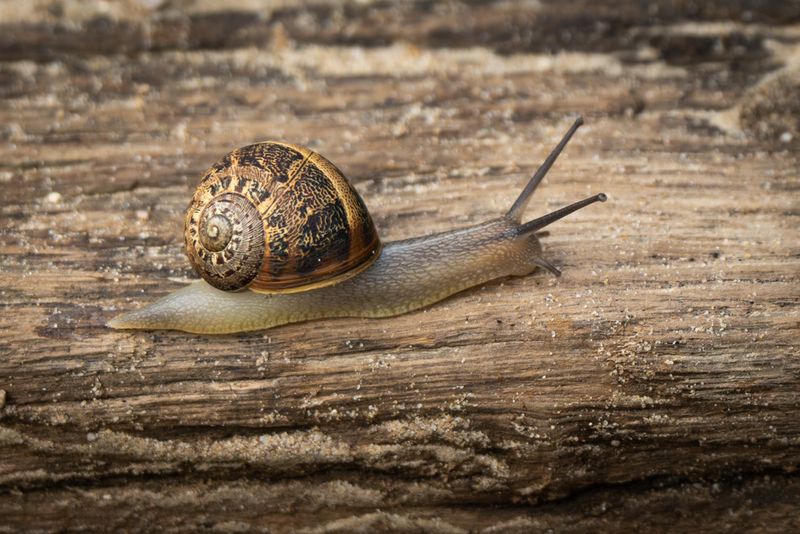
Half a grapefruit rind turned upside down in the garden makes a surprisingly cozy bedroom for a crowd of snails.
Snails crawl underneath before sunrise to escape the light, and you collect them in the morning.
Flat boards work the same way, which makes this trick a clever twist on the cleanup advice from earlier. Instead of random clutter, you create a few hiding spots on purpose and check them every single day.
Set boards about a foot square on damp soil near your greens, raising them slightly with small stones underneath. Snails gather in that cool, shady gap overnight, waiting to be discovered when you lift the board.
Check the traps early each morning and scrape the hiding snails into a bucket of soapy water. Skipping a few days turns your trap into a nursery, so stay consistent with your checks.
You may have read about snail-hunting nematodes, a type of microscopic worm sold as a biological control in Europe.
Those products are not currently registered for sale in the United States, so board traps make a practical local alternative.
Swap out citrus rinds every few days before they start to rot or attract fruit flies near the patio. Melon rinds and cabbage leaves also work, so use whatever scraps your kitchen happens to produce.
What surprises me most is how many snails one board can collect after a warm, drizzly Georgia night. It feels like a treasure hunt every morning, and your fall greens stay noticeably healthier as numbers drop.