7 Carnivorous Plants You Can Grow on a New York Windowsill (Plus One Native to Local Bogs)
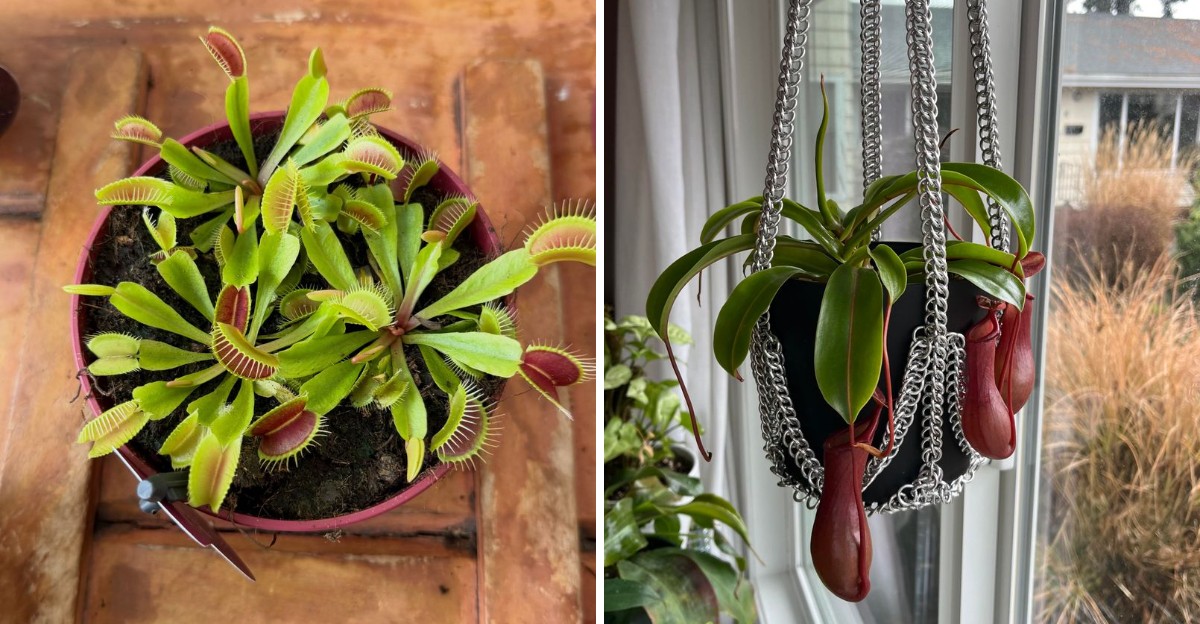
Somewhere in North Carolina, a wild plant can slam its leaves shut in about a tenth of a second. That’s faster than you can say “gotcha,” and the same hungry trap can live on a regular apartment windowsill.
Pretty metal, right?
Its leafy cousins use sticky glue or tiny vacuum bladders that work faster than your eyes can follow. Many of them are happy with nothing more than a bright window and a cheap grow light.
Even better, these oddballs moonlight as pest control, gobbling up the fungus gnats that love to bug your seedlings. Once you learn their one big rule about water, they’re surprisingly low drama.
Seven favorites thrive indoors, and one wild cousin hides in New York bogs. Which hungry little character will claim your kitchen window?
1. Venus Flytrap
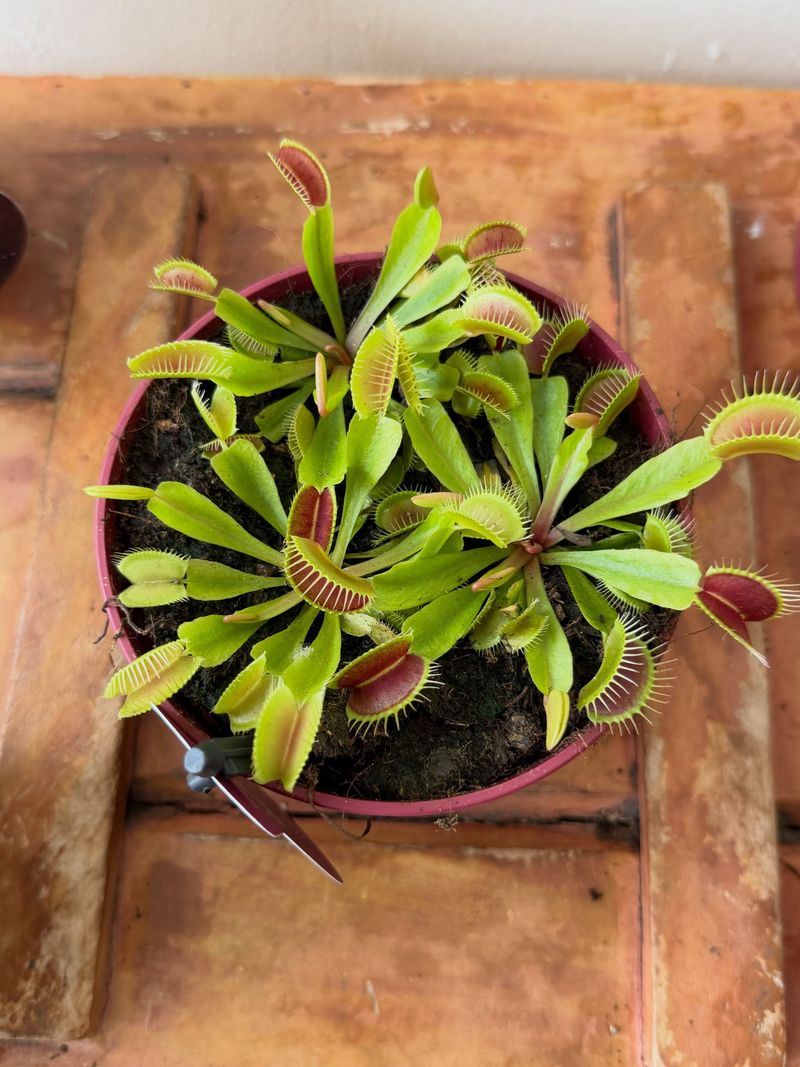
Charles Darwin called the Venus flytrap one of the most wonderful plants in the world, and I agree. Each trap counts touches, closing only when an insect brushes its trigger hairs twice within about twenty seconds.
The wild range is surprisingly tiny, mostly within about seventy-five miles of Wilmington in the Carolinas. That sandy, sunny home explains why your windowsill plant craves strong light and soggy, poor soil.
Give it your sunniest south window, aiming for at least four to six hours of direct sun. A simple LED grow light running twelve to fourteen hours helps on gray days when sunlight runs short.
Water is where most beginners stumble, because tap water carries minerals that slowly build up and burn roots. Use distilled water or rainwater, and keep the pot sitting in a shallow saucer about one inch deep.
Plant it in sphagnum peat mixed with perlite, and skip regular potting soil along with any fertilizer. Those rich ingredients feel generous to us, yet they often push these bog specialists into a steep decline.
Winter rest matters too, so let it go dormant for roughly three months in a cool room. A chilly windowsill or unheated porch that stays around 35 to 50 degrees works nicely for most growers.
Resist poking the traps for fun, since each one only closes a handful of times before it stops working. I like dropping in a live fly occasionally instead, then watching the slow, satisfying squeeze over the next day.
2. Cape Sundew
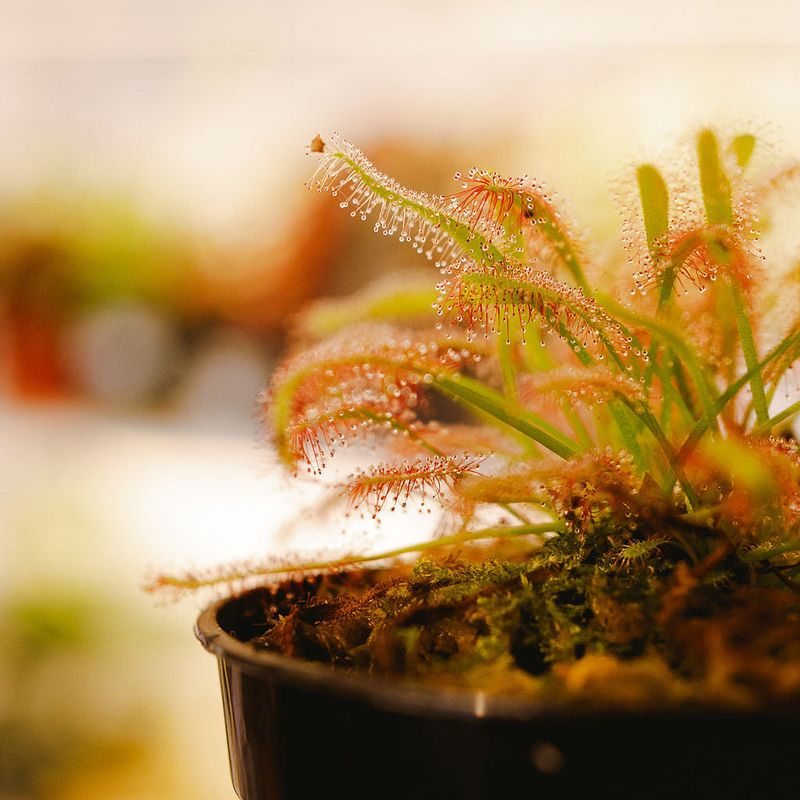
Sunlight hits a Cape sundew and every sticky tentacle sparkles like it was dipped in tiny glass beads. Those glittering drops are glue, and a gnat that lands on one rarely gets away again.
Native to South Africa, Drosera capensis is often called the easiest sundew for brand-new growers to start with. I can see why, because it forgives small mistakes that would send fussier species into a sulk.
Once a bug sticks, the long leaf slowly curls around it, sometimes folding over in a few hours. Watching that gentle hug through a magnifying glass is one of my favorite rainy afternoon hobbies.
Bright light keeps the dew flowing, so a south or west window is the best spot indoors. If the leaves turn pale green with little dew, add a grow light about six inches above them.
Keep the soil wet at all times using distilled water or rainwater in a saucer under the pot. A mix of peat moss and perlite or washed silica sand gives the roots the lean diet they want.
Unlike the flytrap, this sundew skips winter dormancy and keeps growing all year at normal room temperatures. It also blooms with small pink flowers on tall stalks that rise well above the sticky leaves.
Don’t be surprised if seedlings pop up in neighboring pots, since each flower stalk produces plenty of seeds. Share the extras with friends, and you might just start a sundew habit across your whole block.
3. Mexican Butterwort
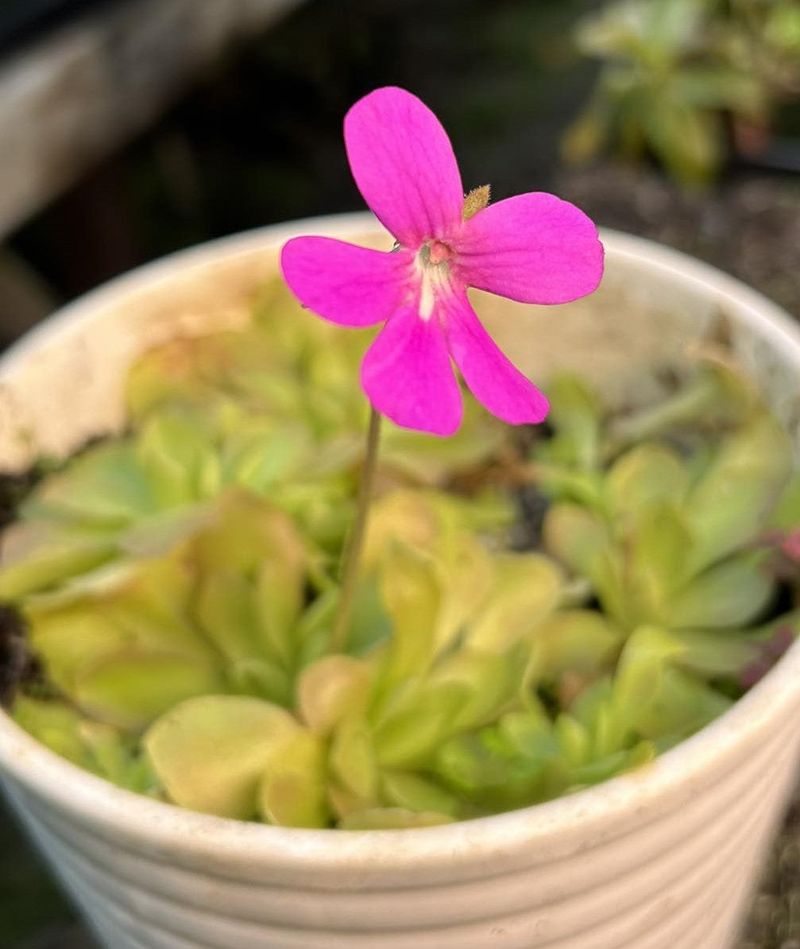
Butterwort leaves feel slightly greasy, and the name comes from that buttery texture farmers once noticed. Run your eyes across the bright green rosette and you will spot tiny gnats stuck like specks of pepper.
Mexican butterworts, including Pinguicula moranensis, grow on mossy rocks and slopes in the mountains of Mexico. Their flypaper leaves are among the best fungus gnat traps you can place near a cluttered plant shelf.
Gentle morning sun suits them, so an east window or bright spot near a grow light works beautifully. Harsh afternoon sun through glass may scorch the leaves, leaving crispy brown patches you cannot easily fix.
Watering differs from other carnivores, because these plants dislike sitting in water for weeks at a time. Let the saucer go dry for a few days before refilling it with distilled water or rainwater.
A gritty mix of peat with plenty of perlite or pumice keeps roots airy and helps prevent rot. Normal household humidity is fine, and steady airflow matters more than misting the leaves every morning.
During short winter days, many types form a tight succulent rosette with small leaves that trap nothing. Cut back on water during that phase, keeping the mix barely damp until bigger leaves return in spring.
I’m always surprised by the flowers, which look like pink or purple violets floating on slender stems. Few plants manage to be pretty and useful at once, and this one pulls it off with style.
4. Tropical Pitcher Plant
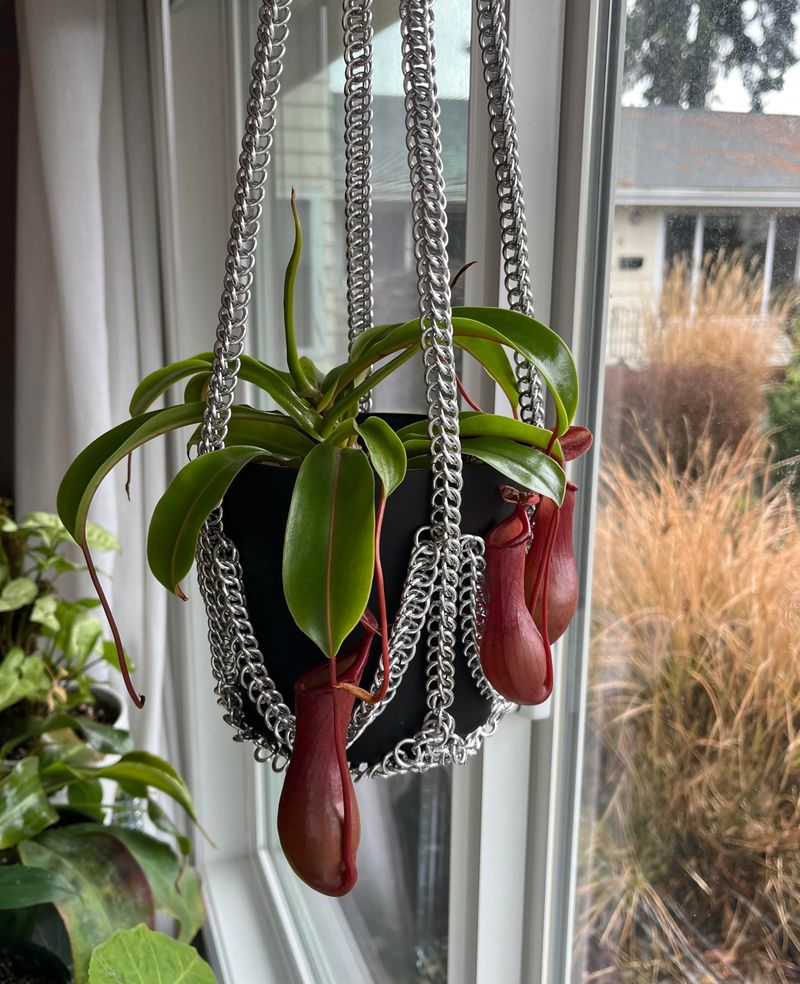
Hanging cups dangle from the leaf tips of Nepenthes, and some people call them monkey cups for that reason. Insects visit for sweet nectar around the rim, then slide on the slick surface into a pool of digestive fluid.
These climbing vines come mostly from Southeast Asia and nearby islands, where many species scramble through humid forests. Hybrids such as Nepenthes Ventrata are tough enough for beginners and adapt well to typical home conditions.
Bright, indirect light is the sweet spot, with a little gentle morning sun to encourage colorful pitchers. An east window works well, and a grow light helps when New York winters dim your rooms early.
Humidity often decides whether new pitchers form, so aim for around fifty percent or a bit more. A tray of wet pebbles or a small humidifier nearby makes a noticeable difference in dry heated apartments.
Unlike bog plants, Nepenthes prefer top watering, so pour distilled water through the pot until it drains. Let the surface dry slightly between waterings, and avoid leaving the pot standing in a saucer all week.
Use an airy blend of long-fiber sphagnum moss with perlite, since heavy soils smother the fine roots. Hanging baskets show off the pitchers nicely, letting them swing freely instead of crumpling against the windowsill.
I’m a big fan of trimming long vines in spring, which encourages fresh growth and more pitchers. Leave a little fluid inside each cup, because that liquid does the digesting work for the plant.
5. Rabbit Ear Bladderwort
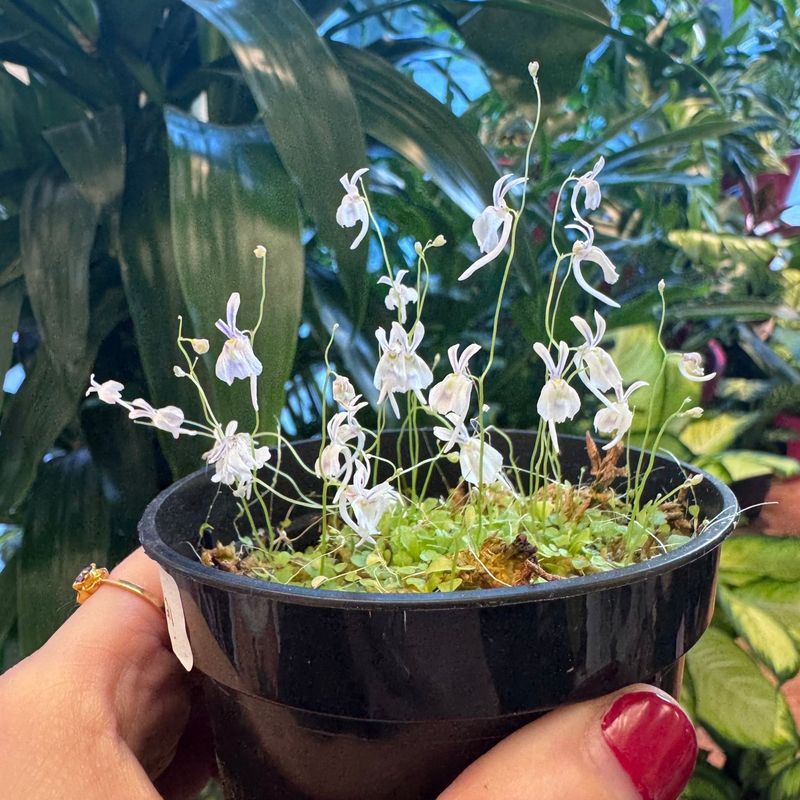
Tiny flowers shaped like white and pale lavender bunny heads give Utricularia sandersonii its adorable common name. Hidden below the soil, though, microscopic bladders slurp up prey faster than almost any other plant movement.
Each bladder pumps out water to create suction, then a trapdoor swings open when something brushes nearby hairs. Prey gets pulled inside instantly, and the plant digests protozoa and other microscopic creatures you cannot even see.
This South African native stays small, forming a carpet of little leaves only an inch or so tall. I find it fascinating that such a modest plant can bloom on and off for most of the year.
Medium to bright light suits it, so a spot near an east window or under grow lights works. It handles less sun than sundews, which makes it handy for apartments with limited window space.
Keep the mix soaking wet by setting the pot in a saucer of distilled water or rainwater. Dry soil quickly stops the flowers, so check the saucer often during warm stretches with the heat on.
Plant it in a shallow pot of peat mixed with perlite or sand, avoiding any fertilizer at all. The traps find their own food in the soil, so you can skip feeding it insects by hand.
Grow it in a clear container, and you might catch roots and bladders pressing against the sides. Once a clump fills its pot, divide it gently and share the bunnies with another curious grower.
6. Alice Sundew
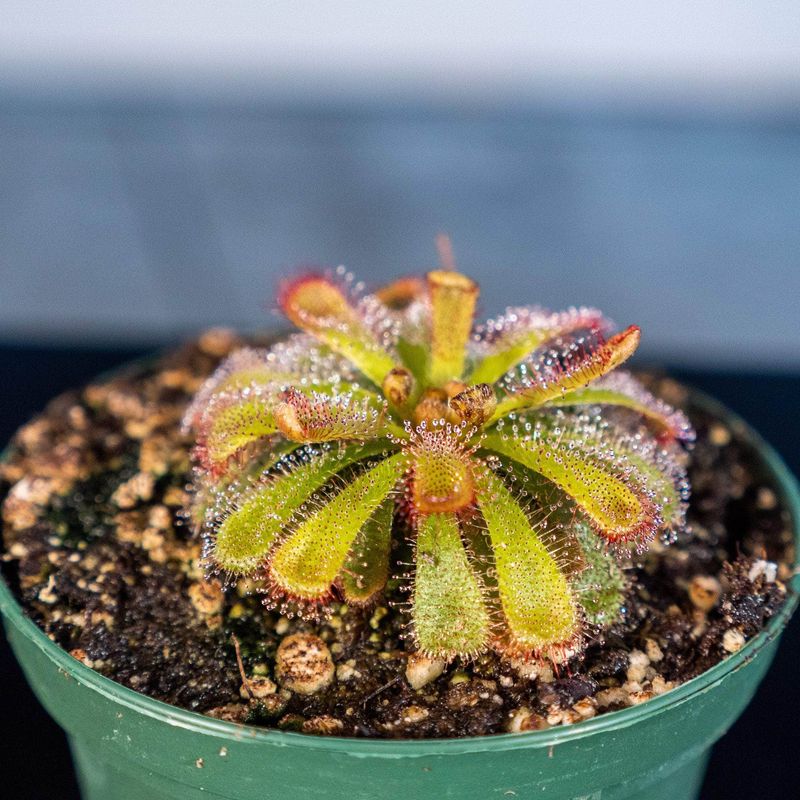
Rich red tentacles cover the Alice sundew, turning a small rosette into something that glows like stained glass. Drosera aliciae stays compact, usually reaching only about two inches across, which makes it ideal for narrow sills.
This little charmer hails from South Africa, where it grows in damp, sunny spots with poor soil. I like how it hugs the soil surface, almost like a tiny red starfish waiting for gnats.
Strong light brings out the deepest color, so give it a south window or a bright grow light. In weak light the leaves stay greenish and the dew thins, which tells you to move it closer.
Use the tray method with distilled water, keeping roughly an inch of water in the saucer during warm months. Peat moss mixed with perlite or sand in equal parts gives this sundew the lean, acidic base it likes.
Room temperatures suit it well, and most growers keep it active all year without a strict winter rest. Growth may slow during cool, dim months, so water a little less until longer days arrive again.
Tall stalks carry pink flowers in summer, and many growers snip them to keep energy in the leaves. You might want to leave one stalk, though, since fresh seeds can give you extra plants for free.
A small cluster of these rosettes makes a striking centerpiece near a sink or kitchen herb pot. Here’s something worth knowing: a fresh rosette can grow from a leaf cutting laid on damp peat.
7. Forked Sundew
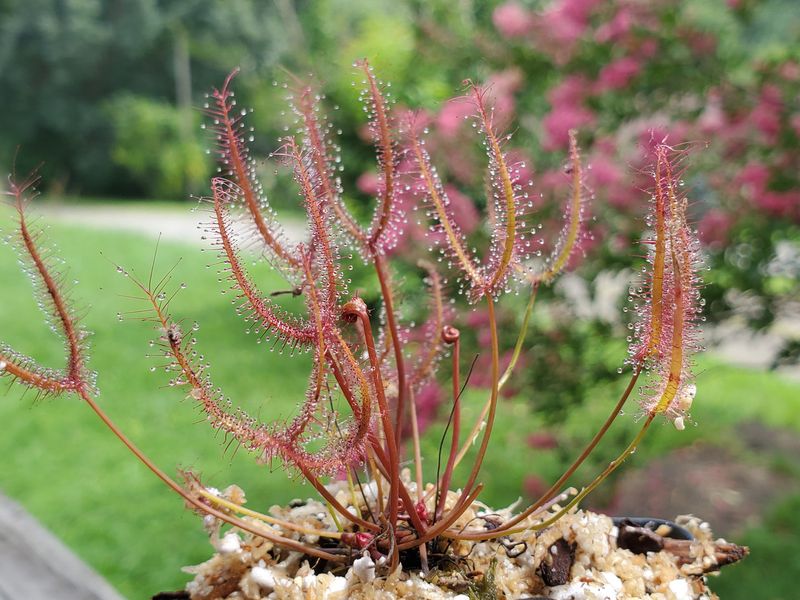
Long leaves split into graceful forks on Drosera binata, making each one look like a dewy little antler. Gnats drift in, touch the glistening tips, and get stuck on a plant that seems built for theater.
This species comes from Australia and New Zealand, where it grows in boggy ground and wet stream edges. Some forms split only once, while others branch many times, creating a bushy tangle of sticky arms.
Leaves can stretch past a foot long on mature plants, so give this sundew a roomy spot. A south window or strong grow light keeps the leaves upright and loaded with dew all season.
Moisture-loving roots want the pot standing in distilled water or rainwater, with the mix wet every day. Peat moss and perlite make a fine base, and a deeper pot helps hold extra moisture longer.
Winter needs vary by form, and many slow down or shrink back to short leaves during cooler months. Some growers let it rest near a cold window, keeping the mix damp while the light stays bright.
If it retreats to the crown in winter, don’t panic, because new forked leaves usually emerge in spring. I could be wrong, but I think that comeback moment is one of the best rewards in this hobby.
White or pale pink flowers appear in summer, often with a light, pleasant scent that surprises visitors. Divide crowded clumps in spring, and root cuttings work easily too, so one plant often becomes several.
8. Purple Pitcher Plant
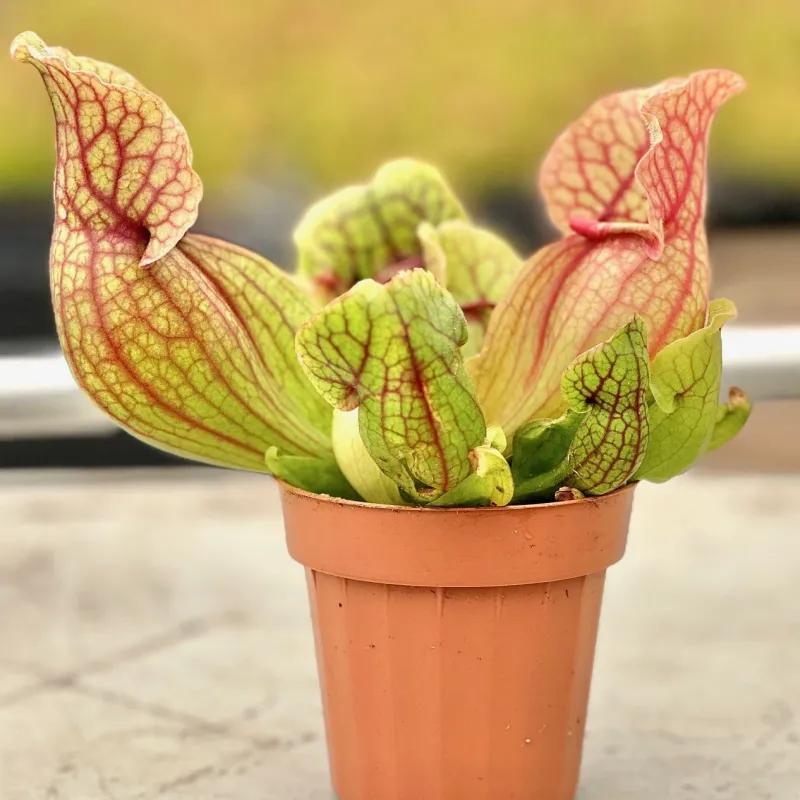
Floating sphagnum mats in Adirondack bogs often hide clusters of purple pitcher plants, their leaves holding rainwater like cups. Sarracenia purpurea is native across much of New York and is listed as exploitably vulnerable here.
That protected status means you should buy plants from reputable nurseries instead of digging any from the wild. It is also the provincial flower of Newfoundland and Labrador, which tells you how well it handles cold.
Downward-pointing hairs inside the pitcher guide insects deeper, where bacteria and tiny organisms help break them down. Some mosquito and midge larvae live in that water too, forming a miniature ecosystem inside every leaf.
I’ll be honest, this native is the trickiest windowsill choice, because it needs strong sun and real winter cold. A sunny south window with a grow light can work, yet many growers move it outside for summer.
Keep it in a saucer of rainwater or distilled water, with peat moss and perlite as the potting mix. Wide, low pitchers sit close to the soil, so a shallow window box suits their sprawling shape nicely.
Winter dormancy is essential, lasting around three to four months somewhere cold but protected from harsh, drying winds. Hardy to about zone 3, a potted plant can rest outdoors in a sheltered spot across New York.
In late spring, a nodding red flower rises on a tall stalk, held well above the hungry pitchers. You can see why bog lovers adore it, since growing this native feels like keeping a piece of home.