The Small Gray Animal Your Cat Leaves On The Missouri Porch Has Venom In Its Saliva
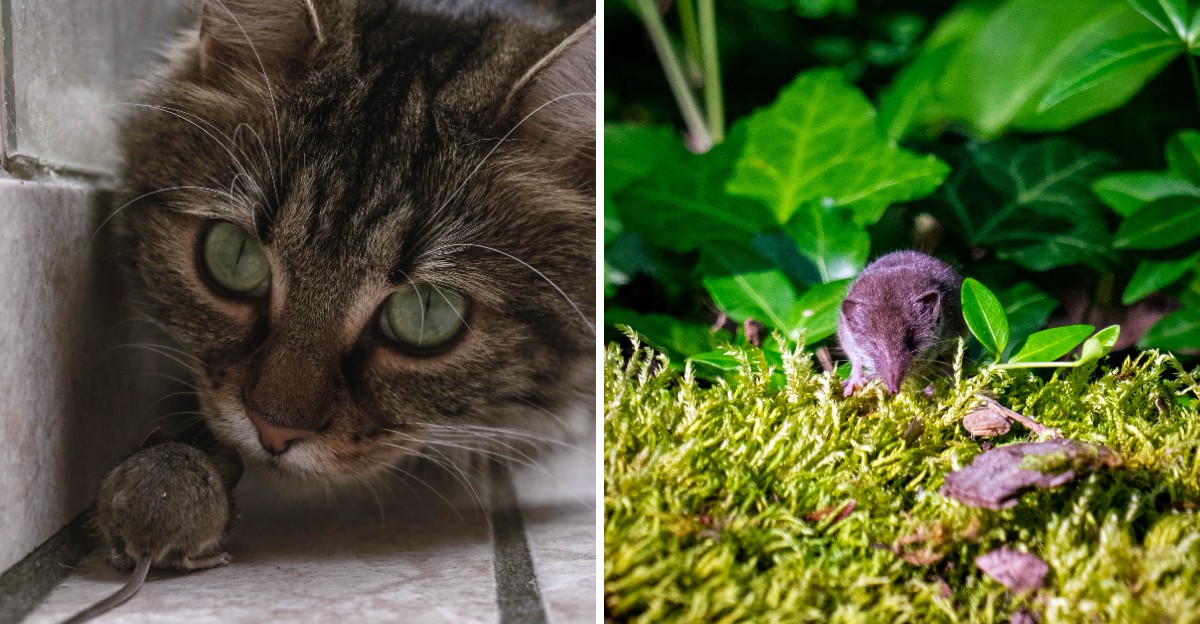
A creature that weighs less than an ounce can bite with venom strong enough to paralyze a mouse. It lives under the mulch in your flower beds, and your cat probably knows it better than you do.
I’ll admit it, I used to toss these little gray bodies into the compost without a second look. I assumed they were mice. Then I noticed the long, pointed snout, the tiny hidden eyes, and fur as soft as velvet.
Here in Missouri, this animal is common in yards, woods, and gardens across the state. Yet most of us rarely see one alive. It hunts in tunnels and leaf litter, and it eats more pests in a day than seems possible.
So why does your cat keep catching it but rarely eating it? And should you worry about that venom when you scoop it off the welcome mat?
That Pointy-Nosed Porch Gift Is No Mouse
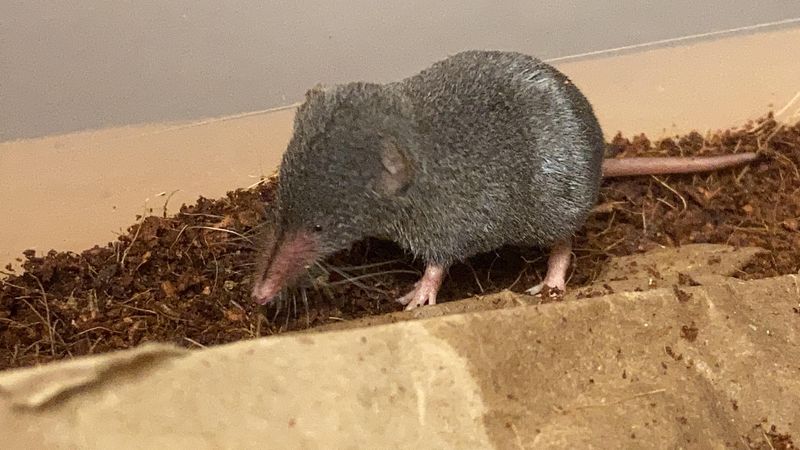
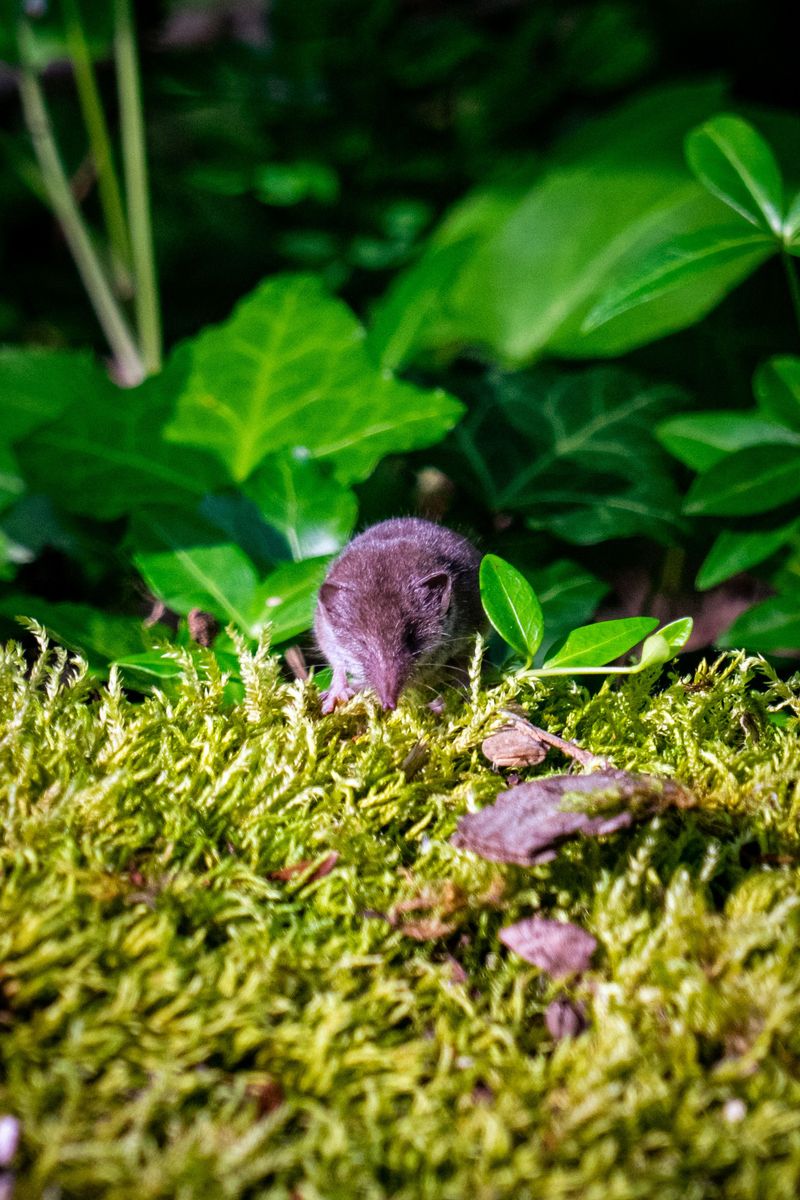
Flip that little gray body over with a stick and take a closer look. You’ll likely see a long, wiggly snout, eyes the size of poppy seeds, and ears buried in thick fur.
Congratulations, your cat brought home a short-tailed shrew. The Missouri Department of Conservation lists three species of short-tailed shrews in the state, and together they cover just about every county. The three species are the northern, southern, and Elliot’s short-tailed shrews.
Shrews are not rodents at all. They belong to a group of insect-eating mammals that includes moles. Mice have big round ears, bulging eyes, and long tails, while shrews look like a fuzzy gray sausage with a pointed nose.
Size is another clue. Most short-tailed shrews run about 3 to 5 inches long, tail included, and weigh less than an ounce. Their fur is dark slate gray and feels like velvet, which helps them slip through tunnels in either direction.
Why do so few people notice them alive? They spend most of their time underground or tucked beneath leaves, logs, and mulch. A cat that patrols the garden at dusk will find them long before you do.
Venom Hides in the Short-Tailed Shrew’s Spit
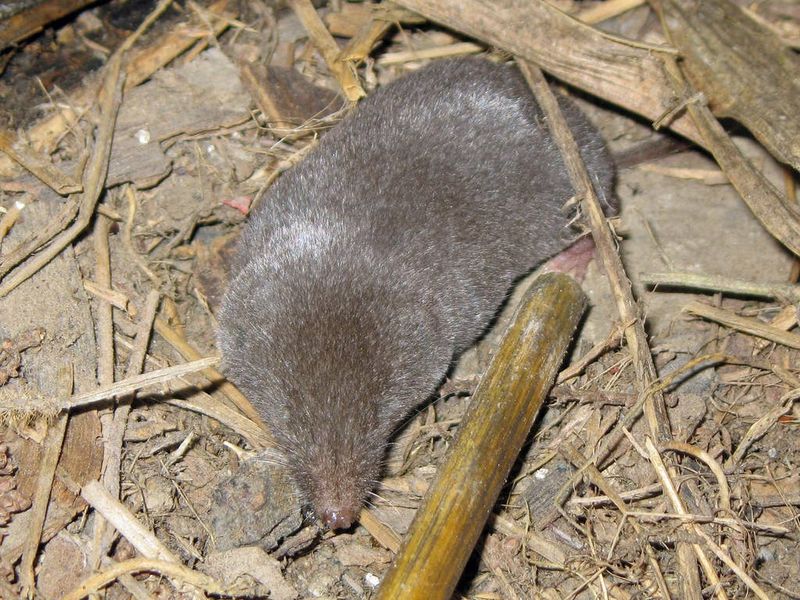
Very few mammals on Earth make venom. The short-tailed shrew is one of them, and it delivers the stuff without fangs.
Glands under the lower jaw produce saliva loaded with a nerve-affecting toxin. When the shrew bites, the venom flows into the wound along grooves in its front teeth. Researchers have found it is strong enough to paralyze insects, worms, and even small mice.
That paralysis serves a clever purpose. A shrew can bite a beetle grub or snail, leave it stunned, and store it for a later snack. Scientists call this food caching, and it keeps the shrew supplied with fresh meals during cold weather.
So what about people? A bite to a human hand can burn and swell for several days, according to wildlife experts. It is painful and annoying, but it is not considered life-threatening for healthy adults.
The easy fix is to skip bare hands. If a shrew is still wriggling on your porch, use gloves, a dustpan, or a small box to move it. A shrew bites mostly when grabbed or cornered, so giving it space solves nearly every problem.
Those Shrew Bites Can Sting Your Hunting Cat Too
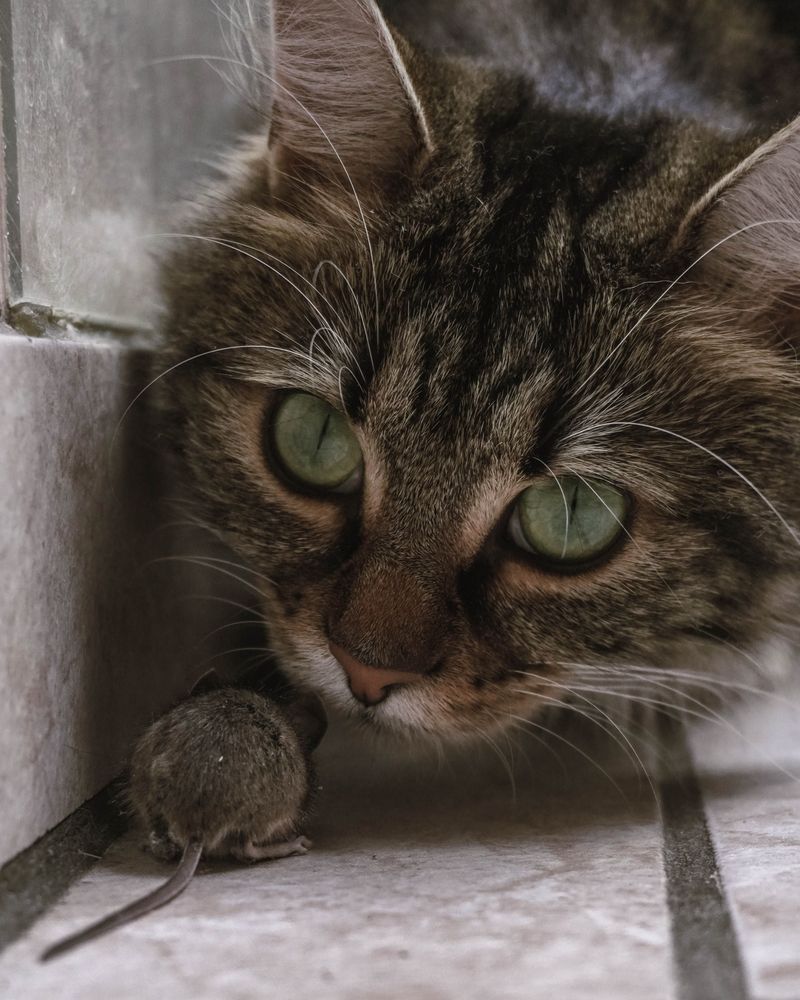
My tabby once came inside shaking her paw like she’d touched a hot stove. A shrew had nipped her during a backyard ambush, and her toe stayed puffy for a day.
Cats chase shrews because the tiny animals move fast and rustle loudly in dry leaves. A cornered shrew fights back hard, and its venomous bite can cause pain and swelling on a paw, lip, or nose. Most cats recover without trouble, but watch for limping, heavy swelling, or a bite spot that looks red and warm.
Any animal bite can become infected, so call your vet if swelling grows or your cat seems tired and off its food. A quick check costs less than treating an abscess later.
You may also notice your cat drops the shrew without eating it. Shrews have musky scent glands on their sides, and many predators find the taste unpleasant. Owls happily eat them, but cats and dogs often lose interest after the catch.
That explains the porch gifts. Your cat enjoys the hunt, decides the prize tastes awful, and leaves it for you to admire.
A Shrew Can Gobble Pests Equal to Its Body Weight Daily
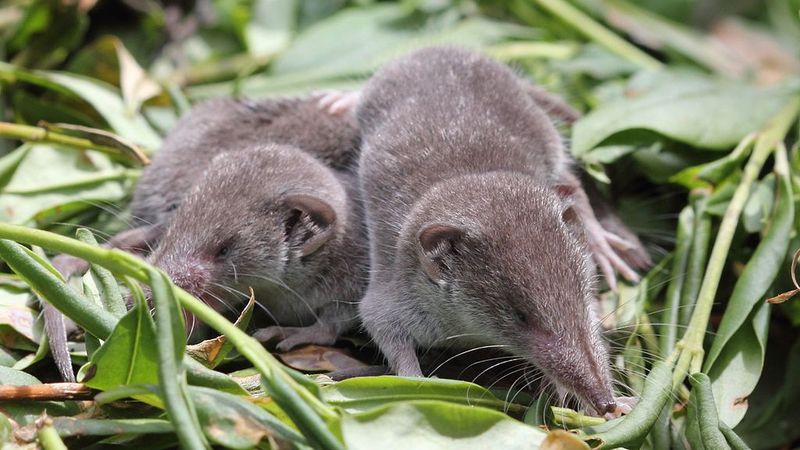
Forget the fancy slug traps for a minute. One of the hardest-working pest controllers in your garden weighs about as much as a few grapes.
Shrews burn energy at a wild pace. Their heart beats hundreds of times per minute, so they hunt nearly around the clock and eat every few hours. University sources report a short-tailed shrew may eat roughly its own body weight or more in food each day.
The menu reads like a gardener’s wish list. Beetle grubs, cutworms and other caterpillars, slugs, snails, millipedes, centipedes, and spiders all get gobbled up. They also eat earthworms, which is one tradeoff, but your soil has plenty to spare.
Shrews will sometimes nibble seeds or fungi, yet they rarely cause real plant damage. If you find tunnels and chewed bulbs, voles are the more likely culprits.
Fun fact for your next garden club meeting: early naturalists blamed shrews for all sorts of mischief because of their fierce reputation. Modern research paints a friendlier picture. In a vegetable bed full of slugs and grubs, a shrew is a small gray ally working the night shift for free.
Your Cat’s Mouth Carries Bacteria That Threaten Caught Shrews
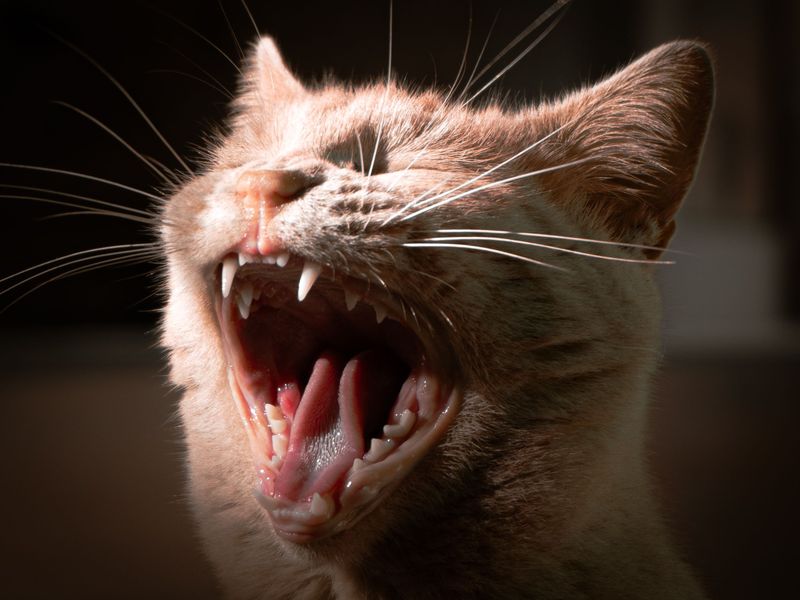
Not every shrew on the porch is already gone. Sometimes the little thing is still moving, and it may look perfectly fine.
Trust me, looks fool people here. Cats carry bacteria such as Pasteurella multocida in their mouths and on their claws. Wildlife rehabilitation centers warn that even a tiny puncture can lead to a serious infection in a small animal within one to three days.
If you find a living shrew that a cat has handled, contact a licensed wildlife rehabilitator right away. The Missouri Department of Conservation keeps a list of permitted rehabilitators by region, and many clinics accept calls about small mammals. Treatment usually involves antibiotics given quickly.
Until help arrives, use gloves and a towel to place the shrew in a small ventilated box. Keep it in a quiet, dark, warm spot away from pets and kids. Skip food and water unless the rehabilitator tells you otherwise.
Shrews are high-strung and stress easily, so resist the urge to peek every few minutes. A calm, dark box gives the animal its best shot while you wait. Fast action matters more than anything else you can do.
Tiny Tunnels and Leaf Litter Hide These Busy Hunters
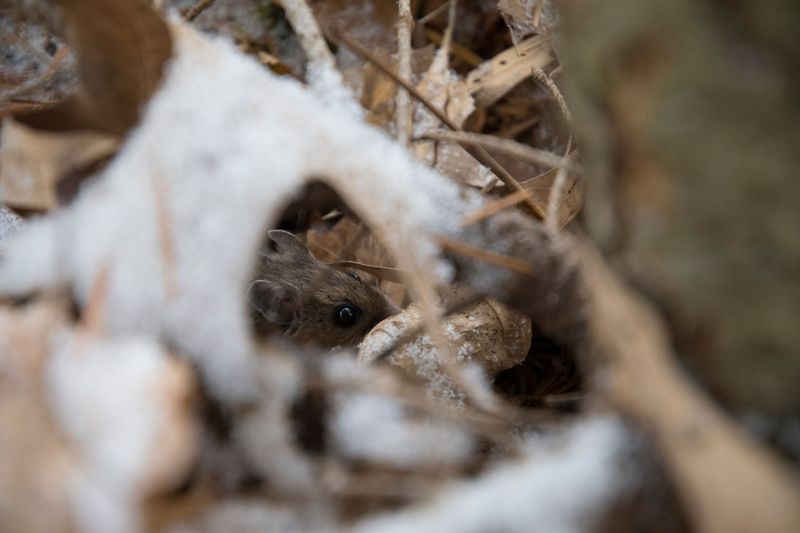
Ever notice little round holes in the leaf pile near your fence? You might be looking at a shrew’s front door.
Short-tailed shrews dig shallow tunnels just below the soil surface and also borrow runways made by moles and voles. They love damp, shady spots with thick leaf litter, rotting logs, tall grass, and mulched beds. Woodland edges and stone walls are favorite hangouts.
Spotting one alive takes patience and luck. You might hear high-pitched squeaks or rustling under leaves at dusk. Researchers have found that short-tailed shrews use simple echolocation, sending out ultrasonic clicks to sense their surroundings, which helps in dark tunnels.
Their eyesight is poor, so they rely on that sensitive snout and whiskers. When one darts across a path, it moves in quick, jerky bursts and then vanishes into cover.
Shrews stay active all year in Missouri, even in winter. They tunnel under snow and leaves to hunt sleepy insects. That is one reason cats bring them home during every season, not just summer. Keep an eye out the next time you rake, and you may catch a gray blur.
Skip the Poison Baits and Let Shrews Keep Patrolling
Here’s my honest advice: put down the rodent bait. Shrews are not the troublemakers many folks assume, and baits put pets and owls at risk.
Poison baits can harm cats, dogs, and the hawks and owls that eat small mammals. Shrews rarely raid pantries or gnaw wiring, so they don’t need that kind of control. Most homeowners can simply leave them alone outdoors.
If one wanders into a garage or basement, open a door and gently herd it out with a broom. A live catch trap baited with a bit of peanut butter and mealworms also works, though you need to check it often. Shrews can’t go long without food.
To welcome these pest hunters, leave a layer of shredded leaves under shrubs and around perennials. A small log or brush pile in a back corner gives them shelter. Native plantings with thick ground cover create safe travel lanes.
Seal gaps around foundations, door sweeps, and vents if you want them outside only. That way, shrews patrol the beds and stay out of your laundry room, which keeps everybody happy.
Keeping Kitty Indoors Means Fewer Shrews on the Doormat
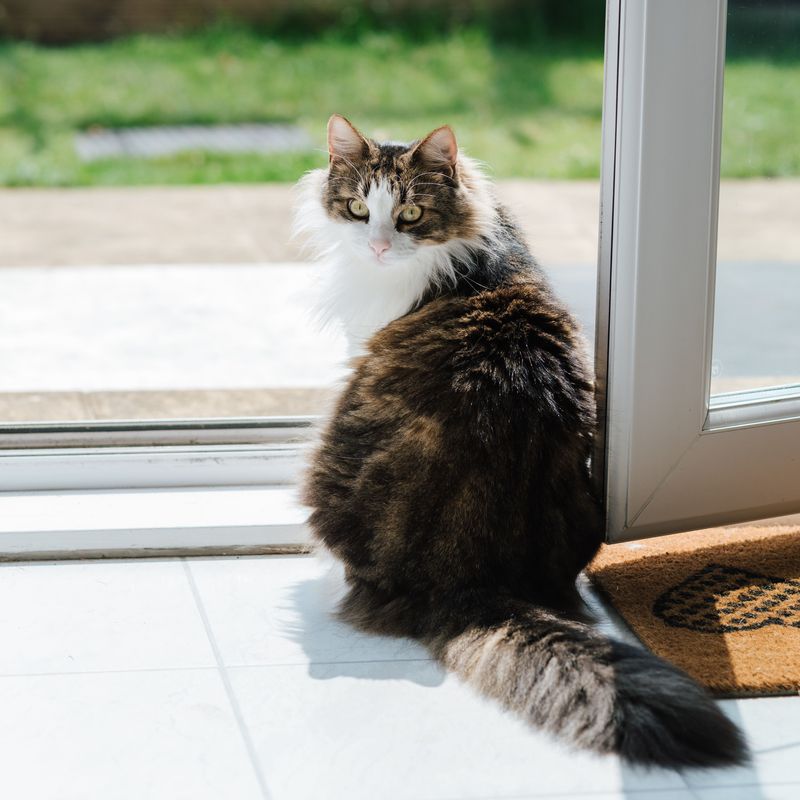
I’m the first to admit my cat was not thrilled about her new indoor life. A few weeks and one sunny window perch later, she forgave me.
Outdoor cats are among the biggest threats to small wildlife in the United States. Research from the Smithsonian and U.S. Fish and Wildlife Service estimates free-roaming cats take billions of small mammals each year. Shrews, voles, and songbirds all end up on that list.
Keeping cats indoors helps your garden helpers and protects your pet. Indoor cats avoid shrew bites, traffic, ticks, and fights with other animals. Many vets also note longer, healthier lives for cats kept inside.
Not ready to go fully indoor? Try a screened catio, supervised time on a harness, or outdoor play only during midday. Many songbirds and other small animals are busiest at dawn and dusk.
Indoor play matters too. Wand toys, puzzle feeders, and short daily hunting games give your cat that thrill of the chase. Do that, and the porch gifts should slow down, while the tiny venomous pest patrol keeps working quietly in your Missouri flower beds.