7 Mistakes Michigan Shoppers Make When Buying a Poinsettia in Cold Weather
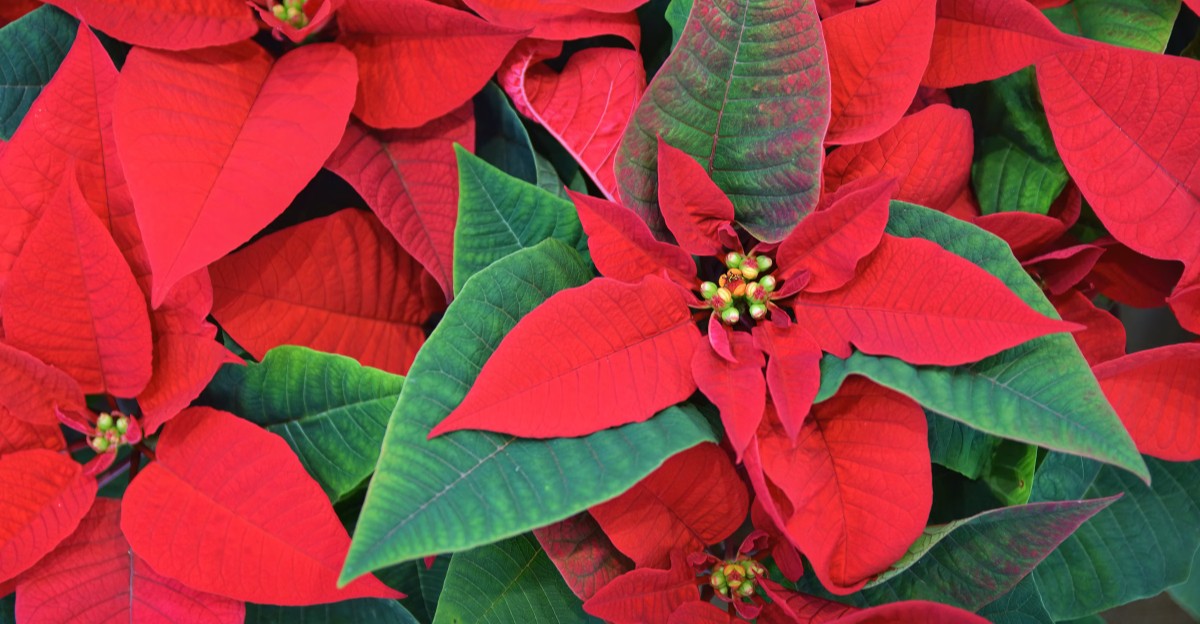
In the wild hills of southern Mexico, our favorite holiday plant grows into a scraggly shrub over ten feet tall. Those famous red petals are not petals at all, just colorful leaves wrapped around tiny yellow flowers.
Now think about that sunny shrub riding home through a snowy Michigan parking lot in December sleet. Plant experts at university extensions warn that just a few minutes below fifty degrees can cause real harm.
I love grabbing one at the grocery store, but I learned the hard way to slow down first. You may be surprised how many small choices at checkout decide whether yours lasts for weeks or days.
Michigan winters test every tropical houseguest, and this one sulks faster than most when treated carelessly.
1. Bare Poinsettias Get Chilled On The Walk To The Car
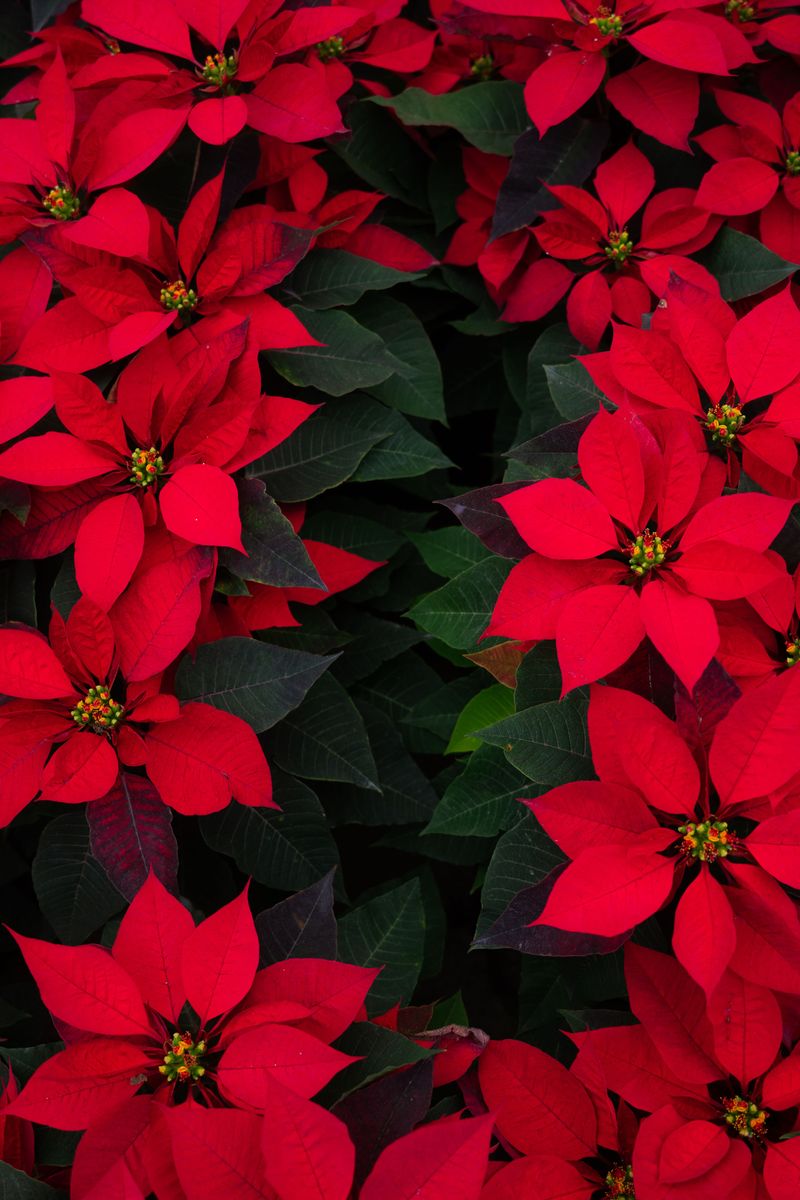
That bright red beauty in your cart came from a greenhouse kept as warm as a summer afternoon. Carrying it bare across a frosty lot feels harmless, yet the leaves can react to cold within minutes.
University extension experts note that temperatures below fifty degrees can injure poinsettias, even during a short exposure. The damage often hides at first, then shows up days later as drooping or dropping leaves.
In my experience, that delayed reaction fools plenty of shoppers into blaming their watering or their lighting instead. The real trouble usually started back in the parking lot, during those few breezy steps to the car.
Most garden centers and many grocery stores offer paper or plastic sleeves at checkout for exactly this reason. Ask for one, and make sure the top is folded or closed so wind cannot sneak inside.
Warm up your car before shopping, then set the plant inside the cabin instead of the trunk. A cold trunk on a December afternoon can feel like a freezer to such a tropical traveler.
Some families set the plant on a lap during the ride, which keeps it steady and close to warm air. Wedging the pot into a box or sturdy bag also stops it from tipping during sudden stops.
Once home, slide off the sleeve gently by tearing it from the bottom instead of pulling it upward. Pulling upward can snap the brittle stems, which would be a sad ending after such a careful trip.
2. Faded Yellow Poinsettia Flowers Reveal An Older Plant
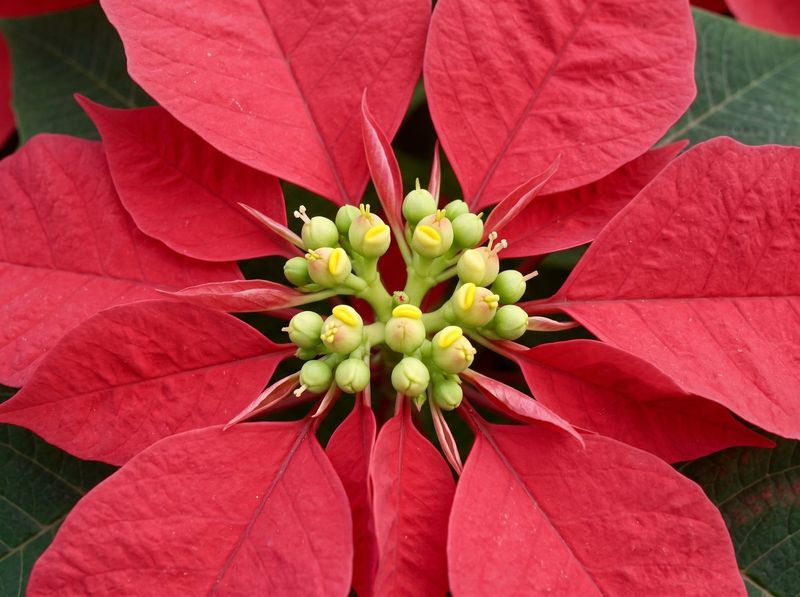
Those tiny yellow buttons tucked in the middle of the red leaves are the real flowers of the plant. Botanists call them cyathia, and they quietly reveal how long the poinsettia has been sitting on display.
Fresh plants show tight, green or slightly red cyathia with little or no yellow pollen dusting the leaves. If the centers look shriveled or have fallen off, the plant has likely passed its best days already.
I learned to peek at the center first, before the bright color has a chance to charm me. It takes two seconds and saves me from bringing home a plant that fades by New Year.
Next, check the green leaves underneath, because healthy foliage should reach down toward the soil line. Bare lower stems often mean the plant dropped leaves from stress or uneven watering at the store.
Look closely for yellowing leaves or tiny white insects, which may be whiteflies hiding under the foliage. Whiteflies are a common greenhouse pest on poinsettias, so a quick flip of a few leaves helps.
Avoid plants crammed tightly into plastic sleeves on the sales floor, since sleeving for long periods causes drooping. Extension horticulturists recommend choosing plants displayed openly, with plenty of room for air to move around them.
A sturdy plant with stiff stems and a full, balanced shape usually handles the trip home much better. Take your time choosing, because a few extra minutes in the aisle can mean several extra weeks of color.
3. Poinsettias Stacked Near Drafty Store Entrances Struggle Later
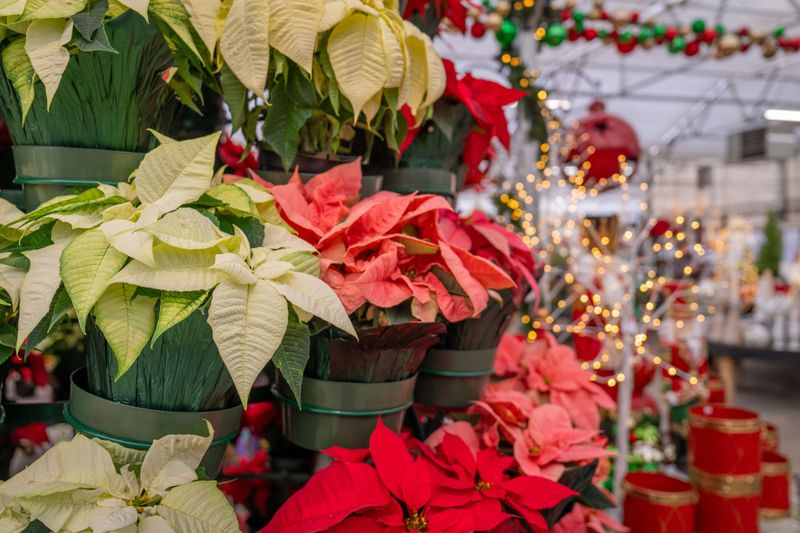
Every time those automatic doors slide open, a blast of winter air rushes over the plants stacked nearby. Big box stores love placing holiday displays right by the entrance, but that spot can be rough on poinsettias.
A plant hit by cold drafts dozens of times a day may look fine now and struggle later. Chilling injury often appears as curled leaves or sudden leaf drop soon after you get it home.
I would rather walk a little farther into the store and pick from a display in the warm interior. Plants farther from the doors usually stay steadier, and the difference often shows within a week or two.
Outdoor displays at sidewalk sales or gas stations deserve even more caution during a cold Michigan December. A poinsettia sitting outside on a chilly day has likely suffered damage, no matter how bright it looks.
Feel a few leaves gently while you shop, since cold injured foliage can feel limp or slightly darkened. Healthy leaves should feel firm and look evenly green, with no water soaked patches or grayish spots.
Ask a staff member when the shipment arrived, because fresh deliveries have spent less time near the drafty doors. Many independent garden centers receive plants straight from local growers and keep them in heated greenhouse areas.
Shopping at a greenhouse might cost a few dollars more, but the plant often starts out much healthier. To me, that small price difference feels worth it for color that lasts well past the holidays.
4. Poinsettias Left Waiting In A Cold Car During Errands
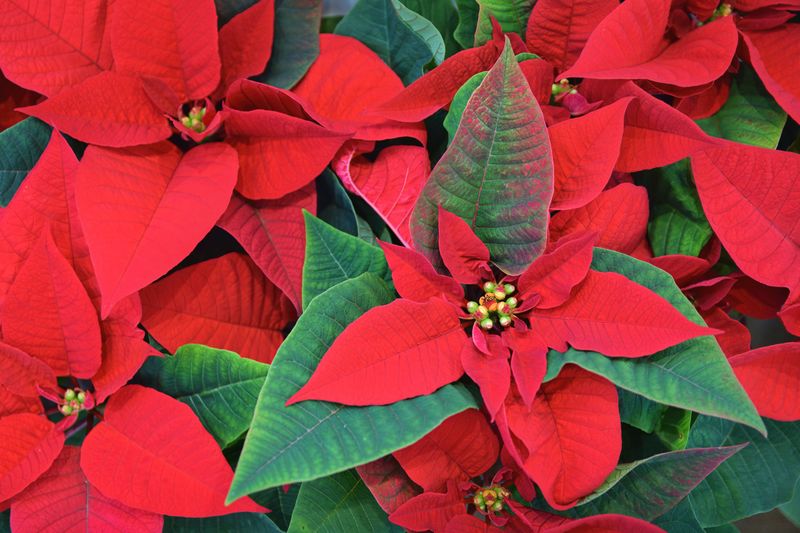
Running into the pharmacy for just five minutes sounds harmless, until you remember a tropical plant is waiting outside. Parked cars cool down quickly in winter, and the inside can drop close to the outdoor temperature fairly fast.
Poinsettias are native to Mexico, where they grow in mild climates that rarely see anything close to freezing. That tropical background explains why even a short wait in a chilly vehicle can leave lasting marks.
My rule is simple, and I stick to it every December without making excuses for a quick stop. The poinsettia becomes the final purchase of the day, and I drive straight home right after paying.
If you must make another stop, consider bringing the plant inside with you, still wrapped in its sleeve. Most store workers will not mind, and your plant will stay comfortable while you finish shopping.
Online ordering also deserves a little planning, especially when deliveries land on a porch during frigid weather. Track your package closely and bring it inside quickly, since a box sitting outdoors offers little protection.
Did you know the plant earned its English name from Joel Roberts Poinsett, the first American minister to Mexico? He sent cuttings home to South Carolina in the 1820s, and the plant slowly became a holiday favorite.
That long history reminds me these plants were bred for warmth, not snowy driveways or frosty car seats. Treat the ride home like a short trip for a pet, and the plant will reward you.
5. Cold Windowsills And Drafty Doors Chill Poinsettias At Home
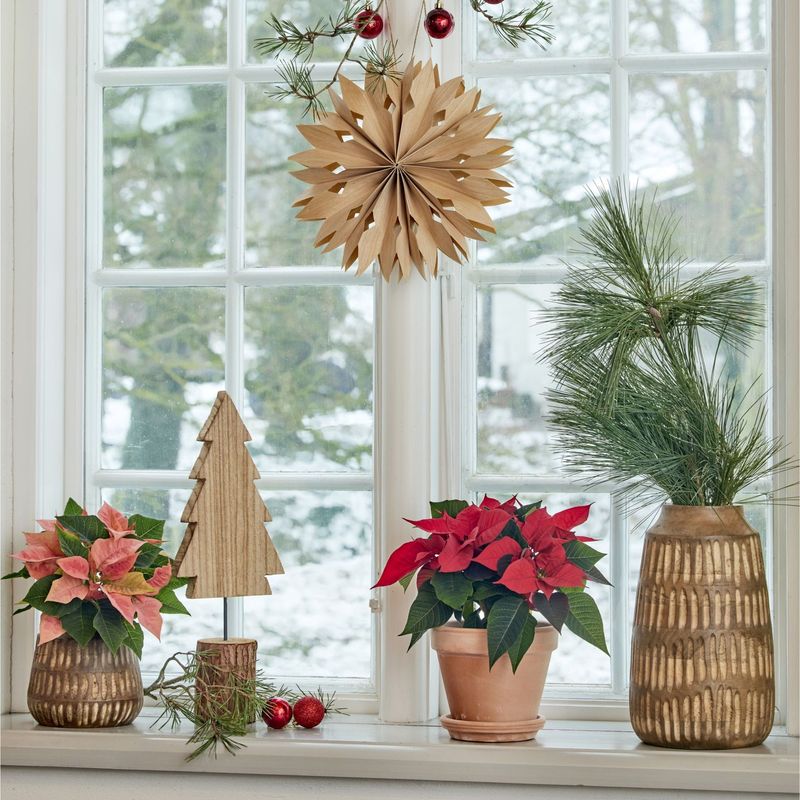
A frosty windowpane in a Michigan living room can feel much colder than the air just a foot away. When poinsettia leaves press against that glass, they can show damage even though the room feels cozy to you.
Bright light still matters, so the goal is finding a sunny spot without letting the leaves touch cold glass. Extension experts suggest bright, indirect light for about six hours a day to keep the colorful bracts looking rich.
Doorways create another sneaky problem, especially entrances that open often while kids and visitors come and go. Each blast of outside air hits the plant hard, and repeated chills can lead to dropping leaves.
Heat sources cause trouble too, so keep the pot away from fireplaces and forced air vents. Hot, dry air pulls moisture from the soil quickly and can shorten how long the colors hold.
University of Minnesota Extension recommends daytime temperatures around 65 to 70 degrees for the longest lasting display. Slightly cooler nights, around 60 to 65 degrees, also help the bracts keep their color a bit longer.
In my house, the poinsettia sits on a side table near an east window, well back from the glass. It gets gentle morning sun and stays clear of the front door, which works beautifully each year.
On bitter nights, slide the plant a few feet away from windows, then move it back each morning. That small habit takes seconds and helps protect the leaves when temperatures outside plunge well below zero.
6. Foil Wrapped Poinsettia Pots Trap Extra Water
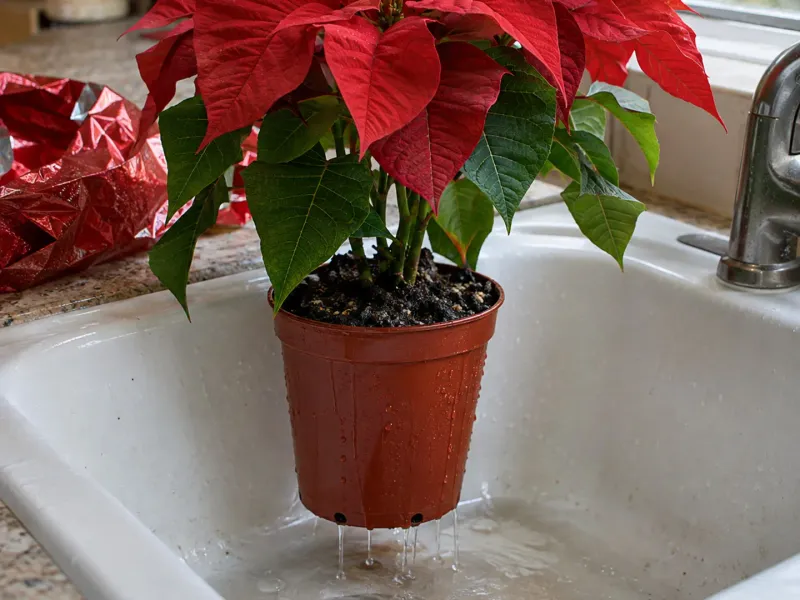
That shiny foil wrapper looks festive under the tree, but it hides a puddle problem many shoppers overlook. Foil and decorative sleeves usually have no drainage holes, so extra water collects around the bottom of the roots.
Roots sitting in standing water cannot get enough air, and root rot can set in surprisingly fast. Ironically, an overwatered poinsettia often wilts, which tricks people into adding even more water to the pot.
I keep the foil for looks but poke several holes in the bottom with a pencil right away. Then I set the pot on a saucer, which catches drips without making a mess on the furniture.
Another option is lifting the plant out, watering it in the sink, and letting it drain fully before returning it. This method takes a few extra minutes, yet it keeps the soil moist without leaving soggy roots behind.
Empty the saucer or wrapper about fifteen minutes after watering so the roots are not sitting in water. Leftover water also invites fungus gnats, those tiny flying pests that love damp soil around houseplants.
Watch the lower leaves closely during the first week, since yellowing there can hint at drainage trouble. Catching the problem early gives the plant a better chance to recover before the roots start to rot.
Decorative pots with saucers or cachepots work well too, as long as you dump out any water that collects. A little planning lets you keep the holiday sparkle while giving the roots the breathing room they need.
7. Dry Poinsettia Soil Gets Overlooked At The Checkout
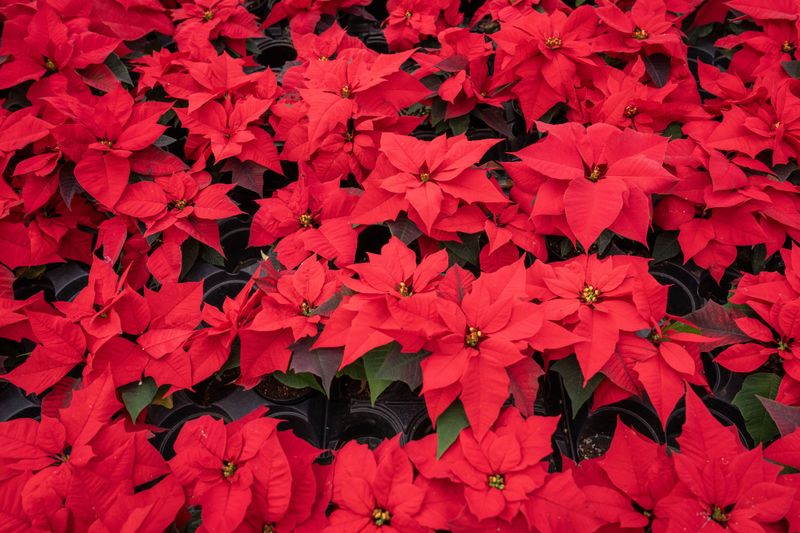
Picking up the pot before buying it tells you more than staring at those gorgeous red leaves ever could. A surprisingly light pot usually means dry soil, and a dry plant handles cold stress much less gracefully.
Busy stores during the holiday rush sometimes struggle to water hundreds of plants on schedule each day. A poinsettia that wilted on the shelf may have already lost root health before you brought it home.
Push a finger gently into the soil, which should feel slightly moist rather than soggy or crumbly dry. If it feels like dust, I usually move along and pick a plant from a better tended display.
Once home, water thoroughly whenever the top of the soil feels dry to the touch, then drain well. Most indoor poinsettias need water every few days, though dry winter heating can speed that schedule up.
Use room temperature water, since icy water straight from a cold tap can shock tender tropical roots. Michigan homes often run dry furnace air in winter, so checking the soil regularly matters even more.
Many people worry about safety, yet poinsettias are far less toxic than old rumors suggest for pets and children. The ASPCA notes the milky sap may cause mild mouth or stomach irritation, so keeping it out of reach helps.
With smart shopping and steady care, your plant can hold its color well into January or even February. I love seeing mine still glowing on gray winter mornings, long after the holiday decorations go back in boxes.