How To Water Your Christmas Cactus In Virginia For Heavy Holiday Blooms
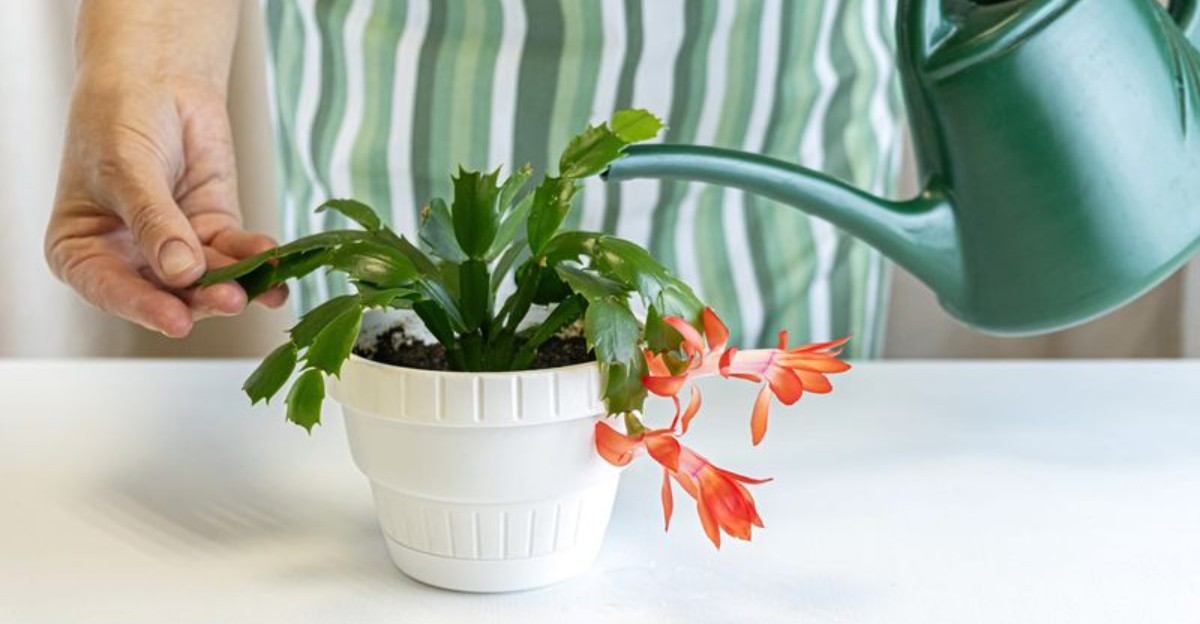
Some holiday houseplants get handed down like family quilts, still flowering after more than a hundred years. The one I mean grows wild on rainforest trees in Brazil, not in sandy desert ground.
Its roots cling to bark and absorb rain, so it expects steady drinks with breathing room. Winter air inside many Virginia homes drops close to thirty percent humidity once the furnace kicks on.
I learned the hard way that my watering can mattered more than any fancy fertilizer on the shelf. You might notice puckered stems or dropped buds and blame the light, when water is the real culprit.
Small tweaks in timing and technique can turn a shy plant into a real December showstopper here. How much water does a Virginia windowsill bloomer actually want during these short, chilly weeks of fall?
1. Push A Finger Into Christmas Cactus Soil Before Watering
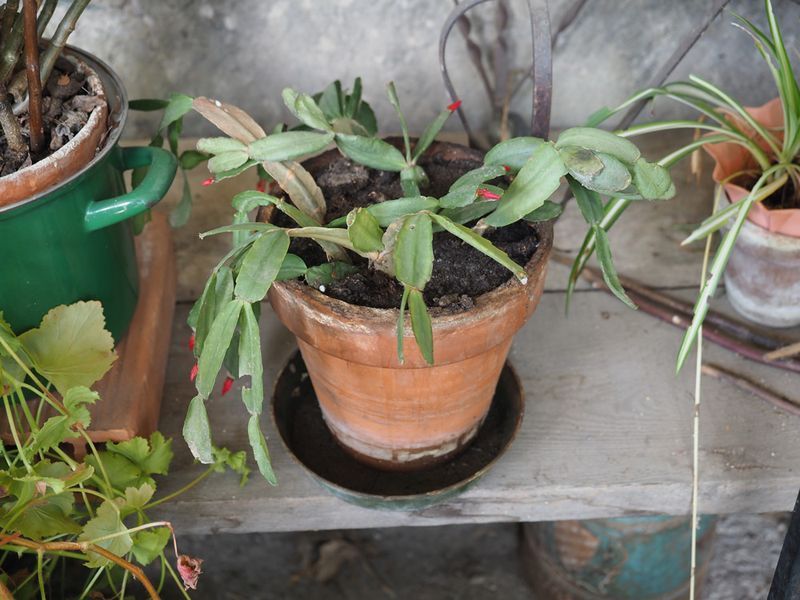
My index finger is honestly the best moisture meter I own, and it costs nothing at all. Slide it about an inch into the potting mix and you get an instant, honest reading.
When the top inch or two feels dry, your Christmas cactus is ready for a drink. If the mix still feels cool and damp, wait a few days and check again before pouring.
Calendars feel tidy, but plants rarely follow them, especially when indoor heat and sunlight shift with the seasons. A pot near a bright south window may dry out twice as fast as one in a shady hallway.
I used to water every Sunday out of habit, and my plant rewarded me with soggy roots. Switching to checking first made a visible difference within a single season, with plumper stems and fewer dropped buds.
Unsure readings happen, especially with dense mixes that stay wet deep down while the surface looks dry. In those moments, holding off slightly is safer than adding water to roots that are still soaked.
Lifting the pot is another handy trick once you know how heavy it feels right after watering. A noticeably lighter pot usually means the mix has dried, and that weight check backs up your finger.
2. Water The Christmas Cactus Thoroughly Then Let Water Drain Freely
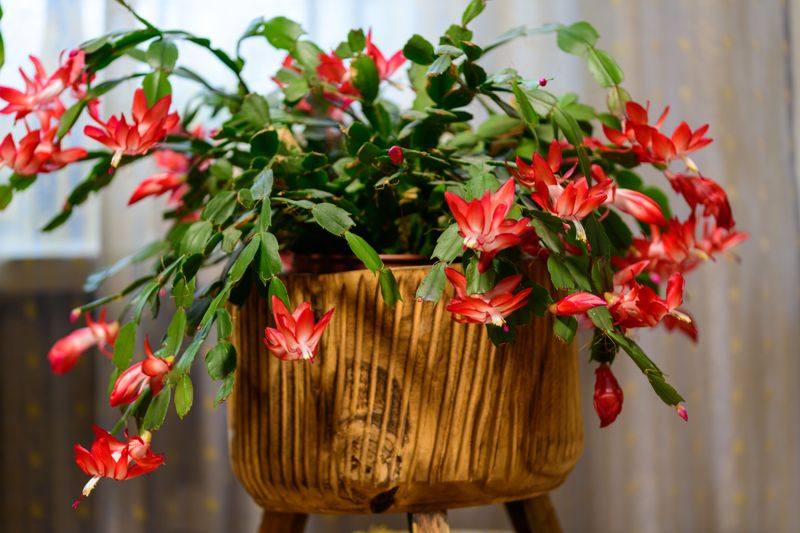
Nothing makes a Christmas cactus sulk faster than wet feet sitting in a puddle at the bottom of a saucer. Roots need small air pockets in the soil, and standing water fills those tiny spaces quickly.
When you water, give the whole pot a generous soak until water streams from the drainage holes. Then let it drip in the sink for ten minutes or so before returning it to the saucer.
Decorative foil wrappers from the store look festive, but they can trap water like a hidden bathtub. I poke holes in mine or slip the wrapper off during watering to keep things safe.
Root rot is one of the most common problems with these plants, and soggy mix is usually the cause. A well-draining blend made for cacti and succulents helps excess water move through without lingering for days.
Mixing in perlite or fir bark can loosen heavier potting soil and speed up drainage nicely for healthier roots. Since these plants grow on tree branches in the wild, a chunky, airy mix feels closer to home.
Snug pots help too, because Christmas cacti tend to bloom best when they are a little root-bound. A smaller container also dries faster, which lowers the risk of roots sitting wet for too long.
3. Change Christmas Cactus Watering As The Seasons Shift
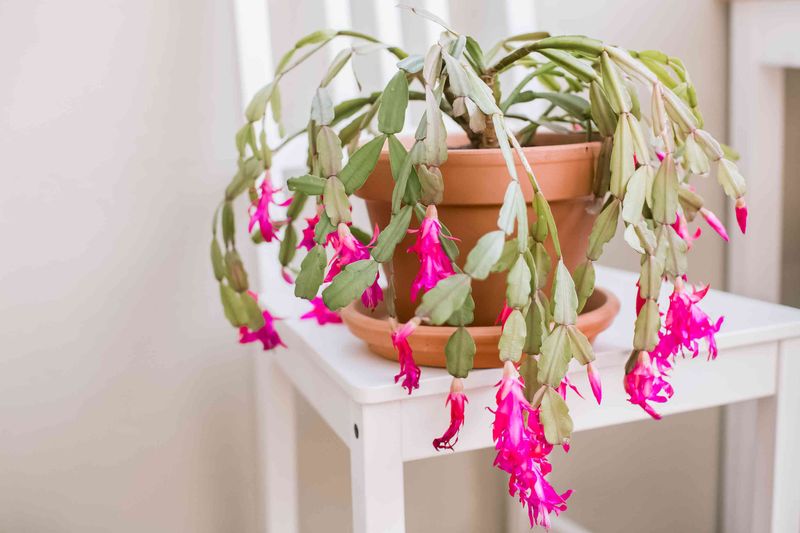
Your Christmas cactus runs on a yearly rhythm, and its thirst rises and falls like the Virginia temperatures outside. Matching water to each stage is one of the simplest ways to coax out more flowers.
Spring and summer bring active growth, so water roughly every week to ten days once the top dries. During those warm months, the mix can stay lightly moist while new segments stretch out and harden.
Around September and October, ease back a bit to nudge the plant toward setting buds for the holidays. Letting the mix dry farther down the pot between drinks sends a helpful signal that flowering time approaches.
Once buds appear and open in late fall, aim for evenly moist soil without any sogginess at all. I check every few days during this stretch, because too much water now can make buds drop.
After the last blooms fade, the plant takes a rest, and watering slows down quite a bit. Some growers pause for about a month, then water sparingly until fresh growth shows up in spring.
Seeing those first tiny green segments feels like a thank-you note from the plant every single year. That new growth is your cue to return to regular watering and start the cycle again.
4. Set Your Christmas Cactus On A Humid Pebble Tray
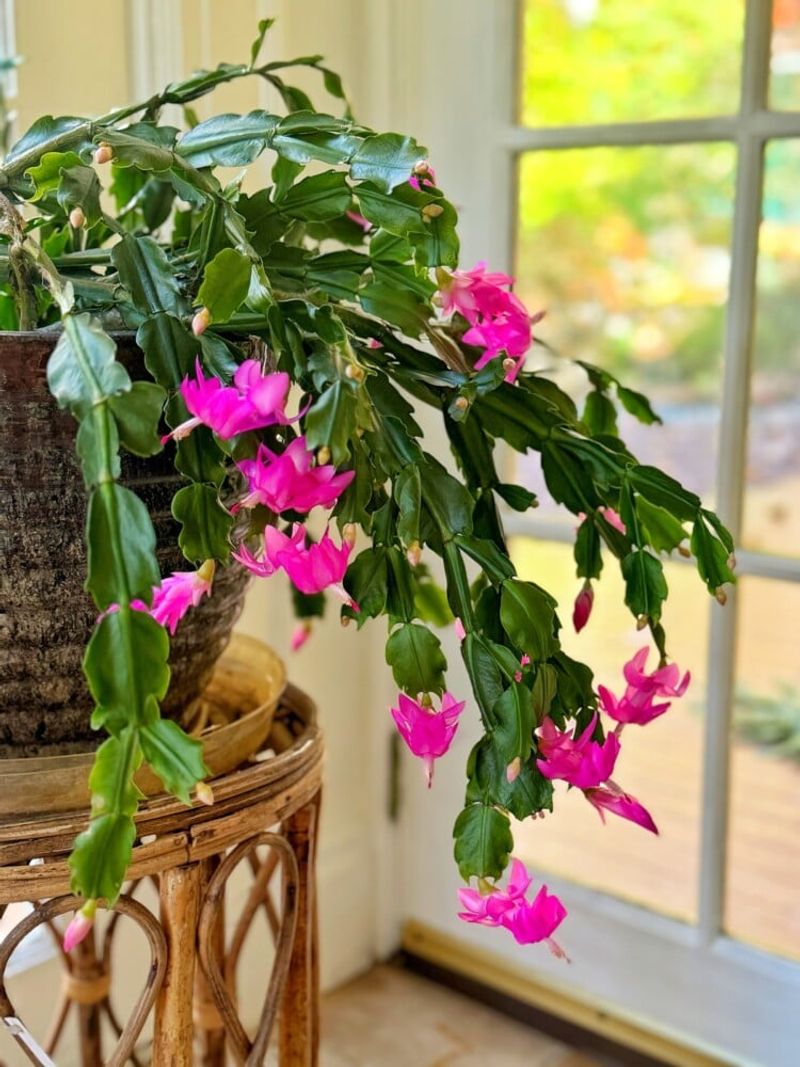
Rainforest roots explain why a Christmas cactus loves damp air, ideally somewhere around fifty to sixty percent humidity. Furnace-dried rooms in winter often sit closer to thirty or forty percent, which feels like a desert by comparison.
Dry air can leave segments looking shriveled and may cause buds to drop before they ever open. Watering more often will not fix this problem, and it may simply soak the roots instead.
A pebble tray is my favorite low-effort fix, and it takes about five minutes to set up. Fill a shallow tray with pebbles and water, then rest the pot on top so it stays above the waterline.
As the water evaporates, it lifts moisture right around the plant without drowning the roots below. Refill the tray every few days, especially once the heat runs hard during cold Virginia nights.
Light misting helps a little too, though the effect fades fairly quickly in a warm, heated room. A small humidifier nearby offers steadier moisture if you grow several houseplants that crave damp air.
Kitchens and bathrooms often run naturally humid from cooking and showers, so they can be cozy spots. Just make sure the room still offers bright, indirect light, since humidity alone will not bring flowers.
5. Pour Room Temperature Water Over Christmas Cactus Roots
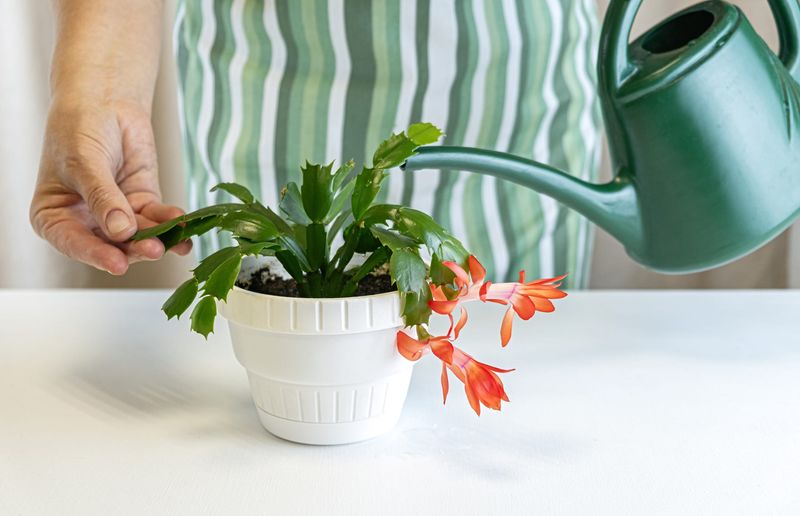
Ice-cold water straight from the tap can shock tropical roots, and your Christmas cactus definitely notices the chill. Room-temperature water feels gentler and soaks into the mix more evenly than a frosty winter splash.
I keep a jug of tap water on the counter overnight so it warms up before watering day. Letting water sit may also allow some chlorine to escape, although chloramine in some city water lingers longer.
Filtered water is another easy option if your tap water tastes strongly treated or leaves white crust behind. That crust often comes from minerals like calcium, which can slowly build up on the soil surface.
Most houseplants absorb nutrients best when water falls roughly between a pH of six and seven. Most public water systems keep pH near neutral to protect pipes, which generally suits these plants just fine.
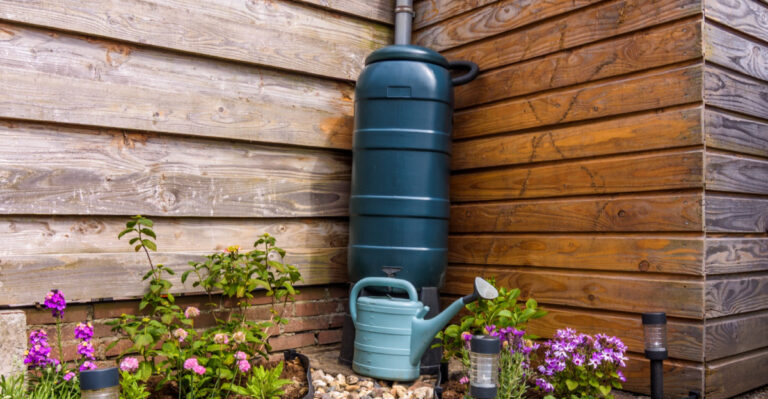
Rainwater collected in a clean bucket is a fun freebie, and plenty of gardeners swear by it. Bring it indoors to warm up first, since late fall rain can feel surprisingly icy on tender roots.
If white residue keeps appearing, flush the pot with plain water every few months during the growing season. A slow, thorough rinse carries extra minerals out the drainage holes and keeps the root zone fresher.
6. Spot Wrinkled Or Mushy Christmas Cactus Stems Early
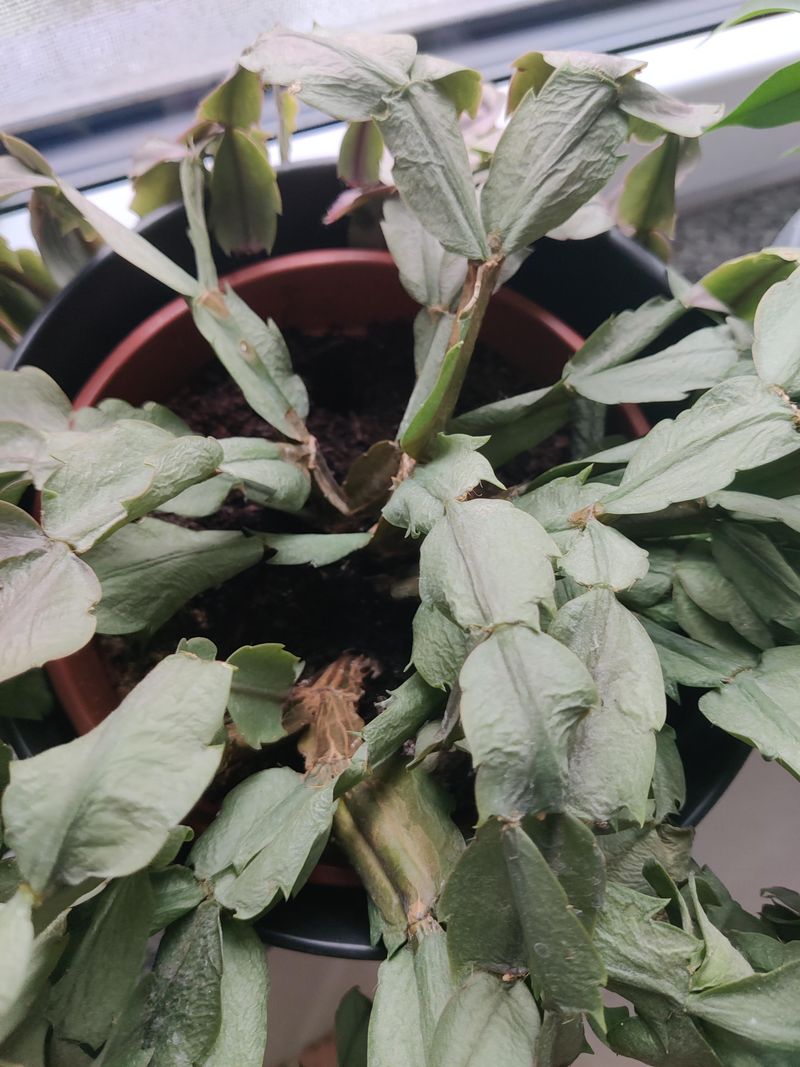
Christmas cactus stems are surprisingly chatty, and they tell you plainly whether they want more water or less. Learning their signals saved my oldest plant after I nearly loved it into a soggy mess.
Thirsty segments look puckered or wrinkled, and they feel flat instead of plump between your fingers. Some may blush reddish, and the soil looks pale and crumbly near the edges of the pot.
Overwatered plants act differently, with soft, mushy stems or yellowing that often starts near the base. The plant may droop even though the soil feels wet, which is a clear sign of trouble below.
A sour smell or dark, slimy roots point to rot, so act quickly when you notice those clues. Trim away the soft roots first, then settle the plant into fresh mix that drains quickly.
Diagnosis comes down to one quick question about the soil under your finger right now at home. Dry soil with wrinkled stems means thirst, while wet soil with limp growth points to too much water.
Healthy segments feel firm and slightly waxy, almost like a fresh snap pea from the garden. When yours feel that way, give yourself a pat on the back and keep doing what works.
7. Give Christmas Cactus Cool Dark Nights For Buds
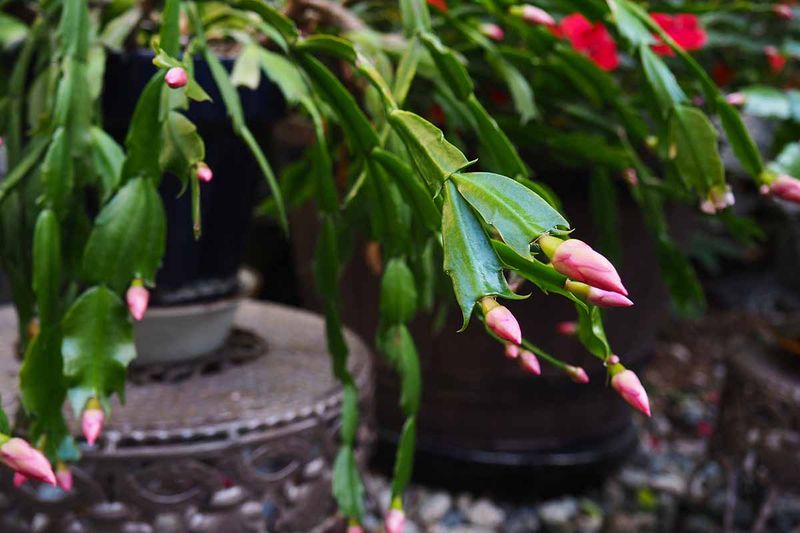
Flower buds on a Christmas cactus form in response to long nights, which makes it a classic short-day plant. Water matters, but darkness and cool air are the quiet partners that actually finish the job.
Starting in mid-September or early October, give the plant about twelve to fourteen hours of darkness each night. Keep that routine going for roughly six to eight weeks, or until you see buds forming along the tips.
Even a brief flash of lamp light can interrupt the process, so a spare bedroom or closet works well. I once lost a season of buds to a porch light shining through the window every evening.
Cool temperatures help just as much, with nights ideally landing between fifty and sixty-five degrees Fahrenheit indoors. Nights that stay above sixty-five degrees can hold back flowering, so keep the plant away from heat vents.
Many Virginia homes naturally cool down near drafty windows in fall, which can be a helpful spot. Watch for cold drafts on freezing nights, though, because chilled stems can sustain damage fairly quickly.
Since cooler air slows evaporation, the potting mix usually stays moist longer during this important bud-setting stretch. Check before every watering, and you will likely find yourself reaching for the can less often.
8. Feed Christmas Cactus Lightly Then Stop At Bud Time
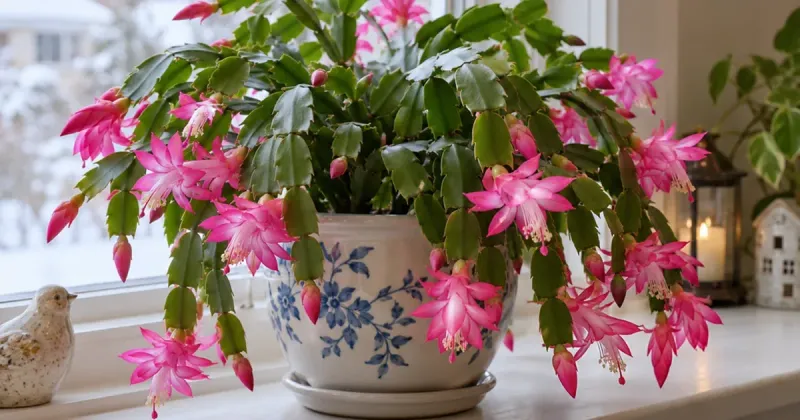
Fertilizer and water go hand in hand, because plant food reaches the roots only through the moisture you provide. Timing those feedings well helps your Christmas cactus build strong stems that later carry a crowd of flowers.
During active growth in late spring and summer, feed about once a month with a balanced houseplant fertilizer. A formula like 10-10-10 or 20-20-20 diluted to half strength gives plenty of nutrition without burning roots.
Water the plant first, then add the diluted fertilizer, since feeding dry roots can cause damage. I mix mine in a dedicated watering can so I do not accidentally double the dose later.
Once buds appear in fall, put the fertilizer away and let plain water carry the plant forward. Feeding during bloom time or the rest period afterward is generally unnecessary and may stress the plant.
Some gardeners sprinkle used coffee grounds on the soil, though results vary and heavy layers can stay soggy. A thin dusting mixed into the top layer is plenty if you want to experiment with it.
Watch for white crust from fertilizer salts, which can build up when feeding regularly through the summer months. A plain-water flush every so often keeps the mix fresh and gives roots room to breathe.
9. Prune And Repot Christmas Cactus After Flowers Fade
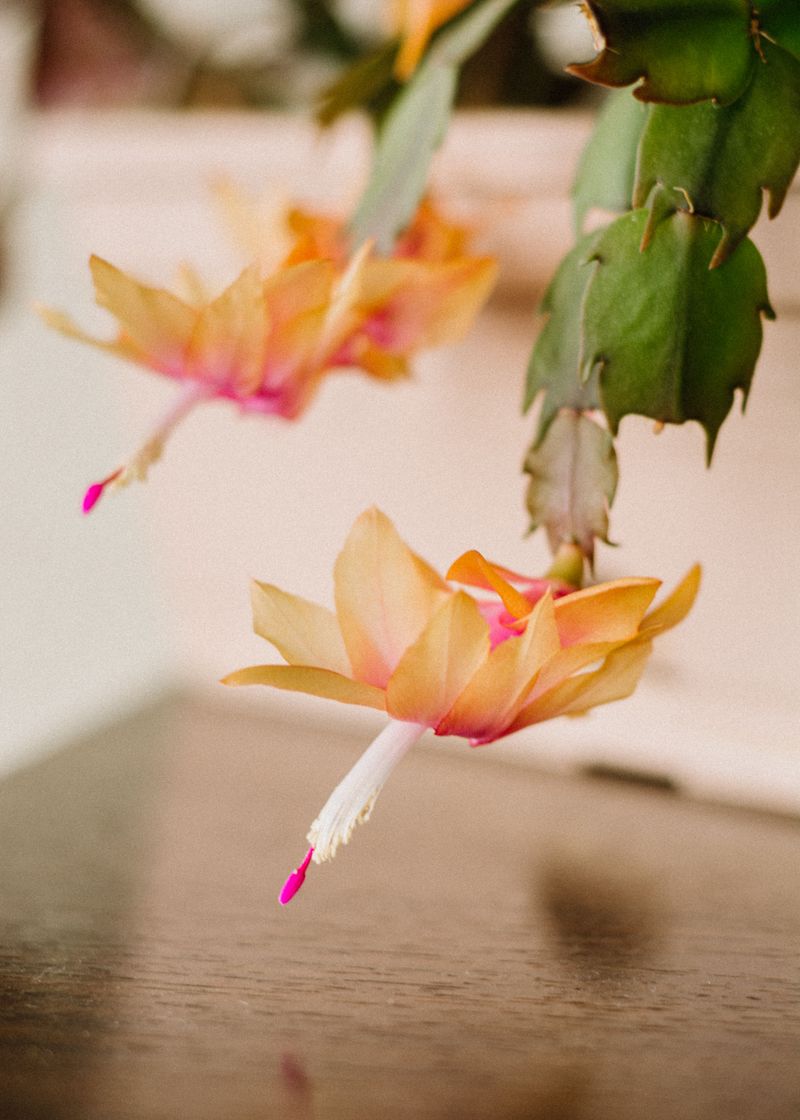
A twist of the wrist is all it takes to prune a Christmas cactus, and it feels oddly satisfying. Each stem is made of flat segments joined together, so they pop apart cleanly at the natural joints.
Prune soon after flowering ends to encourage branching, since more stem tips usually mean more blooms next season. Remove one to three segments from leggy stems rather than cutting through the middle of a segment.
Those trimmed pieces root easily in slightly moist mix, which makes them wonderful gifts for friends and family. I have shared cuttings from one plant with half my neighborhood, and the generations keep growing.
Repotting every two or three years refreshes tired soil that no longer drains or holds water evenly. Wait until blooming finishes, since moving the plant while it carries buds can cause them to fall.
Choose a pot just one size larger, because oversized containers hold extra water that roots cannot use quickly. Remember that these plants bloom best when slightly snug, so a modest upgrade is the better choice.
After repotting, wait a few days before giving a light drink so any damaged roots can heal. Fresh mix and tidy stems set the stage for another heavy round of holiday flowers next year.