The Michigan Garlic Planting Mistake That Leads to Small Bulbs
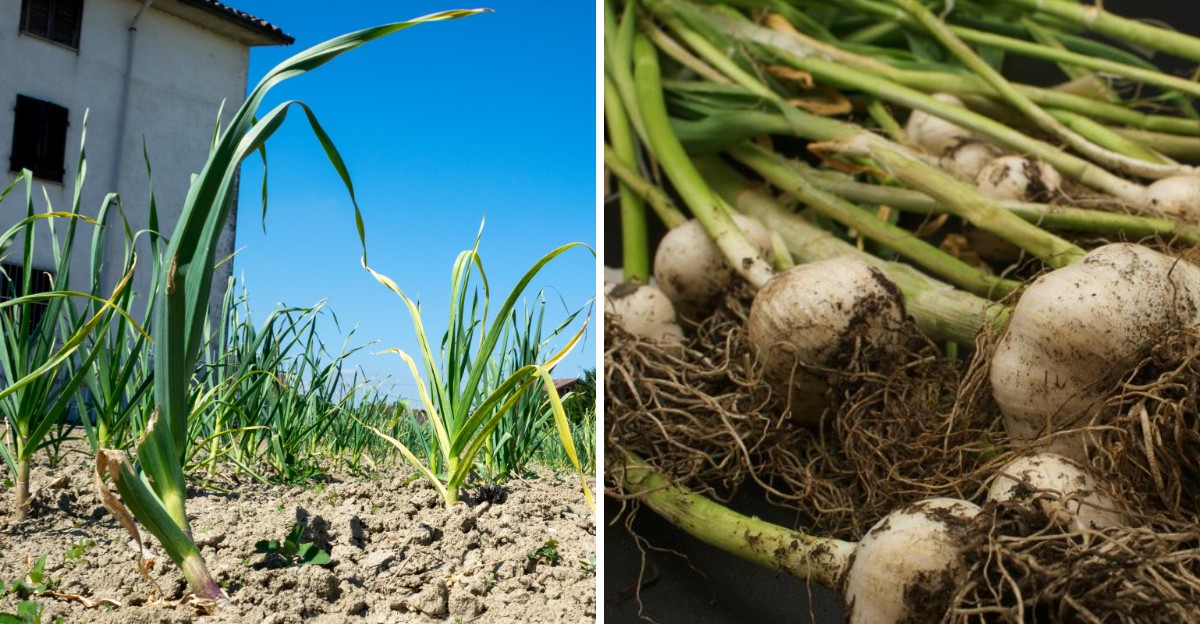
A single clove tucked into cold dirt in October can turn into a fat bulb with ten or more cloves by July. That same clove can also turn into a sad little marble. The difference often comes down to a choice made months before harvest.
I learned this the hard way one summer. My plants looked tall and healthy all spring. Then I pulled them up and found bulbs barely bigger than a grape.
Here in Michigan, our long winters can be a huge help or a real problem. Timing, soil, and a few small habits shape what happens underground. You’re in for a big surprise once you see how easy the fix can be.
So what was I doing wrong all those years? The answer starts with one simple date on the calendar.
1. That Tiny Bulb Probably Started Small Back in Fall
Most gardeners blame summer weather when their garlic comes up small. Honestly, I did too. The real story usually begins much earlier, on the day the cloves go into the ground.
Garlic is a bit unusual in the vegetable world. Unlike tomatoes or beans, it spends most of its life growing roots and leaves before the bulb even starts to swell. The bulb forms quickly in late spring and early summer.
By then, the size of the plant is mostly locked in. Each leaf on a garlic plant connects to a layer of wrapper around the bulb. More healthy leaves usually mean a bigger bulb.
A plant that starts weak in fall rarely catches up later, no matter how much you water it in June. So what causes that weak start? In Michigan, the biggest culprit is often planting at the wrong time.
Planting too late leaves little time for roots before the ground freezes. Planting too early can encourage excessive top growth before winter, although some fall sprouting is normal and usually does not harm established garlic.
Other factors matter too, like clove size and soil. Still, timing sets the stage for everything else. Once you get the calendar right, the rest of your efforts have a real chance to pay off.
2. Your Cloves Want Cool Soil Before They Go In
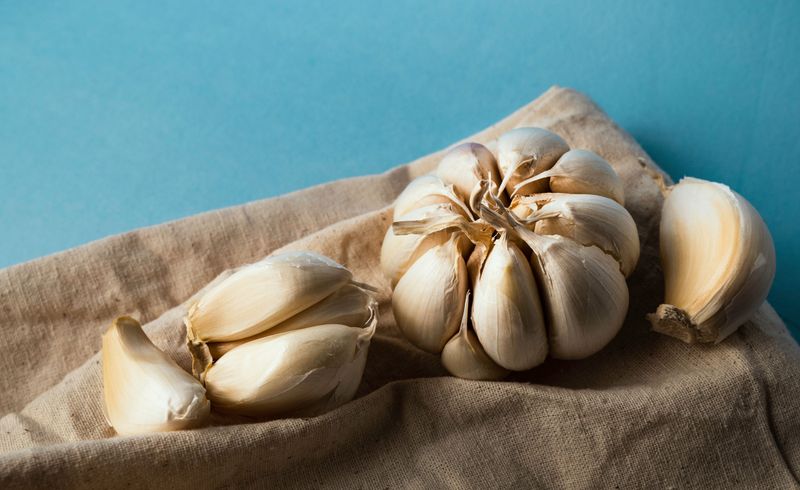
Ask any longtime grower about planting dates and you’ll hear the same tip. Wait for the soil to cool. Garlic does its best rooting when soil sits around 50 to 60 degrees Fahrenheit.
Michigan State University Extension suggests planting about four to six weeks before the ground freezes hard. That window gives cloves enough time to grow strong roots. It also keeps leafy tops from shooting up too much before winter.
Dates change a lot across the state. Here’s a rough guide many growers follow: Upper Peninsula gardeners often plant from mid-September to early October. In the northern Lower Peninsula, late September through mid-October works well.
Folks in central, southeast, and southwest areas can often plant through October and sometimes into early November.
A cheap soil thermometer makes this easy. Push it about four inches deep in the morning and check for a few days in a row. Once readings settle in that cool range, grab your cloves.
Planting in warm September soil is a common slip in southern counties. Those cloves may sprout a lot of green that winter cold damages. Waiting a few weeks feels hard, but patience here often means noticeably bigger bulbs next summer.
3. Garlic Actually Needs a Long Michigan Winter Chill
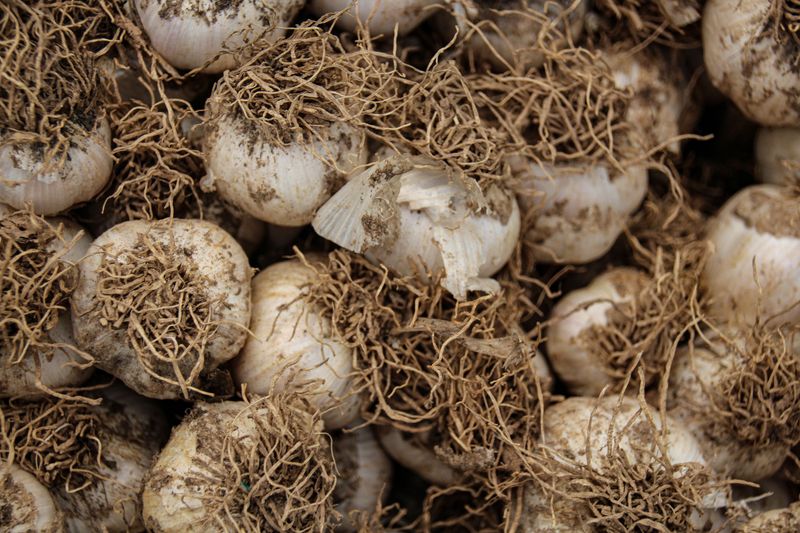
Cold weather sounds like bad news for a garden. For garlic, though, a frosty winter is a gift. The plant needs weeks of chilly temperatures to know when to form a proper bulb.
Scientists call this process vernalization. Most garlic types need several weeks below about 40 degrees Fahrenheit. That cold signals the clove to split into multiple sections once spring warms up.
Skip the chill and strange things happen. Spring-planted garlic often grows a single round clove, sometimes called a round. It may also make a small bulb with tiny, crowded cloves. Neither is what most of us hope to pull from the dirt.
Michigan winters usually supply plenty of cold. The trick is getting cloves in the ground early enough to enjoy it. Fall planting lets roots settle before the deep freeze arrives.
Fun fact: some growers who missed fall planting store cloves in the fridge for a few weeks before spring planting. It can help, though results are usually smaller than fall-planted garlic.
Personally, I love that our snowy months do some of the work for us. Every gray January day is quietly building flavor and size in those buried cloves.
4. Pick Your Plumpest Cloves and Plant Them at the Right Depth
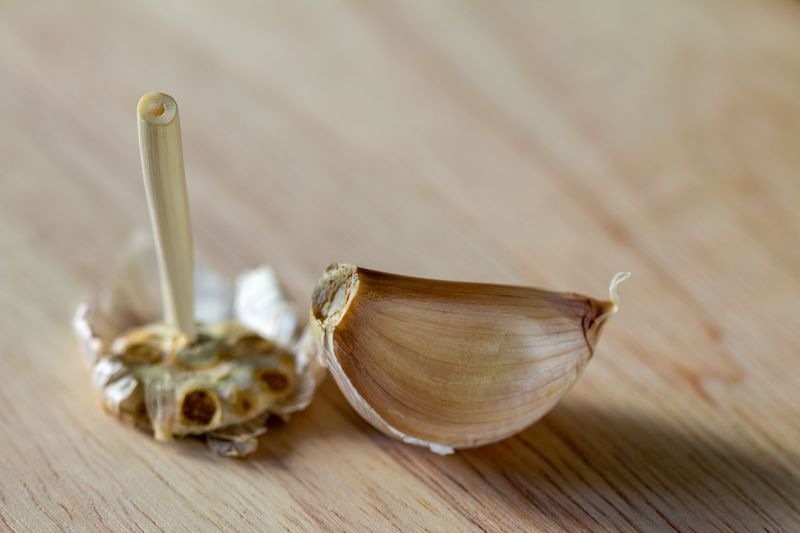
Big cloves make big bulbs. It sounds almost too simple, yet so many of us plant the leftover little ones and keep the fat ones for cooking.
A larger clove holds more stored food. That extra energy fuels stronger roots in fall and more leaves in spring. Research and grower experience both show a clear link between seed clove size and final bulb size.
Start with healthy, firm bulbs from a local seed garlic supplier if you can. Grocery store garlic is sometimes treated to stop sprouting, and it may not suit our climate. Break bulbs apart only a day or two before planting so the cloves stay fresh.
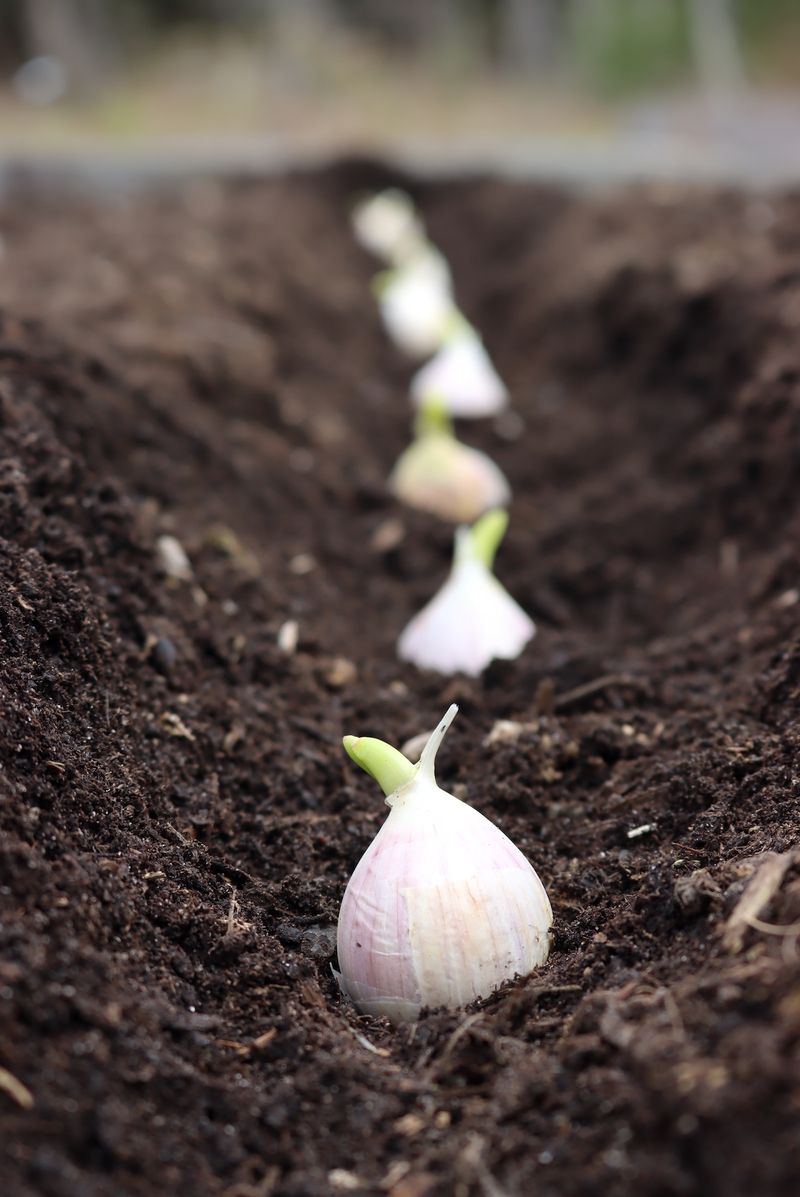
Now for placement. Set each clove pointy end up and flat root end down. Most guides suggest planting about two to three inches deep, with a bit deeper often helpful in colder northern areas.
Space cloves roughly six inches apart in rows about a foot apart. Crowding forces plants to fight for light and food.
Those tiny inner cloves don’t need to go to waste. Toss them into soups or plant them thickly for green garlic in spring. That way, nothing gets left behind.
5. Heavy Clay Soil Can Squeeze Your Bulbs
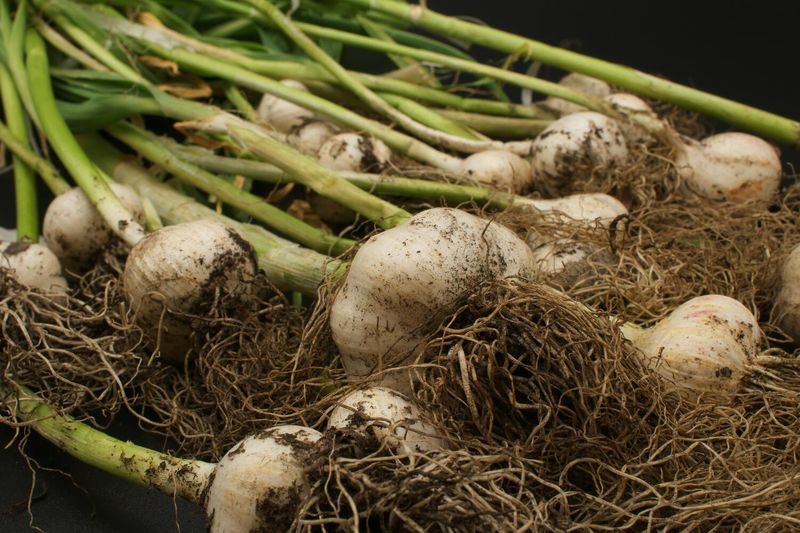
Picture-perfect garlic beds usually have one thing in common: loose, crumbly soil. Bulbs need room to expand, and hard ground pushes back.
Many Michigan yards sit on heavy clay. Clay holds water for long stretches, especially during spring snowmelt. Soggy soil can lead to rot and weak roots, which often means smaller bulbs or lost plants.
Fixing this takes a little work before planting. Mix two or three inches of finished compost into the top several inches of soil. That helps drainage and adds slow-release nutrients at the same time.
Raised beds are another smart option. They warm up faster in spring and drain better after heavy rain. Even a bed six to eight inches tall can make a real difference.
Garlic also prefers soil with a pH between about 6.0 and 7.0. A soil test through MSU Extension is affordable and tells you exactly what your ground needs.
Sandy soils have the opposite issue. Water and nutrients slip away quickly. Compost helps there too, holding moisture where roots can reach it.
I like to think of soil as the bulb’s home. Give it a roomy, comfy place to grow, and it rewards you.
6. Weeds Are Quietly Stealing Food From Your Garlic
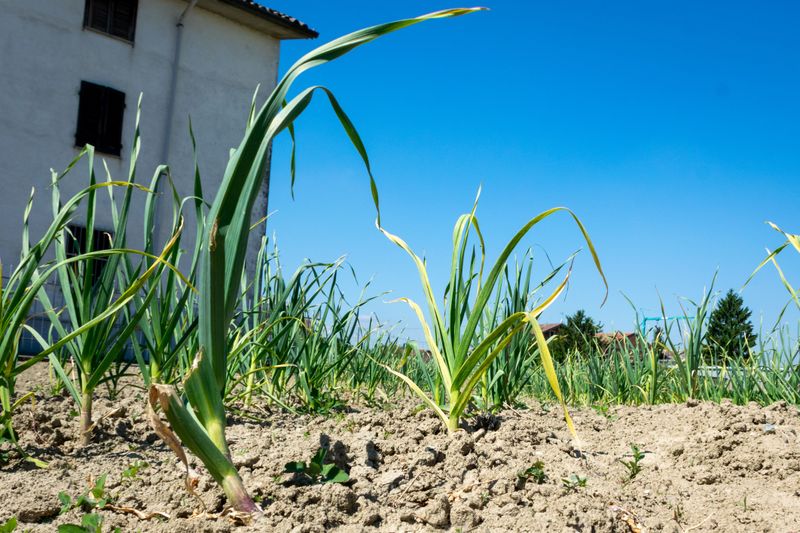
Garlic is a terrible fighter. Its narrow, upright leaves cast very little shade, so weeds move in fast and grab sunlight, water, and nutrients.
Studies on garlic farms show that weed competition can shrink yields in a big way. The damage often happens in spring, right when the plant is building leaves for the bulb.
Mulch is my favorite helper here. After the ground starts to freeze, spread about four to six inches of clean straw or shredded leaves over the bed. It protects cloves from freeze and thaw cycles and smothers many weed seeds.
In spring, pull back some mulch if the soil stays too cold or wet. Leave enough to keep weeds down and hold moisture.
Hand pulling works well for small gardens. Do it often while weeds are tiny, since big roots can disturb garlic when yanked. A sharp hoe used gently between rows helps too.
Watering matters during this stretch as well. Garlic likes about an inch of water each week through spring.
Reduce watering as the lower leaves begin turning brown, and stop irrigating shortly before harvest if soil conditions allow. Cure harvested bulbs afterward in a shaded, well-ventilated area
A tidy bed may seem like extra fuss. Your bulbs will show the difference.
7. Snap Off Those Curly Hardneck Scapes in June
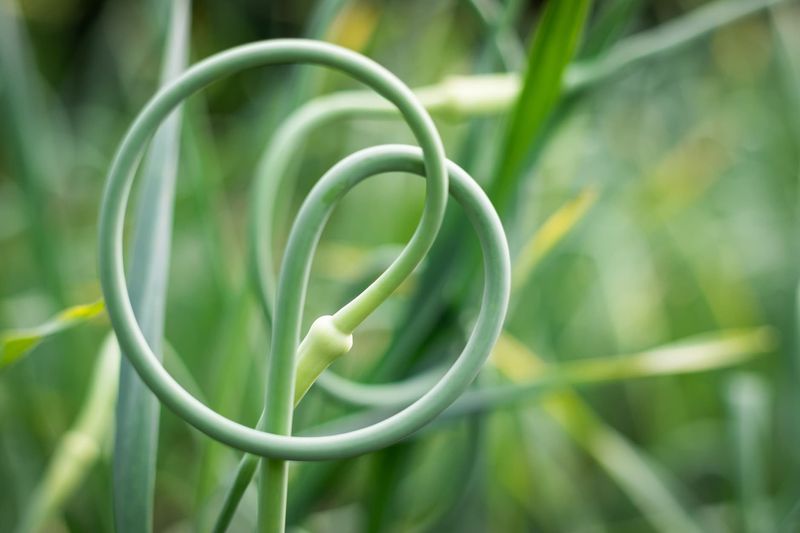
Early summer brings a fun surprise in the garlic patch. Hardneck plants send up curly green stems called scapes, often in June across much of the state.
Hardneck garlic is a favorite in Michigan because it handles cold so well. Varieties like Music, German Extra Hardy, and Chesnok Red are popular with local growers. All of them grow scapes.
Left alone, a scape tries to make a cluster of tiny bulbils at its tip. That takes energy the plant could send down to the bulb. Many growers report bulbs that are noticeably larger after scape removal.
Timing is simple. Once the scape makes one full curl, snip or snap it off near the top leaf. Doing this on a dry, sunny day helps the cut heal quickly.
Fun fact: scapes are delicious. They taste like mild garlic with a green, fresh bite. I toss them into stir-fries, blend them into pesto, or grill them whole.
Softneck garlic usually skips scapes, so you won’t see them on those types. If you grow both, focus on the hardnecks. It’s one of my favorite garden chores. You get a snack now and bigger bulbs later.
8. Bigger Michigan Garlic Comes From a Few Easy Habits
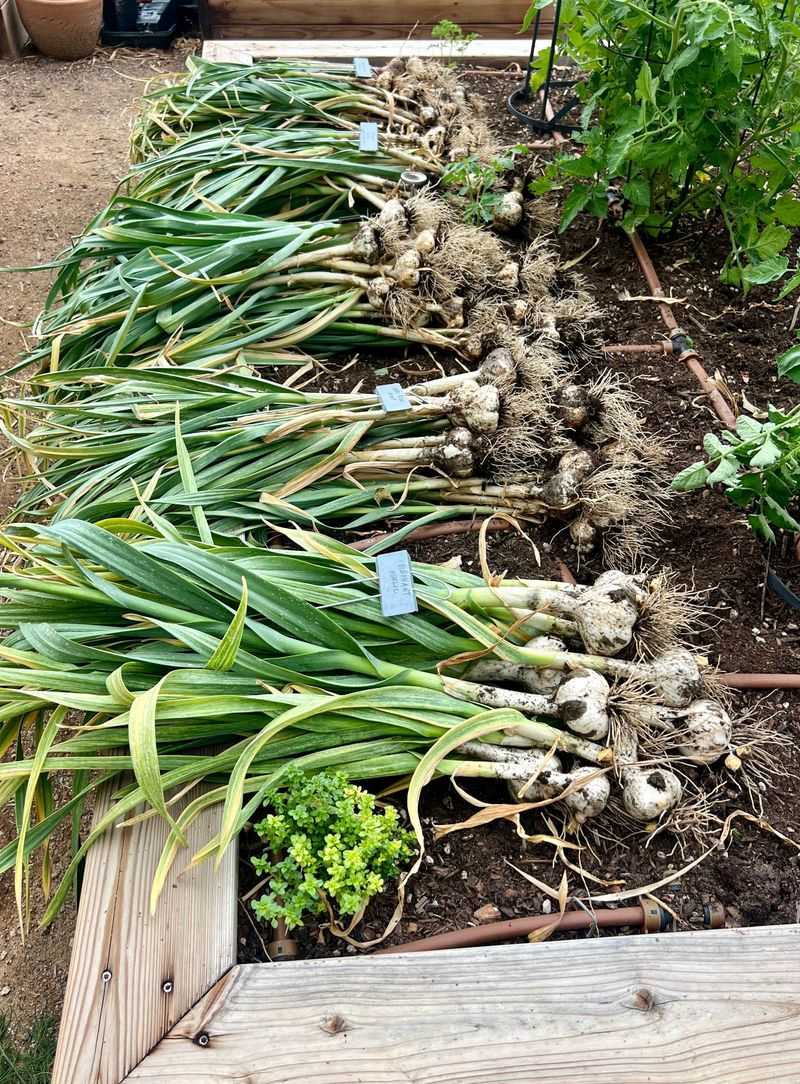
Great garlic doesn’t need fancy tricks. A handful of steady habits makes most of the difference from one year to the next.
Start with timing. Plant in fall once soil cools to around 50 to 60 degrees, about a month or more before hard freeze. Northern gardeners go earlier, and southern Michigan growers often wait until mid to late October.
Choose your largest, healthiest cloves. Set them pointy side up, a few inches deep and about six inches apart. Prepare loose soil with compost and good drainage.
Add a thick blanket of mulch after the ground begins to freeze. In spring, feed plants with a nitrogen-rich fertilizer or compost once growth starts. Keep weeds under control and water steadily through May and early June.
Remove hardneck scapes when they curl. Watch the lower leaves from mid-June through July. When roughly 40 to 60 percent have yellowed, check a sample bulb to confirm it is ready for harvest.
Cure bulbs in a shady, airy spot for two to three weeks. Then save your biggest heads for next fall’s planting. Over the years, this helps your garlic adapt to your own yard.
Every season teaches something new. With these steps, your next harvest could be the best one yet.