The One Hydrangea Task North Carolina Gardeners Should Wrap Up Before Frost
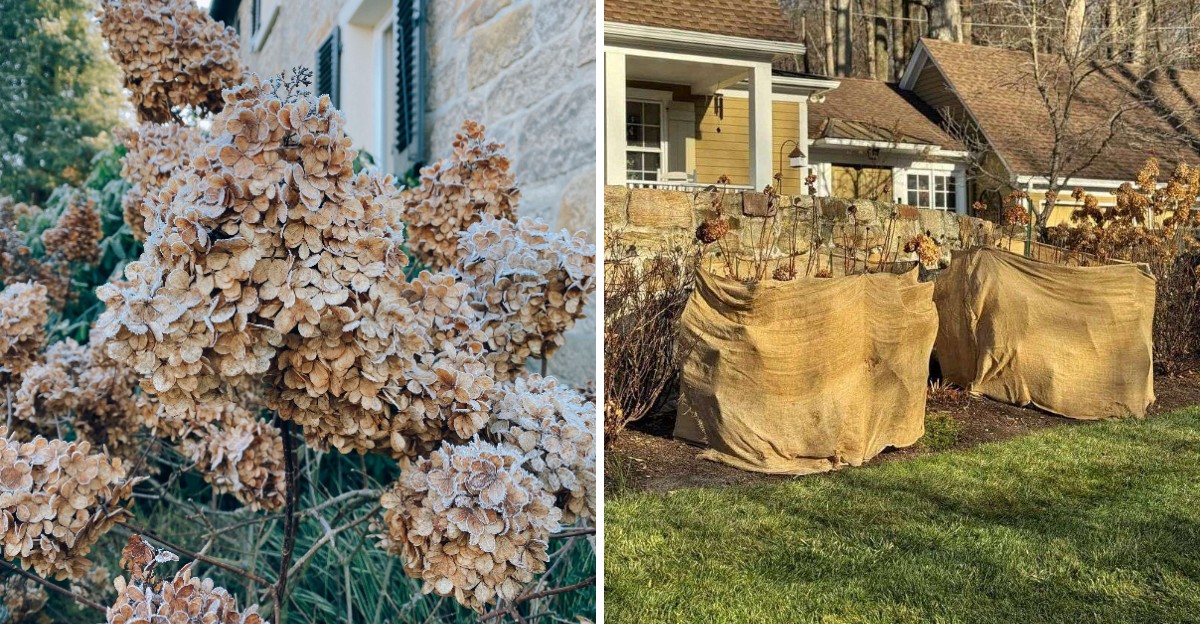
Next summer’s flowers are already sitting on some of your shrubs right now, tucked inside fat little buds at the tips of bare-looking stems.
One autumn snip can quietly remove every single one of them. I know how frustrating it can be when a shrub looks perfectly healthy in June but shows nothing except big green leaves.
The real question is what happened back in October or November. Many North Carolina gardeners blame a cold winter, and sometimes that is fair. More often, though, the trouble comes from a tidy-up chore that felt helpful at the time.
One thing I love about gardening is how a tiny bit of timing can change a whole season. A few minutes of attention before the first frost can protect next year’s color.
1. Those Plump Hydrangea Buds Are Already Holding Next Summer
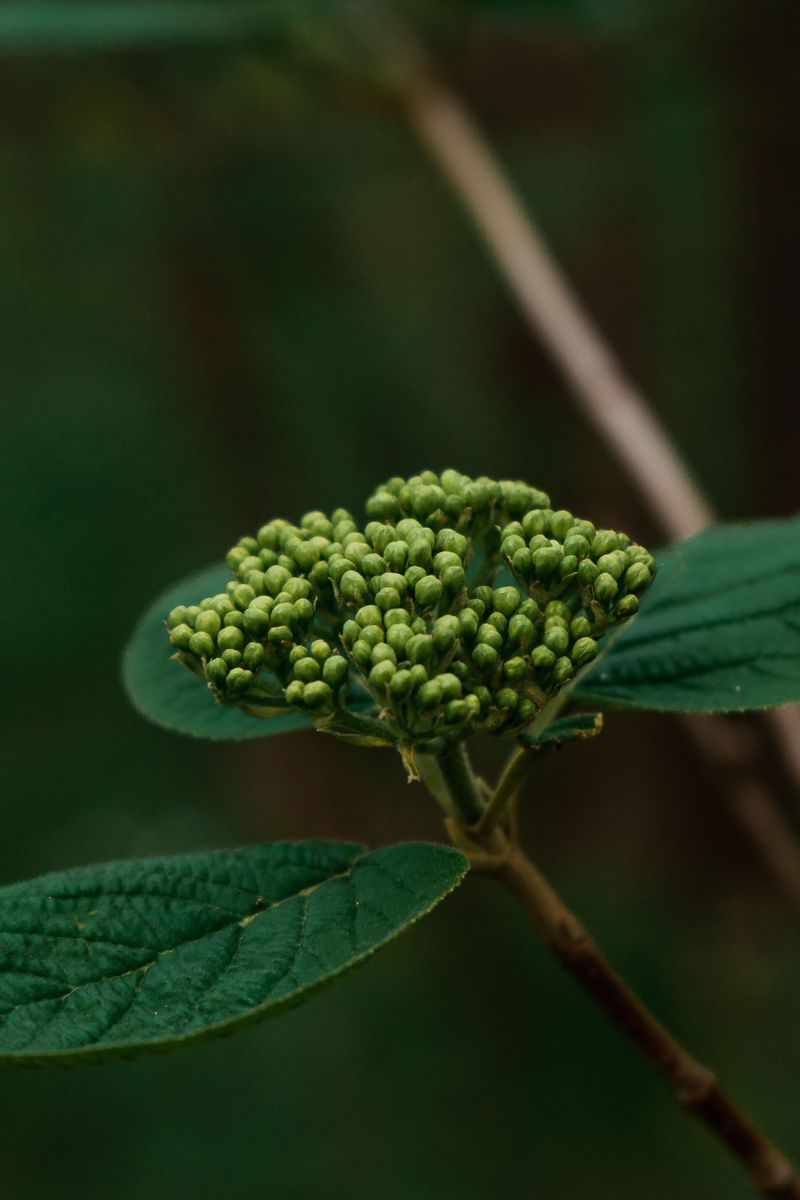
Run your fingers along a bigleaf hydrangea stem in late fall and you may feel small, rounded buds near the tips. Those little bumps are next year’s flowers, packed and waiting.
Bigleaf hydrangeas (Hydrangea macrophylla) and oakleaf hydrangeas (Hydrangea quercifolia) bloom on what gardeners call old wood.
NC State Extension explains that these shrubs set their flower buds in late summer and fall on stems that grew this year. The buds then sit through winter before opening the following season.
That timing is the whole secret. Whatever happens to those stems between now and spring decides whether you get mopheads and lacecaps or a plain green shrub.
Mountain hydrangeas (Hydrangea serrata) and climbing hydrangeas follow a similar pattern. So if you grow any of these, the stems in your yard right now deserve a little respect.
Fun fact for you. Reblooming types like the Endless Summer series can flower on both old and new wood, which gives them a backup plan after a rough winter.
Even so, they still put on their earliest and fullest show from buds formed the year before. The task, then, is simple to say. Keep those stems and buds safe until spring.
2. Put the Pruners Away on Bigleaf and Oakleaf Hydrangeas
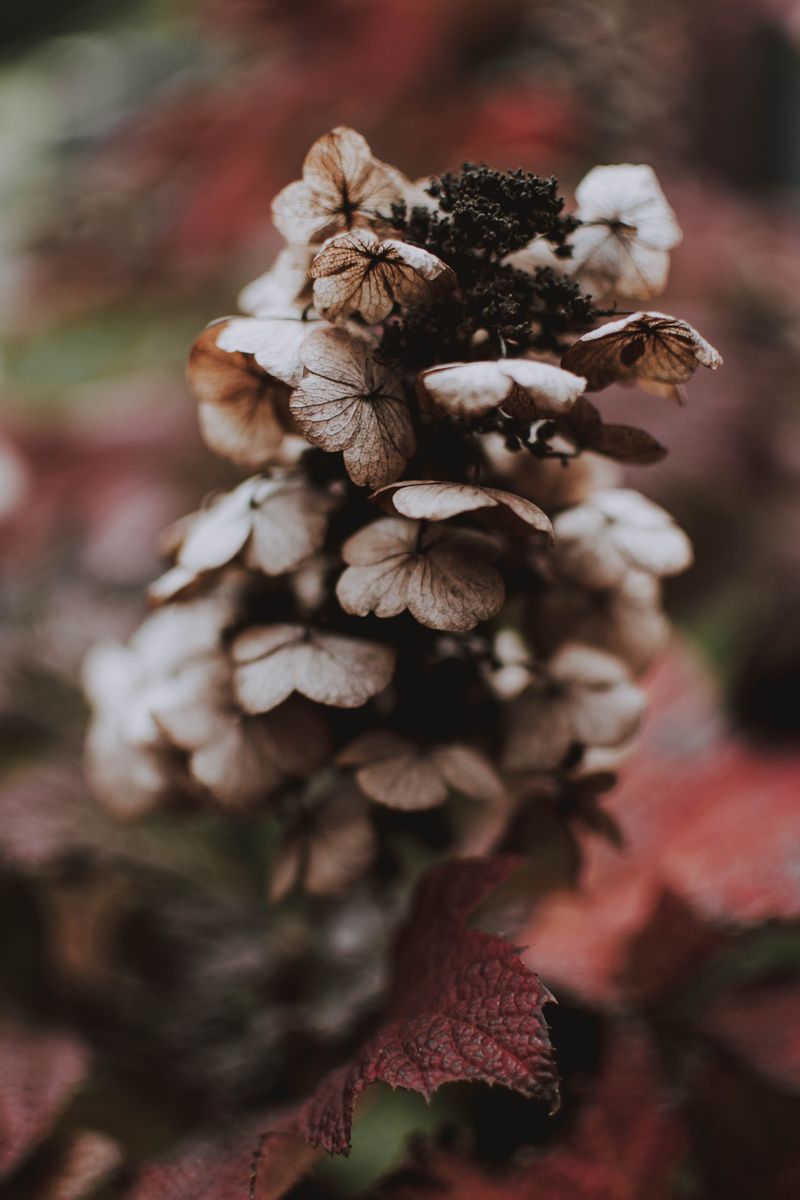
Honestly, the single best thing you can do for old-wood hydrangeas before frost is to leave the pruners in the shed. Finishing your fall cleanup without cutting those stems is the job to wrap up.
Fall pruning removes the very buds that would open next season. NC State Extension recommends pruning bigleaf and oakleaf types right after they finish flowering in summer, usually by late July or early August.
After that point, buds are forming, and cuts start costing you blooms. I get the urge. Those papery brown flower heads can look messy against a tidy fall bed.
Try this instead. If a spent bloom bothers you, snip only the old flower head just above the first set of healthy buds. Leave the rest of the stem alone.
Many gardeners actually enjoy the dried heads all winter. They catch frost in a lovely way, and they may give the buds below a little shelter from wind.
Wait until spring to remove any stems that stay brittle and bare once leaves appear on the rest of the plant. By then, you can see exactly what made it through winter and cut with confidence.
3. Panicle and Smooth Hydrangeas Play by Different Rules
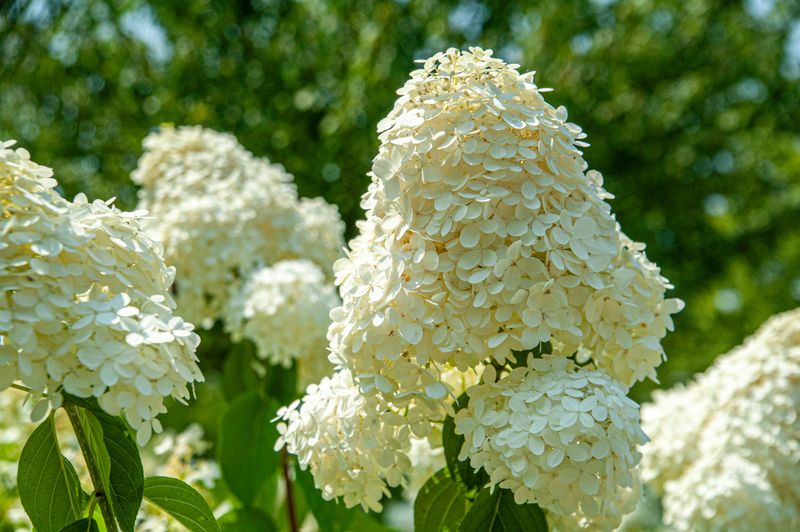
Not every hydrangea in your yard is fussy about timing, and that is a relief. Panicle hydrangeas and smooth hydrangeas bloom on new wood, meaning they form flower buds on stems that grow in spring.
Panicle types (Hydrangea paniculata) include favorites like Limelight and Little Lime. They have cone-shaped flower clusters that often fade from white to pink.
Smooth hydrangeas (Hydrangea arborescens) include Annabelle and Incrediball. Here’s a fun bit of local pride. Smooth hydrangea is native to the Southeast, including the woods of North Carolina.
Since these shrubs flower on fresh growth, a fall trim will not cost you next year’s blooms. Still, extension experts usually suggest waiting until late winter or early spring.
That keeps cut stems from facing harsh weather and lets you enjoy the dried flower heads a bit longer. So how do you know which shrub you have? Look at the bloom shape and the leaves.
Cones usually mean panicle, big white snowballs on thin stems often mean smooth, and huge glossy leaves with blue or pink mopheads point to bigleaf. When in doubt, skip the fall pruning altogether. Nothing is lost by waiting.
4. Give Hydrangea Roots a Slow, Deep Drink Before Cold Weather
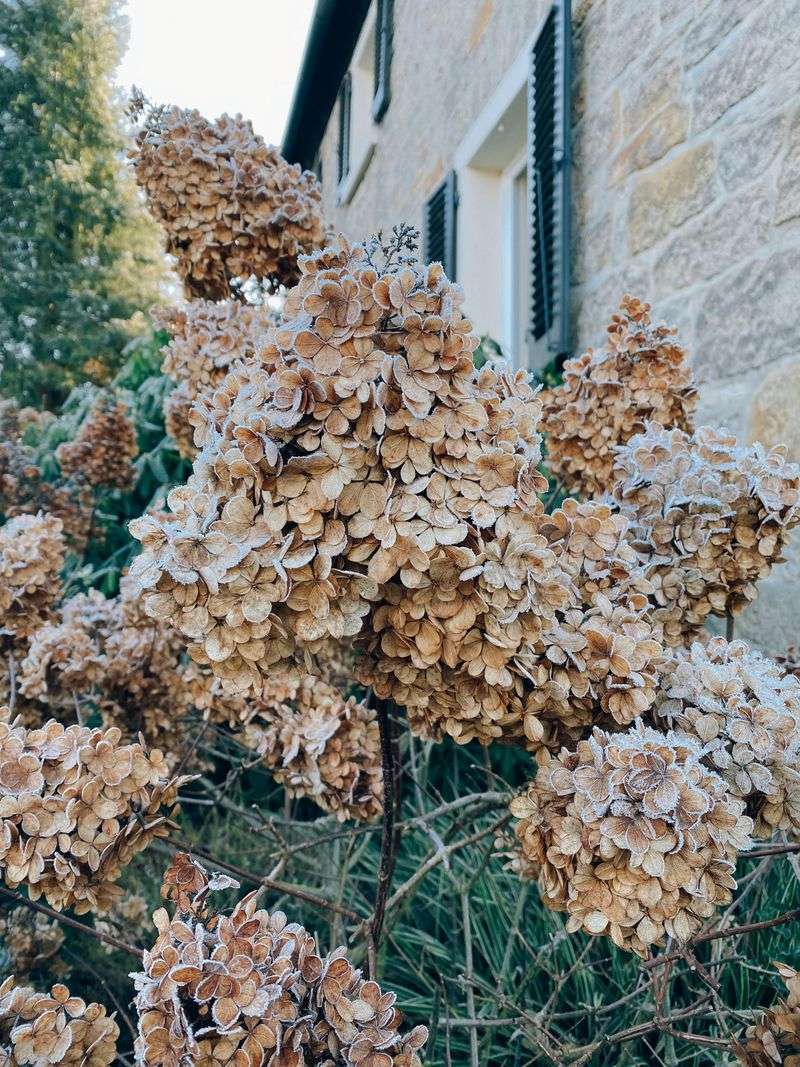
Thirsty roots handle winter poorly, and hydrangeas are famous for loving water. Their name even comes from Greek words meaning water vessel.
Fall in North Carolina can turn surprisingly dry, especially in October. If rain has been scarce, give your shrubs a slow soak at the base before cold nights arrive.
A soaker hose or a garden hose on a gentle trickle works well. Aim to moisten the soil several inches deep instead of lightly sprinkling the leaves. About an inch of water a week, from rain or the hose, is a solid rule of thumb for shrubs.
Plants keep losing moisture through stems during sunny, windy winter days. Well-watered soil helps them cope with that slow drying.
Don’t overdo it, though. Soggy soil can lead to root rot, so skip watering if the ground already feels damp a couple of inches down.
Newly planted hydrangeas need the most attention. Their roots have not spread far yet, so they rely heavily on you during their first fall and winter. Once the soil is cold and rain returns, you can mostly let nature take over.
5. A Cozy Layer of Pine Straw Mulch Helps a Lot
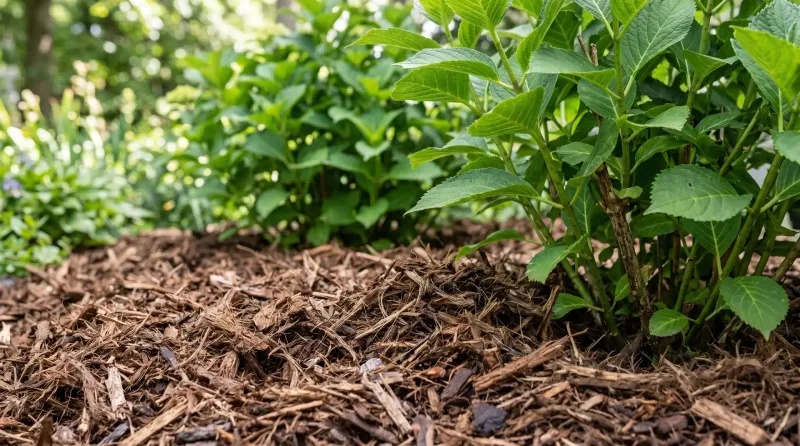
Pine straw is practically North Carolina’s official mulch, and hydrangeas appreciate it in fall. A good layer works like a blanket for the roots and the base of the shrub.
Mulch helps soil hold moisture and keeps temperatures steadier. That matters in a state where a 65 degree afternoon can follow a hard freeze.
Spread about 2 to 4 inches of pine straw, shredded leaves, or shredded bark around the shrub. Extend it out toward the edge of the branches if you can.
Keep the mulch a couple of inches away from the stems. Piling it against the bark traps moisture and can invite rot or hungry rodents looking for a winter home.
Shredded fallen leaves are a thrifty choice. Run them over with a mower first so they don’t mat down into a soggy layer. Gardeners in the mountains, where winters run colder, can go a bit thicker.
Folks in the Piedmont and along the coast can usually stick to the lighter end of the range. Come spring, you can simply leave the mulch in place. It breaks down slowly and feeds the soil as it goes.
6. Skip Late Fertilizer So Tender Hydrangea Shoots Stay Put
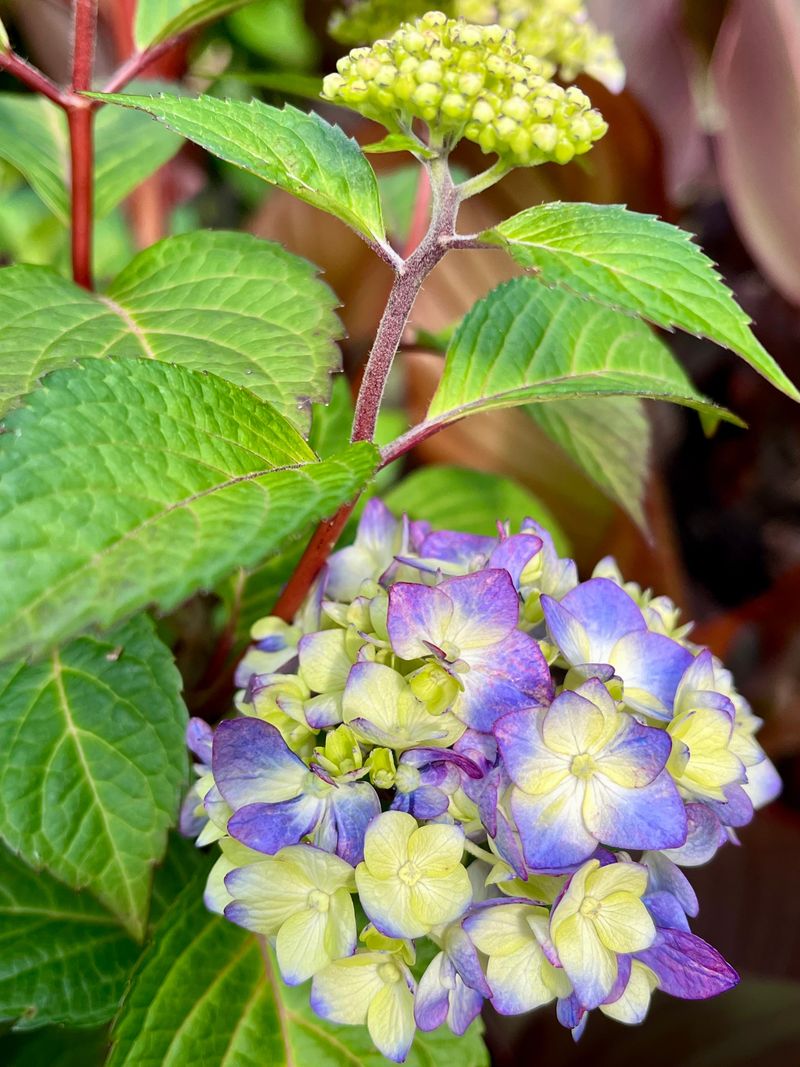
Feeding a shrub feels kind, but late fertilizer can backfire. Extra nitrogen in fall may push out soft new shoots right when the plant should be slowing down.
That tender growth has little time to toughen up before cold weather. A sudden frost can damage it, and the shrub wastes energy it would rather use for winter readiness.
Most guidance for hydrangeas suggests wrapping up fertilizer by late summer. NC State Extension notes that hydrangeas generally need only modest feeding, often in spring.
Too much nitrogen has another sneaky downside. It can encourage lots of leafy growth with fewer flowers, which is the very problem many gardeners are trying to fix.
A soil test is the smartest move. North Carolina residents can send samples to the NC Department of Agriculture and Consumer Services, and the testing is free for much of the year.
Fees apply during the busy late fall and winter season, so send samples early. Results tell you what your soil actually needs.
They also show pH, which affects whether bigleaf blooms turn blue or pink. For now, let your hydrangeas settle into their natural rest without a snack.
7. Burlap or Frost Cloth Can Shield Buds on Brutal Nights
Most winters in the Piedmont and coastal plain are mild enough for bigleaf hydrangeas. The real trouble often arrives in early spring, when a warm spell wakes buds and a late freeze follows.
Gardeners in the western mountains face colder nights. Those spots sit in USDA zones 6 and 7, compared with zones 7 and 8 across most of the state.
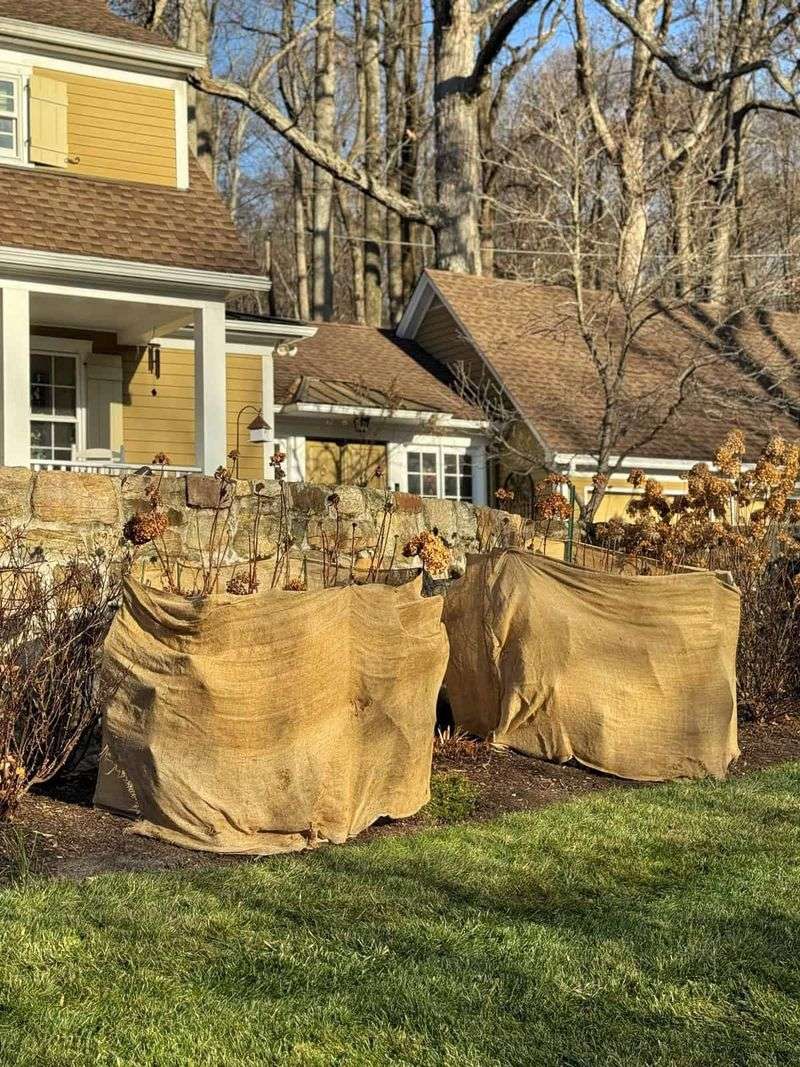
When a hard freeze is forecast, a breathable cover can help. Drape frost cloth, burlap, or an old sheet over the shrub in the evening.
Let the fabric reach the ground so it traps warmth rising from the soil. A few stakes keep it from resting heavily on the stems. Skip plastic. It holds moisture against the plant and offers little insulation.
Remove covers once temperatures climb the next day. Leaving them on through sunny afternoons can overheat the shrub.
Here’s my favorite takeaway from all this. Protect the buds, hold off on pruning, water during dry spells, mulch well, and let the shrub rest.
Then mark your calendar for spring. Once leaves unfold, you will know exactly which stems carried their flowers through winter.