8 Habits of New York Gardeners Whose Lawns Look Perfect Every Spring
New York actually bans most lawn fertilizers containing phosphorus, unless a soil test proves your grass truly needs it. That one rule surprised me more than any weed I have ever pulled from my yard.
The law took effect in 2012 to protect lakes and streams from algae blooms fed by runoff. Cornell Cooperative Extension offices still help homeowners figure out exactly what their soil wants each year.
Truth be told, I used to blame bad luck for my patchy, yellow spring grass after every long winter. Then I started watching the neighbors whose lawns glowed green while mine looked tired and thin.
Funny thing is, their secret had little to do with expensive gear or fancy grass seed from the store. They simply followed a few smart habits at the right moments, and New York weather rewarded them handsomely.
1. Raking Away Winter Debris And Snow Mold
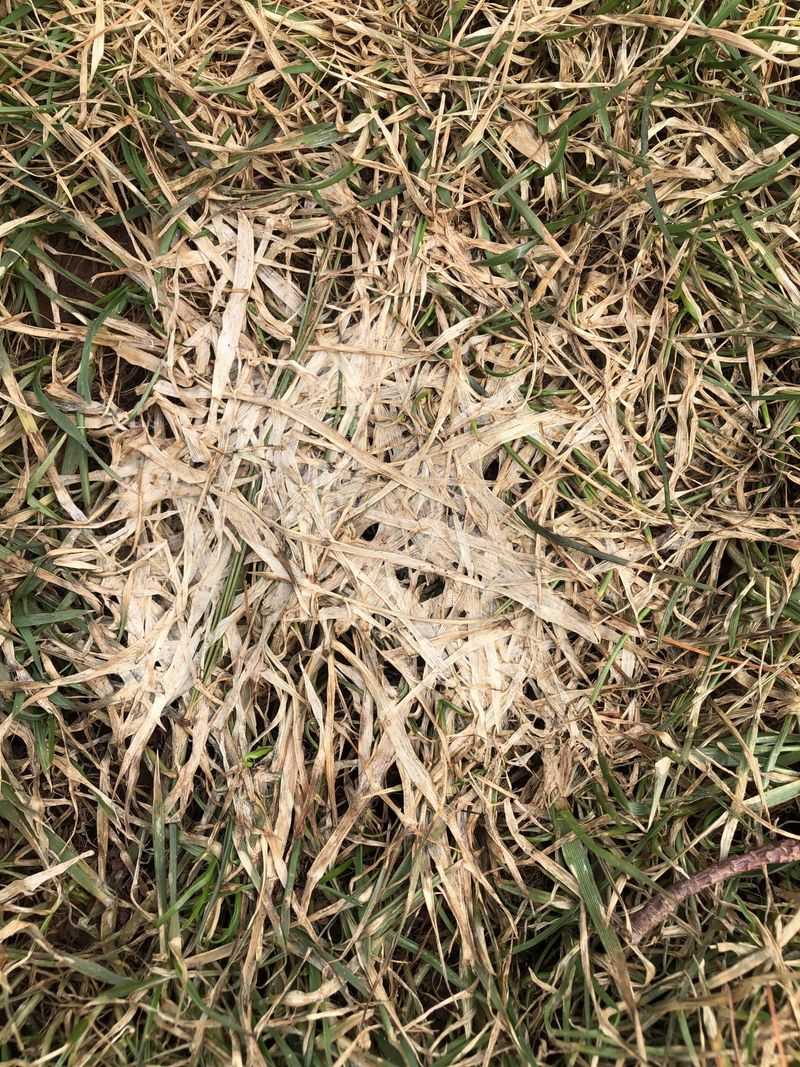
Melting snow often reveals a crusty gray or pinkish web on the grass, and that fuzzy mess is snow mold. It looks alarming at first, but a gentle rake usually helps those patches bounce back within weeks.
Matted leaves and twigs trap moisture against the soil and block the sunlight that young grass blades crave. I like to wait until the ground feels firm underfoot, because raking soggy soil can pull up healthy roots.
A flexible leaf rake works better than a stiff garden rake for this first spring chore on tender turf. Light strokes fluff the flattened grass and let fresh air reach the crowns where new growth begins.
Walk your yard slowly and watch for low spots where puddles linger long after a rainstorm passes through. Those soggy areas often hint at drainage trouble or compacted soil that may need attention later in the season.
Plow and shovel damage along driveways is common, since salt and scraping can leave brown strips near pavement. Rinsing those edges with plain water helps flush some salt away before you reseed the thin spots there.
Save the leaves and twigs you gather, because they make a wonderful brown layer in any backyard compost pile. My compost bin welcomes that material every spring, and the finished soil later feeds my flower beds nicely.
A clean lawn simply wakes up faster, and you will notice the color change within a couple of sunny weeks. That first tidy afternoon outside also feels like a cheerful handshake with the brand new growing season ahead.
2. Soil Test Kits From Cornell Cooperative Extension
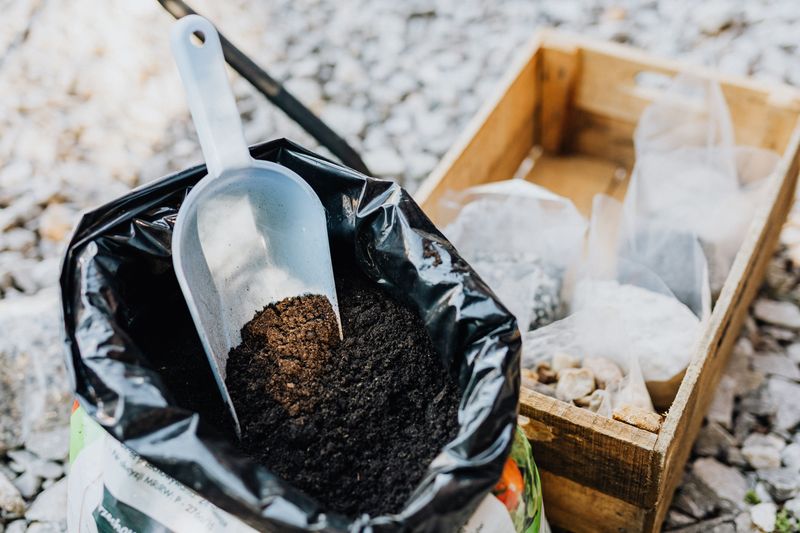
A small bag of dirt can tell you more about your lawn than any glossy fertilizer label ever could. I mailed my first sample years ago, and the results explained why my grass stayed pale every spring.
Cornell Cooperative Extension offices across the state offer affordable soil testing for homeowners who want real answers. Many county offices accept samples directly, and staff can help you read the report without confusing scientific terms.
Most cool-season lawn grasses grow happily when soil pH sits somewhere between about 6.0 and 7.0. Acidic soil holds nutrients tightly, so grass struggles to use them even when you feed it on schedule.
Gather small scoops from about ten spots across the yard, digging roughly three or four inches down each time. Mix them in a clean bucket, then dry a cupful and send it off for testing at the lab.
New York law prohibits phosphorus fertilizer on established lawns unless a soil test shows a real deficiency first. New lawns being seeded are an exception, so a quick test keeps you on the right side of the rule.
If your report suggests lime, spread it in spring or fall at the rate the lab recommends for your yard. Lime works slowly, so patience matters, and results usually show up gradually over several months instead of overnight.
Testing again every three years or so keeps your lawn plan honest and saves money on products you do not need. Your grass, your wallet, and nearby streams will thank you for that small envelope sent through the mail.
3. Waiting For Forsythia Blooms Before Feeding Grass
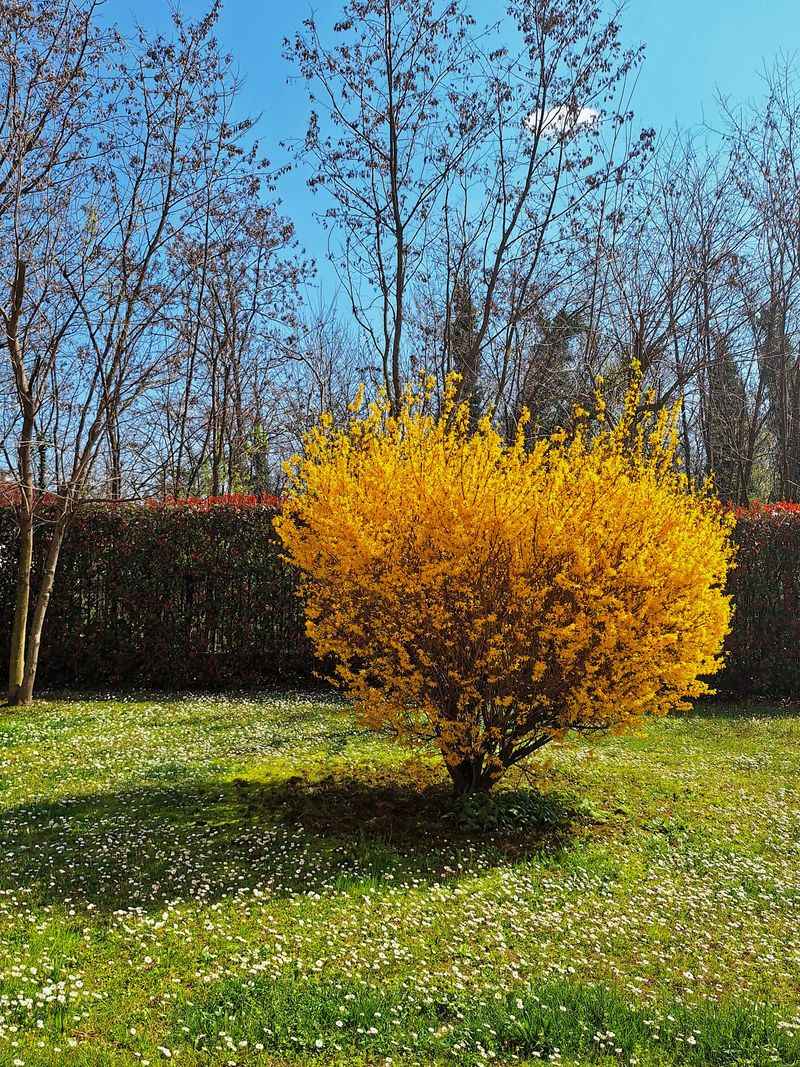
Bright yellow forsythia shrubs make a surprisingly handy lawn calendar, and many gardeners trust them more than dates. When those golden branches light up the neighborhood, soil temperatures are often climbing toward the mid-fifties.
Cool-season grasses grow roots actively in early spring, but heavy feeding too soon can push soft leafy growth instead. My own lawn taught me that rushing fertilizer in March mostly fed the weeds and left the grass weak.
Across much of the state, the best window for a light spring feeding falls around late April or early May. Gardeners near the coast may start a bit earlier, while folks in the Adirondacks often wait a little longer.
Choose a phosphorus-free fertilizer with slow-release nitrogen, which feeds grass steadily instead of all at once in one burst. Cornell turf experts suggest keeping spring feeding modest and saving heavier applications for late summer and early fall instead.
Never spread fertilizer onto frozen ground or right before a heavy downpour, because the nutrients can wash into storm drains. New York rules also restrict lawn fertilizer between December and April, plus near water bodies and hard surfaces.
Sweep any granules off sidewalks and driveways afterward, since leftover pellets can rinse straight into local streams after rain. A leaf blower or broom takes only a minute and keeps your feeding where the grass can actually use it.
Leaving clippings on the lawn after mowing returns free nitrogen to the soil as they break down quickly. That simple habit means you can often use less fertilizer while still enjoying a deep, healthy green color.
4. Stopping Crabgrass Before It Sprouts
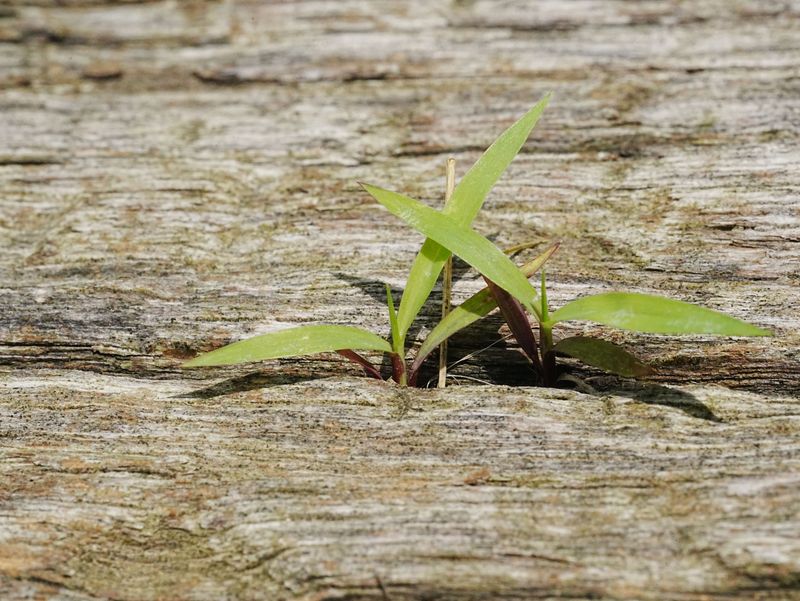
Crabgrass is a sneaky annual weed, and its seeds patiently wait in your soil for warm spring weather. Once the soil stays near fifty-five degrees for several days, those seeds begin popping up in thin spots.
Pre-emergent products form a barrier near the soil surface that stops many weed seeds from developing into seedlings. Timing matters a lot, so many gardeners apply them as forsythia blossoms start fading and dropping their petals.
Hot sidewalk edges and driveway borders warm up first, and crabgrass usually shows up there before anywhere else. I check those sunny strips closely, because they act like an early warning system for the rest of the yard.
Be careful if you plan to seed bare patches, since many pre-emergent products also block new grass seed from sprouting. Read the label closely, and look for products that clearly say they are safe to use while seeding.
Corn gluten meal is a popular natural option, though research results on its weed control have been mixed. It does add a little nitrogen, so some gardeners like it as a gentle spring boost for their turf.
Hand-pulling a few dandelions or plantain weeds is oddly satisfying, especially after a soft spring rain loosens the soil. A forked weeding tool helps you pop out long taproots instead of snapping them off at the surface.
Thick, healthy grass remains your strongest shield, because crowded turf leaves very little room for weeds to settle. Every habit on this list works together, and a dense lawn makes weed control much easier each year.
5. Setting The Lawn Mower Blade To Three Inches
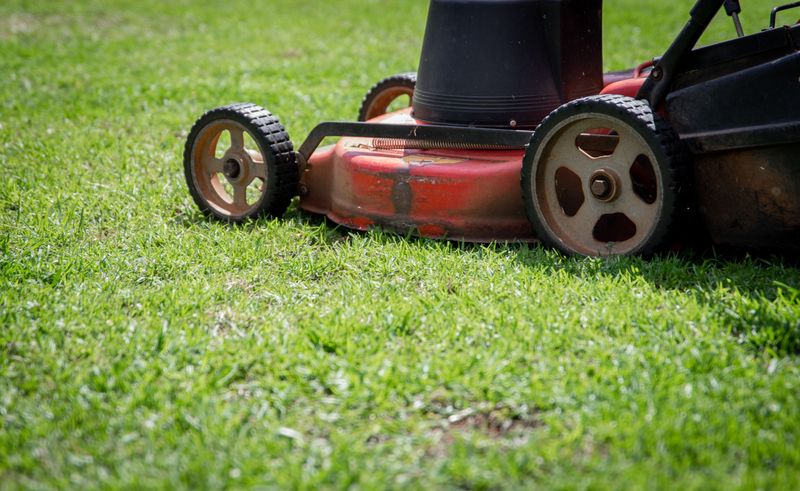
Scalped grass might look tidy for a day, but it often turns brown and patchy soon afterward. Gardeners with the lushest yards usually set their mowers higher, somewhere around three to three and a half inches.
Taller blades shade the soil, which helps hold moisture and makes life harder for sun-loving weed seeds below. Deeper roots tend to follow taller tops, giving grass better staying power during dry spells later in summer.
Many lawn experts follow the one-third rule, removing no more than a third of the blade at each mowing. If your grass reaches four and a half inches, trim it back to around three inches for best results.
Spring growth can be speedy, so you may need to mow every five days during cool, rainy stretches. I find that frequent light trims keep my lawn looking neat without stressing the tender new grass blades.
Mowing wet grass usually leads to clumps, ragged cuts, and slippery footing, which nobody enjoys in the yard. Waiting until afternoon, after morning dew dries, gives you a cleaner finish and safer conditions for walking.
Changing your mowing direction each time helps grass stand upright and prevents ruts from wheels following the same path. Stripes and diagonal patterns also look sharp, and I confess I enjoy that little bit of lawn artistry.
Leave the clippings behind, since short pieces break down quickly and feed the soil without causing thatch problems. That free fertilizer feels like a small reward for doing the job right every week through spring.
6. Seeding Bare Patches With Cool Season Grass
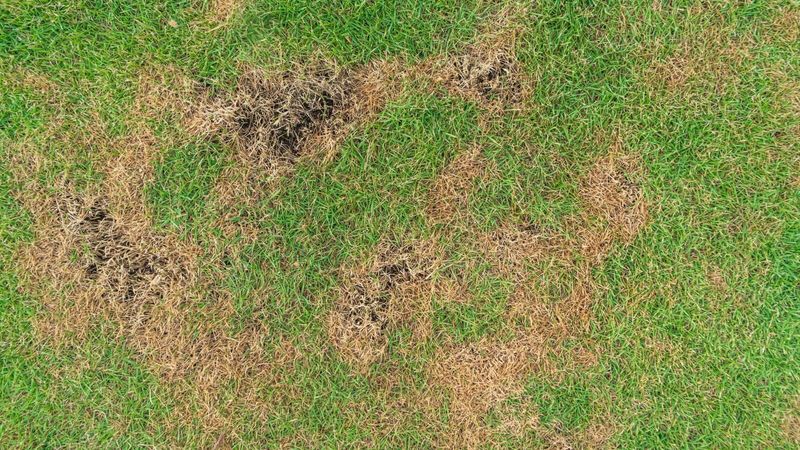
Bare spots after winter feel like little holes in a favorite sweater, and they rarely fix themselves quickly. Smart gardeners patch them early so weeds do not move in and claim that empty soil first.
Late summer and early fall remain the best seasons for big lawn renovations across the Northeast, according to Cornell. Spring spot seeding still works well for small areas, especially when you start as soon as the soil warms.
Loosen the bare soil with a rake, removing old clumps and debris so seeds touch soil directly. Good seed-to-soil contact matters more than anything, because seeds resting on top often dry out or blow away.
Pick a cool-season blend suited to your yard, such as Kentucky bluegrass, fine fescues, and perennial ryegrass. Shady spots often prefer fine fescues, while sunny areas usually do well with bluegrass and ryegrass mixes together.
A thin layer of compost or straw over the seed helps hold moisture and discourages hungry birds. My robins once treated freshly sown seed like a buffet, so now I keep a light cover handy.
Water the patch lightly once or twice a day until seedlings appear, keeping the surface damp but not soggy. As the new grass grows taller, slowly shift to deeper and less frequent watering for stronger roots.
Hold off mowing until the young grass reaches about three inches, and keep foot traffic away for several weeks. Before long, those patches blend into the surrounding lawn, and nobody will guess where they used to be.
7. Watering Deeply In The Early Morning
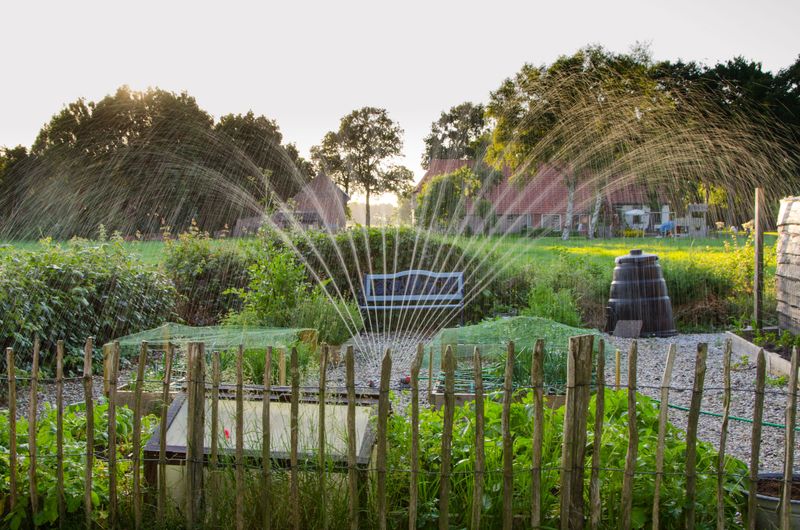
Sprinklers running at dusk might feel relaxing, but damp grass overnight can invite fungal problems into your yard. Early morning watering, ideally before about ten o’clock, gives blades time to dry as the sun climbs.
Spring rain often covers most lawn needs in New York, so many gardeners rarely water until late spring arrives. Lawns generally want about one inch of water weekly, counting both rainfall and any irrigation you add yourself.
Deep, occasional soaking trains roots to reach farther down, where soil stays cool and moist much longer. Short daily sprinkles keep roots lazy near the surface, which leaves grass weaker when summer heat finally shows up.
A simple screwdriver test tells you a lot, because it slides easily into moist soil and resists dry ground. I also watch for footprints that linger on the grass, since that usually means the lawn feels thirsty.
Place an empty tuna can on the lawn while watering, then stop once it collects about an inch. This trick showed me my sprinkler covered some areas far better than others, which explained a few patchy spots.
Overwatering can create soggy soil, shallow roots, and more disease, so watch the weather before turning the faucet on. Rain gauges are cheap and handy, and they help you skip watering when clouds already did the job.
Some communities set watering schedules during dry periods, so check local rules before running sprinklers every day. Thoughtful watering keeps your lawn green while also saving water for everyone else in the neighborhood.
8. Sharpening Mower Blades Before The First Cut
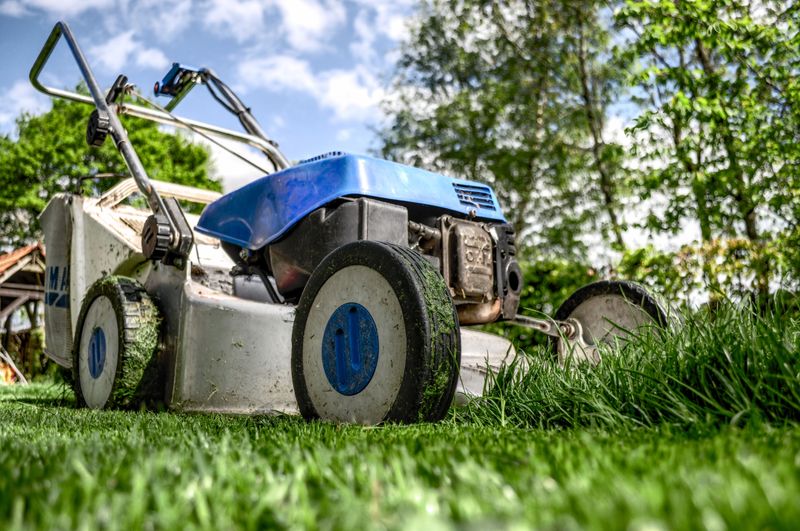
Look closely at grass tips a day after mowing, and dull blades leave shredded, whitish edges behind. Those torn tips turn brown and give a whole lawn a faded, tired look from across the street.
Sharp blades slice grass cleanly, so plants heal faster and lose less moisture through damaged leaf tissue. Ragged wounds can also give fungal diseases an easy way in, especially during humid weather later in the season.
Many gardeners sharpen blades at least once each spring before that first cut, and again around midsummer. If you mow a large property or hit plenty of sticks, more frequent sharpening may be worth the effort.
Disconnect the spark plug wire or remove the battery before touching the blade, because safety comes first here. I also wear thick gloves, since even a dull mower blade has surprisingly sharp corners on the edges.
A metal file, bench grinder, or local repair shop can restore the edge in short order before spring. Balancing the blade afterward matters too, because a lopsided blade shakes the mower and wears out parts faster.
Check for bends, cracks, or deep nicks after hitting rocks, roots, or forgotten toys hidden in the grass. Replacing a damaged blade costs less than you might expect and keeps your mower running smoothly all season.
A sharp mower also cuts more easily, which makes the weekly chore feel noticeably quicker and less tiring. My Saturday mowing became almost pleasant once I started sharpening blades every spring like clockwork.