8 Smells That Drive Groundhogs Out Of Pennsylvania Gardens
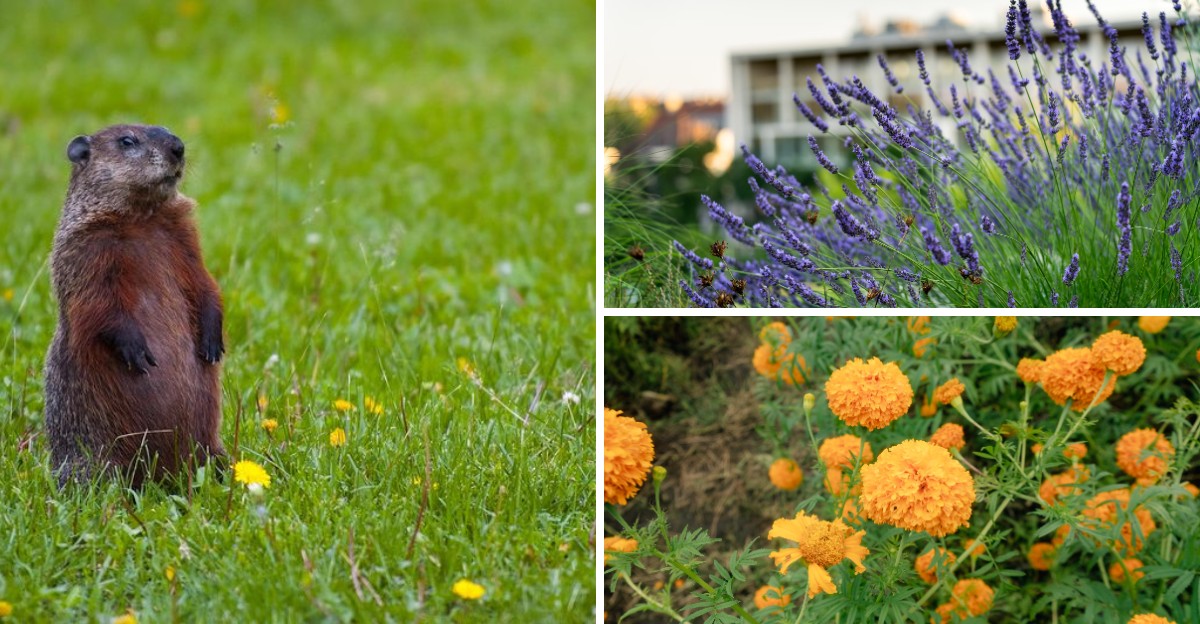
A single furry digger can move roughly 700 pounds of soil while building one underground home in your yard.
That same busy creature also whistles when startled, which explains the old nickname whistle pig across rural Pennsylvania.
Its nose works overtime, sniffing out tender beans and young lettuce long before you notice any chewed leaves. That sharp sense of smell can also work against the hungry visitor when certain strong odors fill the air.
I lost half a row of Pennsylvania snap peas one June before I started testing scents along my beds. Some smells helped more than I expected, while others mostly gave my kitchen a funky aroma for days.
You might notice that a few of these odors already sit in your pantry or herb bed right now. Which scents send a chubby garden raider waddling away, and which ones simply waste your precious weekend?
1. Castor Oil Poured Into Groundhog Burrows
Castor oil has a heavy, greasy smell that lingers in soil long after you finish spraying the burrow entrance. Many gardeners use it because it smells unpleasant to groundhogs without harming them or your nearby plants.
I first tried it near a hole under my shed, and the oily scent clung to my gloves for hours. That staying power is exactly why castor oil shows up in so many store-bought mole and groundhog repellents.
A simple homemade mix uses about half a cup of castor oil shaken into roughly two cups of warm water. Adding a squirt of mild dish soap helps the oil blend instead of floating in a slippery layer on top.
Pour or spray the mixture into burrow openings while the animal is out feeding, usually during morning or late afternoon. Groundhogs are active in daylight, so you can often spot them grazing before you sneak over with your bottle.
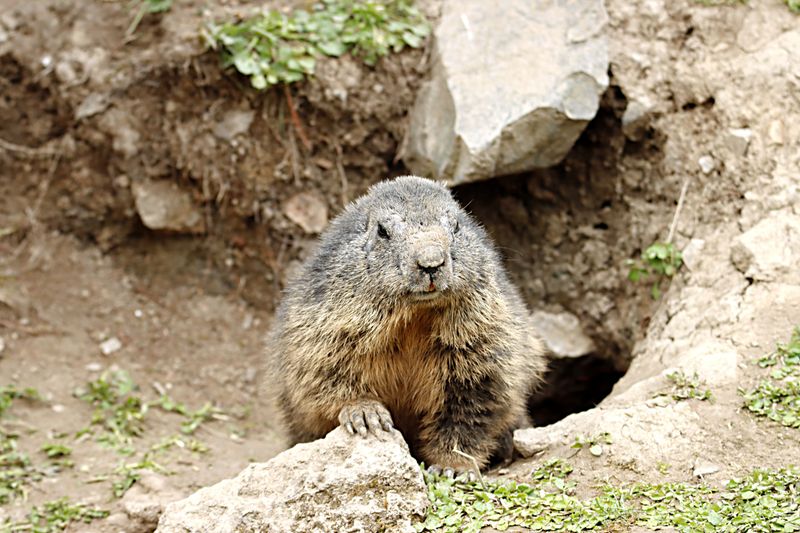
Burrows usually have more than one entrance, sometimes hidden under shrubs or tucked beside a fence post or woodpile. Treat each opening you find, but leave one clear so the groundhog has an easy way to move out.
Rain washes the scent away fairly quickly, so plan to reapply after every soaking storm moves through your yard. University experts note that repellents give mixed results, so pair castor oil with sturdy fencing for better protection.
My shed visitor eventually relocated, though I also blocked the space underneath with buried hardware cloth later that fall. The oil seemed to nudge it along, and the barrier made sure it stayed gone for good.
2. Cayenne Pepper Dusted Across Garden Beds
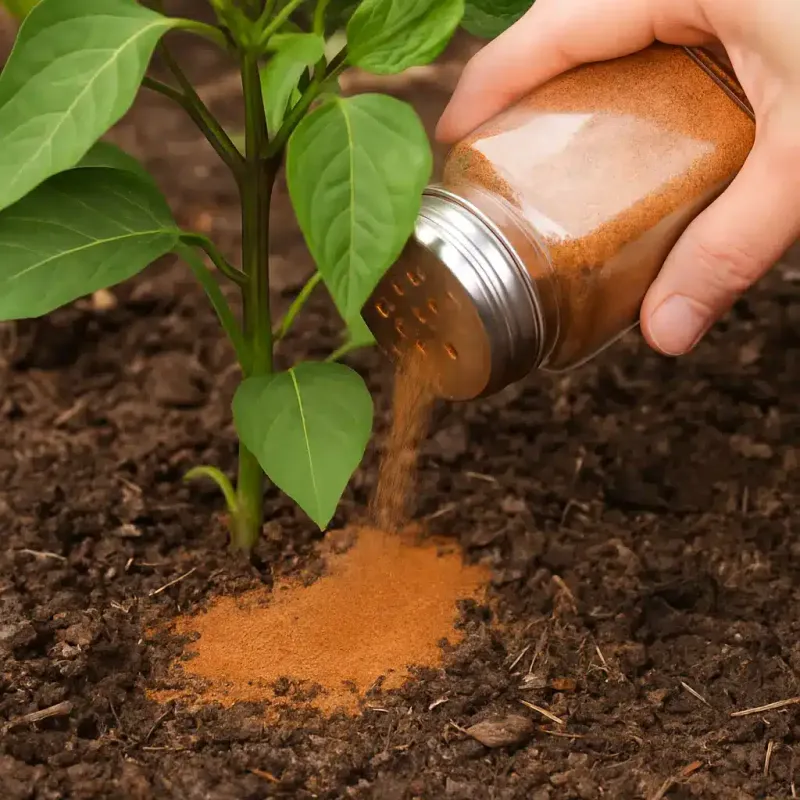
Anyone who has rubbed their eyes after chopping hot peppers understands why cayenne makes a curious nose think twice. The burning compound inside, called capsaicin, irritates sensitive noses and mouths in mammals, including the groundhogs nibbling your greens.
Birds barely react to capsaicin, which is a fun quirk that explains why some people add pepper to birdseed. Mammals feel the heat strongly, so a dusting around tender crops can make a hungry groundhog rethink dinner.
I keep a cheap shaker of cayenne by my back door for quick touch-ups around lettuce and young beans. Sprinkle a thin ring around plants rather than piling it up, since wind scatters heavy layers onto your shoes.
For leaves, stir about two teaspoons of cayenne into one quart of water with a drop of dish soap. Spray the mixture on foliage in the cool evening, and test a few leaves first to check for spotting.
Wash anything you harvest carefully before eating, unless you enjoy surprise spice on your salad or your snap peas. Gloves and sunglasses are smart choices too, because a sudden breeze can send pepper mist straight into your face.
Like most scent tricks, cayenne fades after heavy rain or watering, so plan a fresh layer every few days. Pets may also sniff it, so keep curious dogs from rolling around in your freshly treated vegetable beds.
Honestly, pepper works best as a quick, cheap stopgap while you install a fence or wait for crops to mature. It buys you time, and sometimes that short window is enough for seedlings to outgrow the tender stage.
3. Crushed Garlic Cloves Around Vegetable Rows
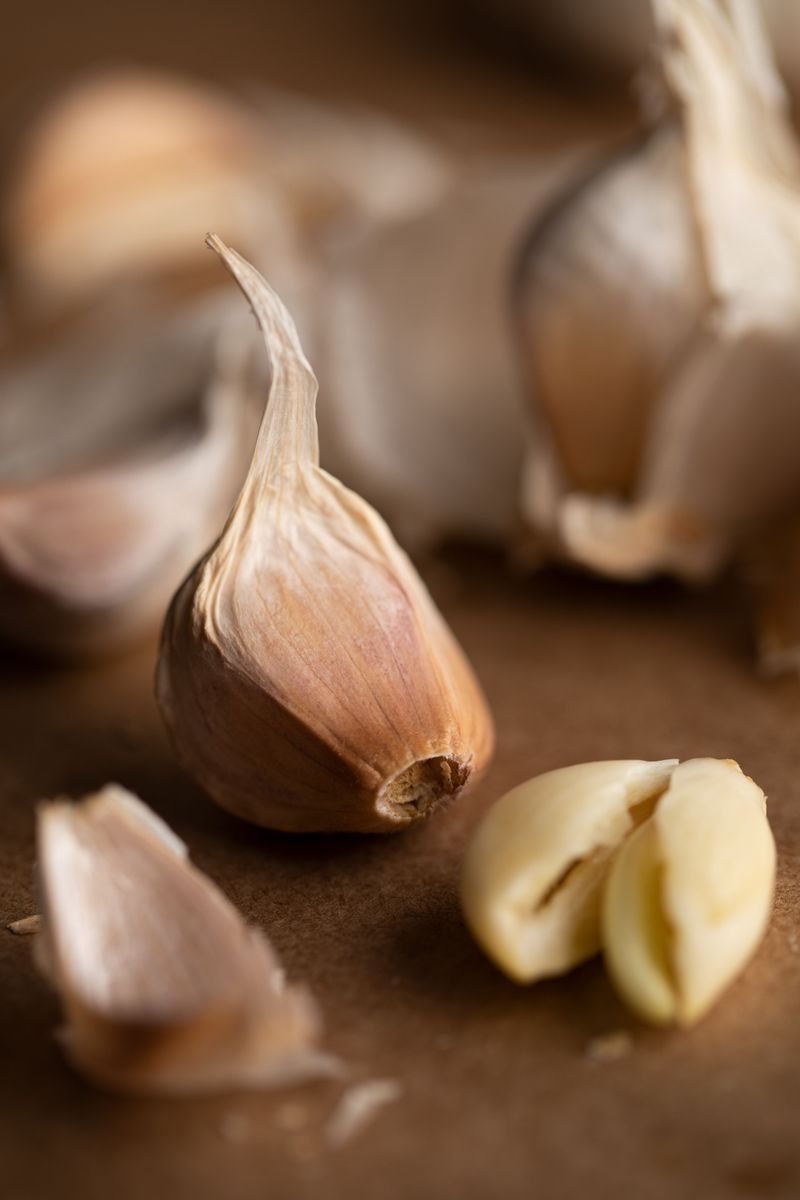
Garlic breath might scare off a date, but it can also make a groundhog wrinkle its twitchy little nose fast. Crushing a clove releases sulfur compounds that create that sharp smell, and the scent gets stronger as cells break.
My grandmother tucked garlic between her tomato rows decades ago, long before anyone called it a natural repellent. She mostly wanted fresh cloves for cooking, though she swore her beds saw fewer chewed leaves than the neighbors.
For a quick spray, blend a full bulb of peeled garlic with two cups of water until it looks smooth. Let it sit overnight, strain out the chunks, then add a little dish soap before filling your spray bottle.
Spritz it along bed edges and on sturdy leaves, focusing on crops the groundhog has already sampled and enjoyed. Avoid spraying blooms you hope will turn into fruit, since pollinators may not appreciate the garlic perfume either.
Planting garlic itself is another option, and Pennsylvania gardeners usually tuck cloves into the ground during mid fall. Hardneck types handle our cold winters nicely, and they send up curly scapes you can snip for spring meals.
Be realistic, though, because a hungry groundhog facing an empty field may push past strong smells to reach food. Garlic works best as one layer of defense, not a magic wall that stops every determined chewer in town.
I like that leftover spray costs pennies and doubles as a decent deterrent for rabbits sampling my young beans. Just store the bottle outside, unless your family wants the garage smelling like an Italian kitchen all week.
4. Fox And Coyote Urine Near Groundhog Holes
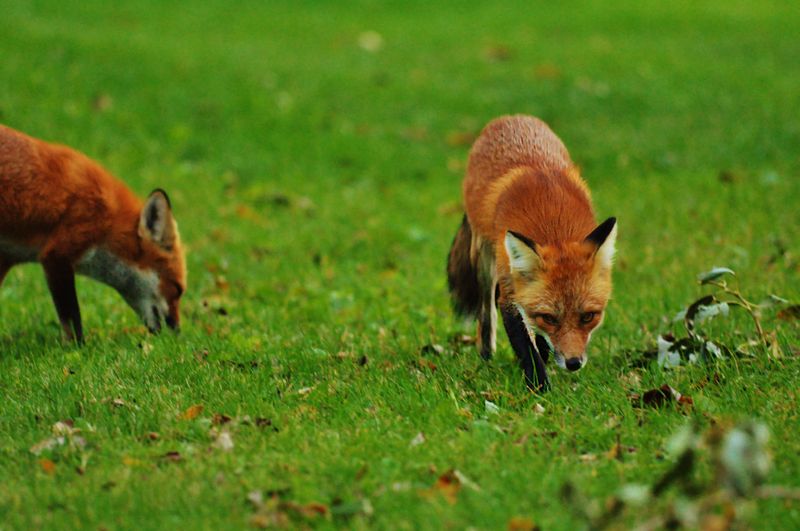
Few odors grab a groundhog’s attention like the musky scent of a fox or coyote marking its territory nearby. Both predators live across Pennsylvania, and young groundhogs especially need to stay alert when those hunters wander close.
Commercial predator urine comes in liquid bottles or soaked granules, and garden centers often shelve it near deer repellents. I was skeptical at first, but watching a groundhog sniff the air and retreat made me a little curious.
Place granules or soaked rags around the garden edge and near active burrow openings, following package directions carefully. Refresh them about once a week, or sooner after storms, because the scent weakens as it dries out.
Some folks scatter used cat litter near holes, hoping the ammonia smell sends a similar warning to nearby wildlife. Keep litter away from vegetable beds, though, since cat waste can carry parasites you do not want near food.
Research on predator scents shows mixed results, and animals sometimes grow used to a smell that brings no real threat. Moving the scent stations around every week or two may help keep the warning feeling fresh and believable.
Always leave one burrow exit open when you treat holes, so the animal can relocate instead of getting trapped inside. Groundhogs give birth in spring, so waiting until young ones leave in summer is kinder for everyone involved.
I think predator scent works best on the garden perimeter, acting like a warning sign posted at the front gate. Combined with tidy edges and fewer hiding spots, it makes your yard feel far less cozy for a burrower.
5. Blood Meal Sprinkled Along Garden Borders
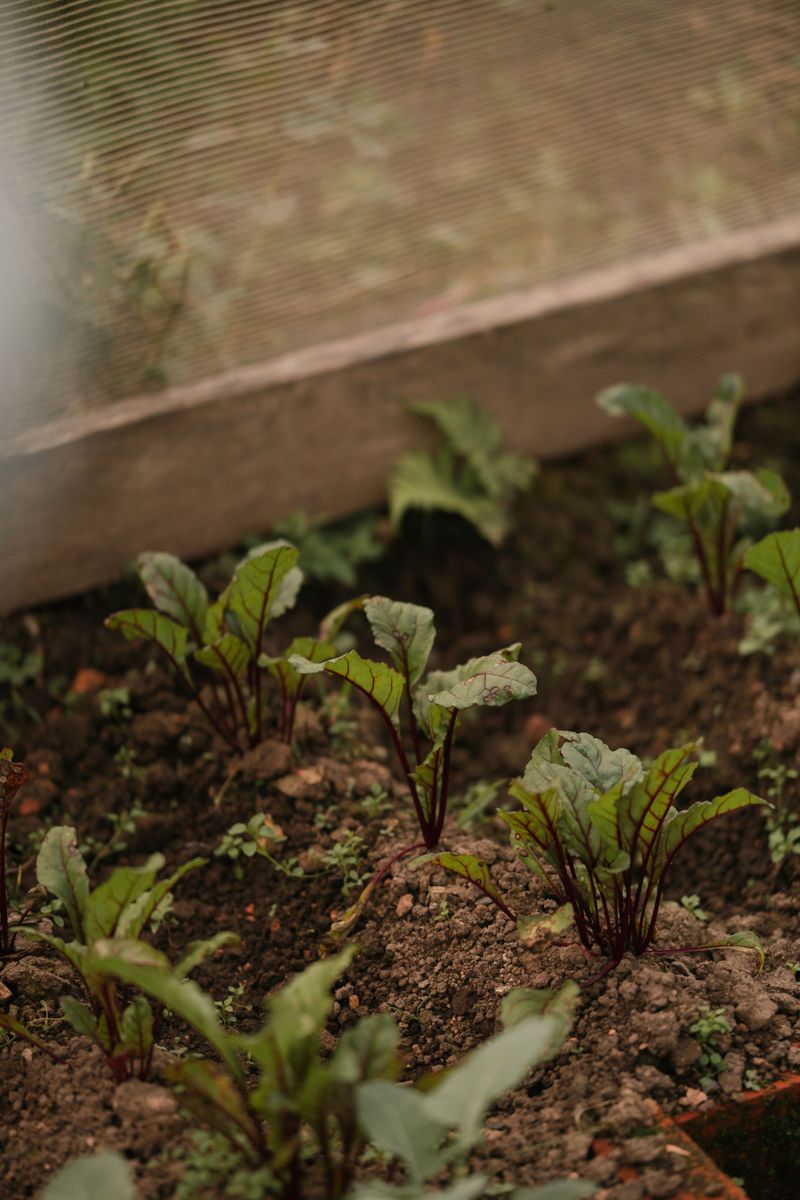
Open a bag of blood meal and you will understand its reputation within seconds, because the earthy, metallic odor hits hard. Gardeners mainly buy it as an organic fertilizer, yet that strong smell may also keep plant-eating animals cautious.
Blood meal is dried animal blood from processing plants, and it carries a high nitrogen content for leafy growth. Plants like lettuce and corn often respond with greener leaves, which makes this one of the few repellents that feeds crops.
Sprinkle a thin band around your garden borders, especially near the gaps where you see groundhog trails pressed into grass. Water it lightly so it settles into the soil instead of blowing around or clumping on top of leaves.
Go easy on amounts, because too much nitrogen can scorch roots and push leafy growth instead of flowers and fruit. I follow the bag label closely and skip extra doses around tomatoes and peppers once they start setting fruit.
One catch deserves attention, since blood meal can attract dogs, raccoons, and other meat-loving animals sniffing for a snack. If your pup digs up the beds after you apply it, switch to another option on this list instead.
Rain dilutes the smell quickly, so a fresh light dusting after storms keeps the border working through the growing season. Store opened bags in a sealed bin, or the garage might start smelling like a farm barn by August.
For me, blood meal fills a nice middle ground between feeding the garden and adding one more uninviting smell. I treat it as a bonus, not my main defense, and my beans still sit safely behind chicken wire.
6. Lavender Plants Lining The Vegetable Patch
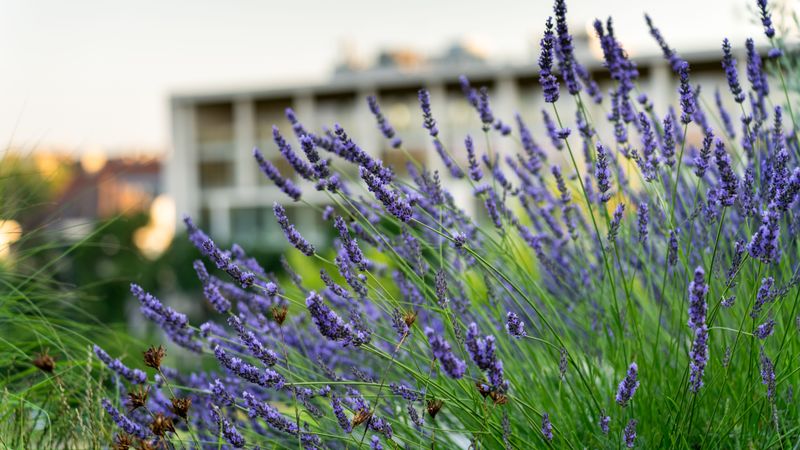
Lavender smells like a cozy spa day to us, but many gardeners report that groundhogs tend to skip right past it. The silvery leaves hold strong aromatic oils, and grazing animals usually prefer softer, milder plants like clover and lettuce.
English lavender, known as Lavandula angustifolia, handles Pennsylvania winters well in zones five through seven when given good drainage. Varieties like Munstead and Hidcote stay compact and bloom in early summer, filling the air with that familiar sweet perfume.
Plant lavender in full sun with gravelly or sandy soil, because soggy clay causes its roots to rot over winter. I mix grit into my heavy soil and raise the bed slightly, which has kept my plants thriving for years.
Lining the edge of a vegetable patch with lavender creates a fragrant border that bees and butterflies happily visit too. That pollinator traffic can boost your squash and cucumber harvests, which feels like a sweet bonus from a simple planting.
Other aromatic herbs like sage, rosemary, and thyme get mentioned as groundhog turnoffs, though evidence is mostly from gardener experience.
Skip planting mint directly in beds, since it spreads aggressively underground and can quickly crowd out your favorite vegetables.
Keep expectations grounded, because a hungry groundhog may simply walk past the lavender to munch on your tender beans. Fragrant borders discourage casual browsing, yet they work best alongside fencing buried at least a foot into the ground.
I still love my lavender edge even on days when it fails to stop a stubborn visitor from snacking. Cutting a few stems for the kitchen table makes every hour spent weeding that border feel worthwhile.
7. Peppermint Oil On Cotton Balls Near Burrows
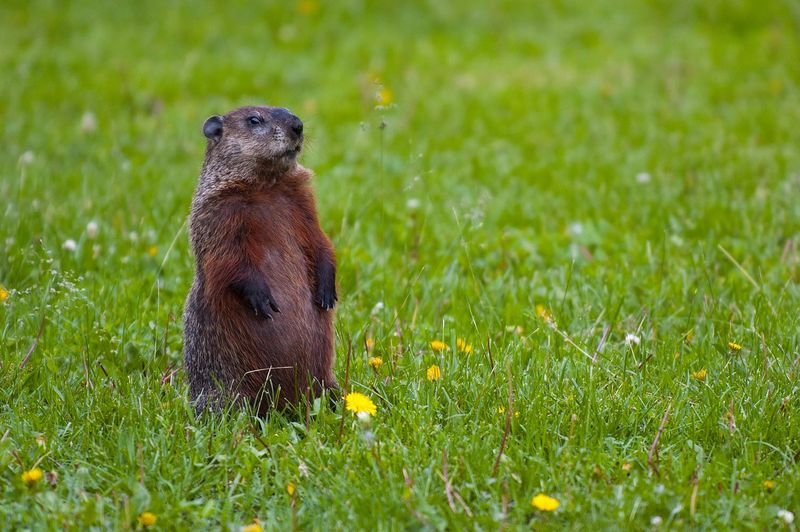
One whiff of peppermint oil can clear your sinuses in a heartbeat, so imagine how it hits a sensitive groundhog nose. The concentrated menthol scent feels sharp and cooling to us, while many rodents seem to find it quite unpleasant.
I keep a small bottle of pure peppermint oil in my garden tote, right beside my pruners and spare gloves. Soaking a few cotton balls takes seconds, and the smell spreads surprisingly far on a warm, still afternoon.
Tuck soaked cotton balls just inside burrow openings or under deck edges where groundhogs like to hide during the day. Placing them in small mesh bags or old jar lids makes collecting them later much easier and tidier.
For a spray, mix about ten drops of oil with a cup of water and a small drop of dish soap. Shake well before each use, because the oil separates fast and floats to the top of your bottle quickly.
Avoid spraying concentrated oil directly on tender leaves during hot afternoons, since essential oils can sometimes cause leaf burn. Test a small spot first, then wait a day to check for brown edges before treating the whole bed.
Peppermint fades faster than castor oil, so plan to refresh cotton balls every few days during warm summer weather. Keep the bottle away from cats too, as essential oils can be harmful to them even in small amounts.
I enjoy this method because my garden smells like candy canes instead of something funky from the barnyard. It may not solve every problem, but it adds a pleasant layer to the overall plan.
8. Marigolds Planted Around Garden Edges
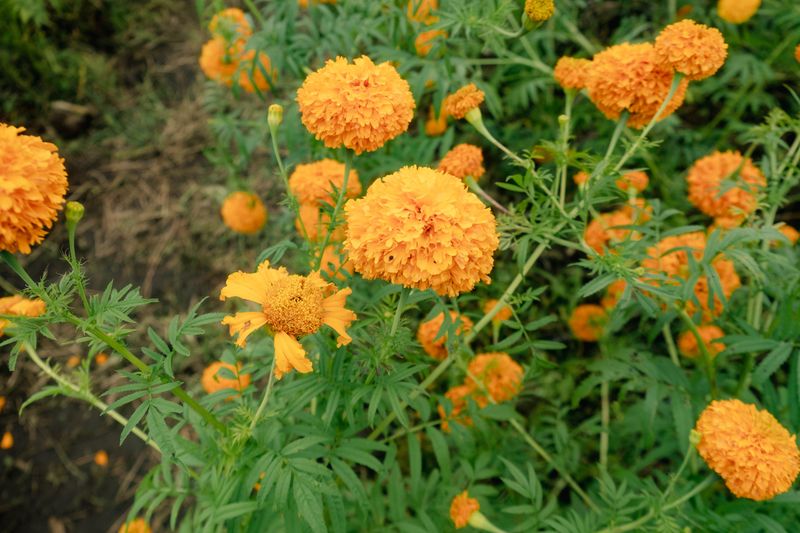
Brush your hand across marigold leaves and you will notice a bitter, peppery smell that lingers on your fingers. That sharp aroma is a big reason gardeners plant them as a cheerful border around vegetables each spring.
French marigolds, Tagetes patula, are easy annuals that bloom from early summer until the first fall frost arrives. Pennsylvania gardeners usually set them out after the last spring frost, often around mid May in many regions.
Plant them in full sun along bed edges, spacing them about eight to ten inches apart for a tidy border. Trimming faded blooms keeps new flowers coming, and the orange color brightens even the plainest vegetable patch nicely.
Honestly, marigolds have mixed reviews as groundhog deterrents, and some groundhogs reportedly nibble them without any hesitation. Their smell may discourage casual grazers, but a truly hungry animal might treat your border as the opening appetizer.
Still, marigolds earn their spot because they attract helpful insects like hoverflies, which feed on aphids as larvae. Certain varieties can also reduce some root knot nematodes when grown densely, according to several university extension studies.
I plant a mix of marigolds and a few herbs around my beds, then watch which plants get sampled first. That simple test tells me where to add pepper spray or tighten my fencing before serious damage begins.
Seeds are cheap and germinate quickly, which makes marigolds a friendly project for kids helping out in the garden. Even if a groundhog wanders through, you still get a cheerful burst of color that lasts for months.