When To Plant Daffodil Bulbs So They Come Up Strong Next Spring
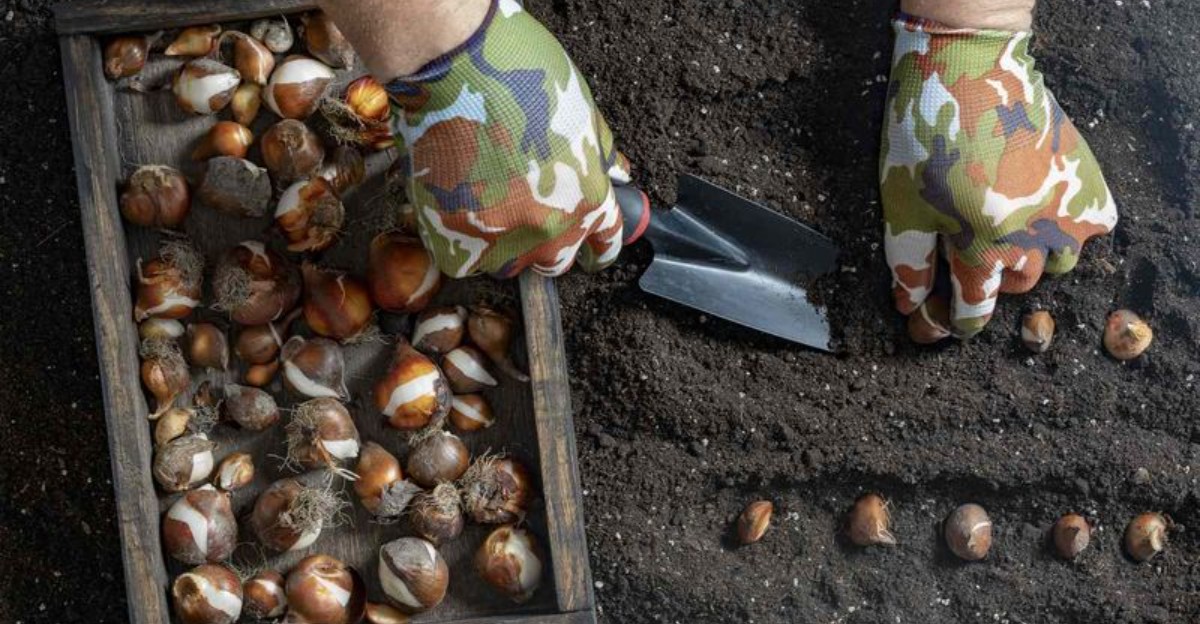
A bulb the size of a walnut can sit in frozen dirt for months and still burst into bloom before most trees leaf out. Every flower bud for next spring is already tucked inside it when you buy it at the garden center.
I’ll admit it, I used to treat fall planting like a chore to rush through. Then a whole row of mine came up with leaves and zero flowers. That stung more than I expected.
The secret has little to do with the calendar on your kitchen wall. It lives a few inches underground, where the soil cools slowly while the air swings wildly from day to day.
Get that hidden timing right, and those trumpet blooms return year after year with almost no fuss. Get it wrong, and you wait a whole year to find out. So how do you know when the ground is ready?
Cooling Soil Tells Daffodil Bulbs When to Wake Up
Call me stubborn, but for years I watched the weather app instead of the ground. Air temperature bounces around all fall, while soil changes slowly and steadily.
Daffodil bulbs respond to what is happening down where they sit. Many bulb experts and extension services suggest planting once soil about six inches deep has cooled to roughly 55 to 60 degrees Fahrenheit. In most places, that lines up with nights that drop into the 40s and 50s for a week or two.
A cheap soil thermometer takes the guesswork out of it. Push it in to bulb depth in the morning, check it for a few days, and look for a steady reading in that range.
No thermometer? Watch your trees instead. When maple and oak leaves start turning color in earnest, the ground is usually cooling right on schedule.
Another handy rule from bulb growers is to plant about six weeks before the ground typically freezes in your area. That window gives the bulb time to settle in before winter locks things up.
Once you start paying attention to the soil, the timing question gets much easier. Your bulbs have been reading that signal all along.
Fall Root Growth Is What Makes Daffodils Bloom Big
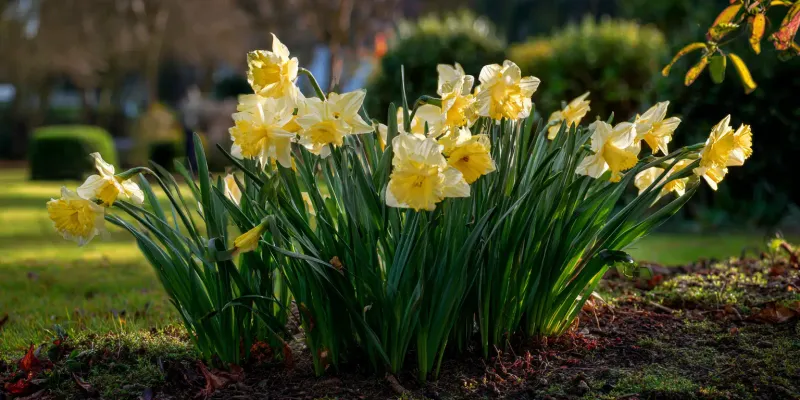
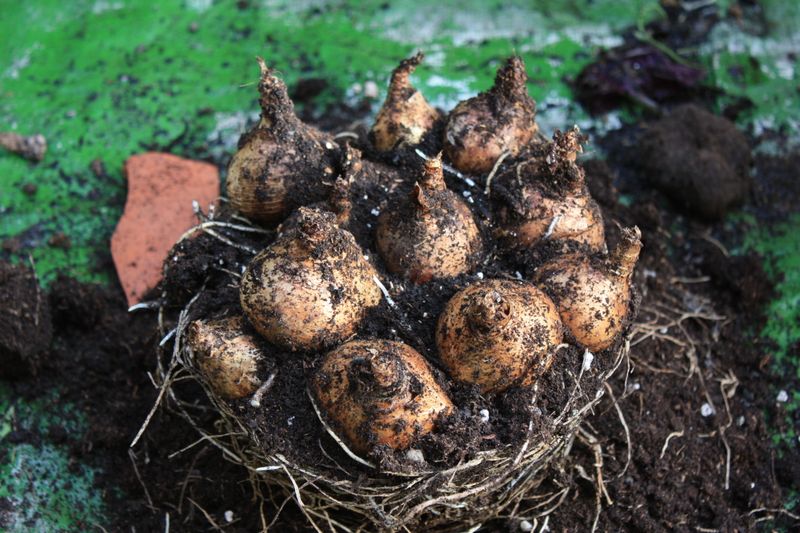
Underneath a quiet flower bed in October, a lot is going on. A freshly planted daffodil bulb spends its first weeks pushing out white roots from its flat bottom.
Those roots are the whole point of fall planting. They anchor the bulb, pull in water, and set the plant up to feed itself once spring growth begins. A bulb with a healthy root system sends up sturdier stems and fuller flowers.
Roots need a few weeks of workable, unfrozen soil to get established. Most sources suggest giving bulbs at least four to six weeks before a hard freeze, so root growth can happen while the top stays quiet.
Moisture matters here too. I water my bulbs well right after planting, since dry soil slows root growth. After that first soak, fall rain usually handles the job unless you hit a long dry stretch.
Fun fact for your next garden chat: the leaves and flower bud inside a daffodil bulb formed during the previous summer. Your job in fall is simply helping the bulb grow the roots it needs to show off what it already has.
Think of it as building the foundation before the house goes up.
Daffodil Bulbs Need a Long Winter Chill to Flower
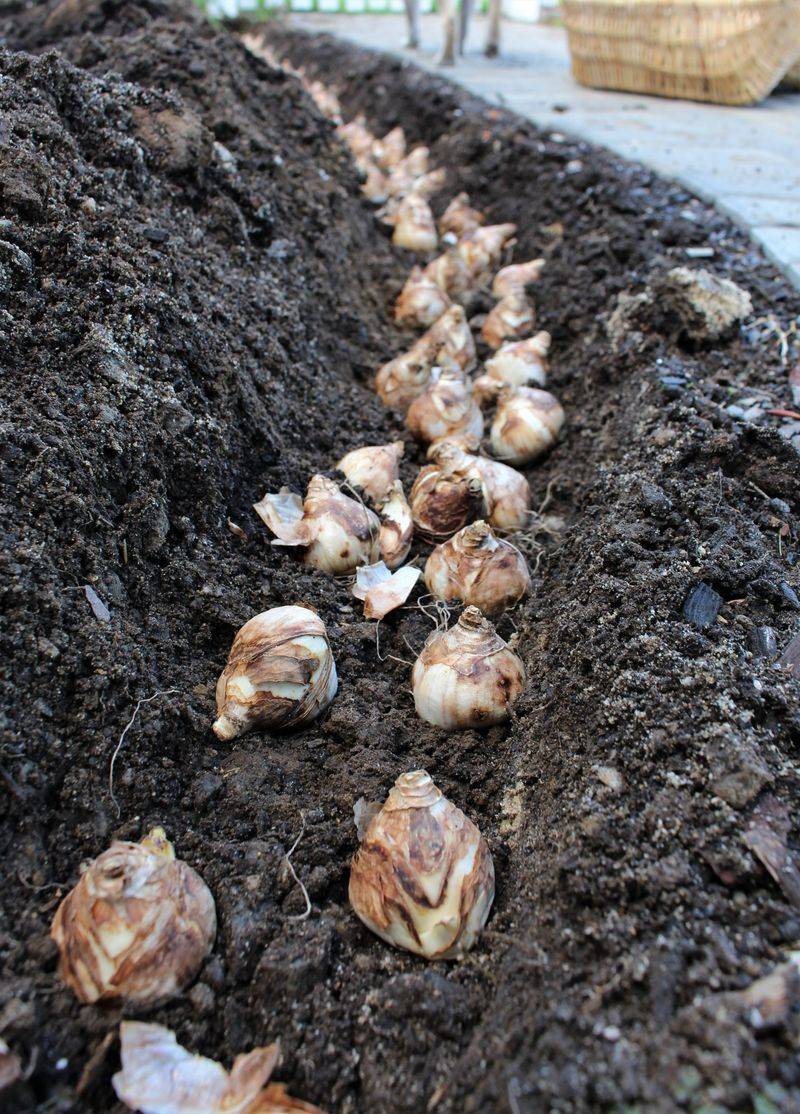
Daffodils have a built-in alarm clock, and cold is what winds it. After rooting, bulbs need a long stretch of chilly soil before they will flower properly.
Most varieties need roughly 12 to 16 weeks of temperatures below about 45 degrees Fahrenheit. During that time, changes inside the bulb prepare the flower stem to stretch upward when spring warms the ground.
Skimp on the chill, and trouble shows up later. Stems may stay short, flowers may sit low among the leaves, or the bulb may send up only foliage. Gardeners call that coming up blind, and it is a real letdown.
Not going to lie, this is why planting too late in a short-winter region can backfire. The bulb simply runs out of cold time before spring heat arrives.
In colder parts of the country, winter supplies plenty of chill without any help. Gardeners in mild climates have to think harder about it, which the next section covers.
One easy habit helps everywhere: mark your planting date on a calendar. Counting forward 12 to 16 weeks gives you a rough idea of when those first green noses should appear.
Your USDA Zone Sets the Daffodil Planting Calendar
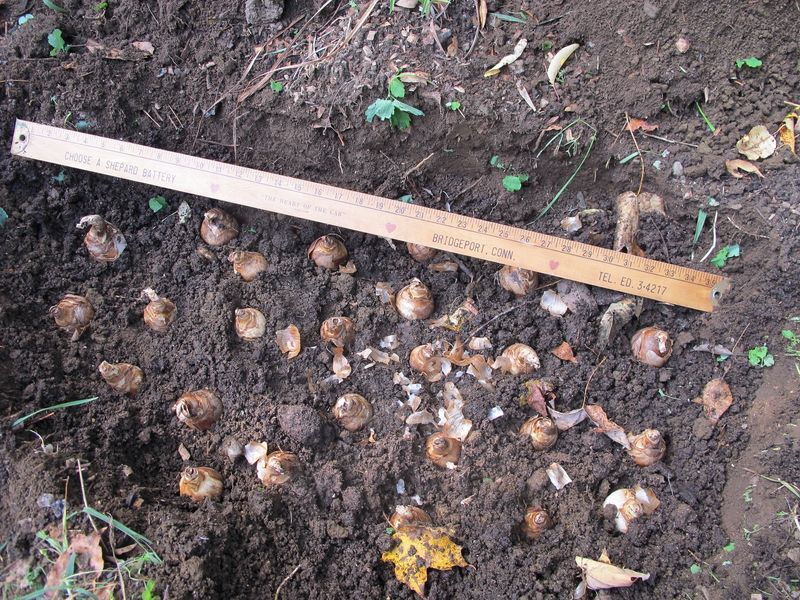
Across the United States, daffodil planting spans several months. A gardener in Minnesota and one in Georgia could be weeks or even months apart, and both can be right.
In cold Zones 3 to 5, aim for late September through mid-October. The ground can freeze early there, so roots need that head start.
Zones 6 and 7 usually hit the sweet spot from mid-October into early November. Many Mid-Atlantic and Midwest gardeners find late October works beautifully.
Warmer Zones 8 and 9 often wait until November or December, since soil stays warm longer. Some southern gardeners even plant into early January.
In the warmest spots, natural chill can fall short. Pre-chilled bulbs or about 12 to 16 weeks in the refrigerator can help, but keep them away from apples and other ripening fruit, which give off ethylene gas that can harm the flower bud.
Southern gardeners also do well choosing types known to handle mild winters, like many jonquilla and tazetta daffodils.
Not sure of your zone? The USDA Plant Hardiness Zone Map lets you type in your ZIP code. Pair that with your average first frost date, and you have a solid plan.
Planting Daffodils in Warm Soil Can Backfire
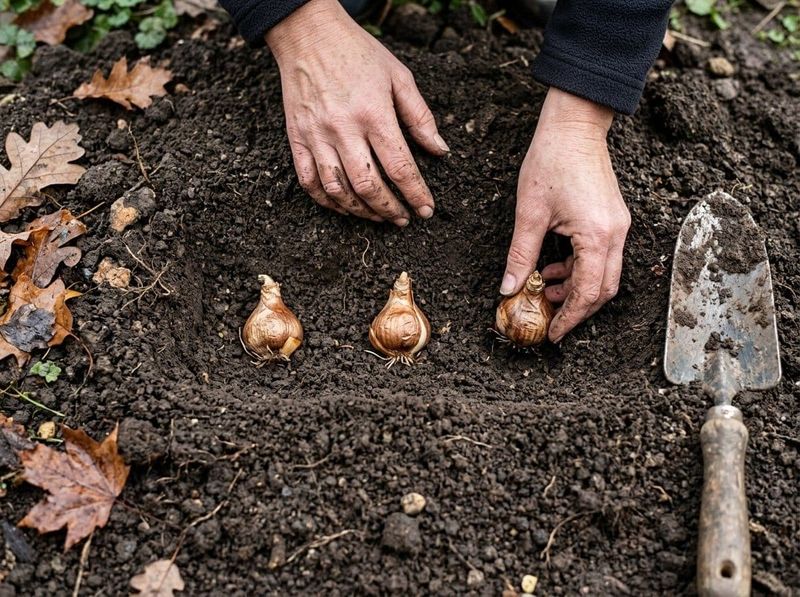
Excitement got the better of me one September. The bulbs arrived, the weather felt pleasant, and into the ground they went.
Planting while soil is still warm can sometimes trigger early top growth. Leaves popping up in fall use stored energy meant for spring blooms, and that tender growth can get damaged once hard frosts arrive.
Warm, damp soil also gives fungal problems such as basal rot a better chance to take hold. Bulbs sitting in those conditions for weeks are more likely to soften and decline.
So what do you do if your bulbs show up early? Store them in a mesh bag or paper sack somewhere cool, dry, and well ventilated. A garage or basement works well, as long as it stays out of freezing range and away from heat.
Check them now and then. Healthy bulbs feel firm, like a fresh onion, while soft or moldy ones should go in the trash.
Fair warning, a few green tips poking up in fall usually are not a disaster. Daffodil foliage is fairly tough, and a light layer of mulch can help protect it until spring.
Forgotten Daffodil Bulbs in December Still Deserve a Shot
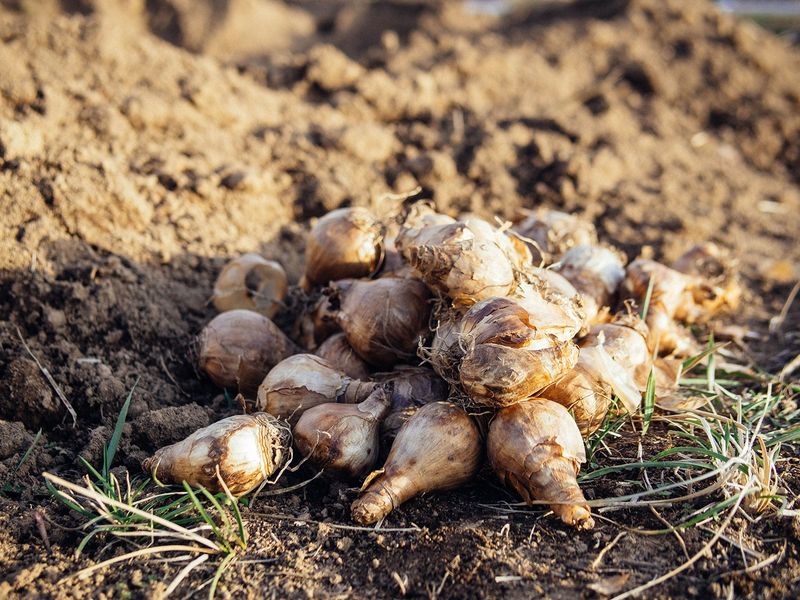
Don’t laugh, but I once found a whole bag of bulbs behind the snow shovels in mid-December. My first thought was to toss them.
Instead, I planted them, and most came up that spring. A bulb in the ground usually has a much better chance than one drying out on a shelf.
As long as you can still dig, go ahead and plant. Late bulbs may bloom a little later, sit on shorter stems, or put on a smaller show that first year.
Those slow starters often catch up. After a full year to settle in and a proper winter chill, many return with normal flowers the following spring.
If the ground is already frozen solid, you still have options. Pot the bulbs in containers, then keep them somewhere cold but protected, like an unheated garage, so they get their chill.
A few quick checks help late plantings:
Toss any bulbs that feel mushy or shriveled. Plant at normal depth, water once, and add a few inches of mulch to slow freezing.
Guilty as charged on the forgetting part, but those bulbs taught me daffodils are far more forgiving than I expected.
Plant Daffodil Bulbs Deep, Pointy Side Up, in Sunny Spots
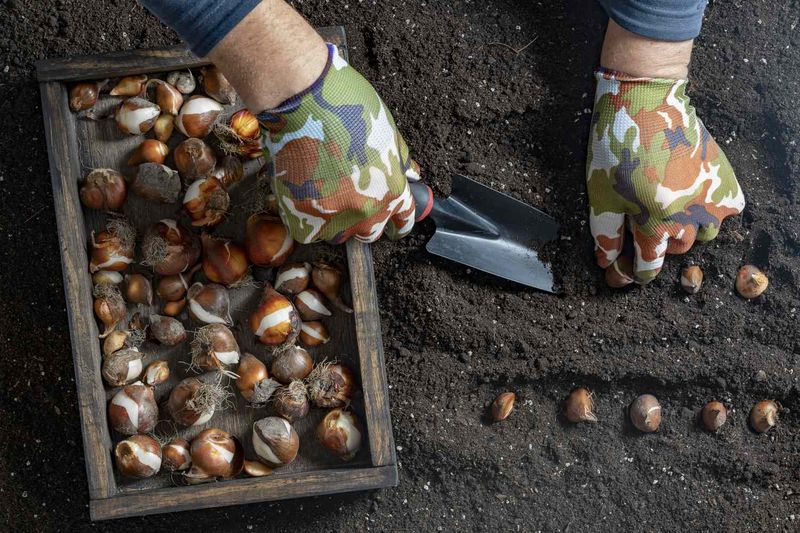
Good timing deserves a good planting job to match. A few simple steps help your bulbs return strong for many springs.
Dig about 6 to 8 inches deep, or roughly three times the height of the bulb. Deeper planting protects bulbs from temperature swings and keeps them steady in the soil.
Set each one pointy side up with the flat root plate down. Space bulbs about 3 to 6 inches apart, since daffodils multiply over the years and will fill in.
Drainage matters a lot. Daffodils dislike soggy ground, so choose a spot that does not hold puddles after rain. Mixing in compost can help heavy clay drain better.
Sun is the other big piece. Aim for at least six hours of light in spring, and remember that many trees are still bare when daffodils bloom.
Here’s a bonus I love: daffodils contain compounds that make them unappealing to deer, squirrels, and voles. They often thrive where tulips get eaten.
After blooming, let the leaves stay until they yellow, usually around six weeks. Those leaves feed the bulb for next year, so the payoff for patience is another bright spring.