Should You Cut Back Perennials in New York, or Leave Them Standing for Winter?
A hollow flower stem the width of a pencil can shelter a sleeping native bee all winter long. Many small carpenter bees and mason bees spend the cold months tucked inside old stalks, waiting for spring.
That changed how I look at my garden every November. Personally, I used to love a tidy bed with nothing but bare soil and mulch.
Here in New York, the fall cleanup urge hits hard once the first frost browns everything. You rake, you snip, you haul bags to the curb. Yet some of that brown mess may be doing quiet, useful work while you sip cocoa indoors.
So which stalks deserve a haircut, and which ones should stay put until the snow melts? The answer depends on the plant, and a few of them might surprise you.
Those Brown Perennial Stalks Are Busier Than They Look
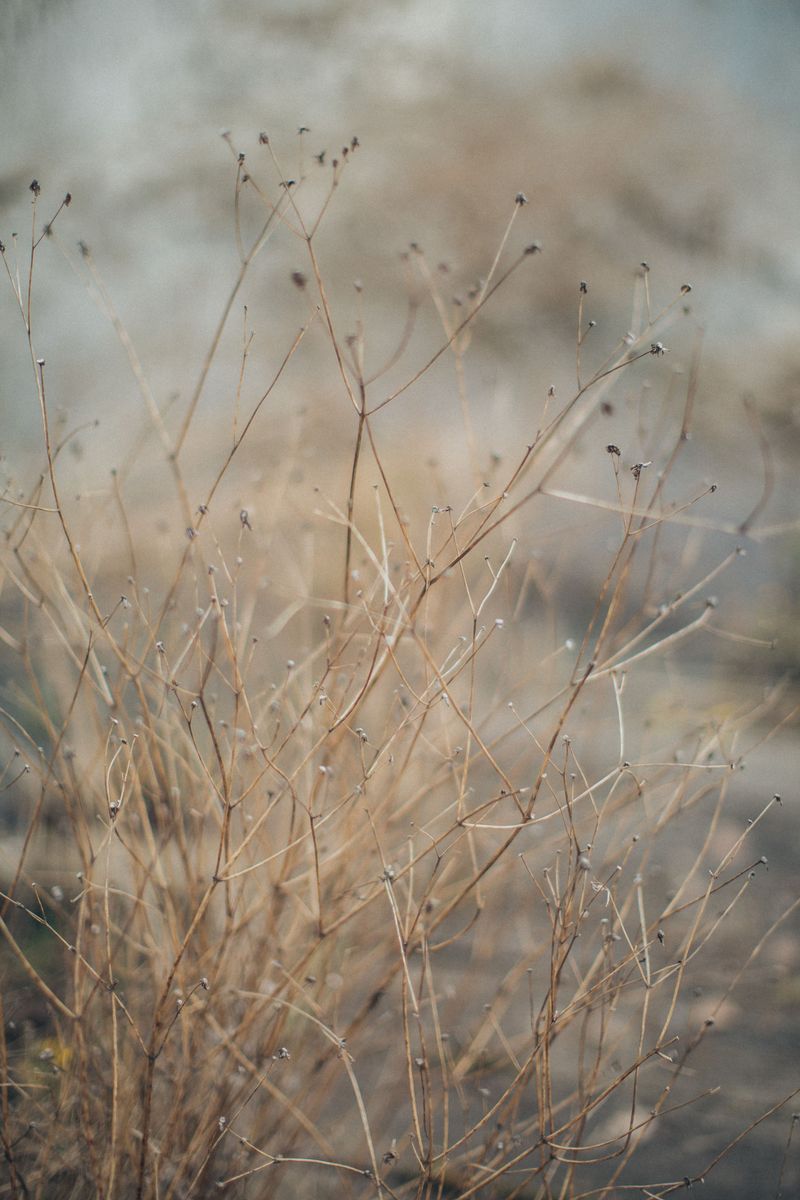
Walk past a winter garden bed and it seems like nothing is happening. Look closer, though, and those faded stalks are holding up a lot more than seed heads.
Cornell Cooperative Extension and many pollinator groups point out that standing stems and leaf litter give overwintering insects a place to hide. Some native bees nest inside hollow or pithy stems.
Butterflies such as certain fritillaries and skippers spend winter as caterpillars or eggs tucked into plant debris nearby.
Birds notice too. Chickadees, juncos, and goldfinches pick through dry flower heads for seeds on cold mornings.
So the big question is not really about neatness. It is about which plants are earning their keep through winter and which ones are causing trouble.
The best answer from most experts is a mixed approach. Leave healthy, sturdy perennials standing for winter, then cut them back in spring.
Remove diseased, pest-prone, or floppy plants in fall.
I like this middle path because it saves time in November when the days get short and cold. It also gives you a garden with texture, frost sparkles, and visiting birds instead of flat, empty soil.
Once you know which plants belong in each group, the choice gets much easier. Let the healthy stalks keep working, and save your shears for the plants that truly need them.
Coneflowers and Black-Eyed Susans Make Great Winter Bird Feeders
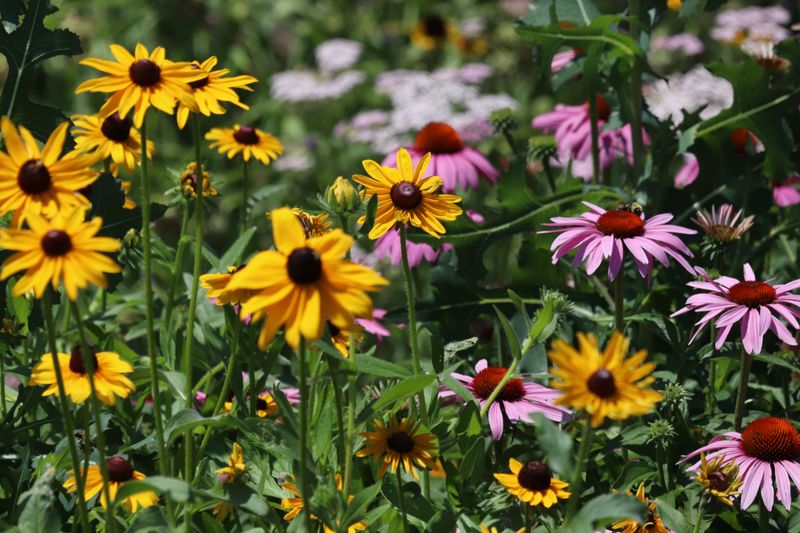
Goldfinches hanging upside down on a coneflower seed head might be my favorite winter show. It costs nothing and requires zero effort from you.
Several common perennials hold their seeds well into the cold season. Purple coneflower, black-eyed Susan, liatris, bee balm, and goldenrod all leave behind seed heads that birds visit.
Sparrows, juncos, and finches will happily pick them clean on a snowy afternoon.
Leave these plants standing until late winter or early spring. A few of their seeds will also drop and sprout, giving you free baby plants next year.
If self-sowing worries you, there is an easy fix. Snip off some seed heads and leave the rest for the birds.
Ornamental grasses belong on this list too. Little bluestem and switchgrass hold their shape through snow, and their seeds feed birds while the clumps add golden color to a gray yard.
Sedum, especially the tall autumn types, is another keeper. Its flat, rusty flower heads catch snow like tiny plates and look lovely all winter.
Here is a simple tip from my own garden. Plant these seed-rich perennials where you can see them from a window.
You will get front-row seats to a busy little bird café every snowy morning.
Hollow Perennial Stems Shelter Native Bees Through the Cold
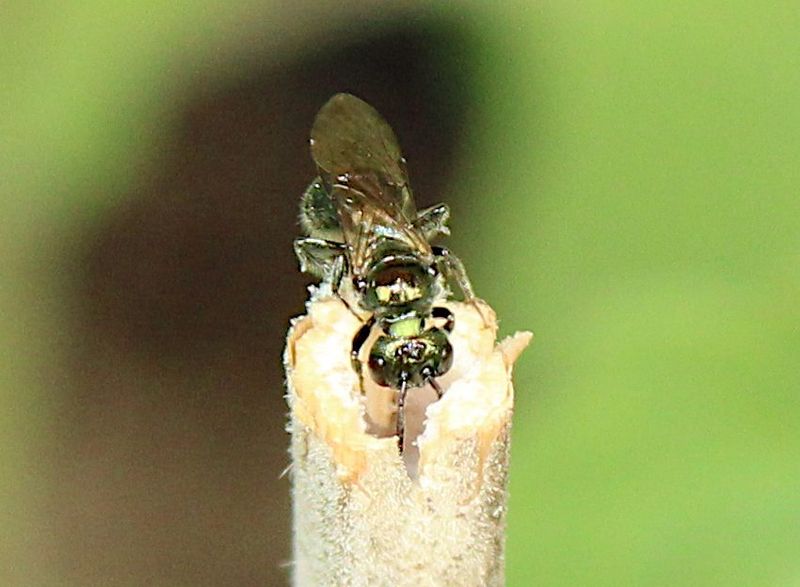
Tiny bees hiding inside a plant stem sounds like something out of a storybook. In reality, it happens in gardens across the Northeast every single winter.
Small carpenter bees and some mason bees build nests inside hollow or soft, pithy stems. Plants like bee balm, Joe Pye weed, anise hyssop, and native sunflowers often provide good spots.
Many other insects rest in leaf litter at the base of plants.
When you cut everything to the ground in October, you may be hauling those sleepy insects off to the curb. That loss adds up over time, since native bees are important pollinators for gardens and wild plants.
Waiting until spring gives these helpers a better chance. Even then, patience pays off.
Many pollinator experts suggest waiting until daytime temperatures stay near 50 degrees for about a week before tidying up.
Here is a clever trick worth trying. When you cut stems in spring, leave about 8 to 15 inches of stalk standing.
New growth will hide those stubs quickly.
Those leftover stalks become fresh nesting tubes for bees that summer. It is like building a free bee hotel without buying anything at all.
Your garden will look a bit wild for a few weeks, but the payoff is more pollinators buzzing around your blooms later on.
Snow Caught on Standing Stems Acts Like a Cozy Plant Blanket
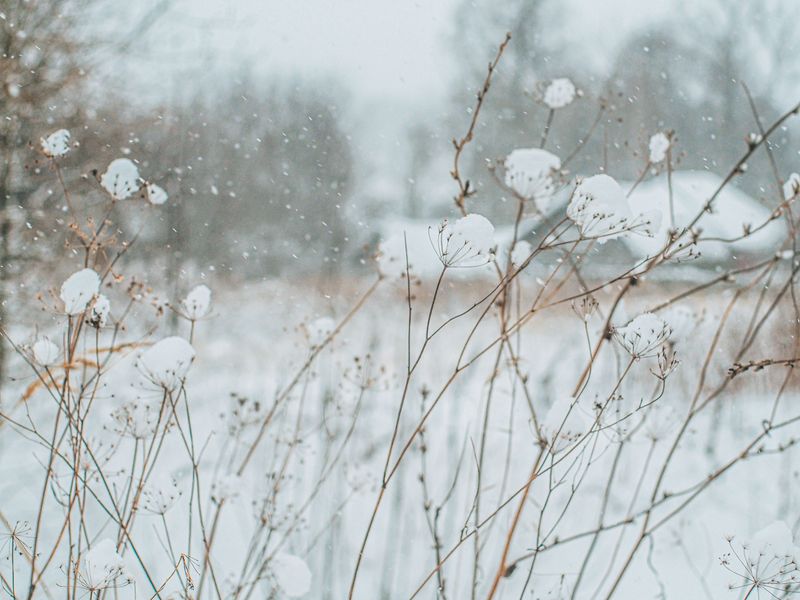
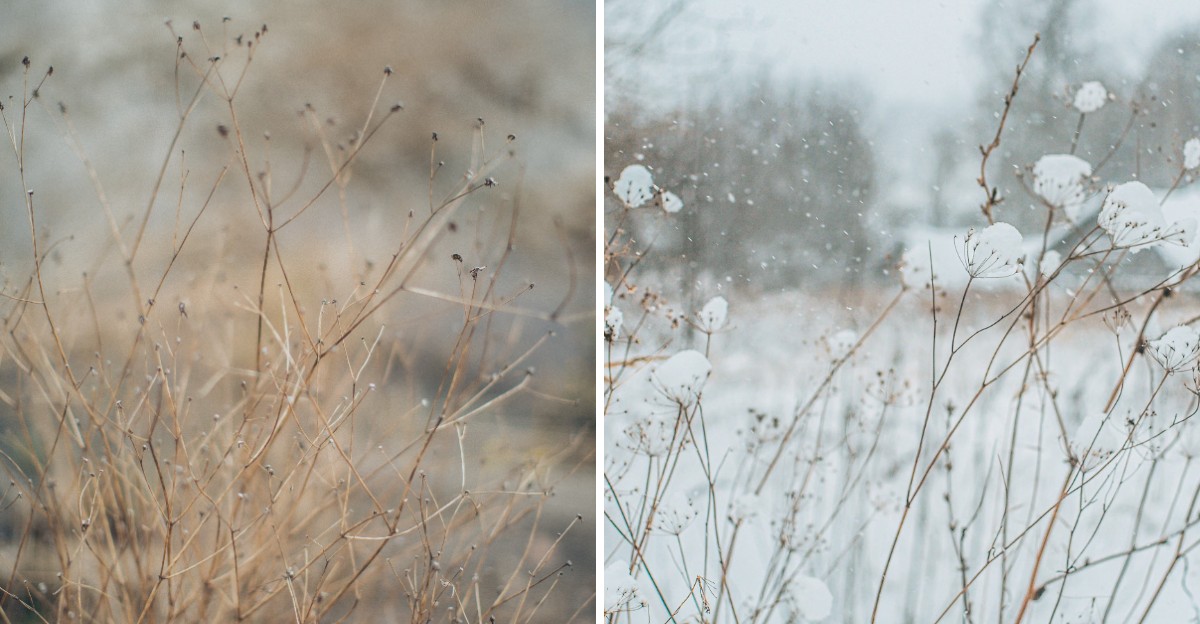
Snow is one of the best insulators a garden can get. Upright stems help trap it right where the plants need it most.
When stalks stay standing, they catch blowing snow and hold it over the plant’s crown. That fluffy layer keeps soil temperatures more even.
It protects roots from bitter winds and sudden cold snaps.
Steady soil temperatures matter a lot here. Upstate areas like the Adirondacks and Tug Hill can drop into USDA Zone 4 or colder.
Long Island and New York City sit in milder Zones 7a and 7b, where winter often swings between freezing and thawing.
Those swings cause frost heaving. Soil freezes, expands, and then thaws again, pushing shallow-rooted plants right out of the ground.
Heucheras and newly planted perennials are often the first victims.
Leaving foliage in place helps reduce that problem. Old stems also mark where your plants are, so you will not accidentally step on them or dig into them in early spring.
I once lost track of a young butterfly weed after a tidy fall cleanup. It sprouts late, so I nearly planted something on top of it.
Since then, I leave a few stalks as handy garden markers. They may look scruffy, but they save me from plenty of spring guesswork.
Peonies and Hostas Usually Deserve a Fall Trim
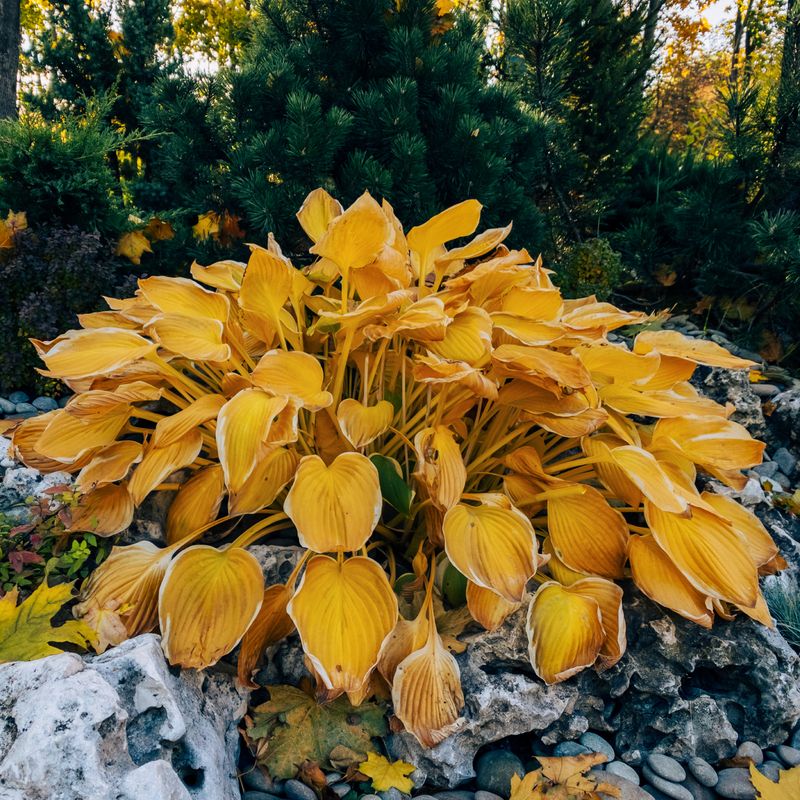
Not every perennial wants to spend winter standing tall. A few plants are better off with a fall haircut, and peonies top the list.
Peony leaves can carry fungal problems like botrytis blight and leaf blotch. Those diseases can linger on old foliage and come back in spring.
Cutting stems near the ground after frost, then bagging or trashing the leaves, helps reduce that risk.
Hostas are another good fall candidate. Their leaves collapse into a soggy pile after hard frost.
That slimy layer can give slugs a nice place to lay eggs.
Bearded iris also benefits from fall cleanup. Removing old leaves helps reduce iris borer eggs, since the adult moths lay eggs on old foliage in late summer and fall.
Any perennial that battled powdery mildew, leaf spots, or heavy pest damage should come down too. Bee balm and garden phlox often struggle with mildew in humid summers.
Keep one rule in mind. Do not toss diseased leaves into your compost pile.
Most home compost bins do not get hot enough to break down disease spores.
Healthy foliage is a different story, so feel free to compost that. Being picky here gives you a cleaner start next year with fewer headaches.
Lavender and Russian Sage Prefer You Wait Until Spring
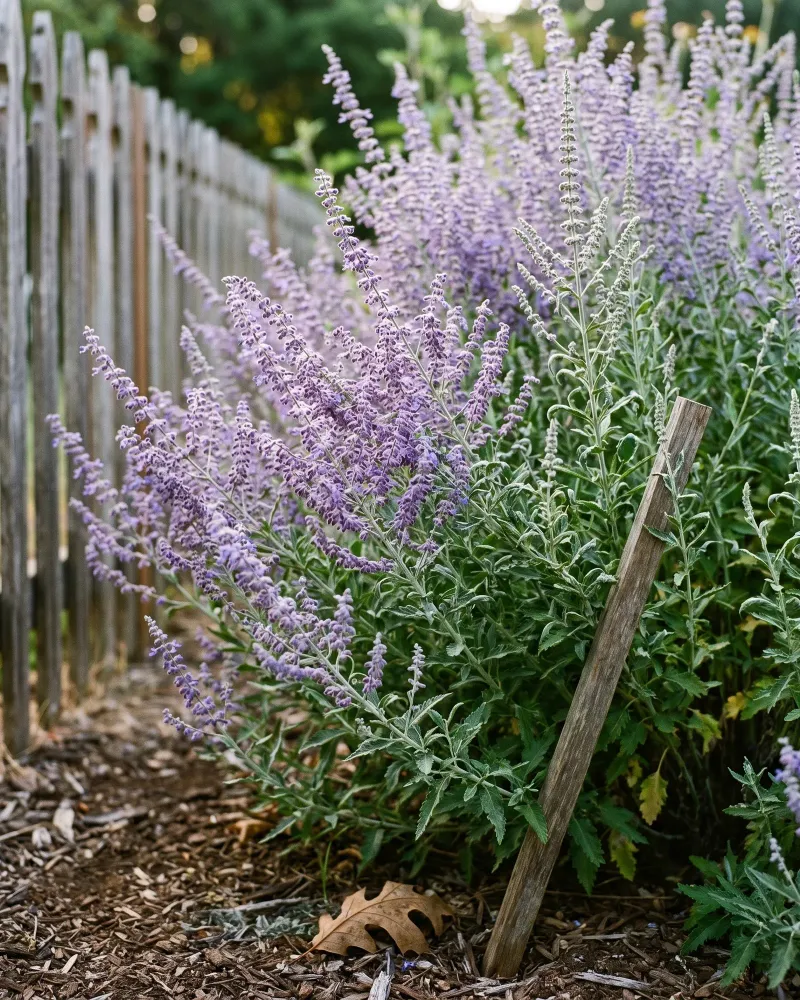
Woody perennials play by different rules. Snip them too early, and you could leave them weaker heading into the coldest months.
Lavender and Russian sage both grow from woody stems. Cutting them hard in fall can open fresh wounds to winter damage.
Their old growth also helps shield the crown from harsh weather.
So wait until spring. Look for small green buds breaking along the lower stems, then cut just above them.
For lavender, avoid cutting into old bare wood, since it often will not sprout again.
Russian sage is a bit more forgiving. Once new buds appear, you can trim it back to about 12 to 18 inches tall.
Semi-evergreen plants belong in this group as well. Heuchera, hellebores, and creeping phlox keep some leaves through winter.
Those leaves help feed the plant early in the season.
For hellebores, you can snip off tattered old leaves in late winter just as the flower buds rise. That move shows off the blooms nicely.
Mums are worth mentioning too. Garden mums tend to survive winter better when their stems stay in place.
A simple test helps. If a plant has woody stems or stays partly green, give it time and wait for spring.
Spring Cleanup Timing Protects Fresh Green Shoots
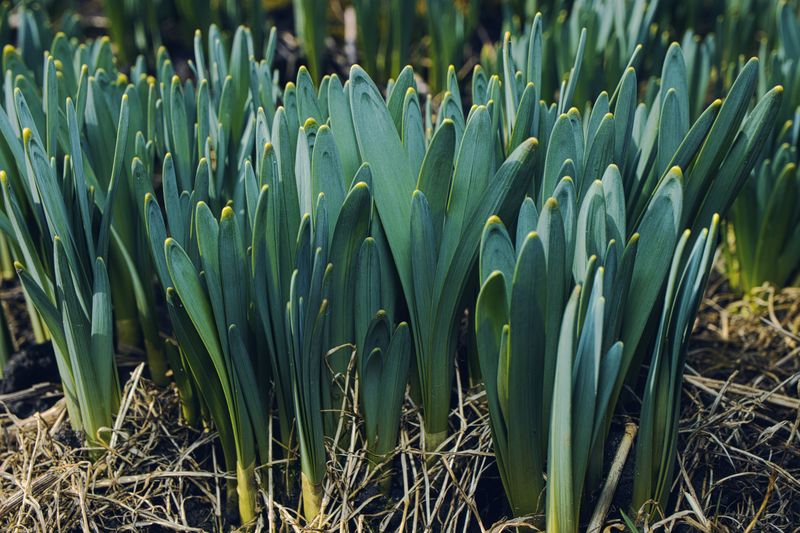
Spring cleanup feels wonderful after months of gray skies. Still, rushing out on the first warm day can cause more trouble than it solves.
The sweet spot is usually late winter to mid-spring, right as new growth begins. In much of New York, that falls around late March through April.
Upstate gardens often run a few weeks behind Long Island and the city.
Start by checking the base of each plant. If you spot new green shoots, cut old stems just above them.
A pair of sharp bypass pruners makes clean cuts, while hand shears work great on grasses.
Bundle ornamental grasses with twine before cutting. That trick keeps the whole clump tidy and saves you from chasing straw all over the yard.
Go easy on leaf litter at first. Some insects are still waking up, so pull leaves gently aside or move them under shrubs.
Chop old stems into short pieces and drop them back on the bed as a light mulch. You can also stack them in a quiet corner where hidden insects can finish emerging.
Personally, I spread my cleanup over a few weekends. It feels less like a chore and gives the garden time to wake up at its own pace.
A Layer of Mulch and a Deep Drink Finish Your Winter Prep
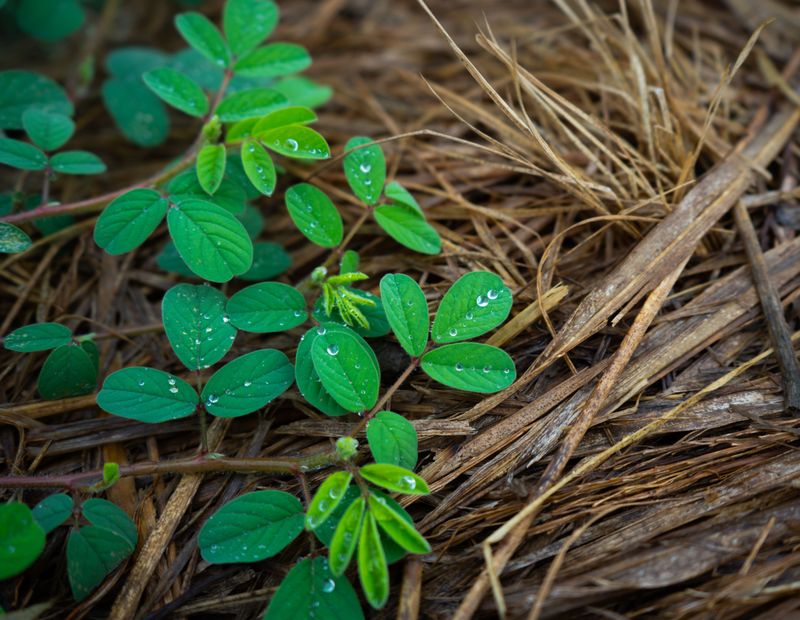
Your pruning choices are only part of the plan. Water and mulch quietly decide how well many perennials handle the long Northeast winter.
Start with water. Give beds a deep soaking during dry autumn weeks, before the ground freezes.
Plants with moist roots tend to handle cold winds better than thirsty ones.
Next comes mulch, and timing matters here. Many extension experts suggest waiting until the top inch or so of soil has frozen.
Mulching too early can invite voles to nest near tender crowns.
Shredded leaves, pine needles, or straw make great winter covers. Spread about 2 to 3 inches around plants, but keep it from piling against the stems.
The goal is to keep the ground frozen, not warm. Steady cold means fewer freeze-thaw cycles and less frost heaving.
Here is a final takeaway worth remembering. A winter garden does not need to look perfect to be healthy.
Cut back the troublemakers, leave the seed heads and hollow stems, then mulch and water well.
Come spring, you will have stronger plants, more birds, and plenty of buzzing pollinators. Grab a notebook this fall and jot down which plants you left standing.
Next year, you will know exactly what worked in your own backyard.