10 Perennials That Triple in Size in One Season and Fill New York Beds Fast
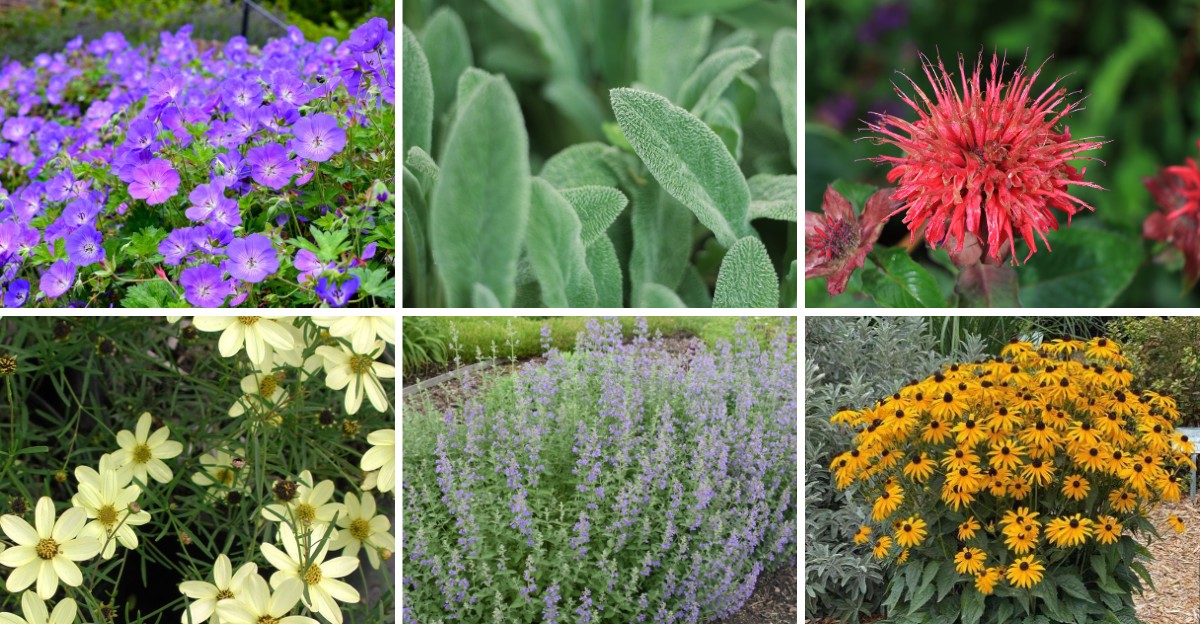
One award-winning blue perennial can sprawl nearly three feet wide by late summer from a tiny spring pot. I laughed out loud the first time mine swallowed a garden gnome before the Fourth of July weekend.
Truth be told, tripling in a single season is not guaranteed, since sunlight and soil shape every result. Still, a handful of tough perennials come remarkably close in New York gardens when given halfway decent conditions.
In my own yard, I’ve noticed bare mulch invites weeds faster than any plant can fill a gap. You need fillers that spread with enthusiasm yet stay polite enough to share space with friendly neighbors.
Every pick below handles cold New York winters and steamy Augusts with surprising grace and very little fuss. Which one will finally cover that stubborn empty patch beside your front porch steps this year?
1. Walkers Low Catmint
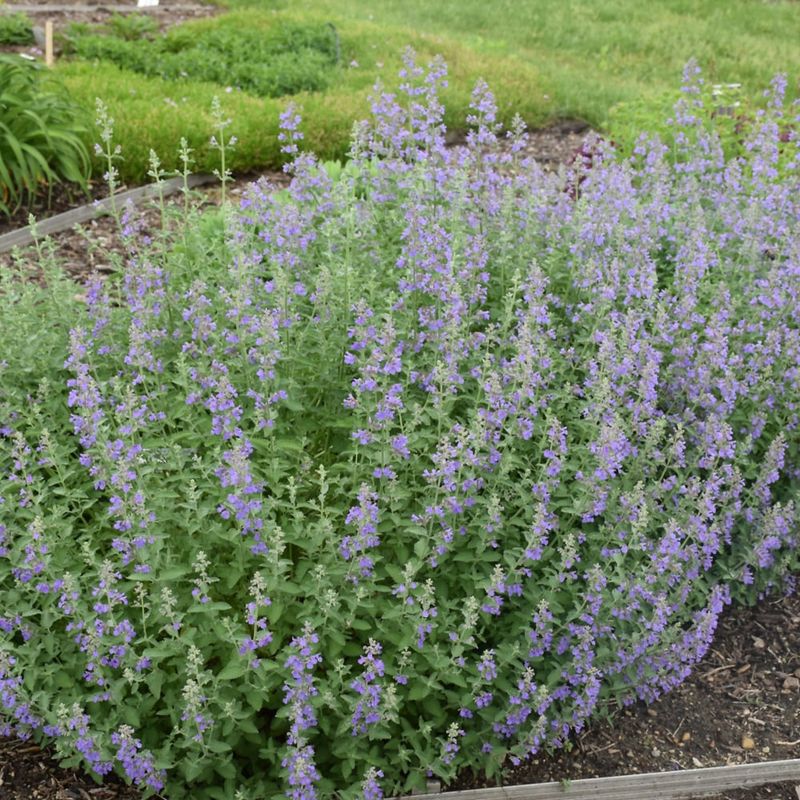
Back in 2007, the Perennial Plant Association crowned Walker’s Low catmint its Perennial Plant of the Year. One small pot planted in May can swell into a billowing lavender cloud nearly three feet across.
My first one looked like a sad handful of gray leaves on planting day. By midsummer it had flopped over the path, and the bumblebees were humming in it from morning until dusk.
Catmint wants full sun and soil that drains well, so skip soggy low spots near downspouts. Rich soil is not needed, and too much fertilizer often makes the stems floppy instead of tidy.
After the first big flush of flowers fades in early summer, shear the whole plant back by about half. Fresh leaves pop up within weeks, and a second round of blue blooms usually follows soon after.
Deer and rabbits mostly leave this plant alone, thanks to the strong minty scent of its fuzzy foliage. That trait alone makes it a smart pick for suburban yards where browsing animals visit nightly.
Walker’s Low is a hybrid called Nepeta x faassenii, and it reseeds far less than plain catnip does. Cats may still roll in it, though, so give new plants a little protection the first week.
Plant it about two to three feet apart along borders, and the gaps will close by August. I love using it as a soft edge that hides the bare ankles of taller roses and lilies.
2. Rozanne Geranium
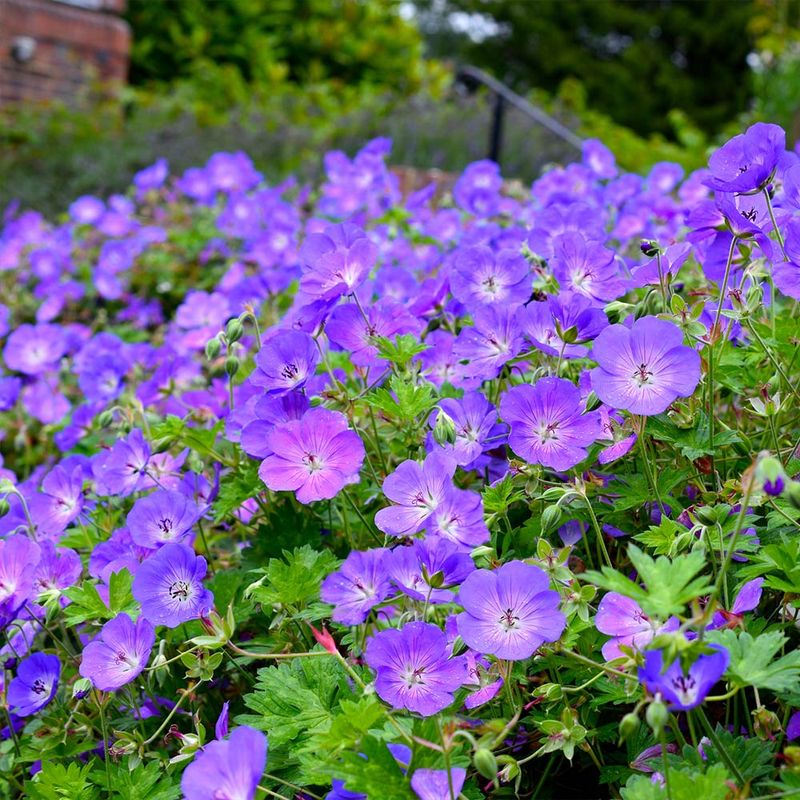
Few plants bloom as stubbornly as Rozanne, which often flowers from early summer straight through to the first hard frost. Its violet-blue saucers with pale centers keep coming even when the August heat sends other flowers sulking.
This hardy geranium earned Perennial Plant of the Year honors in 2008, and gardeners still rave about it today. A single plant commonly spreads two feet wide or more, weaving its stems through neighbors like friendly yarn.
Funny thing is, the plant stays fairly low, usually around eighteen inches tall, so it rarely blocks anything behind it. I tuck mine at the front of beds, where it spills onto the lawn edge by midsummer.
Give it full sun or light afternoon shade, along with average soil that drains reasonably well after a heavy rain. Plants growing in deep shade still survive, but they bloom less and stretch out looking a bit thin.
Around late July, the center can open up and look tired after weeks of nonstop flowering. A quick trim of the longest stems brings fresh growth, and the blooms return within a couple of weeks.
Rozanne is a sterile hybrid, so it fills space by growing wider rather than scattering seedlings everywhere. That makes it a polite choice for tidy gardeners who dislike pulling surprise volunteers out of their mulch each spring.
Space plants about two feet apart for quick coverage, and water them weekly during their first summer in the ground. Once roots settle in, they handle dry spells with surprisingly little complaint from the foliage.
3. Bee Balm
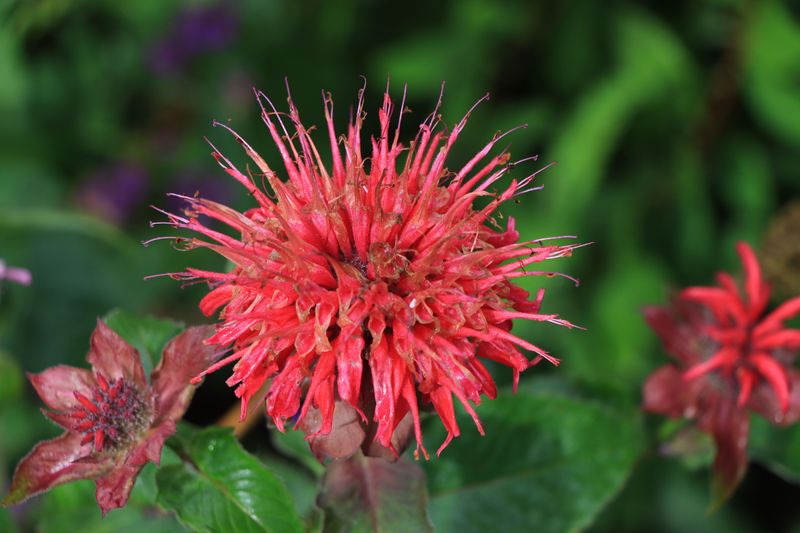
Ruby-throated hummingbirds treat a patch of scarlet bee balm like their personal snack bar during the heat of July. Those shaggy, firework-shaped flowers hold nectar deep inside narrow tubes made perfectly for long beaks and tongues.
Monarda didyma is native to the eastern United States, including parts of New York, so local pollinators recognize it instantly. Bumblebees and butterflies visit too, turning a quiet corner into a busy little airport by midsummer.
Speed comes from underground runners called rhizomes, which creep outward and send up new stems every spring. If you ask me, one plant becoming a lush colony in a year or two feels like magic.
Bee balm grows best in full sun to part shade, with soil that stays fairly moist through summer. Letting it dry out for long stretches often stresses the leaves and invites trouble with fungal spots.
Powdery mildew is the classic headache, coating leaves with a whitish film when air stays humid and still. Choose resistant varieties such as Jacob Cline, and thin crowded stems so breezes can pass through freely.
Every few years, the center of a clump can grow weak while the outer edges race ahead. Dig the patch in early spring, replant the vigorous outer pieces, and share extras with lucky gardening friends.
The leaves smell a bit like oregano mixed with citrus, and people have long brewed them into herbal tea. I like brushing past my patch on purpose just to release that bright, spicy scent.
4. Goldsturm Black Eyed Susan
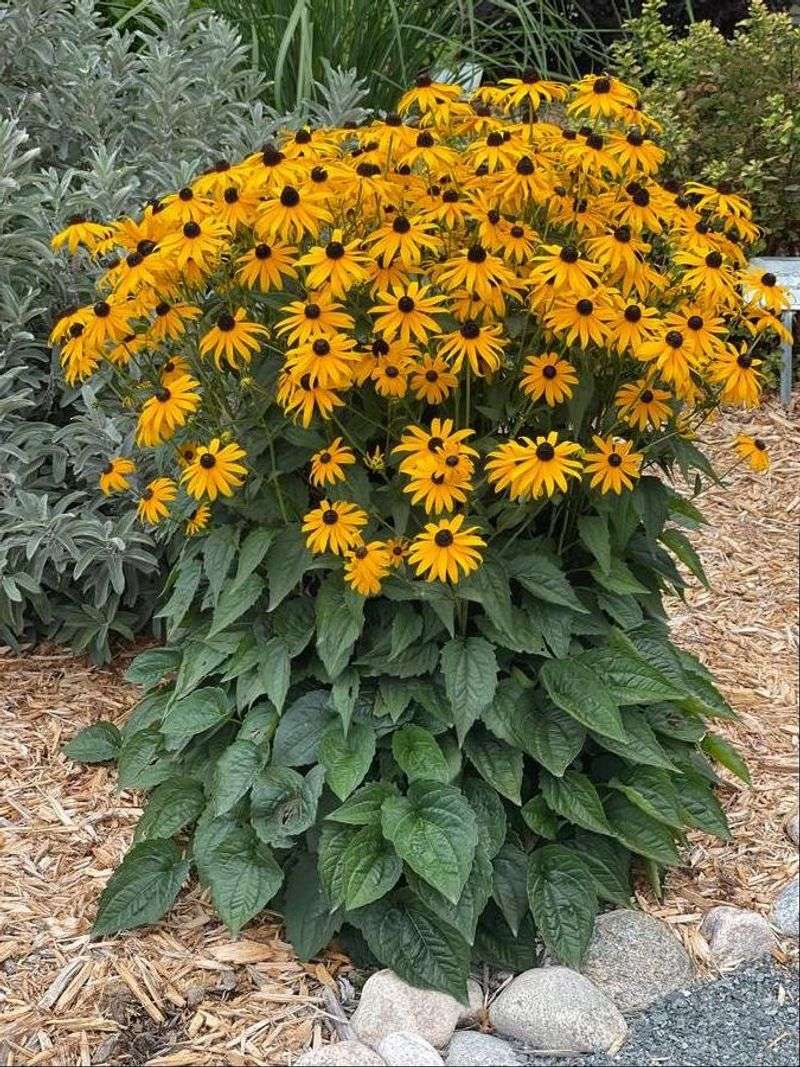
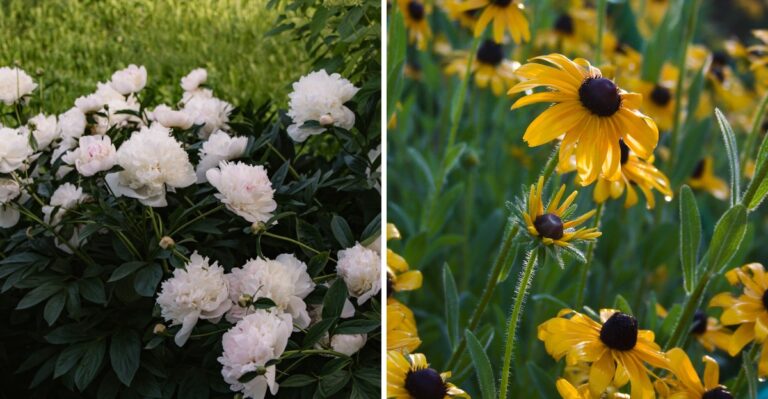
Goldfinches have a sneaky habit of perching on black-eyed Susan seedheads in fall and picking them clean. Leave the dark cones standing after bloom, and you might catch a bright yellow bird snacking outside your window.
Goldsturm is a selection of Rudbeckia fulgida, a tough plant native to the eastern United States. It spreads by short underground stems and self-sown seedlings, so a small clump widens quickly within a season.
In my own yard, three plants turned into a golden river along the fence by their second August. The flowers usually open in July and keep shining well into September when many summer bloomers fade.
Full sun brings the heaviest flower show, although plants tolerate a little light afternoon shade without much fuss. Average garden soil works fine, and established clumps handle short dry spells better than many showier perennials do.
Leaf spot can appear in humid weather, leaving dark blotches on lower leaves by late summer. Spacing plants for airflow and watering at the base, not overhead, helps keep foliage looking cleaner for longer.
Seedlings that pop up in unwanted spots are easy to lift in spring and move somewhere more useful. I tuck extras into bare corners, and they fill them before anyone notices the gap was there.
Hardy down to zone 3, this plant shrugs off the coldest upstate winters without needing any special protection. Pair it with ornamental grasses for a loose, meadow-style bed that looks wonderful even during snowy months.
5. Lambs Ear
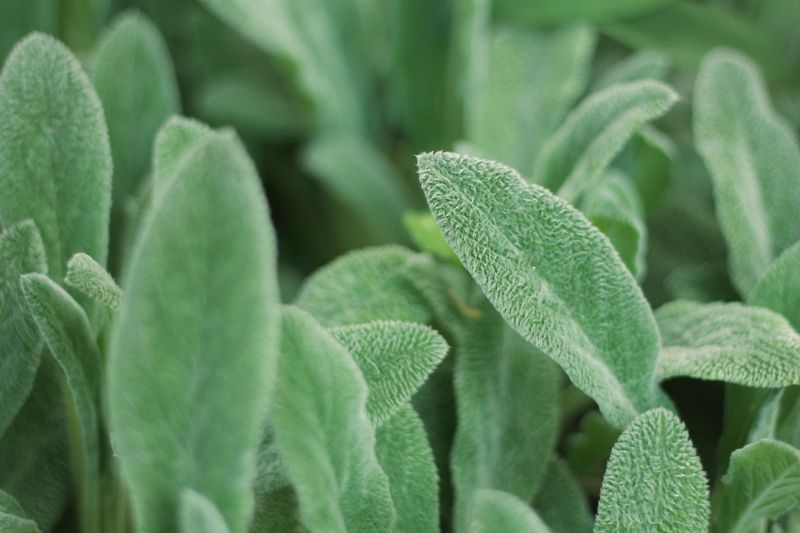
Kids cannot walk past lamb’s ear without stopping to pet it, and honestly, neither can most grown-ups I know. The silvery leaves feel exactly like soft flannel, which explains the sweet name this plant has carried for generations.
Stachys byzantina spreads by creeping stems that root as they travel across the soil surface. One nursery plant can easily become a fuzzy silver mat two feet wide or more by autumn.
Sun and sharp drainage are the keys to happy plants, especially through hot, sticky summers. Heavy clay that stays wet often causes the lower leaves to rot and turn mushy near the crown.
Truth be told, the tall flower stalks look a little scruffy, though bees adore the small purple blossoms. Cutting the stalks off keeps the plant tidy and pushes its energy back into fresh, velvety foliage.
Helen von Stein is a popular variety with bigger leaves that rarely produces flowers at all. Many gardeners prefer it for neat edging, and it often handles humidity better than the standard type does.
Deer and rabbits usually skip lamb’s ear because they dislike the fuzzy texture against their mouths. That makes it handy for hungry-animal neighborhoods where tender hostas vanish overnight in early summer.
After a rainy stretch, pull out any soggy, browned leaves so air can reach the center again. The silver color brightens shady evening light and makes deep purple or pink flowers nearby look even richer.
6. Common Yarrow
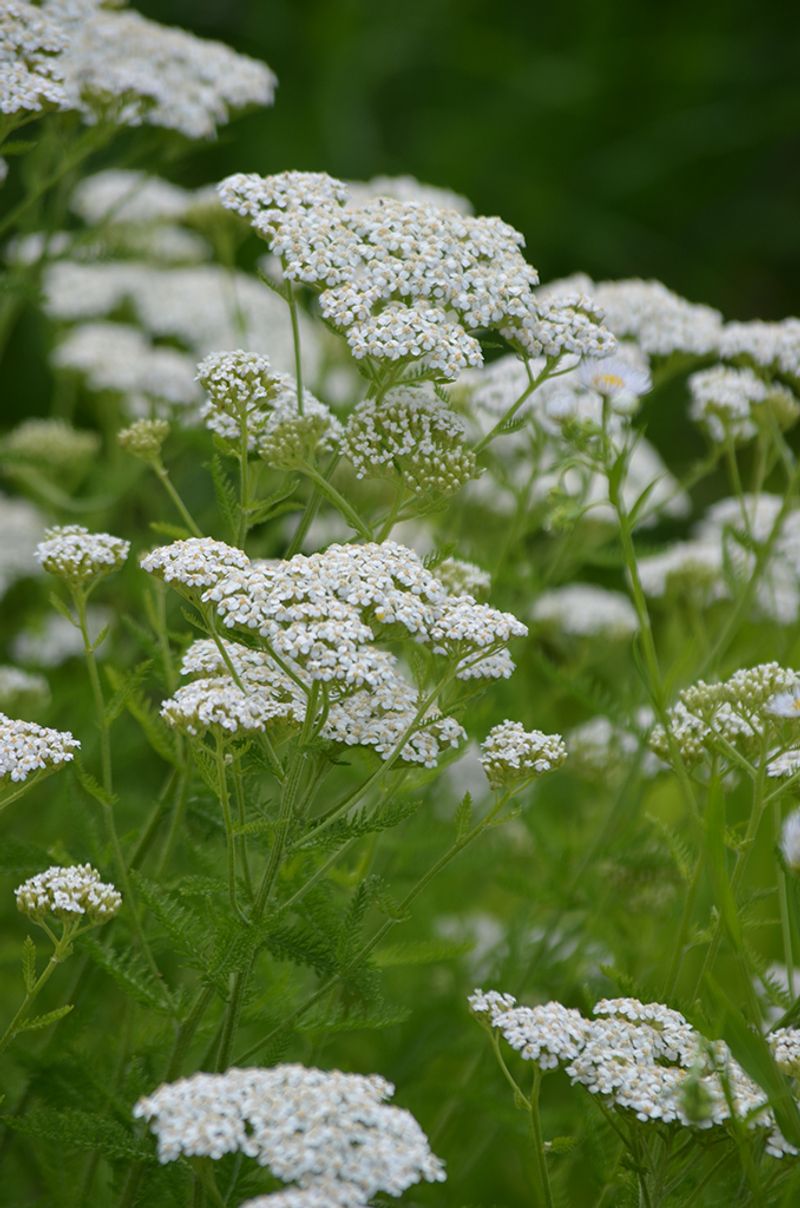
Feathery yarrow leaves are so finely cut that the species name millefolium means a thousand leaves. Rub one between your fingers, and a sharp, herbal scent rises that smells a little like crushed sage.
Achillea millefolium grows wild across much of North America, and native forms are found throughout the region. Garden varieties come in shades like cherry red, soft pastel pink, and buttery yellow for extra color.
Yarrow spreads by underground rhizomes and can also self-seed, so one clump widens fast in sunny spots. My garden taught me that it happily fills dry, rocky patches where fussier plants simply refuse to grow.
Poor to average soil actually suits yarrow better than rich, heavily fertilized ground does. Too much nitrogen or water often makes the stems tall and weak, causing them to flop after summer storms.
Flat flower clusters bloom from early summer into late summer, offering wide landing pads for tiny pollinators. Small native bees, hoverflies, and butterflies visit regularly, and hoverfly larvae help control aphids in nearby beds.
Because it spreads with real enthusiasm, give yarrow room or edge the bed so it stays in bounds. Dividing clumps every few years in spring keeps the patch healthy and gives you plenty of extra plants.
Snip faded flower heads to encourage more blooms and reduce unwanted seedlings around the garden. Cut stems also dry beautifully, holding their color for months in simple bouquets on a kitchen table.
7. Moonbeam Threadleaf Coreopsis
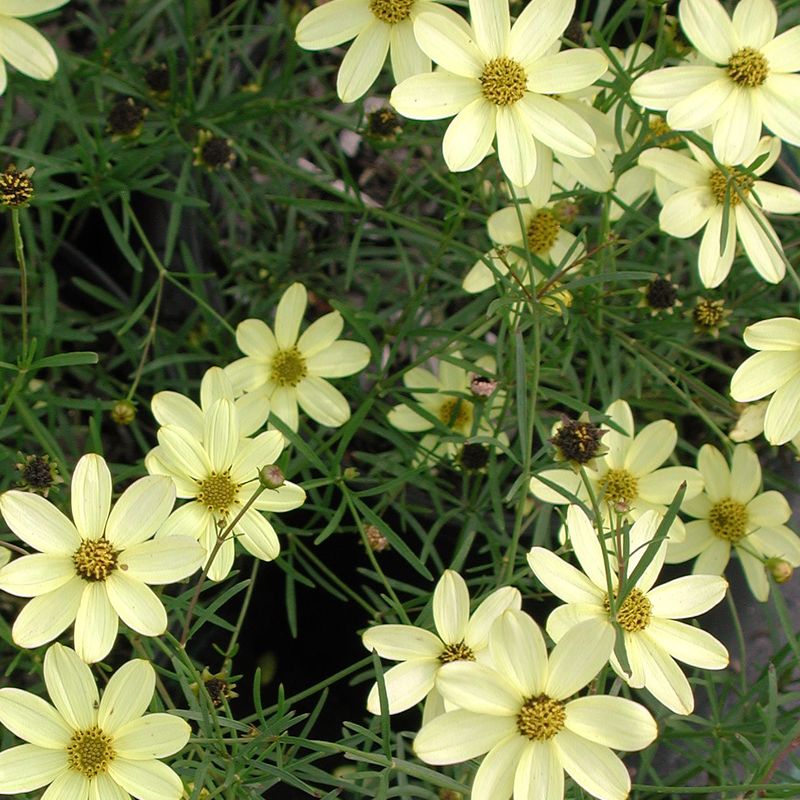
Pale yellow Moonbeam flowers seem to glow at twilight, almost like little night lights scattered through the garden. The color is softer than most yellow daisies, so it blends easily with blues, purples, and pinks.
Moonbeam is a variety of Coreopsis verticillata, which was named Perennial Plant of the Year back in 1992. Its fine, threadlike leaves create an airy texture that makes beds look soft and full rather than heavy.
Underground rhizomes help it spread steadily, turning a small pot into a wide, frothy mound within a season. In my own yard, it quietly crept between rocks and filled spaces I had forgotten about entirely.
Plant it in full sun with well-drained soil, avoiding spots where water puddles after heavy spring rains. Overly rich soil and too much water can cause the plant to sprawl and produce fewer blossoms.
Blooms often appear from early summer into early fall, especially if you give plants a quick shearing midseason. Trim the whole mound lightly after the first big flush, and new buds usually follow within a few weeks.
Butterflies and small bees visit the flowers regularly, and deer typically leave the plant alone. That reliability makes it a handy choice for sunny front yards that see heavy wildlife traffic at night.
Every few years, divide clumps in spring if the center begins thinning out or blooming less. Replant the healthiest outer pieces, and they quickly rebuild that cheerful pale yellow carpet across the bed.
8. Russian Sage
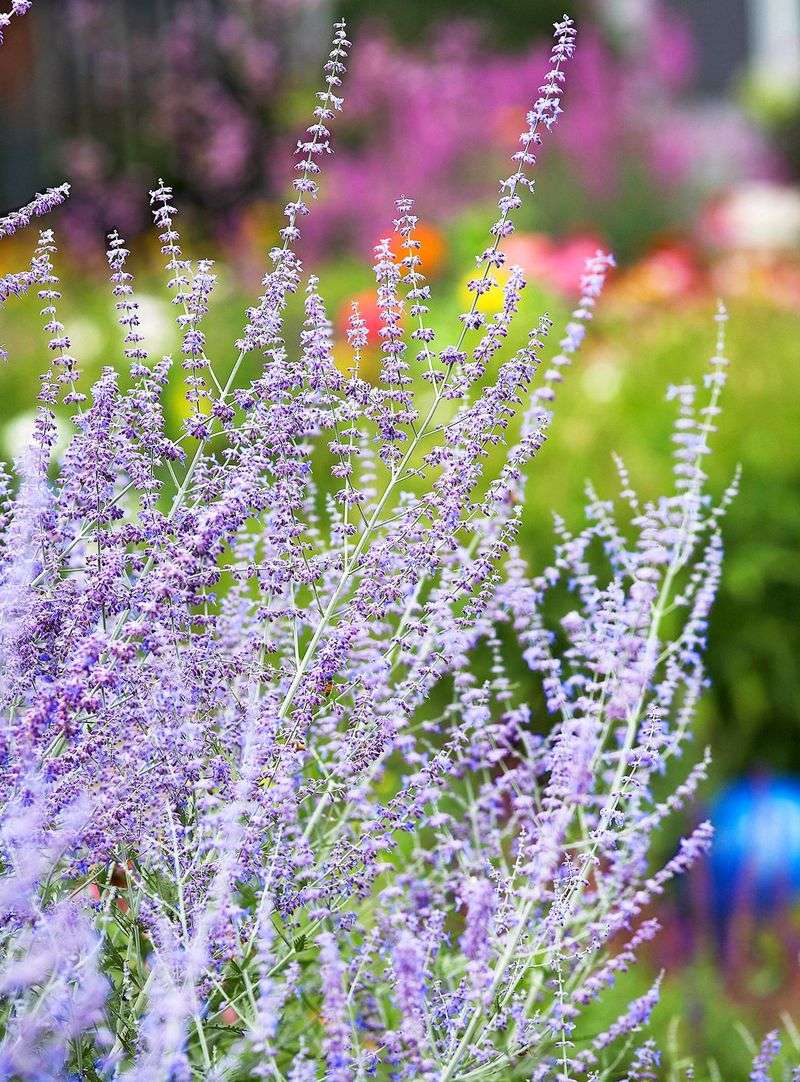
Late summer turns Russian sage into a shimmering lavender haze that looks almost like smoke drifting over the garden. Its silvery stems catch evening light beautifully, giving even small yards a dreamy, wide-open prairie feeling.
Botanists recently renamed it Salvia yangii, though most nurseries still sell it under the older name Perovskia. Either label points to the same tough, drought-tolerant shrubby perennial that earned top honors in 1995.
A young plant can reach three feet tall and nearly as wide by its first or second fall. My garden taught me to give it plenty of elbow room, because cramped plants quickly lean over neighbors.
Full sun and lean, well-drained soil keep the stems sturdy and upright through late summer storms. Shade or rich, moist ground usually leads to floppy growth that sprawls across paths after a heavy rain.
Wait until early spring, when new buds appear at the base, before cutting old stems back. Trimming to about six to twelve inches tall encourages fresh, bushy growth and a fuller flower show later.
Bees love the tiny blue flowers, while deer and rabbits usually find the fragrant foliage unappealing. The leaves smell pleasantly sharp when crushed, a little like a mix of sage and fresh lavender.
Hardy to zone 4, it handles most winters in the state as long as soil drains well. Pair it with ornamental grasses, and the silver and gold combination glows long after other flowers fade.
9. Becky Shasta Daisy
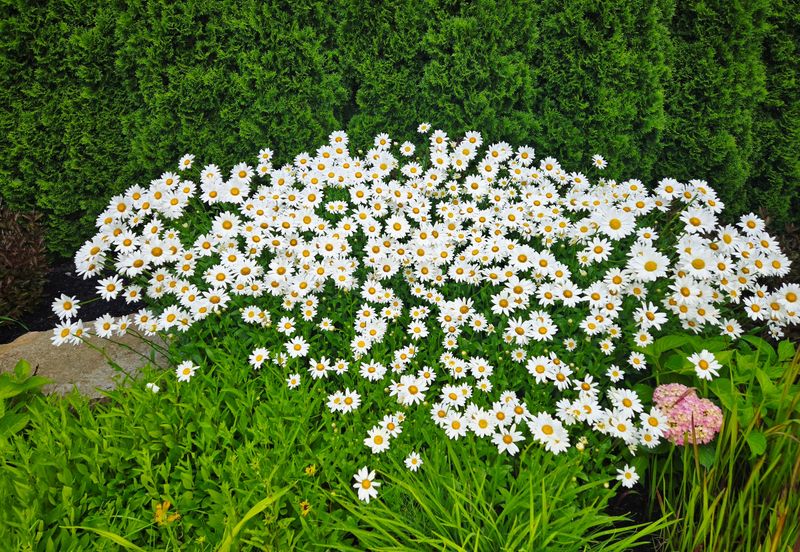
Plant breeder Luther Burbank spent years crossing daisies before introducing the classic Shasta daisy in the early 1900s. He named it after snowy Mount Shasta in California, inspired by those bright white petals.
Becky is a sturdy variety of Leucanthemum x superbum and was chosen Perennial Plant of the Year in 2003. Its tall, strong stems hold up well in summer storms, so you rarely need stakes or ties.
A small spring division usually bulks up into a generous clump about two feet wide by August. Truth be told, my one transplant produced so many flowers that I gave away bouquets all summer long.
Full sun and well-drained soil bring the best results, and plants appreciate a little compost at planting time. Heavy clay that stays wet over winter often weakens the crowns, so improve drainage before you plant.
Snip spent flowers down to the next bud, and fresh blooms keep coming from July into early fall. This small chore takes only minutes, yet it keeps the plants looking crisp and lively for weeks.
Divide clumps every two or three years in spring to keep them vigorous and blooming heavily. The outer pieces grow strongest, so replant those and compost the woody center that tends to decline.
Cut daisies last a long time in a vase, often brightening the kitchen for a week or more. Change the water every couple of days, and the white petals stay fresh and cheerful even longer.
10. New England Aster
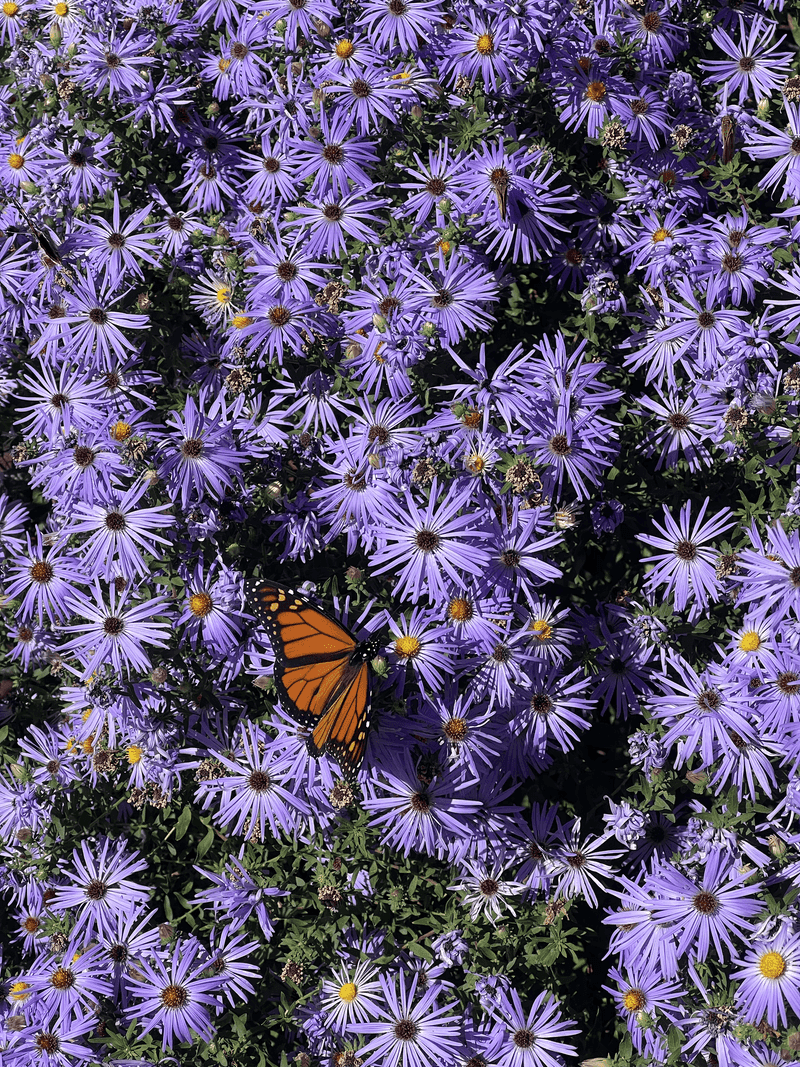
Migrating monarch butterflies often stop to refuel on New England asters during their long autumn journey south. Watching orange wings flutter over purple flowers in September feels like a small reward for patient gardening.
Symphyotrichum novae-angliae is native across much of New York, growing wild in meadows and along sunny roadsides. Flowers range from deep purple to rosy pink, each with a cheerful golden center that glows in fall light.
Plants can reach three to six feet tall, and young clumps widen quickly in their first full season. In my own yard, a single plant became a hefty purple fountain that filled the back corner by October.
Full sun and moist, fertile soil suit this aster best, though it tolerates average conditions without much complaint. Steady water during summer dry spells keeps lower leaves green instead of turning brown and crispy.
For shorter, bushier plants, pinch stems back by about half in early summer before buds form. This trick reduces flopping and often leads to more flowers, though blooming may start a little later than usual.
Aster seeds can sprout around the garden, so pull extra seedlings in spring if they pop up uninvited. You might also leave a few to fill gaps naturally, creating a loose, meadow-style look over time.
Native bees rely on late flowers like these to stock up before winter arrives. Planting a few asters gives your garden a final burst of color when most summer perennials have finished.