Why Florida HOAs Can’t Actually Ban These Native Plants (Most Homeowners Don’t Know)
Florida HOAs send violation notices with confidence. Native plants that do not fit the standard landscaping template get flagged, cited, and removed by homeowners who assume the HOA has the authority to demand it.
Sometimes it does not. Florida law has been shifting in favor of native and drought-tolerant landscaping in ways that have outpaced what many HOA governing documents reflect.
Plants that trigger a violation letter may be explicitly protected under state statute. The HOA board may not know.
The homeowner almost certainly does not. That gap between what an HOA demands and what it can legally enforce is wider than most Florida neighborhoods realize.
A native plant yard that receives a citation is not automatically a battle lost. In some cases it is a battle the HOA was never positioned to win.
Knowing where Florida law currently stands changes everything about how that conversation goes.
1. Coontie Puts Restrictive Plant Lists On Shaky Ground
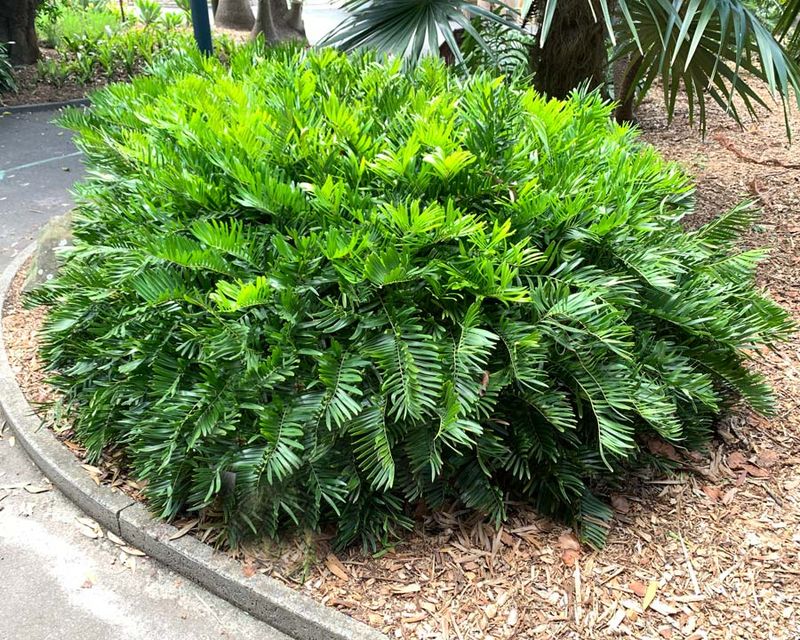
Some plants look so unassuming that HOA boards barely notice them, and coontie, Zamia integrifolia, uses that quiet confidence to its advantage. This compact cycad grows slowly into a dense, evergreen mound that rarely exceeds three feet tall.
Its dark, glossy leaflets stay tidy through drought and heat without supplemental irrigation once established.
Coontie fits the right-plant-right-place principle almost perfectly. It tolerates full sun, partial shade, sandy soils, and dry conditions that would stress most ornamentals.
That adaptability makes it a strong candidate for a Florida-Friendly landscape argument under section 720.3075. It reduces irrigation needs and requires minimal chemical inputs.
Ecologically, coontie is the only known larval host plant for the Atala butterfly, a species that was once thought to be regionally gone. Planting it can support local wildlife, which connects to another Florida-Friendly Landscaping principle.
One practical note for placement decisions: every part of the plant contains cycasin, a compound that is toxic if ingested by pets or small children. Thoughtful placement away from play areas is smart landscaping, not a concession to HOA pressure.
An HOA may still require approval before installation. However, a plant that is evergreen, low-growing, drought-tolerant, and ecologically valuable is a difficult target for a blanket restriction.
Document the plan carefully and reference the statute when submitting your request.
2. Beautyberry Turns Wildlife Value Into Part Of The Argument
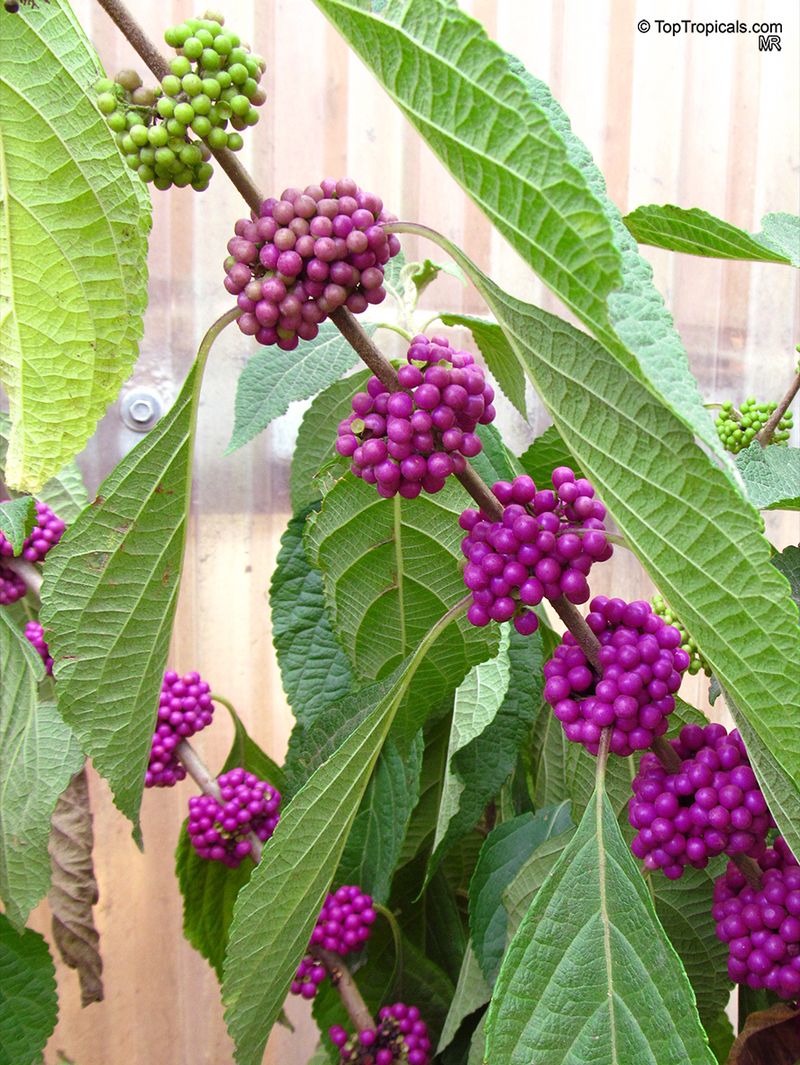
Few shrubs stop people in their tracks the way American beautyberry does in fall. Callicarpa americana produces tight clusters of bright purple berries along every arching stem, creating a display that looks almost too vivid to be real.
Birds, including mockingbirds and towhees, visit repeatedly once the fruit ripens.
That wildlife connection matters because attracting wildlife is one of the nine principles of Florida-Friendly Landscaping. A landscape that includes a well-placed beautyberry can reference that principle directly when seeking HOA approval.
However, wildlife value does not automatically override a board’s design standards, and this distinction is worth understanding before any conversation with a committee.
Mature beautyberry can reach six to eight feet tall and nearly as wide. Placement matters enormously.
Tucking it toward the rear of a bed or using it as a mid-border anchor gives it room to perform without crowding hardscape or sightlines.
An HOA may reasonably ask that large shrubs stay outside setback zones or maintain a certain clearance from walkways. Those kinds of rules are not the same as a prohibition on Florida-Friendly Landscaping.
Pruning beautyberry hard in late winter resets its size and encourages more vigorous fruiting the following season.
Bring photos, a planting plan, and a brief note about its ecological role to your approval meeting. This gives the board something concrete to evaluate rather than just a name on a list.
3. Muhly Grass Challenges Rules Built Around Thirsty Turf
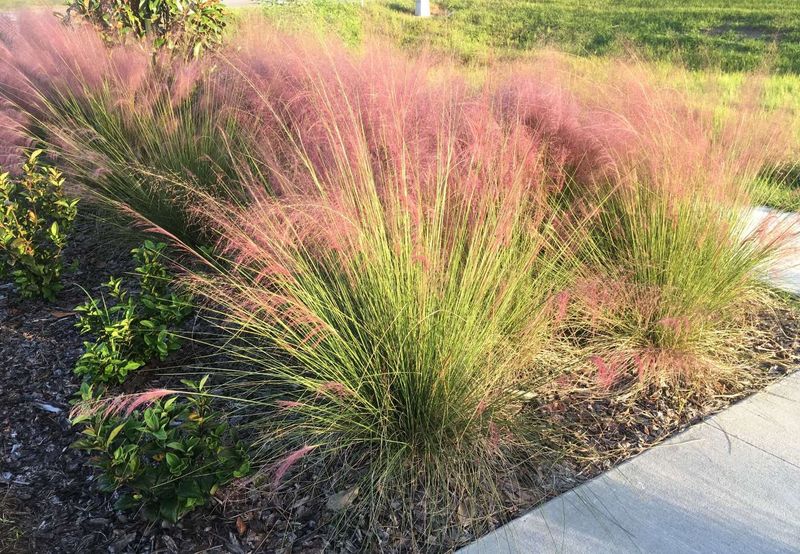
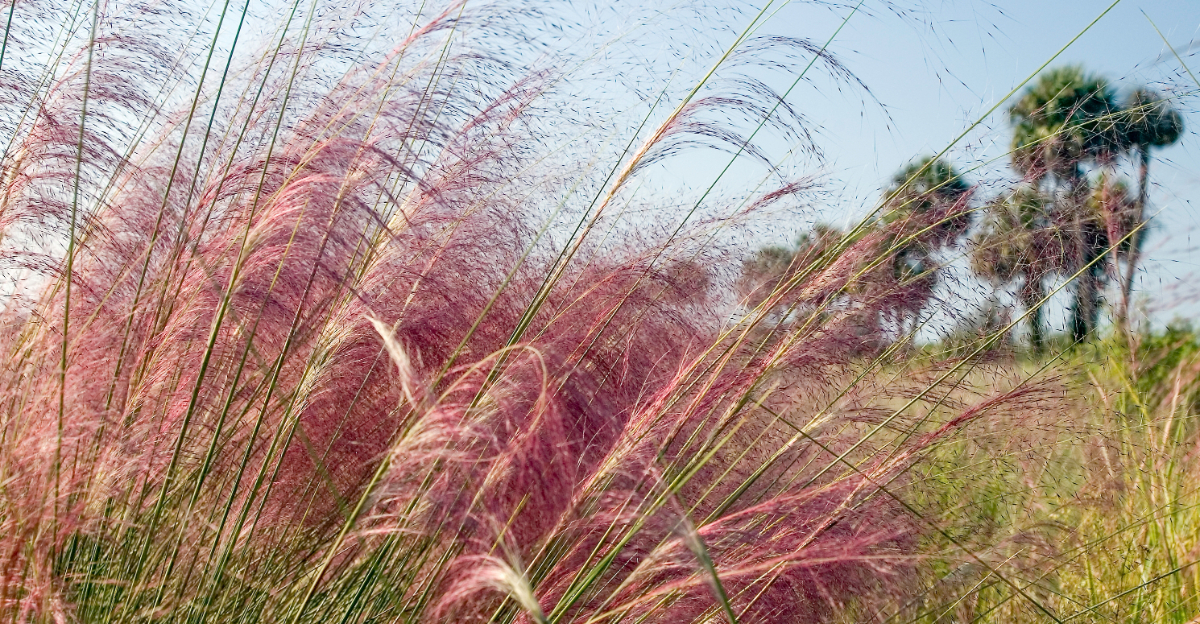
Every October, muhly grass earns its keep. Muhlenbergia capillaris sends up clouds of pink-purple flower plumes that catch afternoon light in a way that few ornamental grasses can match.
The rest of the year, its fine blue-green foliage stays tidy and low-maintenance in a way that traditional turf rarely manages.
Drought tolerance is one of muhly grass’s standout traits. Once established in full sun and well-drained soil, it needs very little irrigation.
That directly supports the water conservation principle at the core of Florida-Friendly Landscaping. Using it to replace a patch of high-input turf is a practical, documented way to reduce landscape water use.
That said, the statute does not hand homeowners unlimited authority to remove every square foot of lawn. An HOA may have reasonable rules about how much of a front yard can transition away from turf, and those rules are not automatically invalid.
The legal question becomes significant when a rule effectively prevents the implementation of a Florida-Friendly approach altogether.
Muhly grass grows about three feet tall and three feet wide at maturity. It performs best in full sun and resents soggy soil.
Clumps can be cut back in late winter to refresh growth before the new season begins.
A planting plan can show muhly grass in defined beds with clear borders and maintained spacing. This makes the landscape look intentional rather than neglected and may help during the approval process.
4. Walter’s Viburnum Keeps Native Hedges Looking HOA-Ready
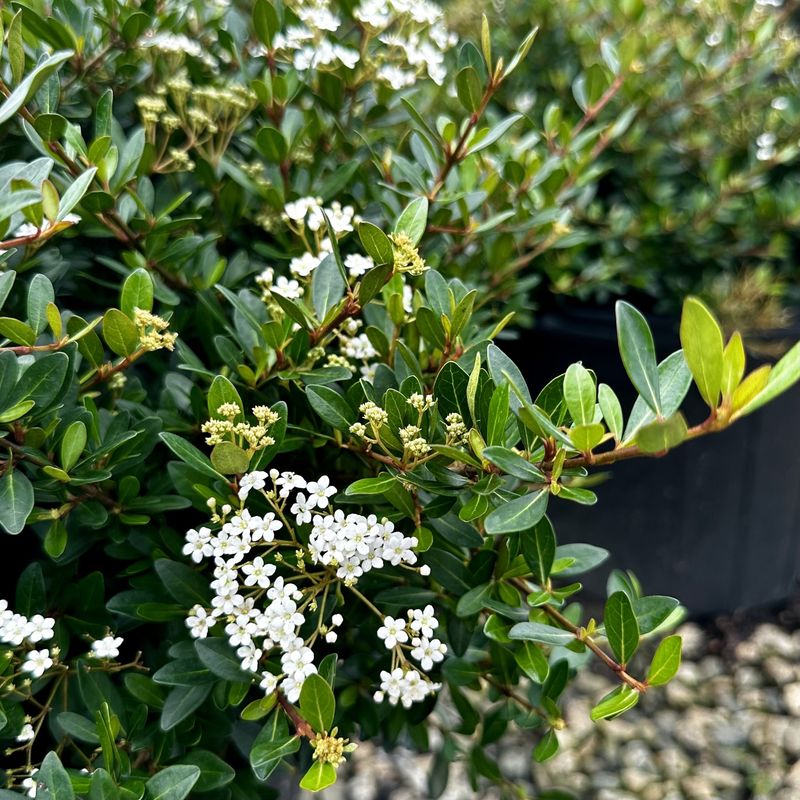
One of the most persistent myths about native landscaping is that it always looks wild. Walter’s viburnum, Viburnum obovatum, dismantles that idea almost immediately.
With the right cultivar and regular pruning, it creates a dense, formal hedge that most HOA boards would find difficult to object to on aesthetic grounds.
This small-leaved evergreen shrub responds well to shearing and can be maintained at heights ranging from three feet to well over ten feet depending on the selection.
Compact cultivars such as ‘Densa’ and ‘Mrs. Schiller’s Delight’ stay naturally smaller, which makes them better choices for tight spaces or low-clearance requirements.
Always verify cultivar availability with a local nursery before committing to a plan.
White flower clusters appear in late winter or early spring, attracting pollinators at a time when not much else is blooming. Small dark fruit follows, which birds appreciate.
Both features connect to Florida-Friendly principles without making the plant look unkempt.
An HOA may still set reasonable height limits or require that hedges stay within property boundaries. Those are legitimate design standards, not prohibitions on Florida-Friendly Landscaping.
Choosing the right cultivar for the available space avoids that conflict before it starts.
Bringing a photo of a maintained Walter’s viburnum hedge to an approval meeting is often more persuasive than a botanical description. Showing the board what a tidy native hedge looks like shifts the conversation from concern to consideration.
5. Yaupon Holly Brings Evergreen Structure Without Heavy Water Use
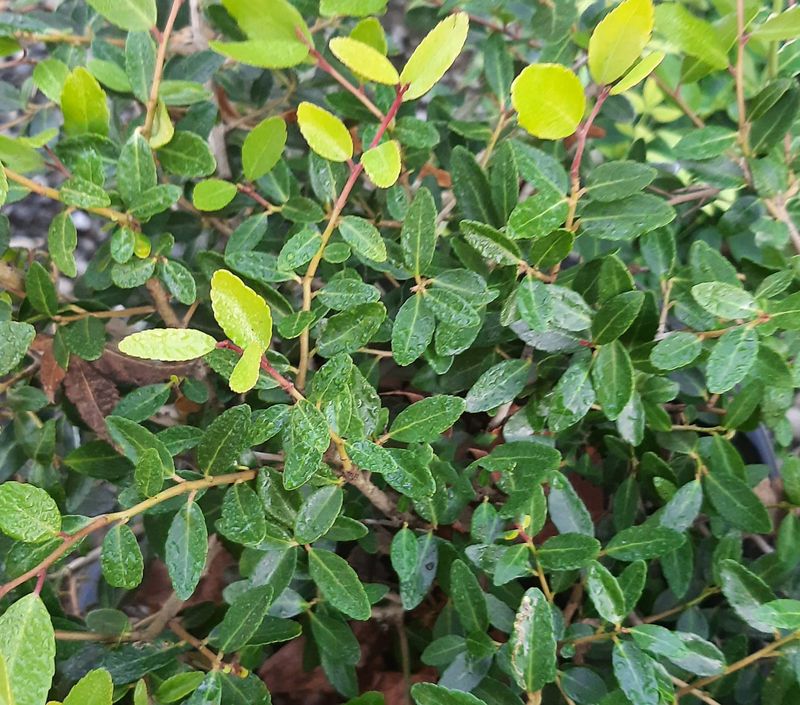
Tough, adaptable, and genuinely attractive, yaupon holly earns its place in a low-input landscape without asking for much in return. Ilex vomitoria handles drought, salt spray, poor soils, and hard pruning with a resilience that few other evergreen shrubs can match.
Once established, it rarely needs irrigation beyond rainfall in most parts of the state.
That reduced irrigation demand connects directly to water conservation, one of the core principles of Florida-Friendly Landscaping.
Replacing a thirsty ornamental with a plant that sustains itself on natural rainfall is exactly the kind of swap the statute was designed to protect.
Yaupon holly comes in a wide range of forms. Standard specimens can grow into small trees reaching fifteen to twenty feet.
Dwarf selections such as ‘Nana’ stay under three feet and work well as low borders or foundation plantings. Weeping forms add a different texture entirely.
Only female plants produce the small red berries that birds favor, so a male plant nearby is needed for fruit set.
One thing worth clarifying: native does not mean the plant never needs water. Newly installed yaupon holly benefits from regular irrigation during its establishment period, which typically runs six to twelve months depending on conditions.
Choosing the right form for the right space is the most effective way to satisfy both the plant’s needs and any reasonable HOA guidelines about size and placement. Document that choice in your landscape plan.
6. Simpson’s Stopper Fits The Polished Look Boards Usually Want
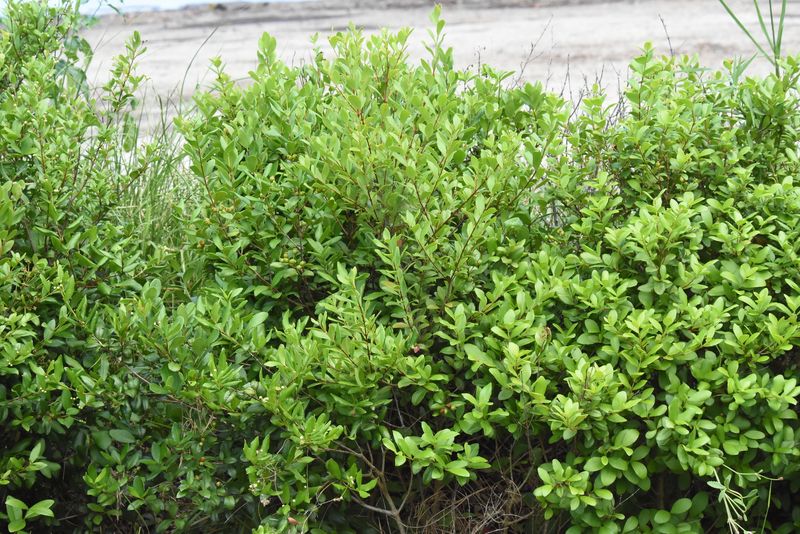
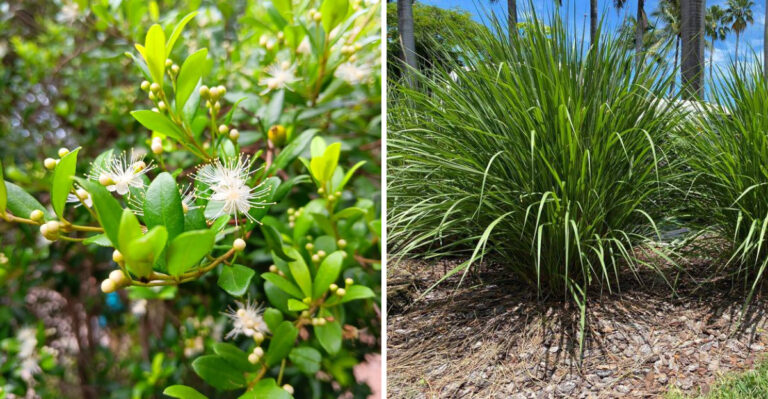
Walk past a well-maintained Simpson’s stopper hedge on a warm morning and you will likely catch its fragrance before you see the flowers. Myrcianthes fragrans produces small, white blooms with a sweet scent that carries in still air.
The dense, evergreen foliage and naturally upright form make it one of the more underused native shrubs for formal applications.
This is a plant that tends to surprise HOA boards. Sheared into a clean hedge or left to grow as a multi-stemmed specimen, it holds its shape well and looks deliberate rather than overgrown.
That polished quality addresses a common objection boards raise about native landscaping. Some worry that native plants will look messy or out of place in a maintained community.
Simpson’s stopper is best suited to central and south regions of the state, where it handles heat and humidity without complaint. In northern areas, cold snaps can cause decline, so regional suitability should be confirmed before planting.
Mature size ranges from about ten to fifteen feet without pruning, though regular shearing keeps it compact.
A documented landscape plan gives an HOA board a clear picture of what is being proposed. Include photos of maintained examples, a note about regional suitability, and a reference to section 720.3075.
No board is required to approve every request, but a thorough submission is harder to dismiss than a verbal description.
Pair it with a maintenance schedule and the conversation tends to go more smoothly.
7. Sunshine Mimosa Puts Turf-Only Landscaping Rules To The Test
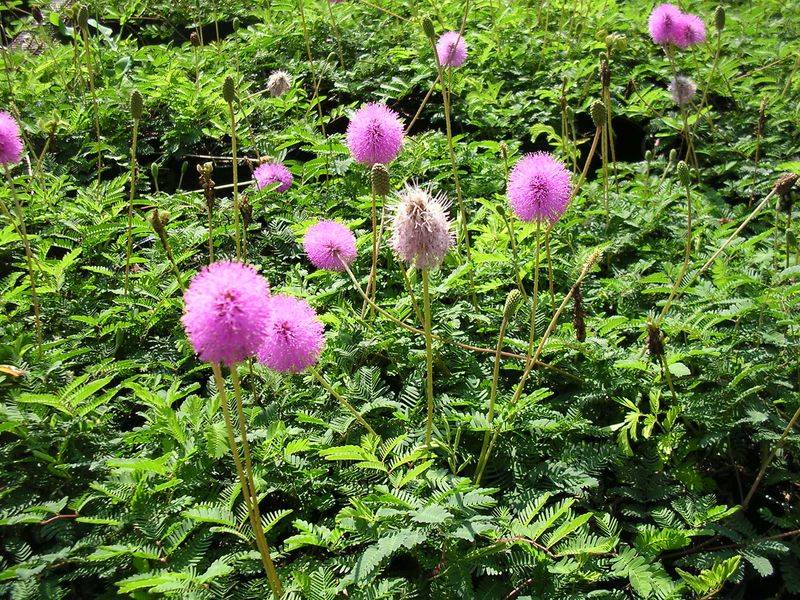
Ground-hugging and unexpectedly cheerful, sunshine mimosa grows in a way that makes most people stop and look twice. Mimosa strigillosa spreads low across the ground, sending up small, pink powder-puff flowers from spring through fall.
Its leaves fold inward when touched, which tends to delight anyone seeing it for the first time.
As a lawn alternative, it works best in full sun with good drainage. It tolerates mowing, handles moderate foot traffic, and stays green without the irrigation schedule that traditional turf typically demands.
Those qualities make it a reasonable candidate for areas where reducing water use is the goal.
Here is where the legal conversation gets more specific. Section 720.3075 says HOA governing documents cannot prohibit the implementation of Florida-Friendly Landscaping.
A rule that effectively prevents any reduction in turf coverage, regardless of water savings or ecological benefit, starts to look inconsistent with that protection.
However, the statute does not give homeowners a blanket right to remove every lawn area without approval or consideration of community standards.
The distinction matters. A rule becomes legally significant when it prevents the implementation of Florida-Friendly practices, not simply when a homeowner prefers something different.
Consulting the governing documents and, if needed, a qualified attorney helps clarify where that line sits in a specific community.
Sunshine mimosa works best as part of a clearly documented, well-maintained plan rather than an informal experiment. Present it that way and the conversation stays productive.
8. Beach Sunflower Shows Where HOA Control Still Has Limits
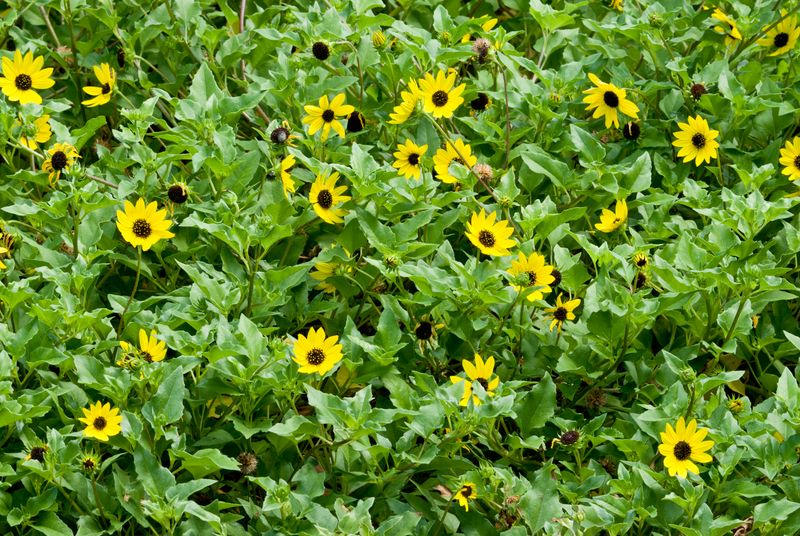
Beach sunflower has bright yellow flowers, a sprawling habit, and a tolerance for sandy, dry conditions. These traits make it one of the more recognizable native groundcovers along coastal properties.
The species most commonly used in landscapes is Helianthus debilis, and it earns its reputation as a tough, low-input plant that blooms generously in full sun.
Its vigorous spreading habit is genuinely useful in open, sunny areas where coverage is the goal. That same vigor means it needs enough space to perform well without crowding adjacent plants or hardscape.
Placement matters, and a landscape plan that accounts for its spread shows the board that the installation has been thought through.
This final section is also a good place to be clear about where homeowner protection ends. Section 720.3075 protects the ability to implement Florida-Friendly Landscaping, but it does not authorize landscapes that are neglected, hazardous, or poorly maintained.
An HOA may still maintain approval procedures, set reasonable appearance standards, and enforce maintenance requirements. Common areas controlled by the association fall under different rules entirely and are not subject to the same individual-owner protections.
The strongest position a homeowner can take is a documented one. Give the HOA a written landscape plan, photos of mature installations, and a maintenance schedule.
A direct citation of the relevant statute also gives the board something specific to respond to.
If a dispute cannot be resolved through the approval process, consulting a qualified attorney familiar with community association law is the most practical next step. Know the rules, document the plan, and work through the process.